
Taiwan Food Guide
Content Information
Recently updated🔥Current Food Trends 2025
What's happening in Taiwan's culinary scene right now
Taiwan's 2025 culinary scene celebrates night market culture as the soul of Taiwanese cuisine despite fine dining growth. Taipei dominates with 41 Michelin-starred restaurants including RAW (1 star) leading contemporary Taiwanese innovation and Impromptu by Paul Lee showcasing French-Taiwanese fusion. Taipei Fine Dining Week highlights November 2025 culinary sophistication. Bubble tea (boba) revolution continues from 1980s Taichung origins - now global phenomenon with brown sugar boba, cheese foam tea, fruit tea variations. Chun Shui Tang celebrated as birthplace. Din Tai Fung xiaolongbao empire expands worldwide while maintaining Taipei flagship excellence - 18+ thin folds per dumpling perfection. Night markets thrive: Shilin, Raohe, Ningxia serve xiaolongbao, oyster omelets, stinky tofu, beef noodle soup to millions. Taiwanese breakfast culture unique: soy milk (doujiang) shops serve youtiao (fried dough), fantuan (rice rolls), dan bing (egg crepes). Buddhist vegetarian (素食 sushi) cuisine sophisticated with mock meats, creative vegetables. November Beef Noodle Festival celebrates national dish. Tea culture includes oolong from Alishan, oriental beauty from Hsinchu, high mountain teas with ceremonial preparation. Tainan ancient capital recognized for traditional Taiwanese cuisine: milkfish, coffin bread, oyster vermicelli. Indigenous Taiwanese cuisine (Bunun, Paiwan, Atayal tribal foods) gains recognition in restaurants. Hualien features indigenous millet wine and Joint Aboriginal Harvest Festival (July). Kaohsiung expanded to Michelin Guide 2023. 2025 street food evolution pairs crispy chicken with craft beer, new dips (mala mayo, wasabi cheese). Scallion pancakes now filled with cheese, kimchi, wagyu. Vegan-friendly Taipei growing. April 2025 welcomed 751,000 visitors (sharp increase). Travel pillars: culinary exploration, Aboriginal heritage, slow travel.
Food Safety Tips
Essential food safety information to help you enjoy Taiwan's cuisine safely and confidently.
Food hygiene standards are generally good
While Taiwan generally has good food hygiene standards, choose restaurants that appear clean and well-maintained for best experience.
Bottled water recommended in rural areas
In Taiwan, it's recommended to drink bottled water, especially in rural areas where water quality may vary. Urban areas generally safe.
Night market street food is generally safe
Street food in Taiwan night markets is delicious and generally safe when choosing vendors with high turnover and good hygiene practices.
Dietary Options
vegetarian
HIGH AVAILABILITYExcellent vegetarian availability thanks to Buddhist vegetarian (素食) culture. Sophisticated mock meats and creative vegetable dishes widely available, especially in Taipei.
vegan
MEDIUM AVAILABILITYGrowing vegan scene in Taipei with many vegan restaurants and Buddhist vegetarian options. Traditional dishes may contain animal products, so verify ingredients.
gluten-free
LOW AVAILABILITYChallenging as wheat noodles, dumplings, and soy sauce are staples. Learning key phrases to explain dietary needs recommended.
halal
LOW AVAILABILITYHalal food primarily available in Taipei's Muslim-friendly areas and some tourist destinations. Small Muslim community (approximately 60,000) supports limited halal infrastructure. Pork and lard prevalent in Taiwanese cuisine - careful verification needed.
kosher
VERY LOW AVAILABILITYKosher food extremely rare with minimal Jewish community. No kosher restaurants or certification. Chabad Taiwan (Taipei) provides limited kosher services for Jewish residents and travelers.
Common Allergens
Nuts
MEDIUM PREVALENCEPeanuts particularly common in Taiwanese cuisine
COMMONLY FOUND IN:
Soy
HIGH PREVALENCESoy sauce and soy products ubiquitous in Taiwanese cooking
COMMONLY FOUND IN:
Wheat
HIGH PREVALENCEWheat noodles, dumplings, and buns are staples
COMMONLY FOUND IN:
Shellfish
MEDIUM PREVALENCEOysters and other shellfish common in coastal cuisine
COMMONLY FOUND IN:
Essential Food Experiences
These iconic dishes represent the must-have culinary experiences that define Taiwan's food culture for travelers.

Beef Noodle Soup (Niu Rou Mian)
Taiwan's national dish featuring tender beef, rich broth (tomato or classic), and chewy noodles. Fuhong Beef Noodles in Taipei is local favorite, Yi Pin on Yong Kang Street famous for tomato broth. November Beef Noodle Festival celebrates annually.

Xiaolongbao (Soup Dumplings)
Delicate soup dumplings filled with juicy minced pork and rich broth, wrapped in thin skin (18+ folds) and steamed to perfection. Din Tai Fung globally renowned with unparalleled experience - expect queues but exquisite taste worth wait.

Bubble Tea (Boba)
Taiwan's most globally famous export - tea-based drink with chewy tapioca pearls, originated 1980s Taichung. Chun Shui Tang is birthplace. 2025 trends: cheese tea with savoury foam, fruit teas with popping pearls, torched brown sugar tops, cocktail-style bubble tea.

Gua Bao (Taiwanese Hamburger)
Soft, fluffy steamed bun filled with braised pork belly, pickled mustard greens, cilantro, and peanut powder. Shilin Night Market renowned for exceptional Gua Bao offerings.

Stinky Tofu (Chou Doufu)
Fermented tofu with pungent aroma, typically deep-fried and served with pickled cabbage and chili sauce. Raohe Street Night Market in Taipei offers authentic experience. Despite strong smell, beloved street food snack.

Lu Rou Fan (Braised Pork Rice)
Comforting bowl of braised minced pork served over steamed rice. Pork slow-cooked in savory sauce with soy sauce, five-spice powder, and rock sugar, resulting in melt-in-mouth texture.

Oyster Omelet (Oazijian)
Popular street food made with fresh oysters, sweet potato starch, and egg, pan-fried until crispy and served with sweet and savory sauce. Night market essential.

Scallion Pancakes (Cong You Bing)
Crispy, flaky pancakes full of spring onion flavor, cooked fresh on sizzling griddles. 2025 vendors add fillings: melting cheese, punchy kimchi, thin slices of wagyu beef. Yilan region particularly famous.

Pineapple Cake (Fengli Su)
Sweet pastry filled with pineapple jam, popular souvenir often enjoyed with tea. Represents Taiwanese confectionery excellence.

Taiwanese Breakfast (Doujiang Set)
Traditional breakfast from soy milk shops featuring youtiao (fried dough), fantuan (rice rolls), dan bing (egg crepes), served with warm soy milk. Unique cultural experience.

Danzai Noodles (Tainan)
Tainan specialty noodles in savory broth with shrimp, pork, and vegetables. Represents ancient capital's traditional Taiwanese cuisine.

Bamboo Rice (Indigenous)
Indigenous Taiwanese dish of rice and ingredients cooked inside bamboo tubes. Features in Hualien's aboriginal cuisine, showcasing Austronesian culinary heritage.
Regional Specialties & Local Favorites
Discover the authentic regional dishes and local favorites that showcase Taiwan's diverse culinary traditions.
Stinky Tofu (Chou Doufu)
A fermented tofu dish with a pungent aroma. Typically deep-fried and served with pickled cabbage and chili sauce. Despite its strong smell, beloved street food snack.
Allergens:
Bubble Tea (Boba)
Taiwanese tea-based drink originated in Taichung. Typically consists of tea, milk, and chewy tapioca pearls, served cold with various flavorings. 2025 trends include caramelised bubble tea.
Allergens:

Gua Bao
Often referred to as a 'Taiwanese hamburger,' consists of braised pork belly, pickled mustard greens, cilantro, and peanut powder served in a steamed bun.
Allergens:

Taiwanese Fried Chicken
Crispy, flavorful fried chicken seasoned with five-spice and basil. 2025 evolution: snack bars pair with craft beer, vendors add mala mayo or wasabi cheese sauce for bold twist.

Oyster Vermicelli
Thick rice noodles in savory broth with oysters and intestines. Tainan ancient capital specialty representing traditional Taiwanese flavors.
Allergens:

Taro Balls
Chewy balls made from taro root, often served in sweet syrup or with shaved ice and other toppings. Popular dessert across Taiwan.

Coffin Bread (Guan Cai Ban)
Tainan specialty - thick toast hollowed out and filled with creamy seafood or chicken stew. Named for coffin-like appearance.
Allergens:

Milkfish Congee (Tainan)
Traditional Tainan breakfast of rice porridge with milkfish. Represents ancient capital's culinary heritage.
Allergens:

Suncake (Taichung)
Taichung specialty pastry with flaky layers and malt sugar filling. Regional delicacy representing central Taiwan.
Allergens:

Lei Cha (Hakka Ground Tea)
Traditional Hakka ground tea made from tea leaves, herbs, nuts, and seeds. Unique cultural beverage from Hsinchu Hakka heartland.
Allergens:
Regional Cuisine Highlights
Explore the diverse culinary landscapes across different regions of Taiwan.
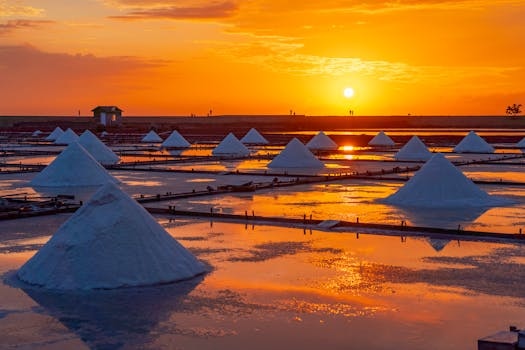
Tainan
Taiwan's oldest city known for traditional Taiwanese flavors and street food. Features seafood, pork, and balance of sweet and savory. Recognized for milkfish, coffin bread, oyster vermicelli preserving traditional cooking methods.
Cultural Significance:
Tainan's cuisine reflects its history as Taiwan's oldest city, preserving traditional cooking methods and flavors dating back centuries. The ancient capital's culinary heritage represents authentic Taiwanese food culture.
Signature Dishes:
- Danzai noodles
- Milkfish congee
- Shrimp rolls
- Coffin bread
Key Ingredients:
Hualien
Coastal region showcasing indigenous Amis and Atayal cultures. Food history reflects fusion of indigenous, Hakka, and Han Chinese influences. Features bamboo rice, stone hot pots, grilled wild boar, millet wine, and Joint Aboriginal Harvest Festival (July).
Cultural Significance:
Hualien showcases Taiwan's Austronesian heritage (16 officially recognized Indigenous tribes). Traditional recipes use locally sourced mountain and sea ingredients. Community tourism offers immersive Indigenous storytelling and sustainable living.
Signature Dishes:
- Bamboo rice
- Indigenous millet wine
- Grilled wild boar
- Stone hot pots
- Mountain greens
Key Ingredients:

Taichung
Known for innovative diverse culinary scene blending traditional Taiwanese with international influences. Birthplace of bubble tea (Chun Shui Tang). Features Suncake, pearl milk tea, mushroom meatball soup representing modern dynamic food culture.
Cultural Significance:
Taichung's cuisine represents modern dynamic Taiwan, embracing both tradition and innovation. The city's role as bubble tea birthplace (1980s) changed global beverage culture. Balance of traditional recipes with contemporary experimentation.
Signature Dishes:
- Suncake
- Pearl milk tea (original bubble tea)
- Mushroom meatball soup
Key Ingredients:

Sweet Delights & Desserts
Indulge in Taiwan's traditional sweet treats and desserts.

Aiyu Jelly
Refreshing dessert made from the gel of the creeping fig fruit. Has a slightly tart flavor and often served with lemon juice and honey.

Pineapple Cake
Sweet pastry filled with pineapple jam. Popular souvenir and often enjoyed with tea.
Taro Balls
Chewy balls made from taro root, often served in sweet syrup or with shaved ice (baobing) and other toppings. November warm weather suitable for baobing with sweet potato, taro, red bean toppings.
Traditional Beverages
Discover Taiwan's traditional drinks, from locally produced spirits to regional wines.

Taiwan Beer
Popular lager-style beer brewed in Taiwan. Widely available and comes in various strengths and flavors.

Kaoliang Liquor
Strong distilled spirit made from sorghum. Traditionally served neat but can also be mixed in cocktails.

Shaoxing Rice Wine
Fermented rice wine used in cooking and also enjoyed as a beverage. Has a sweet and slightly tangy flavor.
Soft Beverages
Discover Taiwan's traditional non-alcoholic drinks, from local teas to refreshing juices.

Oolong Tea
Traditional Taiwanese tea from Alishan with wide range of flavors depending on oxidation level. Oriental beauty from Hsinchu, high mountain teas with ceremonial preparation. Often served hot, can be enjoyed plain or with milk and sugar.

Winter Melon Tea
Refreshing drink made from winter melon, often served chilled. Has a naturally sweet flavor and is popular summer beverage.

Soy Milk (Doujiang)
Plant-based milk made from soybeans. Common breakfast drink served hot or cold, often with added sugar or flavorings. Essential part of Taiwanese breakfast culture.