
Indonesia Food Guide
Content Information
Recently updated🔥Current Food Trends 2025
What's happening in Indonesia's culinary scene right now
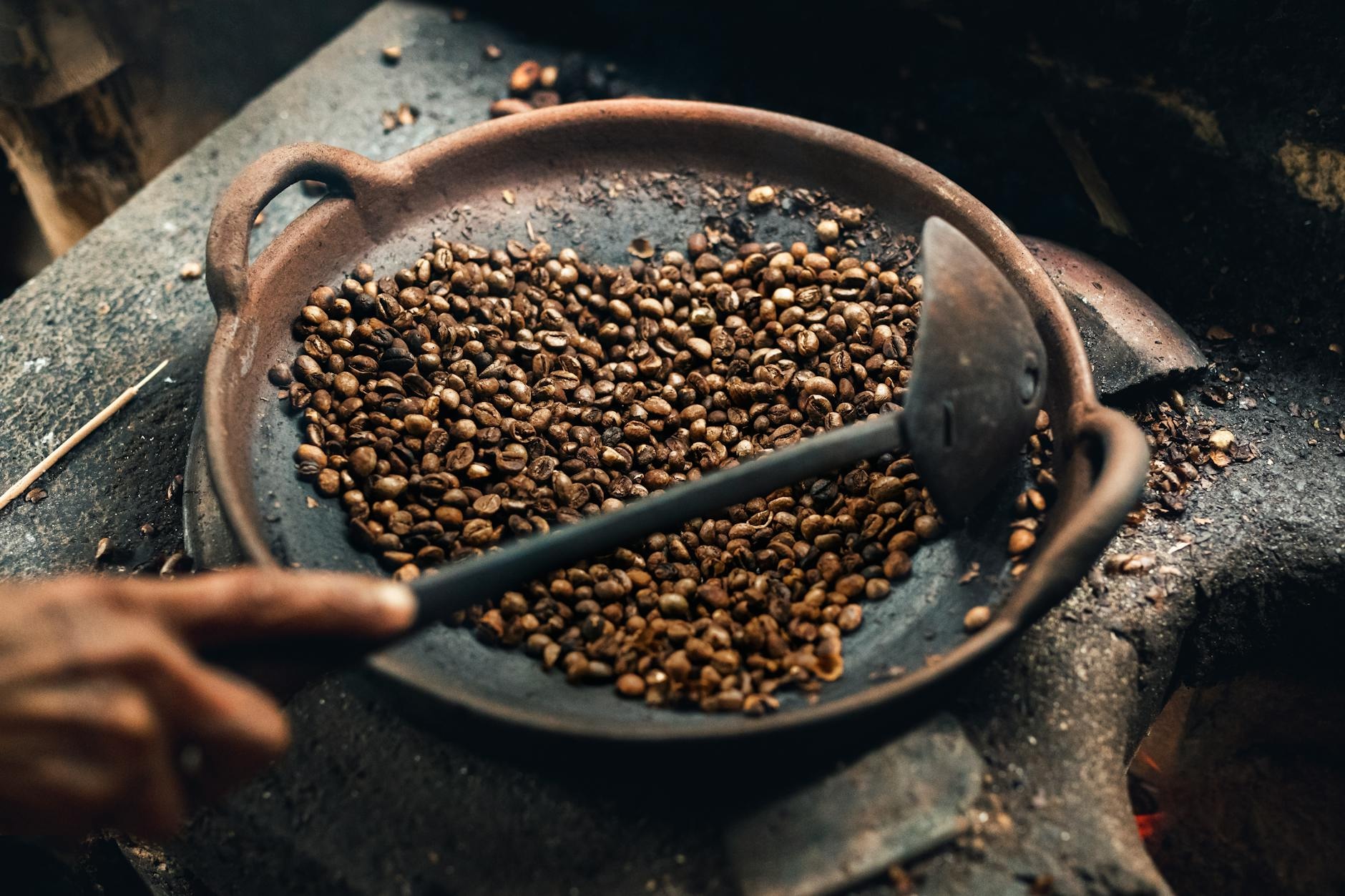
Indonesia's culinary landscape in November 2025 celebrates world's largest archipelago - 17,000+ islands, 300+ ethnic groups, distinct regional cuisines. Michelin Guide Jakarta launched 2024 (first Michelin stars in Indonesia) features restaurants like Amuz Gourmet (French-Indonesian fusion), Namaaz Dining (molecular gastronomy), Kaum (modern Indonesian). November marks dry season in most regions - ideal travel period, street food thriving. Jakarta's culinary scene boasts international dining alongside traditional warungs (small eateries). Rendang continues global recognition - CNN's World's Best Foods multiple rankings, UNESCO Intangible Cultural Heritage (Minangkabau cuisine). November celebrations include Hari Pahlawan (Heroes' Day, November 10) with traditional feasts. Indonesian specialty coffee culture booming - Toraja, Gayo, Java coffee; third-wave cafes proliferate Jakarta, Bali, Yogyakarta. Kopi Luwak (civet coffee) remains luxury export. Tempeh & tofu innovation - plant-based movement embraces traditional soy fermentation. Bali farm-to-table restaurants partner with organic farms (Ubud culinary hub). Sustainable seafood initiatives address overfishing - Marine Stewardship Council certifications. Street food renaissance - food tours showcase nasi goreng, satay, bakso. Regional Protected Geographical Indications: Kopi Toraja, Kopi Gayo Aceh, Lada Muntok (white pepper Bangka island). Indonesian diaspora spreads cuisine globally - Indonesian restaurants in Amsterdam, Singapore, Australia. Social media food culture - viral dishes like Indomie variations, martabak creations. Climate change impacts rice production - government food security programs. Halal tourism growth (world's largest Muslim population) - halal certification infrastructure robust.
Food Safety Tips
Essential food safety information to help you enjoy Indonesia's cuisine safely and confidently.
Drink bottled or purified water
Tap water in Indonesia is not safe for consumption. Stick to bottled water, even for brushing teeth. Ensure bottle seals are intact when purchasing.
Choose popular street food vendors
Street food is a significant part of Indonesian cuisine. Select vendors with high turnover, clean preparation areas, and a crowd of local customers.
Be cautious with raw vegetables and unpeeled fruits
Raw vegetables may be washed with untreated water. Opt for cooked vegetables and fruits you can peel yourself.
Be aware of food spiciness levels
Indonesian cuisine can be extremely spicy. Ask about spice levels if you have a low tolerance and request less spicy options with "tidak pedas" (not spicy).
Watch out for ice in drinks
While many establishments use ice made from filtered water, it's safer to request drinks without ice (tanpa es) if you're in doubt.
Dietary Options
vegetarian
MEDIUM AVAILABILITYWhile meat features prominently, vegetarian options are available, especially in tourist areas and larger cities. Look for dishes like "gado-gado," "tempe," and "tahu" (tofu) preparations.
vegan
LOW AVAILABILITYVegan options are limited as fish sauce, shrimp paste, and chicken stock are common base ingredients. Specify "tanpa daging, tanpa ikan, tanpa telur, tanpa susu" (no meat, no fish, no eggs, no milk).
gluten-free
HIGH AVAILABILITYRice-based dishes form the foundation of Indonesian cuisine, making many options naturally gluten-free. However, soy sauce containing wheat may be used, so specify "tanpa kecap" if concerned.
halal
HIGH AVAILABILITYAs the world's largest Muslim-majority nation, most food in Indonesia is halal. In predominantly non-Muslim areas like Bali, look for halal certification or Muslim-owned establishments.
kosher
VERY LOW AVAILABILITYKosher food extremely limited in Indonesia with very small Jewish community (~20,000-30,000 Jews, mostly in Jakarta, Surabaya, Manado). No kosher restaurants or certified facilities. Jakarta's small Jewish community (Shaar Hashamayim Synagogue, Talmud Torah Synagogue) provides limited resources. No kosher certification infrastructure or shechita (ritual slaughter). Main challenges: Pork common in non-Muslim areas (Bali, North Sulawesi, Papua); shellfish & non-kosher fish prevalent; dairy-meat separation difficult; terasi (shrimp paste) ubiquitous; no rabbinical supervision. Best strategy: Self-catering with naturally kosher foods (rice, vegetables, fruits, fish with fins & scales like tuna, snapper); packaged imports with reliable kosher symbols very limited. Bali especially challenging (Hindu majority, pork prominent). Observant Jewish travelers should bring provisions or rely on strict vegetarian/pescatarian options.
Common Allergens
Peanuts
HIGH PREVALENCEPeanuts and peanut sauce (sambal kacang) are widespread in Indonesian cuisine.
COMMONLY FOUND IN:
Shellfish and Fish
HIGH PREVALENCEAs an archipelago, seafood is prevalent and fish sauce or shrimp paste (terasi) is a common flavoring.
COMMONLY FOUND IN:
Soy
HIGH PREVALENCESoy products like tempeh, tofu, and soy sauce are fundamental to Indonesian cooking.
COMMONLY FOUND IN:
Coconut
HIGH PREVALENCECoconut milk and grated coconut are staple ingredients in many dishes.
COMMONLY FOUND IN:
Essential Food Experiences
These iconic dishes represent the must-have culinary experiences that define Indonesia's food culture for travelers.

Nasi Goreng
Indonesia's national dish - iconic fried rice. Cooked rice stir-fried with kecap manis (sweet soy sauce), shallots, garlic, tamarind, chili, terasi (shrimp paste). Topped with telur mata sapi (fried egg sunny-side up), acar (pickled vegetables), kerupuk (prawn crackers). Street food & restaurant staple. Regional variations countless. Simple ingredients, complex flavor. UNESCO Intangible Cultural Heritage candidate. Available everywhere from street carts to five-star hotels. Ultimate Indonesian comfort food.

Rendang
West Sumatra's legendary beef dish - CNN's World's Best Food multiple times. Beef slow-cooked in coconut milk & spices (galangal, lemongrass, garlic, turmeric, ginger, chilies) for hours until liquid absorbed, meat tender, caramelized. Dry texture (kalio is wetter version). Minangkabau specialty. Traditional preparation takes 4+ hours. Served at ceremonies, celebrations, Hari Raya. Available nationwide but authentic rendang in Padang restaurants. Complex spice blend defines flavor. Can last days without refrigeration (original preservation method). Cultural treasure.

Satay (Sate)
Skewered grilled meat - quintessential Indonesian street food. Meat (chicken, beef, lamb, goat) marinated in spices, threaded on bamboo skewers, grilled over charcoal. Served with peanut sauce (sate Madura), sweet soy sauce (sate ayam), or other regional sauces. Regional varieties: Sate Padang (beef in curry sauce), Sate Lilit (Balinese minced fish), Sate Kambing (goat). Smoky aroma iconic. Found at street vendors, warungs, restaurants. Social food - often shared. Ancient origins, possibly introduced via Arab/Indian traders.

Gado-Gado
Indonesia's signature vegetable salad - colorful, nutritious, flavorful. Lightly boiled/blanched vegetables (cabbage, bean sprouts, green beans, spinach, carrots), boiled potatoes, hard-boiled eggs, fried tempeh, fried tofu, cucumber. Dressed with rich peanut sauce (ground peanuts, palm sugar, tamarind, lime, garlic, chili). Topped with kerupuk, fried shallots. Means 'mix-mix'. Jakarta & West Java specialty. Vegetarian-friendly (can omit eggs). Nutritionally balanced. Street food & restaurant option. Every vendor has unique sauce recipe.

Soto
Traditional Indonesian soup - regional variations throughout archipelago. Base: aromatic broth with meat/chicken, vegetables, rice/noodles. Regional types: Soto Ayam (chicken, turmeric broth, vermicelli, eggs, potatoes - most common), Soto Betawi (Jakarta, coconut milk, beef/offal), Soto Banjar (South Kalimantan, chicken), Soto Madura (beef). Garnished with fried shallots, lime, sambal, kerupuk. Comfort food. Eaten breakfast, lunch, dinner. Medicinal properties attributed (turmeric, ginger). Family recipes passed down generations.

Pisang Goreng
Indonesian fried bananas - beloved snack & dessert. Ripe bananas (pisang raja, pisang kepok varieties) coated in flour batter (sometimes with rice flour, vanilla, sesame seeds), deep-fried until golden crispy. Served plain, with powdered sugar, honey drizzle, chocolate sauce, cheese. Variations: Pisang Goreng Pasir (sandy texture coating), Pisang Goreng Kipas (fan-shaped). Street vendor staple - aromatic smell draws crowds. Afternoon snack tradition. Simple, satisfying, affordable. Vegan-friendly when plain.

Nasi Uduk
Betawi (Jakarta native) fragrant coconut rice - breakfast specialty. Rice cooked in coconut milk with pandan leaves, lemongrass, cloves, cassia bark. Fluffy, aromatic, slightly creamy. Served with various accompaniments: fried chicken, fried tempeh, telur balado (eggs in chili), empal (sweet fried beef), kerupuk, sambal. Complete meal. Street vendors sell wrapped in banana leaves/paper. Morning tradition. Similar to nasi lemak but distinct Indonesian preparation. Comfort food identity for Jakartans.

Sate Lilit
Balinese specialty satay - minced meat/fish wrapped around bamboo/lemongrass skewers. Minced fish (mackerel, tuna), chicken, pork, or turtle mixed with grated coconut, coconut milk, lime leaves, shallots, garlic, spices. Paste wrapped around thick skewers (lemongrass stalks add aroma). Grilled over coconut husk charcoal. Sticky, aromatic texture. Served with sambal matah (Balinese raw shallot sambal). Ceremonial food & tourist favorite. Uniquely Balinese preparation method. Found throughout Bali temples, warungs, beachside restaurants.

Mie Goreng
Indonesian fried noodles - ubiquitous street food & home cooking. Yellow wheat noodles stir-fried with kecap manis, garlic, shallots, chili, vegetables (cabbage, bok choy, carrots), egg, chicken/seafood/meatballs optional. Served with acar, kerupuk, fried shallots. Instant noodle version (Indomie Mie Goreng) cultural phenomenon - Indonesia's most famous food export. Street cart classic. Regional variations countless. Quick, satisfying, flavorful. Eaten any time of day. Social media viral variations creative.

Ayam Goreng
Indonesian fried chicken - crispy, golden, aromatic. Chicken marinated in spices (garlic, coriander, turmeric, galangal), boiled/simmered in spiced broth until tender, then deep-fried until crispy. Two main styles: Ayam Goreng Kalasan (Yogyakarta, sweet coconut water marinade), Ayam Goreng Kremes (with crunchy fried batter bits). Served with sambal, rice, lalapan (raw vegetables). National comfort food. Warung & restaurant staple. Every family has recipe. McDonald's Indonesia adapted to local taste. Cultural significance: celebration food.
Regional Specialties & Local Favorites
Discover the authentic regional dishes and local favorites that showcase Indonesia's diverse culinary traditions.
Nasi Goreng
Indonesia's national dish and beloved street food - fragrant fried rice seasoned with sweet soy sauce, shallots, garlic, and chili, typically topped with a fried egg and crispy shallots.
Allergens:
Rendang
A rich, spiced beef stew slowly simmered in coconut milk until dry, creating meltingly tender meat infused with complex flavors - consistently ranked among the world's most delicious foods.
Allergens:

Satay
Succulent skewers of marinated meat grilled over charcoal and served with peanut sauce - the smoky aroma from street vendors is an essential part of Indonesia's culinary landscape.
Allergens:
Gado-Gado
A vibrant vegetable salad featuring a colorful array of blanched vegetables, boiled eggs, fried tofu, and tempeh, all brought together with a rich, slightly sweet peanut sauce.
Allergens:

Bakso
Beloved meatball soup found in every corner of Indonesia, featuring springy beef meatballs in a clear, aromatic broth, served with noodles, fried shallots, and fresh herbs.
Regional Cuisine Highlights
Explore the diverse culinary landscapes across different regions of Indonesia.
Padang (West Sumatra)
Padang cuisine (Masakan Padang) - Indonesia's most famous regional food, known nationwide & globally. Minangkabau ethnic group's culinary tradition. Characterized by rich, spicy dishes with coconut milk & complex spice blends. Serving style unique: multiple small dishes (gulai, rendang, sambal, vegetables) presented simultaneously, pay only for what you eat. Spice trade history influences flavors. Bold, assertive tastes. Padang restaurants (Rumah Makan Padang) found throughout Indonesia, Malaysia, Singapore, Netherlands.
Cultural Significance:
Padang cuisine epitomizes Minangkabau matrilineal culture where women control food businesses. Spread via merantau (migration tradition) - Minangkabau men establish Padang restaurants across Indonesia as entrepreneurship rite of passage. Food preservation methods (rendang lasts days without refrigeration) enabled trade & travel. UNESCO consideration for Intangible Cultural Heritage. Culinary diplomacy - Indonesian embassies serve rendang.
Signature Dishes:
- Rendang (slow-cooked spiced beef)
- Gulai (curry dishes)
- Dendeng Balado (spicy dried beef)
- Sate Padang (beef satay with curry sauce)
- Ayam Pop (fried chicken)
Key Ingredients:

Yogyakarta (Central Java)
Yogyakarta cuisine reflects Javanese royal court (Kraton) refinement & cultural center heritage. Characterized by sweeter, milder flavors compared to other Indonesian regions - heavy use of palm sugar (gula Jawa), coconut milk, mild spices. Slow-cooked dishes common. Sweet-savory balance (manis gurih) fundamental. Gudeg (young jackfruit stew) city's signature. Street food culture vibrant (Malioboro area). Hindu-Buddhist & Islamic influences blend.
Cultural Significance:
Yogyakarta cuisine embodies Javanese philosophy of harmony & balance (rasa - taste, feeling, aesthetics). Royal court traditions influence presentation & flavors. Sultan's palace still influences culinary standards. Gudeg breakfast tradition integral to city identity. Street vendors (angkringan) social gathering spaces. Culinary tourism pillar - food represents cultural continuity through colonial period, independence, modernity.
Signature Dishes:
- Gudeg (sweet jackfruit stew)
- Ayam Goreng Yogya (fried chicken)
- Bakpia Pathok (sweet bean pastry)
- Kipo (glutinous rice cake)
- Yangko (chewy candy)
Key Ingredients:

Manado (North Sulawesi)
Manado cuisine (North Sulawesi) - Indonesia's spiciest regional food, distinctive for exotic ingredients. Christian-majority region (unlike most Indonesia) means pork prominent. Rica-rica (fiery chili paste) defines dishes. Seafood abundant (Sulawesi Sea, Celebes Sea). Minahasa ethnic group's culinary traditions. Influences: Portuguese, Spanish, Dutch colonial. Known for adventurous eating - bat, dog, forest rat (less common now, cultural controversy). Extreme heat tolerance cultural trait.
Cultural Significance:
Manado cuisine reflects Minahasa warrior culture - bold flavors, fearless ingredient choices. Christianity allows pork consumption unlike Muslim-majority Indonesia - cultural marker. Extreme spiciness cultural identity - Manadonese pride in heat tolerance. Bunaken Marine Park influences seafood centrality. Tourism brings global attention but also controversy over exotic meats. Diaspora spreads rica-rica globally. Food represents regional autonomy within diverse Indonesia.
Signature Dishes:
- Ikan Bakar Rica-rica (grilled fish in chili paste)
- Tinutuan (Manado porridge)
- Cakalang Fufu (smoked skipjack tuna)
- RW (Rempah-Woku spiced fish)
- Paniki (bat dish - traditional, controversial)
Key Ingredients:

Bali
Balinese cuisine unique in Indonesia - Hindu-majority island's food reflects religious & cultural distinctiveness. Pork prominent (babi guling - roast suckling pig ceremonial centerpiece). Complex spice pastes (base gede, base genep) foundation. Coconut, turmeric, shallots, garlic, chilies, shrimp paste, kaffir lime essential. Ceremonial foods integral to Hindu rituals. Tourism influences modern dining but traditional warungs preserve authenticity. Ubud culinary epicenter - farm-to-table, vegan innovations alongside traditions.
Cultural Significance:
Balinese cuisine inseparable from Hindu religious ceremonies - food offerings (canang sari, gebogan) daily ritual. Temple festivals feature elaborate feasts. Food preparation spiritual practice. Pork consumption cultural-religious marker differentiating Bali from Muslim Indonesia. Tourism brought global fusion but threatened authenticity - current movement preserves traditional recipes. Tri Hita Karana philosophy (harmony with God, people, nature) influences sustainable farm-to-table restaurants. Culinary tourism economic pillar.
Signature Dishes:
- Babi Guling (roast suckling pig)
- Sate Lilit (minced meat satay)
- Lawar (mixed vegetable & meat salad)
- Bebek Betutu (slow-cooked duck)
- Jimbaran grilled seafood
Key Ingredients:
Jakarta (Betawi)
Betawi cuisine - indigenous Jakarta ethnic group's food, distinct from dominant Javanese & Sundanese cuisines. Creole culture blends Malay, Chinese, Arab, Indian, Dutch influences (Jakarta/Batavia colonial crossroads). Coconut milk, palm sugar, spices characterize dishes. Soto Betawi, Kerak Telor, Nasi Uduk signature. Street food culture thriving - kaki lima (street vendors) integral. Modern Jakarta international dining hub but Betawi food preserves cultural identity amid modernization.
Cultural Significance:
Betawi cuisine represents Jakarta's multicultural history - creole food from trade hub melting pot. Indigenous Betawi people minority in own city (gentrification, migration) - food cultural preservation tool. Kerak Telor sold at Jakarta Fair (Pekan Raya Jakarta) annually - tradition continuity. Street food democratizes access - rich & poor eat same dishes. Food nostalgia strong among older Jakartans - rapid modernization threatens traditional vendors. Cultural festivals showcase Betawi food, music, language.
Signature Dishes:
- Soto Betawi (coconut milk beef soup)
- Kerak Telor (spicy omelette)
- Nasi Uduk (coconut rice)
- Gado-gado Jakarta style
- Asinan Betawi (pickled vegetables)
Key Ingredients:
Aceh (Northern Sumatra)
Acehnese cuisine - Indonesia's westernmost province, unique history shapes food. Shari'a Islamic law influences dietary practices (strictly halal, no alcohol). Strong coffee culture - Aceh coffee (Gayo coffee) world-renowned. Curry-based dishes reflect Indian, Middle Eastern, Malay influences via historic trade routes. Mie Aceh (spicy noodles) iconic. 2004 tsunami devastated coast, recovery shaped modern food landscape. Independent streak (former sultanate, resistance movement) reflected in proud culinary identity.
Cultural Significance:
Acehnese cuisine embodies Islamic sultanate heritage - 'Veranda of Mecca' historical role as Islam's Southeast Asian gateway. Food central to Islamic festivals (Ramadan breaking fast, Eid celebrations). Warung kopi (coffee shops) social hubs - men gather for coffee, conversation, community. Women's traditional knowledge preserves recipes through conflict, tsunami, reconstruction. Gayo coffee economic & cultural pillar - PDO protection, specialty coffee market. Food independence symbol - unique flavors assert distinct identity within Indonesia.
Signature Dishes:
- Mie Aceh (spicy noodles)
- Kari Kambing (goat curry)
- Kuah Pliek U (curry with melinjo)
- Ayam Tangkap (fried chicken in curry leaves)
- Timphan (banana cake)
Key Ingredients:
Sweet Delights & Desserts
Indulge in Indonesia's traditional sweet treats and desserts.

Pisang Goreng (Fried Bananas)
Indonesian fried bananas - simple, beloved snack/dessert. Ripe bananas coated in batter (flour, sugar, sometimes rice flour, vanilla), deep-fried until golden crispy. Served plain, dusted with powdered sugar, drizzled with honey/chocolate, or topped with cheese. Variations: Pisang Goreng Pasir (sandy texture), Pisang Goreng Kipas (fan-shaped). Street vendor staple. Afternoon snack tradition. Aromatic, comforting. Vegan when plain batter used.

Martabak Manis (Sweet Martabak)
Thick, fluffy pancake dessert - Indonesian street food icon. Batter (flour, eggs, sugar, milk, yeast) cooked in round griddle until fluffy, folded with generous fillings: chocolate sprinkles, grated cheese, crushed peanuts, condensed milk. Modern variations: Oreo, Nutella, Kit Kat, rainbow sprinkles. Also called terang bulan, martabak bangka. Crispy edges, soft center. Evening street food favorite. Shared dessert. Originated from Arab/Indian influence. Sweet-savory combinations popular (cheese + chocolate).

Es Campur (Mixed Ice)
Refreshing shaved ice dessert - tropical fruit medley. Shaved ice topped with variety of ingredients: jackfruit, avocado, grass jelly (cincau), coconut meat, tapioca pearls, condensed milk, rose syrup/palm sugar syrup. Colorful, cooling, sweet. Perfect for hot weather. Each vendor has unique combination. Popular throughout Indonesia. Similar to Filipino halo-halo. Customizable ingredients. Refreshing afternoon treat. Found at street carts, food courts.

Klepon
Traditional Javanese rice cake balls - vibrant green, sweet surprise inside. Glutinous rice flour dough colored with pandan leaf extract (natural green), filled with liquid palm sugar (gula Jawa), boiled until floating, rolled in grated coconut. Bite releases warm sweet filling. Chewy texture, aromatic pandan, sweet-savory coconut coating. Jajanan pasar (market snack). Served at traditional ceremonies, afternoon tea. Vegan-friendly. Iconic Indonesian sweet.

Dadar Gulung
Pandan crepes rolled with coconut filling - delicate Indonesian dessert. Thin green crepes (flour, eggs, coconut milk, pandan juice for color & aroma) filled with sweet grated coconut cooked with palm sugar, rolled into cylinders. Bright green color natural (pandan leaves). Sweet coconut filling contrasts with soft crepe. Jajanan pasar favorite. Breakfast or snack. Aromatic pandan signature. Popular throughout Java, Indonesia. Also called kueh dadar (Malaysia/Singapore).

Kue Lapis
Indonesian steamed layer cake - labor of love dessert. Alternating colored layers (rice flour, tapioca flour, coconut milk, sugar, pandan) steamed one layer at a time. Traditional versions: 2 colors (white & green pandan, or brown palm sugar). Modern versions: rainbow colors. Chewy, slightly sticky texture. Time-intensive (each layer steamed 5-10 minutes). Special occasions, celebrations, Lebaran (Eid). Beautiful presentation when sliced. Patience required - shows dedication.

Es Teler
Premium Indonesian fruit cocktail dessert - tropical luxury. Shaved ice with young coconut strips, avocado, jackfruit, grass jelly, condensed milk, coconut milk, Kopyor (mutation coconut with soft texture). Served in bowl/glass. Created 1982 in Jakarta. Name means 'drunk' (so delicious feels intoxicated). More upscale than es campur. Standardized recipe unlike es campur variations. Popular chain Es Teler 77 nationwide. Refreshing, creamy, sweet. Perfect tropical dessert.

Onde-onde
Indonesian sesame balls - chewy glutinous rice balls filled with sweet mung bean paste, coated in sesame seeds, deep-fried until golden. Crispy sesame exterior, soft chewy shell, sweet smooth filling. Chinese-Indonesian origin. Also called biji ketawa ('laughing seeds' - they 'smile' open when fried). Served warm. Popular at Chinese Indonesian celebrations, dim sum restaurants, street vendors. Similar to Chinese jian dui. Addictive texture combination.
Traditional Beverages
Discover Indonesia's traditional drinks, from locally produced spirits to regional wines.

Brem Bali (Balinese Rice Wine)
A traditional fermented rice wine from Bali with a slightly sweet and sour taste. It's often used in ceremonies and rituals.

Tuak (Palm Wine)
A traditional alcoholic beverage made from the fermented sap of various palm trees. It has a sweet and slightly tart flavor.
Soft Beverages
Discover Indonesia's traditional non-alcoholic drinks, from local teas to refreshing juices.

Teh Manis (Sweet Tea)
A ubiquitous beverage in Indonesia, black tea brewed with a generous amount of sugar. It's served hot or iced.

Kopi (Coffee)
Indonesia is renowned for its coffee, particularly Kopi Luwak and various regional varieties. Strong and flavorful, it's often served black or with sugar.

Es Kelapa Muda (Young Coconut Water)
A refreshing drink made from the water of a young coconut. It's naturally hydrating and slightly sweet.