
Australia Food Guide
Content Information
Recently updated🔥Current Food Trends 2025
What's happening in Australia's culinary scene right now
Australia's culinary landscape in 2025 celebrates native ingredient renaissance with chefs like Ben Shewry (Attica) and Nornie Bero (Big Esso) championing indigenous bush tucker - wattleseed, finger lime, Davidson plum, kangaroo, saltbush, and lemon myrtle gaining mainstream acceptance. Michelin Guide Melbourne 2024 recognized 120+ restaurants including Attica (three stars) for contemporary Australian fine dining. Modern Australian cuisine blends Asian spices with European techniques and native ingredients creating unique fusion. Sustainable seafood movement highlights MSC-certified fisheries with barramundi, Southern Bluefin tuna, and Murray cod. Plant-based innovation thrives with Fable Food Co and v2food creating mushroom and legume-based meat alternatives. Third-wave coffee culture peaks with specialty single-origin beans and Melbourne's laneway café scene. Wine regions (Barossa Valley, Hunter Valley, Margaret River, Yarra Valley) celebrate premium vintages. Native ingredient focused restaurants like Firedoor, Midden, NEL, and Bush showcase Aboriginal culinary heritage. Coastal dining emphasizes fresh oysters, Moreton Bay bugs, and prawns.
Food Safety Tips
Essential food safety information to help you enjoy Australia's cuisine safely and confidently.
Check for food safety ratings displayed at restaurants
Australia maintains strict food safety standards regulated by Food Standards Australia New Zealand (FSANZ). Restaurants, cafes, and food establishments are regularly inspected to ensure compliance with hygiene and safety regulations. Food handlers must follow strict guidelines for food preparation, storage, and handling.
Look for visible hygiene certificates and cleanliness standards
Restaurants in Australia are required to display their food safety rating or certification. Most establishments maintain high standards of cleanliness and food safety. Kitchen staff must be trained in food safety practices and hold relevant certifications. Regular health inspections ensure compliance with safety standards.
Be cautious with foods that have been left at room temperature
Proper food storage and temperature control are strictly enforced in Australia. Cold foods must be kept below 5°C and hot foods above 60°C to prevent bacterial growth. Food establishments must have proper refrigeration and temperature monitoring systems in place.
Dietary Options
vegetarian
HIGH AVAILABILITYVegetarianism is increasingly popular in Australia, with many restaurants offering dedicated vegetarian menus and options. Most major cities have vegetarian and vegetarian-friendly restaurants, cafes, and health food stores. Supermarkets stock a wide range of meat substitutes, plant-based milks, and other vegetarian-friendly products. Even in smaller towns, it's usually possible to find vegetarian options, though the variety might be more limited. Many cafes offer vegetarian sandwiches, salads, and pasta dishes. Look for cafes with a focus on fresh, local produce, as they are more likely to have interesting vegetarian choices.
vegan
MEDIUM AVAILABILITYVeganism is also growing in popularity across Australia, particularly in urban areas. Dedicated vegan restaurants and cafes can be found in most major cities, offering innovative plant-based dishes. Supermarkets are also expanding their vegan ranges, with readily available vegan alternatives for milk, cheese, meat, and other products. While vegan options might be less common in smaller towns and rural areas, awareness of veganism is increasing, and many establishments are happy to accommodate vegan requests. Check menus for vegan symbols or ask staff about vegan options. Many cafes and restaurants offer vegan salads, soups, and curries. Farmers' markets are also a great place to find fresh, local produce suitable for vegan diets.
gluten-free
HIGH AVAILABILITYGluten-free options are widely available in Australia due to increasing awareness of celiac disease and gluten intolerance. Many restaurants and cafes offer gluten-free menus or clearly mark gluten-free options on their regular menus. Supermarkets have dedicated gluten-free sections with a wide variety of products, including bread, pasta, cereals, and snacks. Even in smaller towns, it's usually possible to find gluten-free bread and other staples. When dining out, inform the staff about your dietary requirements to ensure your meal is prepared gluten-free. Many cafes and restaurants offer gluten-free versions of popular dishes like pizza, pasta, and burgers. Be sure to check labels carefully when shopping for gluten-free products.
halal
HIGH AVAILABILITYHalal food widely available across Australia, particularly in major cities (Sydney, Melbourne, Brisbane, Perth, Adelaide). Large Muslim population (2.6% nationally, 600,000+ people) supports extensive halal infrastructure. Sydney's Lakemba, Auburn, and Bankstown areas have concentrated halal restaurants, butchers, and supermarkets. Melbourne's Brunswick, Coburg, and Dandenong offer diverse halal Middle Eastern, Turkish, Indonesian, and Malaysian cuisines. Major supermarket chains (Woolworths, Coles, IGA) carry halal-certified meat and products. Main challenges: Pork in Australian sausage sizzles; alcohol culture in pubs; gelatin in desserts. Australian Federation of Islamic Councils (AFIC) and ICCV certify halal establishments. HalalBooking and Zabihah apps help locate halal restaurants. Most universities and airports have halal food options.
kosher
MEDIUM AVAILABILITYKosher food available primarily in Sydney and Melbourne with established Jewish communities (120,000+ Jews nationally). Sydney's Dover Heights, Bondi, and Rose Bay neighborhoods have kosher restaurants, bakeries, and butchers certified by Kashrut Authority (KA) and Sydney Beth Din. Melbourne's Caulfield, St Kilda East, and Balaclava areas offer kosher dining and supermarkets. Main challenges: Shellfish prominent in coastal cuisine; dairy-meat mixing in chicken parma; bacon in meat pies. Australian beef and lamb can be kosher if ritually slaughtered. Coles and Woolworths carry some KA-certified products. Contact local Chabad houses (Sydney, Melbourne, Perth, Brisbane) for current kosher dining options. Limited kosher availability outside major cities.
Common Allergens
Nuts
HIGH PREVALENCENuts, including peanuts, tree nuts (such as almonds, cashews, walnuts, and macadamias), are common allergens in Australia. They are frequently used in cooking and baking, and can be found in sauces, desserts, snacks, and other prepared foods. Many restaurants and food manufacturers are aware of nut allergies and take precautions to prevent cross-contamination, but it's always important to inform staff about your allergy and double-check ingredients.
COMMONLY FOUND IN:
Seafood
HIGH PREVALENCESeafood, including fish, shellfish (such as prawns, crabs, and mussels), is another common allergen in Australia. Given Australia's extensive coastline and seafood-rich cuisine, it's important to be vigilant about seafood allergies. Many restaurants specialize in seafood, so cross-contamination can be a concern. Always inform restaurant staff about your allergy and ensure your meal is prepared separately.
COMMONLY FOUND IN:
Dairy
MEDIUM PREVALENCEDairy products, including milk, cheese, and yogurt, are common allergens. Dairy is widely used in Australian cuisine, from breakfast cereals to desserts. Most restaurants and cafes can accommodate dairy-free requests, and supermarkets offer a range of dairy-free alternatives, such as soy milk, almond milk, and coconut milk.
COMMONLY FOUND IN:
Essential Food Experiences
These iconic dishes represent the must-have culinary experiences that define Australia's food culture for travelers.

Barramundi
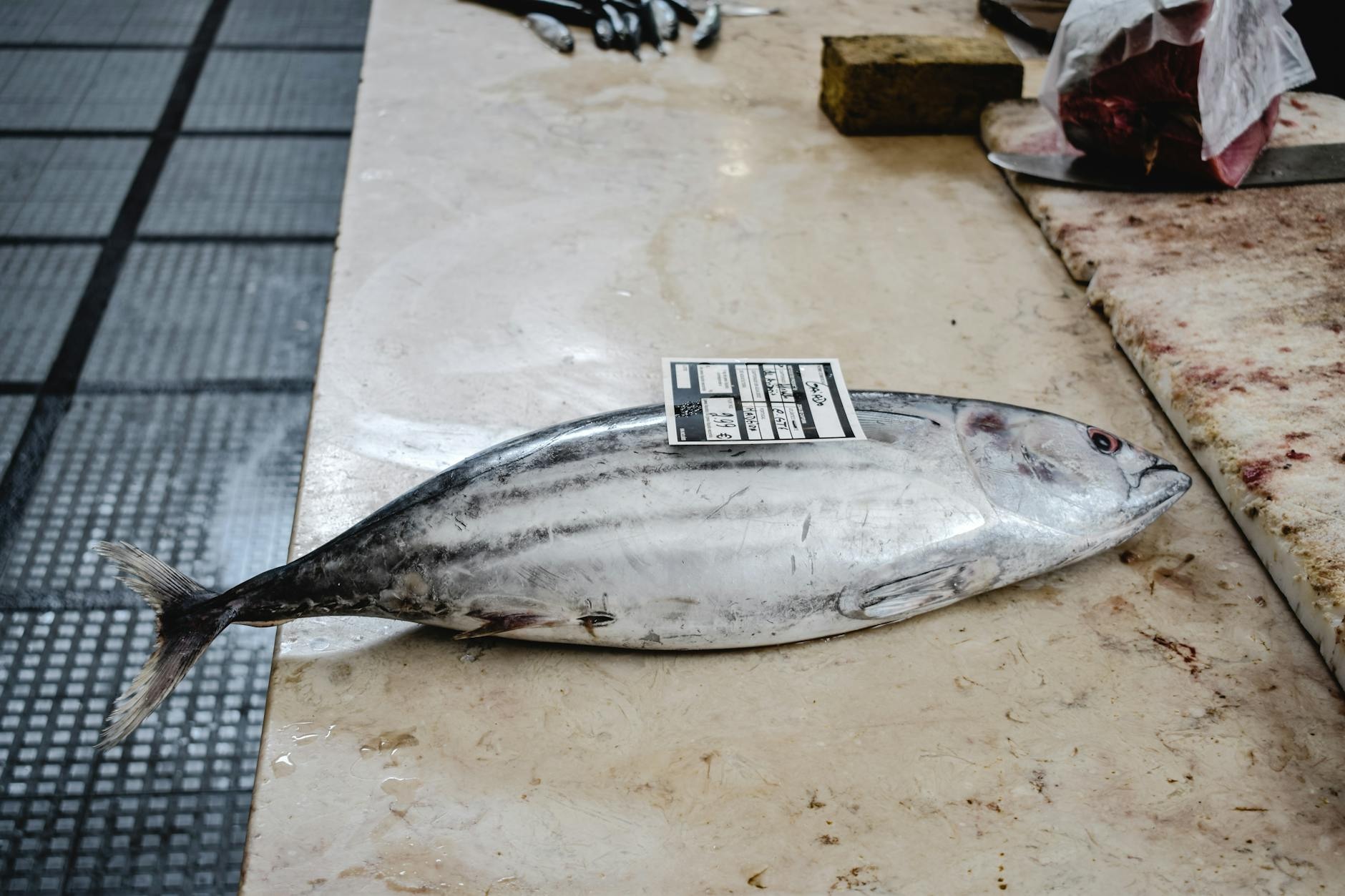
Barramundi is a flaky white fish native to Australia and the Indo-Pacific. It's prized for its delicate flavor and moist texture. It's often grilled, pan-fried, or steamed and served with simple accompaniments like lemon and herbs. You can find it in most seafood restaurants across Australia. It's a versatile fish that takes on flavors well, making it a popular choice for chefs.

Chicken Parmigiana (Parma)
A beloved Australian pub classic, the Chicken Parma is a hearty dish that showcases the country's love for comfort food. It starts with a tender chicken breast that's crumbed and pan-fried to golden perfection, then topped with a rich tomato sauce, premium ham, and a generous layer of melted cheese - typically a mix of mozzarella and parmesan. Served alongside crispy chips (fries) and a fresh garden salad, it's a satisfying meal that's become a staple in pubs and restaurants across the country. The dish has evolved to include various creative variations, with some venues offering unique toppings or modifications to suit different dietary preferences.

Meat Pie
A quintessential Australian savory pastry, the meat pie is filled with minced meat and gravy, encased in a flaky crust. It's a portable and convenient snack or meal, often enjoyed at sporting events or on the go. Variations include adding peas, cheese, or other ingredients to the filling. You can find meat pies at bakeries, cafes, and service stations across the country.

Pavlova
The Pavlova is an iconic Australian dessert that perfectly balances textures and flavors. Named after the Russian ballerina Anna Pavlova, this elegant creation features a crisp meringue shell that gives way to a marshmallow-soft interior. The meringue base is typically topped with freshly whipped cream and an array of seasonal fruits, particularly passion fruit, strawberries, kiwi, and mango. The dessert's popularity peaks during summer and holiday celebrations, particularly Christmas, when it often takes center stage on dining tables across the country. The combination of sweet meringue, creamy topping, and tart fruits creates a harmonious blend that's distinctly Australian.

Tim Tam
Australia's iconic chocolate biscuit consisting of two malted biscuits separated by chocolate cream filling, coated in chocolate. The famous Tim Tam Slam involves biting opposite corners and using it as a straw for hot drinks. Over 45 million packets sold annually - a true Australian institution.

Vegemite
Dark brown savory spread made from leftover brewers' yeast extract, vegetables, and spice additives. Rich in B vitamins, this salty umami paste has been an Australian breakfast staple since 1922. Spread thinly on hot buttered toast - never eaten by the spoonful! Cultural icon and acquired taste.

Kangaroo Steak
Lean, gamey red meat from native Australian kangaroo. Environmentally sustainable protein with lower fat content than beef. Best served medium-rare to maintain tenderness. Often marinated and grilled, with flavors of native pepperberry or lemon myrtle. Indigenous food gaining mainstream popularity.

Moreton Bay Bugs
Slipper lobsters found in Australian waters, particularly Queensland's Moreton Bay. Sweet, delicate white flesh with less pronounced flavor than rock lobster. Simply grilled or barbecued with garlic butter. Prized delicacy in Australian seafood cuisine despite the unappetizing name.

Fairy Bread
Children's party staple and nostalgic favorite - white bread with butter and rainbow sprinkles (hundreds and thousands). Simple yet beloved treat at Australian birthday parties for generations. The epitome of Australian unpretentious food culture.

Lamingtons
Sponge cake squares dipped in chocolate icing and rolled in desiccated coconut. Often filled with jam or cream. Named after Lord Lamington, Queensland governor (1896-1901). National cake of Australia, found at every bakery and fundraising stall.
Regional Specialties & Local Favorites
Discover the authentic regional dishes and local favorites that showcase Australia's diverse culinary traditions.

Fish and Chips
Region: Coastal areas
A quintessential Australian takeaway meal, fish and chips holds a special place in coastal culture. Fresh fish fillets are coated in a light, crispy batter and deep-fried until golden brown, served alongside thick-cut potato chips that are crispy on the outside and fluffy inside. The dish is traditionally wrapped in paper and best enjoyed by the beach or harbor. Common fish varieties include barramundi, flathead, or flake, and it's typically served with lemon wedges, salt, and vinegar. Many establishments also offer grilled fish options for a healthier alternative.

Sausage Sizzle
Region: Nationwide
The sausage sizzle is more than just a simple meal - it's a beloved Australian institution found at community events, hardware stores, and fundraisers nationwide. Premium beef or pork sausages are grilled to perfection on a barbecue and served in a slice of white bread with caramelized onions and your choice of condiments, typically tomato sauce (ketchup) or mustard. The simplicity of this dish belies its cultural significance - it's a symbol of Australian casual dining and community spirit, bringing people together at sporting events, election days, and weekend gatherings.

Lamb Roast
Region: Nationwide
The Sunday lamb roast is a time-honored Australian tradition that brings families together. A leg or shoulder of premium Australian lamb is seasoned with herbs and garlic, then slow-roasted until tender and juicy. The meat is served alongside golden roasted potatoes, pumpkin, and a medley of seasonal vegetables. The dish is completed with rich gravy made from the meat juices, and often accompanied by mint sauce or redcurrant jelly. This hearty meal represents the quality of Australian produce and the importance of family gatherings in Australian culture.

Vegemite on Toast
Region: Nationwide
Vegemite on toast is a uniquely Australian breakfast staple that's been a part of the national identity since 1922. This dark, savory spread is made from leftover brewers' yeast extract and is rich in B vitamins. The key to enjoying Vegemite is in the application - a thin layer spread on hot, buttered toast creates a perfect balance of flavors. While it might be an acquired taste for visitors, Australians grow up with this salty, umami-rich spread, often enjoying it for breakfast, as a snack, or any time of day. It's also commonly used in sandwiches and as a flavor enhancer in various recipes.

Anzac Biscuits
Region: Nationwide
Historic oat cookies made with rolled oats, flour, sugar, butter, and golden syrup. Originally made by women during World War I to send to soldiers abroad, as ingredients didn't spoil easily. Crunchy texture with caramel-like flavor from golden syrup. Popular year-round but especially around Anzac Day (April 25).
Allergens:

Flat White Coffee
Region: Nationwide, originated in Melbourne
Australia's signature coffee contribution to the world - espresso with velvety microfoam milk. Smaller and stronger than a latte, with less foam than a cappuccino. Melbourne's coffee culture perfected this drink. Essential part of Australian café culture and morning ritual.
Allergens:

Avo on Toast (Avocado Toast)
Region: Urban cafés, especially Melbourne and Sydney
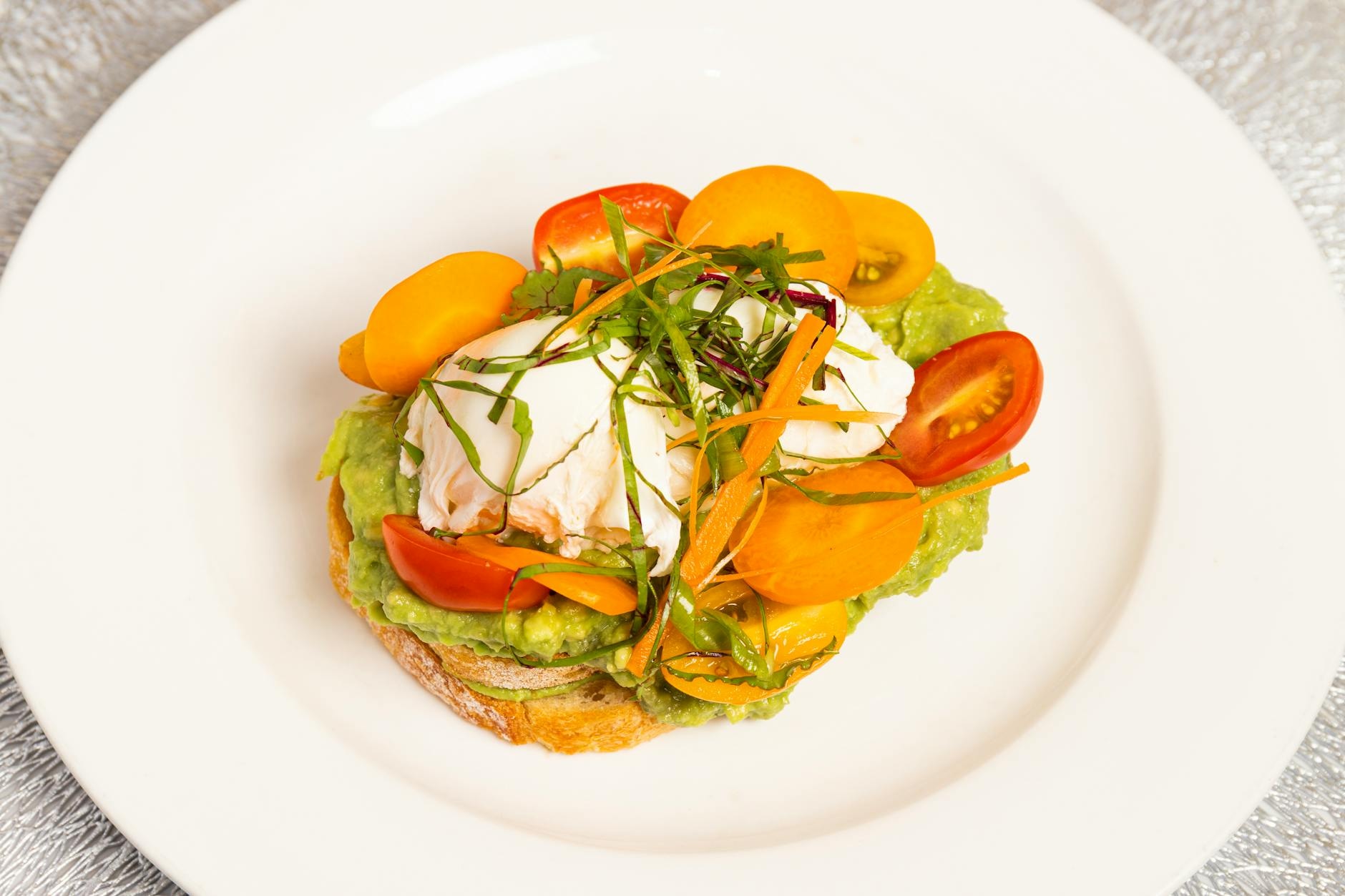
Smashed avocado on sourdough toast with feta, cherry tomatoes, and often a poached egg. Melbourne café culture staple that became a global phenomenon. Fresh, healthy, and Instagram-worthy. Represents Australia's modern brunch culture.
Allergens:

Chicken Schnitzel
Region: Nationwide
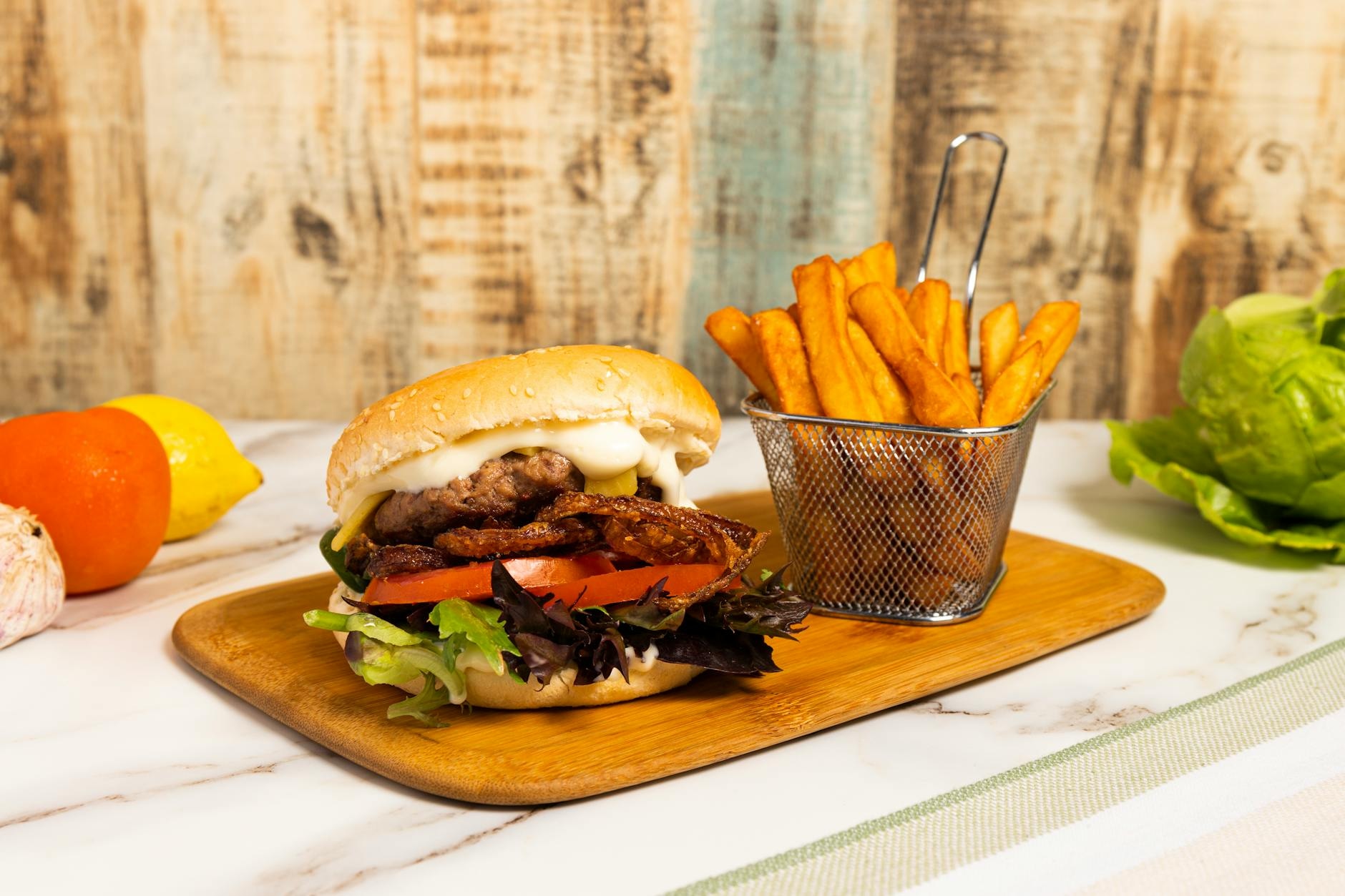
Thinly pounded chicken breast, crumbed and fried until golden. Served with chips and salad, or in a sandwich. Pub staple and family favorite. Similar to chicken parma but without the toppings. Simple comfort food done well.
Allergens:
Regional Cuisine Highlights
Explore the diverse culinary landscapes across different regions of Australia.
South Australia
South Australian cuisine is heavily influenced by its strong wine culture and abundance of fresh produce. The Barossa Valley is renowned for its world-class wines, and the state's seafood is also highly regarded. The cuisine features a mix of European and Asian influences, reflecting the state's diverse cultural heritage. Farmers' markets are popular, showcasing the region's fresh produce. The Adelaide Central Market is a must-visit for food lovers.
Cultural Significance:
Food and wine play a significant role in South Australian culture, with numerous food and wine festivals held throughout the year. The state's strong focus on local and seasonal produce reflects a deep connection to the land. Sharing meals with family and friends is an important part of South Australian life, and the state's diverse culinary offerings provide ample opportunities for communal dining experiences.
Signature Dishes:
- King George Whiting
- Barossa Valley Shiraz
- FruChocs
- Mettwurst
Key Ingredients:
Victoria
Victorian cuisine is known for its multicultural influences, reflecting the state's diverse population. Melbourne, the state's capital, is a culinary hub, with a vibrant restaurant scene offering everything from fine dining to casual eateries. The state is also known for its coffee culture, with numerous cafes serving high-quality coffee. Regional Victorian cuisine showcases the state's agricultural bounty, with fresh produce, dairy, and meat playing prominent roles.
Cultural Significance:
Food is an integral part of Melbourne's cultural identity, with the city's laneway cafes and diverse restaurants contributing to its vibrant atmosphere. Food and wine festivals are popular throughout the state, celebrating Victoria's culinary heritage and regional produce. The state's strong Italian influence is evident in its cuisine, with pasta dishes and pizza being popular choices.
Signature Dishes:
- Spag Bol
- Potato Cakes
- Dim Sims
- Steak with pepper sauce
Key Ingredients:
New South Wales
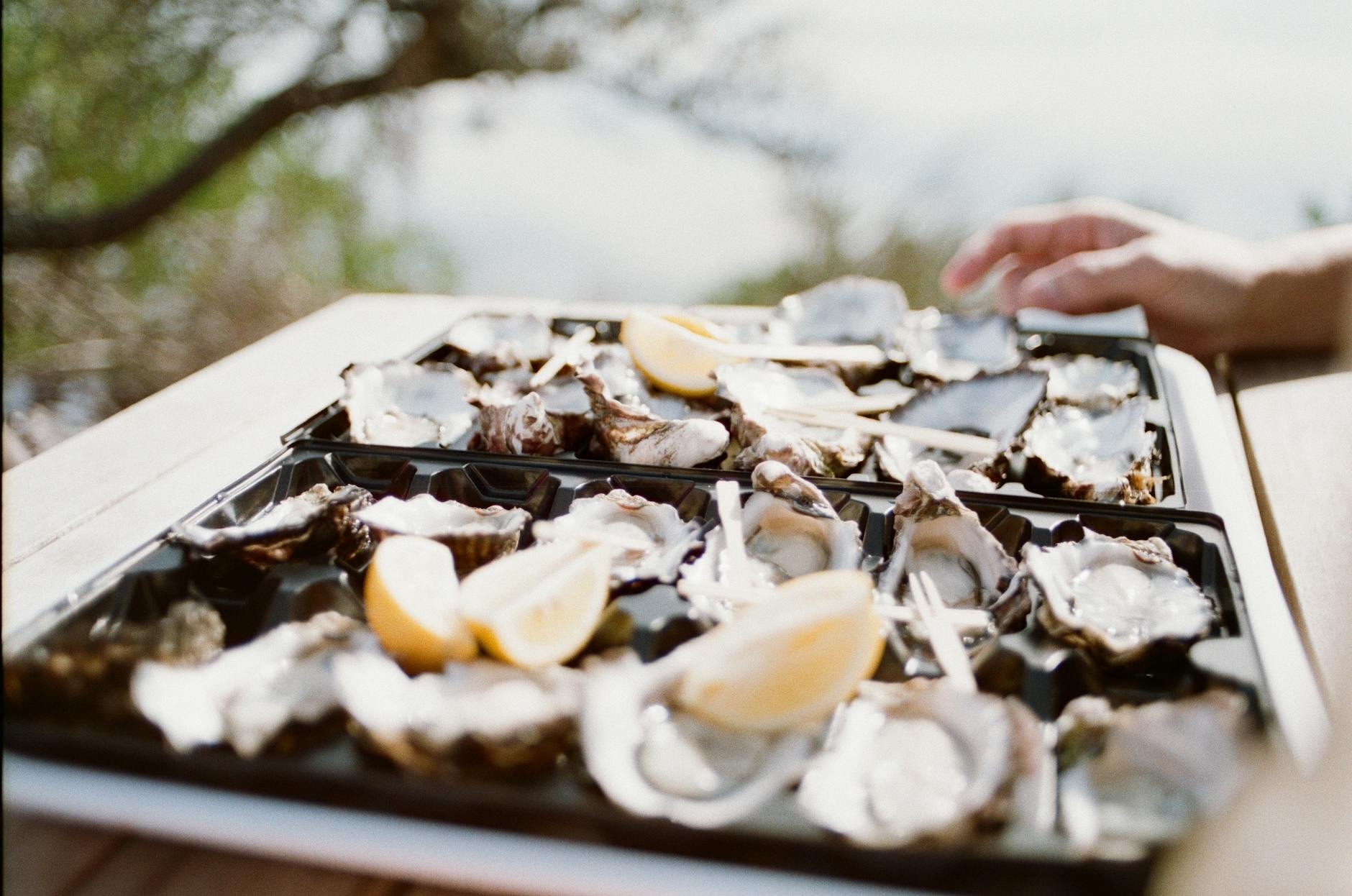
New South Wales cuisine is characterized by its fresh seafood, high-quality produce, and diverse culinary influences. Sydney, the state's capital, is a melting pot of cultures, and this is reflected in its food scene. From fresh oysters and prawns to world-class restaurants, Sydney offers a wide range of dining experiences. The state is also known for its wine regions, such as the Hunter Valley, which produce a variety of wines, including Semillon and Shiraz.
Cultural Significance:
Food plays a significant role in Sydney's vibrant culture, with numerous food festivals and markets showcasing the state's diverse culinary offerings. The city's harborside location and abundance of fresh seafood make it a popular destination for seafood lovers. The state's diverse cultural heritage is reflected in its cuisine, with influences from Asia, Europe, and the Middle East.
Signature Dishes:
- Sydney rock oysters
- Fish and chips
- Barbecued prawns
- Lamb shanks
Key Ingredients:
Queensland
Queensland's tropical and subtropical climate produces unique cuisine centered on fresh seafood, tropical fruits, and outdoor dining. The Great Barrier Reef supports abundant marine life. Brisbane's multicultural food scene blends Asian influences with beachside casual dining. Sunshine and warmth define Queensland's relaxed food culture.
Cultural Significance:
Queensland's outdoor lifestyle and warm climate foster barbecue culture and seafood feasts. Tropical fruits thrive year-round. Tourism and coastal living shape casual, accessible food traditions. Indigenous bush tucker experiences growing in popularity.
Signature Dishes:
- Moreton Bay Bugs
- Mud crab
- Macadamia nuts
- Bundaberg rum
Key Ingredients:
Western Australia
Western Australia's vast coastline and Margaret River wine region define its cuisine. Premium seafood includes Western rock lobster, abalone, and marron (freshwater crayfish). Margaret River produces world-class wines, truffles, and artisanal cheeses. Perth's isolation fostered unique culinary identity.
Cultural Significance:
Western Australia's geographic isolation created self-sufficient food culture. Margaret River wine region rivals Barossa for prestige. Seafood industry drives coastal economy and identity. Indigenous Noongar food knowledge being reclaimed and celebrated.
Signature Dishes:
- Western rock lobster
- Margaret River wine
- Black truffles
- Marron
Key Ingredients:
Tasmania
Tasmania's cool climate and pristine environment produce premium seafood, whisky, and cool-climate wines. Island isolation preserves unique food traditions. Hobart's MONA (Museum of Old and New Art) elevated Tasmania's culinary reputation. Clean air and water define Tasmanian produce quality.
Cultural Significance:
Tasmania's farm-to-table movement leads Australia in sustainability. Cool-climate wines compete internationally. Whisky distilleries revive Scottish heritage. Island's isolation creates unique terroir and artisanal food culture. Aboriginal palawa food traditions being revitalized.
Signature Dishes:
- Tasmanian oysters
- Atlantic salmon
- Tasmanian whisky
- Wallaby and venison
Key Ingredients:
Sweet Delights & Desserts
Indulge in Australia's traditional sweet treats and desserts.
Pavlova
A light and airy meringue-based dessert with a crisp exterior and marshmallow-like center, topped with fresh whipped cream and seasonal fruits. Named after the Russian ballerina Anna Pavlova, this iconic Australian dessert is a testament to the country's love for sweet treats. The contrast between the crunchy shell and soft interior, combined with the freshness of fruits like kiwi, strawberries, and passionfruit, makes it a perfect ending to any meal.
Lamingtons
Squares of light sponge cake coated in chocolate icing and rolled in desiccated coconut. These beloved Australian treats are often served with afternoon tea or at bake sales. The chocolate coating provides a rich flavor while the coconut adds texture and a subtle sweetness. Some variations include a layer of raspberry or strawberry jam in the middle, adding an extra burst of flavor.
Anzac Biscuits
Traditional oat cookies made with rolled oats, flour, sugar, butter, and golden syrup. These historic biscuits were originally made by women during World War I to send to soldiers abroad, as the ingredients didn't spoil easily. Today, they're enjoyed year-round but are especially popular around Anzac Day. The golden syrup gives them a distinctive chew and caramel-like flavor.

Caramel Slice
Three-layered treat with shortbread base, thick caramel center, and chocolate topping. Also known as millionaire's shortbread. Dense, sweet, and indulgent - a staple at bakeries, school fetes, and afternoon teas across Australia.

Iced VoVos
Rectangular marshmallow biscuit topped with pink fondant icing, raspberry jam strip, and desiccated coconut. Mass-produced by Arnott's since 1906. Nostalgic childhood favorite found in every Australian supermarket.

Chocolate Crackles
Children's party classic made with Rice Bubbles (puffed rice), copha (solidified coconut oil), cocoa, and icing sugar. Set in patty pans to create chocolate rice crispy cakes. No-bake treat synonymous with Australian birthday parties.

Neenish Tarts
Small pastry tarts filled with sweet cream or mock cream, topped with two-toned icing - half chocolate, half pink or white. Australian tea time classic dating back to early 1900s. Found at bakeries nationwide.

Golden Gaytime
Iconic vanilla and toffee ice cream on a stick, dipped in chocolate and covered with honeycomb biscuit crumbs. Made by Streets Ice Cream since 1959. Australia's best-selling ice cream with famous slogan: 'It's hard to have a Gaytime on your own.'
Traditional Beverages
Discover Australia's traditional drinks, from locally produced spirits to regional wines.

Wine
Australia is known for its diverse wine regions, producing a wide variety of wines, including Shiraz, Cabernet Sauvignon, Chardonnay, and Sauvignon Blanc. South Australia's Barossa Valley, Victoria's Yarra Valley, and New South Wales' Hunter Valley are just a few of the renowned wine-producing areas.

Beer
Australia has a thriving beer culture, with numerous local breweries producing a range of beers, from lagers and ales to stouts and craft beers. Popular brands include XXXX, Victoria Bitter (VB), and Coopers.

Bundaberg Rum
A dark rum produced in Bundaberg, Queensland, it's made from molasses and is known for its smooth, rich flavor. It's often enjoyed neat, with cola, or in cocktails.
Soft Beverages
Discover Australia's traditional non-alcoholic drinks, from local teas to refreshing juices.

Lemon, Lime & Bitters
Lemon, Lime & Bitters is a sophisticated non-alcoholic beverage that's uniquely Australian in its popularity. This refreshing drink combines lemon squash (similar to lemonade), lime cordial, and a few dashes of Angostura bitters, creating a complex flavor profile that's both sweet and slightly spicy. The drink is typically served over ice and garnished with a slice of lemon or lime. It's a popular choice in restaurants and pubs, offering a more interesting alternative to standard soft drinks, and can also be used as a mixer in cocktails.

Milo
Milo is a beloved Australian chocolate and malt powder drink that's been a household staple since 1934. The unique combination of malted barley, milk powder, and cocoa creates a rich, chocolatey flavor that can be enjoyed hot or cold. Many Australians have their own preferred way of preparing Milo - some mix it with cold milk for a refreshing drink, others make it hot for a comforting beverage, and some even eat it straight from the tin or sprinkled on ice cream. The drink is particularly popular among children but is enjoyed by Australians of all ages.

Ginger Beer
Australian ginger beer is known for its distinctive spicy kick and refreshing qualities. Made from real ginger root, this non-alcoholic beverage offers a perfect balance of sweetness and heat, with a satisfying fizz. Traditional recipes often involve fermentation, though modern versions are typically carbonated. The drink is particularly popular in Queensland, where much of Australia's ginger is grown. It's enjoyed on its own over ice, used as a mixer in cocktails like the Moscow Mule, or paired with spicy foods. Many craft producers now make their own versions, some incorporating native Australian ingredients for unique flavor profiles.