
Cabo Verde Food Guide
Content Information
Recently updatedFood Safety Tips
Essential food safety information to help you enjoy Cabo Verde's cuisine safely and confidently.
Check food hygiene standards in Cabo Verde
While Cabo Verde generally has good food hygiene standards, it's always wise to choose restaurants that appear clean and well-maintained.
Drink bottled water in Cabo Verde
In Cabo Verde, it's recommended to drink bottled water, especially in rural areas where water quality may vary.
Be cautious with street food in Cabo Verde
Street food in Cabo Verde can be delicious and safe, but choose vendors with high turnover and good hygiene practices.
Seafood freshness is key
Ensure seafood is fresh, especially lobster and fish. Choose reputable restaurants known for their seafood quality.
Dietary Options
vegetarian
MEDIUM AVAILABILITYVegetarian options are increasingly available in Cabo Verde, particularly in urban areas and tourist destinations.
vegan
LOW AVAILABILITYVegan options can be limited in Cabo Verde, as many traditional dishes include animal products. However, major cities may have specialized restaurants.
gluten-free
LOW AVAILABILITYFinding gluten-free options in Cabo Verde can be challenging. Consider learning key phrases to explain your dietary needs.
Common Allergens
Shellfish
HIGH PREVALENCEShellfish like lobster, clams, and mussels are common in Cape Verdean cuisine, especially buzio (sea snail).
COMMONLY FOUND IN:
Dairy
HIGH PREVALENCEDairy products are widely used in Cabo Verde, featuring in many traditional dishes. Goat cheese from Boa Vista and Sal is especially prized.
COMMONLY FOUND IN:
Wheat
HIGH PREVALENCEWheat is a staple in Cabo Verde's cuisine, used in bread, pastries, and many other foods. Corn is also widely used.
COMMONLY FOUND IN:
Essential Food Experiences
These iconic dishes represent the must-have culinary experiences that define Cabo Verde's food culture for travelers.

Cachupa (Cachupa)
The national dish of Cape Verde - a slow-cooked stew considered emblematic of the islands. Made with corn (hominy), beans, cassava, sweet potato, fish or meat (sausage, pork, beef, goat or chicken), and often morcela (blood sausage). Each island has its own regional variation. Two main types: Cachupa Rica (with various meats, more expensive) and Cachupa Pobre (with fish only, more accessible). Time-consuming to prepare, traditionally made on Saturdays. Many restaurants only serve it once a week.

Lagosta Grelhada (Grilled Lobster)
Popular dish on Sal Island - lobster grilled to perfection, cooked over the coals of a good grill. Known as 'lagostada' in Cape Verdean cuisine, it's one of the country's star dishes. Seasoned with garlic butter and accompanied by xerem (made from corn) and sweet potato. Won't suit all budgets due to the challenges of catching these delicious lobsters.

Buzio (Sea Snail Stew)
Traditional seafood stew made with various shellfish like clams, mussels, and shrimp (though buzio specifically refers to sea snail), cooked in a tomato and coconut milk sauce. If you like fish and seafood more than meat, buzio is THE dish in Cape Verde. This slow-cooked food is typically made with mussels or sea snails and soy sauce. Not as hearty as cachupa, it's a better choice for a lighter lunch or dinner, and for festive meals.

Canja (Chicken Soup)
Comforting chicken soup with rice and vegetables, common in Cape Verdean households. A warming, nourishing dish.

Pastel com Diabo Dentro (Pastel with Devil Inside)
Savory pastry filled with spicy tuna - the 'devil' refers to the spicy filling. Often enjoyed as a snack throughout the islands.

Caldo de Peixe (Fish Stew)
Flavorful fish stew with potatoes, vegetables, and spices. Often served with rice or cachupa. A staple seafood dish.

Pastéis de Milho (Cornflour Pastry)
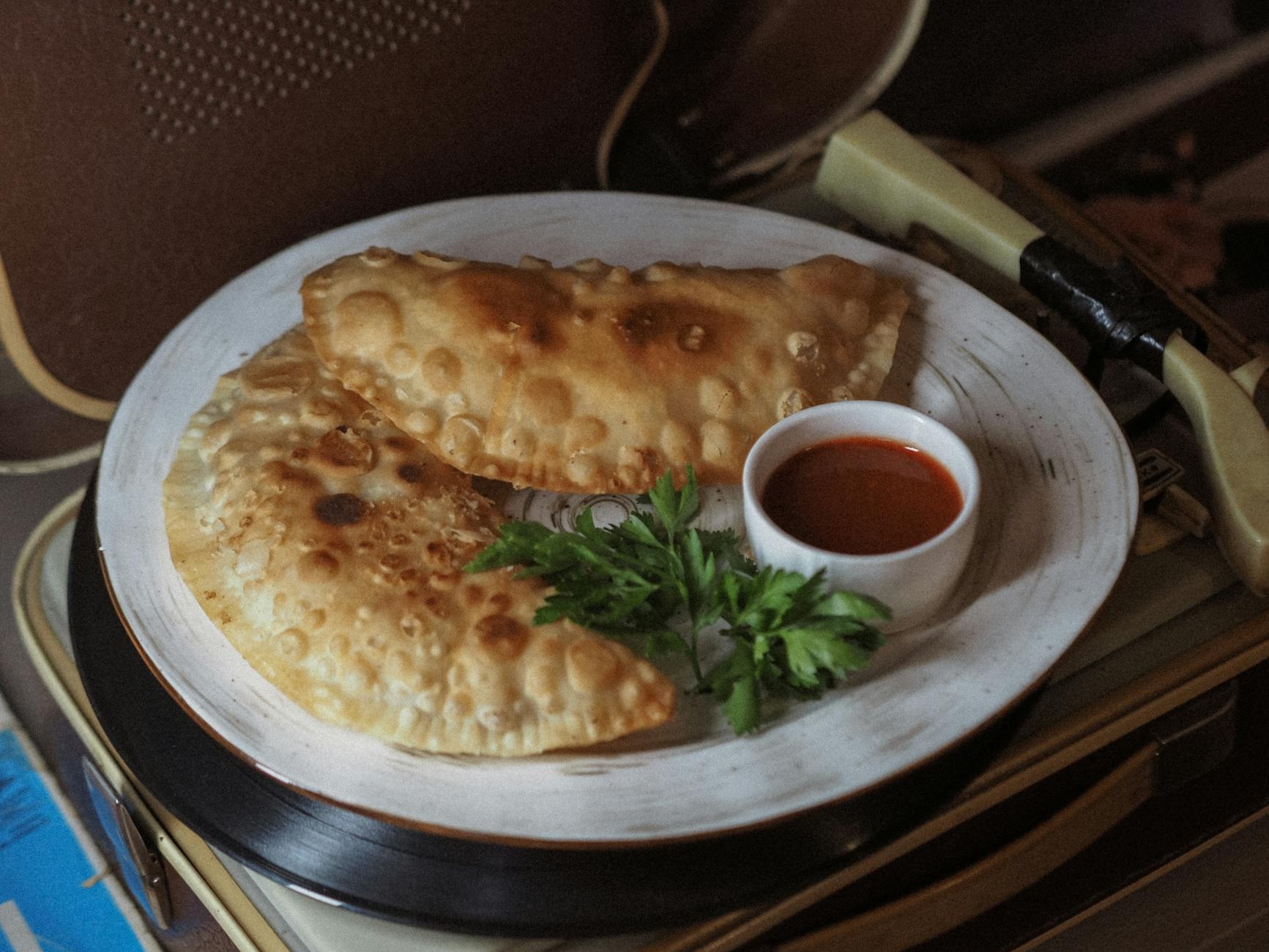
Sal Island specialty - fried dough filled with tasty mixtures such as fresh tuna or meat. Locally called 'pastry de midjo'. Popular street food.

Xerem (Corn Porridge)
Traditional side dish made from corn, often accompanying grilled lobster and other seafood dishes.

Percebes (Barnacles)
Highly appreciated shellfish delicacy, one of the most sought-after in Cape Verde.

Lapa (Limpets)
Popular shellfish enjoyed throughout the islands, often grilled or in stews.

Bafas (Cape Verdean Fish)
Famous fish preparation that makes up one of the delights for seafood lovers in Cape Verde.
Regional Specialties & Local Favorites
Discover the authentic regional dishes and local favorites that showcase Cabo Verde's diverse culinary traditions.

Esmoregal (Grouper)
Highly appreciated fish, one of the most sought-after in Cape Verde. Often grilled or in stews.
Allergens:

Garoupa (Grouper)
Another variety of grouper, highly prized in Cape Verdean cuisine.
Allergens:

Polvo (Octopus)
Highly appreciated seafood, one of the most sought-after shellfish in Cape Verde. Prepared in various ways.
Allergens:

Carne de Porco com Feijão (Pork with Beans)
Traditional Santo Antão dish combining pork and beans, hearty and flavorful.

Caldo de Feijão (Bean Stew)
Fogo Island specialty featuring local beans and vegetables. The volcanic soil gives unique flavors.

Goat Dishes
Goats are one of the few farmed species able to survive and thrive on the desert islands of Boa Vista and Sal, making them a precious commodity. Goat meat is used in various traditional dishes.

Fogo Wine
Unique volcanic wine from Fogo Island. The volcanic soil grapes create distinctive flavors.

Fogo Coffee
Distinctive coffee grown in Fogo's volcanic soil, known for its rich flavor.
Regional Cuisine Highlights
Explore the diverse culinary landscapes across different regions of Cabo Verde.
Santiago Island
The most tropical of the islands and main supplier of fruits like papaya. Cuisine features more tropical fruits and agricultural products. Home to Cidade Velha where grogue is produced. Strela beer is brewed here. Local markets like Mercado Municipal da Praia offer colorful displays of fresh produce, meat, fish, exotic fruits, vegetables, and spices at reasonable prices.
Cultural Significance:
As the most populated island, Santiago offers the widest selection of dishes and restaurants, blending Creole and Portuguese influences with agricultural abundance.
Signature Dishes:
- Cachupa
- Tropical fruits
- Grogue from Cidade Velha
Key Ingredients:

Sal Island
Known for beachside eateries serving specialties like Lagosta Grelhada (grilled lobster) and Cachupa. Cornflour pastry 'de midjo' is a local specialty - fried dough filled with fresh tuna or meat. Goats thrive on this desert island. Many hotels, restaurants and activities available, mainly in Santa Maria town.
Cultural Significance:
Tourist island with beach culture, combining traditional Cape Verdean dishes with resort dining. Showcases the adaptation of cuisine to desert island conditions.
Signature Dishes:
- Lagosta Grelhada
- Pastéis de Milho (cornflour pastry)
- Cachupa
Key Ingredients:

Boa Vista Island
Smaller, quieter island without wide selection - the limited menu may be what's prepared on the day. Goats thrive on this desert island. Homemade goat's cheese is highly sought after and, together with papaya jam, makes up the most classic Cape Verdean dessert.
Cultural Significance:
Represents traditional, simple Cape Verdean cooking with limited but quality ingredients adapted to desert conditions.
Signature Dishes:
- Goat cheese
- Simple daily preparations
- Cachupa
Key Ingredients:

Santo Antão Island
Characterized by agricultural abundance with dishes featuring fresh produce, goat cheese, and grogue. The sugarcane is grown here and grogue is made in towns like Paul using a trapiche.
Cultural Significance:
Showcases the island's agricultural heritage with focus on local ingredients and traditional grogue production.
Signature Dishes:
- Carne de Porco com Feijão
- Grogue from Paul
- Fresh produce
Key Ingredients:

Fogo Island
Known for volcanic wines and unique coffee, as well as dishes featuring local beans and vegetables. The volcanic landscape influences unique flavors of wine, coffee, and produce.
Cultural Significance:
Cuisine is shaped by volcanic landscape, which influences the unique flavors. The terroir creates distinctive wines and coffee found nowhere else.
Signature Dishes:
- Caldo de Feijão
- Fogo Wine
- Fogo Coffee
Key Ingredients:
Sweet Delights & Desserts
Indulge in Cabo Verde's traditional sweet treats and desserts.

Doce de Papaia (Papaya Sweet)
Simple dessert made with ripe papaya, sugar, and sometimes spices like cinnamon or vanilla. Papaya is grown on the tropical island of Santiago, the main supplier.

Goat Cheese with Papaya Jam
Homemade goat's cheese from the desert islands of Boa Vista and Sal is highly sought after. Together with papaya jam, it makes up the most classic of Cape Verdean desserts.

Tropical Fruit Desserts
Various exotic fruits grown on Santiago and other islands used in traditional sweets and desserts.
Traditional Beverages
Discover Cabo Verde's traditional drinks, from locally produced spirits to regional wines.

Grogue (Grogue)
Strong rum made from distilled sugarcane, often served neat or used in cocktails like ponche. One of the most important aspects of Cape Verdean culture. Made in towns such as Paul on Santo Antão and Cidade Velha on Santiago using a trapiche. The sugarcane is mainly grown on Santo Antão and Santiago.

Ponche (Punch)
Traditional alcoholic beverage made with grogue, sugar, lime juice, and spices. A beloved Cape Verdean drink.

Strela Beer
Beer brewed on the island of Santiago. The local favorite beer of Cape Verde.
Soft Beverages
Discover Cabo Verde's traditional non-alcoholic drinks, from local teas to refreshing juices.

Moringa Tea (Moringa Tea)
Popular herbal tea made from the leaves of the moringa tree, known for its health benefits. Traditional in Cape Verde.

Sumo Natural (Fresh Juice)
Freshly squeezed juices made from a variety of tropical fruits such as mango, papaya, and guava grown on the islands.

Coffee
Cape Verdean coffee, especially from Fogo Island with its volcanic soil, producing rich flavors.