
Italy Food Guide
Content Information
Recently updated🔥Current Food Trends 2025
What's happening in Italy's culinary scene right now
Italy's culinary landscape in 2025 celebrates its position as the world's #1 destination for celiac travelers, with certified gluten-free restaurants and pharmacies stocking subsidized medical-grade products. The Michelin Guide 2025 recognizes 395 starred restaurants nationwide, with Casa Perbellini 12 Apostoli in Verona earning three stars. Ancient grains revolution: Heritage wheats like farro, spelt, timilia, and Senatore Cappelli appear on menus from Rome to Milan. Stuffed pasta revival (tortellini, ravioli, culurgiones, casoncelli) makes a splash with inventive twists. Sustainable gastronomy flourishes with Michelin Green Star restaurants pioneering km-zero sourcing. Fusion innovations include miso-infused risotto, yuzu-flavored gelato, and nduja-spiced ramen. Street food gets gourmet makeovers: upscale piadinas, modern panzerotti, gelato sandwiches. Bergamot from Calabria trends in risottos, teas, and gelato for flavor and calming effects. Sicilian pistachios dominate desserts and savory dishes (pistachio pesto, pizza toppings). Sourdough experiences revival in pizza to desserts. Mortadella emerges beyond sandwiches in appetizers and pastries. Regional PDO/PGI excellence: Emilia-Romagna boasts 44 protected products. Culinary tourism surges with pasta-making workshops, truffle hunting, wine estate tours, and food festivals celebrating 20 distinct regional cuisines.
Food Safety Tips
Essential food safety information to help you enjoy Italy's cuisine safely and confidently.
Tap water is generally safe to drink
Water is safe to drink in most of Italy, especially in major cities. Many cities also have public drinking fountains with fresh, cold water.
Watch for unlisted cover charges
Many restaurants charge a "coperto" (cover charge) that includes bread. This is standard practice, not a tourist trap, but good to be aware of.
Be cautious with raw fish dishes
While generally safe, those with compromised immune systems should be careful with raw fish dishes like carpaccio di pesce.
Dietary Options
vegetarian
HIGH AVAILABILITYItaly offers exceptional vegetarian options with countless pasta dishes, pizzas, risottos, and antipasti. Traditional dishes like Cacio e Pepe, Pasta al Pomodoro, and Margherita pizza are naturally vegetarian. Specify "sono vegetariano/a" to clarify your dietary needs, though most restaurants have extensive meat-free selections.
vegan
HIGH AVAILABILITYItaly's vegan scene has exploded in 2025, particularly in Milan, Rome, and Florence where dedicated vegan restaurants and gelaterias thrive. Many traditional dishes are naturally vegan (pasta al pomodoro, caponata, bruschetta with tomatoes). Look for "vegano" labels on menus. Ancient grain pasta and vegetable-forward regional dishes make Italy surprisingly vegan-friendly despite its cheese reputation.
gluten-free
HIGH AVAILABILITYItaly ranks as the world's #1 destination for celiac travelers. Nationwide celiac awareness is exceptional with over 4,000 certified gluten-free restaurants and dedicated "senza glutine" menu sections. Italian pharmacies (farmacie) stock medical-grade gluten-free products often subsidized for diagnosed celiacs. Major pasta brands offer gluten-free versions using rice, corn, or ancient grains. Even pizzerias have separate gluten-free dough and preparation areas to prevent cross-contamination.
halal
MEDIUM AVAILABILITYHalal options are increasingly available in major cities like Rome, Milan, and Venice, particularly in areas with Muslim communities. Look for halal-certified restaurants serving Middle Eastern, North African, or Turkish cuisine. Seafood-focused Italian restaurants are often safe choices, and many vegetarian pasta dishes naturally comply with halal dietary laws.
kosher
MEDIUM AVAILABILITYItaly's Jewish communities, particularly in Rome and Venice, maintain kosher restaurants and bakeries. Rome's Jewish Ghetto features multiple kosher trattorias serving Roman-Jewish specialties like Carciofi alla Giudia (fried artichokes). Venice's historic Jewish Quarter offers kosher dining near the synagogues. Advance planning is essential outside major cities.
Common Allergens
Wheat
HIGH PREVALENCEPasta and bread are staples of Italian cuisine, making wheat nearly omnipresent.
COMMONLY FOUND IN:
Dairy
HIGH PREVALENCECheese and milk products feature prominently in Italian cooking.
COMMONLY FOUND IN:
Eggs
MEDIUM PREVALENCEEggs are common in fresh pasta and some sauces and desserts.
COMMONLY FOUND IN:
Tree Nuts
MEDIUM PREVALENCENuts are common in many Italian desserts and some savory dishes.
COMMONLY FOUND IN:
Essential Food Experiences
These iconic dishes represent the must-have culinary experiences that define Italy's food culture for travelers.

Pizza Napoletana
Traditional Neapolitan pizza with a soft, thin base topped with San Marzano tomatoes, mozzarella cheese, fresh basil, and olive oil. UNESCO-protected tradition since 2017.

Pasta Carbonara
Roman pasta dish made with eggs, hard cheese (Pecorino Romano), cured pork (guanciale), and black pepper. The authentic version does not contain cream.

Risotto alla Milanese
Creamy rice dish from Milan flavored with saffron, white wine, bone marrow, and Parmesan cheese. Golden color from saffron makes it instantly recognizable.

Gelato
Italian-style ice cream with lower fat content than American ice cream, resulting in denser, more intensely flavored dessert. 2025 sees yuzu and bergamot flavors trending.

Tiramisu
Coffee-flavored dessert made with ladyfingers soaked in coffee, layered with mascarpone cheese mixture, and dusted with cocoa. Originated in Veneto region.

Osso Buco
Slow-cooked veal shanks braised in white wine, broth, and vegetables with gremolata (lemon zest, garlic, parsley), typically served with risotto alla milanese.

Prosciutto di Parma
World-renowned dry-cured ham from Parma, aged minimum 12 months (up to 36 for premium grades). Made exclusively from Italian pigs fed whey from Parmigiano-Reggiano production, resulting in sweet, delicate flavor. Protected by PDO designation ensuring traditional production methods in the Parma region of Emilia-Romagna.

Burrata
Fresh Italian cheese from Puglia with an outer shell of mozzarella and a creamy, stracciatella-filled center. Best consumed within 24 hours of production for optimal freshness and flavor. Typically served with heirloom tomatoes, olive oil, and crusty bread—a showcase of Southern Italy's dairy craftsmanship.

Carciofi alla Giudia
Roman-Jewish fried artichokes, a 500-year-old recipe from Rome's Jewish Ghetto. Whole artichokes are double-fried in olive oil until crispy outside and tender inside, resembling golden roses. This iconic dish represents Rome's Jewish culinary heritage and appears on menus throughout the Ghetto during artichoke season (November-April).

Pesto alla Genovese
Liguria's iconic basil sauce made with fresh basil, pine nuts, garlic, Parmigiano-Reggiano, Pecorino, and Ligurian olive oil. Traditionally prepared using a marble mortar and wooden pestle to preserve the basil's aromatic oils. The authentic Genovese version uses small-leafed Ligurian basil (Basilico Genovese DOP) grown in the region's temperate coastal climate.

Tortellini in Brodo
Emilia-Romagna's signature stuffed pasta filled with pork, prosciutto, mortadella, and Parmigiano-Reggiano, served in rich capon broth. 2025 sees a stuffed pasta renaissance with chefs creating inventive new fillings while honoring tradition.

Focaccia Genovese
Liguria's iconic flatbread with dimpled surface, brushed with olive oil and topped with coarse sea salt. Some versions include rosemary, olives, or onions. Perfect for breakfast or as a snack throughout the day.
Regional Specialties & Local Favorites
Discover the authentic regional dishes and local favorites that showcase Italy's diverse culinary traditions.

Arancini
Sicilian rice balls filled with meat ragù, mozzarella, and peas, then coated in breadcrumbs and deep-fried to golden perfection - a beloved street food throughout southern Italy.
Allergens:

Lasagne alla Bolognese
Layered pasta from Bologna with meat ragù, béchamel sauce, and Parmigiano-Reggiano, baked until golden and bubbling. A Sunday family tradition across Italy.
Allergens:

Bistecca alla Fiorentina
A thick T-bone steak from Tuscany's Chianina cattle, grilled over hot coals, seasoned simply with salt, pepper, and olive oil, and served rare to showcase its exceptional quality.

Cacio e Pepe
A deceptively simple Roman pasta dish made with just black pepper, Pecorino Romano cheese, and pasta water, requiring perfect technique to create its creamy, peppery sauce without adding butter or oil.
Allergens:

Cannoli
Sicilian pastry desserts consisting of tube-shaped shells of fried pastry dough filled with a sweet, creamy filling usually containing ricotta, a true symbol of Sicilian cuisine and craftsmanship.
Allergens:

Amatriciana
Classic Roman pasta with guanciale (cured pork jowl), pecorino cheese, tomatoes, and chili pepper. Originated in the town of Amatrice in Lazio region.
Allergens:

Caprese Salad
Simple Campanian salad showcasing fresh mozzarella di bufala, ripe tomatoes, fresh basil, extra virgin olive oil, and sea salt. Colors represent the Italian flag.
Allergens:

Ribollita
Tuscan bread soup made with cannellini beans, kale, carrots, and stale bread. Traditional peasant dish that tastes better reheated the next day (ribollita means 'reboiled').
Allergens:

Supplì
Roman street food of fried rice balls with tomato sauce and mozzarella center that stretches when bitten (telephone wires). Similar to arancini but from Lazio.
Allergens:

Parmigiana di Melanzane
Layered baked dish from Southern Italy with fried eggplant, tomato sauce, mozzarella, basil, and Parmigiano-Reggiano. Comfort food at its finest.
Allergens:
Regional Cuisine Highlights
Explore the diverse culinary landscapes across different regions of Italy.
Tuscany
Tuscan cuisine is known for its simple, rustic dishes featuring fresh, seasonal ingredients. Grilled meats, hearty soups, and olive oil are prominent.
Cultural Significance:
Tuscan cuisine reflects the region's agricultural heritage and emphasis on fresh, local products.
Signature Dishes:
- Bistecca alla Fiorentina
- Ribollita
- Panzanella
Key Ingredients:

Sicily
Sicilian cuisine is a blend of Arab, Greek, and Norman influences, featuring seafood, citrus fruits, and sweet pastries.
Cultural Significance:
Sicilian cuisine reflects the island's diverse history and rich culinary traditions.
Signature Dishes:
- Arancini
- Pasta con le Sarde
- Cannoli
Key Ingredients:

Emilia-Romagna
Emilia-Romagna is known as the 'food valley' of Italy, famous for its rich, flavorful dishes like pasta Bolognese, prosciutto di Parma, and Parmigiano-Reggiano cheese. The region boasts 44 PDO/PGI protected products—more than any other Italian region—including Traditional Balsamic Vinegar of Modena aged up to 25 years. November 2025 sees culinary tourism thriving with multi-day food tours through Parma, Modena, and Bologna.
Cultural Significance:
Emilia-Romagna's cuisine reflects centuries of agricultural excellence and culinary mastery, earning it the title 'Italy's Food Valley.' The region's protected designation products represent the pinnacle of Italian gastronomic tradition.
Signature Dishes:
- Tagliatelle al Ragù
- Prosciutto di Parma
- Parmigiano-Reggiano
- Traditional Balsamic Vinegar of Modena
- Tortellini in Brodo
Key Ingredients:

Lombardy
Lombardy's cuisine centers around Milan, Italy's fashion and finance capital, where sophistication extends to the plate. Rich, buttery dishes using risotto, polenta, and veal showcase Northern Italian opulence. The region pioneered sustainable fine dining in 2025, with Milan's Michelin Green Star restaurants leading Italy's zero-waste movement. Panettone production reaches peak artisanal quality with master bakers creating innovative year-round flavors.
Cultural Significance:
Lombardy's cuisine reflects its position as Italy's economic powerhouse, blending peasant traditions (polenta, buckwheat pasta) with luxurious ingredients (saffron, veal). Milan's aperitivo culture and cutting-edge restaurants make it Italy's modern culinary innovator.
Signature Dishes:
- Risotto alla Milanese
- Osso Buco
- Cotoletta alla Milanese
- Panettone
- Pizzoccheri
Key Ingredients:
Campania
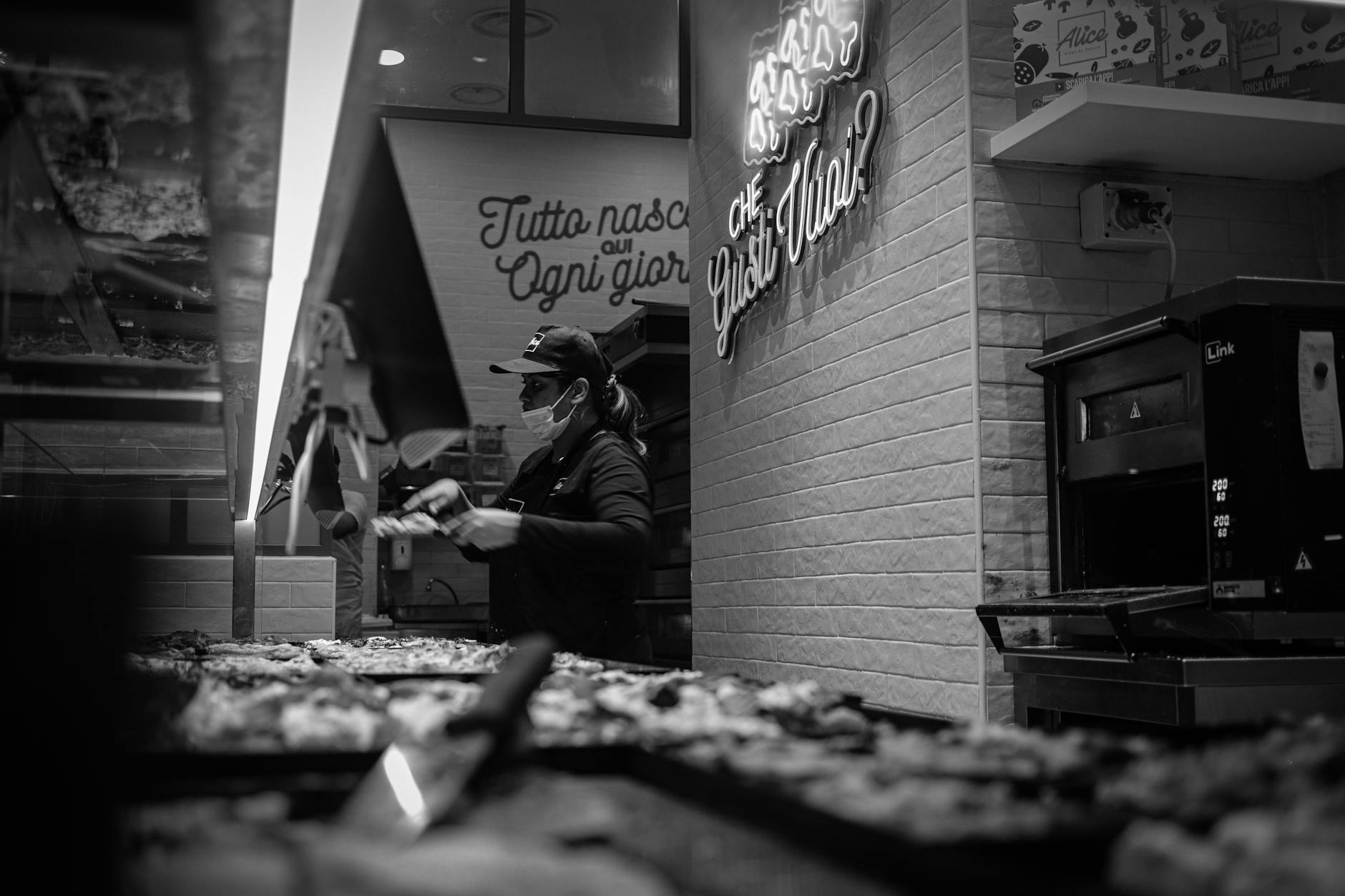
Campania, home to Naples, is the birthplace of pizza and cradle of Southern Italian cuisine. The region's volcanic soil produces exceptional San Marzano tomatoes, while buffalo farms near Salerno create world-famous mozzarella di bufala. November 2025 sees Naples' street food culture thriving with fried pizza (pizza fritta), cuoppo (fried seafood cones), and sfogliatella from century-old bakeries. The Amalfi Coast's lemon groves supply limoncello production.
Cultural Significance:
Campanian cuisine represents the soul of Southern Italy—vibrant, generous, and deeply connected to the sea and volcanic land. Pizza-making (pizzaiuolo) is recognized by UNESCO as Intangible Cultural Heritage, cementing Naples' status as a global culinary capital.
Signature Dishes:
- Pizza Napoletana (UNESCO protected)
- Mozzarella di Bufala Campana DOP
- Sfogliatella
- Spaghetti alle Vongole
- Pastiera Napoletana
Key Ingredients:
Veneto
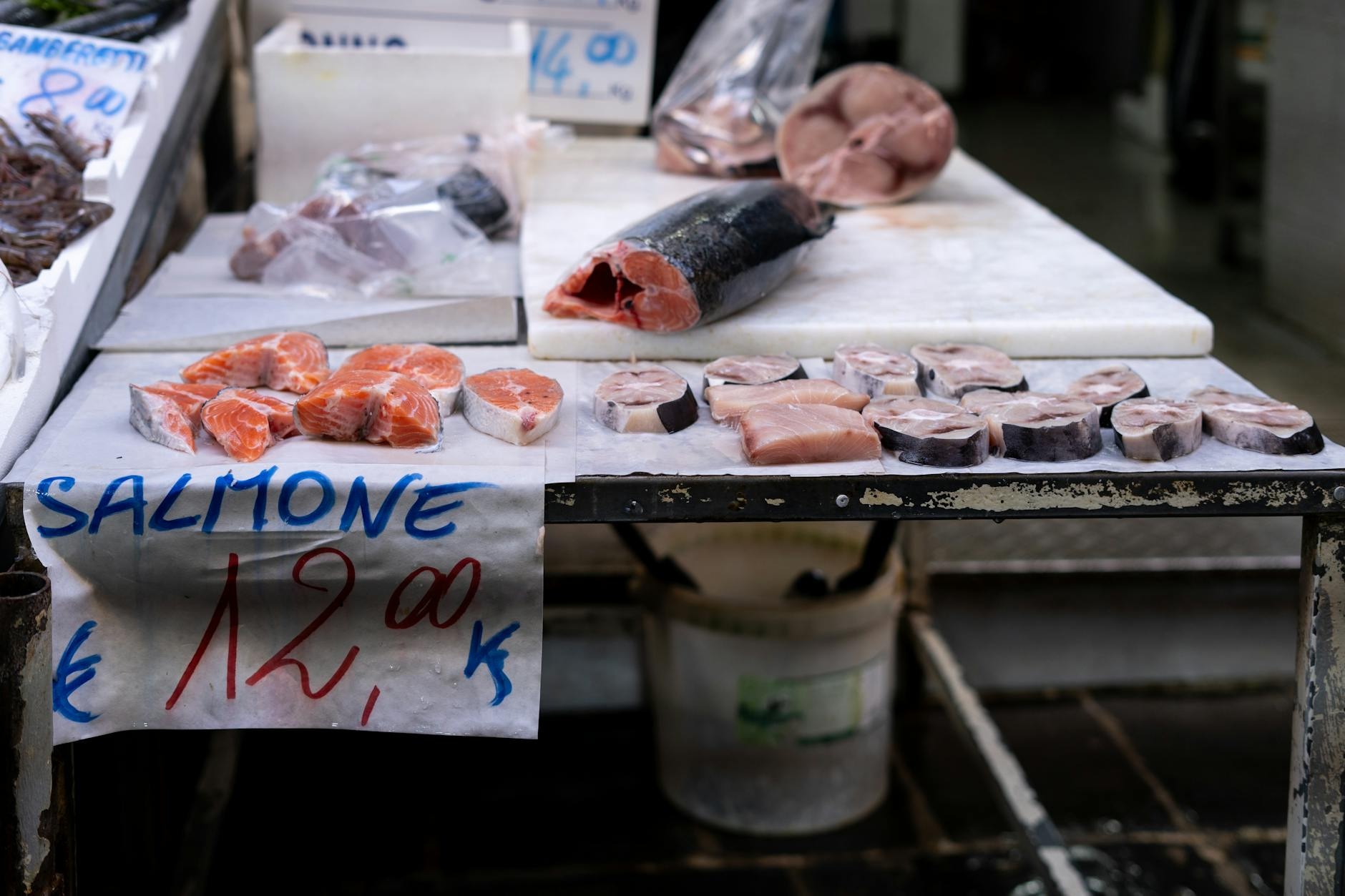
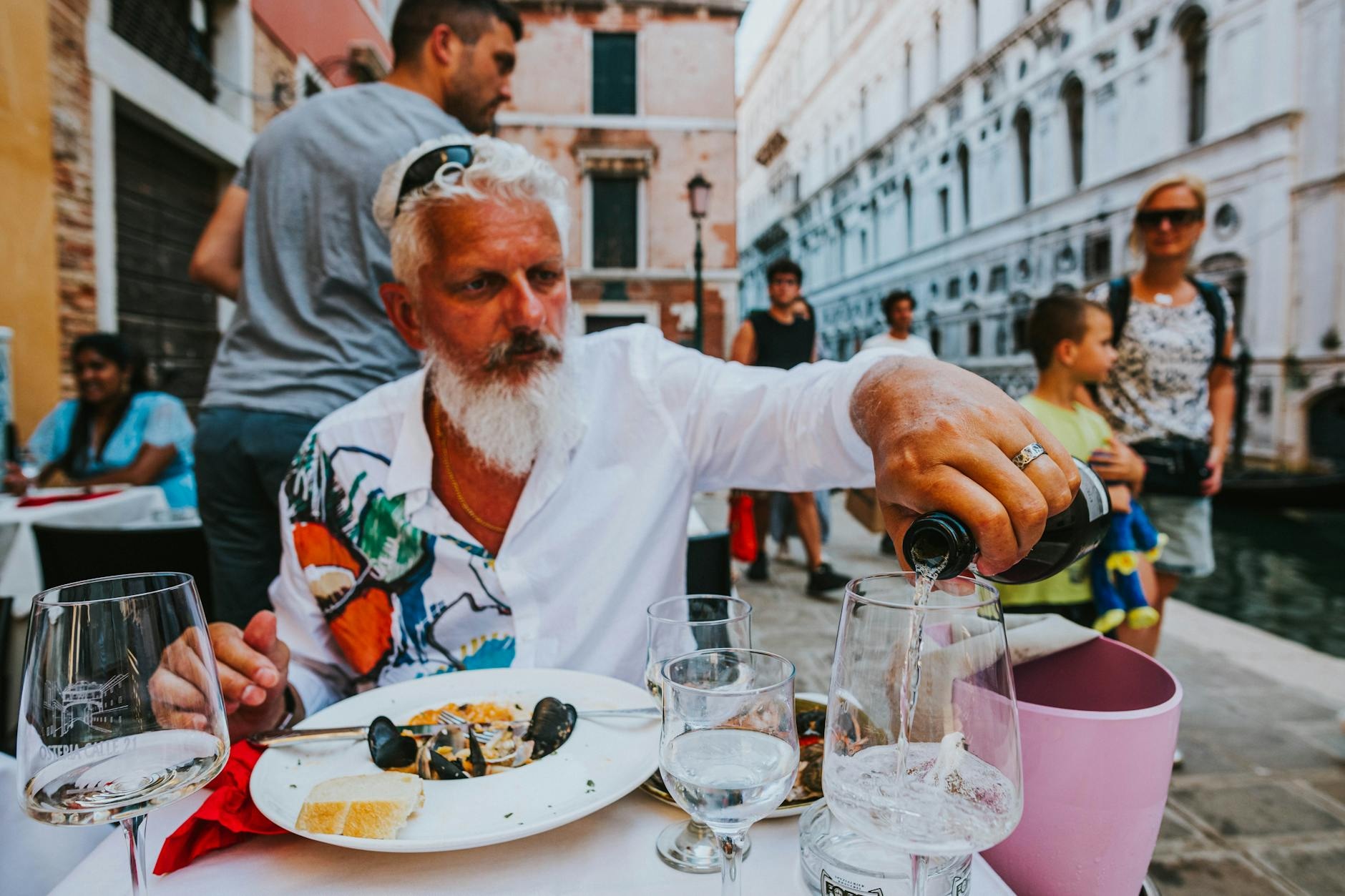
Veneto's cuisine balances Venice's maritime traditions with inland agricultural bounty. The region is famous for cicchetti (Venetian tapas), risotto dishes using local Vialone Nano rice, and the birthplace of Tiramisu (from Treviso). Prosecco wine production in the Valdobbiadene hills attracts wine tourism. November 2025 sees Venice's bacari (wine bars) thriving as authentic alternatives to tourist restaurants, serving traditional dishes with local wines.
Cultural Significance:
Venetian cuisine reflects centuries as a maritime trading empire, incorporating spices and techniques from the East. The bacaro culture of wine and small plates represents authentic Venetian social life, while Prosecco hills hold UNESCO World Heritage status.
Signature Dishes:
- Risotto al Nero di Seppia (squid ink risotto)
- Cicchetti
- Baccalà Mantecato (whipped salt cod)
- Tiramisu
- Sarde in Saor (sweet and sour sardines)
Key Ingredients:
Sweet Delights & Desserts
Indulge in Italy's traditional sweet treats and desserts.
Tiramisu
A coffee-flavored dessert made with ladyfingers dipped in coffee, layered with a whipped mixture of eggs, sugar, and mascarpone cheese, and dusted with cocoa powder.

Panna Cotta
A creamy, molded dessert made with sweetened cream thickened with gelatin, often served with fruit or a sweet sauce.
Cannoli
Tube-shaped shells of fried pastry dough filled with a sweet, creamy ricotta filling, often containing candied fruit or chocolate chips.

Sfogliatella
Naples' iconic shell-shaped pastry with multiple crispy, flaky layers filled with sweetened ricotta, semolina, candied citrus peel, and cinnamon. Available in two versions: sfogliatella riccia (curly/layered) and sfogliatella frolla (shortcrust). Best enjoyed warm from traditional Neapolitan bakeries.

Zabaglione
Classic Italian custard dessert made with egg yolks, sugar, and sweet wine (traditionally Marsala) whipped to airy, mousse-like consistency. Served warm in stemmed glasses, often accompanied by fresh berries or ladyfinger cookies. A staple of Piedmont's culinary tradition dating back centuries.

Amaretti
Traditional Italian almond cookies from Saronno, Lombardy, with crispy exteriors and chewy centers. Made primarily from egg whites, sugar, and bitter almonds (or almond extract), these gluten-free treats pair perfectly with espresso or sweet dessert wines like Vin Santo.

Panettone
Milan's iconic Christmas sweet bread with a tall, dome-like shape, studded with candied fruits, raisins, and citrus zest. Traditional versions undergo 36+ hour fermentation using natural yeast (lievito madre). Once seasonal, premium artisanal panettone is now enjoyed year-round in 2025, with innovative flavors like pistachio, chocolate-pear, and limoncello.

Biscotti
Twice-baked Italian almond cookies from Tuscany, designed for dipping in Vin Santo dessert wine or coffee. Their dry, crunchy texture comes from baking, slicing, then baking again. Traditional flavors include almond, anise, and chocolate-hazelnut. The ultimate Italian coffee companion with centuries of history.
Traditional Beverages
Discover Italy's traditional drinks, from locally produced spirits to regional wines.

Chianti Classico
A red wine from the Chianti region of Tuscany, known for its dry, fruity flavor and high acidity.

Prosecco
A sparkling wine from the Veneto and Friuli Venezia Giulia regions, known for its light, bubbly character and fruity aromas.

Limoncello
A lemon liqueur from Southern Italy, made from lemon zest, alcohol, water, and sugar. It has a sweet and tart flavor.
Soft Beverages
Discover Italy's traditional non-alcoholic drinks, from local teas to refreshing juices.

Espresso
A strong, concentrated coffee beverage brewed by forcing hot water through finely-ground coffee beans.

Cappuccino
A coffee drink made with espresso, hot milk, and steamed milk foam.

Chinotto
A carbonated soft drink made from the juice of the chinotto citrus fruit. It has a bittersweet flavor.
Explore Cities
Discover the vibrant food scenes in Italy's major cities.
