
Mauritius Food Guide
Content Information
Recently updated🔥Current Food Trends 2025
What's happening in Mauritius's culinary scene right now
Mauritius' culinary landscape in November 2025 celebrates multicultural fusion, Creole cuisine renaissance, luxury resort dining, street food culture, sustainable seafood initiatives. Dholl puri national dish pride - thin flatbread stuffed split peas, served butter beans curry, rougaille sauce, chutney, ubiquitous street food stalls. November marks summer season onset (November-April hot humid, 25-33°C/77-91°F), cyclone season begins (November-May), tourism peak despite weather risks, beaches busy, resorts full. Indo-Mauritian community dominates (68% population) - Indian culinary influence pervasive (biryani, curries, rotis, samosas), Hindu festivals Diwali (October/November) recent, Cavadee (January/February upcoming). Creole cuisine renaissance - traditional rougaille (tomato-based sauce with sausages/fish), vindaye (fish marinated mustard seeds, turmeric, vinegar), daube (meat stew) gain international recognition, Chef Alain Darc promotes Creole heritage. Port Louis capital Central Market food stalls - dholl puri vendors, mine frite (fried noodles), gateaux piments (chili cakes), alouda milky drink, street food lunch tradition workers & tourists. Luxury resort dining boom - resorts offer multicultural menus (French, Italian, Chinese, Japanese, Indian), beachfront restaurants, celebrity chef partnerships, fusion experimentation. Sustainable seafood emphasis - overfishing concerns Indian Ocean, government quotas, Marine Stewardship Council certifications, eco-resorts promote line-caught fish. Sugar cane heritage visible - rum distilleries (Chamarel, La Bourdonnais), agricultural tours, sugar museums, November planting season. Chinatown Port Louis preserves Chinese-Mauritian food culture - spring rolls, fried rice, noodle soups, mine bouillie, Sino-Mauritian fusion. Muslim community (17.3%) halal infrastructure robust - halal-certified restaurants widespread, mosques Port Louis (Jummah Mosque), halal butchers, Ramadan iftar traditions. French colonial gastronomy legacy - French bakeries (pain maison bread, croissants), French restaurants upscale dining, wine culture, Mauritian Creole language French-based. November fruit season: lychees (November-January), mangoes, pineapples, papayas abundant - fresh juices everywhere. Phoenix Beer local pride - Mauritian brewery (founded 1963), competes Heineken imports, consumed beaches & social gatherings.
Food Safety Tips
Essential food safety information to help you enjoy Mauritius's cuisine safely and confidently.
Consume bottled water
Tap water in Mauritius is generally not safe for drinking. Stick to bottled or purified water to avoid waterborne illnesses.
Be cautious of street food hygiene
While street food offers a delicious culinary experience, ensure the vendor maintains good hygiene practices. Look for clean stalls and freshly cooked food.
Wash fruits and vegetables thoroughly
Wash all fruits and vegetables with purified water before consumption, especially those eaten raw, to remove any potential contaminants.
Dietary Options
vegetarian
MEDIUM AVAILABILITYVegetarian options are readily available, particularly in tourist areas. Many restaurants offer vegetarian curries, lentil dishes, and vegetable-based stir-fries. Indian cuisine, prevalent in Mauritius, also provides diverse vegetarian choices.
vegan
LOW AVAILABILITYVegan options can be more limited, as dairy and eggs are commonly used in Mauritian cuisine. However, with some research and communication with restaurant staff, vegan-friendly adaptations can often be made.
gluten-free
MEDIUM AVAILABILITYGluten-free dining in Mauritius presents moderate challenges. Many traditional dishes use wheat flour - dholl puri, farata, roti, mine frite noodles. However, rice-based dishes available (biryani, fried rice, plain rice with curries). Indian curry houses offer naturally gluten-free options (vegetable curries, dals, grilled meats/seafood with rice). Communicate clearly - "sans gluten" (French) or "no wheat" (English widely understood tourism industry). Luxury resorts generally accommodate gluten-free requests - international menus, trained chefs, advance notice recommended. Street food challenging - dholl puri/roti staples, cross-contamination risks. Focus on: grilled fish/seafood, rice dishes, fresh tropical fruits, vegetable curries (verify no wheat thickeners). Soy sauce common Chinese-Mauritian dishes - request tamari alternative. Supermarkets Port Louis/Grand Baie stock imported gluten-free products (pasta, bread). November tourist season - restaurants more accustomed dietary requests.
halal
HIGH AVAILABILITYHalal food is widely available due to the significant Muslim population (17.3% population). Many restaurants are halal-certified, and halal butchers and grocery stores are common. Indian-Mauritian Muslim community operates numerous eateries - biryani restaurants, roti shops, street food stalls all halal. Pork rarely served outside Chinese restaurants/upscale French establishments - clearly marked when available. Jummah Mosque Port Louis center Muslim community, nearby halal food cluster. Ramadan widely observed - iftar meals special, restaurants adjust hours. Alcohol available non-Muslim establishments, resorts, bars - but separated from halal dining areas typically. Halal certification MCIE (Mauritius Council for the Islamic Economy) regulates standards. November Diwali Hindu festival recent - some halal Indian restaurants temporarily closed or modified menus, but Muslim eateries unaffected. Seafood universally halal (all fish/shellfish permissible Islam). Easy destination Muslim travelers - prayer facilities common (mosques, suraus in shopping centers), halal food everywhere.
kosher
VERY LOW AVAILABILITYKosher infrastructure in Mauritius is virtually nonexistent. Small Jewish community (~200-300 individuals, mostly South African/French expats). No kosher certification, no kosher restaurants, no kosher butchers, no functioning synagogue (historic Magen Abraham Synagogue Curepipe exists but rarely used). Travelers requiring strict kosher observance face significant challenges. Strategy: Pack packaged kosher foods from home country, rely on fresh fruits/vegetables (lychees November-January, mangoes, pineapples abundant tropical produce). Fish with fins & scales available (tuna, marlin, kingfish) but no kosher supervision. Supermarkets (Winners, Carrefour) stock imported products - check labels carefully. Halal slaughter method not kosher-compliant (blessings differ, inspection standards differ). Dairy/meat separation impossible most restaurants - cross-contamination certain. Sabbath observance challenging - car-dependent island, public transport limited, walking distance amenities rare. Luxury resorts (Shangri-La Le Touessrok, Constance Hotels) may accommodate special dietary requests advance notice, but cannot guarantee kosher certification. Nearest Chabad resources: South Africa (Johannesburg, Cape Town ~4-hour flight) or Madagascar (Antananarivo small presence). November considerations: Committed kosher observers should plan extensively - bring multiple days packaged meals, stay accommodations with kitchenettes, focus on fresh produce/fish with caution.
Common Allergens
Seafood
HIGH PREVALENCESeafood is a staple in Mauritian cuisine, so cross-contamination is a risk for those with seafood allergies. Always inform restaurant staff about your allergy.
COMMONLY FOUND IN:
Peanuts
MEDIUM PREVALENCEPeanuts are often used in sauces and snacks. Be sure to check ingredient lists and inform restaurant staff about peanut allergies.
COMMONLY FOUND IN:
Gluten
MEDIUM PREVALENCEGluten is found in many common Mauritian dishes, including roti and farata. Gluten-free options are becoming more available, especially in tourist areas.
COMMONLY FOUND IN:
Essential Food Experiences
These iconic dishes represent the must-have culinary experiences that define Mauritius's food culture for travelers.

Dholl Puri (Dholl Puri)
A thin, flatbread made with split peas and served with various curries and chutneys. It's a popular street food and a quintessential Mauritian dish.

Mine Frite (Mine Frite)
Stir-fried noodles with vegetables, meat, or seafood. It's a flavorful and versatile dish reflecting the island's diverse culinary influences.

Rougaille (Rougaille)
A tomato-based sauce often cooked with meat, fish, or sausages. It's a staple in Mauritian cuisine, known for its rich and savory flavors.

Vindaye Poisson (Fish Vindaye)
Traditional Creole fish dish - fish (usually marlin/tuna) marinated mustard seeds, turmeric, vinegar, onions, garlic, creating tangy yellow curry. Served cold or room temperature, accompanies rice. Vindaye reflects Indian-Creole fusion - mustard seeds Indian spice, vinegar preservation method colonial era (no refrigeration). Popular home cooking & restaurants. November: Fresh fish abundant Indian Ocean catches. Cultural icon Mauritian Creole heritage.

Biryani Mauricien (Mauritian Biryani)
Aromatic rice dish cooked with meat (chicken/lamb/beef), potatoes, saffron, spices (cardamom, cinnamon, cloves). Indo-Mauritian specialty - brought by Indian laborers 19th century, adapted local tastes. Served weddings, festivals (Eid, Diwali), special occasions. Distinct from Indian biryani - Mauritian version includes potatoes, yogurt marinade, local spice blend. Available halal-certified restaurants nationwide. Comfort food symbolizes multicultural identity.

Gateaux Piments (Chili Cakes)
Deep-fried split pea fritters with green chilies, coriander, cumin - popular street food snack. Crispy exterior, soft interior, spicy kick. Sold street vendors Port Louis Central Market, beaches, bus stations. Eaten plain or sandwich-style inside dholl puri/baguette. Indian origins (pakora/bhaji) adapted Mauritian tastes. Inexpensive, filling, ubiquitous. November: Vendors busy tourist season, fresh-fried batches hourly.

Octopus Curry (Cari Ourite)
Tender octopus simmered coconut milk, turmeric, curry leaves, ginger, garlic, chilies - Creole seafood specialty. Octopus caught locally Indian Ocean reefs, slow-cooked until tender (otherwise rubbery). Served with rice, roti, or farata. Creole cuisine cornerstone - demonstrates African-French-Indian fusion. Available coastal restaurants, local eateries. November: Fresh octopus abundant fishing season. Unique flavor profile - seafood sweetness meets spicy coconut curry.

Bol Renversé (Upside-Down Bowl)
Layered rice bowl - fried rice base, stir-fried vegetables, choice protein (chicken/shrimp/beef), fried egg on top, inverted onto plate presentation. Chinese-Mauritian creation - Sino-Mauritian community innovation. Name derives serving method: ingredients packed bowl, flipped upside-down onto plate, creating tower effect. Popular lunch restaurants, food courts, casual dining. Represents Chinese culinary influence Mauritius (20th-century migrants Guangdong). Comfort food, visually appealing, customizable.
Regional Specialties & Local Favorites
Discover the authentic regional dishes and local favorites that showcase Mauritius's diverse culinary traditions.
Bol Renversé (Upside-Down Bowl)
A layered dish with rice, stir-fried vegetables, meat, and a fried egg on top. It's a hearty and satisfying meal, often enjoyed for lunch or dinner.
Allergens:

Briani (Briani)
A fragrant rice dish cooked with meat, vegetables, and spices. It's often served during special occasions and celebrations.

Gateau Piment (Chili Cakes)
Deep-fried lentil fritters, often served as a snack or appetizer. They are crispy and flavorful, with a hint of spice.
Allergens:
Regional Cuisine Highlights
Explore the diverse culinary landscapes across different regions of Mauritius.
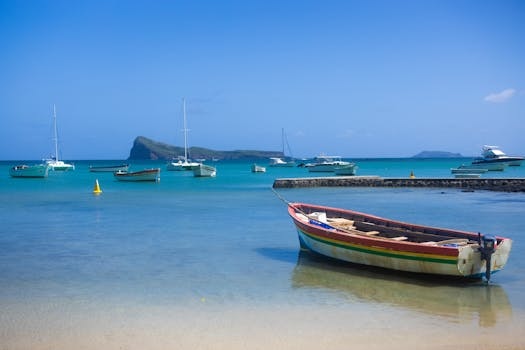
Grand Baie
Known for its fresh seafood and upscale restaurants. The cuisine here reflects a blend of international and local flavors.
Cultural Significance:
Grand Baie's culinary scene caters to both tourists and locals, offering a diverse range of dining experiences.
Signature Dishes:
- Grilled fish
- Seafood curries
- Lobster
Key Ingredients:
Port Louis
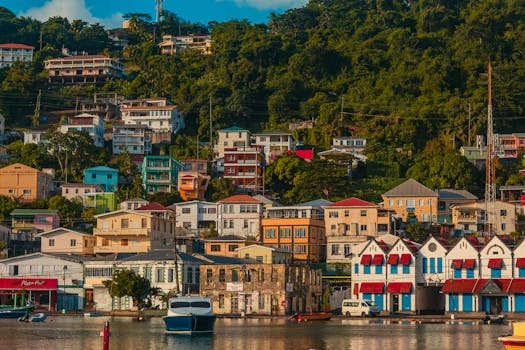
The capital city offers a vibrant street food scene and traditional Mauritian dishes. The cuisine here reflects the island's multicultural heritage.
Cultural Significance:
Port Louis's cuisine represents the heart of Mauritian food culture, offering authentic and diverse flavors.
Signature Dishes:
- Dholl Puri
- Mine Frite
- Roti
Key Ingredients:
Flacq
This eastern region is known for its agricultural produce and traditional Creole cuisine. The cuisine here emphasizes fresh, local ingredients.
Cultural Significance:
Flacq's cuisine showcases the traditional Creole culinary heritage of Mauritius, using fresh and locally sourced ingredients.
Signature Dishes:
- Palm heart salad
- Fish vindaye
- Rougaille
Key Ingredients:

Chinatown Port Louis
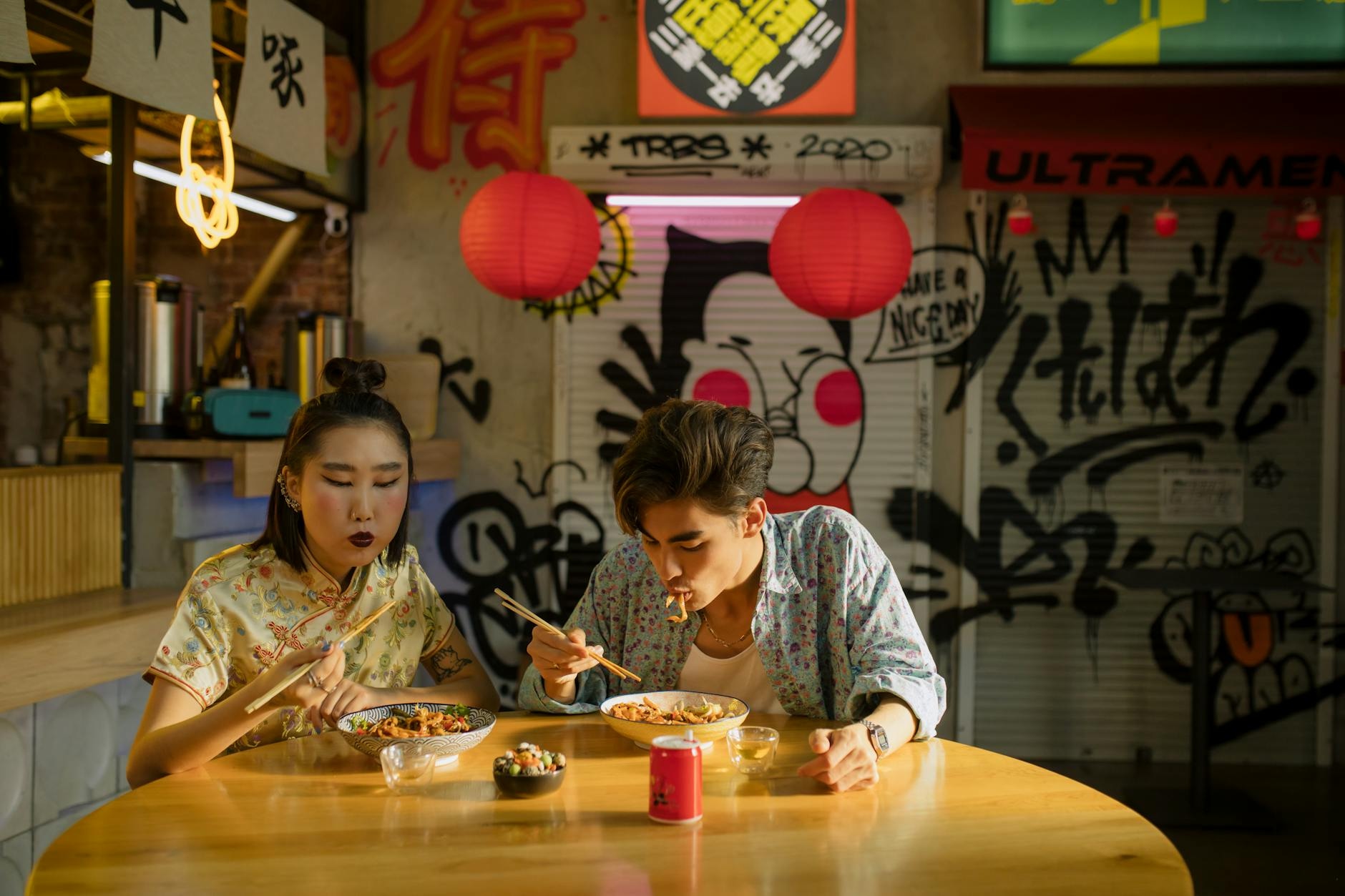
Chinatown Port Louis preserves Chinese-Mauritian culinary traditions - Sino-Mauritian community (3% population) settled 19th/20th centuries, primarily Cantonese/Hakka origins. Royal Road & Corderie Street Chinese restaurants, bakeries, herbalist shops. Cuisine blends Chinese techniques Mauritian ingredients - mine frite (fried noodles), mine bouillie (noodle soup), bol renversé (upside-down rice bowl), spring rolls, char siu roast pork (non-halal establishments). November: Chinese New Year distant (January/February), but year-round dining. Pagoda Chinese temple nearby. Represents immigrant culinary contribution - Chinese laborers brought wok cooking, noodle making, soy sauces, now integral Mauritian food identity.
Cultural Significance:
Chinatown Port Louis embodies Chinese-Mauritian heritage preservation - language (Hakka spoken), festivals (Mid-Autumn, Qingming), food traditions passed generations. Chinese restaurants serve dual communities: Chinese Mauritians nostalgic homeland flavors, other Mauritians embrace Chinese food as national cuisine. Fusion innovations: Mauritian-Chinese curries (curry-flavored fried rice), local seafood Chinese preparations (octopus stir-fry), chili-heavy adaptations Mauritian heat preferences. Cultural significance: food preserves identity small diaspora - family recipes, ancestral cooking techniques, maintain connections Guangdong/Fujian provinces origins.
Signature Dishes:
- Mine frite (fried noodles)
- Bol renversé (upside-down bowl)
- Spring rolls
- Mine bouillie (noodle soup)
- Char siu (roast pork)
Key Ingredients:
Black River & Chamarel (Southwest)
Southwest Mauritius features dramatic landscapes - Chamarel Seven Coloured Earth, Black River Gorges National Park, rum distilleries. Cuisine emphasizes rum culture & French-Creole fusion. Chamarel Rum Distillery produces premium agricole rum from estate sugar cane - tours, tastings, cocktail demonstrations. Restaurants feature rum-infused dishes (rum flambe seafood, rum glazed pork). La Bourdonnais Distillery nearby also offers culinary experiences. Black River fishing village fresh seafood - grilled fish, octopus curry, seafood rougaille. November tourism peak - distillery tours booked solid, restaurants reservations essential. French expatriate community influences dining - French bakeries (Le Chamarel Restaurant fine dining), wine selections, gastronomic standards.
Cultural Significance:
Black River & Chamarel region represents Mauritian sugar & rum heritage - sugar plantations dominated colonial economy, rum distilling evolved premium craft industry. Chamarel & La Bourdonnais distilleries preserve traditional agricole methods (ferment fresh cane juice, not molasses), contrast industrial rum factories. Food tourism economic driver - distillery visits paired lunch/tastings, eco-lodges offer farm-to-table dining, Black River Gorges hiking tours include picnic lunches Creole specialties. November: Rum harvest season (sugar cane cutting May-December), distilleries still processing, fresh rum production visible tours.
Signature Dishes:
- Rum-glazed dishes
- Fresh grilled fish (Black River)
- Octopus curry
- French-Creole fusion cuisine
- Sugar cane-based desserts
Key Ingredients:
Sweet Delights & Desserts
Indulge in Mauritius's traditional sweet treats and desserts.

Napolitaine (Napolitaine)
A sandwich cookie filled with jam and coated in icing. It's a popular sweet treat enjoyed with tea or coffee.

Poudine Maïs (Corn Pudding)
A creamy dessert made with corn, milk, and sugar. It's a comforting and traditional dessert.

Gateau Patate (Sweet Potato Cake)
A sweet and moist cake made with grated sweet potato, spices, and coconut milk. It's often enjoyed during festive occasions.

Gateau Coco (Coconut Cake)
Traditional Creole coconut cake - freshly grated coconut, flour, sugar, vanilla, eggs, baked until golden. Moist texture, rich coconut flavor, sometimes pink food coloring added. Sold bakeries, street vendors, markets. Popular teatime snack, breakfast item. Represents Mauritian coconut culture - coconut palms everywhere, fresh coconuts daily harvest. November: Available year-round, festive seasons (Christmas, New Year) production increases.

Gato Pima (Chili Pepper Cake - Sweet)
Despite name, gato pima is sweet cake (not spicy) - grated pumpkin, coconut, sugar, spices (cinnamon, cardamom, nutmeg), baked. Moist, dense, subtly sweet. Traditional festive dessert Hindu/Muslim/Creole households. Name confusing: "piment" historically meant any spice, not just chilies. Served weddings, Diwali, Eid. November Diwali aftermath - sweet shops still stock gato pima. Represents Indo-Mauritian dessert heritage.

Lychee Sorbet (Sorbet Litchi)
Refreshing sorbet made from fresh lychees - November-January lychee season Mauritius, peak production. Lychees abundant, sweet, fragrant - sorbet captures tropical flavor. Served restaurants, ice cream parlors, resorts. Simple ingredients: lychees, sugar, lemon juice, water. Naturally dairy-free, vegan-friendly. November: Fresh lychees start appearing markets, sorbet season begins. Represents Mauritian tropical fruit bounty - lychees export crop, local consumption high.

Gajak (Sesame Brittle)
Indo-Mauritian sweet - sesame seeds/peanuts coated jaggery/sugar, hardened into brittle. Indian diaspora brought tradition - gajak consumed festivals (Makar Sankranti, Diwali). Crunchy, nutty, caramel-sweet. Sold Indian sweet shops, markets. November post-Diwali - sweet shops still stock gajak. Represents Indian culinary heritage preservation Mauritius - connects contemporary diaspora to ancestral traditions.

Tropical Fruit Salad (Salade de Fruits)
Fresh tropical fruit medley - lychees (November-January peak), mangoes, pineapples, papayas, passion fruit, sometimes coconut. Served chilled, dressed lime juice or vanilla syrup. Luxury resorts breakfast buffets elaborate presentations, street vendors sell plastic cups. November lychee season beginning - fruit salads feature fresh lychees prominently. Healthy dessert option, naturally sweet, refreshing hot humid summer. Represents Mauritian agricultural diversity - tropical climate year-round fruit production.
Traditional Beverages
Discover Mauritius's traditional drinks, from locally produced spirits to regional wines.

Green Island Rum (Green Island Rum)
A locally produced rum, known for its smooth and rich flavor. It's often enjoyed neat or in cocktails.

Phoenix Beer (Phoenix Beer)
A popular local beer, light and refreshing. It's a common accompaniment to meals and social gatherings.
Soft Beverages
Discover Mauritius's traditional non-alcoholic drinks, from local teas to refreshing juices.

Alouda (Alouda)
A sweet and milky beverage made with agar-agar, basil seeds, and flavored syrup. It's a refreshing drink, especially during hot weather.

Thé Citronnelle (Lemongrass Tea)
A fragrant and soothing herbal tea made with lemongrass. It's often enjoyed after meals or as a refreshing drink.

Jus de Fruit Frais (Fresh Fruit Juice)
Freshly squeezed fruit juices are widely available, offering a variety of tropical flavors. Popular choices include pineapple, mango, and passion fruit.