
Niger Food Guide
Content Information
Recently updated🔥Current Food Trends 2025
What's happening in Niger's culinary scene right now
Niger's culinary landscape in 2025 celebrates Sahel millet heritage, Niger River fish cuisine, Tuareg nomadic traditions, and groundnut harvest season. Post-rainy season (June-September) transition to dry season brings harvest celebrations and outdoor communal dining. Groundnut harvest peaks October-December showcasing Niger's primary cash crop - peanuts feature prominently in mafé (peanut stew), groundnut sauce with tuwo (millet/sorghum porridge), and kuli-kuli (spiced peanut cakes). Millet dominance continues as staple grain with Niger producing 3+ million tons annually - tuwo masara, fari masa (millet pancakes), and fura (fermented millet drink) define Nigerien cuisine. Niger River cuisine thrives in Niamey, Tillabéri, Dosso regions with fresh Nile perch, tilapia, catfish grilled or stewed with tomato-onion sauce. Tuareg nomadic food traditions preserve in Agadez region - taguella flatbread baked in desert sand, tchoukou (dried meat), dates, camel milk represent desert resourcefulness. Islamic food culture (99% Muslim population) ensures halal meat preparation, Ramadan iftar traditions with dates and fura, Friday couscous meals. Street food culture in Niamey markets showcases kuli-kuli, kosai (bean fritters), and kilishi (spiced dried meat). French colonial influence persists with baguettes and café culture. Sahel cuisine collaboration with Mali, Burkina Faso, Chad shares culinary traditions.
Food Safety Tips
Essential food safety information to help you enjoy Niger's cuisine safely and confidently.
Be cautious with street food in Niger
While street food is a highlight of Niger cuisine, choose stalls with good hygiene practices, high customer turnover, and where food is cooked fresh to order.
Drink bottled water in Niger
In Niger, it's advisable to drink bottled water with intact seals, especially in rural areas and smaller towns.
Be aware of common food allergens in Niger
In Niger, common allergens might not be clearly labeled on menus. Learn key phrases to communicate dietary restrictions in the local language.
Dietary Options
vegetarian
MEDIUM AVAILABILITYVegetarian options in Niger can be somewhat limited, as meat plays a significant role in many traditional dishes. However, with some effort, vegetarians can find suitable meals. Staple foods like millet, rice, and beans are readily available and form the base of many vegetarian dishes. Vegetable stews with tomatoes, onions, and leafy greens are also common. In larger cities, you might find restaurants offering more diverse vegetarian options, and street vendors often sell fried snacks made from chickpeas or potatoes. Communicating your dietary needs clearly, using phrases like 'Je suis végétarien/végétarienne' (I am vegetarian), can be helpful. Be aware that vegetable dishes may sometimes be cooked with meat broth, so it's always best to double-check.
vegan
LOW AVAILABILITYVeganism is less common in Niger, and finding strictly vegan options can be challenging. The use of animal products like dairy and butter is prevalent in many dishes, even those that appear to be plant-based. However, similar to vegetarian options, the foundation of many meals consists of grains like millet, rice, and sorghum, which are naturally vegan. Street food often includes fried snacks made with chickpeas or potatoes, which can be vegan-friendly. Clearly communicating your dietary restrictions is crucial, using phrases like 'Je suis végétalien/végétalienne' (I am vegan). It's important to inquire about ingredients and preparation methods to ensure that animal products are excluded.
gluten-free
HIGH AVAILABILITYGluten-free options are naturally abundant in Niger as traditional cuisine relies heavily on gluten-free grains: millet, sorghum, and rice are staple foods. Tuwo (millet/sorghum porridge), fura (fermented millet drink), and rice dishes are all naturally gluten-free. However, French colonial influence introduced wheat bread and couscous in urban areas. Cross-contamination can occur in kitchens using wheat flour. Communicate 'sans gluten' (gluten-free) or 'Je suis allergique au blé' (I am allergic to wheat) clearly. Rural areas and traditional restaurants offer predominantly gluten-free millet-based cuisine.
halal
VERY HIGH AVAILABILITYHalal food is universal in Niger with 99% Muslim population (predominantly Sunni Islam). ALL meat served is halal-slaughtered according to Islamic law. Pork is prohibited and unavailable nationwide. Alcohol is restricted, though available in select hotels and international establishments. Traditional markets, street vendors, restaurants exclusively serve halal food. No certification needed - Islamic practices are culturally embedded. Travelers can eat with complete confidence anywhere in Niger.
kosher
VERY LOW AVAILABILITYKosher food is virtually unavailable in Niger with no established Jewish community or kosher infrastructure. No kosher-certified restaurants, butchers, or supervision exists. Challenges: Meat is halal but not kosher; dairy-meat separation uncommon; no kosher supervision. Naturally kosher-friendly options: fresh fruits/vegetables from markets, sealed packaged foods, Niger River fish (tilapia, Nile perch with visible scales), eggs. Travelers should bring kosher provisions or rely on vegetarian millet/rice dishes. Self-catering recommended.
Common Allergens
Peanuts/Groundnuts
HIGH PREVALENCEPeanuts are a common ingredient in Nigerien cuisine, used in sauces, stews, and snacks. Peanut oil is also widely used for cooking. People with peanut allergies should be extremely cautious when eating out and should clearly communicate their allergy to restaurant staff. Learning the local phrase for 'I am allergic to peanuts' ('Je suis allergique aux arachides') is essential. It's also important to be aware of cross-contamination, as peanuts may be processed or prepared in the same areas as other foods.
Milk
MEDIUM PREVALENCEMilk, particularly cow's milk and goat's milk, is used in various Nigerien dishes and beverages. While not as prevalent as peanuts, dairy products are often incorporated into sauces, porridges, and tea. Individuals with milk allergies should be mindful of this and inquire about ingredients when ordering food. Learning the local phrase for 'I am allergic to milk' ('Je suis allergique au lait') can be helpful.
Wheat
MEDIUM PREVALENCEWheat is used in some Nigerien foods, particularly in urban areas where bread and other wheat-based products are becoming more common. While millet and sorghum remain staple grains, wheat flour is used in some types of bread, pastries, and couscous. Individuals with wheat allergies should be aware of this and inquire about ingredients when ordering food. Learning the local phrase for 'I am allergic to wheat' ('Je suis allergique au blé') can be helpful.
Essential Food Experiences
These iconic dishes represent the must-have culinary experiences that define Niger's food culture for travelers.

Tuwo Masara (Millet Porridge)
Thick porridge made from millet flour cooked with water until smooth and dense consistency. Staple food among Djerma/Zarma people, tuwo represents Niger's millet heritage (3+ million tons produced annually). Served with variety of sauces: groundnut sauce, baobab leaf sauce, okra sauce, or meat stew. Eaten by hand, rolling tuwo into balls and dipping in sauce.

Fari Masa (Millet Pancakes)
Small, fluffy pancakes made from fermented rice or millet batter. Popular breakfast food and snack sold by street vendors in Niamey markets. Batter ferments several hours creating slightly tangy flavor, cooked on griddle until golden brown and crispy. Served with honey, sugar, or spicy sauce.

Taguella (Tuareg Flatbread)
Flatbread made from millet flour, mixed with water and salt, cooked directly on hot desert coals or sand. Staple of nomadic Tuareg communities in Agadez region, taguella reflects desert resourcefulness and adaptation. Slightly smoky flavor from coal cooking, chewy texture. Served with meat stew, vegetable sauce, or dates.

Kilishi (Spiced Dried Meat)
Hausa specialty - thin strips of beef or goat meat marinated in spice paste (ginger, garlic, peanut powder, pepper), sun-dried, then grilled over coals. Similar to beef jerky but with complex West African spice profile. Crunchy, intensely flavored, protein-rich snack. Essential travel food and street snack in Niamey.

Kuli-Kuli (Peanut Cakes)
Crunchy peanut snacks made from roasted groundnuts ground into paste, mixed with spices (ginger, pepper, salt), then deep-fried into crispy cakes or sticks. Popular street snack sold by vendors throughout Niger. Groundnut harvest (October-December) ensures fresh peanuts. High-protein, affordable, addictively crunchy. Essential accompaniment to fura (millet drink).

Capitaine Braisé (Grilled Nile Perch)
Fresh Nile perch (capitaine fish) from Niger River grilled over charcoal, served with spicy tomato-onion sauce and fried plantains. Niamey riverside restaurants specialize in capitaine braisé, showcasing Niger River's bounty. Tender white fish with smoky char, enhanced by West African spice blend. Best enjoyed at Niamey's Kennedy Bridge area restaurants.

Fura da Nono (Millet Yogurt Drink)
Traditional Fulani/Hausa refreshing drink combining fura (fermented millet balls flavored with ginger, cloves) crumbled into nono (fresh cow's milk yogurt), sweetened with sugar. Served chilled. Slightly tangy, spiced, nutritious - provides carbohydrates (millet) and protein (yogurt). Street vendors sell from calabash gourds.

Kosai (Bean Fritters)
Deep-fried bean fritters made from peeled black-eyed peas ground with onions and peppers, shaped into patties or balls, and fried until golden and crispy. Popular breakfast and street snack throughout Niger. Crunchy exterior, fluffy interior, savory flavor. Eaten plain or with spicy sauce. Vegetarian protein source and affordable street food staple.

Mafé (Groundnut Stew)
Rich peanut butter-based stew with meat (beef, lamb, or chicken), vegetables (sweet potatoes, cabbage, carrots), and tomatoes simmered into thick, creamy sauce. Served over rice or tuwo. Showcases Niger's groundnut dominance - peanuts provide protein, fat, and distinctive nutty flavor. Comfort food popular across West Africa.

Tuareg Tea Ceremony
Three-round green tea ritual central to Tuareg culture. First glass bitter (symbolizing life's hardship), second sweeter (love), third very sweet (death). Tea prepared in ornate silver teapot, poured from height creating foam, served in small glasses. Not just beverage but social ritual - hospitality cornerstone in Tuareg communities. Essential cultural experience in Agadez region.
Regional Specialties & Local Favorites
Discover the authentic regional dishes and local favorites that showcase Niger's diverse culinary traditions.

Millet Porridge
Millet porridge is a staple food in Niger, consumed daily by many people. Made by cooking millet flour with water until it thickens into a porridge-like consistency. Can be eaten plain or served with various accompaniments, such as milk, sugar, or sauces. Simple yet nutritious dish providing essential carbohydrates.

Rice with Sauce
Rice is another staple food in Niger, often served with a variety of sauces. The sauces can be made with vegetables, meat, or fish, and are typically seasoned with spices and herbs. Common sauces include tomato-based sauces, peanut sauces, and okra sauces.

Beans
Beans are a common source of protein in Nigerien cuisine. They are often cooked in stews, soups, or sauces, and can also be eaten as a side dish. Different varieties of beans are used, including cowpeas, black-eyed peas, and kidney beans.

Grilled Meat
Grilled meat, particularly beef, goat, or lamb, is a popular food in Niger. Often marinated in spices and herbs before grilling, giving it a flavorful and aromatic taste. Commonly sold by street vendors and served in restaurants with rice, millet porridge, or other staple foods.

Fish
Fish is a source of protein in Niger, especially in areas near the Niger River. Often grilled, fried, or stewed, served with rice, vegetables, or sauces. Common types of fish consumed include Nile perch, tilapia, and catfish.

Dambou
Steamed cereal dish made from millet, rice, or wheat semolina mixed with moringa leaves or spinach. Light, fluffy texture similar to couscous. Served with sauce or stew. Represents Sahel agricultural heritage.

Jollof Rice
West African one-pot rice dish cooked in tomato sauce with spices. Niger's version features local spices and sometimes dried fish. Popular at celebrations and gatherings.

Sorghum Couscous
Traditional Sahelian dish made from sorghum grains steamed and served with vegetable or meat sauce. Gluten-free alternative to wheat couscous. Represents desert agriculture resilience.
Regional Cuisine Highlights
Explore the diverse culinary landscapes across different regions of Niger.
Agadez
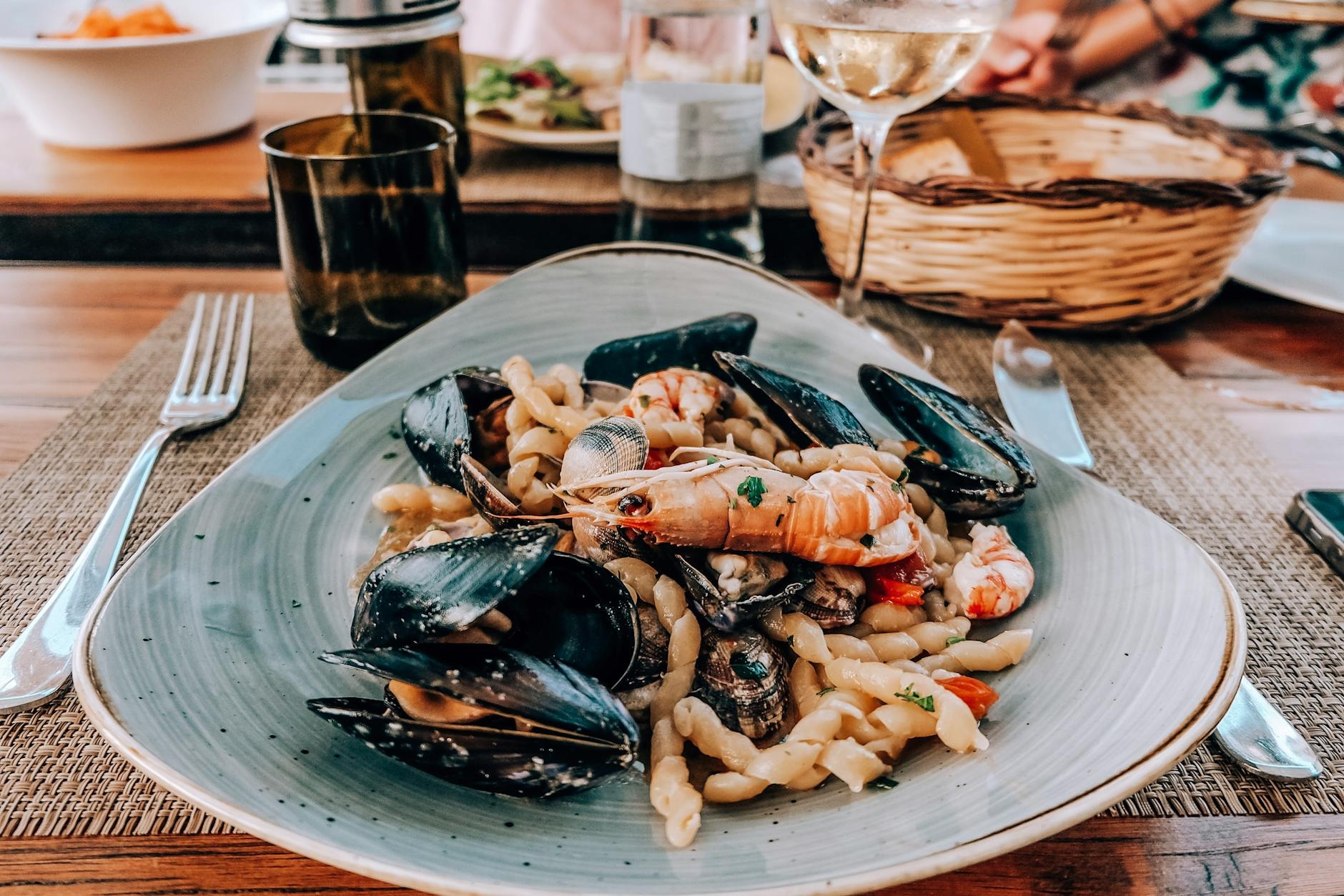
Agadez, a northern region of Niger, is known for its unique cuisine influenced by the Tuareg nomadic culture. The harsh desert environment has shaped the culinary traditions, with a focus on preserved foods and ingredients that can withstand long journeys. Dried meats, dates, and millet are staple foods in the region. Taguella, a flatbread made from millet flour, is a signature dish of Agadez.
Cultural Significance:
The cuisine of Agadez is deeply intertwined with the Tuareg culture and their nomadic lifestyle. Food plays a central role in their social gatherings and celebrations. The ability to preserve food and adapt to the limited resources of the desert is a testament to the Tuareg's resilience and ingenuity. Their culinary traditions have been passed down through generations, preserving their cultural heritage.
Signature Dishes:
- Taguella
- Dried Meat (Tchoukou)
- Dates
- Camel Milk
Key Ingredients:
Zinder
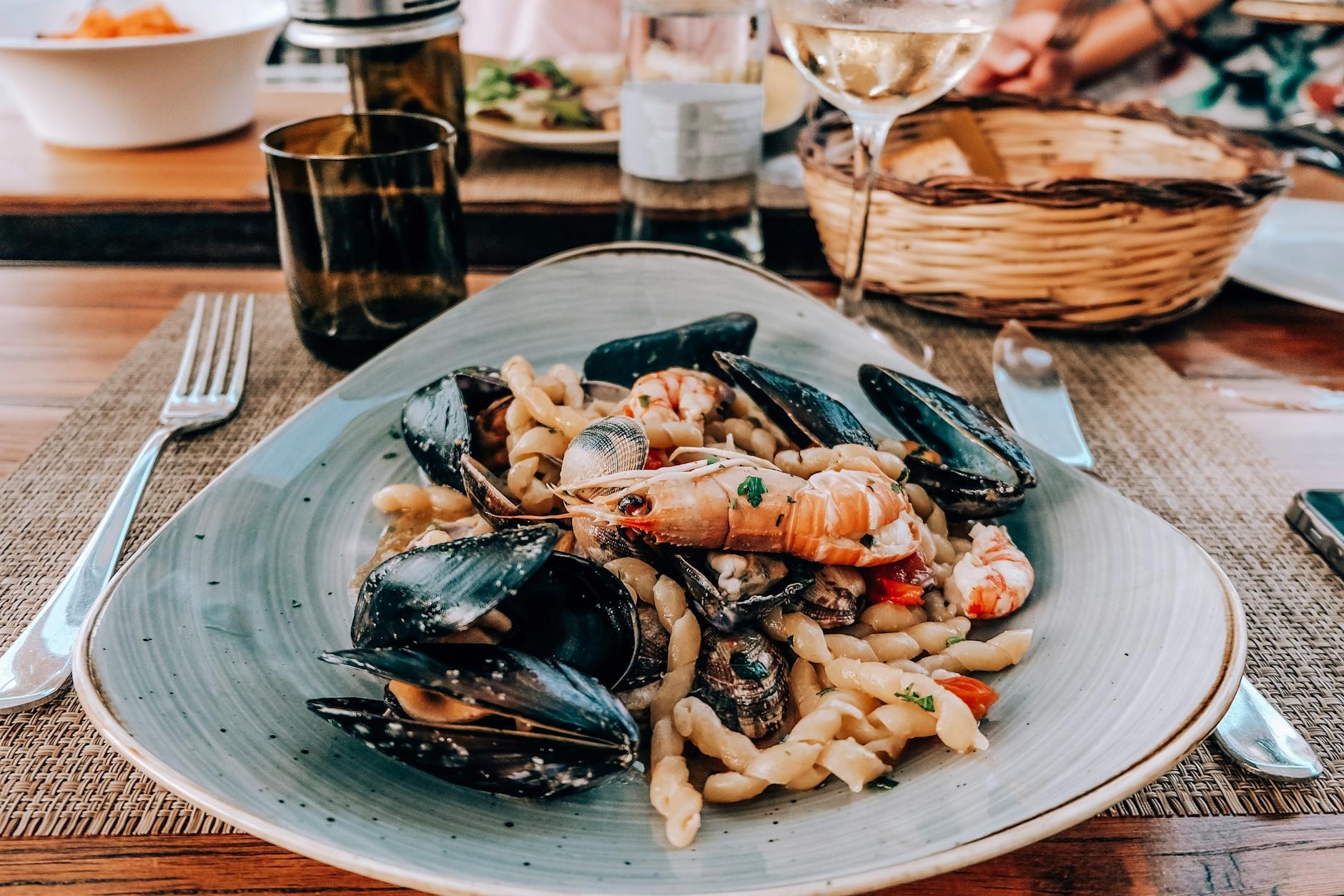
Zinder, located in southern Niger, has a diverse culinary landscape influenced by Hausa and other ethnic groups. The region is known for its agricultural production, and the cuisine features a variety of grains, vegetables, and legumes. Millet, sorghum, and cowpeas are commonly used in dishes. The cuisine is characterized by the use of spices and herbs, giving dishes rich and complex flavors.
Cultural Significance:
Food plays an important role in the cultural identity of Zinder. The region's culinary traditions reflect the agricultural heritage and the diverse ethnic influences. Sharing meals is an important social custom, and food is often used to celebrate special occasions and festivals. The cuisine of Zinder represents the rich cultural tapestry of the region.
Signature Dishes:
- Grilled Meats
- Stews with Groundnut Sauce
- Millet Porridge (Tuwo)
- Cowpea Dishes (Kosai)
Key Ingredients:
Diffa
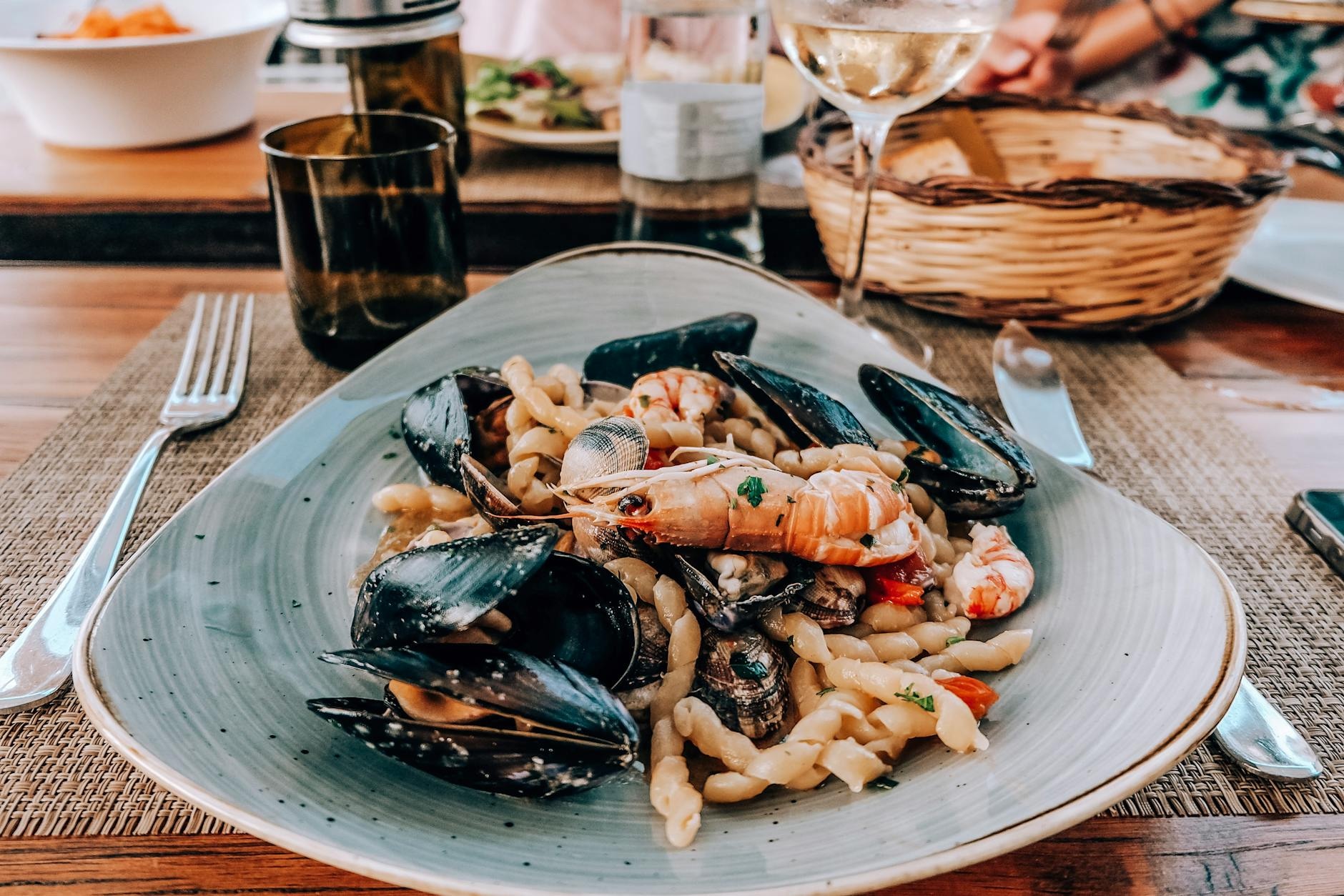
Diffa, located in southeastern Niger, has a unique cuisine influenced by its proximity to Lake Chad and the surrounding wetlands. Fish plays a significant role in the region's diet, and is often grilled, fried, or stewed. The cuisine also features the use of rice, vegetables, and fruits grown in the fertile lands around the lake.
Cultural Significance:
Food is an integral part of the cultural identity of Diffa. The region's cuisine reflects the close relationship between the people and Lake Chad. Fishing is a traditional livelihood, and fish plays a central role in their diet and culinary practices. Sharing meals is an important social custom, and food is often used to celebrate special occasions and festivals.
Signature Dishes:
- Grilled Fish (Capitaine)
- Fish Stews
- Rice Dishes
- Freshwater Prawns
Key Ingredients:
Sweet Delights & Desserts
Indulge in Niger's traditional sweet treats and desserts.

Dates (Dabino)
Dates are essential sweet treat in Niger, especially Saharan regions (Agadez, Diffa) where date palms thrive. Eaten plain, stuffed with nuts or cheese, or added to desserts. Date harvest season makes fresh dates abundant. Crucial during Ramadan for breaking fast (iftar). Tuareg nomads carry dates as portable energy source.

Kunun Gyada (Peanut Pudding)
Creamy dessert made from ground roasted peanuts, rice flour, sugar, and spices (ginger, cloves), cooked into thick pudding consistency. Served warm or chilled. Groundnut harvest makes kunun gyada especially popular. Sweet, nutty, comforting dessert representing Niger's peanut economy. Often prepared for special occasions.

Wainar Kifi (Sweet Rice Cakes)
Sweet rice cakes made from rice flour, sugar, and coconut milk, fried until golden and fluffy. Popular street snack and dessert in Niamey markets. Light, slightly sweet, crispy exterior with soft interior. Served warm, often dusted with sugar. Represents Hausa sweet-making traditions adapted to Niger.

Alewa (Sesame Candy)
Traditional candy made from roasted sesame seeds mixed with caramelized sugar or honey, formed into bars or balls. Crunchy, sweet, nutty flavor. Sold by street vendors and markets throughout Niger. Provides energy and nutrients - sesame seeds rich in calcium and healthy fats. Represents Sahelian sweet-making using locally available ingredients.

Masar Kuka (Baobab Fruit Porridge)
Sweet porridge made from baobab fruit powder mixed with water or milk, sugar, and sometimes peanut butter. Tangy-sweet flavor from baobab, creamy texture. Baobab (kuka) is iconic African superfruit rich in vitamin C, calcium, fiber. Dry season harvest provides fresh baobab fruit. Served chilled as refreshing dessert.

Degue (Millet Couscous Dessert)
Sweet dessert made from steamed millet couscous mixed with yogurt, vanilla, and sugar, sometimes topped with raisins or coconut. Chilled and served in bowls. Refreshing, slightly tangy from yogurt, sweet and creamy. Popular across West Africa with Nigerien variations. Represents fusion of Sahelian grains with dairy traditions.

Coconut Beignets
French colonial influence - deep-fried doughnuts flavored with coconut, dusted with powdered sugar. Light, fluffy, slightly sweet with coconut aroma. Sold in Niamey bakeries and cafes. Represents French-West African fusion cuisine. Popular breakfast or afternoon treat with coffee.

Kamu (Millet Honey Balls)
Traditional sweet made from millet flour mixed with honey, shaped into balls, and sometimes rolled in sesame seeds or coconut. Chewy, naturally sweet from honey, nutty from millet. Portable energy-dense snack and dessert. Prepared for Islamic celebrations, weddings, and naming ceremonies. Represents Sahelian resourcefulness.
Traditional Beverages
Discover Niger's traditional drinks, from locally produced spirits to regional wines.

Millet Beer (Dolo)
Dolo is a traditional millet beer brewed in Niger and other parts of West Africa. Made through fermenting millet grains, resulting in slightly sour, earthy flavor. Brewing process often carried out by women and is considered important cultural tradition. Typically consumed during social gatherings in non-Muslim communities.

Palm Wine
Palm wine is a traditional beverage made from the sap of various species of palm trees. In Niger, primarily consumed in southern regions where palm trees grow. Fresh sap is collected and naturally ferments quickly due to wild yeasts. When fresh, palm wine is sweet with mild content, but becomes more sour as fermentation continues.
Soft Beverages
Discover Niger's traditional non-alcoholic drinks, from local teas to refreshing juices.

Ginger Drink/Jinja
Ginger drink, known as Jinja, is a popular refreshing beverage in Niger. Made by blending fresh ginger with water, sugar, and sometimes other spices like cloves or mint. Often served chilled and is a common drink during hot weather. Has spicy and invigorating flavor and is believed to have health benefits.

Hibiscus Tea/Bissap
Hibiscus tea, called Bissap, is a popular beverage in Niger. Made by steeping dried hibiscus flowers in hot water with sugar and sometimes other spices like mint or ginger. Has tart and refreshing flavor and is often served chilled. Common drink during social gatherings and celebrations.

Millet Drink/Kunun Zaki
Kunun Zaki is a popular non-beverage made from millet. Millet is soaked, ground, and then fermented to create slightly tangy and refreshing drink. Often flavored with spices like ginger, cloves, or pepper. Common drink during hot weather and consumed during special occasions.