
Oman Food Guide
Content Information
Recently updated🔥Current Food Trends 2025
What's happening in Oman's culinary scene right now
Oman's culinary landscape in December 2025 celebrates frankincense-infused cuisine, shuwa slow-cooking traditions, Gulf seafood heritage, Omani halwa craftsmanship, sustainable date farming. December marks National Day (December 18) with celebrations featuring traditional feasts nationwide. Winter tourism high season (November-March, 18-26°C/64-79°F) drives outdoor dining growth in Muscat, Salalah, and Nizwa. Culinary revolution: Mandarin Oriental Muscat and St. Regis Al Mouj lead fusion dining, blending traditional Omani spices with international techniques. Michelin-guide interest grows as Oman emerges as Gulf's quiet culinary power. December 2025 trends: Heritage restaurant boom transforms old forts and souq courtyards into dining destinations (Bait Al Luban, Rozna Restaurant showcase authentic Omani castle-style dining). Farm-to-table tours in Dhofar, seafood cooking classes in Muscat, spice market experiences in Nizwa. Frankincense culinary applications expand - ice cream, halwa, desserts use luban (frankincense water). Sustainable fishing Gulf of Oman and Arabian Sea. Omani coffee (kahwa) ceremony gaining UNESCO cultural heritage recognition. Date syrup replacing refined sugar in modern health-conscious Omani cuisine. Muscat Food Festival extends into December with chef competitions, traditional cooking demonstrations. Camel milk products (cheese, ice cream, chocolate) trend in luxury hotels. Salalah Khareef aftermath (monsoon June-September) sees year-end frankincense harvest continuing into December.
Food Safety Tips
Essential food safety information to help you enjoy Oman's cuisine safely and confidently.
Be cautious with street food in Oman
While street food is a highlight of Oman cuisine, choose stalls with good hygiene practices, high customer turnover, and where food is cooked fresh to order.
Drink bottled water in Oman
In Oman, it's advisable to drink bottled water with intact seals, especially in rural areas and smaller towns.
Be aware of common food allergens in Oman
In Oman, common allergens might not be clearly labeled on menus. Learn key phrases to communicate dietary restrictions in the local language.
Dietary Options
vegetarian
MEDIUM AVAILABILITYVegetarian options in Oman can be somewhat limited, especially outside of larger cities. While many dishes rely on meat, particularly lamb and chicken, there are still choices available. Vegetarian-friendly dishes often center around rice, vegetables, lentils, and beans. Salads, hummus, and various bread are also readily available. In restaurants, it's crucial to clearly communicate dietary restrictions, as some dishes may contain hidden meat products like stock or broth. Local vegetarian dishes include lentil soup ("Shorbat Adas"), vegetable biryani, and various salads. Many Indian restaurants, prevalent in Oman, offer a wider range of vegetarian curries and dishes. It's always advisable to inquire about ingredients and preparation methods to ensure a dish is truly vegetarian.
vegan
LOW AVAILABILITYVeganism is less common in Oman, and finding strictly vegan options can be challenging. Dairy products, like ghee and yogurt, are frequently used in Omani cooking, and many dishes contain meat or fish-based broths. However, some naturally vegan dishes exist, such as rice-based dishes without ghee, salads without dairy dressings, and certain lentil or bean-based soups. Communicating vegan requirements clearly is essential. Fruits and vegetables are readily available in markets. Indian restaurants can sometimes provide vegan-friendly options, but careful inquiry is necessary.
gluten-free
MEDIUM AVAILABILITYGluten-free options are moderately available in Oman, though wheat bread (khubz) is dietary staple. Rice-based dishes (kabsa, biryani, madrouba) are naturally gluten-free. Grilled meats and seafood without breading offer safe options. Communicate 'without bread' or use Arabic phrase 'bidoon khubz' (without bread). Major hotels and international restaurants in Muscat increasingly offer gluten-free menus. Challenges: Cross-contamination in kitchens using wheat flour; harees (wheat porridge) is traditional dish. December tourism season means better gluten-free awareness in tourist areas.
halal
VERY HIGH AVAILABILITYHalal food is universal in Oman as Islamic sultanate with 85% Muslim population (predominantly Ibadi Islam, distinct from Sunni/Shia). ALL meat served is halal-slaughtered according to Islamic law. Pork is prohibited and unavailable except in select licensed hotel bars/restaurants for non-Muslims. Alcohol restricted to tourist hotels with licenses. Traditional markets, restaurants, street vendors exclusively serve halal food. No certification needed - Islamic practices culturally embedded. December National Day (December 18) heightens halal food traditions. Travelers can eat with complete confidence anywhere in Oman.
kosher
VERY LOW AVAILABILITYKosher food is virtually unavailable in Oman with no established Jewish community or kosher infrastructure. No kosher-certified restaurants, butchers, or supervision exists. Challenges: Meat is halal but not kosher; shellfish common (shrimp, lobster); dairy-meat mixing in rice dishes; no kosher supervision. Naturally kosher-friendly options: fresh fish with scales (kingfish, tuna), fresh fruits/vegetables from souqs, dates, eggs, sealed packaged goods. December tourism season doesn't improve kosher availability. Travelers should bring kosher provisions or rely on vegetarian rice/vegetable dishes. Contact Chabad UAE (Dubai/Abu Dhabi, ~4 hours away) for guidance.
Common Allergens
Nuts
MEDIUM PREVALENCENuts, particularly almonds, walnuts, and pistachios, are frequently used in Omani cuisine, both as ingredients and garnishes. They appear in various dishes, including desserts like halwa, rice dishes, and meat stews. Individuals with nut allergies should exercise caution and inquire about the presence of nuts in dishes. It's advisable to learn how to say "I have a nut allergy" in Arabic ("Ana ladayh husasiyah min al-mukasarat") to communicate effectively with restaurant staff. While some restaurants may be aware of allergies, awareness levels can vary, so careful communication is crucial. Checking ingredient lists and visually inspecting dishes is always recommended.
Dairy
HIGH PREVALENCEDairy products, especially ghee (clarified butter) and yogurt, are common ingredients in Omani cuisine. Ghee is used in many traditional dishes, including rice dishes, meat preparations, and desserts. Yogurt is often served as a side dish or used in sauces and marinades. People with dairy allergies or lactose intolerance should be cautious and inquire about the presence of dairy in dishes. Learning how to say "I have a dairy allergy" in Arabic ("Ana ladayh husasiyah min al-alban") can be helpful. While awareness of dairy allergies is increasing, it's still important to communicate clearly with restaurant staff and carefully examine food before consuming it.
Gluten
HIGH PREVALENCEWheat is a staple in Omani cuisine, and gluten is present in many common foods, including bread ("khubz"), which is a fundamental part of meals. Individuals with celiac disease or gluten intolerance should be aware of the prevalence of gluten and exercise caution. While gluten-free options are not widely available in traditional Omani restaurants, some larger establishments in cities might offer alternatives. Communicating dietary restrictions clearly is essential. Learning how to say "I have a gluten allergy" or "I cannot eat gluten" in Arabic ("Ana ladayh husasiyah min al-gluten" or "La astطيعu akl al-gluten") can be beneficial. Focusing on rice-based dishes, salads, and grilled meats without breading can be a safer approach.
Essential Food Experiences
These iconic dishes represent the must-have culinary experiences that define Oman's food culture for travelers.

Shuwa (شوَا)
Oman's national dish - marinated lamb or goat wrapped in banana/palm leaves, slow-cooked in underground sand oven (tanoor) for 24-48 hours. Meat is marinated with turmeric, cumin, coriander, garlic, ginger, creating incredibly tender, falling-off-bone texture with deep spice penetration. Traditionally served during Eid celebrations, weddings, National Day (December 18). December sees shuwa preparation for upcoming festivities. Labor-intensive communal cooking represents Omani hospitality and celebration culture.

Mashuai (مشوي)
Spit-roasted whole kingfish marinated in vibrant turmeric, cumin, coriander, garlic, and chili blend. Grilled over open flames creating smoky flavor and crispy golden skin. Coastal Oman's signature dish, especially popular in Sur and Muscat. Served with fragrant rice and lemon wedges. December weather perfect for outdoor fish grilling. Fresh kingfish from Arabian Sea ensures quality. Represents Oman's fishing heritage and Gulf seafood traditions.

Kabsa (كبسة)
Gulf's most famous rice dish - Omani version features basmati rice cooked with meat (chicken or lamb), vegetables, and complex spice blend (saffron, cardamom, cloves, cinnamon, dried limes). Rice absorbs meat broth, creating layered flavors. Garnished with fried onions, nuts (almonds, pine nuts), raisins. Served on large communal platters for family gatherings. December National Day celebrations feature kabsa feasts. Represents shared Gulf culinary heritage with Omani variations.

Harees (هريس)
Comforting porridge of wheat and meat (chicken or lamb) slow-cooked until creamy, smooth consistency. Wheat breaks down completely, merging with meat to create velvety texture. Seasoned with cardamom, cinnamon, salt. Essential Ramadan dish for iftar and suhoor. December preparation begins for upcoming Ramadan season. Topped with ghee and cinnamon-sugar. Represents Arabian comfort food and Islamic food traditions shared across Gulf.

Madrouba (مدروبة)
Madrouba is hearty comfort food - pounded rice cooked with chicken or fish until porridge-like consistency. Rice is mashed with wooden spoon while simmering with meat and spices (turmeric, cardamom, dried limes). The result is thick, creamy, nutritious dish. Popular during Ramadan for iftar and suhoor. December cooler evenings (relatively speaking) make madrouba especially appealing. Represents Omani home cooking traditions and coastal cuisine when made with fish.

Mishkak (مشكاك)
Omani-style meat skewers (kebabs) - cubed lamb or chicken marinated in spices (cumin, coriander, turmeric, dried lime powder), threaded on metal skewers, grilled over charcoal. Served with flatbread, grilled vegetables, and spicy sauce. Popular street food and restaurant dish nationwide. December pleasant weather makes outdoor mishkak grilling especially enjoyable. Seeb Mishkak Street Vendors widely celebrated as go-to place. Represents Gulf grilling culture and communal dining traditions.

Omani Halwa (حلوى عمانية)
Oman's signature sweet - gelatinous confection made from sugar, ghee, cornstarch, saffron, cardamom, rose water, and nuts (almonds, pistachios, cashews). Slow-cooked for hours until achieving distinctive texture. Served with kahwa (Omani coffee) as hospitality gesture. December sees halwa gifting for National Day (December 18). Multiple varieties: chocolate halwa, frankincense halwa, saffron halwa. Al Hosni Halwa in Muscat sells premium halwa (OMR 2-8/$5-20). Represents Omani craftsmanship - preparation is art form passed through generations.

Omani Lobster
Musandam Peninsula's prized seafood - lobster from Strait of Hormuz waters grilled or steamed with Omani spices. December marks lobster season peak (October-April). Served in coastal restaurants in Khasab, Sur, and Muscat seafood markets. Sweet, tender meat enhanced by cardamom, turmeric, lemon. Expensive but essential Omani coastal dining experience (OMR 10-20/$26-52 per lobster). Represents Oman's maritime heritage and Gulf seafood bounty.

Dates & Kahwa (Coffee Ceremony)
Essential Omani hospitality ritual - kahwa (Omani coffee flavored with cardamom, sometimes saffron or rose water) served in handleless cups with fresh dates. Coffee is lightly brewed, not bitter, aromatic. Dates provide natural sweetness complementing coffee's subtle spice. December date varieties (Khalas, Fard) available year-round in souqs. Represents Arabian hospitality, social bonding, and Omani cultural identity. Mandatory experience when visiting Omani homes or heritage sites.

Maqbous (مقبوس)
Omani version of Gulf machboos - spiced rice dish with meat (chicken, lamb, or fish) cooked in aromatic broth with dried limes (loomi), onions, tomatoes, and spice blend (bezar). Rice absorbs flavorful broth, creating golden, fragrant dish. Topped with fried onions, nuts, raisins. December National Day celebrations feature large communal maqbous feasts. Represents shared Gulf culinary heritage with distinct Omani spice profile emphasizing dried limes and frankincense.

Qabuli (قبولي)
Fragrant rice dish featuring basmati rice cooked with meat (lamb or chicken), carrots, raisins, almonds, and aromatic spices. Less elaborate than kabsa but equally flavorful. Rice grains separated and fluffy, garnished with fried onions and nuts. Popular everyday meal served for lunch or dinner throughout Oman. December celebrations see qabuli prepared for family gatherings. Sweet and savory flavor balance from raisins and meat. Represents Gulf rice dish traditions.

Thareed (ثريد)
Traditional Bedouin dish - thin pieces of flatbread soaked in richly spiced meat or vegetable broth (usually lamb or chicken). Bread absorbs flavorful liquid, becoming soft and savory. Meat and vegetables layered with bread. Often eaten for breakfast or light meal. Simple yet deeply flavorful. December cooler weather makes this warming dish especially appealing. Popular in Omani households and traditional restaurants. Represents desert Bedouin culinary heritage.

Lobster Majboos
Modern Omani fusion - traditional majboos rice dish prepared with fresh lobster instead of chicken or lamb. Coastal specialty showcasing Gulf seafood with Omani spices. Lobster cooked with saffron-infused rice, dried limes, cardamom, creating luxurious dish. Served at upscale Muscat restaurants (Ubhar Restaurant offers refined version). December lobster season peak availability. Represents contemporary Omani cuisine blending traditional techniques with premium ingredients.
Regional Specialties & Local Favorites
Discover the authentic regional dishes and local favorites that showcase Oman's diverse culinary traditions.
Qabuli (قبولي)
Qabuli is a rice dish made with meat (usually lamb or chicken), vegetables, and a blend of spices. It's a popular everyday meal in Oman and is often served for lunch or dinner. Qabuli is typically less elaborate than Kabsa and can be prepared with a variety of vegetables, including carrots, potatoes, and peas. It's a flavorful and satisfying dish that is widely enjoyed by locals.
Thareed (ثريد)
Thareed is a bread-based dish made with thin pieces of flatbread soaked in a meat or vegetable broth. It's a simple yet flavorful dish that is often eaten for breakfast or as a light meal. Thareed can be made with different types of broth, including lamb, chicken, or vegetable broth. It's a common dish in Omani households and is also available in some local restaurants.

Shorbat Adas (Lentil soup)
Hearty red lentil soup seasoned with cumin, coriander, turmeric, lemon juice. Smooth, creamy consistency when blended. Vegetarian-friendly option widely available. Served with Arabic bread (khubz), lemon wedges. Popular appetizer or light meal throughout Middle East. December cooler evenings make lentil soup especially comforting. Nutritious, affordable, filling. Found in traditional restaurants and home kitchens.

Grilled Sardines
Region: Dhofar
Fresh sardines from Dhofar Arabian Sea coast, marinated with turmeric, cumin, chili, lemon juice, grilled over charcoal. Crispy skin, tender flesh. Affordable seafood option abundant in coastal areas. Served with rice and salad. December fishing season provides fresh catches. Street vendors and beachside restaurants serve grilled sardines daily. Represents Omani coastal fishing traditions.

Mutton Biryani
Indian-influenced rice dish popular in Oman due to large South Asian expatriate population. Fragrant basmati rice layered with marinated mutton, yogurt, saffron, fried onions. Cooked in sealed pot (dum method) allowing flavors to meld. Garnished with boiled eggs, fried cashews, raisins. Available in Indian restaurants throughout Muscat, Salalah. December winter season makes rich biryani especially appealing.

Chicken Saloona
Omani stew with chicken, potatoes, tomatoes, onions, garlic, warming spices (cinnamon, cardamom, turmeric, dried limes). Thick, hearty consistency. Served with white rice or Arabic bread. Comfort food for cooler months. Each family has preferred spice blend. December weather makes saloona popular home-cooked meal. Represents everyday Omani cooking traditions.

Samosas
Crispy triangular pastries filled with spiced potatoes, peas, sometimes minced meat. Indian snack widely popular throughout Oman. Served at tea time with tamarind chutney or mint sauce. Street vendors, bakeries, cafes sell fresh samosas daily. Vegetarian and meat versions available. Quick, affordable snack ubiquitous in Omani food culture.

Chicken Shawarma
Marinated chicken sliced from vertical rotisserie, wrapped in flatbread with garlic sauce (toum), pickles, tomatoes, lettuce. Middle Eastern fast food staple throughout Oman. Quick, affordable, satisfying meal. Available at shawarma shops in every city. Omani version often includes Arabic spice blends. December sees busy shawarma vendors as tourists and locals seek quick meals.
Regional Cuisine Highlights
Explore the diverse culinary landscapes across different regions of Oman.
Dhofar (Salalah Region)
Southern Oman's Dhofar province offers completely different culinary experience. Salalah transforms during Khareef monsoon season (June-September), creating lush landscapes and cooler climate. December post-Khareef sees frankincense harvest continuing. Spice markets reflect centuries-old trade routes connecting Oman to East Africa and India. Local cuisine mirrors spice-rich history with dishes like dried lamb filled with animal fat (smoky taste), grilled lobster with coconut curry, seafood wrapped in banana leaves. Frankincense (luban) produced from special Dhofar trees - once more expensive than gold, now used in culinary innovations.
Cultural Significance:
Dhofari cuisine deeply connected to region's cultural heritage and Khareef monsoon season. Frankincense production and trade shaped Oman's historical wealth. Traditional cooking methods passed through generations. Food plays important role in Dhofari social gatherings reflecting strong community and hospitality. December sees frankincense harvest celebrations.
Signature Dishes:
- Mukhamer (Dhofari bread)
- Mashakik (grilled meat)
- Madroub (mixed dish)
- Dried lamb (smoked)
- Frankincense-infused dishes
Key Ingredients:
Musandam Peninsula
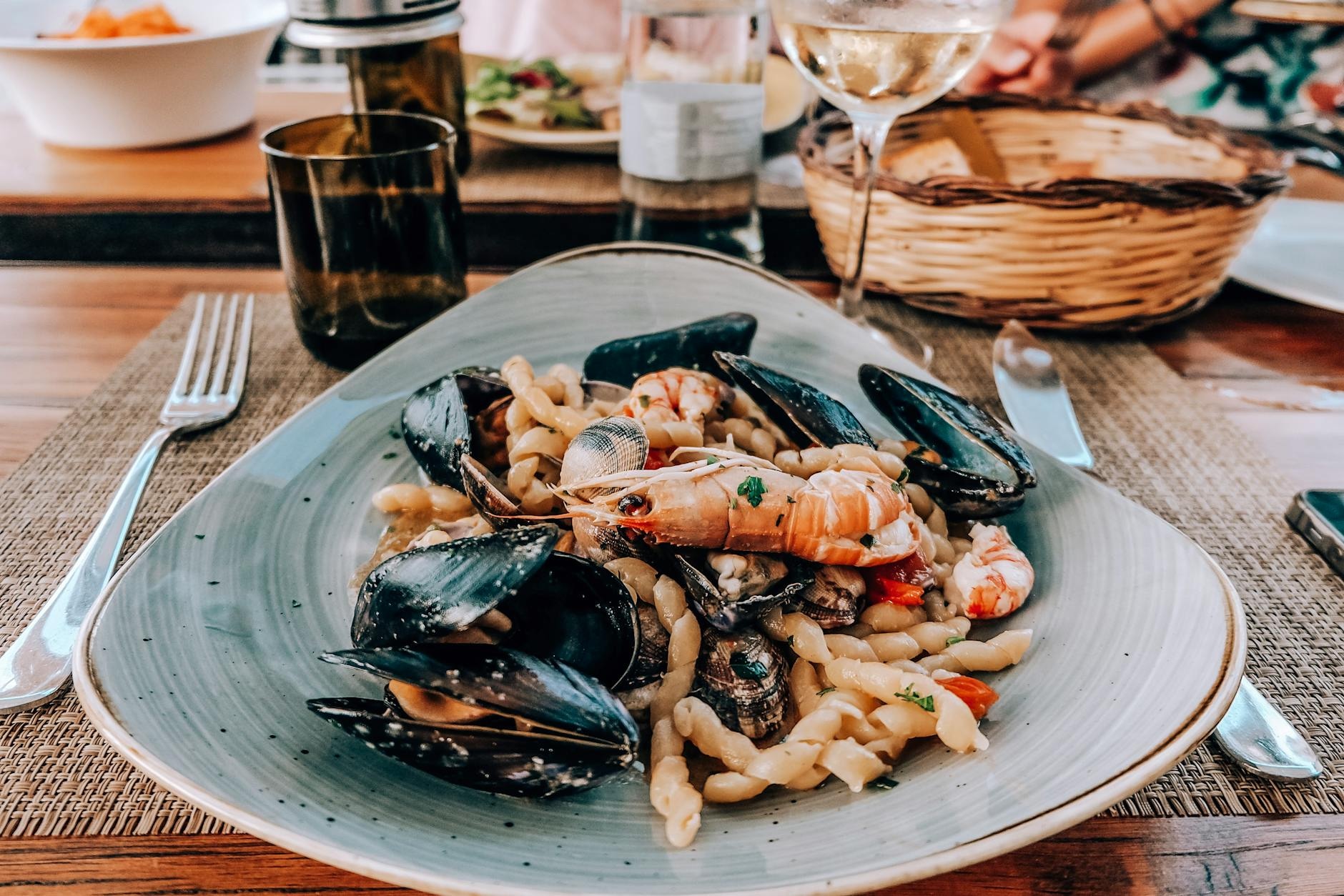
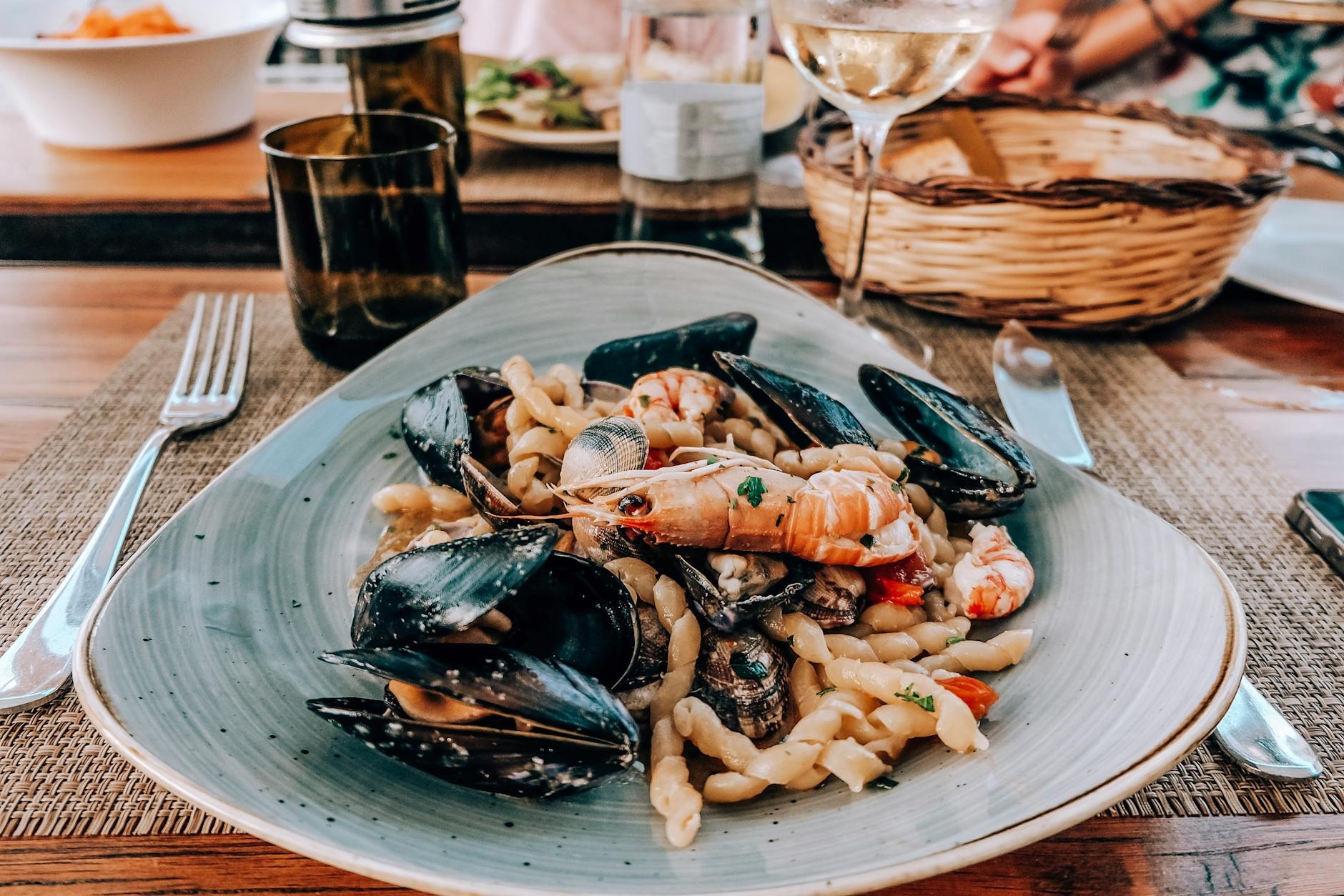
Northernmost Oman peninsula separated from rest of country by UAE. Unique geographical location surrounded by Strait of Hormuz and Gulf of Oman heavily influences cuisine. Seafood dominates - fresh fish, shrimp, lobster feature prominently. Mountainous terrain contributes to use of mountain herbs and wild plants. December lobster season peak (October-April). Proximity to UAE creates similarities with Emirati cuisine while retaining distinct Omani identity.
Cultural Significance:
Musandam's cuisine reflects unique geographical location and history as seafaring community. Reliance on fresh seafood and locally sourced ingredients highlights close connection to sea and mountainous terrain. Traditional cooking methods (grilling, slow-cooking) preserved over generations. Food central to social gatherings reflecting warm hospitality and cultural identity.
Signature Dishes:
- Machboos Samak (fish machboos)
- Sayadiyah (fish with rice)
- Shuwa (slow-cooked meat)
- Grilled seafood
- Omani lobster
Key Ingredients:
Nizwa & Interior Oman
Former capital Nizwa represents traditional Omani heartland. Famous for dates, traditional halwa production, and historic souq (market). December tourism season sees visitors exploring Nizwa Fort and surrounding date plantations. Cuisine emphasizes inland ingredients - dates, halwa (specialized shops selling premium varieties), goat and lamb meats, mountain-grown produce. Nizwa souq has dedicated date section with varieties including dates with sesame paste or cumin. Traditional dishes reflect desert and mountain heritage rather than coastal influences.
Cultural Significance:
Nizwa represents traditional Omani culinary heritage. Halwa-making is art form with specialized shops passing recipes through generations. Date cultivation and trading central to economy for centuries. Traditional souq (one of Oman's oldest) remains vibrant marketplace where locals shop daily. Food tourism growing with farm-to-table tours and cooking classes.
Signature Dishes:
- Dates (Khalas, Fard, Khasab varieties)
- Nizwa halwa
- Shuwa
- Harees
- Mountain goat dishes
Key Ingredients:

Sweet Delights & Desserts
Indulge in Oman's traditional sweet treats and desserts.
Omani Halwa (حلوى عمانية)
Oman's iconic sweet - gelatinous confection slow-cooked from sugar, ghee, cornstarch, saffron, cardamom, rose water, and nuts. Multiple varieties: saffron halwa (yellow), chocolate halwa (brown), frankincense halwa (aromatic). Served with kahwa (coffee) as hospitality gesture. December National Day (18th) sees halwa gifting tradition peak. Artisan halwa shops in Muttrah Souq showcase traditional craftsmanship. Represents Omani generosity and heritage.

Luqaimat (لقيمات)
Sweet dumplings - yeast batter with flour and cardamom, deep-fried until golden puffs, coated in date syrup or honey. Crispy exterior, soft fluffy interior. Popular during Ramadan for iftar and throughout December. Served warm, often sprinkled with sesame seeds. Street vendors and restaurants prepare fresh luqaimat daily. Represents Gulf sweet-making traditions shared across Arabian Peninsula.

Khanfaroush (خنفروش)
Crispy fried pastry strips twisted into intricate shapes, soaked in date syrup or honey. Light, crunchy texture with sweet glaze. Popular during Eid celebrations and weddings. December preparation begins for upcoming festivals. Made from flour, eggs, saffron, cardamom. Golden color from saffron infusion. Represents Omani festive baking traditions and Gulf pastry craftsmanship.

Balaleet (بلاليط)
Sweet-savory breakfast dessert - vermicelli noodles cooked with sugar, cardamom, saffron, rose water, often topped with thin omelet. Sweet noodles contrast savory egg. Traditional Omani breakfast, also served as dessert. December cooler mornings make warm balaleet especially appealing. Garnished with pistachios, almonds. Represents unique Omani fusion of sweet and savory in single dish.

Dates Stuffed with Nuts (تمر محشي)
Fresh Omani dates (Khalas, Fard varieties) pitted and stuffed with almonds, walnuts, or pistachios, sometimes dipped in chocolate or rolled in coconut. December sees dates available year-round in souqs with fresh varieties. Natural sweetness requires no added sugar. Elegant dessert for special occasions and gift-giving. Represents Oman's date cultivation heritage and Arabian hospitality traditions.

Asida (عصيدة)
Traditional sweet porridge made from wheat flour or semolina cooked with water, sugar, and ghee until thick consistency. Served warm, drizzled with honey or date syrup, sprinkled with cardamom. Comfort dessert during cooler months. Popular for Eid celebrations and family gatherings. December weather makes warm asida especially satisfying. Represents Gulf comfort food and home cooking traditions.

Qahwa Mahammas (Roasted Coffee Halwa)
Modern innovation - Omani halwa infused with roasted Arabic coffee (qahwa), creating rich coffee-flavored gelatinous sweet. Combines two Omani icons: halwa and coffee culture. Dark color from roasted coffee beans, aromatic cardamom notes. Served in specialty halwa shops and modern cafes. December tourism season brings international visitors seeking unique Omani flavors. Represents contemporary Omani culinary innovation.

Frankincense Ice Cream
Artisan ice cream infused with frankincense resin water (luban), creating unique aromatic flavor. Creamy base with subtle pine-citrus frankincense notes. Dhofar region specialty celebrating local frankincense production. December sees frankincense harvest continuation after Khareef monsoon. Served in upscale Muscat restaurants and Salalah cafes. Represents Oman's frankincense heritage reimagined in modern dessert form.
Traditional Beverages
Discover Oman's traditional drinks, from locally produced spirits to regional wines.

Imported Beer
While Oman is a Muslim country with restrictions on alcohol, tourists can find imported beers in licensed hotel bars, restaurants, and clubs. These establishments typically require patrons to show their passport or resident card. The selection usually includes international lager brands, served cold and often at premium prices compared to their country of origin.

Wine Selection
In Oman's licensed venues such as international hotels and certain restaurants, visitors can find a selection of imported wines. The offerings typically include varieties from Europe, Australia, and the Americas. Wine consumption is strictly limited to these designated areas and is not available in regular stores. Tourists should be aware of and respect local customs regarding alcohol consumption.
Soft Beverages
Discover Oman's traditional non-alcoholic drinks, from local teas to refreshing juices.

Omani Coffee (قهوة عمانية)
Omani coffee is a strong, flavorful coffee that is an integral part of Omani culture and hospitality. It's typically brewed with cardamom and served in small cups without handles. Omani coffee is offered to guests as a sign of welcome and respect. It's a symbol of Omani hospitality and is an important part of social gatherings.

Laban (لبن)
Laban is a refreshing yogurt drink that is popular in Oman and other parts of the Middle East. It's made by diluting yogurt with water and sometimes adding salt or mint. Laban is a cooling and hydrating drink, especially during hot weather.