
Kenya Food Guide
Content Information
Recently updated🔥Current Food Trends 2025
What's happening in Kenya's culinary scene right now
Kenya's culinary landscape in November 2025 celebrates safari nation's nyama choma tradition, Swahili coast fusion, coffee & tea heritage. Nairobi dining scene evolving - Tribe Hotel, Cultiva, Artcaffe lead modern Kenyan cuisine revival. November marks prime tea harvest season (October-December) - Kenya world's #4 tea producer, Kericho tea plantations offer tours. Coffee harvest peaks November (main season October-December) - SL28 & SL34 varietals globally prized for bright acidity, fruity notes. Nyama choma culture thriving - Carnivore Restaurant (iconic tourist destination), K'Osewe Ranalo Foods (Luo cuisine pioneer), Amaica (upscale choma). November weather ideal (dry season, post-short rains) - perfect for safari tourism, Maasai Mara wildebeest migration tail end. Swahili coast cuisine gaining recognition - Tamarind Restaurant (Mombasa), Ali Barbour's Cave Restaurant (Diani Beach), Jahazi Coffee House showcase Arab-Indian-African fusion. Street food culture celebrated - Nairobi's Kenyatta Avenue, Tom Mboya Street famous for smokie pasua (sausage in bun), mahindi choma (roasted corn). Sustainability movements growing - farm-to-table restaurants like Hemingways Nairobi, organic markets in Karen, Gigiri. November festivals: Magical Kenya Travel Expo (showcase culinary tourism), Tusker Oktoberfest (beer & food culture). Maasai mursik (fermented milk), Luhya omena (Lake Victoria dried fish) gaining modern chef attention. Tea tourism booming - Kenya Tea Board promotes agritourism, factory visits. Coffee culture expanding - Nairobi Java House, Dormans Coffee dominate urban scene, specialty cafes emerging. Coastal seafood excellence - lobster, crab, octopus, pweza (octopus curry) Swahili signatures. Protected designations: Kenya tea (geographical indication application in progress). November 2025: Kenya positions culinary identity around safari-meets-Swahili narrative, tea/coffee heritage, nyama choma social tradition.
Food Safety Tips
Essential food safety information to help you enjoy Kenya's cuisine safely and confidently.
Drink bottled water
Tap water is not safe to drink. Use bottled water with sealed caps for drinking and brushing teeth, and avoid ice in drinks unless at high-end establishments.
Eat fully cooked food
Ensure all meat and fish are thoroughly cooked. Avoid raw or undercooked foods to prevent foodborne illnesses.
Be cautious with street food
If trying street food, choose busy stalls with high turnover where food is cooked fresh at high temperatures in front of you.
Peel fruits and vegetables
Fruits and vegetables should be washed with bottled water or peeled before consumption to avoid contamination from water or soil.
Dietary Options
vegetarian
MEDIUM AVAILABILITYWhile traditional Kenyan cuisine includes meat, vegetarian options like sukuma wiki (kale), irio (mashed peas and potatoes), and githeri (beans and corn) are widely available.
vegan
LOW AVAILABILITYVegan options are limited outside of major cities like Nairobi, where some international and health-focused restaurants cater to vegans.
gluten-free
HIGH AVAILABILITYKenyan cuisine is largely gluten-free, based on corn, rice, potatoes, and other starches like ugali (cornmeal).
halal
MEDIUM AVAILABILITYHalal food is available in areas with significant Muslim populations, especially along the coast and in larger cities with Muslim communities. ~11% of Kenya's population Muslim (primarily Swahili coast, Somali community, urban centers). Mombasa, Malindi, Lamu Old Town comprehensive halal infrastructure. Nairobi halal options: Eastleigh neighborhood (Little Mogadishu - Somali community), South C, Parklands. Major halal certification: Kenya Muslim Professionals Forum (KMPF), Supreme Council of Kenya Muslims (SUPKEM). Coastal Swahili cuisine naturally halal-friendly (pilau, biryani, mchuzi wa samaki). Most nyama choma restaurants accommodate halal requests - goat, beef slaughtered according to Islamic guidelines. Supermarkets: Naivas, Carrefour stock halal-certified products.
kosher
VERY LOW AVAILABILITYKosher food very limited in Kenya - small Jewish community (~400 people, primarily Nairobi). Nairobi Hebrew Congregation (Synagogue & Jewish Center) offers occasional kosher catering for community events. No permanent kosher restaurants or dedicated kosher supermarkets. Travelers should bring sealed kosher products or rely on naturally kosher items (fresh fruits, vegetables, nuts, fish with scales & fins). Safari lodges, high-end hotels (Fairmont, Tribe Hotel) may accommodate kosher requests with advance notice (48-72 hours) - can prepare sealed, supervised meals. Self-catering recommended for observant travelers. Contact: Nairobi Hebrew Congregation for community support, local resources.
Common Allergens
Corn
HIGH PREVALENCECorn is a staple food in Kenya, particularly in the form of ugali (cornmeal porridge).
COMMONLY FOUND IN:
Peanuts
MEDIUM PREVALENCEPeanuts (groundnuts) are used in some Kenyan dishes and snacks.
COMMONLY FOUND IN:
Fish
MEDIUM PREVALENCEFish is common in coastal regions and around Lake Victoria.
COMMONLY FOUND IN:
Milk
MEDIUM PREVALENCEDairy, particularly in the form of fermented milk, is common in traditional Maasai and other pastoral communities' diets.
COMMONLY FOUND IN:
Essential Food Experiences
These iconic dishes represent the must-have culinary experiences that define Kenya's food culture for travelers.

Ugali (Cornmeal Porridge)
Ugali, a cornerstone of Kenyan cuisine, is a thick porridge made from maize flour (unga). The unga is added gradually to boiling water and stirred vigorously until it forms a dense, dough-like consistency. It's typically served with a stew (e.g., nyama choma, sukuma wiki), providing a bland base that absorbs the flavors of the accompanying dish. Ugali is a staple food across Kenya, eaten daily by most families, rich or poor, and represents community and togetherness as it's often shared from a communal bowl. Its simplicity and affordability make it a vital part of the Kenyan diet.

Nyama Choma (Grilled Meat)
Nyama Choma, meaning "burnt meat" in Swahili, is Kenya's quintessential barbecue. Goat meat is the most traditional, but beef and chicken are also common. The meat is marinated simply with salt, pepper, and sometimes ginger or garlic, then slow-roasted over an open fire until tender and smoky. Nyama Choma is more than just a meal; it's a social event, often enjoyed with friends and family during celebrations and gatherings. It's typically served with kachumbari (tomato and onion salad), ugali, and sometimes a side of greens.

Sukuma Wiki (Collard Greens)
Sukuma Wiki, translating to "push the week," reflects this dish's role as an affordable and nutritious staple, often stretching to last through the week. It consists of chopped collard greens (or kale), sautéed with onions, tomatoes, and spices like cumin and coriander. Sukuma Wiki is commonly served alongside ugali and nyama choma, adding a healthy and flavorful element to the meal. Regional variations may include the addition of other vegetables or a touch of coconut milk.

Irio (Mashed Potato and Pea Mix)
Irio, a staple of the Kikuyu tribe, is a hearty and flavorful dish made from mashed potatoes, peas, maize, and greens (often spinach or kale). The ingredients are boiled separately, then mashed together with butter or oil. The maize kernels add a textural contrast to the smooth potatoes and peas. Irio is traditionally eaten with roasted meat or stew, providing a comforting and filling meal. It's a common dish in Central Kenya, particularly during celebrations and family gatherings.

Githeri (Beans and Corn Stew)
Githeri, a hearty and flavorful stew, combines beans (usually kidney or pinto) and maize kernels. It's often cooked with onions, tomatoes, and spices like cumin and coriander, creating a rich and savory dish. Githeri is a staple food in many Kenyan households, especially during colder months. It can be eaten as a standalone meal or served with chapati or rice. Its simplicity and affordability make it a popular dish across different regions and economic backgrounds.

Pilau (Spiced Rice)
Kenyan Pilau, distinct from other pilaf variations, is a fragrant rice dish cooked with an array of spices, including cumin, cardamom, cinnamon, and cloves. Meat (beef, goat, or chicken) is often included, along with onions, garlic, and ginger. The rice absorbs the rich flavors of the spices and meat, creating a flavorful and aromatic dish. Pilau is often served during special occasions and celebrations, adding a festive touch to the meal.

Chapati (Flatbread)
Chapati, a soft unleavened flatbread, arrived in Kenya through Indian influence (railway workers, traders) & became beloved staple. Made from wheat flour, water, salt, oil/ghee - dough rolled thin, cooked on hot griddle (tawa) until golden spots appear. Chapati layering technique creates flaky texture - dough brushed with oil/ghee between folds. Served alongside stews (beef stew, chicken curry), wrapped around roasted meats, or eaten with beans. Street vendors, restaurants, home kitchens prepare fresh daily. Coastal Swahili version sometimes incorporates coconut milk. Chapati rolex (chapati rolled with eggs, vegetables) popular street food variation. Essential accompaniment to githeri, sukuma wiki, nyama choma.

Samosa (Savory Pastry)
Kenyan Samosas, triangular deep-fried pastries, reflect Indian & Arab culinary influence. Filling typically spiced minced beef, chicken, or vegetables (potatoes, peas, lentils) - cumin, coriander, turmeric, chili powder season generously. Pastry wrapper made from wheat flour - crispy, golden exterior shatters to reveal savory filling. Samosas ubiquitous street food - sold at bus stations, kiosks, markets throughout Kenya. Served hot with tamarind chutney, tomato sauce, or kachumbari salad. Ramadan favorite - breaking fast (iftar) tradition. Coastal versions sometimes include fish, prawns. Vegetable samosas (samosa mboga) popular vegetarian option. Social snack enjoyed with chai tea, gatherings, celebrations.

Kachumbari (Fresh Salad)
Kachumbari, Kenya's quintessential fresh salad, provides cooling contrast to heavy nyama choma, ugali, stews. Base ingredients: diced tomatoes, onions, cilantro (dhania), chili peppers - dressed with lime/lemon juice, salt. Some variations add avocado, cucumber, bell peppers. Simplicity showcases fresh produce quality - tomatoes juicy, onions sharp, cilantro aromatic, chili heat balanced by citrus acidity. Kachumbari cultural staple - served alongside virtually every major meal. Nyama choma restaurants present kachumbari automatically. Street food vendors offer as side. Name possibly derived from Indian kachumber salad (similar concept). Regional variations: coastal versions add coconut, upcountry versions emphasize onions. Nutritious, refreshing, essential palate cleanser in Kenyan dining.

Matoke (Green Bananas)
Matoke, steamed & mashed green bananas, staple food across East Africa - particularly Western Kenya, Uganda border regions. Green cooking bananas (matoke/ndizi ya kupika) selected for starchy texture - distinct from sweet dessert bananas. Preparation: bananas peeled (green skin tough - requires knife), wrapped in banana leaves, steamed until tender, then mashed. Sometimes cooked with beans, meat, vegetables for richer dish. Texture smooth, slightly sticky - similar to mashed potatoes. Flavor mild, subtly sweet - absorbs accompanying stew flavors. Commonly served with beef stew, chicken curry, groundnut sauce. Nutritious - rich in potassium, resistant starch, dietary fiber. Cultural significance in Luhya, Kisii communities. Street markets sell matoke bunches fresh.
Regional Specialties & Local Favorites
Discover the authentic regional dishes and local favorites that showcase Kenya's diverse culinary traditions.

Ugali
A thick porridge made from maize flour, the staple food in Kenya. Often served with stew, vegetables, or nyama choma.

Nyama Choma
Grilled or roasted meat, often goat or beef. A popular social dish enjoyed with friends and family.

Irio
A mashed mixture of potatoes, peas, maize, and greens. Often served as a side dish with nyama choma or stew.

Githeri
A hearty stew made with maize and beans. A staple food in many Kenyan households.

Pilau
Spiced rice cooked with meat or vegetables. A flavorful and aromatic dish often served at special occasions.

Chapati
A thin, unleavened flatbread. A common accompaniment to many Kenyan dishes.

Mandazi
A sweet, fried dough similar to a doughnut. A popular breakfast or snack item.

Matoke
Steamed and mashed green bananas. A staple food in many parts of Kenya.

Sukuma Wiki
Collard greens, similar to kale. Often cooked with onions and tomatoes.

Kachumbari
A fresh salad made with tomatoes, onions, cilantro, and chili peppers. A common accompaniment to nyama choma and other dishes.
Regional Cuisine Highlights
Explore the diverse culinary landscapes across different regions of Kenya.
Coastal Swahili Cuisine
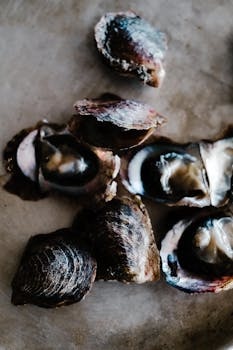
Characterized by the rich blend of African, Arab, and Indian flavors. Seafood plays a prominent role, often cooked with coconut milk, spices like cumin, coriander, and cardamom, and tamarind. Dishes often incorporate rice, cassava, and plantains.
Cultural Significance:
Reflects centuries of trade and cultural exchange along the Kenyan coast, resulting in a unique and flavorful cuisine.
Signature Dishes:
- Pilau (spiced rice dish)
- Biryani (mixed rice dish)
- Mchuzi wa Samaki (fish curry)
- Viazi Karai (crispy potatoes)
- Kaimati (sweet dumplings)
Key Ingredients:
Central Highlands Kikuyu Cuisine
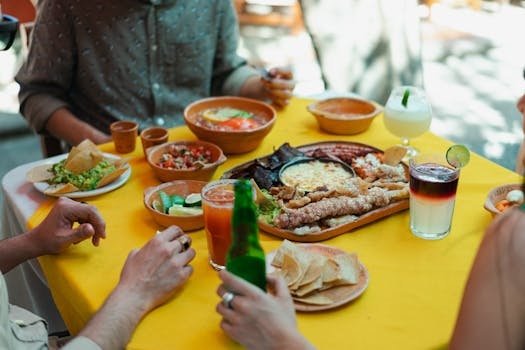
Known for its hearty, farm-fresh dishes centered around staple crops like maize, beans, potatoes, and green vegetables. Meat, primarily goat and beef, is often stewed or roasted. Dishes are simply seasoned, often with salt, pepper, and onions.
Cultural Significance:
Represents the agricultural heartland of Kenya, with dishes reflecting the resourcefulness and reliance on locally grown produce.
Signature Dishes:
- Irio (mashed potato and green vegetable mix)
- Githeri (beans and maize stew)
- Mukimo (mashed potatoes, maize, beans, and greens)
- Nyama Choma (roasted meat)
- Mutura (blood sausage)
Key Ingredients:
Western Kenya Luhya Cuisine
Features a variety of dishes based on fish from Lake Victoria, poultry, and vegetables. Common ingredients include millet, sorghum, and groundnuts. Smoking and drying are traditional preservation methods, adding distinct flavors to the cuisine.
Cultural Significance:
Reflects the importance of Lake Victoria and agriculture in the Luhya community, with dishes showcasing traditional cooking techniques and preservation methods.
Signature Dishes:
- Obusuma (thick porridge made from millet or sorghum)
- Ingokho (chicken stew)
- Omena (small dried fish)
- Tsisaka (vegetable stew)
- Miro (traditional greens)
Key Ingredients:
Nyanza Luo Cuisine
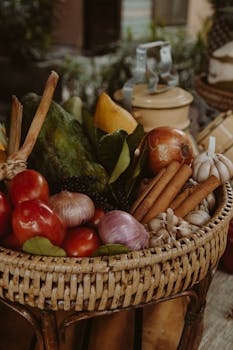
Emphasizes fish from Lake Victoria, often prepared through frying, grilling, or stewing. Kuon (ugali) is a staple accompaniment. Vegetables and grains like sorghum and millet also feature prominently.
Cultural Significance:
Highlights the significance of Lake Victoria as a source of livelihood and sustenance for the Luo community, with dishes showcasing traditional fishing and cooking practices.
Signature Dishes:
- Fich (fried fish)
- Osuga (smoked fish)
- Kuon (ugali, thick porridge)
- Aliya (sun-dried meat)
- Millet and sorghum dishes
Key Ingredients:
Rift Valley Kalenjin Cuisine
Known for its hearty stews, roasted meats, and dairy products. Milk and blood are often incorporated into dishes. Maize, potatoes, and beans are staple ingredients.
Cultural Significance:
Reflects the pastoralist traditions of the Kalenjin community, with dishes showcasing the importance of livestock and dairy products in their diet.
Signature Dishes:
- Mursik (fermented milk)
- Kimere (blood and milk mixture)
- Kienyeji chicken stew
- Roasted goat meat
- Ugali
Key Ingredients:
Maasai Pastoral Cuisine
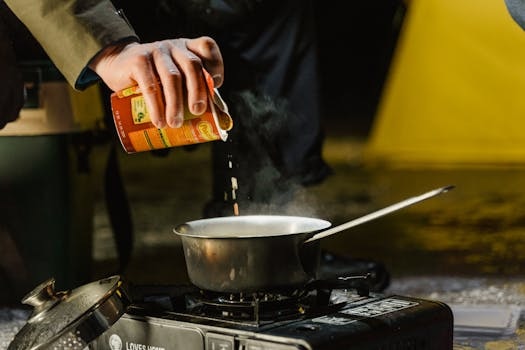
Iconic pastoralist diet centered on cattle, goats, sheep - meat, milk, blood sacred trinity. Traditional Maasai diet relied almost exclusively on livestock products. Meat consumption ceremonial - celebrations, age-set transitions, special occasions. Mursik (fermented milk in gourd seasoned with charcoal) daily staple. Blood drawn from live cattle (jugular vein - non-lethal), mixed with milk for protein-rich drink. Modern Maasai increasingly incorporate maize, beans, vegetables. Enkiama (meat feast) social tradition - whole animal roasted, shared communally. Olpurkel (soup from internal organs, blood) ceremonial dish. Southern Kenya, Northern Tanzania Maasai populations maintain traditions despite modernization pressures. Tourism influence: manyattas (traditional villages) offer cultural meals - nyama choma, ugali, mursik demonstrations. Narok, Kajiado counties preserve culinary heritage. Climate adaptation: nomadic lifestyle requires portable, durable foods - dried meat (biltong-style), fermented milk travel well.
Cultural Significance:
Represents one of Africa's most iconic pastoralist cultures - cattle central to Maasai identity, social structure, spirituality. Food practices intertwined with age-set systems, ceremonies, blessings. Modern challenges: land pressure, climate change forcing dietary diversification while communities strive to preserve traditions.
Signature Dishes:
- Mursik (fermented milk in gourd)
- Enkiama (roasted meat feast)
- Blood & milk mixture
- Olpurkel (organ soup)
- Nyama choma (roasted goat/beef)
Key Ingredients:
Sweet Delights & Desserts
Indulge in Kenya's traditional sweet treats and desserts.

Mahamri (Sweet Doughnuts)
Mahamri are small, sweet doughnuts made from flour, coconut milk, sugar, and spices like cardamom and cinnamon. They are often enjoyed for breakfast or as a snack with tea or coffee. They are particularly popular along the coast.

Mandazi (Triangular Doughnuts)
Mandazi are triangular-shaped doughnuts, deep-fried and often coated in sugar or icing. They are a popular snack throughout Kenya, enjoyed with tea or coffee. They can be sweet or savory.

Fruit Salad (Matunda Salad)
Kenya's tropical climate provides a bounty of fresh fruits, making fruit salad a refreshing and popular dessert. Common ingredients include mangoes, pineapples, bananas, and papayas, often seasoned with a squeeze of lime.

Kashata (Coconut Brittle)
Kashata, traditional Swahili coast sweet, features grated coconut mixed with sugar, caramelized to brittle candy. Two primary varieties: kashata ya nazi (coconut), kashata ya karanga (peanut). Coconut version most iconic - freshly grated coconut cooked with sugar, cardamom until golden & crispy. Mixture poured onto flat surface, cut into squares or diamond shapes while warm. Texture crunchy, sweet, aromatic - cardamom adds warm spice note. Street vendors sell kashata in Mombasa, Malindi, Lamu Old Town markets. Arab-Indian influence evident - similar to Indian chikki, Middle Eastern halva. Peanut kashata variation substitutes roasted groundnuts. Popular gift, souvenir from coastal regions. Stored in airtight containers - humid climate softens quickly.

Mkate wa Kumimina (Steamed Coconut Cake)
Mkate wa Kumimina, Swahili steamed cake, translates to "poured cake" - batter poured into molds, steamed until fluffy. Made from wheat flour, coconut milk, sugar, cardamom, yeast - creates moist, aromatic cake. Steaming (not baking) produces unique soft texture - similar to Chinese steamed buns. Coastal specialty - Mombasa, Lamu renowned for versions. Served warm or room temperature with chai tea. Cardamom fragrance distinctive - permeates cake throughout. Sometimes topped with coconut flakes, sesame seeds. Popular breakfast item, afternoon snack. Swahili culinary tradition dating centuries - Arab, Indian steaming techniques adapted. Variations include mkate wa sinia (tray cake - baked version). Street vendors steam fresh daily in metal molds.

Kaimati (Sweet Dumplings)
Kaimati, Swahili fried dumplings, derived from Arabic luqaimat - small, round, golden-brown balls. Dough made from flour, yeast, sugar, cardamom - deep-fried until crispy exterior forms while interior stays soft. Immediately dipped in sugar syrup (sometimes flavored with rose water, saffron) or honey. Result: crunchy outside, fluffy inside, intensely sweet. Coastal delicacy - Ramadan favorite for breaking fast (iftar). Served warm, often alongside strong black coffee or spiced tea. Street vendors prepare fresh - aroma of frying dough, cardamom fills markets. Similar to Indian gulab jamun (different shape/texture), Middle Eastern awwama. Festive occasions, weddings feature kaimati prominently. Children's favorite treat. Best eaten fresh - texture changes as cools.

Sweet Potato Pudding
Sweet potato pudding, homestyle Kenyan dessert, celebrates orange-fleshed sweet potatoes grown widely. Boiled sweet potatoes mashed smooth, mixed with coconut milk, sugar, cinnamon, nutmeg, vanilla. Sometimes includes raisins, chopped nuts for texture. Mixture baked until set, golden crust forms on top. Served warm or chilled - comforting, naturally sweet flavor enhanced by spices. Nutritious dessert - vitamin A rich, fiber-dense. Popular in rural areas, home kitchens - less common in restaurants. Variations add cassava, pumpkin for mixed tuber pudding. Reflects Kenyan resourcefulness - transforming staple crops into satisfying sweets. Similar to Caribbean sweet potato pone. Served at family gatherings, Sunday meals.

Banana Fritters (Ndizi Kaanga)
Ndizi Kaanga, fried banana fritters, simple yet beloved Kenyan sweet. Ripe bananas (yellow with black spots - maximum sweetness) sliced, coated in light batter (flour, sugar, cardamom, water), deep-fried until golden. Sometimes bananas fried plain without batter - caramelized exterior forms naturally. Served hot, dusted with powdered sugar or drizzled with honey. Street food staple - vendors prepare at bus stations, markets, school gates. Coastal versions use coconut oil for frying - imparts subtle coconut flavor. Children's favorite after-school snack. Accompaniment to chai tea, morning coffee. Different from plantain chips (crispy, savory) - ndizi kaanga soft interior, sweet flavor. Quick preparation makes popular at roadside stalls. Best eaten immediately while crispy-soft contrast optimal.
Traditional Beverages
Discover Kenya's traditional drinks, from locally produced spirits to regional wines.

Muratina (Honey Wine)
Muratina is a traditional alcoholic beverage made from fermented honey, sugar cane, and various fruits. It has a sweet and slightly tart flavor and is often consumed during cultural ceremonies and celebrations.

Busaa (Millet Beer)
Busaa is a traditional beer made from fermented millet or sorghum. It has a thick, porridge-like consistency and a slightly sour taste. It is commonly consumed in Western Kenya, particularly among the Luhya community.

Chang'aa (Distilled Spirit)
Chang'aa is a potent distilled spirit made from fermented maize, millet, or sorghum. It is widely consumed in various parts of Kenya and is known for its high alcohol content.
Soft Beverages
Discover Kenya's traditional non-alcoholic drinks, from local teas to refreshing juices.

Chai (Tea)
Chai is a ubiquitous beverage in Kenya, typically made with black tea, milk, sugar, and spices like ginger, cardamom, and cinnamon. It is enjoyed throughout the day and is an integral part of Kenyan hospitality.

Uji (Porridge)
Uji is a thick porridge made from millet, sorghum, or maize flour. It is often consumed for breakfast and can be flavored with sugar, milk, or fruit. It is a nutritious and filling beverage.

Madafu (Coconut Water)
Madafu is the refreshing water found inside young coconuts. It is a popular natural drink, especially in coastal regions, and is known for its hydrating properties.