
Czech Republic Food Guide
Content Information
Recently updated🔥Current Food Trends 2025
What's happening in Czech Republic's culinary scene right now
Czech Republic's culinary landscape in November 2025 celebrates Michelin Guide Prague & Czech Republic 2024 expansion with restaurants like Field (Prague, one star) and La Degustation Bohême Bourgeoise (Prague, one star) leading fine dining renaissance. November marks traditional goose feast season (Svatomartinská husa - St. Martin's goose, November 11) served with red cabbage & dumplings, paired with young Svatomartinské víno (St. Martin's wine) - Czech wine harvest celebration. Czech beer culture thrives with Pilsner Urquell 182nd anniversary celebrations, craft brewery explosion in Prague (Únětice, Matuška, Clock), and traditional pivnice (beer halls) maintaining centuries-old traditions. November sees mushroom foraging season continuation (boletes, chanterelles) in Bohemian forests - integral to Czech cuisine with houbová omáčka (mushroom sauce). Protected Geographical Indications: Karlovarské oplatky PGI (Karlovy Vary spa wafers), Pardubický perník PGI (Pardubice gingerbread), Lomnické suchary PGI (Lomnice rusks), Žatecký chmel PDO (Saaz hops for Pilsner beer). Farm-to-table movement grows with sustainable restaurants sourcing from Czech producers. Prague's Havelská tržnice and Naplavka farmers markets showcase local produce, artisanal cheeses, traditional chlebíčky. November preparations for vánoční trhy (Christmas markets) featuring svařák (mulled wine), trdelník, vánoční cukroví (Christmas cookies). Czech cuisine modernization preserves traditional knedlíky (dumplings), svíčková, vepřo knedlo zelo while incorporating contemporary techniques. Becherovka 225th anniversary celebrations in Karlovy Vary.
Food Safety Tips
Essential food safety information to help you enjoy Czech Republic's cuisine safely and confidently.
Tap water is generally safe to drink in Czech Republic, but bottled water is readily available and preferred by some.
The Czech Republic adheres to EU water quality standards. However, sensitive individuals may prefer bottled water.
Be cautious of raw or undercooked meat and eggs.
Ensure meat and eggs are cooked thoroughly to avoid foodborne illnesses like salmonellosis.
Wash fruits and vegetables thoroughly before consumption.
Wash produce with clean water to remove pesticides and bacteria.
Dietary Options
vegetarian
MEDIUM AVAILABILITYVegetarian options are becoming increasingly available in larger cities and tourist areas, with restaurants offering dedicated vegetarian dishes. Traditional cuisine relies heavily on meat, but options like smažený sýr (fried cheese) and bramboráky (potato pancakes) are readily available.
vegan
LOW AVAILABILITYVegan options are less common than vegetarian ones, but are growing in availability, especially in Prague. Be sure to inquire about ingredients as some dishes may contain hidden animal products.
gluten-free
MEDIUM AVAILABILITYGluten-free options are becoming more common, particularly in larger cities. Many restaurants offer gluten-free bread and some traditional dishes are naturally gluten-free. Always inform restaurant staff about dietary restrictions.
halal
LOW AVAILABILITYHalal food available mainly in Prague with growing Muslim community (~20,000 Muslims, mostly expats and international students). Prague 1, 3, and 7 districts have halal restaurants (Turkish, Middle Eastern, Pakistani). Main challenges: Pork ubiquitous in Czech cuisine (vepřové, jitrnice, tlačenka); lard used for cooking; beer culture dominates. Halal certification by Islamic Foundation Prague. Turkish kebab shops throughout Prague often halal. Contact Prague Islamic Centre (Islámské centrum Praha) for guidance. Limited options outside Prague - Brno has few halal restaurants.
kosher
VERY LOW AVAILABILITYKosher food extremely limited in Czech Republic with small Jewish community post-Holocaust (~4,000 Jews, mostly in Prague). Prague's Josefov (Jewish Quarter) has King Solomon Kosher Restaurant near Spanish Synagogue - primary kosher dining option. Jewish Museum Prague provides kosher dining information. Main challenges: Pork dominant (vepřo knedlo zelo national dish); dairy-meat mixing common; shellfish in some dishes. Some naturally kosher options: grilled fish, vegetable dishes. Shabbat challah available at Jewish Community of Prague. Contact Židovská obec v Praze (Jewish Community Prague) for kosher establishments. Virtually no kosher infrastructure outside Prague.
Common Allergens
Gluten
MEDIUM PREVALENCEGluten is present in many traditional Czech dishes, including bread, dumplings, and pastries. Be sure to specify gluten-free options when ordering.
COMMONLY FOUND IN:
Dairy
HIGH PREVALENCEDairy products like milk, cheese, and cream are common ingredients in Czech cuisine. Specify dairy-free options when ordering.
COMMONLY FOUND IN:
Nuts
MEDIUM PREVALENCENuts, particularly walnuts and almonds, are used in desserts and some main courses. Be sure to inquire about nut content in dishes if you have an allergy.
COMMONLY FOUND IN:
Essential Food Experiences
These iconic dishes represent the must-have culinary experiences that define Czech Republic's food culture for travelers.

Svíčková na smetaně
Czech national dish - tender beef sirloin braised in root vegetable cream sauce (carrots, celery root, parsnip), served with houskové knedlíky (bread dumplings), whipped cream dollop, lingonberry sauce, lemon slice. Sunday lunch tradition, celebration staple. Rich, velvety sauce requires hours of preparation.

Vepřo knedlo zelo
Quintessential Czech trinity - roasted pork (vepřové), houskové knedlíky (bread dumplings), kysané zelí (sauerkraut). Often called Czech national dish. Pork shoulder roasted with caraway seeds until crispy. Dumplings sliced, soak up juices. Comfort food epitome.

Guláš
Czech-style goulash - thick beef stew with onions, paprika, caraway seeds, marjoram. Served with knedlíky (dumplings) or bread. Differs from Hungarian version with thicker consistency, less paprika. Pivnice (beer hall) staple. Long slow-cooking creates rich flavor.

Smažený sýr
Deep-fried cheese - thick slice of Edam or Hermelín (Czech camembert) breaded & fried until golden, crispy exterior with melted interior. Served with tartar sauce, fries, sometimes salad. Popular vegetarian option in traditional restaurants. Pub & restaurant staple.

Kulajda
Traditional Bohemian sour cream soup - mushrooms (often cultivated), potatoes, dill, caraway seeds, poached egg, vinegar for tanginess. Creamy white color. Served with rye bread. Autumn specialty during mushroom season, but available year-round. Comforting, earthy flavor.

Bramboráky
Potato pancakes - grated raw potatoes mixed with flour, egg, garlic, marjoram, fried until crispy. Golden brown exterior, tender interior. Served with sour cream or as side dish. Street food at markets, traditional restaurant staple. Simple peasant food elevated to beloved national dish.

Tatarák
Czech beef tartare - raw minced beef tenderloin mixed tableside with egg yolk, onions, garlic, mustard, paprika, salt, pepper. Served with toasted bread, garlic for rubbing. Beer hall tradition. High-quality beef essential. Prague restaurants specialize in traditional preparation.

Chlebíčky
Czech open-faced sandwiches - baguette slices topped with combinations: potato salad, egg salad, ham, pickles, roast beef, smoked salmon, cheese. Elaborate garnishes. Buffet parties, receptions, cafés. Prague specialty shops create artistic arrangements. Traditional since interwar period.

Svatomartinská husa
St. Martin's goose - roasted goose served November 11 (St. Martin's Day) with red cabbage, bread or potato dumplings. Paired with young Svatomartinské víno (St. Martin's wine). Centuries-old tradition. Restaurants require advance booking. Crispy skin, rich dark meat.

Moravský vrabec
Moravian sparrow - despite name, pork dish from Moravia. Marinated pork chunks roasted until crispy, served with sauerkraut or red cabbage, dumplings. Named for small pieces resembling sparrows. Regional specialty with Austrian influence. Rich, flavorful comfort food.
Regional Specialties & Local Favorites
Discover the authentic regional dishes and local favorites that showcase Czech Republic's diverse culinary traditions.

Trdelník
A sweet pastry made from rolled dough that is grilled and coated in sugar and cinnamon. It's a popular street food and often enjoyed warm.
Allergens:
Chlebíčky
Open-faced sandwiches with various toppings, such as ham, cheese, egg salad, or potato salad. They are a common snack or light meal.
Allergens:

Utopenci
Pickled sausages, typically served with onions and peppers. They are a popular pub snack and often enjoyed with beer.
Regional Cuisine Highlights
Explore the diverse culinary landscapes across different regions of Czech Republic.
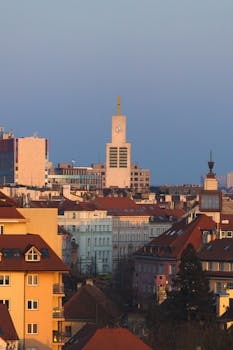
Bohemia
Bohemian cuisine is known for its hearty dishes, often featuring pork, dumplings, and sauerkraut. Traditional dishes include svíčková na smetaně and vepřo knedlo zelo.
Cultural Significance:
Bohemian cuisine reflects the region's agricultural history and its focus on simple, hearty meals.
Signature Dishes:
- svíčková na smetaně
- vepřo knedlo zelo
- koláč
Key Ingredients:
Moravia
Moravian cuisine is influenced by its proximity to Austria and Slovakia, featuring dishes like guláš and fruit-filled pastries. Wine production is significant in this region.
Cultural Significance:
Moravian cuisine showcases the region's rich agricultural heritage and its blend of Czech, Austrian, and Slovakian influences.
Signature Dishes:
- guláš
- škvarky
- koláč
Key Ingredients:

Silesia
Silesian cuisine is known for its hearty and flavorful dishes, often featuring potatoes, cabbage, and smoked meats. Traditional dishes include bramboráky and škvarky.
Cultural Significance:
Silesian cuisine reflects the region's industrial history and its focus on simple, filling meals.
Signature Dishes:
- bramboráky
- škvarky
- zelňačka
Key Ingredients:

Sweet Delights & Desserts
Indulge in Czech Republic's traditional sweet treats and desserts.

Koláče
Traditional Czech pastries - sweet yeast dough with fruit (plum, apricot, poppy seed, tvaroh cheese) filling in center, often with crumble topping. Baked in rounds or squares. Moravian specialty. Bakery & home-baking staple. Coffee accompaniment.

Štrúdl
Czech apple strudel - thin pastry layers filled with spiced apples, raisins, walnuts, cinnamon. Austro-Hungarian heritage. Served warm with vanilla sauce, whipped cream, or ice cream. Autumn specialty when apples harvested. Home-baking tradition.

Vánoční cukroví
Christmas cookies - families bake 7-12 varieties in Advent. Traditional types: vanilkové rohlíčky (vanilla crescents), linecké (jam sandwich), perníčky (gingerbread), kokosové (coconut macaroons), ořechové (walnut cookies). Stored in tins, served throughout Christmas season.

Větrník
Czech cream puff - large choux pastry filled with vanilla custard or whipped cream, topped with caramel icing. Name means windmill. Light, airy texture. Café & bakery specialty. Prague cukrárny (patisseries) compete for best větrník. Must be eaten fresh.

Medovník
Honey cake - multiple thin honey-spiced cake layers with cream filling (sour cream, condensed milk, or buttercream). Dark color from honey & spices. Improves with age as layers soften. Traditional celebration cake. Eastern European heritage. Rich, not overly sweet.

Pardubický perník
Pardubice gingerbread - PGI-protected spiced gingerbread from Pardubice city. Medieval recipe with honey, spices (cinnamon, cloves, ginger), sometimes chocolate coating. Decorated with icing. Hard texture softens with storage. UNESCO Czech heritage. Souvenir specialty.

Buchty
Steamed or baked sweet buns - soft yeast dough filled with plum jam (povidla), poppy seeds, or tvaroh (cottage cheese), dusted with powdered sugar. Served with melted butter. Comfort food. Bohemian tradition. Best eaten warm. Home-style dessert.
Trdelník
Rolled pastry - sweet yeast dough wrapped around stick, grilled over charcoal, coated with cinnamon sugar & walnuts. Crispy exterior, soft interior. Prague tourist areas ubiquitous. Actually Slovak-Hungarian origin, commercialized in Prague. Modern versions filled with ice cream.
Traditional Beverages
Discover Czech Republic's traditional drinks, from locally produced spirits to regional wines.

Pivo (Beer)
Czech Republic is renowned for its beer, with Pilsner Urquell being one of the most famous brands. Beer is a staple beverage and is enjoyed throughout the year.

Becherovka
A herbal liqueur with a distinctive flavor. It's often consumed as a digestif or mixed in cocktails.

Slivovice
A plum brandy with a strong and fruity flavor. It's a traditional spirit and is often enjoyed neat.
Soft Beverages
Discover Czech Republic's traditional non-alcoholic drinks, from local teas to refreshing juices.

Kofola
A popular Czech cola-style beverage with a unique herbal flavor.

Mattoni Minerální voda (Mineral Water)
A popular brand of mineral water from the Mattoni springs. It's available in various flavors and is a refreshing non-alcoholic option.

Bylinkový čaj (Herbal Tea)
Herbal teas, such as chamomile, mint, and linden flower, are popular in Czech Republic and are often enjoyed after meals or before bed.