
Greece Food Guide
Content Information
Recently updated🔥Current Food Trends 2025
What's happening in Greece's culinary scene right now
Greece's culinary scene in November 2025 celebrates its recognition as the world's best cuisine by TasteAtlas (2024-2025 edition), with the Peloponnese ranking as the #2 food region globally. A culinary renaissance sweeps the nation, led by Thessaloniki's UNESCO City of Gastronomy status (since 2021) and Athens's confident simmer of innovation. Modern gastro-tavernas artfully marry traditional Greek elements with creative license—reinvented moussaka, deconstructed souvlaki, and ethnic fusion (58% of consumers seeking fusion cuisine). Plant-based revolution: vegan menus expand across restaurants to attract eco-conscious tourists and younger demographics prioritizing sustainability. Experiential dining dominates with storytelling, multi-sensory presentations, and interactive elements. Athens standouts: Soil (earthy gastronomy rooted in agrarian traditions), Pharaoh (Michelin Bib Gourmand for modern traditional Greek), Akra (Thessaloniki-Athens collaboration combining culinary prowess). Crete, Cyclades, Epirus, and Thessaly shine in TasteAtlas regional rankings. The Mediterranean diet focus amplifies health awareness while honoring heritage—innovation without compromising tradition. Greek food crowned best in 2025 for its ability to evolve without losing itself, blending family recipes and ancient flavors with modern tastes.
Food Safety Tips
Essential food safety information to help you enjoy Greece's cuisine safely and confidently.
Be cautious with tap water on islands
While tap water is generally safe in mainland cities, some Greek islands have water quality issues. Consider bottled water on islands.
Check seafood freshness
When ordering seafood, especially in coastal areas, ensure it is fresh and properly stored.
Be aware of unpasteurized dairy products
Traditional cheese-making in Greece sometimes uses unpasteurized milk. Ask about pasteurization if you have concerns.
Dietary Options
vegetarian
HIGH AVAILABILITYGreek cuisine offers numerous vegetarian options, including vegetable-based appetizers (mezedes), salads, legume dishes, spanakopita, and gemista. The Mediterranean diet foundation makes vegetarian eating exceptionally easy.
vegan
HIGH AVAILABILITY2025 plant-based revolution: Restaurants and cafes across Greece expand vegan menus to attract eco-conscious tourists and younger demographics. Traditional vegan options like fava (yellow split pea purée), fasolada (bean soup), and horta (boiled greens) join innovative plant-based moussaka and vegan souvlaki. Orthodox fasting periods (Lent, Advent) provide naturally vegan menus nationwide.
gluten-free
MEDIUM AVAILABILITYMany traditional Greek dishes are naturally gluten-free: grilled meats, Greek salad, tzatziki, fresh seafood, and vegetable dishes. Athens and Thessaloniki restaurants increasingly offer gluten-free alternatives, though phyllo-based dishes (spanakopita, baklava) require substitutions.
halal
MEDIUM AVAILABILITYHalal options available in major cities, particularly Athens and Thessaloniki, with dedicated halal restaurants serving kebabs, souvlaki, and traditional Greek dishes. Many Greek Orthodox fasting dishes are naturally halal-friendly.
Common Allergens
Dairy
HIGH PREVALENCECheese, particularly feta, is ubiquitous in Greek cuisine.
COMMONLY FOUND IN:
Nuts
HIGH PREVALENCENuts are common in Greek desserts and some savory dishes.
COMMONLY FOUND IN:
Gluten
MEDIUM PREVALENCEWheat-based products like phyllo dough and pita bread are common.
COMMONLY FOUND IN:
Shellfish
MEDIUM PREVALENCESeafood, including shellfish, is common in coastal areas and islands.
COMMONLY FOUND IN:
Essential Food Experiences
These iconic dishes represent the must-have culinary experiences that define Greece's food culture for travelers.

Moussaka
Greece's iconic layered casserole with eggplant, spiced minced meat (traditionally lamb or beef), tomato sauce, and creamy béchamel topping, baked to golden perfection. 2025 innovation: Modern gastro-tavernas offer reinvented versions with truffle-infused béchamel or plant-based alternatives maintaining traditional flavors.

Souvlaki
Athens street food legend: Grilled skewers of marinated meat (traditionally pork, also chicken or lamb) served in warm pita with tomatoes, onions, tzatziki, and fries inside. November 2025 trend: Deconstructed souvlaki presentations in upscale tavernas, plus vegan versions with mushroom or seitan gaining popularity.

Greek Salad (Horiatiki)
Quintessential Greek dish featuring ripe tomatoes, cucumber, bell peppers, red onions, Kalamata olives, and a generous slab of feta cheese, dressed simply with extra virgin olive oil, oregano, and sea salt. No lettuce—authentically Greek. A Mediterranean diet staple celebrating Greece's fresh produce.

Spanakopita
Savory phyllo pie filled with spinach, feta cheese, dill, and spring onions, baked until golden and crispy. Found in every bakery, taverna, and Greek household—perfect for breakfast, snack, or light meal.

Baklava
Legendary sweet pastry with paper-thin phyllo layers, chopped walnuts or pistachios, butter, and honey or sugar syrup infused with cinnamon and cloves. Each region claims the best recipe—try versions across Greece to compare.

Dolmades
Tender grape leaves stuffed with herbed rice, pine nuts, and fresh herbs (dill, mint, parsley), sometimes with minced meat. Served with lemon wedges and creamy avgolemono (egg-lemon) sauce. A mezze staple during Orthodox fasting periods when made vegetarian.

Grilled Octopus
Tender octopus chargrilled to perfection, served with lemon, extra virgin olive oil, oregano, and often capers. A beloved mezze in coastal tavernas and islands, showcasing Greece's exceptional seafood tradition.

Fava (Yellow Split Pea Purée)
Creamy, velvety purée of yellow split peas from Santorini, drizzled with olive oil and topped with capers, onions, and lemon. A naturally vegan dish central to the 2025 plant-based movement in Greek restaurants.
Regional Specialties & Local Favorites
Discover the authentic regional dishes and local favorites that showcase Greece's diverse culinary traditions.
Moussaka
Greece's most iconic dish: rich layered casserole featuring eggplant, spiced minced meat (traditionally lamb), tomato sauce, and topped with velvety béchamel. Every taverna has its own cherished recipe passed down through generations.
Allergens:
Souvlaki
Greece's beloved street food: skewered and grilled marinated meat (pork, chicken, or lamb) served in pita with tomatoes, onions, tzatziki, and fries. Athens souvlaki pita is a culinary institution—each neighborhood claims the best.
Allergens:
Greek Salad (Horiatiki)
Authentic Horiatiki salad with sun-ripened tomatoes, cucumbers, bell peppers, onions, Kalamata olives, and a substantial slab of feta cheese drizzled with extra virgin olive oil. The cornerstone of the Mediterranean diet.
Allergens:

Gyros
Rotisserie-cooked meat (traditionally pork or chicken) shaved directly onto warm pita with tomatoes, onions, tzatziki, and fries. Thessaloniki is renowned for exceptional gyros, with locals debating the best spots passionately.
Allergens:

Tzatziki
Creamy, refreshing yogurt dip with grated cucumber, garlic, olive oil, dill, and lemon. Served with virtually every meal, perfect for dipping bread, vegetables, or as a cooling accompaniment to grilled meats.
Allergens:

Saganaki (Fried Cheese)
Crispy, golden cheese (typically Kefalotyri or Graviera) pan-fried in olive oil until bubbling, often flambéed with ouzo or brandy. Served with lemon wedges and bread—an irresistible mezze.
Allergens:

Fasolada (Bean Soup)
Greece's national dish: hearty white bean soup with tomatoes, carrots, celery, and olive oil. Traditionally served during Greek Orthodox fasting periods, it's naturally vegan and exemplifies Mediterranean simplicity.

Gemista (Stuffed Vegetables)
Tomatoes, bell peppers, and zucchini stuffed with herbed rice, pine nuts, and sometimes minced meat, baked with olive oil. A summer staple showcasing Greece's fresh produce.

Pastitsio
Greek baked pasta dish with tubular pasta, spiced meat sauce, and thick béchamel topping, similar to lasagna. Comfort food staple at family gatherings and traditional tavernas.
Allergens:

Keftedes (Meatballs)
Greek-style meatballs flavored with oregano, mint, and breadcrumbs, served as mezze or main course. Each region has unique variations—tomato sauce, lemon, or plain with tzatziki.
Allergens:
Regional Cuisine Highlights
Explore the diverse culinary landscapes across different regions of Greece.
Athens & Attica
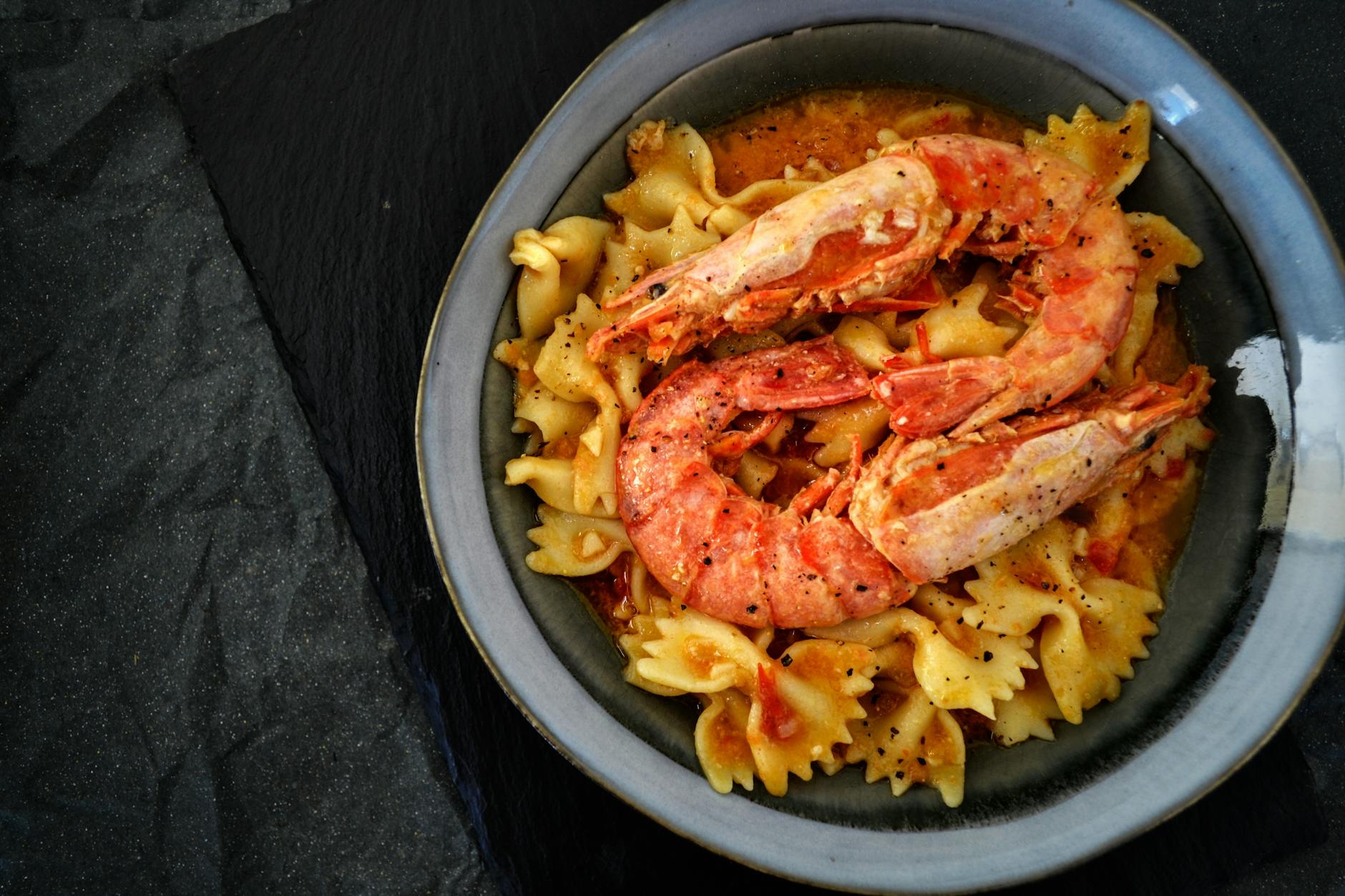
Athens's culinary scene in November 2025 represents Greece's confident evolution, blending 3,000+ years of food history with modern innovation. The capital leads the gastro-taverna movement—where traditional recipes meet creative license. Summer/Fall 2025 finds Athens revealing different accents of its palate: Soil restaurant champions 'earthy gastronomy' rooted in agrarian traditions; Pharaoh (Michelin Bib Gourmand) presents traditional Greek with modern narrative; Akra combines Thessaloniki-Athens collaboration. Trendy neighborhoods like Psiri offer hip tavernas with fusion cuisine, rooftop restaurants with Acropolis views, and legendary souvlaki spots where locals queue daily. Experiential dining dominates—storytelling, multi-sensory presentations, interactive elements transform meals into cultural journeys.
Cultural Significance:
Athens represents Greece's culinary renaissance—balancing heritage with innovation, making traditional Greek cuisine relevant for global audiences without compromising authenticity.
Signature Dishes:
- Souvlaki pita (Athens style)
- Koulouri (sesame bread rings)
- Loukoumades
- Revithada (chickpea stew)
Key Ingredients:
Thessaloniki & Macedonia
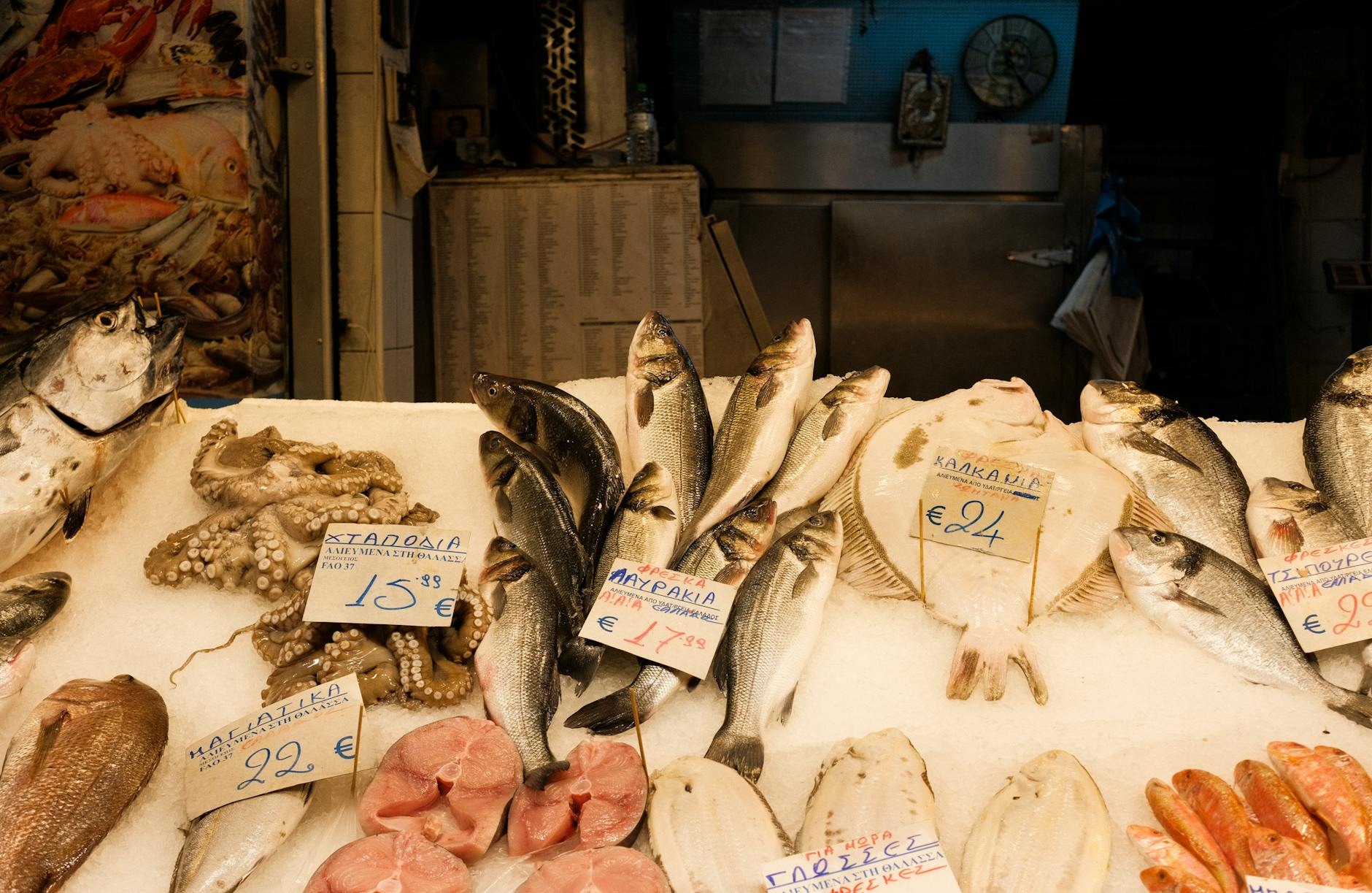
Thessaloniki earned UNESCO City of Gastronomy status in 2021, cementing its reputation as Greece's culinary hub. The city's mountainous Macedonian terrain and Balkan proximity create distinctive flavors: hearty meats, dairy products, and warming spices like paprika and cumin. Thessaloniki is legendary for bougatsa (semolina custard pie) and exceptional gyros—locals passionately debate the best spots. Young chefs return to the city in 2025, reinventing traditional recipes while honoring heritage. The food scene thrives with morning bougatsa rituals, bustling Modiano Market, waterfront seafood tavernas, and innovative restaurants attracting international attention.
Cultural Significance:
Thessaloniki's diverse history (Greek, Roman, Byzantine, Ottoman, Sephardic Jewish) creates a unique culinary tapestry reflecting centuries of cultural exchange.
Signature Dishes:
- Bougatsa (sweet and savory)
- Gyros (Thessaloniki style)
- Tavche Gravche (baked beans)
- Melitzanosalata (eggplant dip)
- Boureki (zucchini pie)
Key Ingredients:
Crete
Cretan cuisine represents the purest expression of the Mediterranean diet—fresh local ingredients, abundant olive oil, wild greens (horta), aromatic herbs, and artisan cheeses. TasteAtlas 2024-2025 rankings celebrate Crete as one of the world's top food regions. The island's agricultural heritage and self-sufficiency history create dishes that are both healthy and intensely flavorful. Lamb and goat dominate meat dishes, while coastal areas excel in seafood. Cretan olive oil (from Koroneiki olives) is considered among the world's finest.
Cultural Significance:
Cretan cuisine embodies the Mediterranean diet's health benefits—locals enjoy exceptional longevity attributed to their traditional food culture.
Signature Dishes:
- Dakos (barley rusk salad)
- Kalitsounia (cheese or herb pies)
- Gamopilafo (wedding rice)
- Apaki (smoked pork)
- Chochlioi boubouristoi (snails)
Key Ingredients:

Peloponnese
The Peloponnese ranks as the #2 food region in the world for 2025 (TasteAtlas), showcasing extraordinary agricultural abundance. The peninsula's diverse landscape—mountains, valleys, coastlines—yields exceptional produce, olive oil, and seafood. Kalamata olives, Koroneiki olive oil, and local cheeses like Sfela define the region. Simple yet profoundly flavorful preparations let ingredients shine. Artichokes, citrus fruits, wild greens, and fresh seafood dominate menus. Ancient culinary traditions persist in villages where recipes pass through generations unchanged.
Cultural Significance:
The Peloponnese's culinary excellence reflects millennia of continuous habitation—from ancient Sparta to Byzantine monasteries to modern villages maintaining food traditions.
Signature Dishes:
- Hilopites (egg pasta squares)
- Goges (handmade pasta with cheese)
- Lalagia (fried dough ribbons)
- Soutzoukakia (Smyrna meatballs)
- Fresh seafood with ladolemono
Key Ingredients:

Cyclades Islands
The sun-drenched Cyclades islands (Santorini, Mykonos, Paros, Naxos) shine in TasteAtlas 2024-2025 rankings for exceptional island cuisine. Volcanic soil (especially Santorini) produces unique ingredients: cherry tomatoes with concentrated sweetness, white eggplants, fava (yellow split peas), and distinctive Assyrtiko wines. Island cuisine emphasizes seafood, sun-dried ingredients, capers, and local cheeses. Simple preparations highlight ingredient quality—grilled fish with lemon, tomato fritters (domatokeftedes), fresh octopus. Each island maintains distinct specialties while sharing Cycladic culinary identity.
Cultural Significance:
Cycladic cuisine evolved from necessity—limited resources, island isolation, and intense sun created preservation techniques and concentrated flavors that define Greek island cooking.
Signature Dishes:
- Fava (Santorini yellow split pea purée)
- Domatokeftedes (tomato fritters)
- Kopanisti (spicy cheese spread)
- Octopus with fava
- Chloro cheese (Santorini)
Key Ingredients:

Sweet Delights & Desserts
Indulge in Greece's traditional sweet treats and desserts.
Μπακλαβάς (Baklava)
Greece's most famous dessert: paper-thin phyllo layers filled with crushed walnuts or pistachios, butter, and soaked in honey or sugar syrup infused with cinnamon and cloves. Each bite offers a symphony of textures—crispy, flaky, sweet, and nutty. Regional variations include Thessaloniki's extra-syrupy version and Cretan baklava with local thyme honey.

Γαλακτομπούρεκο (Galaktoboureko)
Heavenly custard pie featuring creamy semolina custard between crispy phyllo sheets, drenched in fragrant syrup flavored with lemon or orange zest. Best enjoyed warm when the contrast between crispy phyllo and silky custard is most pronounced.

Ρυζόγαλο (Rizogalo)
Comforting Greek rice pudding made with milk, rice, sugar, and flavored with vanilla, cinnamon, and lemon zest. Served chilled with a dusting of cinnamon on top. A traditional home dessert often made for children.

Κουραμπιέδες (Kourabiedes)
Buttery almond shortbread cookies coated generously in powdered sugar, traditionally made during Christmas and weddings. They melt in your mouth, leaving a delicate almond flavor and sweet powdery finish.

Λουκουμάδες (Loukoumades)
Greek honey puffs: golden fried dough balls soaked in honey syrup or grape molasses, sprinkled with cinnamon and chopped walnuts. Ancient dessert dating back to the first Olympic Games. 2025 trend: Modern versions topped with ice cream, chocolate, or Nutella.

Bougatsa
Thessaloniki's breakfast treasure: phyllo pastry filled with sweet semolina custard, dusted with powdered sugar and cinnamon. Also available in savory versions with cheese or minced meat. Best enjoyed warm from traditional bougatsadika (bougatsa shops) early morning.
Traditional Beverages
Discover Greece's traditional drinks, from locally produced spirits to regional wines.

Ούζο (Ouzo)
A dry anise-flavored aperitif, typically served with water or ice. It turns milky white when mixed with water due to the anethole in anise. A popular alcoholic beverage enjoyed throughout Greece.

Τσίπουρο (Tsipouro)
A strong grape brandy produced from pomace (the residue of winemaking). It can be clear or aged in oak barrels, resulting in a smoother, amber-colored spirit. Often enjoyed as an aperitif or digestif.

Ρετσίνα (Retsina)
A Greek white or rosé wine flavored with Aleppo pine resin. This unique flavor dates back to ancient times and adds a distinctive character to the wine.
Soft Beverages
Discover Greece's traditional non-alcoholic drinks, from local teas to refreshing juices.

Ελληνικός καφές (Ellinikos Kafes)
Traditional Greek coffee, prepared in a small, long-handled pot called a briki. Finely ground coffee is simmered with water and sugar, creating a strong, flavorful brew with a thick layer of foam on top.

Φραπέ (Frappe)
A popular iced coffee drink made with instant coffee, water, sugar, and sometimes milk. It's frothed to create a thick, foamy texture and served cold.

Χυμός πορτοκάλι (Xymos Portokalli)
Freshly squeezed orange juice, a common and refreshing beverage enjoyed throughout Greece, especially during breakfast.