
Namibia Food Guide
Content Information
Recently updated🔥Current Food Trends 2025
What's happening in Namibia's culinary scene right now
Namibia's culinary landscape in 2025 celebrates game meat heritage, sustainable safari tourism dining, and the rise of craft breweries. Kapana street food culture has elevated Windhoek's Katutura township to international recognition, with the Single Quarters Open Market becoming a culinary destination. German colonial heritage endures through premium lagers and bakeries, while indigenous food sovereignty movements revive traditional ingredients like mahangu (pearl millet) and mopane worms. Farm-to-table safari lodge dining showcases zero-waste cooking and solar-powered kitchens. Coastal Swakopmund blends German pastries with Atlantic seafood. The craft beer boom features Camelthorn Brewing Company and Urban Brewing leading innovation. Namib Desert winemaking at Neuras Estate demonstrates climate resilience. 2025 food trends include sustainable game farming, traditional fermented beverages gaining popularity, and fusion cuisine blending African and European traditions.
Food Safety Tips
Essential food safety information to help you enjoy Namibia's cuisine safely and confidently.
Drink bottled or filtered water
Tap water in Windhoek and major towns is generally safe, but water quality varies in rural areas. Use bottled water or filters when outside urban centers.
Handle game meat safely
Ensure game meat (kudu, springbok, oryx) is properly cooked to avoid parasites. Reputable restaurants and safari lodges follow strict safety standards.
Sun protection for outdoor dining
Namibia has intense UV radiation. Protect yourself during outdoor braais and kapana markets with sunscreen, hats, and shade.
Check food sourcing at informal markets
Kapana and street food vendors vary in hygiene standards. Choose busy vendors with high turnover and visible food handling practices.
Dietary Options
vegetarian
MEDIUM AVAILABILITYVegetarian options in Namibia are available in Windhoek, Swakopmund, and tourist areas with pasta, salads, vegetable potjiekos, and gem squash dishes. Traditional cuisine is meat-centric, but urban restaurants increasingly offer vegetarian adaptations. Safari lodges cater to vegetarian requests with advance notice.
vegan
LOW AVAILABILITYVegan options are limited outside Windhoek and Swakopmund. Traditional Namibian cuisine relies heavily on meat and dairy. Urban cafes offer plant-based milk alternatives, salads, and vegetable dishes. Self-catering with fresh market produce is recommended for strict vegans. Safari lodges can accommodate with advance notice.
gluten-free
MEDIUM AVAILABILITYGluten-free options are increasingly available in urban areas. Traditional mahangu (pearl millet) and sorghum-based dishes like oshifima are naturally gluten-free. However, wheat flour is common in modern baking and bread. Windhoek supermarkets stock imported gluten-free products. Communicate dietary needs clearly when dining out.
halal
LOW AVAILABILITYHalal food in Namibia is limited to Windhoek's small Muslim community (less than 1% population). Hanan Halal Butchery and a few Indian/Pakistani restaurants offer halal-certified meat. Game meat is not halal-certified. Vegetarian and seafood options provide alternatives. Swakopmund has limited halal options. Self-catering recommended for observant Muslims.
kosher
VERY LOW AVAILABILITYKosher food is extremely rare in Namibia with no kosher-certified restaurants or butchers. Windhoek's small Jewish community (approximately 100 people) relies on imported kosher products and home cooking. Fish like kingklip and Cape salmon can be consumed if scales are visible. Vegetarian options (salads, vegetables, fruits) offer safer alternatives. Travelers should bring kosher provisions or rely on naturally kosher foods.
Common Allergens
Peanuts
MEDIUM PREVALENCEPeanuts (groundnuts) are used in northern Namibian cuisine, particularly in Ovambo stews and sauces.
COMMONLY FOUND IN:
Wheat
HIGH PREVALENCEWheat flour is used extensively in bread, pastries, and modern Namibian cuisine despite traditional gluten-free grains.
COMMONLY FOUND IN:
Dairy
HIGH PREVALENCEDairy products are common in Namibian cuisine with German colonial influence and local milk production.
COMMONLY FOUND IN:
Eggs
MEDIUM PREVALENCEEggs are used in baked goods, desserts, and breakfast dishes throughout Namibia.
COMMONLY FOUND IN:
Essential Food Experiences
These iconic dishes represent the must-have culinary experiences that define Namibia's food culture for travelers.

Kapana
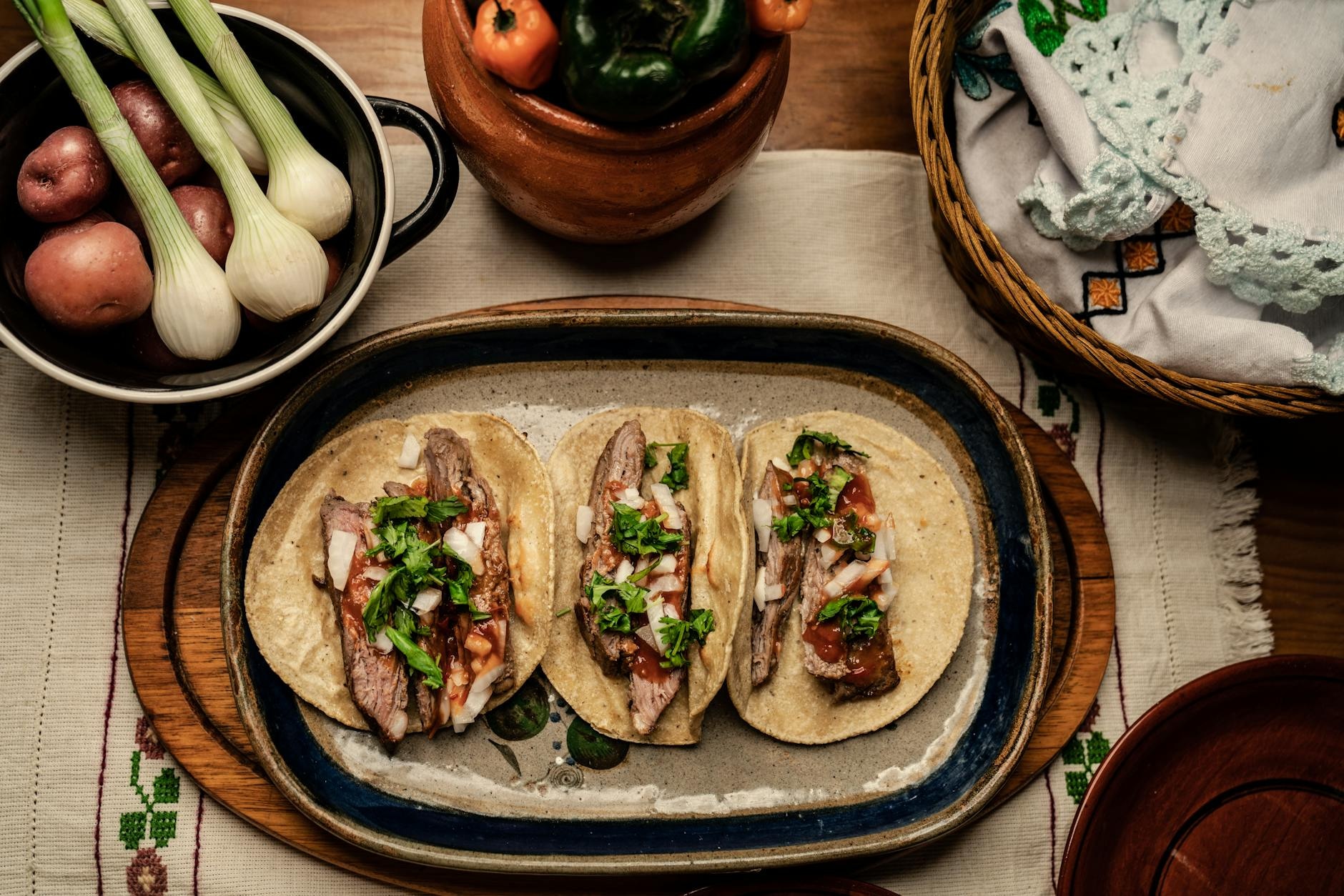
Namibia's iconic street food - thin strips of grilled beef cooked over open flames at informal markets, served with chili sauce, onions, and tomatoes. Best experienced at Windhoek's Single Quarters Open Market in Katutura township where vendors grill fresh meat to order. Kapana embodies Namibian street food culture with communal seating, vibrant atmosphere, and affordable pricing.

Biltong
Dried, cured meat snack made from beef, kudu, springbok, or ostrich, marinated in vinegar, salt, and spices (coriander, black pepper), then air-dried for days. Namibian biltong has a distinct texture - slightly moist inside, firm outside, unlike jerky. Widely available in supermarkets, gas stations, and specialty shops. Essential road trip snack and beer pairing.

Oshifima with Oshikandela
Northern Namibia's staple dish - thick porridge made from mahangu flour (pearl millet) cooked with water to form a stiff consistency, traditionally served with oshikandela (meat or fish stew with onions, tomatoes). Eaten by hand, diners roll oshifima into balls and dip into the stew. Deeply rooted in Ovambo culture, representing indigenous food traditions predating colonialism.

Potjiekos
Traditional three-legged cast iron pot stew slow-cooked over open fire, layering meat (lamb, beef, or game), vegetables (potatoes, carrots, onions), and spices without stirring. The layering technique allows flavors to meld while maintaining distinct textures. Potjiekos is a social dish prepared outdoors during braais (barbecues) and gatherings. Each family guards their secret recipe variations.

Braai (Barbecue)
Namibia's national pastime and culinary centerpiece - outdoor grilling of boerewors (spiced sausage), steaks, lamb chops, and game meat over wood or charcoal. Braai is not just cooking but a social ritual bringing families and friends together. Accompanied by pap (maize porridge), salads, and bread. Every Namibian household masters braai techniques passed through generations.

Game Meat Platter
Showcase of Namibia's diverse game meats - kudu, springbok, gemsbok (oryx), ostrich, and zebra, typically grilled or served as carpaccio. Game meat is leaner and more flavorful than beef, sourced from sustainable farms and wild populations. Safari lodges and upscale restaurants like Joe's Beerhouse in Windhoek offer tasting platters. Each meat has distinct flavor profiles and textures.

Mopane Worms
Nutritious caterpillars of the Emperor moth harvested from mopane trees, dried or fried with spices. High in protein (60%+), mopane worms are a traditional snack in northern Namibia, consumed since ancient times. Crunchy texture when fried, earthy nutty flavor. Available in markets and some tourist restaurants for adventurous eaters. Sustainable protein source gaining global attention.

Walende (Marula Fruit Wine)
Traditional alcoholic beverage made from fermented marula fruit, harvested from indigenous marula trees in northern Namibia. Sweet, fruity wine with moderate alcohol content (8-12%), enjoyed during celebrations and social gatherings. Marula trees are central to Namibian culture - elephants famously eat fermented fruit. Represents indigenous fermentation traditions.

Roosterkoek
Traditional Afrikaner bread rolls cooked directly on the braai grill grates, creating a smoky charred exterior and soft fluffy interior. Served hot with butter, jam, or cheese. Roosterkoek accompanies every proper braai, ideal for mopping up meat juices and sauces. The name means 'grilled cake' in Afrikaans. Each family has preferred dough recipes and grilling techniques.

Windhoek Lager
Namibia's flagship beer brewed since 1920 according to the German Reinheitsgebot (purity law) - using only barley, hops, yeast, and Namibian water. Windhoek Lager is a crisp, clean pilsner with 4% ABV, enjoyed ice-cold to combat desert heat. Namibia Breweries Limited exports to 20+ countries. The brewery offers tours showcasing German brewing heritage adapted to African conditions.

Boerewors
Traditional spiced sausage made from coarsely ground beef (or game meat) mixed with pork fat, coriander, black pepper, nutmeg, and cloves, encased in natural casings and formed into continuous coils. Boerewors is the braai essential - grilled over open flames until crispy outside, juicy inside. Must contain at least 90% meat to qualify as authentic boerewors.
Regional Specialties & Local Favorites
Discover the authentic regional dishes and local favorites that showcase Namibia's diverse culinary traditions.

Vetkoek
Deep-fried dough bread similar to a doughnut but savory, often filled with spiced ground beef (mince), cheese, or jam. Vetkoek (meaning 'fat cake') is sold at roadside stalls and markets throughout Namibia. The crispy golden exterior gives way to fluffy interior, making it a popular comfort food and snack. Best eaten hot and fresh from the fryer.
Allergens:

Pap (Maize Porridge)
Staple starch made from white maize meal cooked with water to form either soft porridge (breakfast) or stiff consistency (dinner accompaniment). Pap is served with every braai, alongside meat and gravy. Similar to polenta but with distinct texture. Namibians eat pap with hands, rolling it into balls to scoop stews and sauces.

Chakalaka
Spicy vegetable relish made with onions, tomatoes, peppers, carrots, beans, and curry spices. Chakalaka is the quintessential braai side dish, adding heat and flavor to grilled meats and pap. Each household has unique recipes with varying spice levels. Can be served cold or hot.

Kingklip
Prized white fish caught off Namibia's Atlantic coast, known for sweet, delicate flavor and firm texture. Kingklip is grilled, baked, or fried and served in Swakopmund and Walvis Bay seafood restaurants. Namibia's cold Benguela Current provides nutrient-rich waters producing exceptional seafood.
Allergens:

Ombidi (Wild Spinach)
Traditional leafy green vegetable harvested from wild plants in northern Namibia, cooked with onions and tomatoes. Ombidi has a slightly bitter, earthy flavor and is rich in iron and vitamins. Served as a side dish with oshifima and meat stews, representing indigenous food sovereignty.

Droëwors
Dried sausage similar to biltong but in sausage form, made with beef, spices (coriander, pepper), and vinegar, then air-dried. Droëwors is a popular snack for road trips and hiking, with a chewy texture and concentrated savory flavor. Pairs perfectly with Windhoek Lager.

Gem Squash
Small round squash halved and baked with butter, cinnamon, and brown sugar until tender. Gem squash is a popular side dish at braais and restaurants, offering a sweet contrast to savory grilled meats. The creamy flesh scoops easily from the skin.
Allergens:

Snoek (Smoked Fish)
Smoked barracouta fish popular along Namibia's coast, especially in Swakopmund. Snoek has a rich, smoky flavor and flaky texture. Grilled over open flames at braais or served in curries and stews. A West Coast delicacy with Cape Dutch culinary roots.
Allergens:
Regional Cuisine Highlights
Explore the diverse culinary landscapes across different regions of Namibia.
Khomas (Windhoek)
Capital region blending German colonial heritage with African traditions. Windhoek's culinary scene features European-style restaurants, craft breweries (Camelthorn Brewing, Urban Brewing), and traditional kapana markets in Katutura township. Joe's Beerhouse epitomizes Windhoek dining with game meat platters, German beer garden atmosphere, and pan-African decor. Single Quarters Open Market in Katutura showcases authentic Namibian street food culture.
Cultural Significance:
Windhoek represents Namibia's post-independence identity - honoring German colonial culinary contributions while celebrating indigenous African food traditions and modern fusion innovations.
Signature Dishes:
- Kapana (grilled meat)
- German schnitzel with game meat
- Windhoek Lager and craft beer
Key Ingredients:
Erongo (Swakopmund & Walvis Bay)
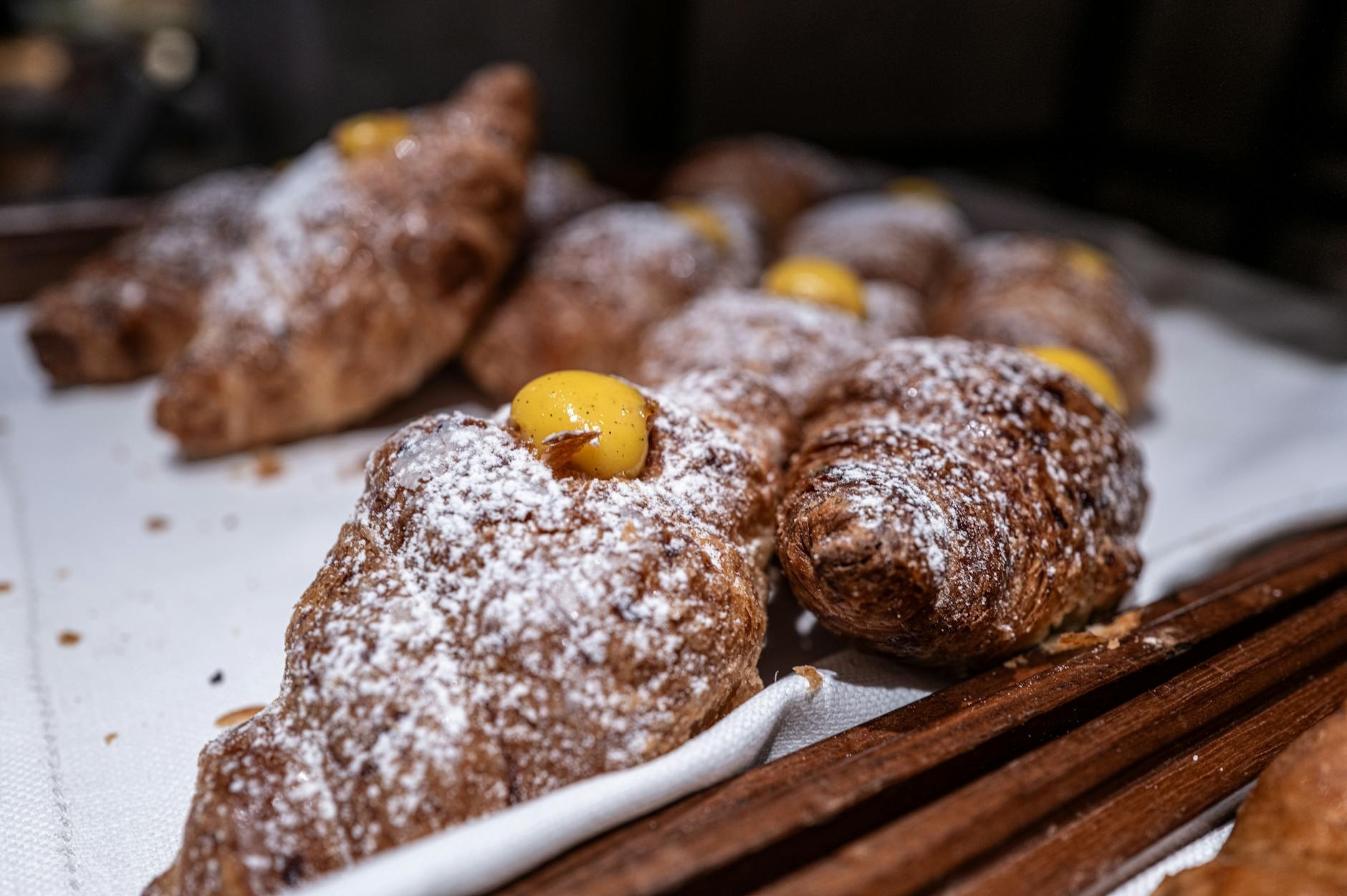
Coastal region featuring Atlantic seafood and German colonial architecture. Swakopmund is Namibia's beach resort town with German-influenced cuisine - bakeries serving strudel, pretzels, and Black Forest cake. Atlantic waters provide oysters, kingklip, kabeljou (kob), and crayfish. Walvis Bay is Namibia's main port with fresh seafood markets. The Tug Restaurant and The Brewer & Butcher are coastal dining destinations.
Cultural Significance:
Swakopmund preserves German colonial heritage through architecture and cuisine while embracing coastal Namibian identity. The town serves as culinary gateway for international tourists seeking European comforts with African flair.
Signature Dishes:
- Fresh Atlantic oysters
- Kingklip with lemon butter
- German pastries and cakes
Key Ingredients:
Oshana & Omusati (Ovamboland)
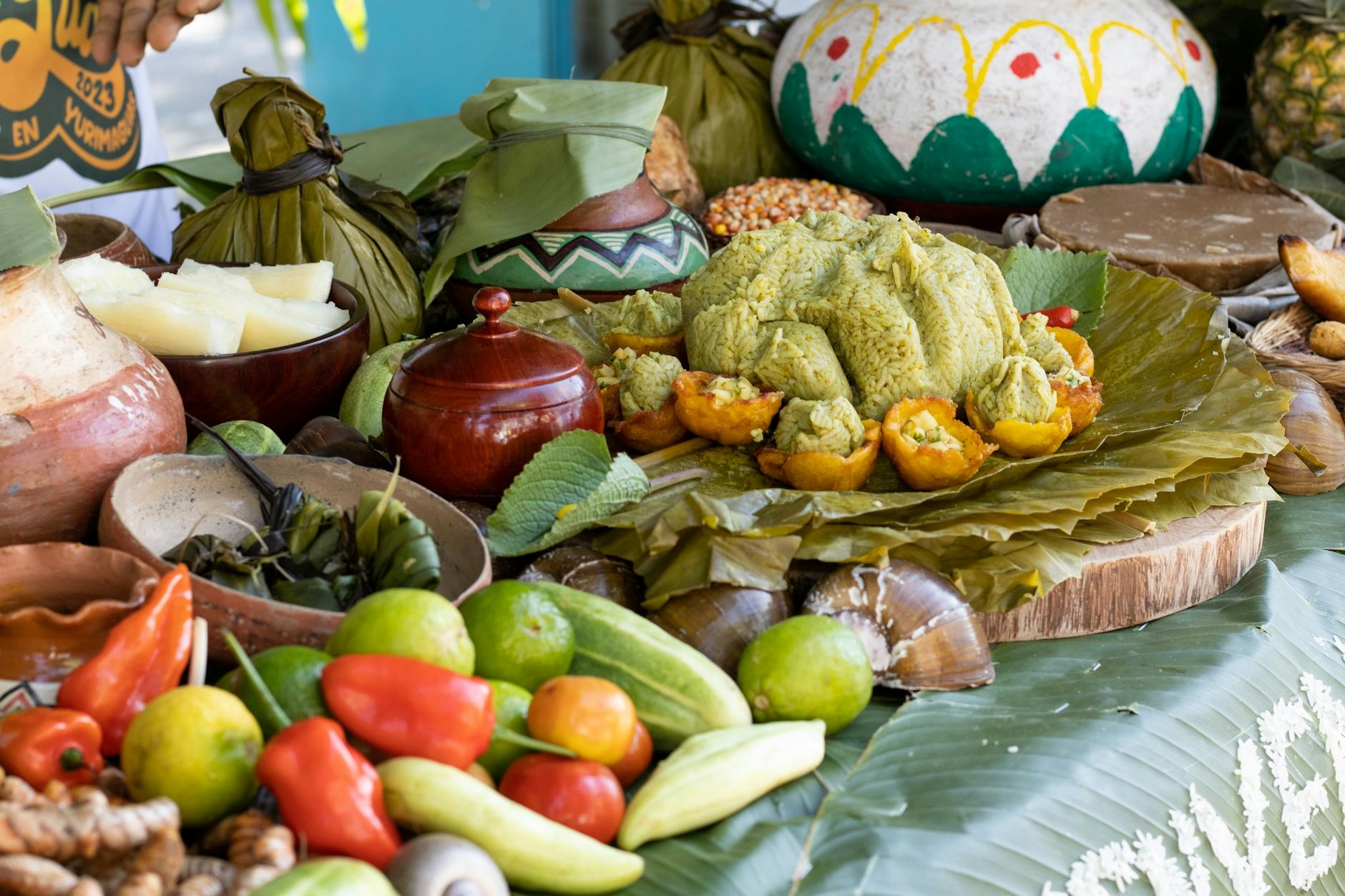
Northern Namibia's densely populated region, home to Ovambo people (largest ethnic group, 50% of population). Traditional cuisine centers on oshifima (mahangu porridge), oshikandela (meat/fish stew), ombidi (wild spinach), and omapala (caterpillar snacks). Mahangu (pearl millet) is staple grain, ground into flour for porridge and fermented for eembe (alcoholic drink) and oshikandela (non-alcoholic drink).
Cultural Significance:
Ovamboland preserves pre-colonial indigenous food systems, representing food sovereignty and cultural resilience. Mahangu cultivation and traditional preparation methods maintain Ovambo identity despite modern influences.
Signature Dishes:
- Oshifima (mahangu porridge)
- Ombidi (wild spinach)
- Mopane worms and caterpillars
Key Ingredients:
Sweet Delights & Desserts
Indulge in Namibia's traditional sweet treats and desserts.

Melktert (Milk Tart)
South African-influenced creamy custard tart with flaky pastry crust, filled with sweetened milk custard flavored with vanilla and dusted with cinnamon. Melktert is a beloved dessert throughout Namibia, served at celebrations, church gatherings, and cafes. The custard sets to a smooth, firm consistency - not too sweet, perfectly balanced.

Koeksisters
Twisted, deep-fried dough pastries soaked in ice-cold sugar syrup, creating a sticky, crunchy, sweet exterior with syrup-soaked interior. Koeksisters are labor-intensive - dough is plaited, fried, then immediately dunked in cold syrup for maximum absorption. Traditional Afrikaner treat sold at church bazaars and bakeries.

Rusks (Buttermilk Beskuit)
Twice-baked biscuits similar to Italian biscotti, made with buttermilk, sugar, flour, and butter, cut into fingers and dried in low-temperature ovens until rock-hard. Rusks are dunked in coffee or tea to soften before eating. Essential Namibian breakfast item and road trip snack with long shelf life.

Peppermint Crisp Tart
No-bake dessert layering crushed Tennis biscuits (caramel cookies), whipped cream, and crumbled Peppermint Crisp chocolate bars. Refrigerated until set, creating distinct layers of crunchy biscuit, creamy filling, and minty chocolate. Popular for its ease of preparation and crowd-pleasing flavor.

Malva Pudding
Rich, sweet sponge pudding with apricot jam baked into the batter, soaked in cream or custard sauce while still hot, creating a moist, decadent texture. Malva pudding is South African in origin but beloved throughout Namibia, served warm with vanilla ice cream or whipped cream.
Traditional Beverages
Discover Namibia's traditional drinks, from locally produced spirits to regional wines.

Windhoek Lager
Namibia's flagship beer brewed since 1920 according to German Reinheitsgebot purity law. Crisp pilsner with 4% ABV, using local barley and Namibian water. Exported internationally and iconic national symbol.

Walende
Traditional marula fruit wine fermented from ripe marula fruit. Sweet, fruity alcoholic beverage consumed during celebrations in northern Namibia. Homebrewed with regional variations.

Eembe
Fermented mahangu (pearl millet) alcoholic beverage consumed in northern Namibia. Slightly sour, yeasty flavor with cloudy appearance. Traditional drink at ceremonies and gatherings.
Soft Beverages
Discover Namibia's traditional non-alcoholic drinks, from local teas to refreshing juices.

Oshikandela (Non-alcoholic Mahangu Drink)
Refreshing fermented mahangu drink, similar to Eembe but non-alcoholic. Slightly tangy, thick consistency, consumed as a nutritious beverage in northern Namibia. Provides energy and hydration during hot weather.

Rooibos Tea
Caffeine-free herbal tea made from rooibos plant leaves native to southern Africa. Popular throughout Namibia, enjoyed hot or iced with honey or milk. Health benefits include antioxidants and minerals.

Rock Shandy
Popular South African-style non-alcoholic mixed drink combining lemonade, soda water, and Angostura bitters, served over ice with lemon slice. Refreshing and slightly bitter, perfect for Namibia's hot climate.