
Lebanon Food Guide
Content Information
Recently updated🔥Current Food Trends 2025
What's happening in Lebanon's culinary scene right now
Lebanon's culinary landscape in November 2025 navigates resilience amid ongoing economic crisis (2019-present), Beirut hospitality revival, diaspora culinary connections. Mezze culture remains social cornerstone - communal sharing, olive oil abundance, zaatar traditions. November harvest season - olive oil pressing (extra virgin first cold press), Bekaa Valley wine grape harvest completing, pomegranate peak. Beirut restaurant scene defiant revival - Mar Mikhael neighborhood (Tawlet, Em Sherif) champions farm-to-table, traditional recipes. Manakish (zaatar flatbread) breakfast staple - street bakeries (Furn Beaino Beirut, Abu Elie Tripoli) serve fresh from wood-fired ovens. Bekaa Valley wine renaissance despite crisis - Château Musar, Château Ksara, Ixsir wineries export globally, Lebanese wine gains international recognition (Decanter awards). Tyre (Sour) coastal city - fresh seafood restaurants, UNESCO heritage, fish markets morning catches. Economic collapse impact: Food prices skyrocketed (inflation 1,000%+), imported ingredients scarce, electricity shortages hinder refrigeration, farmers markets cash-only. Hyperlocal movement emerging - foraging wild greens (hindbeh chicory, zaatar herb), rooftop gardens Beirut, neighborhood bread-sharing. Diaspora connections strong - Lebanese expats send remittances, family recipes preserved globally, fusion Lebanese cuisine (Brazilian-Lebanese, West African-Lebanese). November Olive Festival Bcharre celebrates harvest - olive oil tastings, traditional pressing demonstrations. Humanitarian dining initiatives - Souk el Tayeb (farmers market), refugee integration restaurants. Challenges: Currency collapse (Lebanese pound devalued 98%), emigration drains culinary talent, infrastructure decay threatens food safety, political instability.
Food Safety Tips
Essential food safety information to help you enjoy Lebanon's cuisine safely and confidently.
Be cautious with tap water
Tap water in Lebanon is generally not recommended for drinking. Stick to bottled water with sealed caps.
Eat at busy restaurants
Choose busy establishments with high turnover for the freshest food and best hygiene standards.
Be cautious with raw vegetables
Raw vegetables may be washed in tap water. Consider avoiding raw salads or peeling fruits yourself unless at high-end restaurants.
Be mindful of dairy products
Some traditional Lebanese dairy products like labneh and local cheeses might be unpasteurized. Check with the restaurant if you have concerns.
Dietary Options
vegetarian
HIGH AVAILABILITYLebanese cuisine offers abundant vegetarian options, particularly mezze (appetizers) like hummus, tabbouleh, and falafel. Traditional mezze spread typically includes 10-15 small dishes - many naturally vegetarian (moutabal/baba ghanoush, fattoush salad, warak enab/stuffed grape leaves, batata harra/spicy potatoes). Lenten fasting traditions (Orthodox/Maronite Christians) historically developed plant-based dishes. Restaurants across Lebanon easily accommodate vegetarians - simply ask for "maza nabatiyya" (vegetarian mezze). Beirut, Tripoli, Tyre offer dedicated vegetarian-friendly restaurants. Fresh produce abundant - Lebanese markets overflow with tomatoes, cucumbers, eggplants, herbs (mint, parsley, thyme).
vegan
MEDIUM AVAILABILITYMany Lebanese dishes are naturally vegan, especially during Lent when Orthodox Christians follow plant-based diets. Be aware that some dishes may contain hidden animal products. Traditional vegan options: hummus, foul mudammas (fava beans), fatteh (sometimes made vegan), mujadara (lentils & rice), fattoush (without cheese), grape leaves (check no meat). Challenges: Labneh (yogurt), cheese, butter commonly used. Always confirm ingredients - ask "fi jawareb haywaniyya?" (are there animal products?). Beirut vegan scene growing - Baron, Tawlet offer vegan mezze options. Self-catering easy - markets provide fresh vegetables, legumes, tahini, olive oil. Economic crisis increased plant-based eating (meat expensive) - inadvertent vegan-friendly shift.
gluten-free
MEDIUM AVAILABILITYWhile bread is a staple, there are many naturally gluten-free options like grilled meats, rice dishes, and vegetable-based mezze. Lebanese cuisine includes many naturally gluten-free dishes: grilled meats (shish taouk, kafta), rice (riz bi haleeb, Lebanese rice pilaf), salads (fattoush without pita chips, tabbouleh - note bulgur contains gluten), hummus, baba ghanoush, grilled vegetables. Challenges: Pita bread ubiquitous (every meal), bulgur wheat in tabbouleh/kibbeh, semolina in some desserts. Beirut restaurants increasingly aware - upscale establishments (Em Sherif, Liza) offer gluten-free adaptations. Communicate clearly: "Ana ma bekol gluten" (I don't eat gluten) or "Indi hassasiyye lal qameh" (I have wheat allergy). Self-catering: Lebanese supermarkets (Spinneys, Carrefour) stock imported gluten-free products (expensive due to crisis).
halal
HIGH AVAILABILITYMost restaurants in Lebanon serve halal food, as the majority of the population is Muslim. Pork is rare but available in some Christian areas and international establishments. Lebanon ~54% Muslim (27% Sunni, 27% Shia), 40.5% Christian (Maronite, Orthodox, Catholic), 5.6% Druze - halal food widely available. Most restaurants halal by default - Lebanese cuisine traditionally halal-compliant (no pork, alcohol-free cooking). Exceptions: Christian-majority areas (Jounieh, Zahle, Byblos) may serve pork/alcohol, upscale French/Italian restaurants use wine in cooking, international hotels offer non-halal options. Halal certification: Lebanon Halal Certification Company operates, but informal trust-based system prevails - ask restaurant "el lahem halal?" (is the meat halal?). Alcohol widely available Lebanon (permissive culture) - sold in restaurants, bars - diners can choose non-alcoholic options. Ramadan observance strong - many restaurants close daytime, open iftar (sunset). Beirut Southern Suburbs (Dahieh - Shia-majority) - strictly halal restaurants, no alcohol served.
kosher
LOW AVAILABILITYKosher food availability in Lebanon extremely limited - Jewish community nearly extinct (historically ~20,000 pre-1948, now ~29 individuals as of 2020 estimate). No functioning synagogues (Maghen Abraham Synagogue Beirut closed, state-protected heritage site). No kosher restaurants, no kosher certification infrastructure, no ritual slaughter (shechita) performed. Self-catering strategy only option: Purchase raw fruits, vegetables, eggs, unopened packaged goods with reliable international hechsher (kosher certification) - check imported products (Spinneys supermarket Beirut stocks some kosher-certified items). Fish with fins & scales available fresh (Mediterranean catches) - ensure proper preparation, no cross-contamination. Meat/poultry: No local kosher meat - observant Jews cannot consume. Some travelers import frozen kosher meat (customs challenges, refrigeration issues due to electricity crisis). Vegetarian Lebanese mezze may provide safe options - verify no grape-derived products without supervision, no insect-based ingredients, no cross-contamination. Contact Chabad Lebanon (no permanent presence - occasional visits from Chabad Cyprus) or Jewish communities in Israel/Cyprus for guidance. Historical note: Wadi Abu Jamil (Beirut Jewish Quarter) - former Jewish neighborhood, now gentrified, no kosher infrastructure remains.
Common Allergens
Sesame
HIGH PREVALENCESesame seeds and tahini (sesame paste) are fundamental ingredients in Lebanese cuisine.
COMMONLY FOUND IN:
Tree Nuts
HIGH PREVALENCENuts, especially pine nuts, walnuts, and pistachios, are widely used in Lebanese dishes.
COMMONLY FOUND IN:
Dairy
HIGH PREVALENCEYogurt, cheese, and other dairy products are staples in Lebanese cooking.
COMMONLY FOUND IN:
Wheat
HIGH PREVALENCEWheat is a staple grain in Lebanese cuisine, used for bread, pastries, and bulgur.
COMMONLY FOUND IN:
Essential Food Experiences
These iconic dishes represent the must-have culinary experiences that define Lebanon's food culture for travelers.

Mezze
A selection of small dishes served as appetizers, including hummus, tabbouleh, baba ghanoush, and many more, designed for sharing.

Kibbeh
Lebanon's national dish consisting of minced meat (typically lamb) mixed with bulgur wheat and spices, often served raw (kibbeh nayyeh) or fried with a meat filling.

Shawarma
Thin slices of marinated meat (chicken, beef, or lamb) stacked on a vertical rotisserie, slowly roasted, and shaved off to serve in sandwiches or plates.

Man'oushe
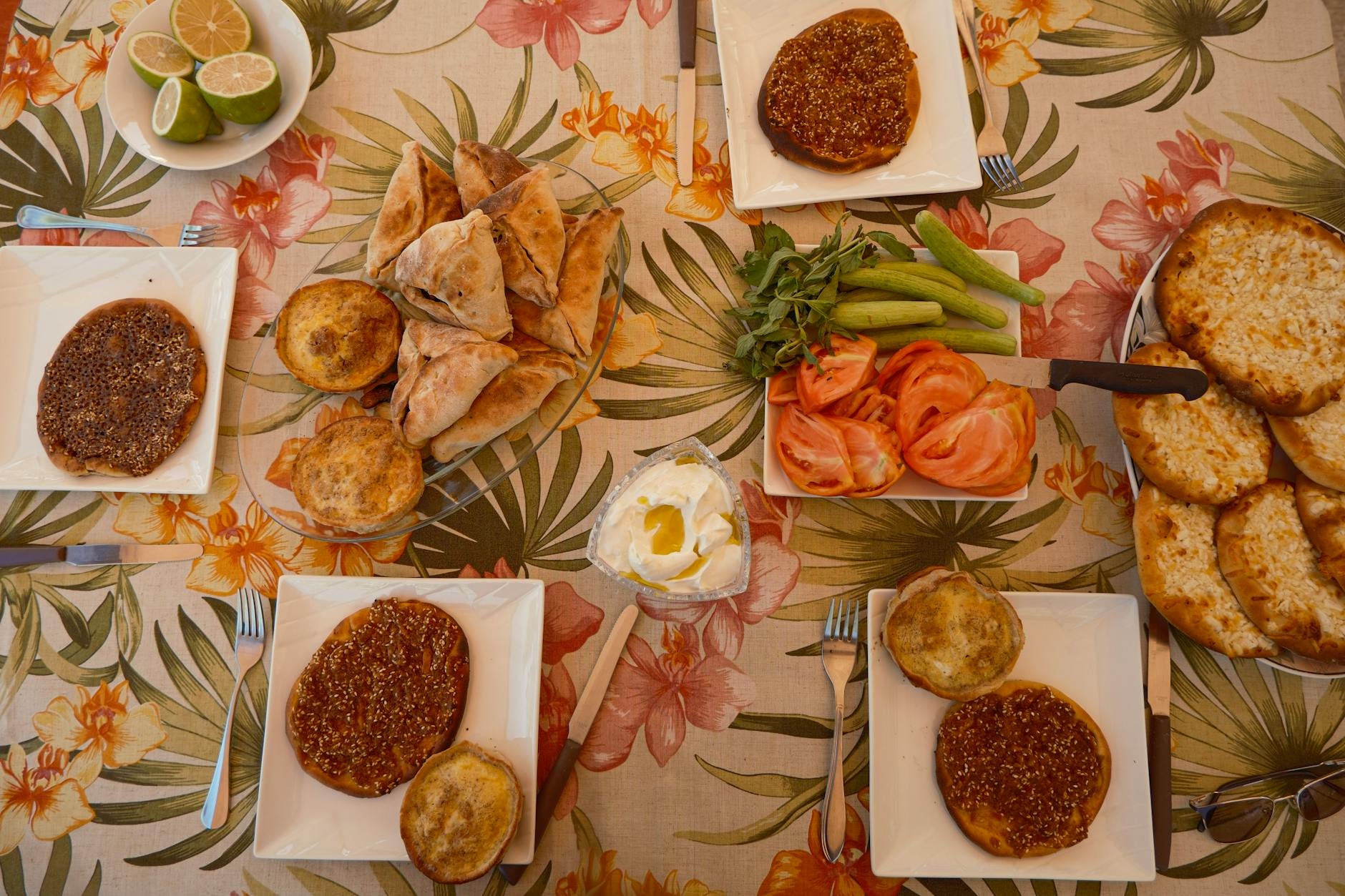
A traditional Lebanese flatbread topped with za'atar (a blend of herbs and spices), cheese, or minced meat, often eaten for breakfast.

Knafeh
A sweet cheese pastry soaked in sugar syrup, often topped with crushed pistachios. It's popular throughout the Levant region.

Hummus
Creamy chickpea dip blended with tahini, lemon juice, garlic, and olive oil. Served with warm pita bread, drizzled with extra virgin olive oil, sometimes topped with pine nuts or ground meat. Lebanese hummus considered among world's best - smooth texture, balanced acidity, generous tahini. Every family has secret recipe - garlic intensity, lemon quantity, tahini ratio vary. Often served for breakfast, lunch, dinner - versatile staple. Chickpeas soaked overnight, cooked until tender, skinned for ultra-smooth consistency (tedious but traditional).

Tabbouleh
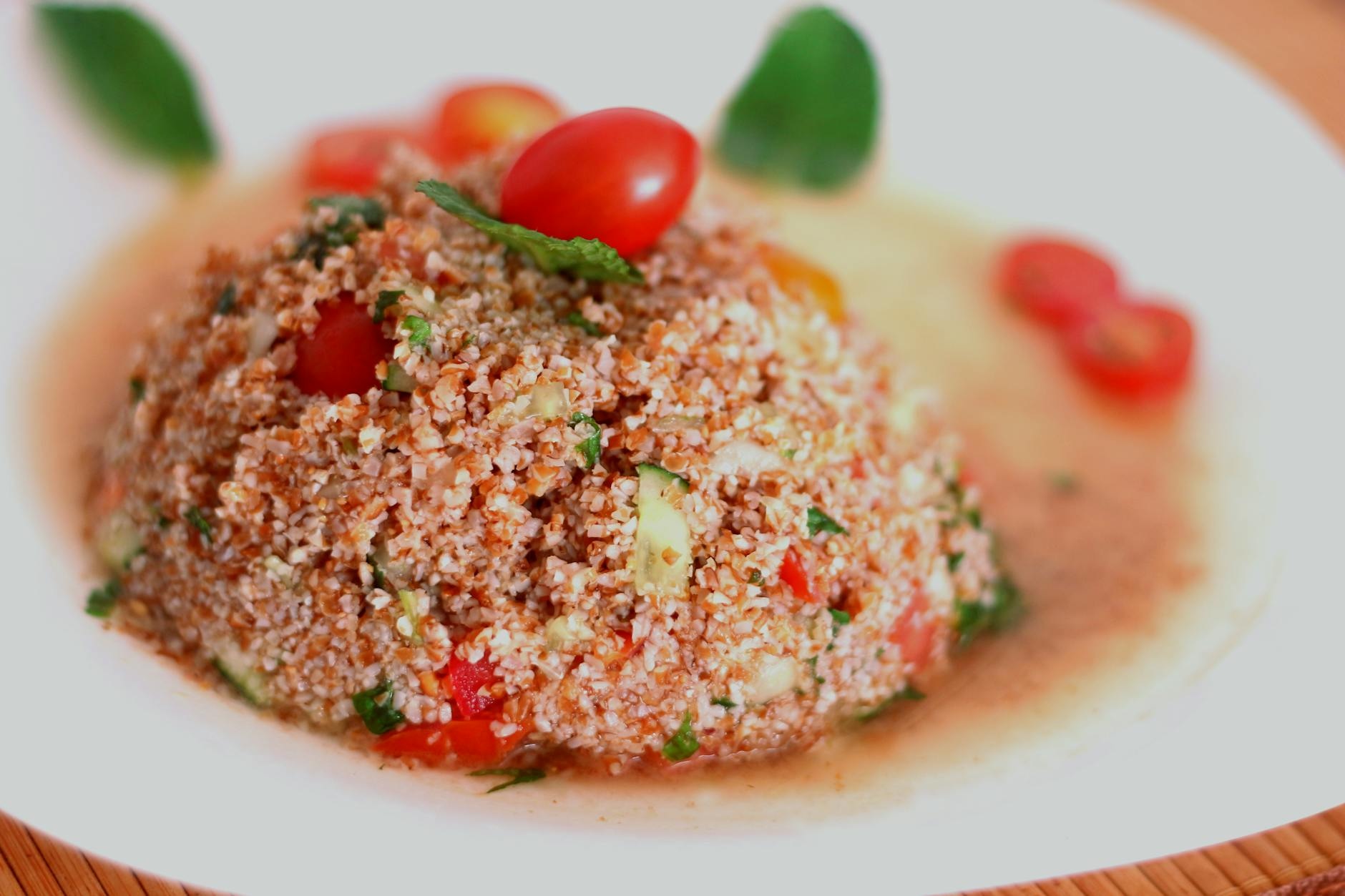
Traditional Levantine salad made with finely chopped parsley, tomatoes, mint, onion, bulgur wheat, seasoned with olive oil, lemon juice, salt. Lebanese tabbouleh distinctively parsley-dominant (not bulgur-heavy like Turkish versions) - vibrant green color, fresh herb flavor paramount. Served chilled, often with romaine lettuce leaves for scooping. Summer dish peak season (fresh herbs abundant). Family gatherings, mezze spreads always include tabbouleh. Debate: Lebanese vs. Syrian tabbouleh (parsley ratio, bulgur quantity) - national pride involved.

Fattoush
Levantine bread salad made with mixed greens, tomatoes, cucumbers, radishes, purslane (bakleh), topped with fried/toasted pita chips, dressed with sumac, lemon juice, olive oil. Sumac provides distinctive tangy flavor, deep red color. Fattoush uses day-old pita bread (waste reduction), crisped to add crunch. Refreshing summer salad - light, acidic, vegetable-forward. Purslane (bakleh) traditional addition - lemony succulent, nutritious (omega-3 fatty acids). Pomegranate molasses sometimes added (sweet-tart complexity).

Falafel
Deep-fried balls/patties made from ground chickpeas (sometimes fava beans), mixed with herbs, spices (cumin, coriander, parsley, garlic). Crispy exterior, soft interior, served in pita sandwich or mezze platter with tahini sauce, pickles, vegetables. Lebanese falafel lighter, fluffier than Egyptian (which uses more fava beans). Street food staple - Beirut, Tripoli falafel vendors serve fresh-fried batches. Vegetarian protein source - popular Lent, everyday meals. Debate: Falafel origin (Egyptian vs. Palestinian vs. Lebanese) - all claim national dish status.

Lebanese Wine
Lebanon has a 6,000-year history of winemaking - Phoenicians cultivated grapes, exported wine throughout Mediterranean. Modern Lebanese wine industry centered in Bekaa Valley - high altitude (900-1,000m), Mediterranean climate, limestone soil ideal for viticulture. Château Musar (established 1930s, Gaston Hochar) internationally renowned - Decanter awards, exported globally, aged reds (Cabernet Sauvignon, Cinsault, Carignan). Château Ksara (1857, oldest winery), Ixsir (boutique, modern), Massaya, Domaine Wardy other notable producers. November harvest season completing - grape pressing, fermentation begins. Despite economic crisis, wine exports continue (hard currency earner). Wine tourism Bekaa Valley - tastings, vineyard tours, Lebanese cuisine pairings.
Regional Specialties & Local Favorites
Discover the authentic regional dishes and local favorites that showcase Lebanon's diverse culinary traditions.

Lebanese Mezze
The heart of Lebanese dining - a generous spread of small dishes including hummus, tabbouleh, fattoush, and baba ghanoush, designed for communal sharing and conversation.
Allergens:
Kibbeh
Lebanon's national dish featuring finely minced lamb or beef mixed with bulgur wheat and spices, enjoyed raw (kibbeh nayyeh) or fried with a meat and pine nut filling.
Allergens:
Shawarma
Succulent, marinated meat stacked and slowly roasted on a vertical spit, then shaved into thin slices and wrapped in bread with tahini sauce and fresh vegetables.
Allergens:
Man'oushe
Beloved Lebanese street food consisting of a flatbread topped with za'atar (herb and sesame blend), cheese, or minced meat, then baked in a brick oven.
Allergens:

Baklava
Delicate layers of phyllo pastry filled with chopped nuts and sweetened with sugar syrup or honey, reflecting Lebanon's Ottoman influence.
Allergens:
Regional Cuisine Highlights
Explore the diverse culinary landscapes across different regions of Lebanon.
Beirut
Beirut's cuisine reflects its cosmopolitan nature, with a mix of traditional Lebanese dishes and international influences. Seafood is prominent, alongside diverse street food and upscale dining experiences.
Cultural Significance:
Beirut capital city embodies Lebanon's culinary resilience, cosmopolitan identity, post-war recovery. Mar Mikhael neighborhood hipster dining hub - Tawlet (farm-to-table, rotating regional menus), Em Sherif (upscale traditional), Mayrig (Armenian-Lebanese fusion). Gemmayzeh nightlife district - bars, mezze restaurants, late-night shawarma. Downtown Beirut reconstructed post-civil war (1975-1990) - mix of French bistros, Italian trattorias, Lebanese classics. Street food culture strong - manakish bakeries (Furn Beaino), falafel stands, kaak (sesame bread) street vendors. Economic crisis impact: Restaurant closures, dollar-menu pricing, cash-only transactions, generator-powered kitchens (electricity shortages). Food scene demonstrates Lebanese ingenuity, refusal to succumb to hardship.
Signature Dishes:
- Seafood
- Falafel
- Shawarma
Key Ingredients:

Tripoli
Tripoli's cuisine is known for its rich Ottoman heritage, featuring dishes like kibbeh, sfouf, and a distinctive style of baklava. The city also boasts a vibrant street food scene.
Cultural Significance:
Tripoli (Trablus), Lebanon's second-largest city, northern coastal port - sweet capital of Lebanon, Ottoman culinary legacy preserved. Sweet shops legendary - Abdul Rahman Hallab & Sons (established 1881), Rafaat Hallab, Asmar (knafeh, baklava, halawet el jibn). Old souks (markets) medieval Mamluk architecture - spice vendors, street food stalls, traditional bakeries. Kibbeh variations Tripoli specialty - kibbeh nayyeh (raw), kibbeh bil sanieh (baked), kibbeh arnabieh (yogurt stew). Economic challenges severe - Tripoli poorest Lebanese city, Syrian refugee influx, political neglect. Food culture community lifeline - affordable street food sustains residents, sweet traditions provide pride, identity.
Signature Dishes:
- Kibbeh
- Sfouf
- Baklava
Key Ingredients:
Beqaa Valley
The Beqaa Valley is known for its agricultural produce, influencing its cuisine with fresh ingredients. Grilled meats, hearty stews, and a variety of fruits and vegetables are common.
Cultural Significance:
Beqaa Valley fertile agricultural heartland between Mount Lebanon & Anti-Lebanon mountain ranges - Lebanon's breadbasket, wine country, Syrian refugee hub. Wine production centerpiece - Château Musar (Ghazir), Château Ksara (Zahle), Ixsir, Massaya vineyards. Zahle city "Bride of the Beqaa" - riverside restaurants (Berdawni River), mezze culture, arak consumption capital. Grilled meat traditions - kafta, shish taouk, lamb chops prepared over charcoal. Fresh produce abundant - tomatoes, cucumbers, cherries, apples, grapes. November olive oil pressing season - family olive groves, traditional stone mills. Challenges: Syrian civil war proximity (border region), Hezbollah presence, economic strain. Food culture represents Lebanese resilience - agriculture continues despite adversity, wine exports hard currency lifeline.
Signature Dishes:
- Grilled meats
- Stews
- Fresh produce
Key Ingredients:
South Lebanon (Tyre/Sidon)
South Lebanon coastal cuisine centers on fresh Mediterranean seafood, citrus groves, traditional fishing villages. Tyre (Sour) ancient Phoenician port - UNESCO World Heritage Site, fish markets morning catches (grouper, sea bream, red mullet). Sidon (Saida) historic port city - old souks, seafood restaurants, Sidon Sea Castle backdrop. Fresh fish grilled, fried, or baked with tahini sauce (samke harra - spicy fish). Orange groves (Jaffa oranges) November harvest season - fresh juice stands, citrus-based desserts. Olive oil production traditional - family groves, stone press mills. Political complexity: South Lebanon Hezbollah stronghold, Israeli border proximity, UN peacekeeping presence (UNIFIL). Food culture reflects coastal Mediterranean identity, Phoenician maritime heritage, community resilience.
Cultural Significance:
South Lebanon coastal cuisine embodies Phoenician maritime legacy - 3,000+ years seafood traditions, trade routes, Mediterranean identity. Tyre ancient purple dye production (murex sea snails) historical culinary connection. Fishing villages (Tyre, Sidon) sustain traditional methods - small boats, net fishing, daily markets. November orange harvest celebrates agricultural bounty - citrus festivals, fresh juice traditions. Challenges: 2006 Israel-Hezbollah war damage, political instability, economic crisis. Food culture community anchor - family fishing livelihoods, shared mezze traditions, coastal identity preservation.
Signature Dishes:
- Fresh grilled fish (samak meshwi)
- Samke harra (spicy fish with tahini)
- Fresh citrus (oranges, lemons)
- Olive oil (Tyrian olive groves)
- Seafood mezze
Key Ingredients:
Mount Lebanon
Mount Lebanon mountain cuisine features hearty winter dishes, dairy traditions, terraced agriculture. Villages (Bcharre, Ehden, Douma) mountainous terrain - potato cultivation, cherry orchards, apple trees. Kebbe labanieh (kibbeh in yogurt stew) winter comfort food. Dairy products prominent - labneh, yogurt, cheese (shanklish fermented cheese specialty). Lentils & rice (mujadara) peasant dish staple. Terraced vineyards, olive groves centuries-old agricultural heritage. Cedar trees (Cedars of God Bcharre) national symbol - November snow season begins, mountain restaurants serve warming stews. Maronite Christian majority - food traditions tied to religious calendar (Lenten fasting, Easter feasts). Bcharre birthplace Khalil Gibran (poet) - cultural tourism, traditional restaurants. Mountain cuisine reflects self-sufficiency, seasonal rhythms, preservation techniques (pickling, drying, fermenting).
Cultural Significance:
Mount Lebanon mountains cradle Lebanese identity - Christian refuge (Ottoman era), terraced agriculture masterpiece, cedar symbol. Food culture reflects mountain isolation - preservation techniques essential (harsh winters), dairy traditions (yogurt fermentation, cheese aging), seasonal eating. November olive harvest families gather - olive picking, pressing rituals, community bonds. Maronite Christian traditions - Lenten fasting plant-based dishes, Easter lamb roasts, Christmas kibbeh. Cedar forests (remnants ancient Phoenician forests) spiritual significance - food rituals tied to cedar symbolism. Challenges: Youth emigration (villages aging), terraces abandoned, climate change threatens agriculture. Food culture preservation effort - heritage recipe documentation, agritourism, slow food movement.
Signature Dishes:
- Kebbe labanieh (kibbeh in yogurt stew)
- Shanklish (fermented cheese)
- Mujadara (lentils & rice)
- Cherry preserves (Ehden cherries)
- Mountain bread (saj flatbread)
Key Ingredients:
Baalbek & Hermel
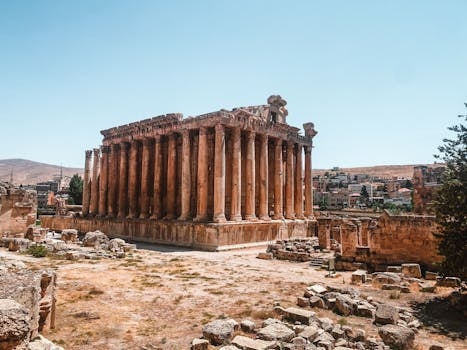
Baalbek & Hermel northern Beqaa Valley region - ancient Roman ruins, agricultural plains, Syrian border proximity. Baalbek (Heliopolis) UNESCO World Heritage Site - Roman temples (Jupiter, Bacchus, Venus), annual Baalbek Festival (music, arts). Cuisine hearty, meat-forward - grilled lamb, beef stews, rice dishes. Ksara village nearby Château Ksara winery - wine tourism, cave tastings (Roman-era cellars). Hermel remote northern district - wheat fields, sheep herding, traditional Bedouin influences. Fresh dairy products - yogurt, labneh, cheese from local herds. November wheat harvest completing - bread baking traditions, saj flatbread. Political complexity: Hermel Hezbollah stronghold, Syrian refugee camps, border smuggling routes. Food culture reflects agricultural self-reliance, Bedouin hospitality traditions, Roman historical legacy.
Cultural Significance:
Baalbek & Hermel region embodies Lebanon's layered history - Phoenician, Roman, Ottoman, modern. Baalbek Roman ruins culinary tourism draw - visitors combine archaeological sites with local dining. Wine heritage Château Ksara (established 1857 by Jesuit priests) connects Roman viticulture legacy to modern Lebanese wine. Hermel agricultural traditions Bedouin nomadic heritage - hospitality rituals (offering food to guests), communal eating. November harvest season celebrates agricultural abundance - wheat threshing, bread baking communal events. Challenges: Political instability (Hezbollah control), Syrian conflict spillover, economic hardship. Food culture resilience symbol - agriculture continues despite adversity, community bonds sustain traditions.
Signature Dishes:
- Grilled lamb (lahm meshwi)
- Fattoush (bread salad)
- Wheat-based dishes (freekeh pilaf)
- Fresh dairy (yogurt, labneh)
- Saj bread (flatbread)
Key Ingredients:
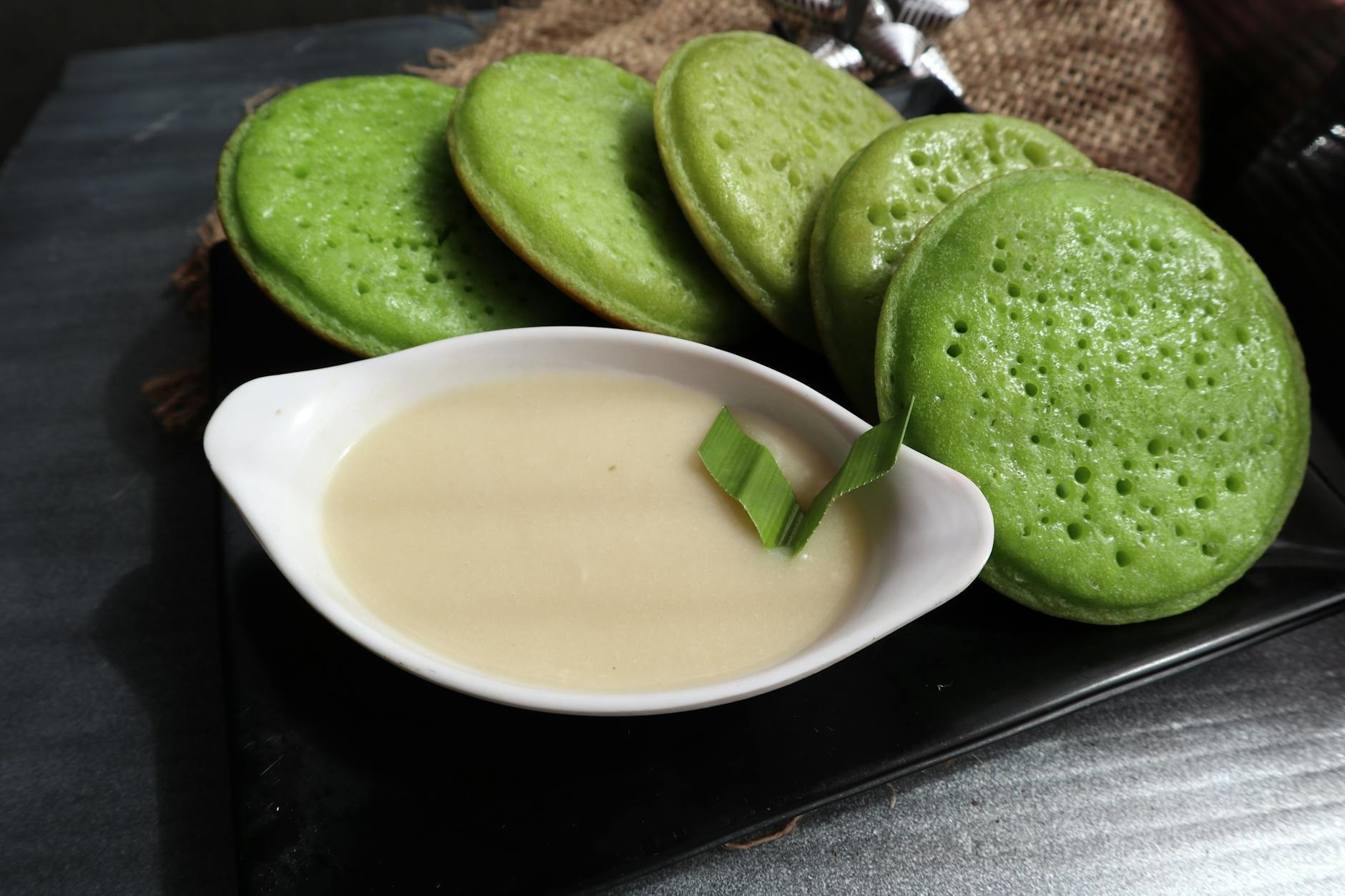
Sweet Delights & Desserts
Indulge in Lebanon's traditional sweet treats and desserts.
Baklava
A rich, sweet pastry made of layers of filo dough filled with chopped nuts and sweetened with syrup or honey.

Sfouf
A Lebanese turmeric cake made with flour, turmeric, pine nuts, almonds, and spices. It is often enjoyed during special occasions.

Meghli
A spiced rice pudding made with rice, milk, sugar, and spices like anise, caraway, and cinnamon. It is often served during religious festivals.
Knafeh
Sweet cheese pastry made with shredded phyllo dough (kataifi), layered with soft white cheese (akkawi or nabulsi), soaked in sugar syrup, topped with crushed pistachios. Knafeh Nabulsiyeh (from Nablus, Palestine) most famous variety - stretchy cheese, crispy pastry, bright orange color (food coloring). Served warm, cut into squares, eaten as dessert or breakfast (controversial but common). Tripoli (Lebanon) claims best knafeh - sweet shops (Abdul Rahman Hallab, Rafaat Hallab & Sons) legendary. Ramadan/Eid dessert staple.

Ma'amoul
Traditional Lebanese shortbread cookies filled with dates, walnuts, or pistachios. Ma'amoul associated with Easter (Christian) and Eid (Muslim) - festive cookie, prepared in large batches. Dough made with semolina, butter, flour, orange blossom water, rose water. Shaped in decorative wooden molds (tabi'), creating beautiful patterns. Date filling (ajwa dates) most traditional, walnut or pistachio variations popular. Dusted with powdered sugar. Time-consuming to make - family baking tradition, recipes passed down generations.

Halawet el Jibn
Sweet cheese rolls made with semolina dough mixed with cheese (akkawi), rolled around ashta (clotted cream), topped with simple syrup, pistachios. Translates to "sweetness of cheese" - unique sweet-savory combination. Cheese dough stretchy, elastic, sweetened - wrapped around rich cream filling. Tripoli specialty - sweet shops famous for this delicacy. Served chilled, cut into bite-sized pieces. Labor-intensive preparation - skilled pastry chefs required.

Mafroukeh
Layered semolina cake with ashta (clotted cream) filling, soaked in simple syrup, topped with pistachios. Mafroukeh means "rubbed" - semolina dough rubbed/crumbled to create textured layers. Baked until golden, then soaked in sugar syrup (orange blossom water, rose water flavored). Ashta cream layer provides richness. Served cold or room temperature. Popular during Ramadan, special occasions. Less known internationally than baklava/knafeh, but beloved locally.

Awamat
Small deep-fried dough balls soaked in sugar syrup, similar to loukoumades (Greek) or gulab jamun (Indian). Awamat light, airy, crispy exterior, soft interior. Fried until golden brown, immediately soaked in simple syrup (orange blossom/rose water). Served warm or room temperature, often topped with sesame seeds or pistachios. Street food dessert - vendors prepare fresh batches, sold in paper cones. Ramadan dessert popular - sweet shops overflow with awamat during iftar (breaking fast).
Traditional Beverages
Discover Lebanon's traditional drinks, from locally produced spirits to regional wines.

Arak
A Levantine anise-flavored distilled alcoholic beverage. It is traditionally served with water and ice, turning it milky white.

Wine
Lebanon has a long history of winemaking, with several wineries producing both red and white wines. Chateau Ksara and Chateau Kefraya are among the most well-known.
Soft Beverages
Discover Lebanon's traditional non-alcoholic drinks, from local teas to refreshing juices.

Jallab
A refreshing drink made from grape molasses, dates, rose water, and pine nuts. It is often served during Ramadan.

Lemon Mint Juice
A simple yet refreshing drink made with fresh lemons, mint leaves, sugar, and water.

Arabic Coffee (Ahweh)
A strong, flavorful coffee made with finely ground coffee beans and cardamom. It is traditionally served in small cups.