
Japan Food Guide
Content Information
Recently updated🔥Current Food Trends 2025
What's happening in Japan's culinary scene right now
Japan's culinary landscape in December 2025 showcases Tokyo's unmatched position as the world's culinary capital with Michelin Guide Tokyo 2026 featuring 12 three-star restaurants (more than any global city), 26 two-star, and 122 one-star establishments. Michelin Guide Kyoto-Osaka 2025 announced record 469 restaurants including 8 three-star, 27 two-star (16 Kyoto, 11 Osaka) and world's first Michelin Green Star for ramen. Major trends: Japanese fusion foods blending traditional with global cuisines (sushi tacos, miso-infused pasta gaining TikTok traction), fermentation techniques central to health-focused dining, ocean-based foods (seaweed, algae, jellyfish) addressing sustainability. Wagyu beef sushi and truffle-infused rolls cater to premiumization. Plant-based sushi using mushroom/jackfruit tops vegan markets. Innovative dining: liquid nitrogen tempura (Tempura Motoyoshi), Peking duck with French sauces (SÉZANNE). Tokyo welcomed 3.8 million tourists January 2025 (40.6% YoY increase) boosting iconic dish sales. Technology transforms dining with AI-powered chefs, automated conveyors, smart menus. Street food renaissance celebrates takoyaki, yakitori, traditional snacks alongside high-tech experiences. Kaiseki evolution features fermentation expertise weaving umami into seasonal multi-course art. Japan's food export surge with premium seafood (tuna, salmon), wagyu, miso, soy sauce, sake reaching global markets.
Food Safety Tips
Essential food safety information to help you enjoy Japan's cuisine safely and confidently.
Be cautious with raw fish (sashimi)
While Japan has excellent food safety standards, raw fish can still pose risks for some individuals, especially those with compromised immune systems.
Fugu (pufferfish) should only be eaten when prepared by licensed chefs
Fugu contains deadly toxins and must be properly prepared by licensed, trained chefs. Only eat at reputable, licensed restaurants.
Tap water is generally safe to drink
Japan has excellent water quality in most areas, and tap water is safe to drink. Bottled water is also widely available.
Dietary Options
vegetarian
LOW AVAILABILITYJapan remains challenging for vegetarians in December 2025. Hidden fish stock (dashi made from bonito/katsuobushi) appears in seemingly vegetarian dishes like miso soup, soba noodles, and tempura sauce. Communicate clearly using "bejitarian desu" (ベジタリアンです) and "niku to sakana wa taberemasen" (I cannot eat meat or fish). Tokyo, Kyoto, and Osaka offer dedicated vegetarian restaurants and shojin ryori (Buddhist temple cuisine). Convenience stores stock vegetarian onigiri (seaweed-wrapped rice balls) with umeboshi (pickled plum) or kelp fillings.
vegan
MEDIUM AVAILABILITYJapan's vegan scene has grown significantly by 2025, particularly in Tokyo, Kyoto, and Osaka where dedicated vegan restaurants and cafes thrive. Essential options: 1) Shojin ryori (精進料理)—traditional Buddhist temple cuisine using seasonal vegetables, tofu, and mushrooms, completely plant-based for centuries; 2) Modern vegan ramen shops using vegetable-based broths; 3) Vegan-friendly Indian restaurants; 4) Specialty cafes marked "biigan" (ビーガン). Major convenience stores (7-Eleven, FamilyMart, Lawson) now stock labeled vegan items. HappyCow app is essential for navigation. Say "biigan desu" (ビーガンです) and specify "dashi mo dame desu" (no fish stock either).
gluten-free
LOW AVAILABILITYJapan is extremely challenging for celiac travelers. Wheat (komugi) hides in soy sauce (shoyu), tempura batter, ramen, udon, gyoza, and even some rice dishes. Tamari (wheat-free soy sauce) exists but isn't standard. Rice-based dishes offer some safety: plain rice (gohan), onigiri (check filling), and sashimi (without soy sauce). Tokyo and Kyoto have emerging gluten-free bakeries and restaurants. Learn to say "komugi arerugii desu" (小麦アレルギーです, I have wheat allergy). Cross-contamination risk is high even in accommodating restaurants.
halal
LOW AVAILABILITYHalal options are limited in Japan but growing in major cities. Tokyo, Osaka, and Kyoto feature dedicated halal restaurants serving Japanese, Turkish, Indian, and Middle Eastern cuisine. Concerns: Alcohol (sake, mirin) is common in cooking; pork (buta) appears frequently; cross-contamination in kitchens. Halal certification is rare outside specialized restaurants. Look for "halal" (ハラール) labels. Muslim-friendly ramen shops use chicken or vegetable broth. Download apps like "Halal Gourmet Japan" or "Halal Navi" for navigation.
kosher
LOW AVAILABILITYKosher options are extremely limited in Japan, concentrated in Tokyo's expat communities. Chabad House Tokyo offers kosher meals and Shabbat services. A few kosher-certified restaurants exist in Tokyo's Shibuya and Roppongi districts. Seafood presents kashrut complexity: fish with fins and scales are permitted, but shellfish, eel (unagi), and octopus (tako) are not. Advanced planning and flexibility are essential. Most travelers bring packaged kosher food from home.
Common Allergens
Seafood
HIGH PREVALENCESeafood is fundamental to Japanese cuisine and appears in many forms, including as hidden ingredients (e.g., dashi, fish sauce).
COMMONLY FOUND IN:
Soy
HIGH PREVALENCESoy is ubiquitous in Japanese cuisine in various forms.
COMMONLY FOUND IN:
Wheat
HIGH PREVALENCEWheat is common in noodles, tempura batter, and soy sauce.
COMMONLY FOUND IN:
Eggs
MEDIUM PREVALENCEEggs appear in various Japanese dishes.
COMMONLY FOUND IN:
Essential Food Experiences
These iconic dishes represent the must-have culinary experiences that define Japan's food culture for travelers.

Sushi
Vinegared rice combined with various ingredients, especially seafood. Ranges from simple nigiri (fish on rice) to complex maki rolls. Edomae-style (Tokyo) remains the gold standard, while modern innovations include wagyu beef sushi and truffle-infused rolls trending in 2025.

Ramen
Chinese-style wheat noodles served in meat or fish-based broth, often flavored with soy sauce or miso, topped with ingredients such as sliced pork, nori, and green onions. Regional varieties include Tokyo shoyu, Hokkaido miso, Kyushu tonkotsu, and Sapporo butter corn ramen. The world's first Michelin Green Star for ramen awarded in 2025.

Tempura
Seafood or vegetables that have been battered and deep-fried. The batter is light and crispy, made with cold water and minimal mixing. Liquid nitrogen tempura pioneered by Tempura Motoyoshi represents 2025's innovative frontier.

Kaiseki
Traditional multi-course Japanese dinner with meticulous preparation and beautiful presentation. Each dish is an art form, highlighting seasonal ingredients. Kyoto-style kaiseki represents the pinnacle of Japanese haute cuisine. 2025 trends feature fermentation expertise weaving umami into seasonal courses.

Wagyu Beef
High-grade Japanese beef known for its marbling, tenderness, and rich flavor. Often served as steak, shabu-shabu, or sukiyaki. Brand-name varieties like Kobe Beef, Omi Beef, and Saga Beef remain highly popular. Wagyu beef sushi trending in 2025 for premiumization markets.

Okonomiyaki
Savory pancake containing a variety of ingredients such as cabbage, meat, and seafood, topped with okonomiyaki sauce, mayonnaise, and bonito flakes. Osaka and Hiroshima styles differ in preparation methods.

Tonkatsu
Breaded and deep-fried pork cutlet served with shredded cabbage, rice, and tonkatsu sauce (sweet-savory blend of fruits, vegetables, and spices). The premium version uses kurobuta (Berkshire black pork) with exceptional marbling. Invented in Tokyo in 1899, tonkatsu represents Japan's Meiji-era Western cuisine adaptation.

Udon
Thick, chewy wheat flour noodles served hot in dashi-based broth or cold with dipping sauce (tsuyu). Regional variations abound: Sanuki udon (Kagawa) is firm and square-cut, Hakata udon (Fukuoka) is soft, Inaniwa udon (Akita) is thin and elegant. Toppings range from simple green onions to tempura shrimp, beef, or curry.

Soba
Thin noodles made from buckwheat flour with an earthy, nutty flavor. Served cold (zaru soba) with dipping sauce or hot in broth. High-quality soba is made fresh daily with precise water-to-flour ratios. Traditionally eaten on New Year's Eve (toshikoshi soba) for longevity. Nagano Prefecture's soba is legendary.

Shabu-shabu
Japanese hot pot where paper-thin slices of premium beef or pork are swished in boiling kombu dashi for seconds, then dipped in ponzu (citrus soy) or sesame sauce. Accompanied by vegetables, tofu, and mushrooms. The name mimics the swishing sound. Kurobuta pork or A5 wagyu elevate the experience.

Matcha Desserts
Finely ground powdered green tea (matcha) features prominently in 2025 desserts: matcha soft serve ice cream, matcha parfaits, matcha tiramisu, and matcha cheesecake. Uji (Kyoto Prefecture) produces the finest ceremonial-grade matcha. Matcha innovations blend traditional tea ceremony culture with modern pastry techniques.
Regional Specialties & Local Favorites
Discover the authentic regional dishes and local favorites that showcase Japan's diverse culinary traditions.

Takoyaki
Savory ball-shaped street food from Osaka filled with diced octopus, tempura scraps, and green onion, topped with takoyaki sauce, mayonnaise, and bonito flakes. Osaka's kuidaore culture essential.
Allergens:

Onigiri
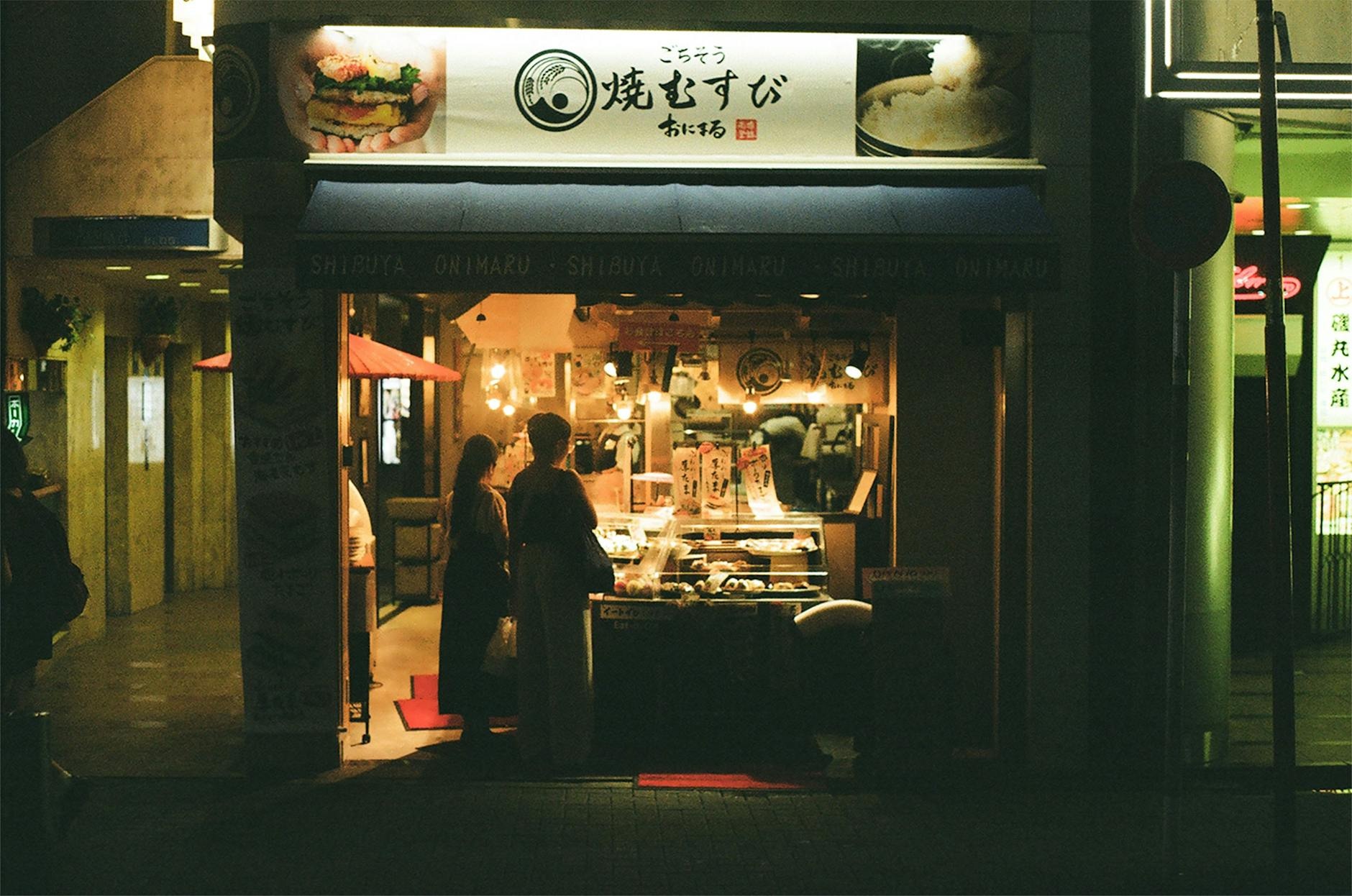
Triangular rice balls wrapped in nori seaweed with various fillings like umeboshi (pickled plum), salmon, or tuna - the ultimate Japanese convenience food perfect for picnics and travel.
Allergens:

Katsudon
A comforting rice bowl topped with breaded pork cutlet, onions, and egg simmered in dashi broth - traditionally eaten by students before exams for good luck.
Allergens:

Yakitori
Skewered and grilled chicken pieces seasoned with salt or brushed with a sweet-savory tare sauce, typically enjoyed with cold beer at izakaya (Japanese pubs). Torisho Sai (Kyoto) uses ancient charcoal techniques.
Allergens:

Matcha
Finely ground powdered green tea central to Japanese tea ceremony, now popular in various desserts and beverages, offering a distinct earthy flavor and vibrant green color.

Yakiniku
Japanese BBQ featuring premium grilled meats (especially wagyu beef) cooked tableside. Inspired by Korean BBQ but evolved into distinctly Japanese art form. Brand-name beef varieties (Omi, Kobe, Saga) remain highly popular in 2025.
Allergens:

Gyoza
Pan-fried dumplings filled with ground pork, cabbage, garlic, and ginger. Crispy on bottom, steamed and tender on top. Served with soy-vinegar dipping sauce. Chinese origins adapted to Japanese tastes.
Allergens:

Sushi Tacos
2025 viral fusion trend blending sushi with taco format. Features crispy nori or wonton shells filled with sushi rice, sashimi-grade fish, avocado, and spicy mayo. TikTok sensation driving Japanese fusion innovation.
Allergens:
Regional Cuisine Highlights
Explore the diverse culinary landscapes across different regions of Japan.
Kansai (Osaka)
Known as "Japan's kitchen," Osaka's food culture emphasizes strong, bold flavors and hearty portions. Street food abounds, with vendors shouting "irasshaimase" to attract customers. Oimatsu Hisano earned two Michelin stars in 2025 for hyper-seasonal cuisine showcasing Naniwa black beef.
Cultural Significance:
Kansai's "kuidaore" culture (eating until you drop) reflects the region's merchant history and love of good food at reasonable prices.
Signature Dishes:
- Takoyaki
- Okonomiyaki (Osaka-style)
- Kitsune Udon
- Kushikatsu
Key Ingredients:
Kanto (Tokyo)
Tokyo's cuisine reflects its status as Japan's capital and world culinary capital with 12 three-star Michelin restaurants (2026). The cuisine tends toward darker colors, deeper flavors, and stronger seasonings than Kansai. Combines tradition with constant innovation and cutting-edge dining technology.
Cultural Significance:
Tokyo's cuisine reflects its samurai history with efficiency and precision, now blending with global fusion trends and molecular gastronomy innovations.
Signature Dishes:
- Monjayaki
- Edomae Sushi
- Tokyo-style Ramen (shoyu)
- Chanko Nabe
- Wagyu beef sushi
Key Ingredients:
Hokkaido
Japan's northernmost island is known for exceptional seafood, dairy, and agricultural products thanks to its cooler climate and vast open spaces. Hokkaido cuisine emphasizes fresh, high-quality ingredients with simpler seasonings to let natural flavors shine.
Cultural Significance:
Hokkaido's cuisine developed later than other regions, with significant influence from Western and Russian food traditions mixed with Japanese techniques.
Signature Dishes:
- Soup Curry
- Genghis Khan (lamb BBQ)
- Seafood Donburi
- Miso Ramen
Key Ingredients:
Kyushu
The southernmost main island has a diverse food culture varying by prefecture. The region is known for rich tonkotsu ramen, distinctive noodle dishes, and influence from nearby Asian countries. Its warm climate supports unique agricultural products and a variety of citrus fruits.
Cultural Significance:
As Japan's gateway to mainland Asia throughout history, Kyushu's cuisine shows influences from Chinese, Korean, and Portuguese culinary traditions.
Signature Dishes:
- Tonkotsu Ramen
- Mentaiko (spicy cod roe)
- Mizutaki (chicken hot pot)
- Karashi Renkon (mustard-filled lotus root)
Key Ingredients:
Kyoto
As Japan's imperial capital for over 1,000 years, Kyoto developed the pinnacle of refined Japanese cuisine. Kyo-ryori emphasizes subtle, elegant flavors showcasing seasonal ingredients. Michelin Guide Kyoto-Osaka 2025 features record 469 restaurants with Kikunoi Honten maintaining three stars for 15 consecutive years. Kodaiji Jugyuan and Sanso Kyoyamato earned new two-star recognition.
Cultural Significance:
Kyoto cuisine reflects the refined aesthetics of the imperial court, Buddhist temple influences (shojin ryori), and tea ceremony culture. The city's fermentation expertise defines umami-forward cooking using kombu (kelp) and koji techniques.
Signature Dishes:
- Kaiseki ryori (multi-course haute cuisine)
- Yudofu (silken tofu hot pot)
- Obanzai (Kyoto home cooking)
- Tsukemono (pickled vegetables)
- Matcha desserts
Key Ingredients:
Okinawa
Okinawa's subtropical Ryukyuan cuisine differs dramatically from mainland Japan, reflecting centuries as an independent kingdom with trade ties to China, Southeast Asia, and the Americas. The cuisine emphasizes pork (every part used), bitter melon (goya), and purple sweet potatoes. International interest in Okinawan "longevity foods" drives culinary tourism in 2025.
Cultural Significance:
Okinawan cuisine reflects the Ryukyu Kingdom's unique history as a trading hub. The diet's health benefits—high in anti-inflammatory foods, low in calories—contribute to Okinawa's designation as a "Blue Zone" of exceptional longevity.
Signature Dishes:
- Goya Champuru (bitter melon stir-fry)
- Okinawa Soba (thick wheat noodles in pork broth)
- Rafute (braised pork belly)
- Taco Rice (Tex-Mex fusion)
- Sata Andagi (Okinawan doughnuts)
Key Ingredients:
Sweet Delights & Desserts
Indulge in Japan's traditional sweet treats and desserts.

Dorayaki
Region: Nationwide
Sweet pancake-like patties filled with red bean paste (anko), creating a delicious sandwich-style treat beloved throughout Japan and featured in popular culture including the Doraemon anime series.

Mochi
Soft, chewy rice cakes made from glutinous rice that's pounded into a paste and molded into various shapes. Often filled with sweet fillings like red bean paste or eaten in savory dishes.

Taiyaki
Region: Nationwide
Fish-shaped cakes filled with sweet red bean paste, chocolate, custard, or other fillings. The crisp outer layer contrasts with the soft, sweet filling inside.

Wagashi
Traditional Japanese confections often served with tea, featuring delicate designs inspired by nature and changing with the seasons. Typically made from plant-based ingredients like mochi, anko, and fruit.

Kakigori
Shaved ice dessert drizzled with flavored syrups and sweetened condensed milk, sometimes topped with red bean paste, mochi, or fruit. Especially popular during hot summer months.

Anmitsu
Traditional Japanese dessert featuring agar jelly cubes, sweetened red bean paste (anko), mochi, seasonal fruits, and sweet syrup (mitsu). The agar jelly (kanten) is made from seaweed, providing a unique texture.

Castella (Kasutera)
Portuguese-influenced sponge cake brought to Nagasaki in the 16th century, now a beloved Japanese classic. Made with eggs, sugar, flour, and honey, creating a moist, fine-crumbed cake. 2025 sees artisanal variations with matcha, chocolate, and cheese flavors.

Monaka
Traditional Japanese sweet featuring crispy wafer shells (made from mochi rice) filled with sweet red bean paste, ice cream, or other fillings. The delicate wafers dissolve in your mouth, contrasting beautifully with the smooth filling.
Explore Cities
Discover the vibrant food scenes in Japan's major cities.


