
Egypt Food Guide
Content Information
Recently updated🔥Current Food Trends 2025
What's happening in Egypt's culinary scene right now
Egypt's culinary landscape in November 2025 celebrates traditional Egyptian cuisine alongside modern interpretations. Cairo's restaurant scene thrives with establishments like Zooba (modern Egyptian street food), Abou El Sid (traditional Egyptian fine dining), Kazouza (contemporary Egyptian). November sees pleasant weather (20-25°C) ideal for outdoor dining along Nile River corniche restaurants. Street food culture remains vibrant - koshari carts, ful medames breakfast stands, taameya vendors dominate Cairo, Alexandria, Luxor. Egyptian bread (aish baladi) production remains daily ritual with government-subsidized baladi bread essential to Egyptian diet. November preparations for Mawlid al-Nabi (Prophet Muhammad's birthday) feature traditional sweets: halawet el moulid (sugar dolls), nuts, dried fruits. Egyptian coffee shops (qahwa) preserve centuries-old traditions - shisha, mint tea, dominoes. Alexandria's seafood restaurants showcase Mediterranean catch: Red Sea fish, Mediterranean shrimp, calamari. Farm-to-table movement grows in New Cairo upscale restaurants sourcing from Nile Delta farms. Traditional Egyptian cooking methods preserved: tagines, clay pot cooking, open-fire bread baking. Khan el-Khalili bazaar in Islamic Cairo remains culinary epicenter for traditional sweets, spices, teas. Egyptian dates from oases (Siwa, Bahariya) peak season. Nile Delta rice harvest (Egyptian short-grain rice essential for mahshi, koshari). Tourism recovery drives restaurant expansion in Cairo, Luxor, Aswan, Sharm El Sheikh.
Food Safety Tips
Essential food safety information to help you enjoy Egypt's cuisine safely and confidently.
Drink only bottled or purified water
Tap water in Egypt is not safe for tourists to drink; always use sealed bottled water even for brushing teeth.
Be cautious with raw vegetables and fruits
Unless you can peel it yourself, be careful with raw produce that may have been washed in tap water.
Ensure street food is freshly cooked and hot
Street food can be safe if it is freshly prepared at high heat and served immediately.
Be wary of dairy products
Some dairy products may be unpasteurized; check before consuming, especially in rural areas.
Dietary Options
vegetarian
HIGH AVAILABILITYEgyptian cuisine has many vegetarian options, particularly legume-based dishes like koshari and falafel.
vegan
MEDIUM AVAILABILITYVegan options are available in the form of vegetable and legume dishes, though some may contain ghee or dairy.
halal
HIGH AVAILABILITYAlmost all food in Egypt is halal, as it is a predominantly Muslim country.
gluten-free
LOW AVAILABILITYBread is a staple in Egyptian cuisine, making gluten-free options more challenging to find.
kosher
VERY LOW AVAILABILITYKosher food extremely rare in Egypt with tiny Jewish community (~5-10 Jews remaining, down from 80,000+ pre-1956). No functioning kosher restaurants or butchers. Historic Ben Ezra Synagogue (Cairo) & Eliyahu Hanavi Synagogue (Alexandria) no longer provide kosher meals. Main challenges: Halal dominates (allows camel, rabbit - not kosher); bread with Egyptian baladi containing possible non-kosher ingredients; dairy-meat separation not practiced. Some naturally permissible options: ful medames (fava beans), fresh vegetables, fruits, fish with scales (Nile tilapia, Red Sea grouper - if prepared correctly). Contact Chabad Egypt (limited presence) or Israeli Embassy for rare kosher arrangements. Jewish travelers typically bring pre-packaged kosher food or rely on produce/fish. Historic Jewish Cairo (Harat al-Yahud) no longer has kosher infrastructure.
Common Allergens
Wheat
HIGH PREVALENCEWheat is a fundamental ingredient in Egyptian cuisine, used in bread, pastries, and many dishes.
COMMONLY FOUND IN:
Sesame
HIGH PREVALENCESesame seeds and tahini (sesame paste) are common in many Egyptian dishes and sauces.
COMMONLY FOUND IN:
Dairy
MEDIUM PREVALENCEDairy products like cheese and yogurt appear in many traditional dishes.
COMMONLY FOUND IN:
Nuts
MEDIUM PREVALENCENuts are used in many desserts and some savory dishes.
COMMONLY FOUND IN:
Essential Food Experiences
These iconic dishes represent the must-have culinary experiences that define Egypt's food culture for travelers.

Koshari
Egypt's national dish - layered rice, brown lentils, macaroni, chickpeas topped with spiced tomato sauce, da'a (garlic-vinegar sauce), crispy fried onions. Street food staple sold at dedicated koshari shops. Completely vegetarian/vegan. Comfort food combining Italian pasta influence with Egyptian ingredients. Different regional variations.

Ful Medames
Slow-cooked fava beans (sometimes overnight) with olive oil, cumin, lemon juice, garlic, served with aish baladi bread. Egypt's breakfast staple for millennia (ancient Egypt origins). Street vendors serve ful from large copper pots. Toppings: boiled eggs, tomatoes, onions, parsley. Protein-rich peasant food.

Molokhia
Egyptian jute leaf soup - finely chopped molokhia leaves cooked with garlic, coriander, creating slimy, spinach-like consistency. Served with chicken or rabbit, white rice, aish baladi. Ancient Egyptian pharaonic origins. Distinctive taste - either love or hate. National dish alongside koshari.

Feteer Meshaltet
Egyptian layered pastry - multiple paper-thin dough layers brushed with ghee, creating flaky texture. Served sweet (honey, sugar, nuts) or savory (cheese, minced meat, eggs). Egyptian pizza comparison. Specialty shops (feteer joints) prepare fresh. Requires skill - dough stretched thin without tearing.

Kofta & Kebab
Grilled minced meat (beef or lamb) mixed with onions, parsley, spices, formed around skewers, charcoal-grilled. Served with tahini sauce, grilled vegetables, aish baladi, rice. Egyptian grill houses (mashawi) specialty. Often paired with shish kebab (meat chunks). Street food & restaurant staple.

Om Ali
Egyptian bread pudding - puff pastry layers soaked in sweetened milk, mixed with nuts (pistachios, almonds, hazelnuts), raisins, coconut, baked until golden. Served warm. Named after Sultan's wife. Ramadan & celebration dessert. Rich, indulgent. Every family has own recipe variation.

Taameya
Egyptian falafel - ground fava beans (not chickpeas like Levantine version) mixed with herbs (parsley, cilantro, dill), garlic, onions, deep-fried. Bright green interior. Served in aish baladi with tahini, salad, pickles. Breakfast & street food. Lighter than chickpea falafel.

Mahshi
Stuffed vegetables - grape leaves, zucchini, eggplant, peppers, cabbage filled with rice-herb-tomato mixture (sometimes with minced meat). Cooked in tomato broth. Labor-intensive family dish. Summer specialty using fresh vegetables. Vegetarian versions common. Served with yogurt.

Hawawshi
Spiced minced meat (beef or lamb) stuffed inside baladi bread pocket, baked until crispy. Egyptian street food specialty. Meat mixed with onions, peppers, parsley, spices. Alexandrian version differs from Cairo style. Fast food alternative to sandwiches. Served with tahini, pickles.

Hamam Mahshi
Stuffed pigeon - whole pigeon stuffed with seasoned rice or freekeh (green wheat), roasted or grilled. Delicacy in Egyptian cuisine, especially Upper Egypt. Pigeon farms supply restaurants. Eaten with hands, sucking meat from bones. Special occasion dish. Rich, gamey flavor. Served with rice, salad.
Regional Specialties & Local Favorites
Discover the authentic regional dishes and local favorites that showcase Egypt's diverse culinary traditions.
Hawawshi (حواوشي)
A popular street food consisting of spiced minced meat baked inside Egyptian flatbread. Often enjoyed as a quick and satisfying meal.
Allergens:

Kofta (كفتة)
Grilled minced meat patties, often made with lamb or beef, mixed with onions, herbs, and spices. Served with rice, salad, or in sandwiches.
Taameya (طعمية)
Egyptian falafel, made from ground fava beans instead of chickpeas. Deep-fried and served in pita bread with tahini sauce and vegetables.
Allergens:
Regional Cuisine Highlights
Explore the diverse culinary landscapes across different regions of Egypt.
Cairo & Greater Cairo
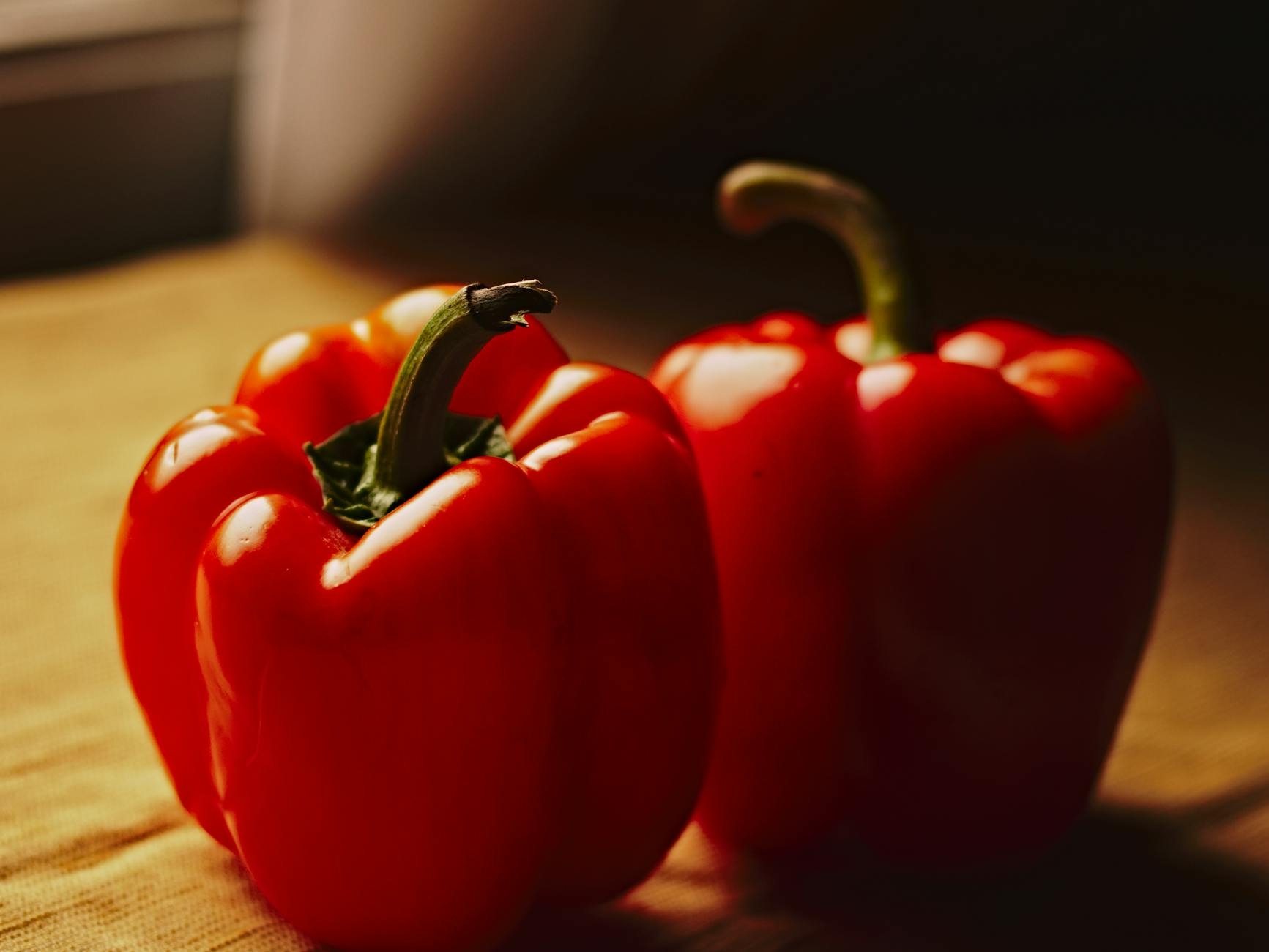
Egypt's capital culinary melting pot - street food culture dominates (koshari carts, ful stands, taameya vendors). Historic Islamic Cairo preserves traditional dishes. Modern restaurants blend Egyptian & international. Khan el-Khalili market center for spices, sweets, teas. Government-subsidized aish baladi bread essential. Egyptian coffee shops (qahwas) social hubs.
Cultural Significance:
Cairo represents Egyptian urban food culture spanning millennia. Islamic Cairo preserves Fatimid & Mamluk culinary traditions. Street food democratizes Egyptian cuisine - koshari & ful accessible to all classes. Aish baladi (baladi bread) government subsidies make it national staple. Egyptian coffee shops preserve male social traditions. Modern Cairo restaurants innovate while preserving authenticity.
Signature Dishes:
- Koshari
- Ful medames
- Hawawshi
- Feteer meshaltet
Key Ingredients:
Alexandria & Mediterranean Coast
Coastal cuisine emphasizing Mediterranean seafood - fresh fish, shrimp, calamari, mussels. Greek, Italian, Ottoman influences from cosmopolitan history. Seafood restaurants line corniche. Lighter cuisine than Cairo. Olive oil more prominent. European pastry influence. Famous for seafood sayadieh (fish with rice).
Cultural Significance:
Alexandria's cosmopolitan past (Greek, Roman, Ottoman, European) shaped Mediterranean-Egyptian fusion cuisine. Historic Jewish, Greek, Italian communities influenced culinary traditions. Seafood preparation differs from Cairo - more Mediterranean herbs, olive oil. Alexandria's café culture preserves European influence. Corniche seafood restaurants tourist & local gathering spots.
Signature Dishes:
- Sayadieh (fish & rice)
- Fried fish & seafood
- Calamari
- Seafood tagines
Key Ingredients:
Upper Egypt (Luxor, Aswan, Qena)
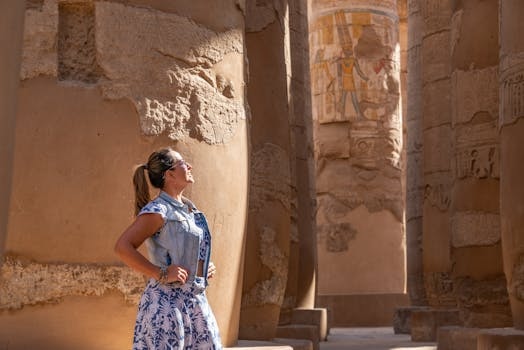
Southern Egypt hearty cuisine - stuffed pigeon (hamam mahshi), molokhia with rabbit, tagines. Nubian influence in Aswan. Dates & sugarcane from local farms. Slower-paced traditional cooking. Clay pot & wood-fire methods preserved. Nile fish (tilapia, Nile perch). Spicier than northern Egypt.
Cultural Significance:
Upper Egypt preserves ancient Egyptian culinary methods - clay pot cooking, wood-fire roasting. Pigeon consumption links to pharaonic Egypt (pigeon coops in ancient reliefs). Agricultural lifestyle centers around Nile flood cycles. Nubian influence in Aswan introduces unique spices & dishes. Upper Egypt considered more traditional, conservative foodways. Extended family meals remain cultural norm.
Signature Dishes:
- Hamam mahshi (stuffed pigeon)
- Molokhia with rabbit
- Date dishes
- Fatta
Key Ingredients:
Lower Egypt (Nile Delta)
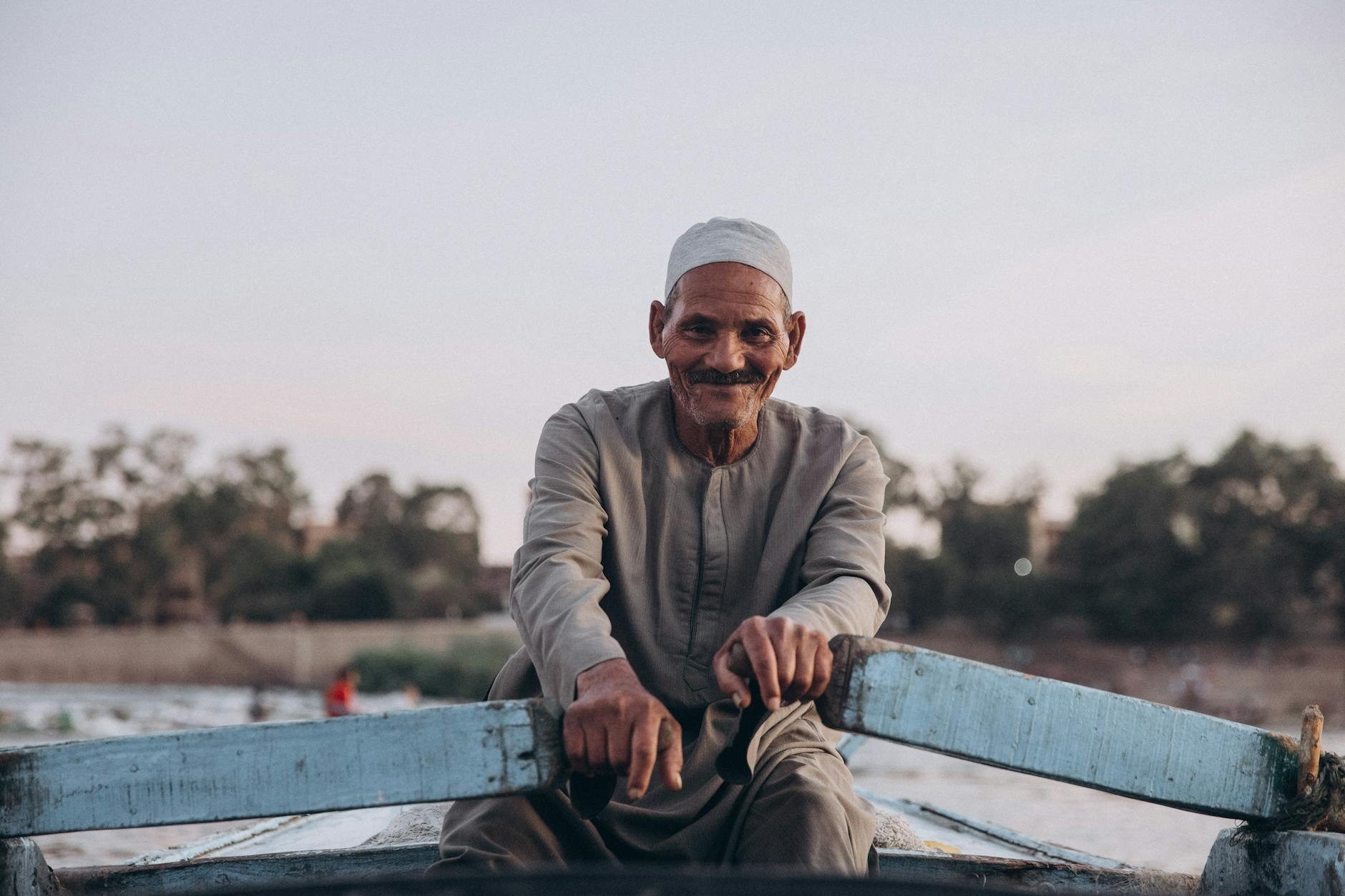
Egypt's agricultural heartland - rice paddies, vegetable farms, fruit orchards. Vegetable-heavy cuisine: mahshi (stuffed vegetables), molokhia leaves, tomatoes, eggplants. Duck & fish from Delta waterways. Cheese production (gibna beida). Fresh produce supplies Cairo. Simple peasant food (fellahin cuisine).
Cultural Significance:
Nile Delta breadbasket of Egypt since pharaonic times. Peasant (fellahin) cuisine based on seasonal vegetables, legumes, bread. Rice cultivation introduced medieval period, now Egyptian staple. Fesikh (fermented fish) eaten during Sham el-Nessim spring festival - ancient Egyptian tradition. Delta waterways provide fish, duck. Agricultural cycles govern food availability & traditions.
Signature Dishes:
- Mahshi (stuffed vegetables)
- Fesikh (fermented fish)
- Duck dishes
- Fresh gibna beida
Key Ingredients:
Sinai Peninsula
Bedouin cuisine dominates - simple ingredients, traditional methods. Lamb centerpiece cooked over open fires or buried underground. Dates from oasis. Desert herbs & spices. Bedouin tea hospitality ritual. Nomadic influences. Bread baked on hot stones. Coastal Sinai incorporates Red Sea fish. Hospitality culture.
Cultural Significance:
Bedouin nomadic heritage shapes Sinai cuisine - portable ingredients (dates, dried meat, bread), minimal cooking equipment. Hospitality rituals central - offering tea & food to guests sacred duty. Underground zarb cooking (meat & vegetables buried with hot coals) preserves moisture in desert. Bedouin bread baked on heated stones. Red Sea coastal towns incorporate seafood unlike interior Bedouin diet.
Signature Dishes:
- Bedouin-style lamb
- Zarb (underground oven meat)
- Bedouin bread
- Sweet tea
Key Ingredients:
Sweet Delights & Desserts
Indulge in Egypt's traditional sweet treats and desserts.
Om Ali
Egyptian bread pudding - puff pastry pieces soaked in sweetened milk, mixed with nuts (almonds, pistachios, hazelnuts), raisins, coconut, baked until golden. Served warm. Named after Mamluk Sultan's wife. Ramadan iftar favorite. Family recipe variations. Rich, comforting dessert.

Basbousa
Semolina cake soaked in sugar syrup or honey, often topped with almonds or coconut. Dense, moist texture. Simple ingredients - semolina, yogurt, sugar, ghee. Regional variations throughout Egypt. Served cut into diamond shapes. Celebration & everyday dessert. Pairs with Egyptian tea.

Kunafa
Shredded phyllo dough (kadayif) layered with sweet cheese (like mozzarella) or nuts, soaked in sugar syrup, often topped with crushed pistachios. Served hot. Ramadan specialty but available year-round. Crispy-chewy texture. Street vendors & sweet shops. Different from Levantine versions.

Qatayef
Ramadan pancakes - small pancakes folded into half-moon shapes, filled with sweetened cheese or nuts, deep-fried or baked, soaked in syrup. Only available during Ramadan month. Street vendors make fresh. Some versions left unfried. Traditional iftar dessert. Crispy exterior, sweet filling.

Baklava
Layers of phyllo pastry filled with chopped nuts (walnuts, pistachios), held together with syrup or honey. Egyptian version less sweet than Turkish or Greek. Ottoman influence on Egyptian cuisine. Cut into diamond or square shapes. Sweet shops specialty. Served with tea or coffee.

Mahalabia
Egyptian milk pudding - cornstarch-thickened milk flavored with rose water or orange blossom water, topped with pistachios, almonds, coconut. Served chilled. Light, refreshing dessert. Ramadan favorite. Simple ingredients, delicate flavor. Every household makes variations. Popular at sweet shops.

Halawet El Moulid
Sugar dolls & figurines made for Mawlid al-Nabi (Prophet Muhammad's birthday). Colorful sugar sculptures (horses, dolls, etc.), sesame seed candy bars, dried fruits, nuts. Tradition since Fatimid dynasty. Children receive as gifts. Decorative & edible. Cairo's Khan el-Khalili famous for elaborate displays.

Roz Bel Laban
Egyptian rice pudding - short-grain rice cooked in milk with sugar, vanilla, topped with cinnamon, raisins, nuts. Served chilled. Comfort dessert. Simple home-style sweet. Thick, creamy consistency. Every family has recipe. Ramadan & everyday dessert. Similar to other Middle Eastern rice puddings.
Traditional Beverages
Discover Egypt's traditional drinks, from locally produced spirits to regional wines.

Stella
A locally produced lager, the most widely available beer in Egypt.
Soft Beverages
Discover Egypt's traditional non-alcoholic drinks, from local teas to refreshing juices.

Shai (شاي)
Strong black tea, often served very sweet and in small glasses. A staple beverage enjoyed throughout the day.

Karkadeh (كركديه)
A refreshing hibiscus tea, served hot or cold. Known for its vibrant red color and slightly tart flavor.

Sahlab (سحلب)
A warm, milky drink thickened with orchid flour, often flavored with cinnamon and topped with nuts. Typically consumed during winter months.