
Armenia Food Guide
Content Information
Recently updated🔥Current Food Trends 2025
What's happening in Armenia's culinary scene right now
Armenia's culinary landscape in December 2025 celebrates lavash UNESCO heritage, ancient wine culture (world's oldest winery 6100 years old), Armenian brandy prestige, pomegranate symbolism, tonir oven traditions. December marks winter season (0-8°C/32-46°F in Yerevan) - khash season peak (traditional winter cow feet soup eaten at dawn), hearty harissa porridge weather, New Year feast preparations. Yerevan's dining evolves: Dolmama pioneering modern Armenian cuisine for 20+ years, historic brandy cellars offer tastings, traditional tonir bakeries revive lavash-making demonstrations, farm-to-table movement growing. December 2025 sees Armenian gastronomy gaining global recognition - Areni grape indigenous heritage celebrated, khorovats (Armenian barbecue) culture showcased, dolma variations (meat and vegetarian pasuts tolma) highlighted. Seasonal focus: walnuts in churchkhela & baklava, matsoni yogurt culture, dried fruit preservation traditions (alani stuffed peaches, sujukh walnut strings). Armenian Apostolic Church Christmas (January 6) preparations begin - traditional fasting dishes popular. Ararat brandy warming tradition, Areni wine excellence, Armenian coffee rituals define beverage culture. December pomegranate season - narsharab (pomegranate molasses) production peaks.
Food Safety Tips
Essential food safety information to help you enjoy Armenia's cuisine safely and confidently.
Check food hygiene standards in Armenia
While Armenia generally has good food hygiene standards, it's always wise to choose restaurants that appear clean and well-maintained.
Drink bottled water in Armenia
In Armenia, it's recommended to drink bottled water, especially in rural areas where water quality may vary.
Be cautious with street food in Armenia
Street food in Armenia can be delicious and safe, but choose vendors with high turnover and good hygiene practices.
Dietary Options
vegetarian
MEDIUM AVAILABILITYVegetarian options are increasingly available in Armenia, particularly in urban areas and tourist destinations. Try dishes like 'Tolma' with grape leaves and vegetables, 'Ghapama' (stuffed pumpkin), and various salads and legume dishes.
vegan
LOW AVAILABILITYVegan options can be limited in Armenia, as many traditional dishes include animal products. However, major cities may have specialized restaurants and dishes like 'Pasuts Tolma' (Lenten dolma) during fasting periods.
gluten-free
LOW AVAILABILITYFinding gluten-free options in Armenia can be challenging as bread and wheat products are staples. Try naturally gluten-free dishes like 'Harissa' (when made without wheat) and grilled meats with vegetables.
halal
VERY LOW AVAILABILITYArmenia is predominantly Armenian Apostolic Christian (95%+), with halal food availability very limited. Small Kurdish and Yazidi communities maintain some halal options in specific neighborhoods, but certified halal restaurants are rare even in Yerevan.
kosher
VERY LOW AVAILABILITYArmenia has a very small Jewish community after Soviet-era emigration, resulting in virtually no kosher food infrastructure. Travelers requiring kosher food should bring provisions or contact the Jewish community in Yerevan for assistance.
Common Allergens
Nuts
MEDIUM PREVALENCEVarious nuts, particularly walnuts, are common in Armenia's cuisine, particularly in desserts and some savory dishes like 'Aveluk' soup.
COMMONLY FOUND IN:
Dairy
HIGH PREVALENCEDairy products are widely used in Armenia, featuring in many traditional dishes including matsoni (yogurt), various cheeses like Lori and Chanakh, and butter.
COMMONLY FOUND IN:
Wheat
HIGH PREVALENCEWheat is a staple in Armenia's cuisine, used in lavash (flatbread), matnakash (fluffy bread), pastries, and as a thickening agent in many dishes.
COMMONLY FOUND IN:
Essential Food Experiences
These iconic dishes represent the must-have culinary experiences that define Armenia's food culture for travelers.

Khorovats
Armenia's famous barbecue, Khorovats, features marinated and grilled chunks of meat (usually pork, lamb, or beef) served with grilled vegetables and lavash bread. It's a central dish for gatherings and celebrations.

Dolma
Traditional Armenian dolma consists of minced meat mixed with rice, herbs, and spices wrapped in grape leaves. Vegetarian versions (Pasuts Dolma) are also common during fasting periods.

Harissa
A porridge made from korkot (dried or roasted cracked wheat) and fat-rich meat, usually chicken or lamb. It's cooked for a long time, traditionally overnight in a tonir (underground clay oven).

Ghapama
A festive Armenian dish made from pumpkin stuffed with rice, dried fruits, nuts, and honey. It's traditionally served during the New Year and Christmas holidays.

Khash
A traditional winter soup made from boiled cow's feet and stomach. It's typically eaten early in the morning and served with dried lavash, garlic, and vodka.

Lavash
Armenia's UNESCO-recognized flatbread, thin and soft, traditionally baked in underground tonir (clay oven). Essential to Armenian cuisine and culture, used to wrap meats, cheeses, herbs. Can be dried and stored for months, rehydrated before eating. Lavash-making tradition inscribed on UNESCO Intangible Cultural Heritage list in 2014.

Basturma
Air-dried cured beef coated with chaman paste (fenugreek, garlic, paprika, cumin, black pepper). Thinly sliced, intensely flavored delicacy served as appetizer or in sandwiches. Preparation takes weeks of salting, pressing, and spice-coating. Armenian version distinct from Turkish pastirma.

Zhengyalov Hats
Traditional flatbread from Artsakh (Nagorno-Karabakh) stuffed with finely chopped wild herbs and greens (up to 15-20 varieties including spinach, sorrel, beet greens, cilantro, parsley, green onions). Entirely vegetarian, celebrating Armenia's wild herb foraging traditions. Especially popular during Lenten fasting periods.

Spas (Yogurt Soup)
Traditional soup made from matsoni (Armenian yogurt), rice or bulgur wheat, fresh herbs (cilantro, mint, dill), and sometimes chickpeas. Served hot in winter, cold in summer. Tangy, refreshing, and comforting. Reflects Armenia's strong yogurt culture and dual-season preparation methods.

Manti (Armenian Dumplings)
Small dumplings filled with spiced ground meat (beef or lamb), baked until crispy, then served with matsoni (yogurt) and garlic sauce, topped with sumac and butter. Different from Turkish or Central Asian versions - baked rather than steamed. Labor-intensive preparation makes it special occasion food.
Regional Specialties & Local Favorites
Discover the authentic regional dishes and local favorites that showcase Armenia's diverse culinary traditions.
Lavash
Armenia's famous thin flatbread, recognized by UNESCO as an intangible cultural heritage. It's made in a tonir (underground clay oven) and is essential to Armenian cuisine.
Allergens:
Basturma
Air-dried cured beef that's coated with a spicy paste called chaman, which contains fenugreek, garlic, and other spices. It's typically thinly sliced and served as an appetizer.
Allergens:

Spas
A yogurt soup made with matsoni (Armenian yogurt), rice or wheat, and herbs like cilantro and mint. It can be served hot or cold depending on the season.
Allergens:

Gata
A sweet bread with different variations across Armenia. The most famous version from Geghard contains a filling called khoriz, made of flour, butter, and sugar.
Allergens:
Regional Cuisine Highlights
Explore the diverse culinary landscapes across different regions of Armenia.
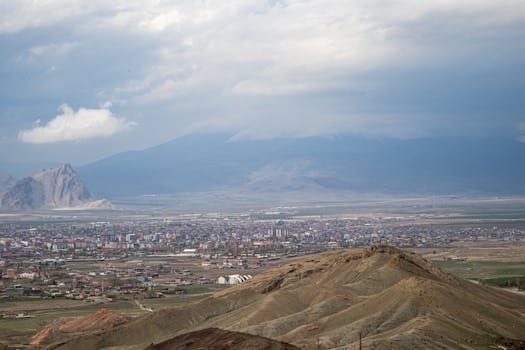
Ararat Valley
The cuisine of the Ararat Valley, which includes Yerevan, features rich vegetable dishes due to the fertile soil. Grilled meats, particularly khorovats, are popular, along with dishes featuring eggplant and bell peppers.
Cultural Significance:
Ararat Valley cuisine reflects the region's agricultural abundance and its status as Armenia's cultural center.
Signature Dishes:
- Khorovats (barbecue)
- Ghapama (stuffed pumpkin)
- Yerevan-style dolma
Key Ingredients:
Syunik
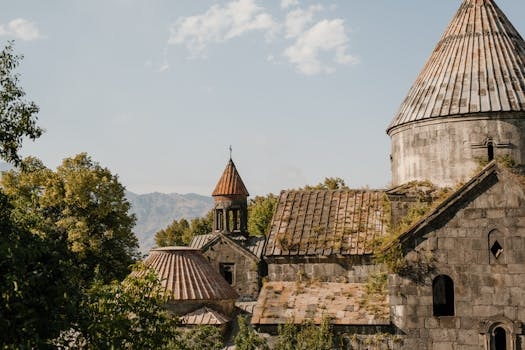
The mountainous region of Syunik has a cuisine characterized by hearty dishes designed to sustain people through cold winters. Wild herbs, berries, and unique preparation methods distinguish this regional cuisine.
Cultural Significance:
Syunik cuisine preserves ancient Armenian culinary traditions and reflects the region's history as a stronghold of Armenian culture.
Signature Dishes:
- Pokhindz (roasted wheat flour dish)
- Zhengyalov hats (herb-filled bread)
- Syunik-style khash
Key Ingredients:

Lori
Known for its forests and mountainous terrain, Lori's cuisine features wild mushrooms, berries, and game meats.
Cultural Significance:
The region's natural resources contribute to a unique cuisine with foraged ingredients.
Signature Dishes:
- panrkhash
- motal
- mushroom dishes
Key Ingredients:
Gegharkunik (Lake Sevan)
Centered around Lake Sevan (largest lake in Caucasus at 1900m elevation), this region's cuisine revolves around freshwater fish, particularly the endemic ishkhan (Sevan trout, also called sig). Cold-water lake yields delicate-flavored fish. Monastic communities around the lake developed unique fish preparation methods. Summer resort area with beach culture influences modern dining.
Cultural Significance:
Lake Sevan fish cuisine represents Armenia's highland freshwater traditions, distinct from the country's predominantly meat-based culinary culture. Ishkhan conservation efforts (species endangered due to Soviet-era overexploitation) have made it precious delicacy.
Signature Dishes:
- Ishkhan khorovats (grilled Sevan trout)
- Sig shashlik (fish kebabs)
- Sevan crayfish
Key Ingredients:
Shirak (Gyumri)
Shirak, with its capital Gyumri (Armenia's second-largest city), sits on high plateau (1500m elevation) with harsh winters and wheat-farming traditions. Regional cuisine emphasizes hearty, warming foods: thick soups, wheat dishes, potato preparations. Gyumri's historic position on Silk Road brought Russian, Turkish, and Persian influences. Known for distinctive black pottery and bread-baking traditions.
Cultural Significance:
Shirak cuisine reflects the resilience of highland agricultural communities. Gyumri's merchant history created sophisticated urban food culture alongside rustic village traditions. Region famous for its khash (cow feet soup) and matsun (yogurt) quality.
Signature Dishes:
- Gyumri-style harissa (wheat-meat porridge)
- Katnapats zhouk (boiled wheat soup)
- Potato kofta
Key Ingredients:
Sweet Delights & Desserts
Indulge in Armenia's traditional sweet treats and desserts.
Gata
A sweet pastry with a buttery filling called khoriz, made differently across Armenia's regions. The version from Geghard monastery is particularly famous.

Sujukh
A string of walnuts dipped in grape juice that has been thickened with flour. Once dried, it becomes a chewy, sweet snack popular during winter.

Alani
Dried peaches stuffed with walnuts, sugar, and sometimes cinnamon. This desert is typically prepared in summer when peaches are in season and preserved for winter.

Armenian Baklava
Layers of thin phyllo dough filled with chopped walnuts and sweetened with honey or sugar syrup. Armenian version often uses more cinnamon and cardamom than Turkish or Greek versions. Cut into diamond shapes, served at special occasions and holidays.

Nazuk
Flaky, layered pastry with sweet filling of flour, butter, and sugar, similar to gata but with different texture and shape. Popular breakfast pastry or afternoon treat with Armenian coffee. Ashtarak region's nazuk particularly famous.

Apricot Leather (Ttu Lavash)
Thin sheets of dried apricot puree, naturally sweet and chewy. Made during apricot harvest season (June-July) and preserved for year-round enjoyment. Armenia is believed to be the original homeland of apricots. Entirely natural with no added sugar needed.

Kada
Traditional sweet bread with sugar and butter filling, similar to gata but with different preparation method and texture. Often enjoyed during holidays and family gatherings. Each region of Armenia has its own variation.

Shekerbura
Crescent-shaped pastry filled with ground almonds or walnuts, sugar, and cardamom. Traditionally prepared for Nowruz (Persian New Year) celebrations. The pastry is stamped with decorative patterns using special tweezers before baking.
Traditional Beverages
Discover Armenia's traditional drinks, from locally produced spirits to regional wines.

Armenian Brandy
Known locally as 'Konyak', Armenian brandy is world-renowned, with brands like Ararat being popular. It's made from selected grape varieties and aged in oak barrels.

Armenian Wine
Armenia has one of the world's oldest wine traditions. Local varieties include Areni, a red wine, and wines made from the indigenous Voskehat grape.

Oghi
A traditional Armenian fruit vodka, typically made from mulberries, apricots, or other local fruits. It's often homemade and varies in strength.
Soft Beverages
Discover Armenia's traditional non-alcoholic drinks, from local teas to refreshing juices.

Armenian Coffee
Similar to Turkish coffee but with its own preparation method. It's made in a jezve (small pot) and served in small cups, often with something sweet on the side.

Tan
A savory yogurt drink made from matsoni (Armenian yogurt) mixed with water and salt. It's refreshing and particularly popular during summer.

Compote
A traditional drink made by boiling fruit (often apricots, peaches, or cherries) with sugar. It can be served hot or cold depending on the season.