
Spain Food Guide
Content Information
Recently updated🔥Current Food Trends 2025
What's happening in Spain's culinary scene right now
Spain's culinary landscape in November 2025 celebrates unprecedented global recognition with the Michelin Guide Spain 2025 awarding 16 three-star restaurants (including Casa Marcial in Asturias, newly elevated), 33 two-star, and 242 one-star establishments. Disfrutar (Barcelona) holds the World's Best Restaurant 2024 title, cementing Spain's position as a gastronomic superpower. Barcelona's 2025 Michelin additions—Fishølogy, MAE Barcelona, Prodigi, and Teatro kitchen & bar—showcase the city's culinary innovation surge. Basque Country maintains the world's highest Michelin star density per capita, with San Sebastián alone boasting 3 three-star restaurants. Tapas renaissance: Google searches surge 28% as Spain aggressively promotes gastronomy tourism to US, Canada, Germany, Australia, Japan, and China markets. Croquetas reign as Spain's most beloved tapa—crunchy béchamel-based balls with cheese, jamón, or mushroom fillings served in every bar from Madrid to Málaga. Patatas bravas and gambas al ajillo complete the tapas trinity. Health-conscious evolution: 2025 sees emphasis on natural, whole foods and 'better-for-you' traditional dishes, with chefs highlighting olive oil's health benefits and plant-forward Mediterranean principles. Modern Spanish gastronomy: Chefs like Dabiz Muñoz (DiverXO, Madrid, 3 Michelin stars) blend avant-garde techniques with Spanish tradition, while regional maestros—Nacho Manzano (Casa Marcial), the Roca brothers (El Celler de Can Roca), and Ángel León (Aponiente)—push boundaries of Spanish cuisine. Regional distinctions sharpen: Barcelona's seafood-tomato focus, Seville's fried tapas culture, Madrid's classic jamón-croquetas tradition, and Valencia's rice dish mastery all thrive in 2025's culinary renaissance.
Food Safety Tips
Essential food safety information to help you enjoy Spain's cuisine safely and confidently.
Be cautious with raw seafood
While seafood quality is generally high in Spain, those with compromised immune systems should be careful with raw preparations.
Be aware of late dining hours
Spaniards typically eat dinner between 9-11 PM. For travelers unaccustomed to this schedule, plan accordingly to avoid long waits or hunger.
Watch out for undercooked pork
Traditional Spanish recipes sometimes feature pork that might be less cooked than visitors from other countries are used to.
Dietary Options
vegetarian
HIGH AVAILABILITYSpain's vegetarian scene has transformed dramatically by 2025, especially in major cities. Traditional dishes like gazpacho, tortilla española, pimientos de padrón, patatas bravas, and pan con tomate are naturally vegetarian. Barcelona, Madrid, Valencia, and Seville feature modern vegetarian restaurants alongside traditional establishments adapting menus. The Mediterranean diet's plant-forward nature makes Spain increasingly vegetarian-friendly. Say "Soy vegetariano/a" when ordering.
vegan
MEDIUM AVAILABILITYSpain's vegan scene has exploded in 2025, particularly in Barcelona, Madrid, Valencia, and Málaga where dedicated vegan restaurants and tapas bars thrive. Traditional dishes easily veganized include gazpacho, patatas bravas (request sin aioli), pan con tomate, and vegetable paella. Health-conscious trends emphasize plant-based Mediterranean ingredients. Specify "Soy vegano/a" and request "sin productos animales" (without animal products).
gluten-free
HIGH AVAILABILITYSpain's gluten-free awareness has surged by 2025, with widespread availability of "sin gluten" options. Major supermarket chains stock dedicated gluten-free sections. Many traditional dishes are naturally gluten-free: tortilla española, gazpacho, pulpo a la gallega, patatas bravas, grilled seafood, and jamón ibérico. Barcelona, Madrid, and Valencia feature dedicated gluten-free bakeries and restaurants. Look for "FACE" certification (Spanish Celiac Association).
halal
MEDIUM AVAILABILITYSpain's significant Muslim population ensures halal availability, especially in major cities like Madrid, Barcelona, Málaga, and Granada (historically Islamic Al-Andalus). Look for halal-certified restaurants serving Middle Eastern, Moroccan, and Turkish cuisine. Traditional Spanish seafood dishes (gambas al ajillo, pulpo a la gallega) and vegetable tapas often align with halal dietary laws. Granada's Albaicín quarter offers numerous halal options.
kosher
LOW AVAILABILITYKosher options are limited in Spain, concentrated primarily in Barcelona and Madrid's Jewish communities. Barcelona's El Call (Jewish Quarter) features kosher restaurants and bakeries. Madrid has a few kosher establishments in the Chamberí district. Advanced planning is essential. Many Spanish dishes containing pork or shellfish conflict with kashrut, though grilled fish and vegetable dishes may be suitable.
Common Allergens
Shellfish
HIGH PREVALENCESeafood is fundamental to Spanish cuisine, especially in coastal regions.
COMMONLY FOUND IN:
Wheat
HIGH PREVALENCEBread and wheat products are staples in Spanish cuisine.
COMMONLY FOUND IN:
Tree nuts
MEDIUM PREVALENCENuts appear in many Spanish desserts and some savory dishes.
COMMONLY FOUND IN:
Dairy
HIGH PREVALENCESpain has a rich tradition of cheese-making and dairy products.
COMMONLY FOUND IN:
Essential Food Experiences
These iconic dishes represent the must-have culinary experiences that define Spain's food culture for travelers.

Paella Valenciana
The iconic Spanish rice dish originating from Valencia, traditionally made with rabbit, chicken, snails, and vegetables.

Jamón Ibérico
Premium cured ham made from black Iberian pigs, aged for 24-48 months, resulting in a rich, complex flavor.

Tortilla Española
Spanish omelet made with eggs, potatoes, and sometimes onions, served warm or at room temperature.

Gazpacho
Cold soup made from raw, blended vegetables, including tomatoes, cucumbers, peppers, and garlic, served especially during hot summers.

Churros con Chocolate
Fried dough pastry served with a thick hot chocolate for dipping, often enjoyed for breakfast or as a late-night snack.

Pulpo a la Gallega
Galician-style octopus seasoned with paprika, olive oil, and salt, typically served on a wooden plate with boiled potatoes.

Croquetas
Spain's most beloved tapa—crispy golden breadcrumb-coated cylinders with creamy béchamel filling. Traditional versions feature jamón serrano, chicken, or mushrooms, though 2025 innovations include squid ink, truffle, and plant-based varieties. The perfect croqueta has a crunchy exterior giving way to a molten, velvety center. Found in every Spanish bar from rustic tavernas to Michelin-starred restaurants, croquetas represent Spanish comfort food at its finest.

Patatas Bravas
The iconic Madrid tapa—crispy fried potato chunks served with spicy bravas sauce (tomato-paprika base) and often topped with aioli. Each region, even each bar, has its own sauce variation, sparking passionate debates about authenticity. Essential tapas bar experience in Madrid, Barcelona, and beyond. The name means 'fierce potatoes,' referring to the spicy kick of the sauce.

Pimientos de Padrón
Small green peppers from Galicia, fried in olive oil and sprinkled with coarse sea salt. Famous Spanish saying: 'Pimientos de Padrón, algunos pican, algunos no' (some are hot, some are not)—about 1 in 10 peppers delivers a spicy surprise. Harvested young to maintain sweet, mild flavor. A quintessential tapa representing Spanish cuisine's simplicity and quality ingredients. Best enjoyed with a cold beer or crisp white wine.

Bacalao al Pil Pil
Basque Country's signature dish—salt cod slowly cooked in olive oil with garlic, creating a creamy, emulsified sauce through gentle pan-swirling (the 'pil pil' sound). This technique-intensive dish showcases Basque culinary mastery, requiring patience and skill. The gelatinous cod skin releases proteins that emulsify with olive oil, creating a velvety sauce without cream or butter. A must-try in San Sebastián's pintxos bars and traditional Basque restaurants.
Regional Specialties & Local Favorites
Discover the authentic regional dishes and local favorites that showcase Spain's diverse culinary traditions.
Gazpacho
Refreshing cold soup from Andalusia made with raw, blended vegetables including tomatoes, peppers, cucumbers, and garlic, perfect for hot summer days.
Pulpo a la Gallega
Galician octopus dish where the octopus is boiled and served on wooden plates, sliced, drizzled with olive oil, and sprinkled with salt and paprika, typically accompanied by boiled potatoes.
Allergens:

Fabada Asturiana
Hearty bean stew from Asturias made with large white beans, chorizo, morcilla (blood sausage), and pork shoulder, slow-cooked to create a rich, warming dish.

Pintxos
Basque Country's version of tapas - small, elaborate appetizers served on bread and skewered with a toothpick, featuring a variety of toppings from seafood to Spanish omelet.
Allergens:

Fideuà
Valencian dish similar to paella but made with short pasta noodles instead of rice, typically seafood-based with a flavorful broth and served with alioli (garlic mayonnaise).
Allergens:

Pan con Tomate
Catalan staple of toasted bread rubbed with ripe tomato, drizzled with olive oil, and sprinkled with sea salt. Simple yet perfect, showcasing quality ingredients. Breakfast favorite throughout Catalonia and Valencia.
Allergens:

Gambas al Ajillo
Garlic shrimp sizzling in olive oil with red chili flakes and parsley. One of Spain's tapas trinity alongside croquetas and patatas bravas. Served bubbling hot in clay dishes with crusty bread for soaking up garlicky oil.
Allergens:

Salmorejo
Córdoba's thick, creamy cold soup similar to gazpacho but richer—made from tomatoes, bread, olive oil, and garlic. Topped with jamón serrano and hard-boiled egg. Andalusian summer essential.
Allergens:

Jamón Serrano
Spain's beloved cured ham, aged 9-18 months from white pig breeds. More accessible than jamón ibérico but still delicious. Served paper-thin, often with bread, manchego cheese, or in croquetas.

Empanada Gallega
Galician savory pie with flaky pastry filled with tuna, cod, pork, or vegetables. Large rectangular pies sliced and shared. Perfect picnic food and essential Galician comfort dish.
Allergens:
Regional Cuisine Highlights
Explore the diverse culinary landscapes across different regions of Spain.
País Vasco (Basque Country)
Known for its pintxos (Basque tapas), seafood dishes, and hearty stews. Influenced by the region's coastal location and mountainous terrain.
Cultural Significance:
Basque cuisine is deeply rooted in tradition, with a focus on fresh, high-quality ingredients and communal dining.
Signature Dishes:
- Bacalao al pil pil
- Marmitako
- Txuleta
Key Ingredients:

Andalucía
Characterized by its use of olive oil, seafood, and gazpacho. Moorish influences are evident in many dishes.
Cultural Significance:
Andalusian cuisine reflects the region's rich history and diverse cultural influences, with a focus on simple yet flavorful dishes.
Signature Dishes:
- Gazpacho
- Pescaíto frito
- Salmorejo
Key Ingredients:

Galicia
Emphasizes fresh seafood, particularly shellfish, and hearty stews. The region's Celtic heritage and rugged Atlantic coastline shape its cuisine. Galicia produces Spain's finest seafood—percebes (goose barnacles), vieiras (scallops), navajas (razor clams), and centollo (spider crab)—harvested from cold Atlantic waters. November 2025 sees Galician cuisine gaining international recognition for its pristine ingredients and simple preparations that let seafood quality shine. Santiago de Compostela's tapas bars serve pilgrims completing the Camino de Santiago.
Cultural Significance:
Galician cuisine reflects Celtic heritage and maritime traditions. The region's seafood-centric culture makes it Spain's premier destination for mariscos (shellfish). Galician simplicity—exceptional ingredients prepared minimally—contrasts with elaborate Mediterranean cuisines. Pilgrimage traditions along the Camino de Santiago have shaped Galician hospitality and hearty, traveler-friendly fare.
Signature Dishes:
- Pulpo a la gallega (octopus with paprika)
- Empanada gallega (savory pie)
- Lacón con grelos (pork shoulder with turnip greens)
- Tarta de Santiago (almond cake)
- Percebes (goose barnacles)
Key Ingredients:

Catalonia
Catalonia, with Barcelona as its capital, leads Spain's culinary innovation in November 2025. Home to Disfrutar (World's Best Restaurant 2024) and four new Michelin-starred restaurants (Fishølogy, MAE Barcelona, Prodigi, Teatro kitchen & bar), the region balances avant-garde cuisine with traditional Catalan dishes. Mar i muntanya (sea and mountain) philosophy combines seafood with game or pork. Catalan cuisine features sofregit (slow-cooked tomato-onion base), romesco sauce (nuts, peppers, tomatoes), and exceptional cava (sparkling wine) from Penedès.
Cultural Significance:
Catalan cuisine represents Spain's culinary vanguard, where El Bulli's molecular gastronomy legacy continues through restaurants like Disfrutar and Tickets. Yet traditional Catalan cooking thrives in Barcelona's markets (La Boqueria) and family restaurants. The region's strong cultural identity extends to cuisine, with Catalan language menus and fierce pride in regional specialties. Calçotades (spring onion festivals) epitomize Catalan communal dining traditions.
Signature Dishes:
- Pa amb tomàquet (bread with tomato)
- Crema catalana
- Escalivada (grilled vegetables)
- Suquet de peix (fish stew)
- Botifarra amb mongetes (sausage with white beans)
Key Ingredients:

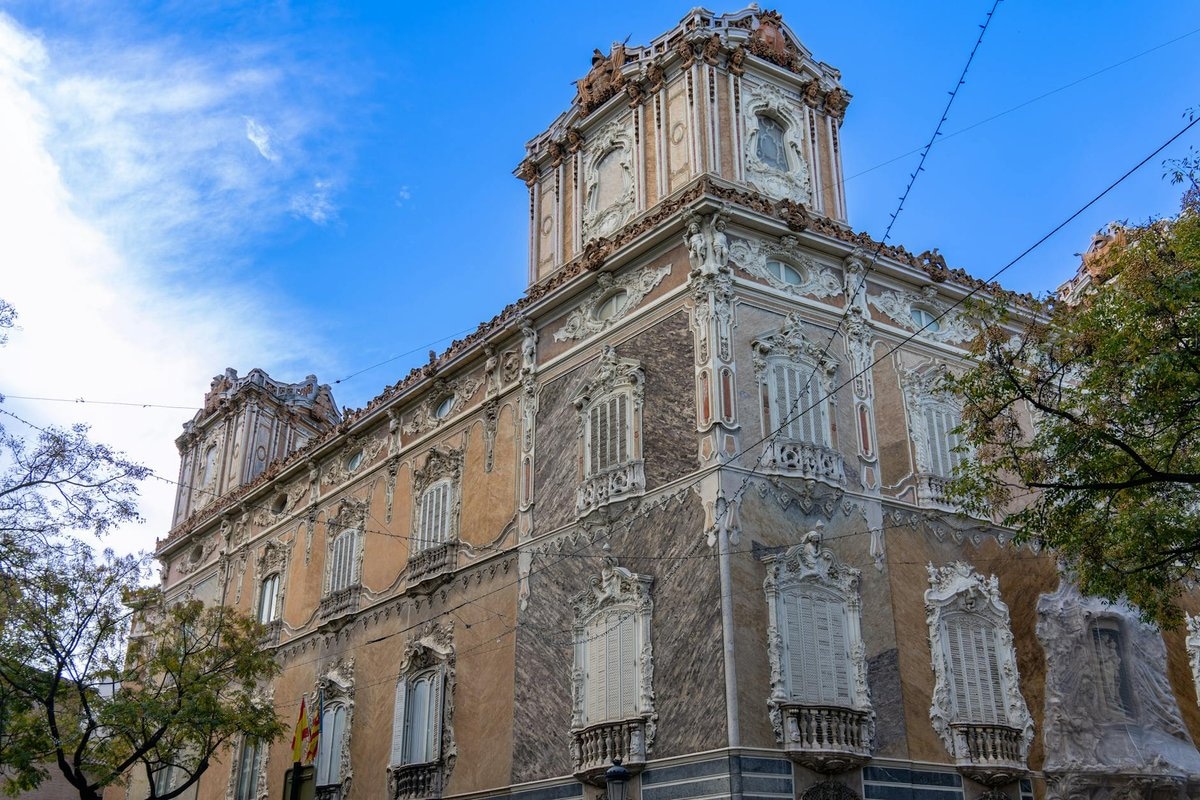
Valencia
Valencia, birthplace of paella, is Spain's rice capital with fertile agricultural lands (l'Horta) producing exceptional vegetables, citrus, and rice. The region's cuisine centers on rice dishes—paella valenciana (with rabbit, chicken, snails), paella de marisco (seafood), and arroz negro (squid ink rice). November 2025 sees Valencia's culinary tourism thriving as visitors seek authentic paella in seaside restaurants of El Palmar and Albufera natural park. Horchata (tiger nut milk) is Valencia's signature beverage, best enjoyed ice-cold with fartons (sweet pastries).
Cultural Significance:
Valencian cuisine revolves around rice cultivation in Albufera wetlands, dating back to Moorish irrigation systems. Paella—originally a peasant dish cooked over open flames by field workers—has become Spain's most iconic export. True paella valenciana uses rabbit, chicken, and snails, never seafood (a tourist adaptation). Sunday paella gatherings remain sacred Valencian family traditions, with heated debates about authentic ingredients and techniques.
Signature Dishes:
- Paella Valenciana (original recipe)
- Arroz a banda (seafood rice)
- Fideuà (pasta paella)
- All i pebre (eel stew)
- Fartons (sweet pastries)
Key Ingredients:
Asturias
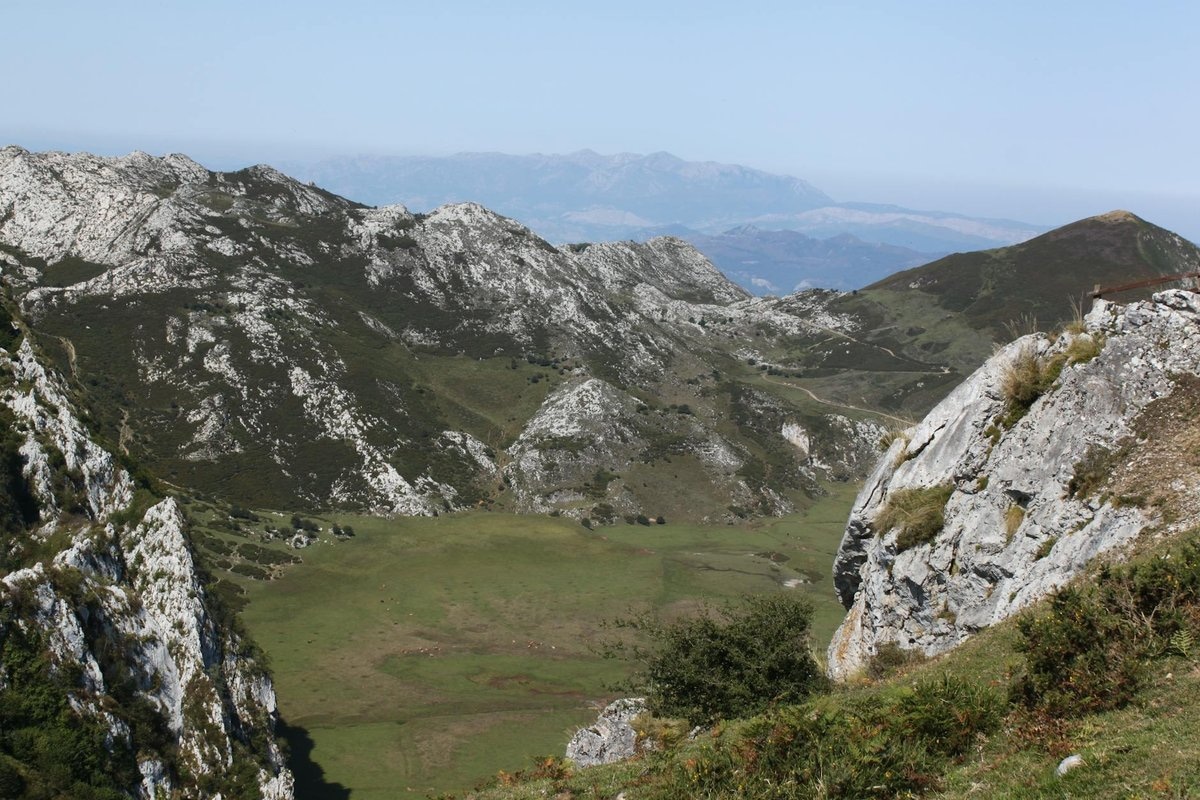
Asturias, Spain's 'Green Spain' region on the northern Atlantic coast, offers hearty mountain-meets-sea cuisine. November 2025 celebrates Casa Marcial's elevation to three Michelin stars under chef Nacho Manzano, placing Asturias on the global culinary map. The region is famous for fabada asturiana (bean stew), sidra (cider poured dramatically from height), and Cabrales blue cheese aged in mountain caves. Asturian cuisine emphasizes warming stews, preserved meats, and dairy products reflecting the mountainous, rainy climate.
Cultural Significance:
Asturian cuisine reflects the region's Celtic roots, mountainous terrain, and isolation from Moorish influence. Cider-pouring ritual (escanciar)—streaming cider from bottle held high into glass at waist level—aerates the cider and remains central to Asturian social life. Sidrería culture rivals Basque pintxos bars, with rustic cider houses serving simple, generous portions. Casa Marcial's success showcases how traditional Asturian ingredients can be elevated to haute cuisine while respecting regional identity.
Signature Dishes:
- Fabada asturiana (bean stew with chorizo, morcilla)
- Cachopo (breaded veal cutlet stuffed with ham and cheese)
- Cabrales cheese (blue cheese)
- Sidra natural (natural cider)
- Arroz con leche (rice pudding)
Key Ingredients:
Sweet Delights & Desserts
Indulge in Spain's traditional sweet treats and desserts.

Churros con Chocolate (Churros with Chocolate)
Deep-fried dough pastries dusted with sugar, served with thick hot chocolate for dipping. A popular breakfast or afternoon treat.

Crema Catalana (Catalan Cream)
A custard dessert similar to crème brûlée, with a brittle caramelized sugar topping. A traditional dessert from Catalonia.

Tarta de Santiago (Santiago Cake)
An almond cake with a distinctive cross of St. James on top. A specialty of Galicia, often enjoyed during pilgrimages.

Flan
Spain's beloved caramel custard dessert with silky texture and burnt sugar topping. While found throughout Latin America, Spanish flan has a firmer texture achieved through longer baking. Served in every restaurant from neighborhood tapas bars to fine dining establishments. The caramelized sugar creates a liquid sauce that pools around the custard. A Spanish meal isn't complete without flan.

Turrón
Traditional Spanish nougat from Alicante, made with honey, sugar, egg whites, and toasted almonds. Two classic varieties: Turrón de Alicante (hard, crunchy with whole almonds) and Turrón de Jijona (soft, smooth paste). Originally a Christmas specialty, now enjoyed year-round in 2025, with modern flavors including chocolate, coconut, and pistachio. Protected by IGP (Indication of Geographic Origin) status.

Ensaimada
Mallorca's iconic spiral-shaped sweet pastry made from lard-enriched dough rolled thin, coiled, and dusted with powdered sugar. Light, airy texture despite rich ingredients. Traditional versions are plain or filled with cabello de ángel (pumpkin jam), though 2025 innovations include chocolate, cream, or sobrasada (savory filling). Best enjoyed for breakfast with café con leche in Palma de Mallorca's century-old pastry shops.

Torrijas
Spain's answer to French toast, traditionally served during Semana Santa (Holy Week) but now enjoyed year-round. Thick slices of day-old bread soaked in milk infused with cinnamon and lemon zest, then dipped in beaten egg, fried in olive oil, and dusted with cinnamon sugar or drizzled with honey. Some regions soak bread in wine instead of milk. A humble dessert transformed into comforting indulgence.

Polvorones
Crumbly Spanish shortbread cookies from Andalusia, traditionally made with almonds, flour, sugar, and lard. The name comes from 'polvo' (dust/powder) referring to their delicate, powdery texture. Wrapped in tissue paper, polvorones are Christmas staples but available year-round in 2025. Related to mantecados (similar texture, different shape). Seville's artisanal bakeries produce the finest versions with IGP protection.
Traditional Beverages
Discover Spain's traditional drinks, from locally produced spirits to regional wines.

Vino Tinto (Red Wine)
Spain is renowned for its red wines, particularly Rioja and Ribera del Duero. Enjoyed with meals or as a standalone drink.

Cerveza (Beer)
Spanish beer is typically light and refreshing, perfect for warm weather. Popular brands include Estrella Damm, Mahou, and Cruzcampo.

Sidra (Cider)
A naturally fermented apple cider, particularly popular in Asturias and the Basque Country. It's poured from a height to aerate it.
Soft Beverages
Discover Spain's traditional non-alcoholic drinks, from local teas to refreshing juices.

Café con Leche (Coffee with Milk)
A strong coffee with equal parts milk, a staple throughout the day.

Zumo de Naranja (Orange Juice)
Freshly squeezed orange juice, a common breakfast beverage.

Horchata (Tiger Nut Milk)
A sweet, milky beverage made from tiger nuts, popular in Valencia and surrounding areas.