
India Food Guide
Content Information
Recently updated🔥Current Food Trends 2025
What's happening in India's culinary scene right now
India's culinary renaissance in November 2025 transforms the nation into a gastronomic powerhouse with the culinary tourism market valued at $13.7 billion (projected $58.6 billion by 2035). Vegetarian dominance: With 38% vegetarian population, vegetarian flatbreads lead global rankings—Amritsari Kulcha from Punjab (4.7 rating), reflecting deep-rooted regional traditions and evolving global palate. Regional renaissance sweeps the nation: Tamil Nadu's fiery Chettinad chicken (black pepper, star anise), Kerala's coconut-based fish curry with curry leaves, Nagaland's smoky bamboo shoot curries—restaurants dig deep into India's 28 states and 700+ tribal cuisines. Millet revolution: Traditional grain makes massive comeback replacing rice in thalis, driven by government campaigns and health consciousness. Vegan momentum accelerates with jackfruit, tofu, and mock meats gaining traction (Ayurveda's plant-forward legacy meets modern innovation). Fine dining evolution: Mumbai's The Bombay Canteen and Delhi's Indian Accent serve deconstructed biryani and truffle-infused naan, showcasing culinary evolution. Experiential dining dominates with AR menus, audio-sensory dishes, and immersive experiences. Sustainability forefront: biodegradable banana leaf packaging, compostable tableware, and menus with carbon-footprint scores. Major culinary cities: Delhi, Amritsar, Lucknow, Jaipur, Mumbai, Ahmedabad, Goa, Pune, Bengaluru. Michelin-star chefs establish presence despite no official Guide yet. Street food culture thrives alongside sophisticated fine dining, creating a balance between tradition and global, tech-savvy, health-conscious innovation.
Food Safety Tips
Essential food safety information to help you enjoy India's cuisine safely and confidently.
Drink bottled or filtered water only
Tap water in India is generally not safe for tourists to drink. Always use bottled water with sealed caps or properly filtered water.
Avoid raw vegetables and unpeeled fruits
Raw vegetables may be washed with local water. Stick to cooked vegetables and fruits that you can peel yourself.
Be cautious with street food
While street food is delicious, choose vendors with high turnover and where food is cooked fresh in front of you at high temperatures.
Use hand sanitizer before eating
Always clean your hands before eating, especially if you will be eating with your hands as is customary in many parts of India.
Be careful with dairy products
Ensure dairy products like lassi and paneer are made with pasteurized milk and served fresh.
Dietary Options
vegetarian
HIGH AVAILABILITYIndia is a vegetarian paradise with 38% of the population following vegetarian diets—the highest globally. Vegetarian dishes lead 2025 global rankings (Amritsari Kulcha 4.7 rating). Countless purely vegetarian restaurants exist (clearly marked with green dot symbol), offering endless variety from street food to fine dining. Regional vegetarian specialties abound: Gujarati thalis, South Indian dosas, Punjabi dal makhani. Culturally mainstream and deeply respected dietary choice.
vegan
HIGH AVAILABILITY2025 vegan revolution: Ayurveda's traditional plant-forward legacy meets modern innovation. Jackfruit, tofu, and mock meats gain momentum in households and restaurants. South Indian cuisine offers abundant naturally vegan options (dosa, idli, sambhar, coconut chutneys). Vegan versions of curries available upon request. Dairy-free millets replace rice in thalis. Major cities feature dedicated vegan restaurants and cafes responding to health-conscious trends.
gluten-free
HIGH AVAILABILITY2025 millet revolution makes gluten-free dining exceptionally easy: Traditional grains replace rice in thalis driven by government campaigns and health trends. South Indian cuisine naturally gluten-free (rice-based dosas, idlis, uttapam). Many curries, dal dishes, and rice biryanis are gluten-free. North Indian wheat breads (roti, naan) easily substituted with rice or millet alternatives. Awareness growing in urban restaurants.
halal
HIGH AVAILABILITYHalal food is widely available across India, particularly in areas with significant Muslim populations (Delhi, Hyderabad, Lucknow, Mumbai, Kolkata). Many restaurants clearly display halal certification. Halal meat shops, biryani joints, and Mughlai restaurants abundant. Street food vendors often offer halal options. Religious and cultural respect for dietary requirements ensures excellent availability.
Common Allergens
Dairy
HIGH PREVALENCEDairy products like ghee (clarified butter), yogurt, and paneer (cottage cheese) are fundamental to Indian cuisine.
COMMONLY FOUND IN:
Nuts
HIGH PREVALENCEVarious nuts, especially cashews, almonds, and peanuts, are common in Indian dishes.
COMMONLY FOUND IN:
Wheat
HIGH PREVALENCEWheat is the primary grain in North Indian cuisine.
COMMONLY FOUND IN:
Mustard
MEDIUM PREVALENCEMustard seeds and oil are common in Indian cooking, especially in Eastern and Southern regions.
COMMONLY FOUND IN:
Essential Food Experiences
These iconic dishes represent the must-have culinary experiences that define India's food culture for travelers.

Butter Chicken (Murgh Makhani)
Delhi's gift to the world: tender chicken in a rich, creamy tomato sauce with butter, cream, and aromatic spices (garam masala, fenugreek, cardamom). Born in Delhi's Moti Mahal restaurant in the 1950s, now Punjab's most famous export. Best enjoyed with garlic naan and basmati rice. 2025 fine dining versions feature truffle-infused variations.

Masala Dosa
South India's crispy, golden perfection: thin rice and lentil crepe (fermented overnight) filled with spiced potato masala, served with coconut chutney, tomato chutney, and sambhar (lentil-vegetable stew). A breakfast institution found in every South Indian home and restaurant. Naturally gluten-free and vegan-friendly (ask for no ghee). Variations: Mysore masala dosa (spicy red chutney), Rava dosa (semolina crispy crepe).

Biryani
India's aromatic rice masterpiece: fragrant basmati rice layered with marinated meat (chicken, mutton, or fish) or vegetables, slow-cooked with saffron, cardamom, and secret spice blends. Regional variations fiercely defended: Hyderabadi (spicy, layered dum-cooking), Lucknowi/Awadhi (mild, aromatic), Kolkata (with potato and egg), Malabar (coastal Kerala style). 2025 fine dining: deconstructed biryani presentations. Street vendors to five-star hotels—biryani unites India.

Chaat
India's addictive street food category combining crispy, tangy, spicy, sweet, and cooling elements in every bite. Varieties: Pani puri (crispy spheres filled with spiced water), Bhel puri (puffed rice mixture), Aloo tikki chaat (potato patties with chutneys), Dahi bhalla (lentil dumplings in yogurt). Found at every street corner, bustling with crowds. A flavor explosion that defines Indian street food culture—multiple textures and temperatures simultaneously.

Paneer Tikka
Vegetarian tandoor excellence: cottage cheese (paneer) chunks marinated in spiced yogurt with ginger-garlic, kasuri methi (dried fenugreek), and red chili, grilled in a clay tandoor oven until charred and smoky. Served sizzling on a hot plate with mint chutney and onion rings. The vegetarian answer to chicken tikka—found in every North Indian restaurant and wedding buffet.

Amritsari Kulcha
2025 global sensation (4.7 rating): Punjab's stuffed flatbread from the holy city of Amritsar. Crispy, golden bread filled with spiced potatoes, onions, and paneer (cottage cheese), cooked in a tandoor and brushed with ghee. Served with chole (spiced chickpeas), pickles, and onions. A breakfast staple representing India's vegetarian dominance on world culinary stages.

Dal Makhani
Punjab's luxurious lentil dish: black lentils and kidney beans slow-cooked for hours (traditionally overnight) with butter, cream, tomatoes, and aromatic spices. Creamy, rich, and deeply satisfying. Found in every North Indian restaurant worldwide. Best with naan or jeera rice. Represents Punjab's generous use of ghee and butter.

Chettinad Chicken Curry
2025 regional renaissance star: Tamil Nadu's fiery, aromatic curry packed with black pepper, star anise, fennel, and a complex spice blend from the Chettinad region. Bold flavors that deliver a fiery kick. Represents South India's distinctive cuisine gaining national and international recognition. Best with steamed rice or appam (rice pancakes).
Regional Specialties & Local Favorites
Discover the authentic regional dishes and local favorites that showcase India's diverse culinary traditions.

Chole Bhature
A North Indian Punjabi specialty featuring spiced chickpea curry (chole) served with deep-fried, fluffy bread (bhature), often enjoyed as a hearty breakfast with pickles and onions.
Allergens:

Dhokla
A steamed, spongy Gujarati snack made from fermented rice and split chickpea batter, typically topped with mustard seeds, curry leaves, and grated coconut - light yet satisfying.

Pav Bhaji
Mumbai's famous street food consisting of a spicy, mashed vegetable curry (bhaji) served with buttered soft bread rolls (pav), garnished with coriander, chopped onions, and a squeeze of lemon.
Allergens:

Tandoori Chicken
Chicken marinated in yogurt and tandoori masala (a blend of spices), then roasted in a clay oven called tandoor, creating its signature smoky flavor and vibrant red color.
Allergens:

Idli Sambar
Soft, steamed rice cakes (idli) served with a flavorful lentil-based vegetable stew (sambar) and coconut chutney - a nutritious South Indian breakfast that's gentle on the stomach.
Regional Cuisine Highlights
Explore the diverse culinary landscapes across different regions of India.
Punjab (North India)
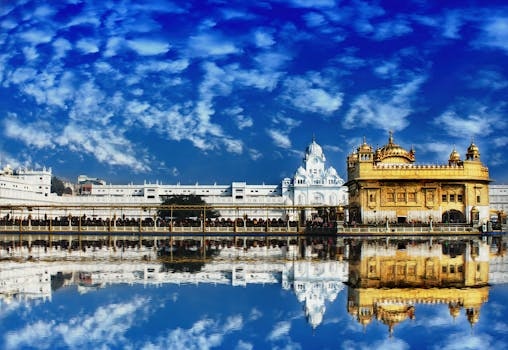
Punjab, India's culinary heartland, defines North Indian cuisine with robust flavors and generous use of dairy—butter and ghee flow liberally. Agricultural abundance creates rich, satisfying dishes. Tandoori cooking is Punjab's gift to the world: clay ovens producing smoky, charred excellence. 2025 highlights: Amritsari Kulcha (4.7 global rating), butter chicken, dal makhani. Iconic dishes include Sarson da Saag (mustard greens) with Makki di Roti (cornbread), chole bhature, and paneer preparations. Sikhs' communal langar (free kitchens) at Golden Temple feed 100,000+ daily. Vegetarian traditions strong alongside meat dishes.
Cultural Significance:
Punjab's agricultural prosperity and cultural emphasis on hospitality create India's richest, most indulgent cuisine. Sikh langar tradition embodies communal eating and equality.
Signature Dishes:
- Amritsari Kulcha
- Butter Chicken
- Dal Makhani
- Sarson da Saag and Makki di Roti
- Chole Bhature
- Tandoori Chicken
Key Ingredients:
Tamil Nadu (South India)
2025 regional renaissance star: Tamil Nadu's ancient culinary traditions gain global recognition, particularly the fiery Chettinad region. Characterized by rice, lentils, and bold spices. Vegetarian dishes dominate (Tamil Brahmin cuisine), while coastal areas excel in seafood. Chettinad cuisine (black pepper, star anise, fennel) delivers intense, aromatic, fiery flavors. Breakfast culture: dosa, idli, vada, uttapam, pongal served with sambar and chutneys. Filter coffee (strong, frothy, sweet) is a cultural institution. Banana leaves serve as eco-friendly plates. Temple food tourism grows in 2025, with ancient recipes preserved.
Cultural Significance:
Tamil Nadu preserves 2,000+ year culinary traditions. Chettinad cuisine (39% of U.S. consumers interested) represents South India's bold flavors gaining international acclaim in 2025.
Signature Dishes:
- Chettinad Chicken Curry
- Masala Dosa
- Idli Sambar
- Pongal
- Uttapam
- Fish Curry (coastal)
- Rasam
Key Ingredients:

Kerala (South India)
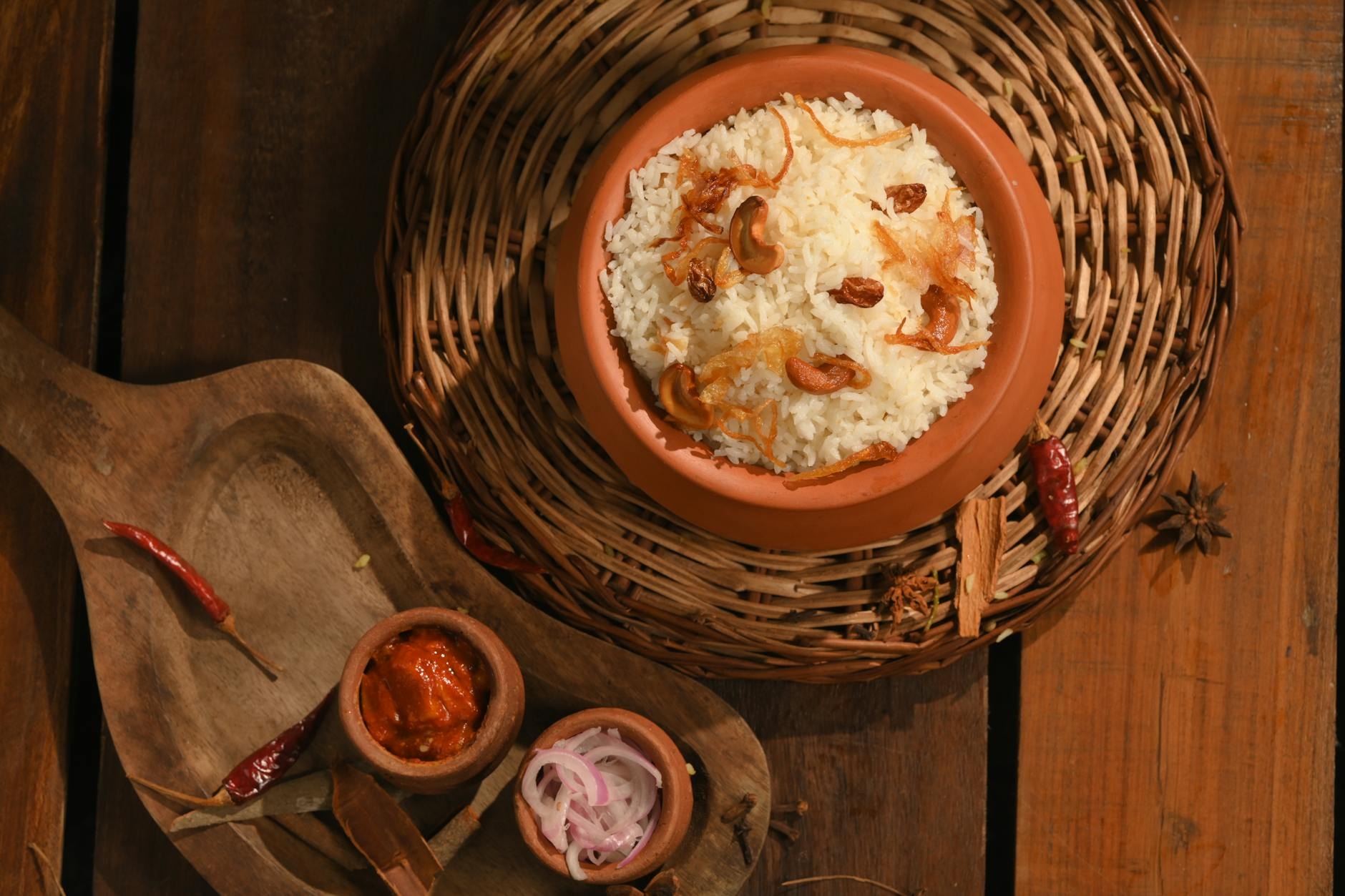
2025 tourism surge: Kerala's coconut-based cuisine, Ayurveda-focused food tourism, and coffee plantation experiences in Coorg drive culinary tourism growth. 'God's Own Country' offers milder, tropical flavors compared to other Indian regions. Coconut (oil, milk, grated) permeates every dish. Coastal cuisine features abundant seafood: fish curry with coconut milk, prawn fry, crab roast. Syrian Christian cuisine adds unique pork and beef dishes (rare in Hindu-majority India). Sadya: elaborate vegetarian feast served on banana leaves during festivals (20+ dishes). Appam (lacy rice pancakes) with stew. Keralan cuisine 39% U.S. consumer interest—seafood, coconut, veggie-forward, curry leaves, turmeric.
Cultural Significance:
Kerala's spice trade history (black pepper, cardamom) shaped global cuisine. Ayurvedic food principles influence health-conscious dining. Christian, Muslim, Hindu traditions create diverse culinary landscape.
Signature Dishes:
- Kerala Fish Curry (in coconut milk)
- Appam with Stew
- Sadya (feast)
- Puttu (steamed rice cake)
- Malabar Biryani
- Prawn Fry
- Kerala Beef Fry
Key Ingredients:
Kashmir (North India)
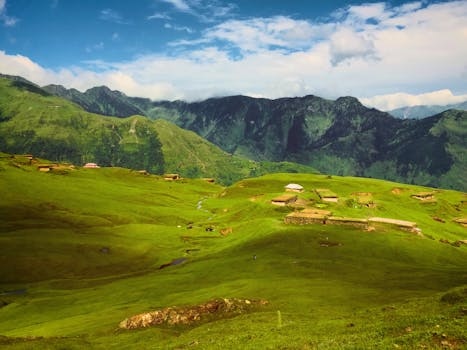
Kashmir's cuisine reflects Central Asian, Persian, and Indian influences. Wazwan (multi-course feast with 36 dishes) represents Kashmiri culinary artistry, traditionally served at weddings. Aromatic spices: saffron, cardamom, cinnamon, cloves. Unique cooking methods: slow-cooking (dum), use of fennel and dried ginger powder. Meat-centric (lamb, chicken) due to cold climate. Kashmiri red chilies provide color without excessive heat. Kahwa (saffron-spiced green tea) served throughout the day. Walnuts, almonds, dried fruits featured in dishes.
Cultural Significance:
Wazwan feasts demonstrate Kashmiri hospitality and culinary sophistication, with traditions dating back to Mughal era.
Signature Dishes:
- Rogan Josh (lamb curry with saffron)
- Yakhni (yogurt-based curry)
- Dum Aloo (spiced potatoes)
- Gushtaba (minced mutton balls)
- Modur Pulao (sweet rice)
- Kahwa (saffron tea)
Key Ingredients:
Gujarat (West India)
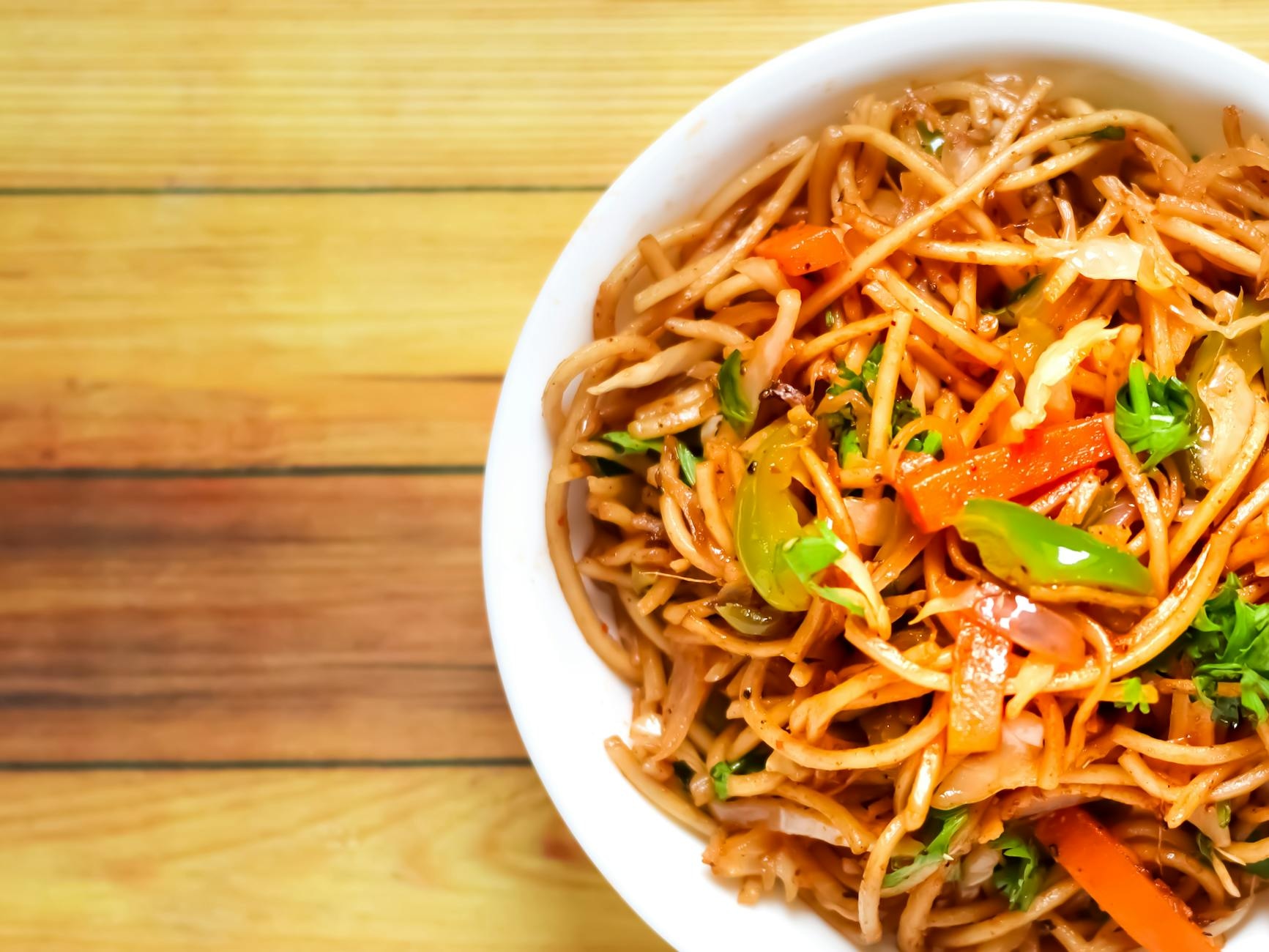
Gujarat's predominantly vegetarian cuisine (influenced by Jainism and Hinduism) offers sweet-savory flavor balance unique in India. Thali (platter) culture: unlimited servings of varied dishes (dal, kadhi, vegetables, farsan, roti, rice, sweets). Snacks and street food excel: dhokla, khandvi, fafda, thepla. Sugar appears in savory dishes, creating distinctive taste. Gram flour (besan) extensively used. Coastal Gujarati cuisine features seafood. Business community's global diaspora spread Gujarati food worldwide (UK, USA, East Africa). 2025: Jain food tourism grows (no onion/garlic cuisine).
Cultural Significance:
Gujarat's Jain and Hindu vegetarian traditions create sophisticated meat-free cuisine. Thali tradition embodies hospitality and abundance.
Signature Dishes:
- Dhokla (steamed fermented snack)
- Gujarati Thali
- Khandvi (gram flour rolls)
- Undhiyu (mixed vegetable dish)
- Thepla (spiced flatbread)
- Fafda Jalebi (breakfast combo)
Key Ingredients:
Hyderabad (South-Central India)
Hyderabad's Nizami cuisine blends Mughlai, Turkish, and Telugu traditions, creating royal, aromatic dishes. Hyderabadi Biryani (dum-cooked, layered) rivals other regional versions as India's most famous rice dish. Heavy use of nuts, dried fruits, and saffron. Haleem (slow-cooked meat and wheat stew) served during Ramadan. Irani chai (strong, sweet tea) with Osmania biscuits defines café culture. Street food: Mirchi ka salan (chili curry), double ka meetha (bread pudding). Muslim Nizami rulers' legacy creates meat-centric cuisine alongside vegetarian Telugu dishes.
Cultural Significance:
Hyderabad's Nizami rulers (18th-20th century) created sophisticated court cuisine blending Persian and Indian traditions, preserved in today's restaurants.
Signature Dishes:
- Hyderabadi Biryani
- Haleem
- Mirchi ka Salan
- Irani Chai
- Double ka Meetha
- Lukhmi (meat pastry)
Key Ingredients:
Sweet Delights & Desserts
Indulge in India's traditional sweet treats and desserts.

Gulab Jamun (गुलाब जामुन)
Deep-fried milk balls soaked in sugar syrup flavored with rose water and cardamom. It's a popular dessert served during festivals and celebrations.

Rasgulla (ରସଗୋଲା)
Spongy cheese balls soaked in sugar syrup. It's a popular dessert in Eastern India, particularly in West Bengal and Odisha.

Jalebi (जलेबी)
Crispy, deep-fried spirals made from fermented batter, soaked in sugar syrup. It's a popular street food and dessert across India.
Traditional Beverages
Discover India's traditional drinks, from locally produced spirits to regional wines.

Feni (फेनी)
A distilled alcoholic beverage made from either cashew apples or coconut sap. It's produced in Goa and is considered a local specialty.

Toddy (ताड़ी)
A fermented alcoholic beverage made from the sap of various palm trees. It's a popular drink in South India and is often consumed fresh.

Indian Whisky
India is one of the largest producers of whisky in the world. Indian whisky is typically a blend of molasses-based spirits and grain whisky.
Soft Beverages
Discover India's traditional non-alcoholic drinks, from local teas to refreshing juices.

Masala Chai (मसाला चाय)
A spiced tea beverage made with black tea, milk, and a blend of aromatic spices like cardamom, ginger, and cinnamon. It's a popular drink throughout India and is often consumed multiple times a day.

Lassi (ਲੱਸੀ)
A yogurt-based drink that can be sweet or savory. Sweet lassi is often flavored with mango or other fruits, while savory lassi can include spices and herbs.

Filter Coffee (ಫಿಲ್ಟರ್ ಕಾಫಿ)
A strong coffee beverage made using a traditional Indian filter. It's typically served with milk and sugar and is a popular drink in South India.
🇮🇳 India Food Experience - Encyclopedia
Comprehensive culinary guide • 20 videos • 20 social insights
📊 Culinary Encyclopedia
Comprehensive information about India's diverse culinary landscape across 29 states, featuring traditional dishes, regional specialties, and authentic restaurants.