
Israel Food Guide
Content Information
Recently updated🔥Current Food Trends 2025
What's happening in Israel's culinary scene right now
Israel's culinary landscape in 2025 celebrates fusion of ancient traditions and modern innovation. Tel Aviv recognized as global vegan capital with highest per-capita vegan restaurants worldwide. Modern Israeli cuisine (influenced by Yotam Ottolenghi, Michael Solomonov) elevates Middle Eastern flavors globally. Plant-based revolution continues - alternative protein startups (Aleph Farms, SuperMeat, Remilk) revolutionize food production with sustainable cultured proteins. Gourmet street food evolution - shakshuka, sabich, hummus elevated with heirloom ingredients, artisanal techniques. Market culture thriving - Mahane Yehuda (Jerusalem), Carmel Market (Tel Aviv), Levinsky Market spice hub attract culinary tourists. Farm-to-table movement strong with kibbutzim partnering restaurants. Wine tourism booming - Golan Heights Winery, Galilee vineyards, Judean Hills boutiques offer tastings. Craft beer scene expansion with microbreweries Tel Aviv, Jerusalem. Food tech innovation hub - Israel leads cultured meat research, precision fermentation. Ethiopian-Israeli, Yemenite-Israeli cuisines preserved alongside European Jewish traditions. Druze villages (Galilee) maintain distinct culinary heritage. Jerusalem complexity - Jewish, Muslim, Christian, Armenian quarters preserve distinct food traditions. Regional Protected Geographical Indications: Jaffa oranges, Galilee olive oil. Sustainability focus - reducing food waste, composting programs widespread. Culinary tourism drives cooking classes, food tours experiences.
Food Safety Tips
Essential food safety information to help you enjoy Israel's cuisine safely and confidently.
Check kosher certification in Israel
Many restaurants in Israel are kosher certified (look for 'Kashrut' certificates). If you have specific dietary restrictions, kosher restaurants clearly separate meat and dairy products.
Street food hygiene in markets
When enjoying street food in Israeli markets (shuks), choose vendors with high turnover and where food is freshly prepared in front of you. Popular spots like Mahane Yehuda in Jerusalem maintain good standards.
Tap water safety in Israel
Tap water in Israel is generally safe to drink throughout the country. You'll find many public drinking fountains in cities, particularly in Jerusalem, which are regularly maintained and provide cool, filtered water.
Dietary Options
vegetarian
HIGH AVAILABILITYIsrael is extremely vegetarian-friendly, with many traditional Middle Eastern dishes naturally vegetarian. The prevalence of fresh vegetables, hummus, falafel, and salads makes finding vegetarian options easy in most restaurants and markets.
vegan
HIGH AVAILABILITYTel Aviv dubbed 'Vegan Capital of the World' with over 400 vegan-friendly restaurants. Many traditional dishes like hummus, falafel, and tabbouleh are naturally vegan. Vegan shawarma made from jackfruit, chickpeas increasingly common. Most restaurants offer extensive vegan alternatives.
gluten-free
MEDIUM AVAILABILITYWhile bread is a staple in Israeli cuisine, many traditional dishes are naturally gluten-free, including hummus, shakshuka, and various meat and vegetable stews. Awareness of gluten allergies is growing, especially in tourist areas and major cities.
halal
HIGH AVAILABILITYHalal food widely available throughout Israel, particularly in Arab towns and neighborhoods. ~21% of Israeli population is Arab (mostly Muslim) - halal infrastructure comprehensive. Jerusalem (especially East Jerusalem and Old City Muslim Quarter), Nazareth, Akko (Acre), Jaffa, Um al-Fahm, Haifa (Wadi Nisnas neighborhood) have abundant halal restaurants, butchers, bakeries. Many traditional Arab dishes naturally halal. Apps like Zabihah, HalalTrip list Israeli halal options.
kosher
HIGH AVAILABILITYKosher food infrastructure omnipresent in Israel - world's most comprehensive kosher system. ~45% of Israeli Jews keep kosher (varying observance levels). Kosher certification: Chief Rabbinate (standard), Badatz (ultra-Orthodox stricter), Rubin, Beit Yosef, Chatam Sofer (various communities). Most restaurants, hotels, supermarkets kosher-certified (look for 'Kashrut' certificate displayed). Dairy/meat separation strictly observed - 'chalavi' (dairy), 'basari' (meat), 'parve' (neutral). Sabbath observance: Many establishments close Friday afternoon-Saturday evening. Jerusalem, Bnei Brak, religious neighborhoods highly kosher. Tel Aviv has mix - secular areas have non-kosher options alongside kosher.
Common Allergens
Sesame (Tahini)
HIGH PREVALENCESesame seeds and tahini (sesame paste) are extremely common in Israeli cuisine, appearing in hummus, halva, and many other traditional dishes and sauces.
COMMONLY FOUND IN:
Nuts
MEDIUM PREVALENCEVarious nuts appear frequently in Israeli cooking, particularly in desserts, pastries, and Middle Eastern sweets. Pistachios, walnuts, and almonds are especially common.
COMMONLY FOUND IN:
Dairy
HIGH PREVALENCEDairy is prominent in Israeli cuisine, with Israeli cheeses like labneh (strained yogurt) and cottage cheese being staples. Kosher dietary laws require separation of meat and dairy meals.
COMMONLY FOUND IN:
Essential Food Experiences
These iconic dishes represent the must-have culinary experiences that define Israel's food culture for travelers.

Hummus
Far more than just a dip in Israel, authentic hummus is a meal in itself, served warm with fresh pita bread. Made from chickpeas, tahini, olive oil, lemon juice, and garlic, regional variations include additions like ful (fava beans), mushrooms, or ground beef. The best hummus is found in specialized 'hummusiyas' where debate over the creamiest version is taken seriously. Tel Aviv's Hummus Abu Hassan attracts long lines of locals, while Jerusalem's Lina serves only hummus in the Old City.

Falafel
Perhaps Israel's most famous street food, these deep-fried chickpea balls are crispy on the outside and fluffy inside, flavored with herbs and spices. Typically served in pita with salad, tahini, and sometimes french fries, pickles, and spicy sauce (zhug). Tel Aviv's HaKosem is considered the best, where you'll get free falafel while waiting in line. Regional variations include Egyptian-style falafel made with fava beans.

Shakshuka
A North African dish that's become a staple of Israeli breakfast, shakshuka features eggs poached in a sauce of tomatoes, onions, and spices including cumin and paprika. Often served in the pan it's cooked in with fresh bread for dipping. Tel Aviv's Benedict serves creative variations, while Jerusalem's Tmol Shilshom offers traditional versions. Modern versions include green shakshuka (with spinach and herbs) and variations with eggplant or feta cheese.

Sabich
An Iraqi-Jewish creation that's become an Israeli street food favorite, sabich is a pita sandwich filled with fried eggplant, hard-boiled eggs, hummus, tahini, Israeli salad, and amba (pickled mango sauce). The combination of warm and cold ingredients with multiple textures creates a unique eating experience. Modern versions sometimes add heirloom eggplants and organic eggs.

Malawach
A Yemenite Jewish pastry consisting of thin layers of puff pastry brushed with oil or fat and cooked in a pan. Served various ways - sweet with honey, or savory with hard-boiled egg, tomato sauce, and zhug (Yemenite hot sauce). Particularly popular for breakfast or as street food. The flaky, buttery layers contrast beautifully with spicy zhug.

Shawarma
Thinly sliced marinated meat (typically turkey, chicken, or lamb) stacked on vertical rotisserie, slow-roasted. Served in pita or laffa bread with tahini, Israeli salad, pickles, sometimes french fries. Jerusalem-style shawarma includes unique spice blends with cinnamon and allspice. Ultimate Israeli street food found everywhere from corner stands to restaurants. Each vendor has secret marinade recipe. 2025 trend includes vegan shawarma made from jackfruit.

Jerusalem Mixed Grill (Me'orav Yerushalmi)
Jerusalem specialty - grilled chicken hearts, spleens, livers mixed with onions, spices (baharat blend). Cooked on flat griddle, served in pita with tahini, amba, Israeli salad. Working-class dish from Mahane Yehuda market origins. Bold, offal-forward flavors. Culinary icon representing Jerusalem's multicultural food scene. Not for faint of heart but beloved local delicacy.

Jachnun
Traditional Yemenite Jewish pastry - rolled dough baked overnight at low temperature. Results in sweet, brown, slightly sticky pastry. Traditionally served Shabbat morning (prepared Friday, slow-baked overnight). Served with grated tomato, hard-boiled eggs, zhug (spicy sauce), schug (green hot sauce). Rich, comforting, unique texture. Found at Yemenite restaurants, bakeries. Weekend breakfast tradition.

Bourekas
Flaky pastries of Balkan-Jewish origin filled with various ingredients. Cheese (triangular shape), potato (rectangular), mushroom, spinach most common. Shape indicates filling - visual code in bakeries. Served with hard-boiled egg, pickles, yogurt. Breakfast staple, snack, party food. Found in every bakery. Israeli comfort food. Sephardic Jewish culinary contribution. Crispy, buttery, satisfying.

Israeli Salad
Finely diced fresh vegetables - tomatoes, cucumbers, onions, bell peppers - dressed with lemon juice, olive oil, salt. Simple but essential Israeli dish. Served at every meal, breakfast through dinner. Freshness paramount - vegetables must be crisp. Accompanies hummus, falafel, grilled meats. Variations add herbs (parsley, mint), olives, feta. Represents Mediterranean diet principles. Ubiquitous, healthy, refreshing.
Regional Specialties & Local Favorites
Discover the authentic regional dishes and local favorites that showcase Israel's diverse culinary traditions.
Shawarma
Thinly sliced marinated meat (typically turkey, chicken, or lamb) stacked on a vertical rotisserie and slow-roasted. Served in pita or laffa bread with tahini, Israeli salad, pickles, and sometimes french fries. Jerusalem-style shawarma often includes unique spice blends with cinnamon and allspice.
Allergens:
Jachnun
A traditional Yemenite Jewish pastry, jachnun is rolled dough that's baked overnight at a low temperature, resulting in a sweet, brown pastry with a slightly sticky texture. Typically served on Shabbat morning with grated tomato, hard-boiled egg, and zhug hot sauce.
Allergens:

Israeli Couscous (Ptitim)
Originally created during food rationing in the 1950s, these small, toasted pasta pearls are now a beloved staple. Ptitim is often prepared with vegetables, herbs, and sometimes meat, absorbing the flavors it's cooked with. It's a common side dish and children's food throughout Israel.
Allergens:
Bourekas
Flaky pastries of Balkan origin filled with various ingredients - cheese, potato, mushroom, or spinach being most common. The shape often indicates the filling (triangular for cheese, rectangular for potato). These are popular breakfast items, snacks, and are essential at any Israeli gathering.
Allergens:

Knafeh
A Middle Eastern dessert made with shredded phyllo dough or semolina, soaked in sweet syrup, and layered with cheese or cream. In Israel, it's especially popular in Arab towns like Nazareth and increasingly in mainstream Israeli cuisine. Traditionally served hot so the cheese inside remains melted.
Allergens:

Vegan Shawarma
2025 innovation reflecting Tel Aviv's vegan capital status. Made from jackfruit, chickpeas, or lab-grown meat alternatives from companies like Aleph Farms and SuperMeat. Marinated in traditional spices, served with tahini and Israeli salad. Found at progressive restaurants throughout Tel Aviv.
Allergens:

Gourmet Hummus Bowls
Traditional hummus elevated with artisanal toppings - truffle oil, confit mushrooms, slow-cooked lamb, pine nuts, pomegranate seeds. Reflects 2025 trend of elevated street food. Found at modern hummusiyas in Tel Aviv's Carmel Market area and Jerusalem's Machane Yehuda.
Allergens:

Artisanal Sabich
Modern take on Iraqi-Jewish classic featuring heirloom eggplants, organic eggs, and tahini infused with exotic spices like harissa or za'atar. Represents 2025 trend of gourmet street food. Available at upscale Tel Aviv eateries reimagining traditional recipes.
Allergens:
Regional Cuisine Highlights
Explore the diverse culinary landscapes across different regions of Israel.
Northern Israel/Galilee
The cuisine of northern Israel blends Arab, Druze, and Jewish influences, characterized by fresh mountain herbs, olive oil, and dishes that reflect the region's agricultural abundance. The cooler climate supports crops like cherries, apples, and a wide variety of vegetables. 2025 sees growth in agritourism with farm-to-table restaurants partnering with local kibbutzim.
Cultural Significance:
Northern cuisine reflects centuries of multicultural coexistence, with Druze, Arab, and Jewish communities sharing culinary techniques while maintaining distinct traditions. The Galilee region is also Israel's wine country, with food traditions that complement local vintages.
Signature Dishes:
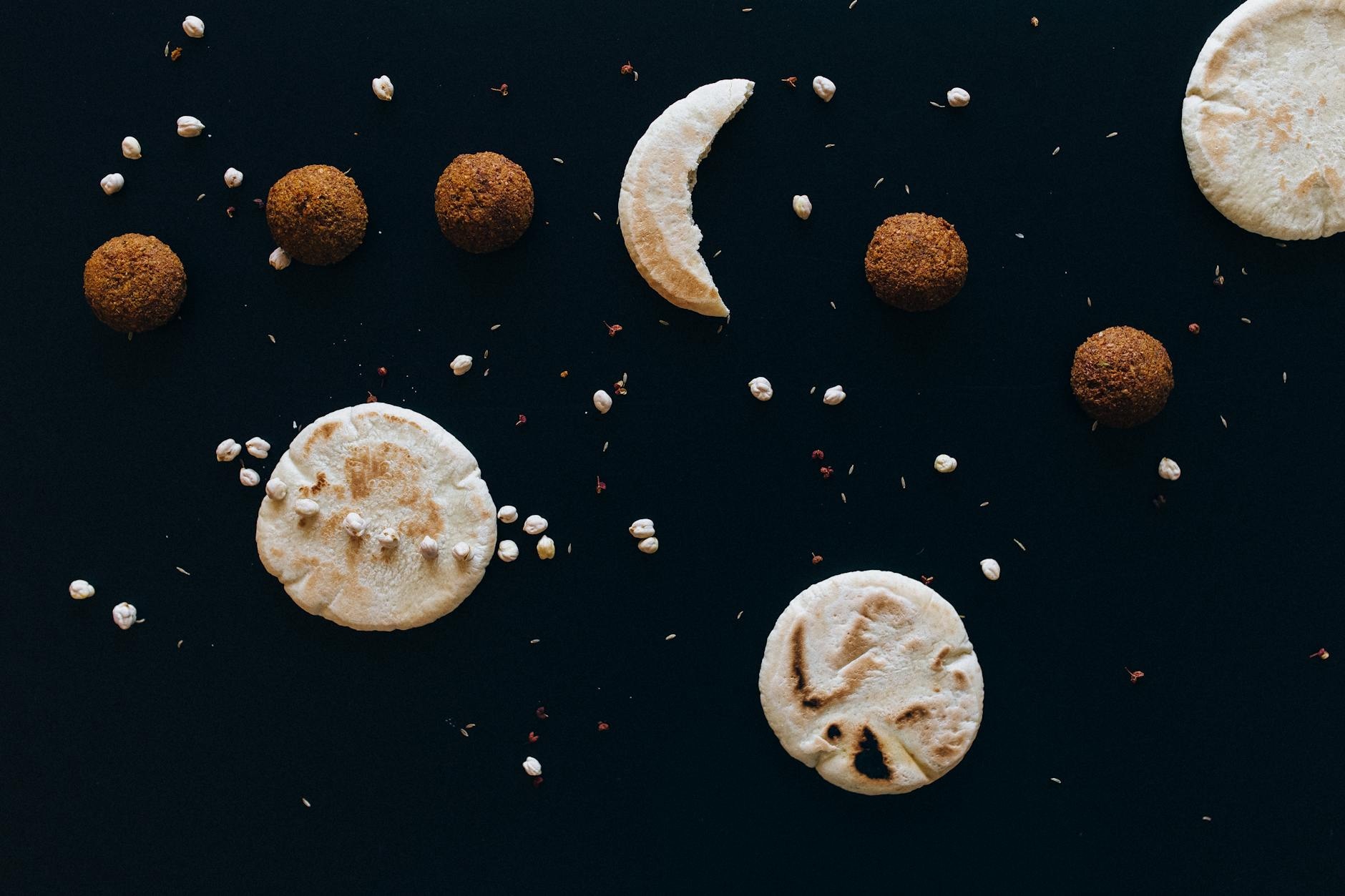
- Druze Pita - large, thin flatbread cooked on a saj griddle
- Freekeh - smoked green wheat often prepared like a pilaf
- Labneh with Za'atar - strained yogurt topped with herbal blend
- Galilean-style stuffed vegetables with local herbs
Key Ingredients:
Coastal/Tel Aviv
Israel's Mediterranean coastline cuisine emphasizes fresh seafood, vibrant produce, and international influences, particularly in cosmopolitan Tel Aviv. The culinary scene blends traditional Middle Eastern flavors with contemporary techniques and global inspirations. Tel Aviv's status as vegan capital drives plant-based innovation in 2025.
Cultural Significance:
Tel Aviv's food scene represents Israel's multicultural present, combining traditional recipes from Jewish immigrants worldwide with Arab culinary influences and contemporary global cuisine. The coastal region is known for its vibrant market-to-table approach and innovative chef restaurants. As global vegan capital, Tel Aviv leads plant-based culinary innovation.
Signature Dishes:
- Grilled St. Peter's fish (tilapia) from the Sea of Galilee
- Tel Aviv-style shakshuka with fresh seafood additions
- Sabich - Iraqi-Jewish eggplant sandwich popular in coastal cities
- Contemporary Israeli cuisine featuring local ingredients with global techniques
- Vegan shawarma made from jackfruit or cultured meat
Key Ingredients:

Jerusalem
Jerusalem's cuisine reflects its sacred status to three major religions and centuries of diverse cultural influences. The food is hearty, deeply flavorful, and steeped in tradition, with each quarter of the Old City offering distinct culinary traditions. Machane Yehuda market undergoes evening transformation becoming nightlife hub with food stalls.
Cultural Significance:
Jerusalem's cuisine embodies the city's historical significance and religious diversity, with Jewish, Arab, Armenian, and other cultural influences coexisting in close proximity. Many dishes served in the city have remained virtually unchanged for centuries, preserving culinary heritage through generations. UNESCO recognition for Mediterranean diet influences Israeli cooking.
Signature Dishes:
- Jerusalem mixed grill (Me'orav Yerushalmi) - chicken hearts, livers and spleen grilled with spices
- Kubbeh soup - semolina dumplings filled with meat in beet or vegetable broth
- Jerusalem bagels - elongated, sesame-covered bread rings
- Maqluba - 'upside-down' casserole of rice, vegetables and meat
Key Ingredients:
Sweet Delights & Desserts
Indulge in Israel's traditional sweet treats and desserts.

Halva
A dense, sweet confection made from tahini (sesame paste) and sugar, often flavored with pistachios, chocolate, or vanilla. The texture is uniquely crumbly yet soft. Halva is a Middle Eastern dessert with many variations across Israel, reflecting different cultural influences.

Rugelach
Small, crescent-shaped pastries made from cream cheese dough filled with chocolate, cinnamon, or fruit preserves. Originally from Eastern European Jewish communities, Israeli rugelach are often denser and less sweet than American versions. The Jerusalem market Marzipan Bakery is famous for its chocolate rugelach.

Sufganiyot
Round jelly doughnuts traditionally eaten during Hanukkah, symbolizing the miracle of the oil that burned for eight days. Modern Israeli bakeries compete to create innovative fillings beyond the traditional strawberry jam, including dulce de leche, chocolate, pistachio cream, and even savory options.
Knafeh
A Middle Eastern dessert made with shredded phyllo dough or semolina, soaked in sweet syrup, and layered with cheese or cream. In Israel, it's especially popular in Arab towns like Nazareth and increasingly in mainstream Israeli cuisine. Traditionally served hot so the cheese inside remains melted.

Malabi
Israeli-style rosewater milk pudding with Middle Eastern origins. Delicate, silky-smooth pudding made from milk, cornstarch, sugar, flavored with rosewater or orange blossom water. Topped with shredded coconut, crushed pistachios, sometimes sweet syrup (red or pink). Served chilled in individual cups or glasses. Popular street dessert sold at juice stands, cafes. Light, fragrant, refreshing - perfect warm-weather dessert. Turkish/Arab origins adapted to Israeli tastes.

Basbousa
Semolina cake soaked in sweet syrup (sugar, lemon, sometimes rosewater or orange blossom water). Middle Eastern origin, popular throughout Israel especially in Arab communities. Moist, dense texture with slight graininess from semolina. Often topped with almonds before baking. Served in diamond or square shapes. Found at Arab bakeries, cafes. Simple ingredients but richly satisfying. Traditional dessert for celebrations, hospitality.

Krembo
Iconic Israeli winter treat - chocolate-covered marshmallow on biscuit base. Soft, fluffy marshmallow cream mounted on round cookie (usually vanilla or chocolate), enrobed in chocolate shell. Available October-February (melts easily in summer). Multiple flavors: classic, mocha, coconut, banana. Strauss and Elite major producers compete annually. Nostalgic childhood favorite for most Israelis. Not traditional but quintessentially Israeli modern confection. Individually wrapped, sold at kiosks, supermarkets.

Ma'amoul
Traditional Middle Eastern filled cookies - buttery semolina or flour dough filled with dates, pistachios, walnuts, or almonds. Shaped in decorative wooden molds creating intricate patterns on surface. Dusted with powdered sugar. Popular year-round but especially during religious holidays - Easter (Christian Arabs), Purim/Passover (Jews), Eid al-Fitr (Muslims). Found at Arab bakeries, specialty shops. Delicate, crumbly texture with sweet nut or date filling. Ancient recipe passed through generations.
Traditional Beverages
Discover Israel's traditional drinks, from locally produced spirits to regional wines.

Israeli Wine
Israel's wine industry has ancient roots but has experienced a renaissance in recent decades. The main wine regions include the Galilee, Golan Heights, and Judean Hills, which produce internationally acclaimed wines from both native and international grape varieties. Israeli wineries specialize in varietals suited to the Mediterranean climate.

Israeli Craft Beer
The craft beer scene has exploded in Israel since 2010, with microbreweries throughout the country creating distinctive beers that often incorporate local ingredients like date honey, pomegranates, or native herbs. Tel Aviv and Jerusalem have numerous beer bars showcasing these local creations alongside international offerings. 2025 sees continued expansion with new breweries opening.

Arak
An anise-flavored spirit popular in Israel and throughout the Middle East. Israeli arak is usually grape-based and turns cloudy white when mixed with water (known as the 'louche effect'). It's traditionally sipped with ice and water as an aperitif or alongside mezze dishes.
Soft Beverages
Discover Israel's traditional non-alcoholic drinks, from local teas to refreshing juices.

Turkish Coffee (Café Botz)
Finely ground coffee beans boiled directly in a finjan (small pot), often with cardamom. The resulting coffee is strong and served in small cups with the grounds settling at the bottom. Reading these coffee grounds is a traditional form of fortune telling across the Middle East.

Limonana
A refreshing Middle Eastern drink that's especially popular in Israel during summer, combining fresh lemon juice with mint leaves and sugar. The name blends the Hebrew word for lemon (limon) with mint (nana). It's served cold and often blended with ice for a slushy consistency.

Sahlab
A traditional winter drink made from orchid root flour, milk, and flavorings like orange blossom or rose water. The hot, thick beverage is typically topped with cinnamon, coconut, and crushed pistachios. Originally from Ottoman cuisine, it's popular throughout Israel in the winter months.