
Croatia Food Guide
Content Information
Recently updated🔥Current Food Trends 2025
What's happening in Croatia's culinary scene right now
Croatia's culinary landscape in December 2025 celebrates Michelin Guide Croatia's expansion with one two-star restaurant (Agli Amici, Rovinj) and 12 one-star establishments including historic Split debut with Krug restaurant. December marks truffle season peak in Istria - white and black truffles from Motovun forests featured in regional festivities. Croatian wine renaissance highlights indigenous grapes: Plavac Mali, Pošip, Malvazija Istarska, Graševina. December sees Christmas market preparations in Zagreb (Best Christmas Market in Europe) showcase traditional fritule, medenjaci, krafne. Farm-to-table movement grows with konobas sourcing from local producers. Protected Designations: Paški sir PDO (Pag island sheep cheese), Dalmatinski pršut PDO (Dalmatian prosciutto), Istarski pršut PGI. Split's fish market Pazar and Zagreb's Dolac market remain culinary epicenters. Slavonian kulen production maintains centuries-old traditions. December 2025 also celebrates new Bib Gourmand additions: Konoba Pescaria and K.užina, bringing total to 12 quality-affordable restaurants nationwide. Sustainability recognized with MICHELIN Green Stars for Zinfandel's (Zagreb), Konoba Mate (Korčula), and Korak (Jastrebarsko).
Food Safety Tips
Essential food safety information to help you enjoy Croatia's cuisine safely and confidently.
Tap water is safe
Tap water throughout Croatia is safe to drink and of high quality. Bottled water is also widely available if preferred.
High food safety standards
Croatia maintains excellent food safety standards in line with EU regulations. Restaurants and food establishments are regularly inspected.
Seafood awareness
Seafood along the Adriatic coast is typically very fresh and safe. But as with all seafood, those with allergies or pregnant women should exercise caution with raw seafood dishes.
Seasonal food variations
Croatian cuisine is highly seasonal. For the best and safest culinary experience, try local dishes when their ingredients are in season.
Dietary Options
vegetarian
MEDIUM AVAILABILITYWhile traditional Croatian cuisine is meat-heavy, vegetarian options are increasingly available, especially in tourist areas and larger cities like Zagreb, Split, and Dubrovnik.
vegan
LOW AVAILABILITYVegan options are limited in traditional Croatian restaurants but becoming more available in major cities. Many seemingly vegetable-based dishes may contain animal products like lard or cheese.
gluten-free
MEDIUM AVAILABILITYMany traditional Croatian dishes are based on meat, seafood, and vegetables, naturally making them gluten-free. However, bread is a staple, and awareness of cross-contamination may be limited.
halal
LOW AVAILABILITYHalal options are limited, mainly available in larger cities. Pork is a staple in Croatian cuisine, so careful inquiry is necessary.
kosher
VERY LOW AVAILABILITYKosher food extremely limited in Croatia with very small Jewish community (post-Holocaust ~2,000 Jews). Zagreb has Bet Israel synagogue and limited kosher options during Jewish holidays. Main challenges: Pork ubiquitous (kulen, pršut, čvarci); shellfish prominent in coastal cuisine; dairy-meat mixing common. Some Adriatic fish (sea bass, bream) can be kosher if prepared correctly. Contact Jewish Community of Zagreb (Židovska općina Zagreb) for rare kosher dining options. Virtually no kosher infrastructure outside Zagreb.
Common Allergens
Seafood
HIGH PREVALENCEIn coastal regions, seafood is a fundamental part of the local cuisine.
COMMONLY FOUND IN:
Dairy
HIGH PREVALENCEDairy products, particularly cheese, are common in Croatian cuisine.
COMMONLY FOUND IN:
Wheat
HIGH PREVALENCEWheat is present in many Croatian dishes, particularly bread and pastries.
COMMONLY FOUND IN:
Nuts
MEDIUM PREVALENCENuts appear in some Croatian desserts and dishes.
COMMONLY FOUND IN:
Essential Food Experiences
These iconic dishes represent the must-have culinary experiences that define Croatia's food culture for travelers.

Peka
Traditional Dalmatian and Lika cooking method - meat (lamb, veal, octopus) and vegetables slow-cooked under a bell-shaped lid covered with hot coals. Requires advance ordering (several hours to 24 hours). Results in tender, flavorful food.

Crni Rižot (Black Risotto)
Dalmatian coast specialty - risotto made with cuttlefish or squid and their ink, rice, olive oil, garlic, red wine, and herbs. The striking black color comes from squid ink. Rich, garlicky flavor. Featured on every seafood restaurant menu in Croatia.

Strukli (Štrukli)
Croatian national dish and protected cultural heritage from Zagorje region. Cheese-filled pastry with cottage cheese, eggs, and cream, either baked or boiled. Served as savory main dish or sweet dessert. UNESCO Intangible Heritage candidate.

Pašticada
Queen of Dalmatian cuisine - beef marinated overnight in wine and vinegar with spices, then slow-cooked with prunes, dried fruits, and red wine. Traditionally served with homemade gnocchi. Reserved for special occasions like weddings and religious celebrations.

Ćevapi (Ćevapčići)
Ultimate Croatian street food - small hand-made sausages from minced beef, lamb, or pork seasoned with salt, pepper, garlic, onion, and paprika. Served with warm flatbread (lepinja), chopped onions, sour cream, and ajvar (red pepper sauce). Balkan BBQ tradition.

Fritule
Small fried dough balls flavored with rum, citrus zest (lemon and orange), raisins, sometimes grappa. Dusted with powdered sugar. Christmas market staple along Adriatic coast and Zagreb. Warm, crispy exterior with soft interior. Must-try during holiday season.

Paški Sir (Pag Island Cheese)
PDO-protected hard sheep's milk cheese from Pag Island. Unique flavor from salt air, aromatic herbs (sage), and Bura wind. Aged 2-12+ months. Pairs with Plavac Mali wine. Croatia's most famous cheese.

Dalmatinski Pršut (Dalmatian Prosciutto)
PDO-protected dry-cured ham from Dalmatia. Wind-dried using Bura (northern wind) for 12+ months. Served thinly sliced with Paški sir, olives, olive oil. Similar to Italian prosciutto but distinct terroir.

Istrian Truffles with Fuži
Istrian white or black truffles shaved over fuži (hand-rolled pasta). Motovun forest produces world-class truffles. Peak season autumn-winter. Butter or cream sauce. UNESCO Intangible Heritage candidate for truffle hunting.

Ražnjići (Meat Skewers)
Grilled meat skewers (typically pork or chicken) marinated and grilled over charcoal. Street food and restaurant staple. Often served with onions, ajvar (red pepper spread), lepinja (flatbread). Balkan BBQ tradition.

Slavonski Kulen
PDO-protected spicy cured sausage from Slavonia. Made with pork, paprika, and spices, smoked and dried for months. Centuries-old tradition with strict designation requirements. Served sliced as appetizer with bread.
Regional Specialties & Local Favorites
Discover the authentic regional dishes and local favorites that showcase Croatia's diverse culinary traditions.
Peka
Traditional method of cooking meat and vegetables under a metal lid with hot coals. It's a communal dish, often prepared for celebrations and gatherings. The ingredients vary depending on the region and occasion.
Allergens:
Ćevapi (Ćevapčići)
Grilled minced meat sausages, often served with onions, lepinja (flatbread), and ajvar (roasted red pepper relish). It's a popular street food and is enjoyed throughout the Balkans.
Allergens:

Sarma
Stuffed cabbage rolls filled with a mixture of meat, rice, and spices. It's a hearty dish, often served with sour cream. It's a staple in many parts of the Balkans.
Allergens:

Brodet (Brudet)
Dalmatian fish stew made with various Adriatic fish, tomatoes, wine, and herbs. Served with polenta or bread. Coastal fishing community tradition.
Allergens:

Buzara
Traditional seafood preparation - shellfish (mussels, shrimp, scampi) cooked in white wine, garlic, parsley, and olive oil. Simple coastal dish highlighting fresh seafood quality.
Allergens:

Čobanac (Shepherd's Stew)
Hearty meat stew from Slavonia made with several types of meat (pork, beef, game), paprika, and potatoes. Cooked over open fire. Symbol of communal gatherings.
Allergens:

Fiš Paprikaš
Slavonian paprika fish stew made with freshwater fish from Danube and Drava rivers. Hungarian influence with generous paprika use. Comfort food from Eastern Croatia.
Allergens:

Maneštra
Hearty Istrian bean and corn soup or stew. Thick consistency, often includes sausage or ham. Winter comfort food showcasing Istrian agricultural heritage.
Allergens:
Regional Cuisine Highlights
Explore the diverse culinary landscapes across different regions of Croatia.
Istria
Peninsula cuisine with Italian and Mediterranean influence. Renowned for white truffles from Motovun forests (world-class quality), hand-rolled fuži and pljukanci pasta, seafood from western Adriatic, and award-winning olive oils. Istrian Malvazija wine pairs with truffle dishes.
Cultural Significance:
Istrian cuisine reflects Austro-Hungarian, Venetian, and Slavic influences. Truffle hunting is UNESCO Intangible Heritage candidate. Istrian cuisine pioneer of Croatian farm-to-table movement with emphasis on indigenous ingredients and traditional preparation methods.
Signature Dishes:
- Fuži s tartufima (truffle pasta)
- Maneštra (bean and corn stew)
- Brodet (fish stew)
- Istrian prosciutto
Key Ingredients:

Dalmatia
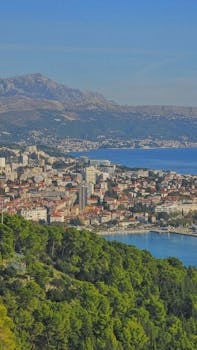
Adriatic coastal cuisine emphasizing fresh seafood, extra virgin olive oil, Mediterranean herbs (rosemary, sage), wine. Simple preparation showcasing ingredient quality. Peka (coal-roasted meat/seafood) iconic cooking method. Split, Dubrovnik, Zadar culinary centers.
Cultural Significance:
Dalmatian cuisine preserves ancient Greek and Roman culinary traditions. Maritime heritage shapes seafood-focused diet. Pašticada preparation requires 24+ hours marination and slow cooking - symbol of Dalmatian patience and hospitality. Rožata (Dubrovnik caramel custard) UNESCO candidate.
Signature Dishes:
- Pašticada (wine-braised beef)
- Crni rižot (black risotto)
- Brudet (fish stew)
- Gregada (white fish stew)
Key Ingredients:
Zagorje
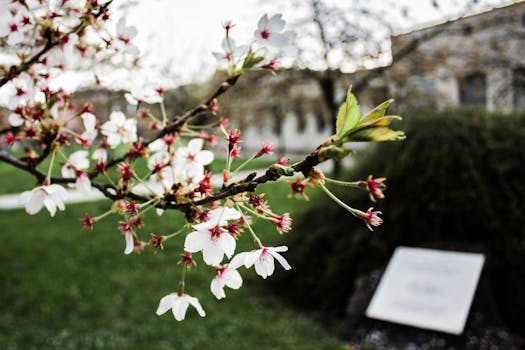
Northwestern hills region near Zagreb - hearty comfort food reflecting agricultural heritage. Štrukli (cheese-filled pastry) most famous dish, protected as Croatian Intangible Heritage. Dairy-rich cuisine with sour cream, kajmak (cream cheese), cottage cheese.
Cultural Significance:
Štrukli designated Croatian national dish and protected cultural heritage. Zagorje wine roads (Međimurje) showcase indigenous grape varieties. Traditional family recipes passed through generations. Krapina region known for authentic preparation methods preserving pre-industrial culinary traditions.
Signature Dishes:
- Štrukli (cheese pastry)
- Zelena menestra (cabbage and beans)
- Purica s mlincima (turkey with dough)
- Zagorski štrukli
Key Ingredients:
Slavonia
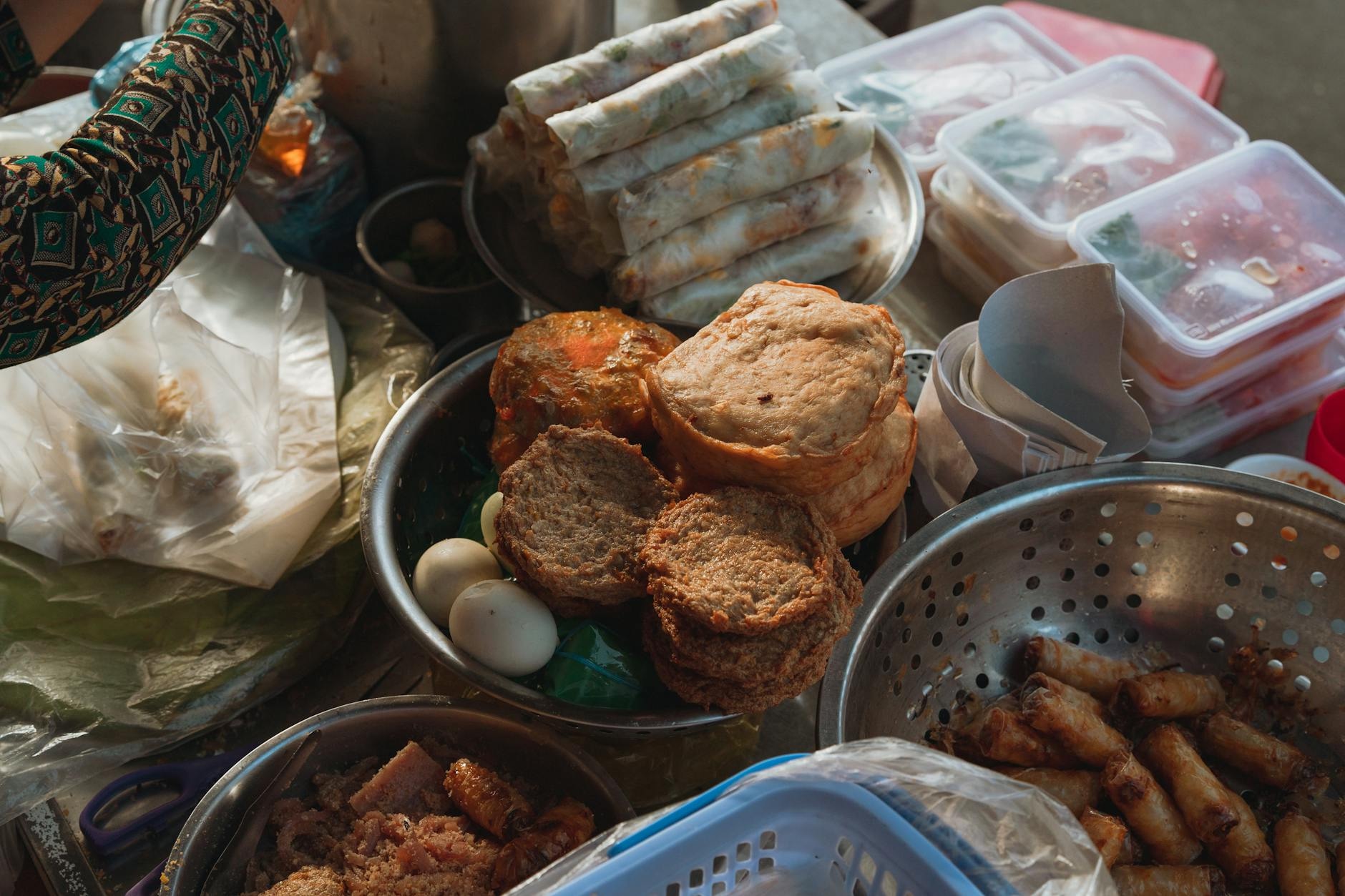
Eastern Croatia plains region - hearty meat-based cuisine with Hungarian and Austrian influences. Kulen (spicy cured sausage) PDO-protected. Paprika-rich dishes, freshwater fish from Danube and Drava rivers. Osijek, Vukovar culinary centers.
Cultural Significance:
Slavonian kulen production is centuries-old tradition with strict PDO designation requirements. Fiš paprikaš reflects Hungarian paprika influence and Pannonian plain fishing traditions. Čobanac shepherd's stew requires hours of slow cooking - symbol of communal gatherings. Slavonia breadbasket of Croatia.
Signature Dishes:
- Kulen (spicy sausage)
- Čobanac (shepherd's stew)
- Fiš paprikaš (paprika fish stew)
- Slavonski kulen
Key Ingredients:
Lika
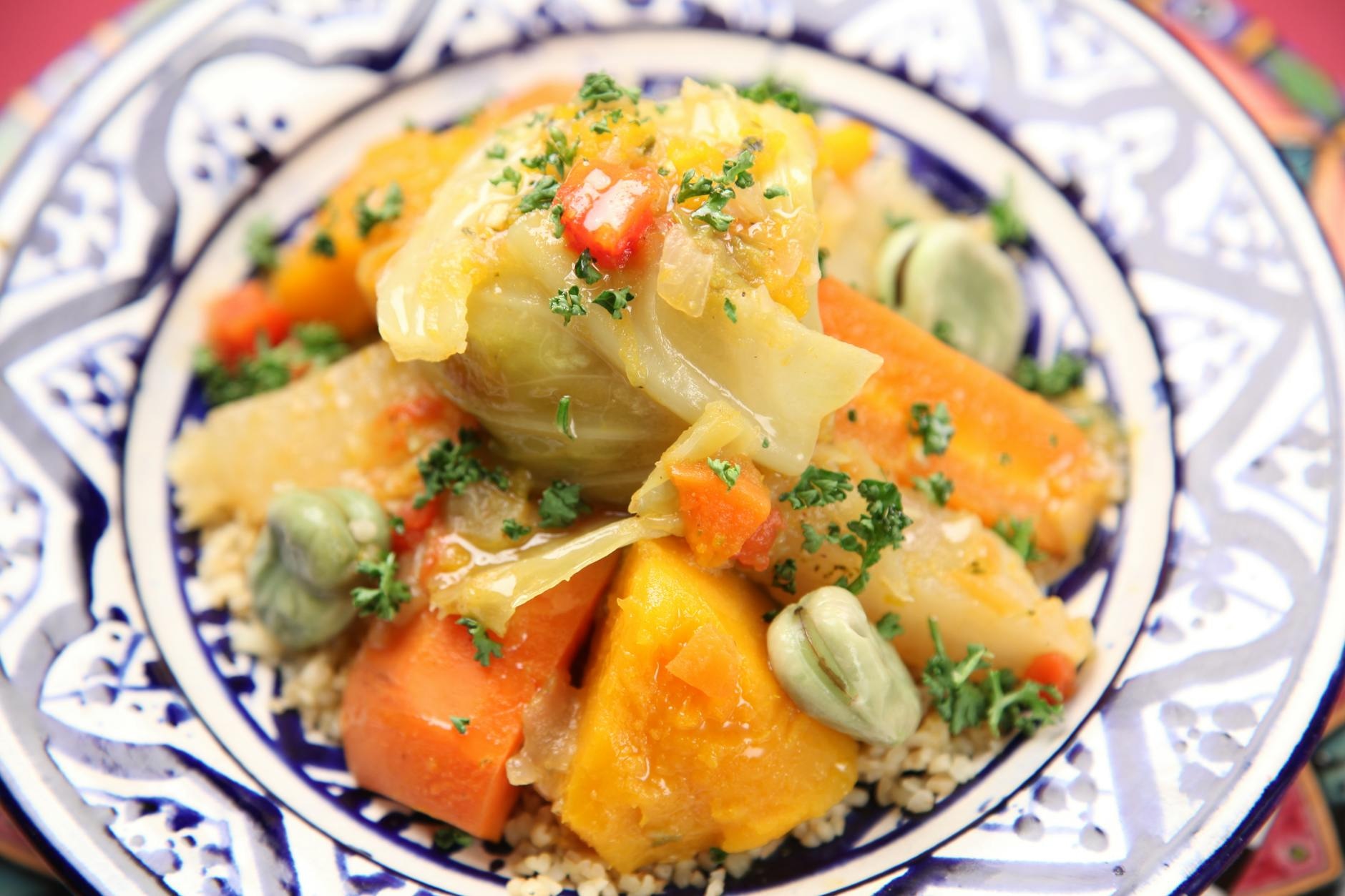
Mountainous region between coast and continental Croatia - simple, rustic mountain cuisine. Lamb and veal dominant proteins. Peka cooking method originated here. Cheese production (Lički sir) traditional livelihood. Harsh climate shapes preservation techniques (smoking, drying).
Cultural Significance:
Lika cuisine reflects mountain shepherd traditions and self-sufficiency. Peka cooking method (meat/vegetables under iron bell covered with coals) defines Croatian culinary identity. Lički krumpir potatoes grown in harsh climate develop unique flavor. Velebit mountain herbs add distinctive character to lamb dishes.
Signature Dishes:
- Janjetina ispod peke (lamb under peka)
- Lički krumpir (Lika potatoes)
- Ličke police (potato pancakes)
- Lički sir (cheese)
Key Ingredients:
Sweet Delights & Desserts
Indulge in Croatia's traditional sweet treats and desserts.

Krafne
Croatian doughnuts similar to Berliner - soft yeast dough filled with apricot jam, chocolate, or vanilla custard, dusted with powdered sugar. Carnival (Poklade) tradition but enjoyed year-round. Zagreb bakeries specialize in fresh krafne.
Fritule
Small fried dough balls flavored with rum, citrus zest (lemon and orange), raisins, sometimes grappa. Dusted with powdered sugar. Christmas market staple along Adriatic coast and Zagreb. Warm, crispy exterior with soft interior.

Orahnjača
Traditional walnut roll - sweet yeast dough rolled with ground walnut filling (walnuts, sugar, milk, rum). Christmas and Easter specialty. Sliced and served with coffee. Similar to makovnjača but with walnuts.

Rožata
Dubrovnik's signature dessert - caramel custard similar to crème caramel or flan, flavored with rose liqueur (Rozulin) or Maraschino cherry liqueur. Silky smooth texture. UNESCO Intangible Heritage candidate. Dalmatian coastal specialty.

Kroštule
Crispy fried pastry ribbons twisted into knots or bows, dusted with powdered sugar. Carnival (Poklade) tradition throughout Croatia. Light, crunchy texture. Similar to Italian crostoli or angel wings. Coastal and continental versions vary slightly.

Makovnjača
Poppy seed roll - sweet yeast dough rolled with ground poppy seed filling (poppy seeds, sugar, milk, honey). Christmas and Easter specialty. Darker color than orahnjača. Slavonia and Zagreb regions particularly known for makovnjača.

Paprenjaci
Spiced pepper cookies from northern Croatia - honey cookies with black pepper, cinnamon, cloves, nutmeg. Crispy texture. Medieval origins. Christmas tradition but available year-round. Pepper provides subtle warmth, not heat.

Stonska Torta
Ston cake from Pelješac peninsula - pastry layers filled with almond cream, chocolate, caramelized sugar. Historic recipe from Republic of Dubrovnik. Labor-intensive preparation. Ston Cake Museum showcases tradition. Protected Ston salt used.
Traditional Beverages
Discover Croatia's traditional drinks, from locally produced spirits to regional wines.

Maraschino
A cherry liqueur, originally from Zadar, known for its distinctive sweet and slightly bitter taste. It's often enjoyed as a digestif.

Travarica
A herbal liqueur, made with a blend of herbs and spices. The exact recipe varies depending on the producer, but it's typically strong and aromatic.

Plavac Mali
A red wine varietal from the Pelješac peninsula, known for its rich, full-bodied flavor and dark color. It's often paired with grilled meats and seafood.
Soft Beverages
Discover Croatia's traditional non-alcoholic drinks, from local teas to refreshing juices.

Kava
Coffee is a staple beverage in Croatia, often served as espresso or macchiato. It's a popular social drink and is enjoyed throughout the day.

Mineral Water (Mineralna voda)
Mineral water is widely consumed in Croatia, with various brands available. It's a refreshing and healthy beverage option.

Fruit Juices (Sok od voća)
Freshly squeezed fruit juices are popular, particularly during the summer months. Common options include orange, apple, and grapefruit juice.