
Algeria Food Guide
Content Information
Recently updated🔥Current Food Trends 2025
What's happening in Algeria's culinary scene right now
Algeria's culinary landscape in November 2025 celebrates Berber-Arab-French fusion, Saharan traditions, Mediterranean coastal flavors, couscous heritage, dates and lamb culture. November marks pleasant autumn season (15-22°C/59-72°F coastal, cooler inland) after summer heat - ideal for exploring Algiers' café culture, Sahara oasis cuisine, Mediterranean seafood. Algiers' dining evolves: French colonial architecture houses contemporary Algerian restaurants, traditional maqams (eating establishments) revive. November 2025 sees Algerian gastronomy gaining recognition - couscous UNESCO Intangible Heritage (shared with Morocco, Tunisia, Mauritania) celebrated. Couscous Friday tradition persists - families gather for steamed semolina grains with vegetables, chickpeas, lamb or chicken stew. Each region prepares couscous differently: Algiers' tfaya (sweet-savory), Constantine's mesfouf (sweet couscous), Kabylie's couscous with buttermilk. French influence endures: baguettes, croissants, cafés serving café au lait ubiquitous. Berber heritage strong in mountain regions (Kabylie, Aurès) - traditional dishes like couscous, tajines, olive oil production. Saharan cuisine distinct: dates central (Deglet Noor variety world-famous), camel meat, desert truffles (terfez), slow-cooked tajines in sand. November brings date harvest completion - Biskra oasis celebrates. Ramadan preparations begin mentally (Ramadan March 2025) - street vendors practice making zlabia (fried pastry), chebakia. Algerian mint tea culture omnipresent - sweet green tea with fresh mint served hospitality ritual. Halal meat standard in Muslim-majority country (99% Muslim). November football (soccer) season brings communal watching with merguez (spicy lamb sausage), makroudh (semolina date cookies). Limited tourism infrastructure compared to Tunisia/Morocco creates authentic, unpolished food experiences.
Food Safety Tips
Essential food safety information to help you enjoy Algeria's cuisine safely and confidently.
Check food hygiene standards in Algeria
While Algeria generally has good food hygiene standards, it's always wise to choose restaurants that appear clean and well-maintained.
Drink bottled water in Algeria
In Algeria, it's recommended to drink bottled water, especially in rural areas where water quality may vary.
Be cautious with street food in Algeria
Street food in Algeria can be delicious and safe, but choose vendors with high turnover and good hygiene practices.
Dietary Options
vegetarian
MEDIUM AVAILABILITYVegetarian options are increasingly available in Algeria, particularly in urban areas and tourist destinations.
vegan
LOW AVAILABILITYVegan options can be limited in Algeria, as many traditional dishes include animal products. However, major cities may have specialized restaurants.
gluten-free
LOW AVAILABILITYFinding gluten-free options in Algeria can be challenging. Consider learning key phrases to explain your dietary needs.
halal
HIGH AVAILABILITYAlgeria is predominantly Muslim (99% of population), making halal food the standard. Nearly all meat is halal by default. Pork is extremely rare and only available in specific international hotels.
kosher
VERY LOW AVAILABILITYKosher food extremely rare in Algeria. Historically significant Jewish community largely emigrated post-independence (1962). No kosher restaurants or certification infrastructure. Observant travelers must bring provisions or rely on sealed international products, fresh produce, naturally kosher items.
Common Allergens
Nuts
MEDIUM PREVALENCEVarious nuts are common in Algeria's cuisine, particularly in desserts and some savory dishes.
COMMONLY FOUND IN:
Dairy
HIGH PREVALENCEDairy products are widely used in Algeria, featuring in many traditional dishes.
COMMONLY FOUND IN:
Wheat
HIGH PREVALENCEWheat is a staple in Algeria's cuisine, used in bread, pastries, and many other foods.
COMMONLY FOUND IN:
Essential Food Experiences
These iconic dishes represent the must-have culinary experiences that define Algeria's food culture for travelers.

Couscous (كسكس)
A staple across North Africa, Algerian couscous features steamed semolina grains topped with stews, vegetables, and sometimes meat.

Tagine (طجين)
Unlike Moroccan tagines, Algerian versions are slow-cooked stews prepared in a traditional earthenware pot. They can include lamb, chicken, or vegetables.

Chorba (شوربة)
A hearty soup, often tomato-based, with various vegetables, meat, or chickpeas. Different variations exist across regions.
Regional Specialties & Local Favorites
Discover the authentic regional dishes and local favorites that showcase Algeria's diverse culinary traditions.

Dolma (دولمة)
Stuffed vegetables, typically vine leaves, peppers, or tomatoes, filled with rice, meat, and herbs.

Mhadjeb (محاجب)
A savory stuffed pancake, often filled with onions, tomatoes, and spices, popular as street food.
Allergens:

Bourek (بريك)
A crispy, deep-fried pastry filled with various ingredients like meat, cheese, or vegetables.
Allergens:
Regional Cuisine Highlights
Explore the diverse culinary landscapes across different regions of Algeria.
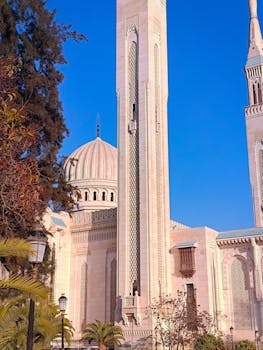
Algiers
Coastal influence with emphasis on seafood and fresh produce. Known for its refined dishes and French culinary influences.
Cultural Significance:
Reflects the city's history as a major port and its cosmopolitan character.
Signature Dishes:
- Bourek
- Shorbat Adas
- Mechoui
Key Ingredients:
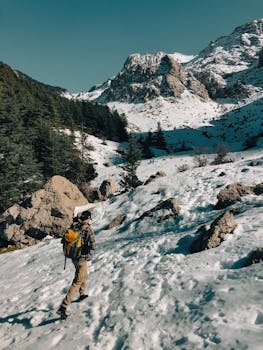
Kabylie
Hearty, rustic cuisine featuring dishes like couscous with game, stews, and flatbreads. Emphasis on local ingredients and Berber traditions.
Cultural Significance:
Preserves Berber culinary heritage with unique dishes and cooking techniques.
Signature Dishes:
- Couscous Timeqtuyt
- Aghrum Aquran
- Sekssu
Key Ingredients:
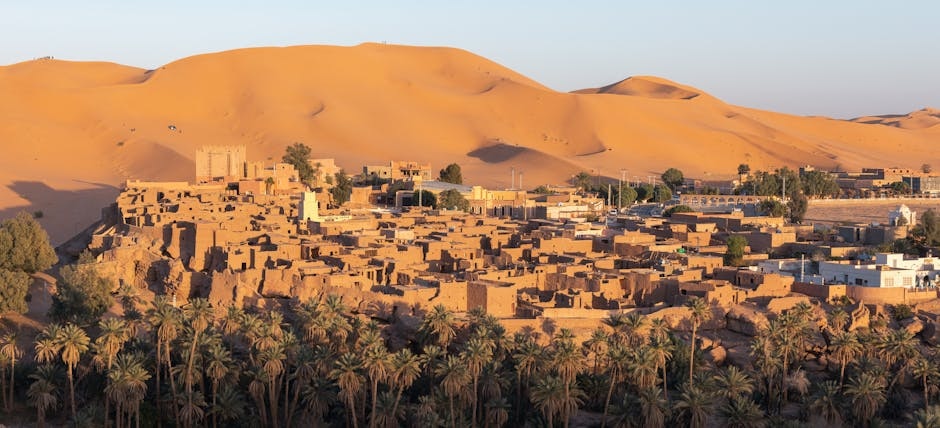
Sahara Region
Cuisine adapted to the desert climate, featuring preserved meats, dates, and limited fresh produce. Nomadic influences are prominent.
Cultural Significance:
Reflects the nomadic lifestyle and resourcefulness of the desert communities.
Signature Dishes:
- Taguella
- El A'asida
- Mechoui
Key Ingredients:
Sweet Delights & Desserts
Indulge in Algeria's traditional sweet treats and desserts.

Baklava (بقلاوة)
A sweet pastry made with layers of filo dough, filled with chopped nuts, and sweetened with syrup or honey.

Dziriettes (زريعات)
Algerian cookies shaped like crescents, often flavored with almonds and vanilla.

Ktayef (قطايف)
Small, folded pancakes filled with nuts and soaked in syrup, often served during Ramadan.
Traditional Beverages
Discover Algeria's traditional drinks, from locally produced spirits to regional wines.

Boukha (بوخة)
A fig brandy primarily produced in the Jewish community, typically served as a digestif.
Soft Beverages
Discover Algeria's traditional non-alcoholic drinks, from local teas to refreshing juices.

Mint Tea (أتاي بالنعناع)
A staple beverage in Algeria, prepared with gunpowder green tea, fresh mint, and sugar.

Coffee (قهوة)
Strong, often sweetened coffee, sometimes spiced with cardamom.

Sharbat (شربة)
A refreshing fruit syrup drink, popular during Ramadan.