
Kyrgyzstan Food Guide
Content Information
Recently updated🔥Current Food Trends 2025
What's happening in Kyrgyzstan's culinary scene right now
Kyrgyzstan's culinary landscape in 2025 celebrates nomadic heritage, horse culture, Tian Shan mountains, and Soviet legacy. Beshbarmak remains the national dish - boiled horse or mutton with hand-pulled noodles, eaten with hands (five fingers tradition). Kymyz (fermented mare's milk) is a cultural cornerstone - a summer drink with medicinal properties believed, serving as a nomadic identity symbol. Winter months bring hearty meat dishes like kuurdak and shorpo stews. Issyk-Kul Lake region offers fishing tourism with fried trout and fresh catches. Bishkek dining scene modernizes with restaurants like Navigator, Faiza, and Chaikhana Navat leading contemporary Kyrgyz cuisine. Osh in the south is known for plov (rice dish) with strong Uzbek influences. Lagman (Uyghur hand-pulled noodle soup) is ubiquitous showing Dungan influence. Coal-fired tandir ovens bake lepyoshka bread (Central Asian flatbread). Osh Bazaar in Bishkek offers spice stalls, dried fruits, and nuts showcasing Central Asian variety. Kyrgyzstan positions its culinary identity around nomadic traditions, horse culture, mountain resilience, and Silk Road crossroads.
Food Safety Tips
Essential food safety information to help you enjoy Kyrgyzstan's cuisine safely and confidently.
Drink bottled or boiled water
Tap water in Kyrgyzstan may not be safe for consumption. Stick to bottled or boiled water to avoid waterborne illnesses.
Be cautious of street food hygiene
While street food can be a delicious and affordable option, ensure the vendor maintains good hygiene practices. Look for clean stalls and freshly cooked food.
Wash fruits and vegetables thoroughly
Wash all fruits and vegetables with clean water, or peel them before consumption to minimize the risk of pesticide exposure.
Dietary Options
vegetarian
MEDIUM AVAILABILITYVegetarian options available but limited - Kyrgyz cuisine is heavily meat-based. Salads (achichuk tomato-cucumber), lagman (request vegetables-only), boorsoq (fried dough), dairy products (kaimak cream, kurt dried cheese balls, airan yogurt), and lepyoshka bread are safe choices. Bishkek restaurants like Navigator and Chef Tenishev's offer vegetarian adaptations. Russian influence brings vegetable soups and salads. Homestays can accommodate dietary needs with advance communication - families prepare vegetable kuurdak and dairy-heavy meals. Markets like Osh Bazaar sell fresh produce, dried fruits, and nuts. Self-catering is possible.
vegan
LOW AVAILABILITYVegan diet is challenging in Kyrgyzstan - meat and dairy are ubiquitous. Traditional nomadic diet is meat/dairy-centric. Naturally vegan: lepyoshka bread (verify no butter), boiled vegetables, boorsoq (if fried in vegetable oil), dried fruits, nuts, and some lagman broths. Dairy is pervasive - kymyz, airan, and kurt are integral to culture. Bishkek modern cafes like Adriano and Sierra may offer vegan options. CBT homestays are difficult - explain 'no meat, no dairy, no eggs' clearly (Russian: 'ya vegan'). Bring supplements and protein sources.
gluten-free
LOW AVAILABILITYGluten-free is difficult - wheat is a staple (lepyoshka bread, lagman noodles, manty dumplings, boorsoq). Naturally gluten-free: beshbarmak rice version (request), plov (rice dish), kuurdak (fried meat/potatoes - verify no flour thickening), dairy products, and grilled meats. Cross-contamination is common. Bishkek restaurants are increasing awareness but have limited options. Communicate clearly: 'u menya allergiya na gluten' (I have gluten allergy). Rice, potatoes, meat, and dairy are safe bets.
halal
HIGH AVAILABILITYHalal food is widely available - approximately 90% of Kyrgyzstan's population is Muslim (nominal to practicing). Traditional meat slaughter follows Islamic methods. Pork is rare (consumed by Russian minority and Korean diaspora). All local beef, lamb, and horse meat is halal unless specified otherwise. Bishkek mosques like Central Mosque have nearby halal eateries. Osh in southern Kyrgyzstan is more conservative with halal as standard. Horse meat is halal permissible according to Hanafi and Shafi'i schools followed by Kyrgyz. Eagle hunting and sheep sacrifice festivals all use halal slaughter. Many local restaurants do not serve alcohol.
kosher
VERY LOW AVAILABILITYKosher food is virtually non-existent - tiny Jewish community (~1,000), no active synagogues, and no kosher certification. Soviet era decimated Central Asian Jewish populations. Travelers must bring sealed kosher products. Fish with scales and fins are available (Issyk-Kul trout), but shellfish cross-contamination is unlikely. Fresh fruits, vegetables, plain rice, and potatoes are kosher. Meat and poultry are unavailable in kosher form. Horse meat is NOT kosher. Dairy products are unregulated. Self-catering is essential. Bishkek international hotels like Hyatt Regency may prepare sealed vegetarian meals with advance notice.
Common Allergens
Dairy
HIGH PREVALENCEDairy products like milk, yogurt, and kymyz (fermented mare's milk) are common in Kyrgyz cuisine.
COMMONLY FOUND IN:
Wheat
HIGH PREVALENCEWheat is a staple in Kyrgyz cuisine, used in bread, noodles, and pastries.
COMMONLY FOUND IN:
Nuts
MEDIUM PREVALENCENuts, particularly walnuts and almonds, are used in various dishes and desserts.
COMMONLY FOUND IN:
Essential Food Experiences
These iconic dishes represent the must-have culinary experiences that define Kyrgyzstan's food culture for travelers.

Besh Barmak (Бешбармак)
Besh Barmak ('five fingers'), Kyrgyzstan's national dish, features boiled horse or mutton over hand-pulled noodles. Meat is boiled for hours until tender, noodles are rolled thin and cut into squares, then boiled separately. Onion sauce (chyk) is poured over. Served on a communal platter and eaten with hands. Cultural centerpiece at weddings, funerals, and celebrations. Horse meat is preferred due to nomadic heritage, though lamb and beef are acceptable.

Lagman (Лагман)
Lagman is a Uyghur hand-pulled noodle soup with thick wheat noodles that are hand-pulled and topped with stir-fried meat, vegetables, and spicy sauce. Two versions exist: zharkop (dry) and guiru (soup). Dungan and Uyghur communities specialize in this dish. Satisfying and warming - perfect for winter months. Silk Road connections are evident in this Central Asian specialty.

Manty (Манты)
Manty are steamed dumplings filled with minced lamb or beef and onions (1:1 ratio to keep filling juicy). Steamed in a multi-tiered steamer until cooked. Served hot with kaymak (sour cream). The juice inside is essential - take care with the first bite. Popular as street food and at celebrations.

Plov (Плов)
Plov (pilaf) is a celebratory rice dish with rice cooked with lamb, carrots, onions, garlic, cumin, and barberries. A kazan (cast-iron cauldron) is the traditional vessel. Result: fragrant, golden rice with each grain separate. Served on a communal platter. Weddings and funerals require plov - master cooks (oshpaz) are respected. Uzbek influence is strong in this dish.

Samsa (Самса)
Samsa are baked savory pastries, with tandir oven being the signature cooking method. Dough is filled with minced lamb or beef, onions, fat, and spices. Shaped into triangles, slapped onto tandir walls, and baked until golden. Ubiquitous street food. Similar to samosa but baked and larger. Uzbek influence is evident. Pumpkin samsa offers a vegetarian variation.

Kuurdak (Куурдак)
Kuurdak is a fried meat dish and winter comfort food. Lamb or beef is cubed and fried in its own fat with onions and sometimes potatoes. Liver, kidneys, and heart are sometimes included. Rich, fatty, and intensely savory. Popular from November to March. Nomadic heritage shows in utilizing every part and rendered fat for preservation.

Shorpo (Шорпо)
Shorpo is a traditional meat soup with lamb or beef boiled with large-cut vegetables (potatoes, carrots, onions) and minimal spices. Clear, flavorful broth with tender meat. A hospitality dish served to guests. Variations include Naryn shorpo (horse meat) and Issyk-Kul shorpo (fish).

Oromo (Оромо)
Oromo is a rolled steamed flatbread with filling, a Uyghur specialty. Dough is rolled very thin, spread with meat or vegetable mixture, rolled tightly, coiled into a spiral, and steamed. Sliced into rounds with a pinwheel appearance. Served with kaymak. Dungan and Uyghur restaurants specialize in this. Pumpkin oromo is vegetarian-friendly.

Ashlan-Fu (Ашлан-Фу)
Ashlan-Fu is a cold spicy noodle soup, a Dungan specialty. Features thick starch noodles, laghman noodles, vegetables (radish, cucumber, cilantro), vinegar-based spicy sauce, and sometimes egg. Served chilled. Karakol city is famous for this dish. Chinese culinary techniques adapted to Central Asian ingredients. Vegetarian-friendly (request no meat).

Kazy (Казы)
Kazy is a horse meat sausage and nomadic delicacy. Horse rib meat with fat is stuffed into intestine casing, then boiled or smoked. Sliced thin and served cold or warm. Rich with a slightly sweet taste (horse meat characteristic). Prestige food - expensive and reserved for special occasions. Cultural significance is immense as horses are central to Kyrgyz identity.
Regional Specialties & Local Favorites
Discover the authentic regional dishes and local favorites that showcase Kyrgyzstan's diverse culinary traditions.
Plov (Плов)
Plov is a rice dish with meat (typically lamb or beef), carrots, onions, and spices. It's a popular dish for celebrations and special occasions.
Shorpo (Шорпо)
Shorpo is a traditional meat and vegetable soup, often served as a starter or light meal.
Kuurdak (Куурдак)
Kuurdak is a fried meat dish with potatoes, onions, and other vegetables. It's a hearty and flavorful dish, often served during colder months.

Boorsoq (Боорсок)
Fried dough balls served with tea, jam, honey, or kaymak (clotted cream). Essential at weddings, funerals, and holidays representing hospitality.
Allergens:

Chak-Chak (Чак-чак)
Deep-fried dough pieces drizzled with honey syrup, formed into pyramid or mound shape. Crunchy, sticky, intensely sweet. Tatar influence evident.
Allergens:

Kymyz (Кымыз)
Fermented mare's milk drink with cultural significance. Slightly sour taste and low alcohol content. Traditional Kyrgyz drink believed to have health benefits.
Allergens:

Lepyoshka Bread
Central Asian flatbread baked in coal-fired tandir ovens. Round shape with decorative patterns pressed into dough. Served warm with every meal.
Allergens:

Halva (Халва)
Sesame or sunflower seed sweet mixed with sugar or honey, sometimes nuts, flavored with cardamom or vanilla. Crumbly texture, rich nutty flavor. Uzbek and Middle Eastern influence.
Allergens:
Regional Cuisine Highlights
Explore the diverse culinary landscapes across different regions of Kyrgyzstan.
Naryn (Central Highlands)
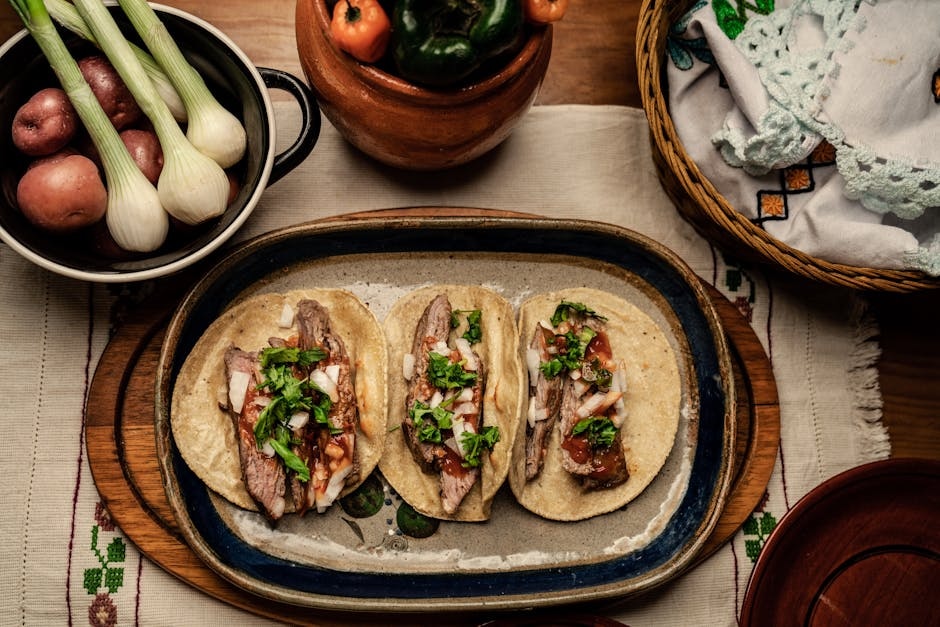
Naryn region in the central mountains features the most traditional Kyrgyz cuisine. Horse meat dominates - beshbarmak with horse meat is considered most authentic. Harsh climate (cold winters, short summers) requires calorie-dense foods. Dairy products are essential - kymyz (fermented mare's milk), kurut (dried cheese balls), kaimak (clotted cream). Nomadic heritage is strongest here with yurt living, jailoo (summer pastures), and traditional hospitality. Kochkor and Naryn city are known for authentic cuisine. CBT homestays offer traditional meals.
Cultural Significance:
Naryn represents Kyrgyz nomadic identity core - horse culture, yurt living, Epic of Manas homeland. Food culture unchanged for centuries - preservation techniques, communal eating, hospitality rituals are sacred. Tien Shan mountains isolation preserved traditions.
Signature Dishes:
- Besh Barmak (horse meat)
- Kazy (horse sausage)
- Kymyz (mare's milk)
- Shorpo (horse meat)
- Kurut (dried cheese)
Key Ingredients:
Issyk-Kul (Lake Region)
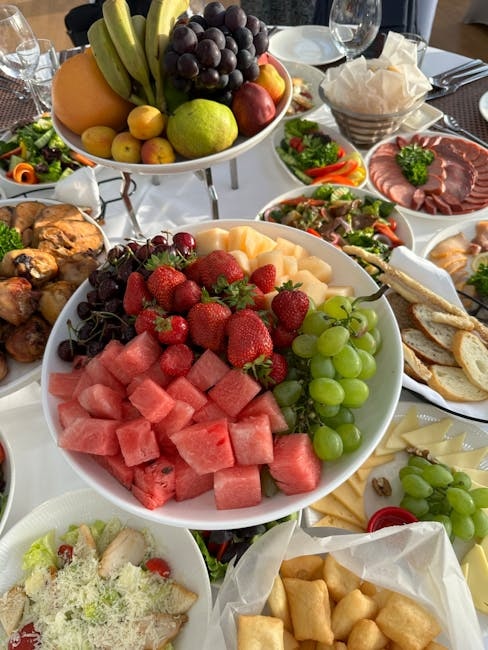
Issyk-Kul Lake region features the world's 2nd largest alpine lake with unique cuisine. Fish dishes are prominent - trout, whitefish, carp fried, grilled, or smoked. Tourism influence is strong in Cholpon-Ata and Karakol resorts. Dungan (Chinese Muslim) community in Karakol is concentrated - ashlan-fu (cold spicy noodle soup) and lagman excellence. Russian influence (Soviet resort towns) brings borscht, pel'meni, and salads. Fresh produce is grown lakeside with a mild microclimate - apples, apricots, vegetables.
Cultural Significance:
Issyk-Kul represents Kyrgyzstan's diversity - Dungan, Russian, and Kyrgyz communities coexist with culinary exchanges. Lake is sacred in Kyrgyz culture - never freezes (issyk-kul means 'warm lake'), with ancient legends. Dungan fled China in 1877, settled in Karakol, and preserved culinary traditions.
Signature Dishes:
- Fried Issyk-Kul trout
- Ashlan-Fu (Karakol)
- Lagman (Dungan style)
- Smoked fish
- Fresh lake fish soup
Key Ingredients:
Osh & Southern Regions
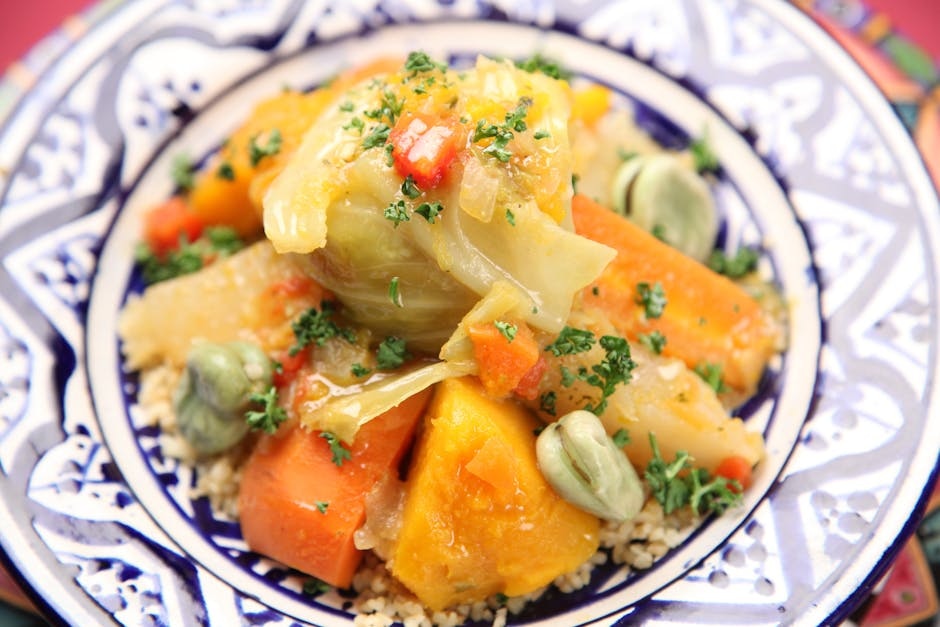
Osh in southern Kyrgyzstan is an ancient Silk Road city (3,000+ years old). Uzbek influence is dominant - plov is considered best in Kyrgyzstan, along with shashlik (kebabs) and samsa excellence. Fergana Valley location (shared with Uzbekistan) shapes cuisine - rice, cotton, and fruits are abundant. Markets like Jayma Bazaar (oldest in Central Asia) sell spices, dried fruits, and nuts. More conservative Muslim population means halal is standard with alcohol less common.
Cultural Significance:
Osh represents Central Asian crossroads - Kyrgyz, Uzbek, and Tajik communities blend. Sulayman Too (sacred mountain) UNESCO site overlooks the city. Silk Road legacy brought spices and culinary techniques. Osh plov transcends ethnicity as universal celebration food.
Signature Dishes:
- Osh plov (authentic)
- Shashlik (grilled skewers)
- Samsa (tandir-baked)
- Dimlama (stew)
- Lagman (Uyghur style)
Key Ingredients:
Sweet Delights & Desserts
Indulge in Kyrgyzstan's traditional sweet treats and desserts.
Boorsoq (Боорсок)
Boorsoq are fried dough balls served at celebrations. Small pieces of dough are deep-fried until golden and puffy. Served with tea, jam, honey, or kaymak (clotted cream). Essential at weddings, funerals, and holidays. Represents hospitality - guests always offered boorsoq with tea. Simple, satisfying - crispy outside, fluffy inside.
Chak-Chak (Чак-чак)
Chak-chak features deep-fried dough pieces drizzled with honey syrup. Small dough strips are fried, coated in honey or sugar syrup, and formed into a pyramid or mound shape. Crunchy, sticky, intensely sweet. Tatar influence (Tatar minority in Kyrgyzstan). Special occasions and celebrations. Similar to Middle Eastern awwameh.
Halva (Халва)
Halva is a sesame or sunflower seed sweet. Ground seeds are mixed with sugar or honey, sometimes nuts, flavored with cardamom or vanilla. Crumbly texture, rich nutty flavor. Uzbek and Middle Eastern influence. Osh Bazaar sells varieties - tahini halva, sunflower halva. Served in small portions with tea. Homemade versions are traditional.

Zhent (Жент)
Zhent is a Central Asian sweet spread. Ground walnuts are mixed with sugar, honey, and sometimes butter. Thick paste consistency - spread on bread or boorsoq, or eaten alone. Nutritious with walnut protein, fats, and minerals. Traditional nomadic food - portable and energy-dense. Similar to nut butter but sweeter with coarser texture.

Baklava (Пахлава)
Baklava features layered phyllo pastry with nuts and honey syrup. Turkish and Middle Eastern influence - popular throughout Central Asia. Thin phyllo sheets are brushed with butter, layered with chopped walnuts or pistachios, baked until golden, and soaked in honey syrup. Rich, sweet, flaky. Uzbek bakeries in Kyrgyzstan prepare excellent versions. For special occasions.
Traditional Beverages
Discover Kyrgyzstan's traditional drinks, from locally produced spirits to regional wines.

Bozo (Бозо)
Bozo is a mildly alcoholic fermented millet drink. It's a traditional beverage, often consumed during celebrations.

Kymyz (Кымыз)
Kymyz is a fermented mare's milk drink with a slightly sour taste and low alcohol content. It's a traditional Kyrgyz drink with cultural significance.
Soft Beverages
Discover Kyrgyzstan's traditional non-alcoholic drinks, from local teas to refreshing juices.

Tea (Чай)
Tea is a staple beverage in Kyrgyzstan, often consumed throughout the day. Black tea is the most common variety, often served with milk and sugar.

Chalap (Чалап)
Chalap is a refreshing yogurt-based drink, often flavored with herbs and spices. It's a popular summer beverage.

Maksym (Максым)
Maksym is a traditional Kyrgyz drink made from fermented grains, similar to kvass. It's a slightly sweet and tangy beverage.