
Madagascar Food Guide
Content Information
Recently updated🔥Current Food Trends 2025
What's happening in Madagascar's culinary scene right now
Madagascar's culinary landscape in November 2025 celebrates rice culture, vanilla harvest season, zebu cattle heritage, eco-tourism dining innovations, lemur conservation cuisine. Vary amin'anana (rice with greens) remains staple - 95% population rice-based diet, ranon'apango (rice water) traditional beverage revival. November marks spring season (October-December) - warm weather (25-30°C/77-86°F), pre-rain period ideal travel conditions, vanilla harvest peaks northern regions. Vanilla farming cultural icon - Madagascar produces 80% world's natural vanilla, SAVA region (Sambava-Antalaha-Vohemar-Andapa) harvest season November-January, cyclone-damaged 2017 crops recovering, prices stabilizing 2024-2025, farm-to-table vanilla tours Antananarivo restaurants. Zebu cattle culturally sacred - humped cattle symbol wealth & status, traditional ceremonies (famadihana ancestor rituals), romazava national dish (zebu stew brèdes mafana greens), kitoza dried zebu strips snack. Eco-tourism dining boom - Andasibe-Mantadia National Park lemur-watching tours paired rainforest cuisine experiences, Anjajavy Le Lodge northwest coast sustainable seafood menus, Madagascar Wildlife Conservation funds restaurant donations. Antananarivo culinary scene modernizing - La Varangue fine dining French-Malagasy fusion, Sakamanga Hotel traditional buffets, Kudeta rooftop bar craft cocktails, street food markets (Analakely, Pochard) mofo gasy rice cakes, sambosa samosas. French colonial legacy persists - baguettes ubiquitous, croissants breakfast staple, French pastry shops Antananarivo. Climate challenges impact food security - cyclone season (November-April) threatens crops, rice shortages periodically, WFP (World Food Programme) emergency assistance southeastern regions. Chinese diaspora influence - Sino-Malagasy restaurants Antananarivo (mine bo noodle soup), market vendors, rice import trade. Nosy Be island tourism hub - seafood restaurants Ambatoloaka beach, vanilla plantation tours, ylang-ylang perfume distillery visits, rum cocktails (toaka gasy local rum). November festivals - Alahamady Be Malagasy New Year (varies, traditional astrology calendar), family gatherings, zebu sacrifices, traditional foods.
Food Safety Tips
Essential food safety information to help you enjoy Madagascar's cuisine safely and confidently.
Be cautious with street food in Madagascar
While street food is a highlight of Madagascar cuisine, choose stalls with good hygiene practices, high customer turnover, and where food is cooked fresh to order.
Drink bottled water in Madagascar
In Madagascar, it's advisable to drink bottled water with intact seals, especially in rural areas and smaller towns.
Be aware of common food allergens in Madagascar
In Madagascar, common allergens might not be clearly labeled on menus. Learn key phrases to communicate dietary restrictions in the local language.
Dietary Options
vegetarian
MEDIUM AVAILABILITYVegetarian options in Madagascar can be somewhat limited, especially outside of larger cities and tourist areas. Rice and vegetable-based dishes are readily available, such as "vary amin'anana" (rice with greens). It's important to clearly communicate dietary restrictions, using phrases like "tsy mihinana hena aho" (I don't eat meat) or "legioma ihany" (vegetables only). Many restaurants can adapt dishes to exclude meat or seafood. Street food can be challenging for vegetarians due to the prevalence of meat-based broths and sauces. In urban areas, some specialized vegetarian and vegan restaurants are emerging, offering more diverse options. It's always advisable to inquire about ingredients and preparation methods to ensure dishes meet vegetarian requirements. Fruits and vegetables are abundant and can supplement meals. Be aware that zebu broth is often used as a base in many dishes, so double-checking is essential.
vegan
LOW AVAILABILITYVeganism is less common in Madagascar, and finding strictly vegan options can be challenging. While rice and vegetable dishes are available, they may be cooked with animal fats or broths. Communicating vegan requirements clearly is crucial, using phrases like "tsy mihinana vokatra biby aho" (I don't eat animal products). Urban areas may have some restaurants that can accommodate vegan requests, but options are generally limited. It's essential to inquire about all ingredients, including sauces and seasonings, as they may contain animal products. Fruits and vegetables are readily available and can form the basis of a vegan diet. Careful planning and communication are essential for vegan travelers in Madagascar. Bringing supplemental vegan protein sources or snacks can be helpful.
gluten-free
HIGH AVAILABILITYGluten-free dining in Madagascar is generally favorable due to rice-based cuisine dominance. Vary (rice) is staple carbohydrate consumed with nearly every meal - vary amin'anana (rice with greens), romazava (rice with zebu stew), ravitoto (rice with cassava leaves & pork). Rice flour used in traditional snacks - mofo gasy (rice cakes), mofo akondro (banana-rice bread), koba ravina (rice-peanut-banana cake). Cassava (mangahazo) also gluten-free staple, especially southern regions - cassava leaves in ravitoto, cassava flour in breads. However, French colonial legacy introduces gluten risks - baguettes ubiquitous breakfast item, croissants in pastry shops, wheat flour in some sauces. Street food caution needed - sambosa (samosas) wheat-based, some fried snacks use wheat flour batter. Communicate clearly using "tsy afaka mihinana varimbazaha" (I cannot eat wheat) or "riz seulement" (rice only, French). Restaurants can typically accommodate by serving rice-based dishes, grilled meats/seafood without wheat flour. Bottled sauces may contain wheat thickeners - check ingredients. Antananarivo international restaurants more aware gluten-free needs. Traditional beverages naturally gluten-free - ranon'apango (rice water), ranovola (burnt sugar rice water), fruit juices. Overall, Madagascar's rice-centric cuisine makes gluten-free eating easier than wheat-dependent cultures, with vigilance regarding French-influenced breads & pastries.
halal
LOW AVAILABILITYHalal options in Madagascar are limited but available, primarily in coastal regions and Antananarivo with Muslim populations. Muslims comprise ~7% of Madagascar's population (Comorian diaspora, Indian Ocean traders, coastal communities). Nosy Be island has halal restaurants catering to Comorian community - grilled seafood, zebu prepared halal, coconut rice dishes. Antananarivo has small Muslim Quarter (Ampasanimalo neighborhood) - halal butchers, small eateries serving biriyani, sambosa, mine bo noodle soup (Chinese-Malagasy). Mahajanga (Majunga) northwestern coast city significant Muslim population - halal zebu, seafood restaurants, mosque communities. Challenge: Many traditional Malagasy dishes use pork (ravitoto with pork, henakisoa dishes) or unspecified meat sources. Zebu (humped cattle) naturally halal if slaughtered properly, but halal certification uncommon outside Muslim communities. Seafood widely available and permissible. Communicate using "halal" (widely understood) or "tsy mihinana henan-kisoa" (I don't eat pork, Malagasy) or "pas de porc" (no pork, French). Street food risky - unclear meat sources, pork common in stews. Coastal regions easier - grilled fish, seafood curries, coconut dishes naturally halal-friendly. Self-catering possible - markets sell fresh zebu, seafood, vegetables. During Ramadan, Muslim communities offer iftar meals. Contact local mosques for halal restaurant guidance - Association Culturelle Islamique de Madagascar (ACIM) Antananarivo resource.
kosher
VERY LOW AVAILABILITYKosher infrastructure in Madagascar is virtually nonexistent. Jewish community extremely small (fewer than 100 individuals, mostly expatriates Antananarivo). No kosher certification, no dedicated kosher restaurants, no kosher butchers. Travelers requiring strict kosher observance should bring packaged kosher foods or self-cater. Fruits, vegetables, unprocessed rice naturally kosher-friendly - markets in Antananarivo (Analakely Market), Antsirabe offer fresh produce. Challenge: Meat/dairy separation impossible most restaurants, cross-contamination likely, meat sources not kosher-slaughtered. Seafood options exist but require species identification - kosher fish must have fins & scales (zebu beef not kosher without proper shechita slaughter). Some international hotels (Hotel Colbert, Carlton Madagascar Antananarivo) may accommodate special dietary requests with advance notice, though kosher certification unavailable. French expatriate community may offer resources - contact French Embassy or Alliance Française for networking. Travel strategy: Pack kosher snacks (energy bars, canned goods, dried fruits), rely on fresh produce & rice dishes (verify no meat/dairy mixing), use portable cooking equipment in accommodations. Sabbath observance challenging - arrange meals beforehand, stay in areas with walking distance to amenities. No Chabad presence Madagascar. For committed kosher travelers, consider nearby Jewish communities in South Africa (Johannesburg, Cape Town) or Mauritius (small community) for advice or packaged goods before traveling Madagascar.
Common Allergens
Peanuts/Voanjo
HIGH PREVALENCEPeanuts are a common ingredient in Malagasy cuisine, used in sauces, stews, and snacks. Peanut allergy awareness is not as widespread as in some Western countries. It's crucial to communicate allergies clearly, using phrases like "allergic amin'ny voanjo aho" (I am allergic to peanuts). Always double-check ingredients and preparation methods, as cross-contamination can occur. Street food poses a higher risk due to the prevalence of peanut-based sauces. In restaurants, carefully explaining the severity of a peanut allergy is essential to ensure appropriate precautions are taken.
Seafood/Hazan-dranomasina
HIGH PREVALENCEGiven Madagascar's island location, seafood is a staple in the diet. Shellfish, fish, and other seafood are used in numerous dishes. Individuals with seafood allergies should be vigilant and communicate their allergies clearly, using phrases like "allergic amin'ny hazan-dranomasina aho" (I am allergic to seafood). Cross-contamination can be a concern, especially in smaller restaurants or markets. Carefully reviewing ingredients and preparation methods is essential. When ordering, it's important to specify that no seafood products should be included in the dish.
Essential Food Experiences
These iconic dishes represent the must-have culinary experiences that define Madagascar's food culture for travelers.

Romazava/Romazava
Romazava, meaning "clear broth," is considered the national dish of Madagascar. It's a flavorful stew with a unique blend of ingredients. The base is typically zebu meat, but variations with pork or poultry exist. Key ingredients include "brèdes mafana" (local greens with a slightly peppery taste), tomatoes, onions, garlic, and ginger. The broth is often enriched with crushed garlic, ginger, and sometimes saffron, giving it a distinctive aroma and flavor. Romazava is typically served with rice and is a staple in Malagasy households and restaurants throughout the island. It's a comforting and flavorful dish that embodies the essence of Malagasy cuisine.

Ravitoto/Ravitoto
Ravitoto is a hearty and flavorful dish made with pounded cassava leaves, meat (usually pork or zebu), and coconut milk. The cassava leaves are carefully pounded to a smooth consistency, giving the dish a unique texture. Other ingredients include onions, garlic, ginger, and sometimes tomatoes. The combination of the earthy cassava leaves, rich meat, and creamy coconut milk creates a complex and satisfying flavor profile. Ravitoto is a popular dish throughout Madagascar and is often served during special occasions and celebrations.

Zebu Steak/Henan'omby
Zebu steak showcases Madagascar's iconic humped cattle - culturally sacred animals symbolizing wealth & status. Zebu meat is leaner than Western beef, slightly gamey flavor, tender when properly prepared. Grilled zebu steaks popular in restaurants & special occasions - marinated with garlic, ginger, black pepper, served with rice & lasary (tomato-onion salad). Zebu cattle central to Malagasy culture - traditional ceremonies (famadihana ancestor reburials), bride price negotiations, social gatherings. Highland regions especially prize zebu - herds roam central plateau, zebu theft (dahalo bandits) serious crime. Restaurants in Antananarivo serve zebu filet, entrecôte, brochettes (skewers). Zebu horns often displayed in homes & establishments as prestige symbol.

Vary amin'anana/Rice with Greens
Vary amin'anana (rice with greens) is Madagascar's quintessential everyday dish - 95% of population eats rice multiple meals daily. Dish combines steamed rice with sautéed leafy greens (brèdes) - cassava leaves, spinach, amaranth, pumpkin leaves, moringa. Greens cooked with garlic, ginger, onions, sometimes tomatoes, served atop or mixed with rice. Simple, nutritious, affordable - foundation of Malagasy diet. Rice cultivation dominates landscape - terraced paddies highlands, lowland wetlands coasts. Ranon'apango (rice water) accompanies vary amin'anana - water used to cook rice, slightly toasted, traditional beverage consumed throughout day. Cultural saying: "Vary no aina" (Rice is life). Vary amin'anana available everywhere - home cooking, street stalls, restaurants, hotels.

Kitoza/Dried Zebu Strips
Kitoza is traditional dried zebu meat strips - Malagasy biltong/jerky preservation method predating refrigeration. Zebu meat cut thin strips, marinated garlic-ginger-salt, sun-dried or smoke-dried. Result: chewy, intensely flavored, protein-rich snack. Kitoza eaten as appetizer, snack during travel, or rehydrated in stews. Southern Madagascar especially known for kitoza production - arid climate ideal drying conditions. Historically, zebu herders created kitoza for long journeys across island. Modern versions sometimes grilled before serving, paired with toaka gasy (local rum). Markets sell fresh & packaged kitoza - Analakely Market Antananarivo, Antsirabe regional markets. Similar preservation techniques for fish (trondro maina dried fish) coastal regions.

Mofo Gasy/Malagasy Rice Cakes
Mofo gasy ("Malagasy bread") quintessential street food breakfast - rice flour cakes cooked in special circular pans over charcoal. Batter made rice flour, water, sometimes coconut milk, sugar, yeast or baking powder. Vendors cook mofo gasy on street corners throughout Madagascar - distinctive round pans (similar to aebleskiver pans), hand-flipped technique. Result: crispy golden exterior, soft chewy interior, slightly sweet taste. Eaten plain, with peanut butter, jam, or savory toppings (cheese, vegetables). Mofo gasy accompanies morning coffee (kafe gasy strong black coffee), represents Malagasy breakfast tradition. Variations include mofo baolina (ball-shaped), mofo sakay (spicy version). Inexpensive, filling, culturally beloved.

Koba Ravina/Koba Ravina
Koba ravina is a unique and traditional Malagasy cake made with ground rice, crushed peanuts, brown sugar, and mashed bananas. These ingredients are wrapped in banana leaves and then steamed or baked. The resulting cake has a dense, chewy texture and a sweet, nutty flavor. Koba ravina is often enjoyed as a snack or dessert and is particularly popular during festivals and celebrations.

Akoho sy Sakamalao/Chicken with Ginger
Akoho sy sakamalao (chicken with ginger) popular home-cooked dish & restaurant staple. Free-range chicken pieces simmered with fresh ginger, garlic, onions, tomatoes, creating aromatic, warming stew. Ginger (sakamalao) prominent Malagasy cooking - grown throughout island, used medicinal purposes & culinary. Dish often includes green onions, sometimes turmeric, giving golden color. Served with heaping rice & lasary (tomato-onion-green bean salad). Comfort food for Malagasy families - simple ingredients, bold flavors, satisfying. Variations include akoho misy voanio (chicken with coconut milk), akoho sy voanemba (chicken with peanuts). Free-range chickens common rural areas - leaner, more flavorful than commercial chickens.

Henakisoa sy Ravimbomanga/Pork with Dried Shrimp
This dish combines tender pork with dried shrimp (known as "ravimbomanga") and pumpkin, creating a savory and slightly sweet flavor combination. The pork is typically stewed with onions, garlic, ginger, and spices. The dried shrimp adds a unique umami flavor, while the pumpkin provides a subtle sweetness and creamy texture. Henakisoa sy Ravimbomanga is a popular dish in coastal regions of Madagascar, where seafood is readily available.

Lasary/Malagasy Salad
Lasary is traditional Malagasy salad - essential accompaniment to rice-based meals, providing fresh contrast to rich stews. Most common version: lasary voatabia (tomato salad) - diced tomatoes, onions, green beans, sometimes cabbage, dressed with lemon juice, salt, black pepper. Other variations: lasary legioma (mixed vegetable salad), lasary voatabia sy mangahazo (tomato & cassava leaf salad). Fresh, crunchy, tangy - balances heavy dishes like romazava or ravitoto. Served room temperature, prepared fresh daily. Reflects Madagascar's abundant fresh produce - tomatoes, onions, greens available year-round markets. Simple preparation, bright flavors, ubiquitous presence every meal. Cultural equivalent of Western side salad, but integral rather than optional.
Regional Specialties & Local Favorites
Discover the authentic regional dishes and local favorites that showcase Madagascar's diverse culinary traditions.
Vary amin'anana/Rice with greens
Vary amin'anana, meaning "rice with greens," is a staple food in Madagascar. It typically consists of rice cooked with various leafy greens, such as spinach, amaranth, or cassava leaves. The greens are often sautéed with onions, garlic, and ginger before being added to the rice. Vary amin'anana is a simple yet nutritious and flavorful dish that is enjoyed throughout the island. It can be eaten on its own or as an accompaniment to other dishes.

Mofo gasy/Mofo gasy
Mofo gasy, literally "Malagasy bread," is a popular street food and breakfast item. It's a type of rice cake cooked in a special pan over a charcoal fire. The batter is made with rice flour, water, and sometimes coconut milk or sugar. Mofo gasy has a slightly crispy exterior and a soft, chewy interior. It's often eaten plain or with toppings like peanut butter, jam, or savory sauces.

Tsaramaso/Tsaramaso
Tsaramaso refers to beans, a staple in the Malagasy diet. Various types of beans, including kidney beans, pinto beans, and black-eyed peas, are commonly consumed. They are often cooked in stews, soups, or served as a side dish with rice. Tsaramaso is a valuable source of protein and nutrients in the Malagasy diet.

Lasopy/Lasopy
Lasopy is a generic term for soup in Malagasy. There are many variations of lasopy, depending on the region and available ingredients. Common ingredients include vegetables, meat, or seafood. Lasopy is often served as a starter or a light meal and is a comforting and flavorful dish enjoyed throughout the island.
Akoho sy sakamalao/Chicken with ginger
Akoho sy sakamalao is a popular dish featuring chicken cooked with ginger, garlic, onions, and tomatoes. The ginger gives the dish a distinctive warm and aromatic flavor. It's often served with rice and is a common meal in many Malagasy households.
Regional Cuisine Highlights
Explore the diverse culinary landscapes across different regions of Madagascar.
Coastal Areas (East & Southeast)
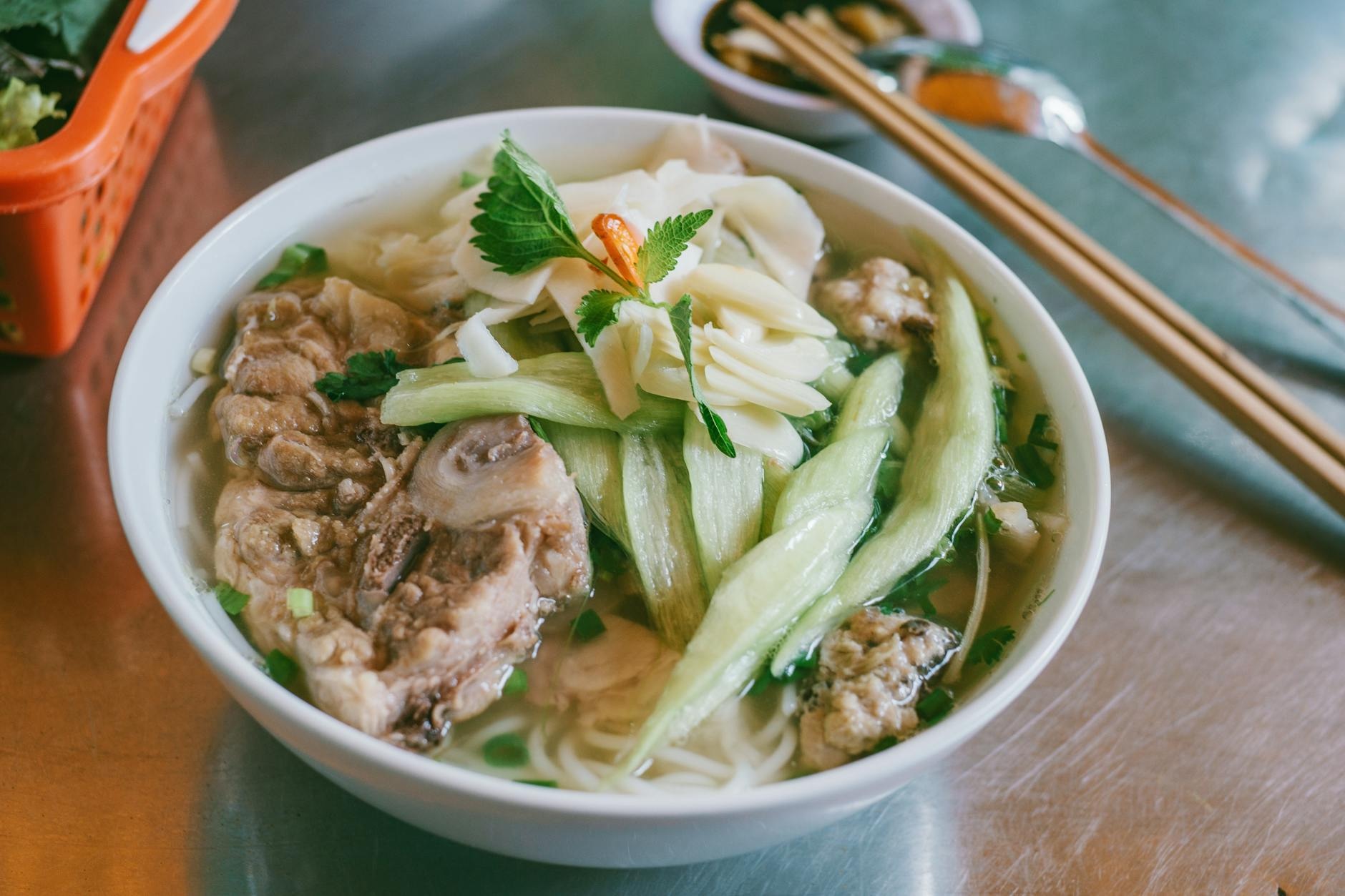
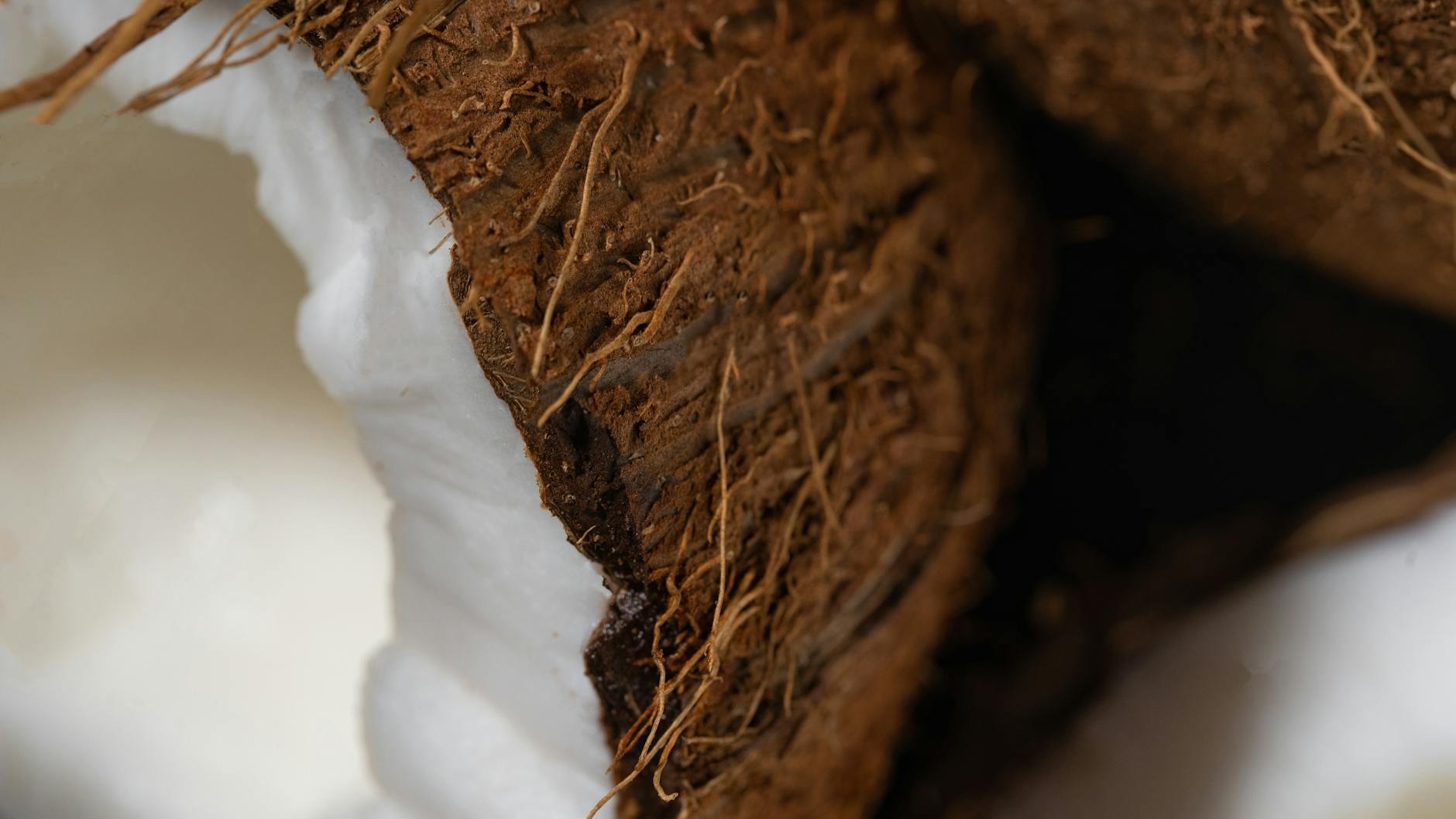
Coastal cuisine in Madagascar is heavily influenced by the abundance of seafood. Dishes often feature fish, shellfish, seaweed, and coconut milk. Grilled seafood, seafood stews, and curries are common preparations. The use of spices and aromatics like ginger, garlic, and chilies is prevalent, adding depth and complexity to the dishes. The coastal regions also have a tradition of using coconut milk in both savory and sweet dishes, giving the cuisine a distinct tropical flavor.
Cultural Significance:
The coastal cuisine reflects the close relationship between the people and the sea. Fishing is a major source of livelihood and sustenance for coastal communities, and seafood plays a central role in their diet and cultural traditions. Many coastal communities have unique fishing techniques and culinary practices that have been passed down through generations. Tamatave (Toamasina) eastern port city major seafood hub - Pangalanes Canal freshwater fish, Indian Ocean lobsters, clams. Cyclone season (November-April) impacts fishing patterns.
Signature Dishes:
- Grilled lobster (langoustines)
- Vary amin'ny trondro (fish & rice)
- Seafood curry with coconut milk
- Octopus stew
- Fresh oysters
Key Ingredients:
Highlands (Antananarivo & Central Plateau)
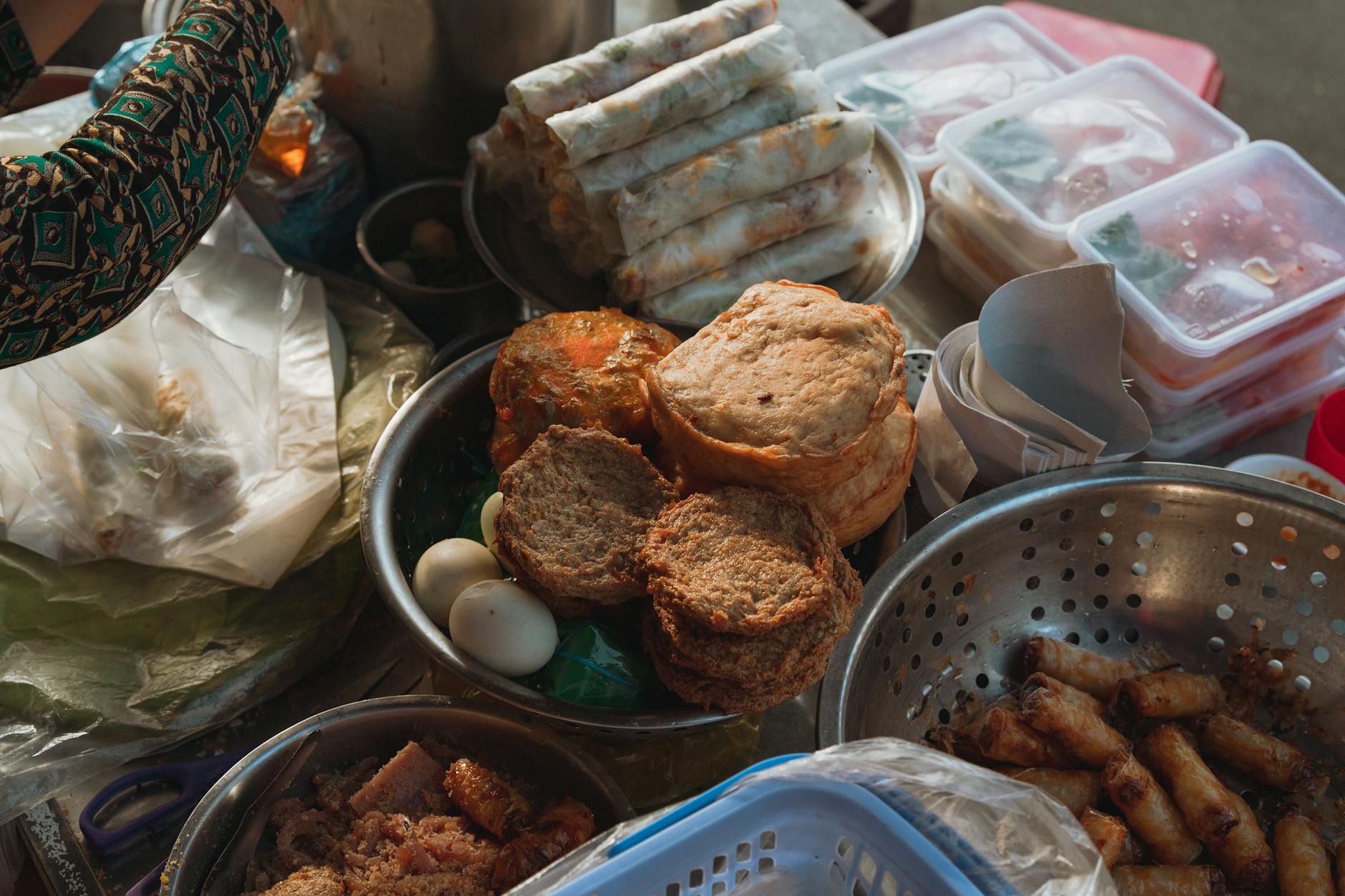
The cuisine of the highlands is characterized by the use of zebu meat, rice, and vegetables. Zebu, a type of cattle, is a significant part of the highland culture, and zebu meat is used in numerous dishes, including stews, roasts, and soups. Rice is the staple carbohydrate, and vegetables like potatoes, carrots, and green beans are commonly consumed. The highland cuisine is generally less spicy than the coastal cuisine, with a focus on hearty and flavorful dishes. Antananarivo (Tana) capital city culinary center - French-Malagasy fusion restaurants, traditional markets (Analakely, Pochard), street food culture. Cool climate (November spring season pleasant) allows temperate vegetables cultivation.
Cultural Significance:
Zebu cattle hold a special place in the culture of the highlands. They are not only a source of food but also a symbol of wealth and status. Zebu are often used in traditional ceremonies and rituals (famadihana ancestor reburials), and their meat is considered a delicacy. Merina ethnic group dominates highlands - royal court cuisine legacy (Rova palace ruins Antananarivo). Rice terraces iconic landscape feature. Antsirabe ("place of much salt") thermal springs city known for foie gras production (French influence), zebu cart culture.
Signature Dishes:
- Romazava (national dish zebu stew)
- Ravitoto (cassava leaves & pork)
- Vary amin'anana (rice & greens)
- Zebu brochettes (skewers)
- Trondro gasy (freshwater fish)
Key Ingredients:
Southern Madagascar (Toliara & Spiny Forest)
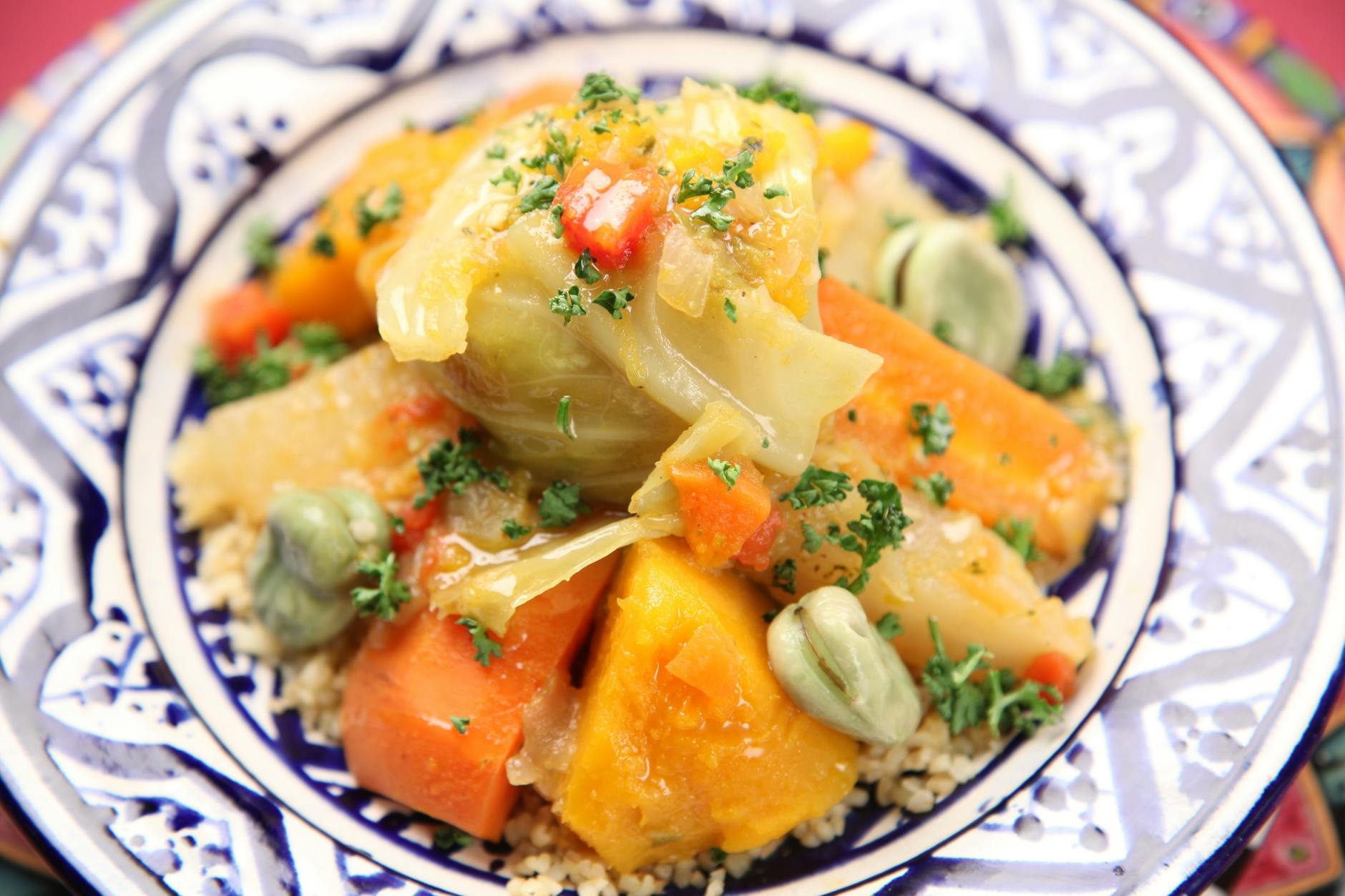
Southern Madagascar, a more arid region, features a cuisine adapted to the environment. Dishes often incorporate drought-resistant crops like cassava, sweet potatoes, and maize. Zebu meat is also prevalent, often prepared in stews or grilled. The cuisine of the south is known for its simplicity and resourcefulness, reflecting the challenges of the environment. Antandroy & Mahafaly ethnic groups traditional semi-nomadic pastoralists - zebu herding culture, kitoza (dried meat) specialization. Toliara (Tuléar) southwestern city seafood access despite arid interior - grilled fish, octopus dishes.
Cultural Significance:
The cuisine of southern Madagascar reflects the resilience and adaptability of the people living in this challenging environment. The use of drought-resistant crops and preservation techniques like drying and smoking are essential for survival in this arid region. Spiny forest unique ecosystem - baobabs, Didiereaceae endemic plants. Food insecurity periodic concern - WFP emergency assistance during droughts. Zebu funeral ceremonies (elaborate tomb structures) demonstrate cultural importance - meat feasts for mourners.
Signature Dishes:
- Kitoza (dried zebu strips)
- Vary amin'ny mangahazo (cassava & rice)
- Tsaramaso atsimo (southern beans)
- Grilled goat
- Cactus fruit (raketa)
Key Ingredients:
Northern Madagascar (SAVA & Antsiranana)
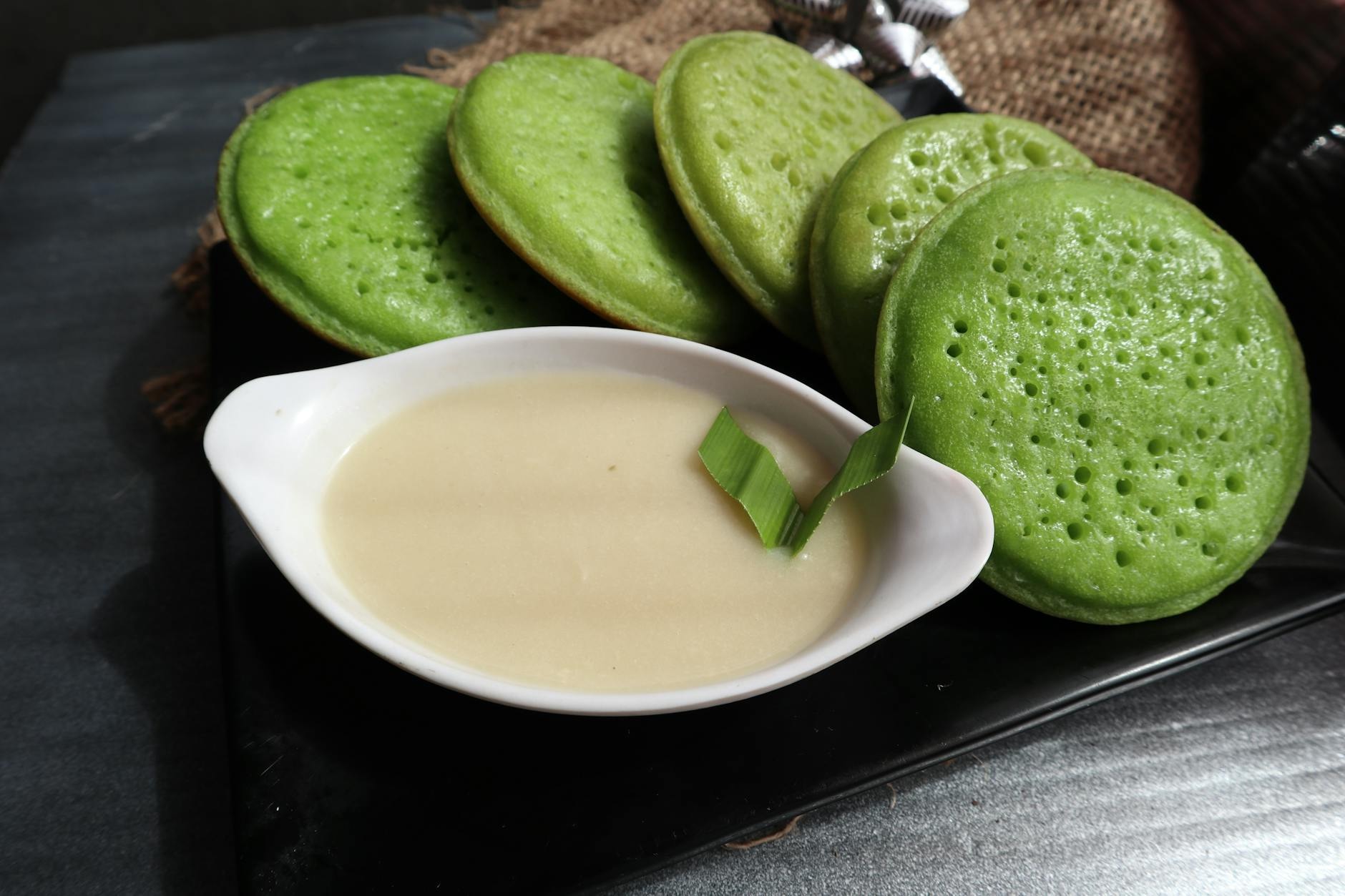
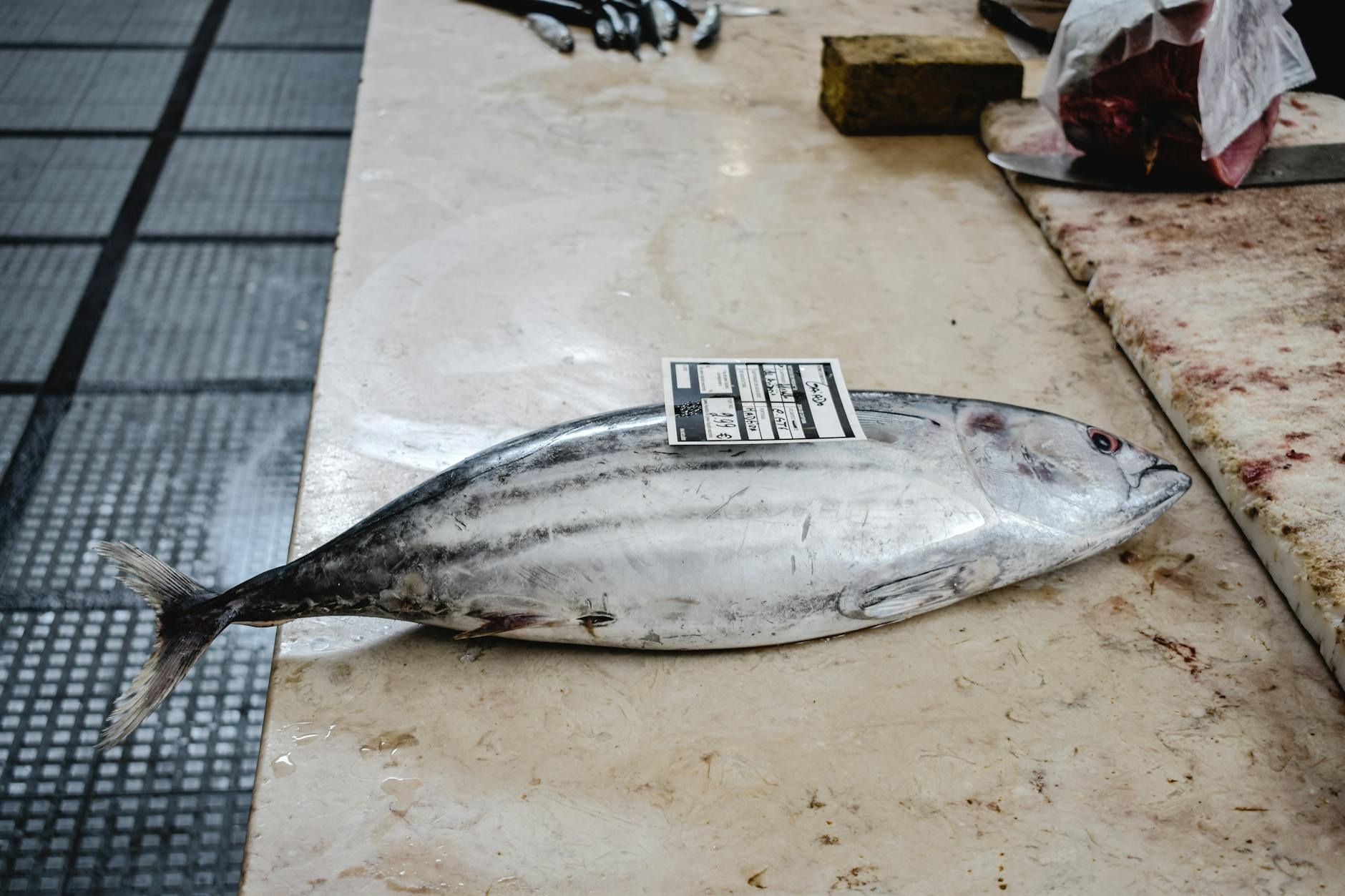
Northern Madagascar embodies vanilla kingdom & seafood paradise. SAVA region (Sambava-Antalaha-Vohemar-Andapa) produces 80% world's natural vanilla - November-January harvest season, farm-to-table vanilla cuisine innovations, vanilla-infused desserts, savory dishes. Antsiranana (Diego Suarez) northern port city diverse influences - French naval base legacy, Comorian community, Indian Ocean trade. Cuisine features fresh seafood (tuna, grouper, lobster), coconut-based dishes, Indian spices. Nosy Be island nearby (see separate section). Cool climate allows cocoa, coffee, lychee cultivation. Three Bays area (Baie des Pigeons, Sakalava Bay) pristine beaches with beachfront seafood restaurants.
Cultural Significance:
SAVA vanilla cultivation defines northern Madagascar economically & culturally. Vanilla orchid hand-pollination labor-intensive process (each flower pollinated individually, blooms single day). Cyclone damage 2017 devastated crops, prices spiked globally, recovery ongoing 2024-2025. Vanilla theft common - farmers guard plantations, harvest prematurely to prevent stealing. Antsiranana multicultural history - French sailors introduced baguettes & wine culture, Comorian migrants brought Islamic culinary traditions, Chinese traders established businesses. Tsingy de Bemaraha limestone formations nearby - eco-tourism supports restaurant industry.
Signature Dishes:
- Vanilla-infused seafood dishes
- Fresh tuna steaks
- Coconut rice
- Lychee desserts (November-January)
- Sambosa (samosas with local spices)
Key Ingredients:
Nosy Be Island
Nosy Be ("Big Island") is Madagascar's premier tourist destination & culinary melting pot. Island northwest coast features beaches, coral reefs, ylang-ylang plantations (perfume industry), vanilla & sugar cane cultivation. Cuisine emphasizes fresh seafood - grilled lobster, octopus curry, zebu brochettes beachfront restaurants. Ambatoloaka beach restaurant strip caters to international tourists - French, Italian, seafood grills, cocktail bars. Toaka gasy (local rum) production prominent - sugar cane distilleries offer tastings, rum cocktails (ti-punch, vanilla rum infusions). Comorian diaspora community influences cuisine - pilaf rice dishes, coconut curries, grilled fish with spices. November tourist season begins (cool dry season October-December ideal weather).
Cultural Significance:
Nosy Be transformed from sleepy fishing island to tourism hub 1990s-2000s. Economic driver for region - resorts, restaurants, tour operators employ locals. Ylang-ylang plantations (flowers for Chanel No. 5 perfume base) create agricultural tourism - distillery visits paired with Creole lunch experiences. Sakalava ethnic group indigenous to area - seafaring traditions, animist beliefs (sacred baobab trees, ancestor veneration). November marks Donia Music Festival (every 2 years) - concerts, food stalls, cultural celebrations. Lokobe Reserve rainforest preserves biodiversity - lemur-watching tours include picnic lunches featuring local specialties.
Signature Dishes:
- Grilled lobster with vanilla butter
- Octopus coconut curry
- Zebu brochettes
- Fresh fruit cocktails with rum
- Ylang-ylang infused desserts
Key Ingredients:
Western Madagascar (Mahajanga & Morondava)
Western Madagascar features Mozambique Channel coastline, baobab forests, mangrove ecosystems, savanna landscapes. Mahajanga (Majunga) northwestern port city significant Muslim population (Comorian, Indian Ocean Arab traders) - halal restaurants, biriyani, grilled seafood, sambosa street food. Morondava southwestern coast gateway to Avenue of the Baobabs (iconic tourist site) - seafood restaurants, zebu dishes, traditional Sakalava cuisine. Menabe region around Morondava known for seafood variety - shrimp, crab, fish curries with coconut milk & tamarind. November dry season ideal travel - baobab photography tours, sunset dinners beneath ancient trees.
Cultural Significance:
Mahajanga's Muslim community (Comorian diaspora, Indo-Pakistani traders, Arab merchants) shapes culinary landscape - mosques, halal butchers, Islamic festivals (Ramadan iftar meals, Eid celebrations). Sakalava ethnic group traditional western coast inhabitants - cattle herding culture, royal tomb sites (dady sacred relics). Morondava Avenue of the Baobabs UNESCO World Heritage candidate - baobab trees (Adansonia grandidieri) 800+ years old, cultural icons, edible leaves used traditional cooking (vitamin-rich greens). Kirindy Forest nearby lemur habitat - eco-tourism dining experiences. Tsiribihina River expeditions include riverside camping meals - grilled fish, rice dishes, fresh fruit.
Signature Dishes:
- Mahajanga biriyani (Muslim influence)
- Grilled shrimp with coconut rice
- Zebu stew with baobab leaves
- Tamarind fish curry
- Fresh crab
Key Ingredients:
Sweet Delights & Desserts
Indulge in Madagascar's traditional sweet treats and desserts.

Mofo akondro/Banana bread
Mofo akondro is a simple yet delicious dessert made with mashed bananas, flour, sugar, and sometimes spices like cinnamon or vanilla. It's often baked or fried and is a popular treat enjoyed throughout Madagascar.

Godro-godro/Rice pudding
Godro-godro is a creamy rice pudding made with rice, coconut milk, sugar, and vanilla. It's a comforting and sweet dessert that is often served warm.

Koba akondro/Banana-Peanut Cake
Koba akondro is traditional Malagasy dessert cake made with mashed bananas, ground peanuts (voanjo), rice flour, brown sugar, wrapped in banana leaves & steamed. Dense, moist texture, sweet & nutty flavor profile. Banana leaves impart subtle herbal aroma during steaming. Popular snack sold street vendors, markets, bus stations - convenient travel food. Variation of koba ravina (rice-peanut-banana cake in mustTryFoods), but koba akondro emphasizes bananas. Reflects Madagascar's abundant banana cultivation - numerous varieties (plantains, sweet bananas) grown throughout island. Peanuts (voanjo) also staple crop. Gluten-free naturally (rice flour base), though peanut allergen concern. Often enjoyed with coffee or tea.

Mofo baolina/Rice Ball Cakes
Mofo baolina (ball cakes) are sweet rice flour dough balls deep-fried until golden & crispy. Dough made rice flour, coconut milk, sugar, sometimes vanilla or citrus zest. Balls shaped by hand, fried in oil, dusted with powdered sugar or drizzled honey. Result: crispy exterior, soft interior, sweet coconut flavor. Popular street food dessert & snack - vendors sell fresh-fried at markets, festivals, celebrations. Children especially love mofo baolina. Similar to doughnut holes or beignets, but rice flour makes gluten-free. Inexpensive treat enjoyed year-round. Variations include mofo sakay (savory version with chilies), but mofo baolina remains classic sweet version.

Ramanonaka/Coconut Candy
Ramanonaka is traditional Malagasy coconut candy - freshly grated coconut mixed with brown sugar, molasses, sometimes peanuts, cooked until caramelized & chewy. Mixture shaped into small squares or balls, cooled, wrapped in paper or banana leaves. Sweet, rich, coconut-forward flavor with caramel notes. Sold markets, street vendors, small shops throughout Madagascar. Coastal regions especially produce ramanonaka due to abundant coconut palms. Long shelf life makes popular souvenir & travel snack. Similar to coconut brittle or praline, but softer texture. Reflects Madagascar's tropical coconut culture - coconut milk in savory dishes (ravitoto), coconut sweets for desserts. Naturally gluten-free, vegan (if no dairy).

Bonbon coco/Coconut Balls
Bonbon coco (coconut balls) are sweet confections made with grated coconut, condensed milk, sugar, sometimes vanilla or rum flavoring. Ingredients mixed, shaped into small balls, often rolled in additional coconut or colored sugar. Bright, festive appearance - sometimes dyed pink, yellow, green for celebrations. Popular at birthday parties, weddings, holidays, Christmas & New Year celebrations. Children's favorite treat. French colonial influence evident - condensed milk ingredient, bonbon (French candy) name. Simple to make, widely available bakeries & markets. Intensely sweet, coconut-rich, melt-in-mouth texture. Reflects Madagascar's French pastry traditions merged with tropical ingredients.

Menakely/Peanut Brittle
Menakely is Malagasy peanut brittle - roasted peanuts (voanjo) coated in hard caramelized sugar. Peanuts roasted until fragrant, mixed with boiling sugar syrup, poured onto flat surface, cooled until hardened, broken into irregular pieces. Crunchy, sweet, nutty - addictive snack. Sold markets in plastic bags, street vendors with makeshift stands. Peanut cultivation widespread Madagascar - southern & western regions major producers. Menakely inexpensive, long-lasting, popular gift or souvenir. Similar to Western peanut brittle, but Madagascar's unique peanut varieties add distinctive flavor. Allergen warning: peanuts prominent. Naturally gluten-free, vegan. Reflects Madagascar's agricultural bounty - peanuts used savory dishes (satay sauces, koba cakes) and sweet treats.

Salady voankazo/Fruit Salad
Salady voankazo (fruit salad) showcases Madagascar's incredible tropical fruit biodiversity. Fresh fruit salad typically includes mangoes, pineapples, papayas, bananas, lychees (litchi), passion fruit (maracuja), sometimes exotic endemic fruits like tamarind pods or baobab fruit pulp. Dressed with lime juice, sometimes honey or vanilla syrup. Served fresh, chilled, refreshing - perfect dessert hot climate. November marks mango season beginning (November-February) - numerous varieties including Malagasy endemic types. Lychee season also November-January. Street vendors sell fresh-cut fruit bags, restaurants serve elegant fruit salad platters. Vanilla (Madagascar's famous export) sometimes used as flavoring. Natural, healthy dessert option - no added sugar needed given fruit ripeness. Reflects Madagascar's status as biodiversity hotspot - 80%+ species endemic.
Traditional Beverages
Discover Madagascar's traditional drinks, from locally produced spirits to regional wines.

Betsabetsa/Betsabetsa
Betsabetsa is a traditional fermented sugarcane juice. It has a slightly sweet and tangy flavor and a low alcohol content. It's a popular beverage in rural areas and is often consumed during celebrations and social gatherings.

Toaka gasy/Toaka gasy
Toaka gasy is a locally produced rum made from sugarcane. It has a higher alcohol content than Betsabetsa and is often consumed neat or mixed with other beverages. It's important to be aware of the quality and source of Toaka gasy, as unregulated production can sometimes lead to variations in quality and safety.
Soft Beverages
Discover Madagascar's traditional non-alcoholic drinks, from local teas to refreshing juices.

Ranon'apango/Rice water
Ranon'apango, literally "rice water," is a common and refreshing beverage made by boiling rice in water and then straining the liquid. It has a slightly sweet and starchy flavor and is often consumed as a thirst quencher.

Ranovola/Ranovola
Ranovola is a sweetened rice water flavored with burnt sugar, giving it a unique caramel-like flavor. It's a popular beverage, especially during hot weather.

Fruit juices/Jus de fruits
Madagascar has a wide variety of fresh fruits, and fruit juices are a popular and refreshing beverage option. Common fruit juices include mango, pineapple, orange, and grapefruit.