
Bhutan Food Guide
Content Information
Recently updated🔥Current Food Trends 2025
What's happening in Bhutan's culinary scene right now
Bhutan's culinary landscape in November 2025 celebrates ema datshi (chili cheese) national pride, Gross National Happiness philosophy applied to food, organic farming mandate (100% organic agriculture goal), red rice heritage, Buddhist vegetarian traditions, yak cheese artisanal production. November marks late autumn/early winter (cool 5-15°C/41-59°F in Thimphu valleys, snow in mountains) - harvest festival season ends, mushroom foraging peak, buckwheat harvest complete, transition to preserved foods. Thimphu's evolving dining: traditional Bhutanese restaurants preserve heritage, farm-to-table movement strong (organic mandate supports), controlled tourism sustains authentic cuisine. November 2025 sees Bhutanese cuisine gaining global recognition: ema datshi UNESCO candidacy promoted, red rice health benefits marketed internationally, suja butter tea cultural significance documented. Seasonal focus: wild mushrooms abundant (shamu datshi season), dried chilies prepared for winter, ezay (chili paste) made fresh, yak cheese production continues. Black-Necked Crane Festival (November 11, Phobjikha Valley) features traditional foods. Gross National Happiness extends to culinary sustainability. Limited tourism (controlled visitor policy) preserves food authenticity. Buddhist influence: many observe vegetarian days (full moon, new moon). Himalayan terroir creates unique flavors. Archery competitions feature traditional feasts.
Food Safety Tips
Essential food safety information to help you enjoy Bhutan's cuisine safely and confidently.
Check food hygiene standards in Bhutan
While Bhutan generally has good food hygiene standards, it's always wise to choose restaurants that appear clean and well-maintained.
Drink bottled water in Bhutan
In Bhutan, it's recommended to drink bottled water, especially in rural areas where water quality may vary.
Be cautious with street food in Bhutan
Street food in Bhutan can be delicious and safe, but choose vendors with high turnover and good hygiene practices.
Dietary Options
vegetarian
HIGH AVAILABILITYVegetarian options excellent in Bhutan - Buddhism encourages vegetarianism, many observe meat-free days (full moon, new moon, Buddhist holidays). Traditional vegetarian: ema datshi (chili cheese), kewa datshi (potato cheese), shamu datshi (mushroom cheese), red rice dishes, vegetable momos. Monasteries serve vegetarian meals. Organic farming mandate supports fresh vegetables year-round.
vegan
MEDIUM AVAILABILITYVegan options moderate in Bhutan - challenge is dairy prominence (cheese-based datshi dishes central). Buddhist influence helps: temple foods often vegan. Naturally vegan: red rice, vegetable curries (confirm no butter), ezay (chili paste), some soups. Thimphu restaurants increasingly cater to vegans. Communicate needs clearly. Organic vegetables abundant.
gluten-free
MEDIUM AVAILABILITYGluten-free options moderate - red rice (naturally gluten-free) is staple, buckwheat common in eastern regions. Many traditional dishes rice-based. Wheat in momos (dumplings), some breads. Communicate needs clearly. Tourist-oriented restaurants understand dietary restrictions. Buckwheat noodles (puta) available in Bumthang. Fresh vegetables & rice dishes provide safe options.
halal
VERY LOW AVAILABILITYBhutan predominantly Buddhist (~75%), with very small Muslim population. No halal certification infrastructure. Halal restaurants essentially non-existent. Vegetarian Buddhist cuisine provides good alternative for Muslim travelers avoiding pork. Some Indian restaurants in Thimphu may accommodate. Contact local Muslim community for guidance. Respect Buddhist food customs.
kosher
VERY LOW AVAILABILITYBhutan has no Jewish community or kosher infrastructure. No kosher-certified facilities. Travelers requiring kosher should bring provisions. Vegetarian Buddhist cuisine offers some options. Abundant dairy (yak cheese, butter) not certified kosher. High-end hotels may accommodate with advance notice. Limited tourism policy means specialized dietary services rare.
Common Allergens
Nuts
MEDIUM PREVALENCEVarious nuts are common in Bhutan's cuisine, particularly in desserts and some savory dishes.
COMMONLY FOUND IN:
Dairy
HIGH PREVALENCEDairy products are widely used in Bhutan, featuring in many traditional dishes.
COMMONLY FOUND IN:
Wheat
HIGH PREVALENCEWheat is a staple in Bhutan's cuisine, used in bread, pastries, and many other foods.
COMMONLY FOUND IN:
Essential Food Experiences
These iconic dishes represent the must-have culinary experiences that define Bhutan's food culture for travelers.

Ema Datshi (ཨེ་མ་དར་ཚིལ་)
Bhutan's national dish - green or red chilies cooked in rich cheese sauce made from yak or cow's milk cheese. Extremely spicy. Served with red rice. Every household has variation. Represents Bhutanese identity - 'no meal complete without ema datshi.' Cheese melts into creamy, fiery sauce. Non-spicy eaters struggle. Essential cultural experience.

Phaksha Paa (ཕག་ཤ་པ)
Pork belly strips stir-fried with dried red chilies, radishes (or spinach), sometimes dried chilies. Rich, fatty, spicy. Pork sliced thick. Common home cooking & restaurant dish. Served with red rice. Variations: phaksha sikam (dried pork), phaksha tshoem (pork curry). Represents Bhutanese meat preparation traditions.

Jasha Maru (ཇ་ཤ་མར་)
Spicy chicken stew - chicken cooked with tomatoes, ginger, garlic, onions, chilies. Rich, aromatic sauce. Minced chicken version called jasha maroo. Served with red rice. Popular at gatherings. Less extreme than ema datshi for spice-wary. Comfort food. Represents Bhutanese chicken preparations.

Red Rice (Bhutanese Red Rice)
Bhutan's staple grain - short-grain red rice grown in Paro Valley & other regions. Partially milled retains red bran layer. Nutty flavor, slightly sticky texture. Nutritious (high fiber, minerals). Cooks pink. Served with every meal. Represents Bhutanese agricultural heritage. Gaining international gourmet recognition.

Momos (Bhutanese Dumplings)
Tibetan-origin dumplings adapted to Bhutanese taste. Wheat dough filled with minced meat (pork, beef, chicken) or vegetables, steamed or fried. Served with ezay (chili sauce). Street food & restaurant staple. Round pleated shape. Less spicy filling than Tibetan versions. Popular snack food.

Kewa Datshi (Potato Cheese)
Potatoes cooked in cheese sauce - milder alternative to ema datshi. Sliced potatoes, yak/cow cheese, butter, chilies (optional). Creamy, comforting. Popular with children & tourists. Represents datshi variations. Often served alongside ema datshi. Buddhist vegetarian-friendly.

Shamu Datshi (Mushroom Cheese)
Wild mushrooms cooked in cheese sauce. November peak mushroom foraging season makes this especially relevant. Earthy mushroom flavor, creamy cheese. Vegetarian Buddhist favorite. Mushrooms foraged from Himalayan forests. Represents seasonal Bhutanese cooking. Served with red rice.

Suja (Butter Tea)
Traditional Himalayan butter tea - churned black tea with yak butter, salt. Thick, soup-like consistency. Savory, not sweet. Essential for high-altitude warmth & nutrition. Served in wooden bowls, constantly refilled (hospitality custom). Acquired taste for visitors. Represents Tibetan-Buddhist heritage. Caloric sustenance in cold climate.

Ezay (Chili Paste/Sauce)
Essential Bhutanese condiment - fresh or dried chilies ground with cheese, tomatoes, onions, coriander. Every meal served with ezay. Extremely spicy. Regional variations. Represents chili culture central to Bhutanese cuisine. Guests judge hosts by ezay quality. Freshly made daily.

Jaju (Vegetable/Cheese Soup)
Traditional Bhutanese soup - vegetables (turnips, pumpkin, spinach) or cheese in milk-based broth. Comfort food. Served with meals. Variations: shukam jaju (dried vegetable soup). Represents resourceful use of seasonal vegetables. Warming winter dish. Buddhist monasteries serve simple jaju.
Regional Specialties & Local Favorites
Discover the authentic regional dishes and local favorites that showcase Bhutan's diverse culinary traditions.

Red Rice (འབྲུག་ཟན་)
Red rice, a staple in Bhutan, is a nutritious and flavorful variety of rice with a slightly nutty taste. It's often served with various dishes and forms the base of many Bhutanese meals.

Shamu Datshi (ཤ་མུ་དར་ཚིལ་)
Shamu Datshi is a creamy and savory dish made with mushrooms and cheese. It's a popular alternative to Ema Datshi for those seeking a milder flavor.
Allergens:
Regional Cuisine Highlights
Explore the diverse culinary landscapes across different regions of Bhutan.
Bumthang (Central Bhutan)
Central valleys region - spiritual heartland. Buckwheat cultivation prominent. Yak herding culture. Cheese production centers. Honey & apple orchards. Four valleys (Chokhor, Tang, Ura, Chhume). Cool climate favors buckwheat, potatoes, dairy. Buddhist monasteries influence vegetarian cuisine.
Cultural Significance:
Bumthang represents Bhutanese Buddhist culinary heritage - monastery foods, buckwheat traditions, yak herding culture. Jakar Dzong spiritual center influences vegetarian cooking. Buckwheat nutritionally adapted to high altitude. Cheese-making ancestral knowledge preserved.
Signature Dishes:
- Puta (buckwheat noodles)
- Khur-le (buckwheat pancakes)
- Yak cheese dishes
- Buckwheat porridge
Key Ingredients:
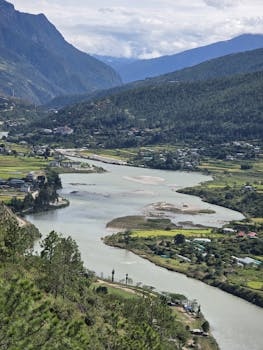
Paro Valley (Western Bhutan)
Western valley - international airport gateway. Red rice cultivation heartland. Apple orchards. Proximity to Tibet influences cuisine. Paro Taktsang (Tiger's Nest Monastery) pilgrimage site. Fertile valley supports vegetable farming. Tourist dining options most developed here.
Cultural Significance:
Paro represents Bhutanese agricultural heritage - red rice cultivation UNESCO consideration, organic farming showcase. Historical trade route with Tibet influences food. Airport proximity brings international culinary awareness. Represents traditional farming meeting controlled modernization.
Signature Dishes:
- Paro red rice
- Phaksha Paa
- Jasha Maru
- River trout
Key Ingredients:

Thimphu (Capital Region)
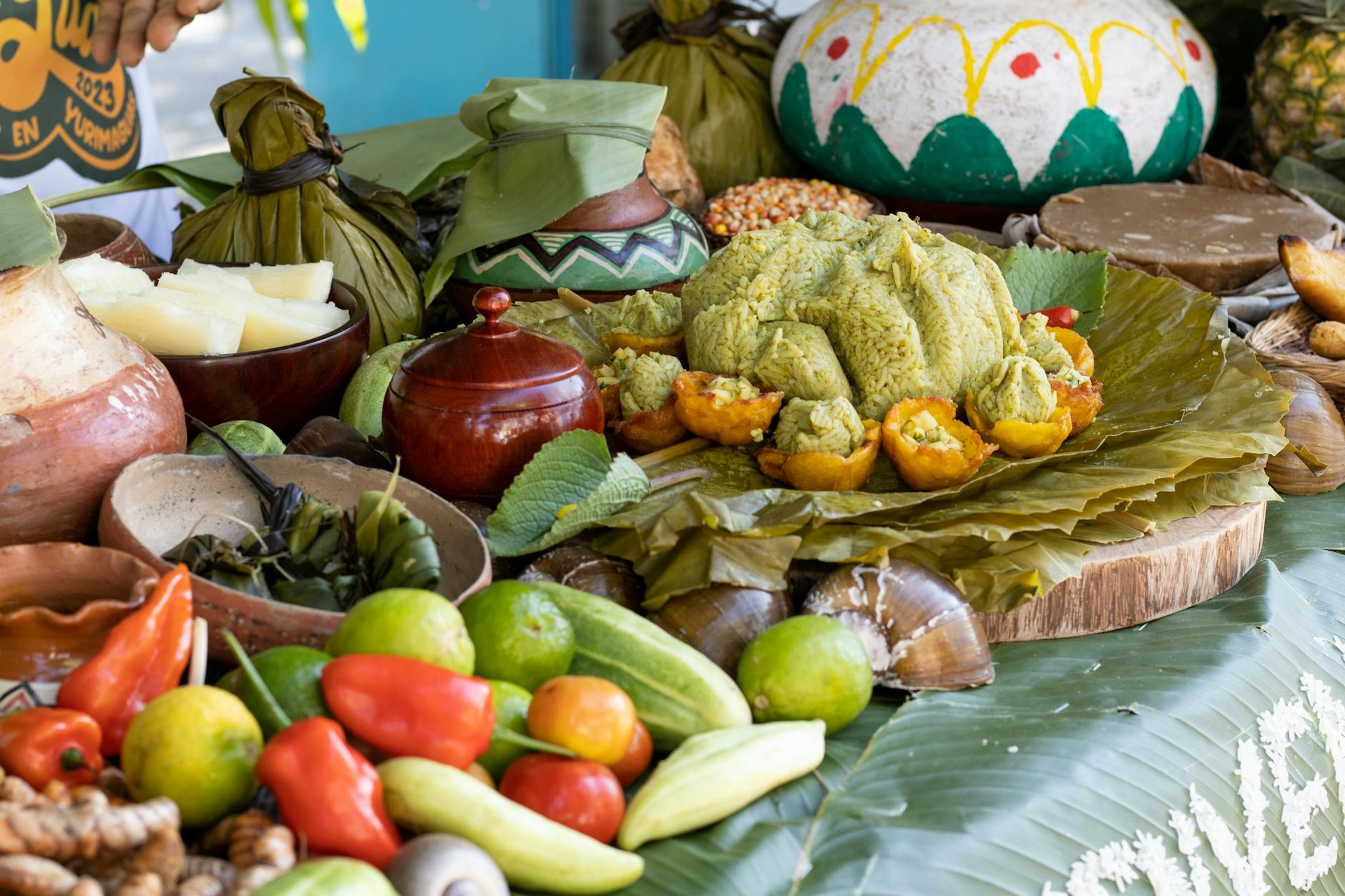
Capital city - Bhutan's largest urban center (pop ~100,000). Most diverse dining scene. Traditional Bhutanese restaurants, emerging international cuisine. Weekend vegetable market showcases organic produce. Government seat influences food policy (organic mandate). Controlled development preserves traditions while allowing innovation.
Cultural Significance:
Thimphu represents Bhutanese culinary evolution under Gross National Happiness - balancing tradition with controlled modernization. Weekend market central to food culture. Government organic farming mandate enforced here. No traffic lights symbolizes measured development extending to food scene.
Signature Dishes:
- Ema datshi (national dish ubiquitous)
- Momos (street food)
- Restaurant datshi variations
- International fusion attempts
Key Ingredients:
Eastern Bhutan (Trashigang, Mongar)
Remote eastern regions - Tshangla people predominate. Distinct dialect & culinary traditions. Maize & millet cultivation. Ara (rice wine) production strong. Weaving culture extends to food presentation. Less tourism preserves authentic cuisine. Cross-border trade with Arunachal Pradesh (India) influences flavors.
Cultural Significance:
Eastern Bhutan preserves most traditional food culture - geographic isolation maintained authentic cuisine. Ara production central to social life. Dried meat preservation essential for harsh winters. Represents Bhutanese culinary diversity - distinct from western regions. Tshangla identity expressed through food.
Signature Dishes:
- Kharang (dried beef/yak)
- Ezay (distinctive chili preparations)
- Ara (local rice wine)
- Corn-based dishes
Key Ingredients:
Southern Bhutan (Subtropical Belt)
Subtropical foothills - distinct microclimate. Lhotshampa (Nepali-origin) population influences cuisine. Citrus fruits, betel nuts, ginger cultivation. Warmer allows rice paddies. Less spicy than central Bhutan. Dhal-bhat (rice-lentils) common. Reflects Nepali-Bhutanese fusion. Assam border proximity influences ingredients.
Cultural Significance:
Southern Bhutan represents culinary diversity within kingdom - Lhotshampa cuisine distinct from dominant Drukpa culture. Subtropical climate allows different crops. Less reliance on dairy, more on legumes. Represents Bhutan's multi-ethnic reality. Political sensitivity (1990s ethnic tensions) extends to food culture preservation.
Signature Dishes:
- Dhal-bhat (rice & lentils)
- Vegetable curries (less cheese)
- Citrus-based chutneys
- Betel nut preparations
Key Ingredients:
Sweet Delights & Desserts
Indulge in Bhutan's traditional sweet treats and desserts.

Zow Shungo (ཟོ་བཤུང་)
Traditional Bhutanese rice dessert - roasted rice flour mixed with butter, sugar, sometimes cheese. Crumbly texture. Served during festivals, New Year (Losar), special occasions. Rich, sweet, satisfying. Represents celebratory Bhutanese cuisine. Family recipe variations. Labor-intensive preparation makes it special.

Khapse (Fried Cookies)
Traditional Tibetan-Bhutanese fried pastry cookies - wheat dough shaped into intricate designs, deep-fried, sometimes sugar-coated. Losar (Bhutanese New Year, Feb/March) specialty. Offered to monastery guests, New Year visitors. Crunchy, sweet. Various shapes (wheels, flowers). Represents Buddhist festival foods.

Goen Hogay (Cucumber Salad)
Refreshing cucumber salad with dried chilies, cheese, onions, coriander, tomatoes. Not traditional dessert but palate cleanser after spicy meal. Fresh, cooling. Represents Bhutanese use of fresh vegetables. Cheese adds richness. Served at end of meals.

Ara Cider/Rice Wine
Fermented rice/grain wine - slightly sweet, mildly alcoholic. Served warm. Consumed as dessert beverage or during celebrations. Homemade versions common. Represents Himalayan fermentation traditions. Buddhist monasteries abstain but lay people enjoy. Social drinking custom.

Dried Yak Cheese (Chhurpi)
Hard dried yak cheese - chewed like candy. Extremely hard, slowly softens. Savory-salty flavor. Protein-rich snack. Represents yak herding culture. Sold in markets. Himalayan tradition. Not sweet but consumed as treat. Long shelf life for high-altitude preservation.

Sweet Rice with Butter & Sugar
Simple home dessert - red rice cooked with butter, sugar, sometimes raisins or nuts. Comfort food. Children's favorite. Represents resourceful sweetening of staple rice. Warm, filling. Family recipe. Not restaurant dish but authentic home cooking.

Fresh Fruit (Apples, Apricots)
Fresh seasonal fruit - apples from Paro, apricots from eastern regions, peaches. Natural dessert. Organic farming mandate ensures pesticide-free. Dried fruit versions for winter. Represents Himalayan fruit cultivation. Simple, healthy. Monastic diet includes fruit.

Indian Sweets (Imported Treats)
Indian sweets (gulab jamun, jalebi, barfi) available in Thimphu shops due to Indian cultural influence. Not traditional Bhutanese but popular. Wedding celebrations, festivals. Represents South Asian regional influence. Urban centers offer variety. Traditional Bhutan has limited dessert culture - sweet tea more common than elaborate desserts.
Traditional Beverages
Discover Bhutan's traditional drinks, from locally produced spirits to regional wines.

Ara (ཨ་རག་)
Ara is a traditional alcoholic beverage made from fermented rice, wheat, maize, or millet. It has a strong, distinct flavor and is often consumed during festivals and social gatherings.
Soft Beverages
Discover Bhutan's traditional non-alcoholic drinks, from local teas to refreshing juices.

Suja (སུ་ཇ་)
Suja is a traditional Bhutanese butter tea made by churning butter with tea leaves, salt, and water. It's a staple beverage, especially in the colder regions.

Chang (ཆང་)
Chang, a non-alcoholic version of Ara, is a fermented rice beverage with a slightly sweet and tangy flavor. It's a refreshing drink often consumed during festivals.