
Maldives Food Guide
Content Information
Recently updated🔥Current Food Trends 2025
What's happening in Maldives's culinary scene right now
Maldives' culinary landscape in November 2025 celebrates tuna fishing heritage, coconut culture, Islamic halal traditions, luxury resort dining innovations, climate change resilience. Mas huni (smoked tuna coconut breakfast) remains national staple - skipjack & yellowfin tuna fresh-caught daily, traditional pole-and-line fishing sustainable practices. November marks northeast monsoon season beginning (November-April) - calm seas, sunny weather, peak tourism period, hotel occupancy soars, resort restaurant bookings tight. Tourism recovery post-COVID robust - 2024 arrivals surpassed 1.8 million (Chinese, Indian, Russian, European markets), culinary tourism emphasis on authentic Maldivian dining experiences beyond resort buffets. Luxury resort dining dominance - overwater restaurants (Ithaa Undersea Restaurant Conrad Rangali, 5.8 Undersea Restaurant Hurawalhi), celebrity chef residencies, Michelin-trained chefs, fusion cuisine blending Maldivian flavors with international techniques. Local island tourism growing - guesthouse regulations 2009 opened non-resort islands to tourists, homestays Male' (Malé), Maafushi, Hulhumale, authentic local cuisine accessible (mas huni breakfasts, garudhiya fish soup, hedhikaa short eats). Islamic dietary laws strictly enforced - 100% Muslim population, all food must be halal, pork banned entirely, alcohol restricted to resort islands only (local islands dry). Tuna processing industry backbone - Maldives Industrial Fisheries Company (MIFCO) exports canned tuna globally, pole-and-line method eco-certified MSC (Marine Stewardship Council), sustainability tourism marketing point. Climate change existential threat - sea level rise endangers low-lying atolls (average elevation 1.5m/5ft), food security concerns, fish migration patterns shifting, government invests in sustainable aquaculture. Malé capital culinary scene - Majeedhee Magu main street cafes (Seagull Café House, Shell Beans), hedhikaa short eat shops, Indian/Sri Lankan restaurants (Sala Thai, Symphony), no alcohol permitted. Indian Ocean spice trade legacy - curry leaves, cumin, coriander, cardamom, chilies pervasive, Sri Lankan influences strong (roshi flatbread similar to roti, coconut sambols). Coconut palm culture - every atoll lined coconut trees, coconut milk in curries, fresh coconut water (kurumba), grated coconut in mas huni, coconut oil cooking. November festivals - Islamic calendar based (Mawlid al-Nabi Prophet Muhammad's birthday if timing aligns), family gatherings, special seafood feasts.
Food Safety Tips
Essential food safety information to help you enjoy Maldives's cuisine safely and confidently.
Be cautious with street food in Maldives
While street food is a highlight of Maldives cuisine, choose stalls with good hygiene practices, high customer turnover, and where food is cooked fresh to order.
Drink bottled water in Maldives
In Maldives, it's advisable to drink bottled water with intact seals, especially in rural areas and smaller towns.
Be aware of common food allergens in Maldives
In Maldives, common allergens might not be clearly labeled on menus. Learn key phrases to communicate dietary restrictions in the local language.
Dietary Options
vegetarian
MEDIUM AVAILABILITYVegetarian options in the Maldives can be somewhat limited, especially outside of tourist resorts. While rice, vegetables, and lentils are staples, many dishes incorporate fish or meat-based broths. However, most restaurants can accommodate vegetarian requests, and you can find delicious vegetable curries, lentil dishes, and salads. It's always advisable to communicate your dietary needs clearly. Fruits like coconuts, mangoes, and bananas are readily available and offer refreshing vegetarian snacks. In local markets, you can find a variety of fresh produce to create your own vegetarian meals. At resorts, vegetarian options are generally more plentiful and diverse, often featuring international cuisine alongside local vegetarian adaptations.
vegan
LOW AVAILABILITYVeganism is relatively uncommon in the Maldives, and finding strictly vegan options can be challenging. Traditional Maldivian cuisine relies heavily on fish and seafood products, which are often used in sauces and broths. Dairy is also present in some dishes. While rice and vegetables are readily available, confirming the absence of animal products in their preparation can be difficult. Communicating your vegan requirements clearly is essential, and it's often easier to find vegan-friendly options at tourist resorts, which are more accustomed to catering to diverse dietary needs. Some resorts offer dedicated vegan menus or can adapt existing dishes to remove animal products. Outside of resorts, it's advisable to inquire about ingredients and preparation methods carefully. Fruits and certain vegetable dishes can be suitable vegan options, but it's crucial to ensure they are not cooked with fish-based products or dairy.
gluten-free
MEDIUM AVAILABILITYGluten-free dining in Maldives presents mixed challenges & opportunities. Traditional Maldivian cuisine rice-based - white rice staple accompaniment to fish curries, garudhiya soup, mas huni. Rice naturally gluten-free. However, roshi (flatbread) & chapati wheat-based, ubiquitous breakfast & snack items. Hedhikaa (short eats/snacks) often wheat flour-based - gulha (fish dumplings), kulhi boakibaa (fish cakes), keemia (fish rolls). Communicate using "gluten" (English widely understood tourism industry) or avoid wheat products. Luxury resorts generally excellent gluten-free accommodations - international menus, trained chefs, dedicated dietary kitchens, advance notice recommended when booking. Local islands more challenging - roshi/chapati default bread, wheat flour in batters. Focus on grilled fish (fihunu mas), rice dishes, fresh coconut, tropical fruits (mangoes, papayas, bananas), vegetable curries (riha). Soy sauce potential hidden gluten source - many Maldivian-Asian fusion dishes use soy, request tamari alternative or omission. Cross-contamination risk street food stalls - shared cooking surfaces, fryers. Indian/Sri Lankan restaurants Malé offer rice-based dosas, idli (fermented rice cakes) as gluten-free options, verify preparation. Overall: Resorts = excellent gluten-free support. Local islands = manageable with rice focus & communication.
halal
VERY HIGH AVAILABILITYHalal dining in Maldives is universal - 100% Muslim population (Sunni Islam official state religion), Islamic republic with strict Sharia-compliant food laws. ALL restaurants, cafes, resorts, guesthouses serve exclusively halal food. Pork completely banned nationwide - importation illegal, possession illegal, consumption illegal. Alcohol banned on local islands (inhabited islands) - only permitted on uninhabited resort islands under special licenses, physically separated from local communities. Meat slaughtered according to Islamic zabihah practices - throat cut, blood drained, bismillah prayer recited. Tuna & seafood naturally halal (all seafood permissible Islam). No halal certification needed - entire country operates halal-only food system, default assumption every establishment. Challenge: Resort islands serve alcohol to non-Muslim tourists, creating dual system - resort islands = alcohol available (separate bars, restaurants), local islands = completely dry. Muslim travelers have zero halal concerns Maldives - safest destination globally for strict halal observance. Even international cuisine resorts (Italian, Japanese, Chinese) adapted halal ingredients - beef/chicken instead of pork, halal-certified imported meats, alcohol-free cooking wines. Ramadan widely observed - November 2025 Ramadan timing varies (Islamic lunar calendar), iftar (sunset breaking fast) special meals restaurants, mosques provide community iftars. Prayer rooms (mosques) everywhere - five daily prayers, Friday jummah prayers. Religious police (not formal, but social enforcement) ensure compliance. Non-Muslim tourists expected respect Islamic customs on local islands - modest dress, no public displays affection, no alcohol.
kosher
VERY LOW AVAILABILITYKosher infrastructure in Maldives is virtually nonexistent. Jewish community absent (Islamic republic, non-Muslim religious practice restricted). No kosher certification, no kosher restaurants, no kosher supervision, no Jewish travelers infrastructure. Israeli passport holders historically banned entry (diplomatic tensions), though policy relaxed somewhat 2010s-2020s, still visa complications. Travelers requiring strict kosher observance face extreme challenges. Packaged kosher foods unavailable locally - must bring from home country. Fish theoretically available (tuna has fins & scales, kosher species), but shechita (kosher slaughter) not applicable fish (fish don't require ritual slaughter), however meat/poultry non-kosher (Islamic zabihah slaughter doesn't meet Jewish kosher requirements). Dairy/meat separation impossible - restaurants/kitchens not set up kashrut compliance, cross-contamination certain. Fresh produce available (coconuts, bananas, mangoes, papayas) - naturally kosher, though insect checking needed leafy vegetables. Strategy: Self-cater with brought packaged kosher foods, supplement fresh fruits/vegetables, rely on fish dishes if comfortable with preparation standards (no kosher supervision). Sabbath observance very difficult - resort islands isolated, no walking distance to amenities, speedboat/seaplane transfers required (not Sabbath-compliant). Luxury resorts may accommodate special dietary requests with advance notice (separate utensils, dedicated prep), but cannot guarantee kosher certification. Realistically: Committed kosher observers should avoid Maldives or bring extensive packaged foods. Alternative: Consider nearby destinations with kosher infrastructure (Dubai, Bangkok, Singapore have Chabad houses).
Common Allergens
Seafood
HIGH PREVALENCEGiven the Maldives' island nature, seafood is a dominant ingredient in the local cuisine. Tuna, in particular, features prominently in many dishes, including the popular 'mas huni.' Other common seafood allergens like shellfish (prawns, crabs, lobster) and finfish are also widely consumed. It's crucial for individuals with seafood allergies to exercise extreme caution when dining in the Maldives. Clear communication with restaurant staff about allergies is essential, as cross-contamination can occur. Even dishes that don't explicitly list seafood might contain fish-based broths or sauces. Careful scrutiny of ingredients and preparation methods is necessary to avoid potential allergic reactions. When in doubt, opting for vegetarian dishes based on rice, lentils, and vegetables might be a safer choice, but it's still important to confirm the absence of seafood-derived ingredients.
Essential Food Experiences
These iconic dishes represent the must-have culinary experiences that define Maldives's food culture for travelers.

Mas huni (Mashed Tuna)
Mas huni is a quintessential Maldivian breakfast dish, a flavorful blend of shredded smoked tuna, grated coconut, finely chopped onions, chilies, and lime juice. The ingredients are mixed together, creating a textured and aromatic dish often served with roshi (flatbread) or chapati. The combination of smoky tuna, sweet coconut, and tangy lime creates a unique flavor profile that embodies Maldivian cuisine. Mas huni is a beloved local staple, enjoyed across the islands and readily available at most cafes and restaurants, especially for breakfast.

Garudhiya (Fish Soup)
Garudhiya is a clear fish broth, a staple in Maldivian cuisine, often considered the heart of a traditional meal. Typically made with tuna, the soup is flavored with onions, chilies, curry leaves, and lime, creating a light yet flavorful broth. It's often served with rice, lime wedges, and chili for added heat. Garudhiya represents the essence of Maldivian flavors, reflecting the country's close relationship with the sea. It's a common dish in households and readily available in local restaurants.

Fihunu mas (Grilled Fish)
Fihunu mas, or grilled fish, is a simple yet delicious Maldivian dish. Freshly caught fish, often reef fish, is marinated in a mixture of local spices and then grilled over an open fire. The grilling process imparts a smoky flavor, enhancing the natural taste of the fish. Fihunu mas is typically served with rice and a side of vegetables or salad. It's a popular dish enjoyed throughout the islands, showcasing the freshness and quality of Maldivian seafood.

Rihaakuru (Fish Paste)
Rihaakuru is thick, dark fish paste - Maldivian culinary treasure with ancient preservation roots. Made by boiling tuna repeatedly until water evaporates, leaving concentrated fish essence - paste consistency, intensely savory umami flavor. Traditionally consumed with rice, roshi flatbread, or hedhikaa snacks. Rihaakuru provides protein-rich condiment, historically vital nutrition for islanders when fresh fish scarce. Production time-consuming - hours of boiling, stirring, reducing. Modern versions commercially available (MIFCO produces packaged rihaakuru), but homemade versions prized. Taste: salty, fishy, pungent - acquired taste for foreigners, nostalgic comfort food for Maldivians. Cultural significance: pre-refrigeration era preservation technique, connects modern Maldives to seafaring ancestors. Often mixed into curries or eaten as side dish.

Kulhi boakibaa (Fish Cake)
Kulhi boakibaa are savory fish cakes, a popular snack or appetizer in the Maldives. Made with a mixture of cooked fish (usually tuna), grated coconut, rice, onions, chilies, and spices, the mixture is formed into small patties and deep-fried until golden brown. Kulhi boakibaa offer a delicious blend of flavors and textures, with the crispy exterior giving way to a soft and savory interior. They are commonly enjoyed as a snack or served as part of a larger meal.

Bis keemiya (Samosa)
Bis keemiya are Maldivian samosas - triangular fried pastries filled with spiced fish, hard-boiled eggs, onions, curry leaves. South Asian influence evident (Indian/Sri Lankan samosa tradition), but Maldivian version uniquely fish-based rather than vegetable/meat. Pastry wrapper thin, crispy when fried, golden brown. Filling: flaked tuna or skipjack, chopped hard-boiled eggs, caramelized onions, green chilies, curry leaves, turmeric. Popular hedhikaa (short eat) consumed afternoon tea time, breakfast, or snack. Street vendors, cafes, restaurants throughout Malé & local islands serve bis keemiya fresh-fried. Eaten hot, often with sweet chili sauce or tomato chutney. Halal-certified automatically (entire Maldives). Cultural note: "keemiya" derived from English "cake" or Tamil "kīmā," adapted Dhivehi language.

Gulha (Fish Balls)
Gulha are Maldivian fish balls - spherical dumpling-like snacks filled with spiced smoked tuna (mas), coconut, onions. Outer shell made rice flour dough, filled with mas huni-like mixture (smoked fish, grated coconut, chilies, onions), formed into balls, deep-fried until golden. Result: crispy exterior, soft savory filling, bite-sized perfection. Quintessential hedhikaa item - every café, teashop, street stall sells gulha. Eaten throughout day - breakfast accompaniment, afternoon tea snack, evening appetizer. Gulha showcase Maldivian ingenuity - portable, filling, utilizes staple ingredients (tuna, coconut, rice). Children especially love gulha. Often served with sweet chili sauce or lime wedges. Gluten-free (rice flour), halal, distinctly Maldivian flavor profile.

Bajiya (Fish Pastry)
Bajiya are crescent-shaped fried pastries - Maldivian answer to Indian pakora or bhaji. Filling: spiced fish (tuna), hard-boiled eggs, onions, curry leaves, chilies, wrapped in thin dough, deep-fried until crispy golden. Similar to bis keemiya (samosas) but crescent shape rather than triangular. Popular hedhikaa snack served teashops, cafes, street vendors. Eaten hot, crispy exterior contrasts soft savory filling. Bajiya often consumed during Ramadan iftar meals - breaking fast with bajiya, dates, sweet tea traditional. Also wedding celebrations, special occasions, daily snacking. Malé Majeedhee Magu street cafes specialize fresh-fried bajiya mornings. Represents Indian Ocean cultural exchange - South Asian pastry techniques adapted Maldivian seafood ingredients.

Mas riha (Fish Curry)
Mas riha is traditional Maldivian fish curry - tuna or reef fish simmered rich coconut milk gravy with spices (cumin, coriander, turmeric, curry leaves, chilies, ginger, garlic). Curry base slow-cooked until flavors meld, fish chunks added final stages to maintain tenderness. Served with steamed white rice, side of lime, chili, onion sambol. Mas riha embodies Maldivian home cooking - comforting, flavorful, showcases fresh fish & coconut. Every household has own mas riha recipe variation - some add pandan leaves, others use tamarind for tanginess, some prefer spicier versions. Restaurant staple throughout Maldives - local island guesthouses, Malé cafes, even upscale resorts offer authentic mas riha. Cultural significance: connects modern Maldives to centuries-old fishing traditions, coconut palm sustenance, Indian Ocean spice trade.

Hedhikaa Platter (Short Eats)
Hedhikaa platter showcases Maldivian "short eats" culture - assortment small savory snacks consumed throughout day, especially afternoon tea time (around 4-5pm). Typical platter includes: gulha (fish balls), bajiya (fish pastries), bis keemiya (samosas), kulhi boakibaa (fish cakes), masroshi (fish-filled roshi), kavaabu (fish croquettes), foni boakibaa (sweet rice cakes). Hedhikaa tradition deeply rooted Maldivian social life - teashops (sai hotaa) gathering places for hedhikaa & sweet tea (kiru sai). Malé Majeedhee Magu street lined hedhikaa cafes (Seagull Café House famous). Hedhikaa represents Indian Ocean culinary crossroads - influences from India (samosas, pakoras), Sri Lanka (short eats culture), Arab world (savory pastries), uniquely Maldivian seafood twist. November afternoons: locals & tourists gather teashops, order hedhikaa platter, sip sweet tea, watch island life unfold. Perfect introduction to Maldivian cuisine diversity.
Regional Specialties & Local Favorites
Discover the authentic regional dishes and local favorites that showcase Maldives's diverse culinary traditions.

Roshi (Flatbread)
Roshi is a thin, unleavened flatbread, a staple in Maldivian cuisine. Similar to Indian roti or chapati, roshi is made from flour, water, and salt, cooked on a hot griddle. It's a versatile accompaniment to various dishes, often used to scoop up curries, mas huni, or enjoyed with grilled fish. Roshi is a ubiquitous part of Maldivian meals, found in every household and restaurant across the islands.
Kulhi boakibaa (Fish Cake)
Kulhi boakibaa are savory fish cakes, a popular snack or appetizer in the Maldives. Made with a mixture of cooked fish (usually tuna), grated coconut, rice, onions, chilies, and spices, the mixture is formed into small patties and deep-fried until golden brown. Kulhi boakibaa offer a delicious blend of flavors and textures, with the crispy exterior giving way to a soft and savory interior. They are commonly enjoyed as a snack or served as part of a larger meal.
Regional Cuisine Highlights
Explore the diverse culinary landscapes across different regions of Maldives.
Malé (Capital City)
Malé, world's most densely populated capital (area 5.8 km²/2.2 sq mi, population ~135,000), embodies Maldivian urban culinary culture. Majeedhee Magu main commercial street - hedhikaa cafes (Seagull Café House, Shell Beans, Sala Thai), teashops (sai hotaa), bakeries. Street food culture vibrant - morning mas huni breakfasts, afternoon hedhikaa snacks (gulha, bajiya, bis keemiya), evening garudhiya dinners. No alcohol permitted (local island, Islamic law). Indian/Sri Lankan restaurants common - biryani, dosas, curries reflecting South Asian diaspora. Local fish market (Malé Fish Market) auction fresh tuna mornings - skipjack, yellowfin sold to restaurants. November tourism peak - cafes busy, reservations recommended popular spots. Artificial Beach (Rasfannu Beach) nearby food stalls. Hulhumale (adjacent reclaimed island) expanding dining scene - chain restaurants, international cuisines. Cultural significance: Malé preserves authentic Maldivian food culture amid modernization - locals eat mas huni, garudhiya, roshi daily, tourists discover real Maldivian cuisine beyond resort buffets.
Cultural Significance:
Malé represents Maldivian culinary heart - where traditional fishing heritage meets urban modernity. Hedhikaa café culture social glue - men gather afternoons, discuss politics/business over gulha & tea. Majeedhee Magu street becomes pedestrian zone evenings, families stroll, buy hedhikaa takeaway. Islamic values shape dining - no pork, no alcohol, prayer breaks (5 daily), Friday mosque attendance interrupts business. November northeast monsoon calm seas - fish market abundance, tuna fresh-caught overnight, auctioned dawn. Malé compact size walkable - tourists staying Hulhumale guesthouses take ferry Malé (10 minutes) explore authentic cafes. Cultural preservation vs. tourism development tension - government encourages local island tourism (authentic experiences) while luxury resorts remain economically dominant.
Signature Dishes:
- Mas huni breakfast
- Hedhikaa short eats
- Garudhiya fish soup
- Fresh tuna (fish market)
- Sweet tea (kiru sai)
Key Ingredients:
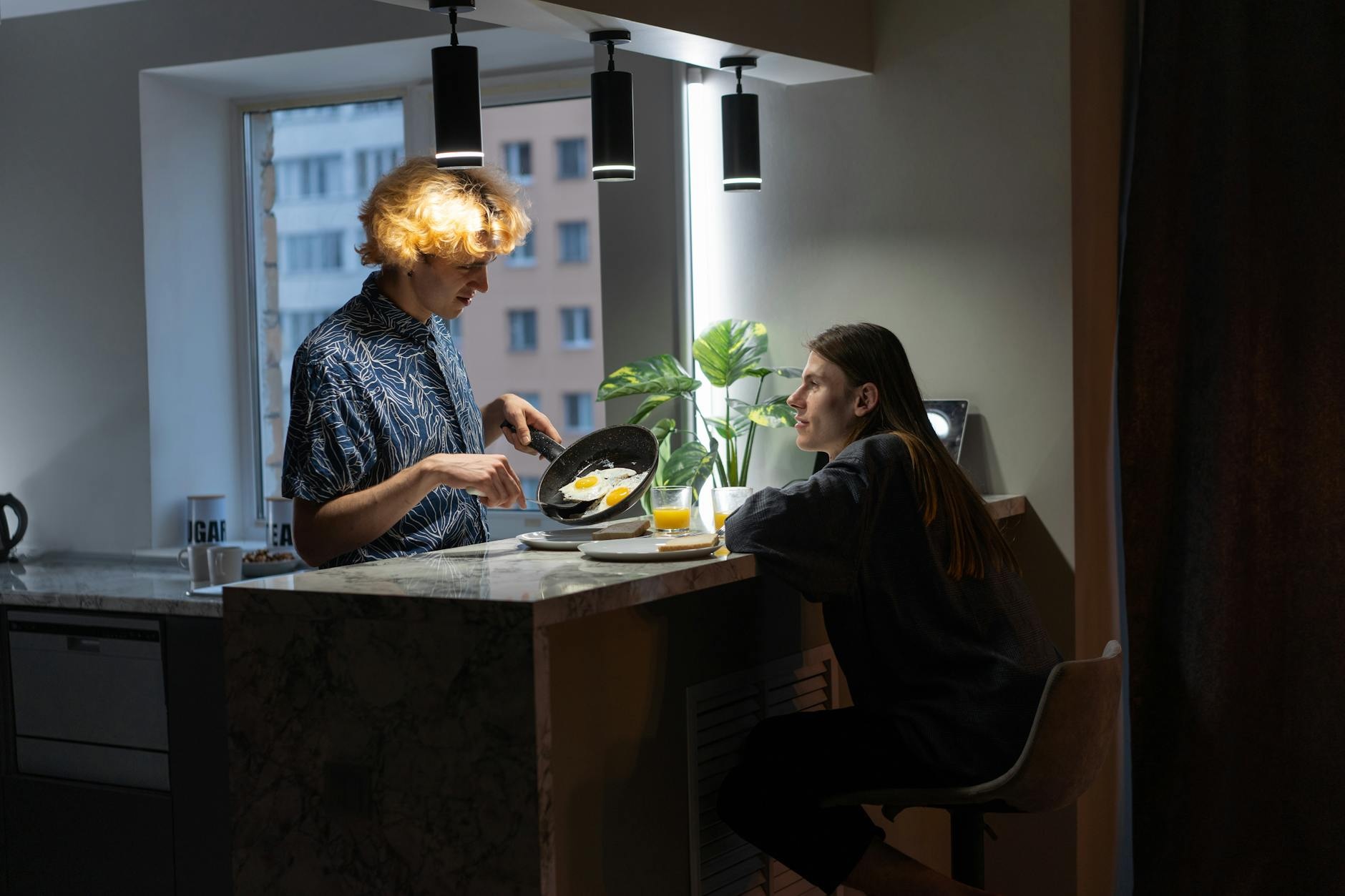
Northern Atolls (Haa Alif, Haa Dhaalu, Shaviyani)
Northern Atolls (Haa Alif, Haa Dhaalu, Shaviyani) represent traditional Maldivian fishing communities - less touristy, authentic island life, subsistence fishing culture. Ihavandhoo (Haa Alif) known for traditional mas huni preparation, Kulhudhuffushi (Haa Dhaalu) regional commercial center. Cuisine emphasizes preserved fish - rihaakuru (fish paste), mas (smoked tuna), dried fish (hikimas). November fishing season productive - calm northeast monsoon seas, pole-and-line fishing dhonis (traditional boats) daily expeditions. Northern dialect (Dhivehi bas variations) unique vocabulary - some food terms differ from Malé. Toddy palm tapping (ra collection) traditions stronger northern atolls - huni hakuru (palm jaggery) production, fresh toddy consumption. Less resort development than central/southern atolls - guesthouse tourism emerging, homestays offer authentic home-cooked meals. Challenges: Infrastructure limited, transport to Malé expensive (domestic flights), food imports costly.
Cultural Significance:
Northern Atolls preserve pre-tourism Maldivian way of life - fishing subsistence economy, tight-knit island communities, Islamic traditions deeply rooted. Families own fishing dhonis, catch tuna generations, process fish traditional methods (smoking, drying, rihaakuru making). Women prepare meals communal kitchens (bodu beru gatherings), share food neighbors, maintain reciprocal food exchanges. Climate change threatens livelihoods - coral bleaching damages reefs, fish migration patterns shifting, younger generation migrates Malé for jobs. Guesthouse tourism offers economic lifeline - visitors pay experience "real" Maldives, eat home-cooked meals, learn fishing techniques, participate daily island routines. Cultural authenticity vs. tourist expectations balance - northerners maintain conservative Islamic customs (modest dress, gender separation, prayer times) while accommodating foreign guests.
Signature Dishes:
- Rihaakuru (fish paste)
- Smoked tuna (mas)
- Toddy palm products (ra, huni hakuru)
- Traditional garudhiya
- Home-cooked mas riha
Key Ingredients:
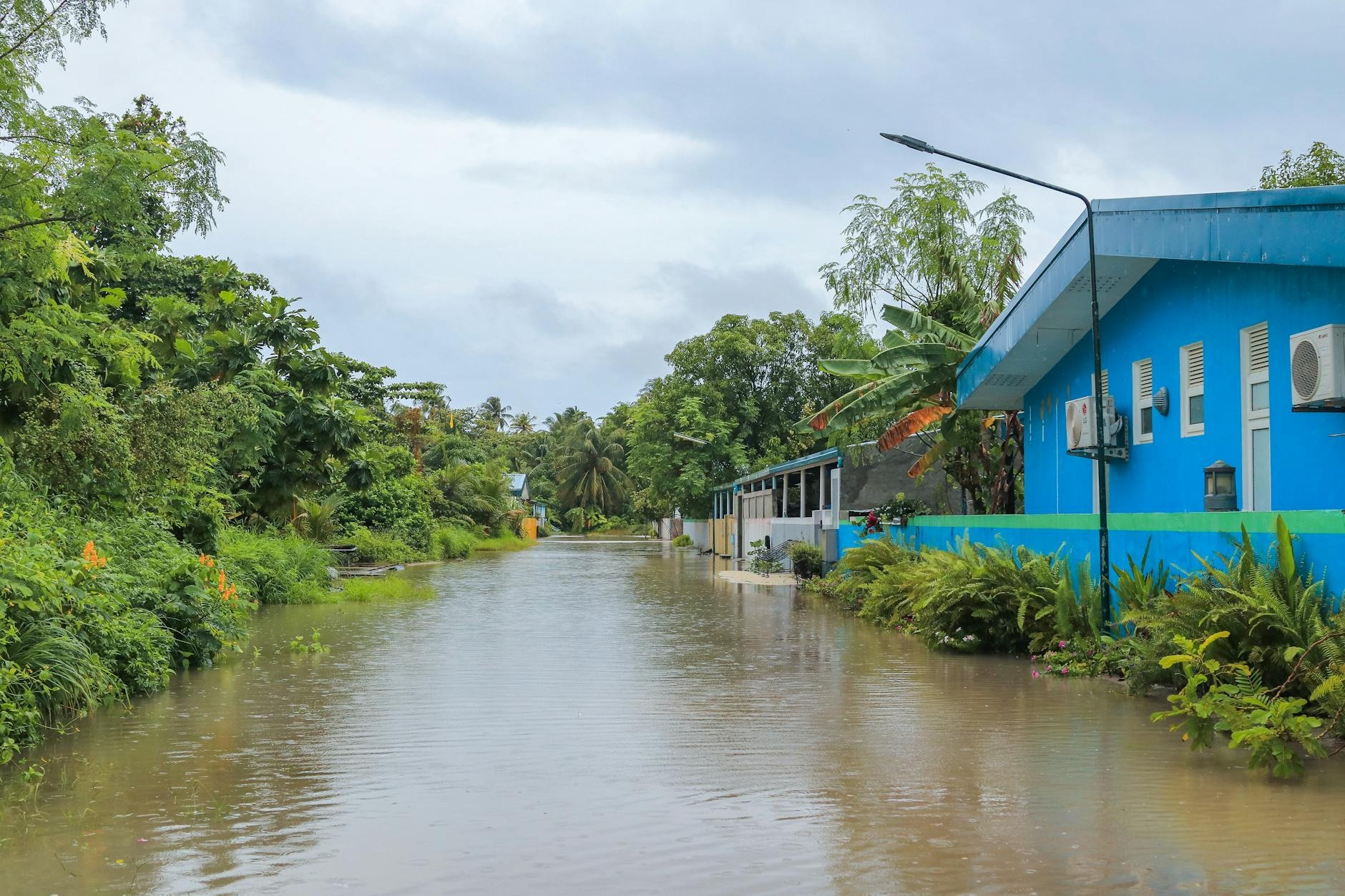
Central Atolls (Kaafu, Ari, Vaavu) - Resort Islands
Central Atolls (Kaafu/North Malé, Ari, Vaavu) concentrate luxury resort islands - Maldives' tourism economic engine, internationally acclaimed dining. Each resort occupies entire uninhabited island - exclusive private island experience, overwater villas, world-class restaurants. Culinary innovation peaks here: Ithaa Undersea Restaurant (Conrad Maldives Rangali Island) - 5m below sea level, glass-walled, European cuisine, reservation months ahead required. 5.8 Undersea Restaurant (Hurawalhi Island Resort) - 5.8m deep, Michelin-trained chefs, tasting menus. Celebrity chef residencies - Gordon Ramsay pop-ups, Jean-Georges Vongerichten collaborations. Fusion cuisine blends Maldivian flavors international techniques - tuna tataki, coconut panna cotta, curry-infused risottos. Multi-restaurant resorts - Italian, Japanese, Chinese, Middle Eastern, fine dining, buffets. All-inclusive packages dominate - unlimited dining, premium ingredients (imported seafood, Wagyu beef, caviar). Alcohol permitted resort islands only - extensive wine cellars, cocktail bars, sommeliers. November peak season - reservations tight, prices premium. Sustainability focus growing - reef-to-table dining, sustainable seafood MSC-certified, organic gardens supply vegetables.
Cultural Significance:
Resort islands create parallel culinary universe - luxury dining divorced from local Maldivian food culture, yet economically vital national survival (tourism 28% GDP, 60% foreign exchange). Cultural tensions: Maldivian staff commute resort islands (10-day shifts, housed staff quarters), serve international guests, prohibited consuming alcohol themselves (Muslim), return local islands weekends. Environmental concerns: Resorts import 90% food (carbon footprint), desalination plants energy-intensive, waste disposal challenges coral reefs. November 2025 trends: Resorts increasingly incorporate authentic Maldivian dishes (mas huni brunches, garudhiya presentations, hedhikaa appetizers) - culinary tourism demand, guest authenticity seeking. Chefs train local Maldivian cooks European techniques, creating hybrid culinary identity. Climate change existential - sea level rise threatens resort islands equally local communities, sustainability initiatives intensify.
Signature Dishes:
- Undersea restaurant tasting menus
- Maldivian-fusion cuisine
- Fresh lobster & reef fish
- International fine dining
- Sunset champagne dinners
Key Ingredients:

Ari Atoll - Local Island Guesthouses
Ari Atoll balances resort tourism & local island guesthouses - Maafushi, Dhiffushi, Rasdhoo inhabited islands opened tourism post-2009 regulations. Guesthouse model allows tourists stay local islands, experience Maldivian daily life, eat authentic home-cooked meals, prices fraction resort costs. Maafushi most developed local island tourism - 50+ guesthouses, restaurants, dive shops, bikini beach (separate from local beach, Islamic modesty maintained). Dining: Guesthouse breakfast includes mas huni, roshi, fresh fruit, sweet tea. Lunch/dinner: home-cooked mas riha, garudhiya, fihunu mas, vegetable curries. Restaurants cater tourists - pizza, pasta, sandwiches alongside Maldivian options. No alcohol local islands (Islamic law) - but "safari boats" anchor offshore offer alcohol cruises. November ideal weather - snorkeling, diving, whale shark season (Ari Atoll famous), post-dive dinners fresh grilled fish. Cultural immersion: Tourists observe local life - mosque prayers, fish market mornings, women preparing meals, children playing football beaches.
Cultural Significance:
Local island tourism democratizes Maldives travel - backpackers, budget travelers, cultural tourists access authentic experiences previously unavailable (resorts only option pre-2009). Guesthouse owners Maldivian families - income diversification beyond fishing, women's employment cooking/housekeeping, youth employment guiding/diving. Cultural negotiations: Conservative Muslim communities balance tourism income with Islamic values - bikini beaches segregated, alcohol banned, modest dress expected streets, Ramadan fasting respected. Food authenticity: Guesthouse meals genuinely Maldivian - owners cook family recipes, use local ingredients, share food culture stories. Tourist feedback reshapes offerings - vegetarian options increase, fusion experiments (Maldivian pizza toppings), English menus standardize. November community dynamics: Tourism peak season, locals busy hosting guests, economic benefits visible (new guesthouses, renovations), but strain infrastructure (water shortages, waste management). Sustainable tourism emphasis - Maafushi environmental cleanups, reef protection education, responsible diving practices.
Signature Dishes:
- Home-cooked mas riha
- Guesthouse mas huni breakfasts
- Grilled fresh fish (tourist restaurants)
- Hedhikaa snacks
- BBQ beach dinners
Key Ingredients:
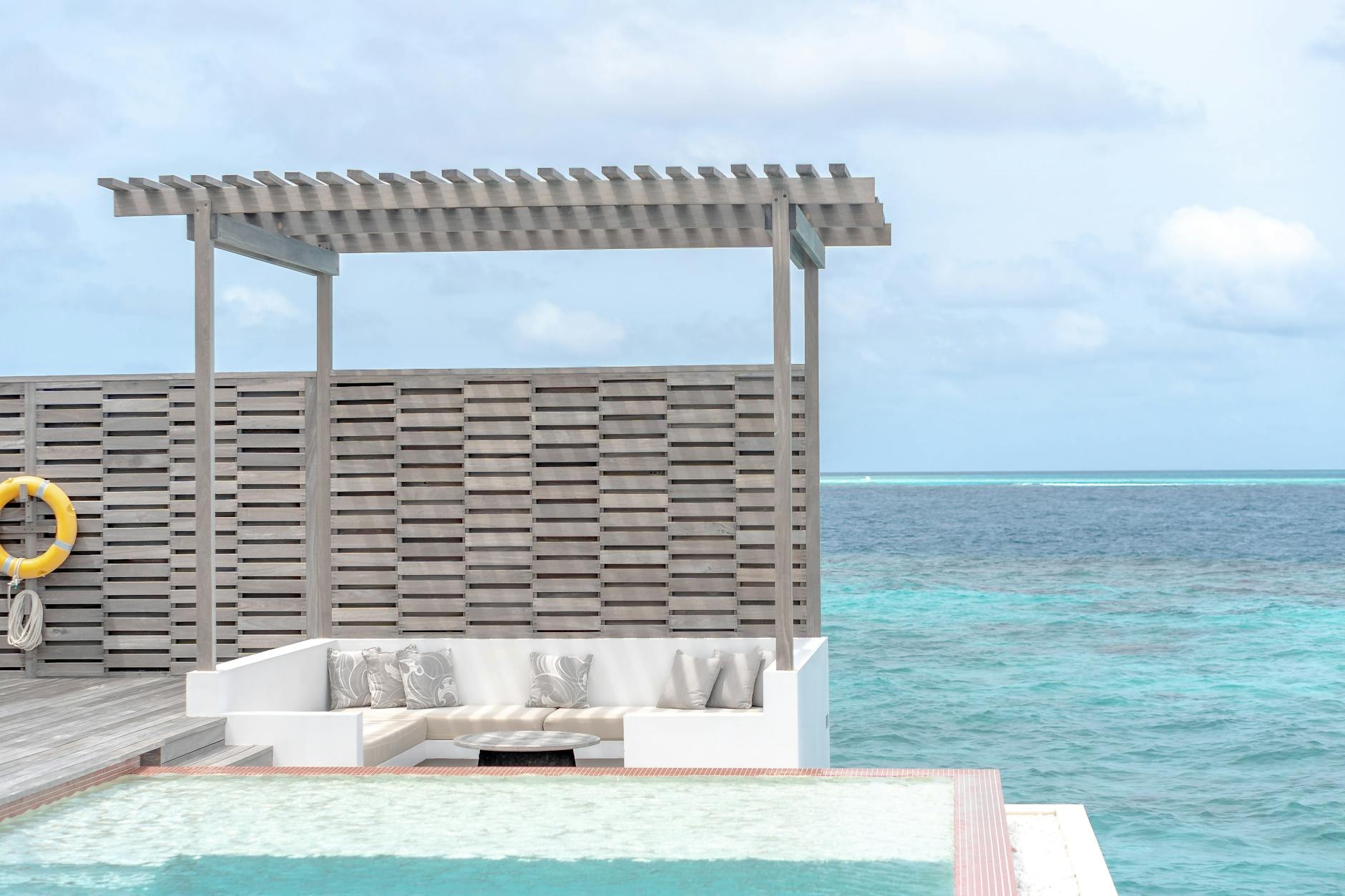
Southern Atolls (Addu City & Gnaviyani)
Southern Atolls (Addu City/Seenu Atoll & Gnaviyani/Fuvahmulah) geographically isolated - distinct dialect (Addu bas), unique cultural identity, historically separate sultanate. Addu City (population ~30,000) second largest urban area after Malé - four connected islands (Hithadhoo, Maradhoo, Feydhoo, Hulhudhoo), causeways built WWII British Royal Air Force base (Gan Island). Cuisine reflects British colonial influence - afternoon tea tradition, baked goods, Western foods alongside Maldivian staples. Fuvahmulah unique single-island atoll - fertile soil (rare Maldives), grows citrus fruits, vegetables, taro, produces distinctive dishes. Southern dialect food vocabulary differs - some dishes have unique names. Addu famous for tuna processing - MIFCO fish cannery major employer, exports globally. Freshwater lakes (Fuvahmulah) allow agriculture - tropical fruits, vegetables supplement seafood diet. November: Addu Nature Park eco-tourism, Gan Island airport hub (international flights London, Milan), tourists visit en route elsewhere or specifically southern cultural experiences.
Cultural Significance:
Southern Atolls proud regional identity - historically resisted Malé central authority, brief independence 1959-1963 (United Suvadive Republic), dialect preservation, cultural distinctiveness. British RAF base (1941-1976) left legacy - English loanwords, tea culture, infrastructure (causeways, airport), mixed-heritage descendants. Addu cuisine less spicy than northern atolls - regional preference, possibly British influence. Fuvahmulah agricultural advantage - only Maldivian island significant soil depth, grows food unavailable elsewhere (citrus, taro, eggplants, chilies), historically traded northern atolls fish exchange. November economic activity: MIFCO cannery busiest (tuna season peak), Gan Island airport tourism gateway (cheaper flights than Malé Velana), Addu Atoll Hithadhoo local markets vibrant (fresh produce, hedhikaa vendors). Climate change concerns acute - low elevation, storm surges damage infrastructure, freshwater contamination saltwater intrusion (Fuvahmulah lakes threatened). Southern tourism potential underutilized - fewer resorts than central atolls, but nature tourism (manta rays, sharks, unique ecosystems) growing, authentic cultural experiences distinct Malé/central areas.
Signature Dishes:
- Addu bondi (sweet tea & snacks)
- Fresh tuna (MIFCO processing)
- Fuvahmulah tropical fruits
- Traditional mas huni (southern style)
- British-influenced baked goods
Key Ingredients:
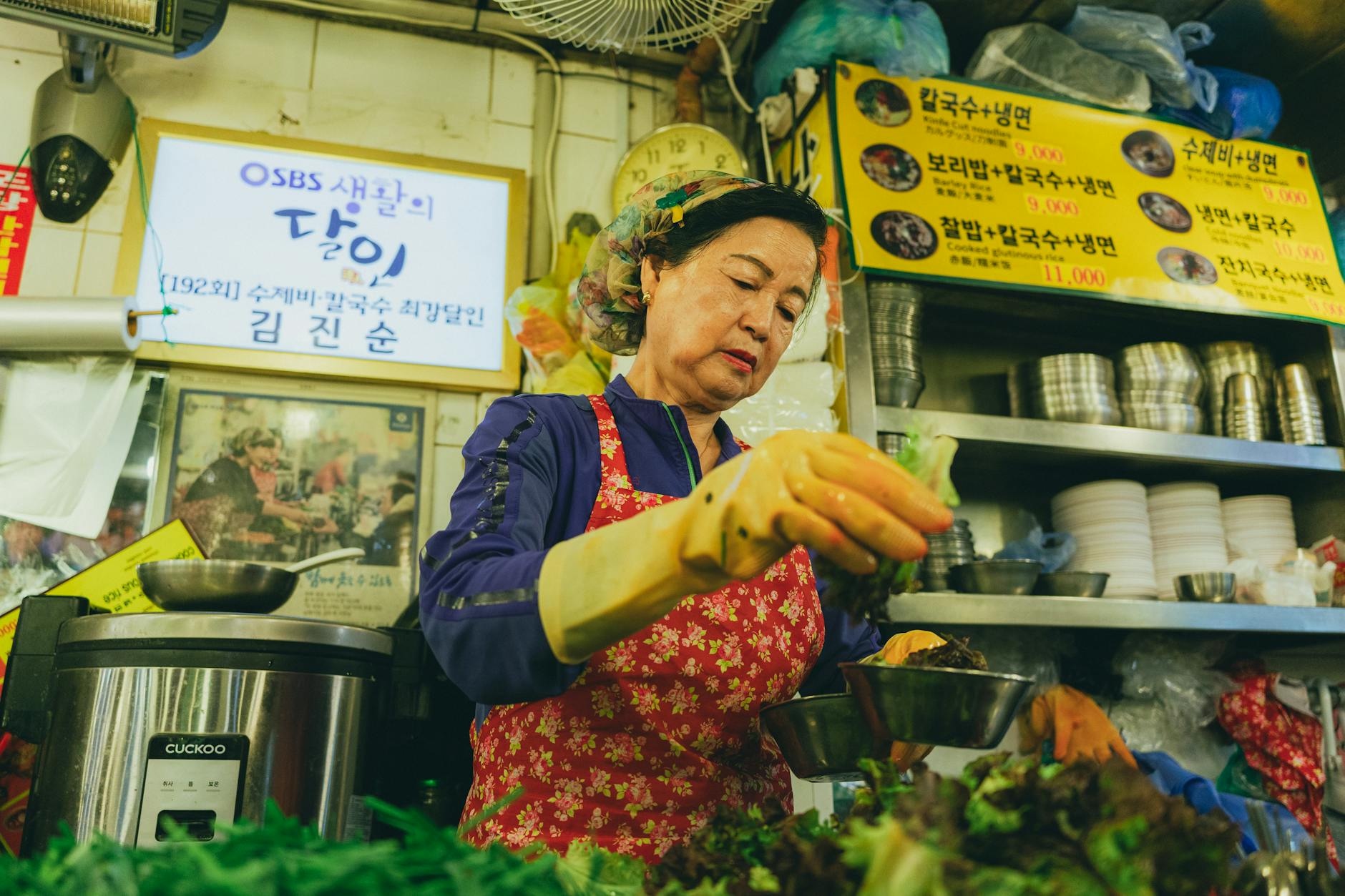
Sweet Delights & Desserts
Indulge in Maldives's traditional sweet treats and desserts.

Bondibai (Rice Pudding)
Bondibai is a sweet rice pudding, a traditional Maldivian dessert. Made with rice cooked in coconut milk, sweetened with sugar or jaggery, and flavored with spices like cardamom and cinnamon, bondibai offers a creamy and comforting sweetness. It's often served warm and can be garnished with nuts or raisins. Bondibai is a popular dessert enjoyed during special occasions and celebrations.

Foni boakibaa (Sweet Rice Cake)
Foni boakibaa are sweet rice cakes - beloved Maldivian hedhikaa dessert item. Made with rice flour, coconut, sugar, rose water, cardamom, formed into small round cakes, pan-fried until golden edges remain soft inside. Texture: slightly chewy, coconut-sweet, aromatic rose water & cardamom fragrance. Served warm or room temperature, often dusted with powdered sugar. Popular afternoon tea accompaniment, wedding celebrations, Eid festivals. Foni boakibaa represents Maldivian sweet hedhikaa tradition - small portion desserts consumed socially rather than large individual servings. Cafes throughout Malé & local islands serve fresh foni boakibaa daily. Naturally gluten-free (rice flour base), halal, vegan-friendly if made without dairy. Reflects Indian Ocean dessert influences - South Asian rice flour sweets, Arab rose water perfuming, coconut tropical abundance.

Huni hakuru folhi (Coconut Palm Jaggery)
Huni hakuru folhi is traditional Maldivian coconut palm jaggery candy - crystallized palm sugar shaped into small discs or balls. Made from toddy palm sap (ra) boiled down until concentrated, caramelized, hardened into amber-colored candy. Flavor: deep caramel, molasses notes, natural sweetness, slight smokiness. Eaten as candy, dissolved in tea, or crumbled over desserts. Huni hakuru production artisanal - toddy tappers (raaveriaverin) climb coconut palms collect sap morning/evening, sap boiled large pots until reaches candy stage. Cultural heritage preservation - traditional skill passing to younger generations. Health benefits claimed locally - minerals, vitamins from unrefined palm sugar. Available local markets, specialty shops Malé. Represents pre-modern Maldivian sweetener - before imported white sugar, huni hakuru sole sweet source. Vegan, gluten-free, sustainably produced (coconut palm renewable resource).

Saagu bondibai (Sago Pudding)
Saagu bondibai is Maldivian sago pudding - creamy dessert made sago pearls (tapioca), coconut milk, sugar, flavored cardamom & rose water. Sago pearls soaked, cooked until translucent, simmered coconut milk until creamy consistency, sweetened sugar, perfumed rose water. Served warm or chilled, garnished crushed nuts (cashews, almonds) or raisins. Texture: bouncy sago pearls suspended rich coconut cream. Popular special occasions - weddings, Eid celebrations, Ramadan iftar desserts. Saagu bondibai reflects South Asian influences - similar to Indian kheer or Sri Lankan sago pudding, adapted Maldivian coconut & spice preferences. Restaurant & home cooking staple. Naturally gluten-free (sago is cassava/palm starch), halal, can be vegan (verify no dairy milk added).

Gulab jamun (Rose Syrup Balls)
Gulab jamun are Indian-origin dessert fully adopted Maldivian cuisine - deep-fried milk solid balls soaked rose-cardamom sugar syrup. Made with khoya (milk solids), flour, ghee, formed into small balls, deep-fried until golden brown, immediately soaked warm fragrant syrup (rose water, cardamom, saffron). Result: soft, spongy, intensely sweet, aromatic. Served warm, 2-3 pieces per portion, often garnished crushed pistachios or silver leaf. Ubiquitous Maldivian celebrations - weddings, Eid festivals, special dinners, restaurant dessert menus. Reflects strong South Asian culinary ties - Indian/Sri Lankan/Pakistani dessert traditions embraced Maldivian Muslim community. Café Malé, local island restaurants, resort buffets all feature gulab jamun. November: Often served during Islamic celebrations if timing aligns. Halal, vegetarian (contains dairy), rich & indulgent.

Dhonkeyo kajuru (Banana Fritters)
Dhonkeyo kajuru are Maldivian banana fritters - ripe bananas dipped batter, deep-fried until golden, crispy exterior. Batter made flour, coconut milk, sugar, cardamom, sometimes rice flour for extra crispness. Ripe bananas sliced, coated batter, fried hot oil until crispy outside, soft sweet banana inside. Served warm, dusted powdered sugar or drizzled honey/palm syrup. Popular hedhikaa dessert item, street food snack, home cooking treat. Children especially love dhonkeyo kajuru. Maldives' tropical climate produces abundant bananas - several varieties grown (small sweet bananas preferred for fritters). Represents simple, satisfying dessert utilizing local ingredients. Eaten plain or with tea/coffee. Naturally sweet from ripe bananas, additional sugar enhances. Halal, can be vegan if coconut milk batter (verify no dairy).

Boakibaa dhiya (Sweet Coconut Cake)
Boakibaa dhiya is sweet coconut cake - Maldivian festive dessert with Middle Eastern influences. Made grated fresh coconut, rice flour, sugar, cardamom, rose water, eggs, formed into cake, baked until golden aromatic. Texture: moist, dense, coconut-forward, slightly crumbly. Often cut into diamond or square shapes, served celebrations. Boakibaa dhiya prepared weddings, Eid festivals, special family gatherings. Reflects Arab/Persian culinary influences via Islamic connections - rose water, cardamom common Middle Eastern flavoring, coconut tropical Maldivian ingredient. Home bakers pride in boakibaa dhiya recipes - passed down generations, slight variations each family. Shops Malé sell pre-made versions, but homemade considered superior. Cultural significance: dessert-making communal activity women family members, strengthens bonds. Halal, vegetarian (contains eggs/dairy), gluten-free if pure rice flour used.

Tropical fruit platter (Falhoa)
Tropical fruit platter (falhoa) showcases Maldives' natural fruit bounty - fresh-cut seasonal tropical fruits served chilled, simple healthy dessert. November fruit availability includes: mangoes (end of season), papayas, bananas (multiple varieties), watermelons, pineapples, coconuts (young coconut flesh), passion fruit, sometimes imported fruits (apples, grapes). Served plain or drizzled lime juice, sprinkled chili-salt (Maldivian twist - savory-spicy contrast sweetness). Resort breakfast buffets feature elaborate fruit displays, local island guesthouses serve simpler versions, restaurants offer fruit salads dessert option. Reflects Maldivian climate advantage - year-round tropical fruit availability. Health-conscious tourists appreciate fresh fruit desserts after seafood-heavy meals. Naturally vegan, gluten-free, halal, refreshing hot humid climate. Cultural note: Coconuts everywhere - drinking nuts (kurumba) young green coconuts, mature coconuts grated for cooking. November tourist season peak - fruit demand high, local farmers supply resorts & markets.
Traditional Beverages
Discover Maldives's traditional drinks, from locally produced spirits to regional wines.

Placeholder Item 1
This is a placeholder description for Maldives. In a real implementation, this would be generated by an AI service.
Soft Beverages
Discover Maldives's traditional non-alcoholic drinks, from local teas to refreshing juices.

Ra (Toddy)
Ra is a sweet, mildly alcoholic beverage derived from the sap of palm trees. It's a traditional drink in the Maldives, consumed fresh or fermented. Fresh ra is a refreshing, sweet drink, while fermented ra has a slightly alcoholic content. It's an important part of Maldivian culture, often consumed during social gatherings.

Kurumba bai (Coconut drink)
Kurumba bai is the water found inside young, green coconuts. It's a naturally refreshing and hydrating drink, readily available throughout the Maldives. Kurumba bai is a popular thirst quencher, offering a taste of the tropics. It's often consumed directly from the coconut or served chilled.