
Brazil Food Guide
Content Information
Recently updated🔥Current Food Trends 2025
What's happening in Brazil's culinary scene right now
Brazil's culinary landscape in November 2025 celebrates the Michelin Guide São Paulo & Rio 2024 expansion featuring 35 starred restaurants including three two-star establishments (Oteque in Rio, Evvai and Mani in São Paulo). Brazilian gastronomy movement champions Amazonian ingredients (açaí, cupuaçu, tucupi, jambu) with chefs like Alex Atala (D.O.M.) and Helena Rizzo (Mani) leading sustainability. November 2025 marks Brazil's Consciência Negra (Black Consciousness Day, November 20) celebrating Afro-Brazilian culinary heritage - feijoada, acarajé, vatapá, and moqueca traditions. Rio de Janeiro and São Paulo host diverse food scenes blending Japanese-Brazilian (sushi with tropical fruits), Lebanese-Brazilian, Italian-Brazilian, and indigenous cuisines. Churrasco culture peaks with rodízio restaurants and traditional gaucho-style barbecue in southern states. Cachaça artisanal production grows with over 5,000 producers creating premium aged varieties. Brazilian coffee (world's largest producer) emphasizes specialty beans from Minas Gerais and São Paulo estates. Street food culture thrives with coxinha, pastel, acarajé, and tapioca vendors at every corner. Pão de queijo (cheese bread from Minas Gerais) gains international recognition. November 2025 sees Record Brazilian wine production in Serra Gaúcha with sparkling wines rivaling Champagne.
Food Safety Tips
Essential food safety information to help you enjoy Brazil's cuisine safely and confidently.
Check food hygiene standards in Brazil
While Brazil generally has good food hygiene standards, it's always wise to choose restaurants that appear clean and well-maintained.
Drink bottled water in Brazil
In Brazil, it's recommended to drink bottled water, especially in rural areas where water quality may vary.
Be cautious with street food in Brazil
Street food in Brazil can be delicious and safe, but choose vendors with high turnover and good hygiene practices.
Dietary Options
vegetarian
MEDIUM AVAILABILITYVegetarian options are increasingly available in Brazil, particularly in urban areas and tourist destinations.
vegan
LOW AVAILABILITYVegan options can be limited in Brazil, as many traditional dishes include animal products. However, major cities may have specialized restaurants.
gluten-free
LOW AVAILABILITYFinding gluten-free options in Brazil can be challenging. Consider learning key phrases to explain your dietary needs.
halal
LOW AVAILABILITYHalal options available in major cities with Muslim communities, particularly São Paulo (Arab neighborhood around Rua 25 de Março), Rio de Janeiro, Brasília, and Curitiba. Middle Eastern restaurants and Arab-Brazilian cuisine offer halal options. Main challenges: Pork widespread in feijoada and churrasco; alcohol in many traditional dishes; limited halal certification. Supermarkets in Arab neighborhoods stock halal meat. Chicken-based dishes and seafood options (moqueca) are safer alternatives. Muslim travelers should seek out Syrian-Lebanese restaurants common in Brazilian cities.
kosher
LOW AVAILABILITYKosher food limited to São Paulo (largest Jewish community in Latin America - Higienópolis, Jardins neighborhoods) and Rio de Janeiro. São Paulo has kosher restaurants, bakeries (Padaria Beit Yaakov), and supermarkets. Contact Congregação Israelita Paulista or Chabad Brazil. Main challenges: Pork and shellfish prevalent; dairy-meat mixing in traditional dishes; kosher certification rare outside São Paulo. Kosher beef available from certified butchers. Vegetarian options (pão de queijo, farofa, rice and beans) offer alternatives. Fish like tilapia and dourado are kosher if properly prepared.
Common Allergens
Nuts
MEDIUM PREVALENCEVarious nuts are common in Brazil's cuisine, particularly in desserts and some savory dishes.
COMMONLY FOUND IN:
Dairy
HIGH PREVALENCEDairy products are widely used in Brazil, featuring in many traditional dishes.
COMMONLY FOUND IN:
Wheat
HIGH PREVALENCEWheat is a staple in Brazil's cuisine, used in bread, pastries, and many other foods.
COMMONLY FOUND IN:
Essential Food Experiences
These iconic dishes represent the must-have culinary experiences that define Brazil's food culture for travelers.

Feijoada (Feijoada)
A rich black bean stew with various cuts of pork and beef, slow-cooked and served with rice, farofa, and orange slices. It's a national dish with historical roots in slavery, representing a blend of cultures and flavors.

Moqueca (Moqueca)
A seafood stew cooked in coconut milk, dendê oil, and spices, often featuring fish, shrimp, or a combination. It originates from the Afro-Brazilian culinary traditions of Bahia and Espírito Santo, reflecting the region's coastal influence.

Churrasco (Churrasco)
Grilled meats, a staple of Brazilian cuisine, featuring various cuts of beef, pork, chicken, and sausages. It's a social gathering centerpiece, often enjoyed with farofa, vinagrete, and pão de alho.

Pão de Queijo
Cheesy bread rolls made with tapioca flour (naturally gluten-free), cheese, eggs, and milk. From Minas Gerais, these fluffy, chewy bites are Brazil's beloved breakfast and snack.

Acarajé
Bahian street food - deep-fried black-eyed pea fritters split and filled with vatapá (shrimp paste), caruru (okra), and hot pepper sauce. Afro-Brazilian heritage dish.

Coxinha
Teardrop-shaped fried dough filled with shredded chicken, cream cheese, and catupiry. Brazil's favorite snack from boteco bars and street vendors.

Açaí Bowl
Amazonian superfood - frozen açaí berry pulp blended and topped with granola, banana, and guaraná syrup. Health food phenomenon from northern Brazil.

Pastel
Crispy fried pastry with savory fillings like ground beef, cheese, hearts of palm, or shrimp. Weekend feira (market) essential paired with sugarcane juice.

Brigadeiro
Chocolate truffles made with condensed milk, cocoa powder, butter, and chocolate sprinkles. Brazil's most beloved sweet, mandatory at birthday parties since the 1940s.

Tapioca Crepe
Naturally gluten-free crepe made from tapioca starch, filled with sweet (coconut, condensed milk) or savory (cheese, dried meat) combinations. Northeastern Brazilian breakfast staple.
Regional Specialties & Local Favorites
Discover the authentic regional dishes and local favorites that showcase Brazil's diverse culinary traditions.

Pão de Queijo (Cheese Bread)
Small, baked cheese rolls made with tapioca flour, cheese, and eggs. A popular breakfast and snack item, enjoyed throughout the day.
Allergens:

Brigadeiro (Brigadeiro)
Chocolate truffles made with condensed milk, cocoa powder, and butter, rolled in chocolate sprinkles. A beloved sweet treat served at parties and celebrations.
Allergens:

Coxinha (Coxinha)
Teardrop-shaped dough filled with shredded chicken and spices, then breaded and deep-fried. A popular street food and snack, enjoyed throughout Brazil.
Allergens:
Regional Cuisine Highlights
Explore the diverse culinary landscapes across different regions of Brazil.
Bahia
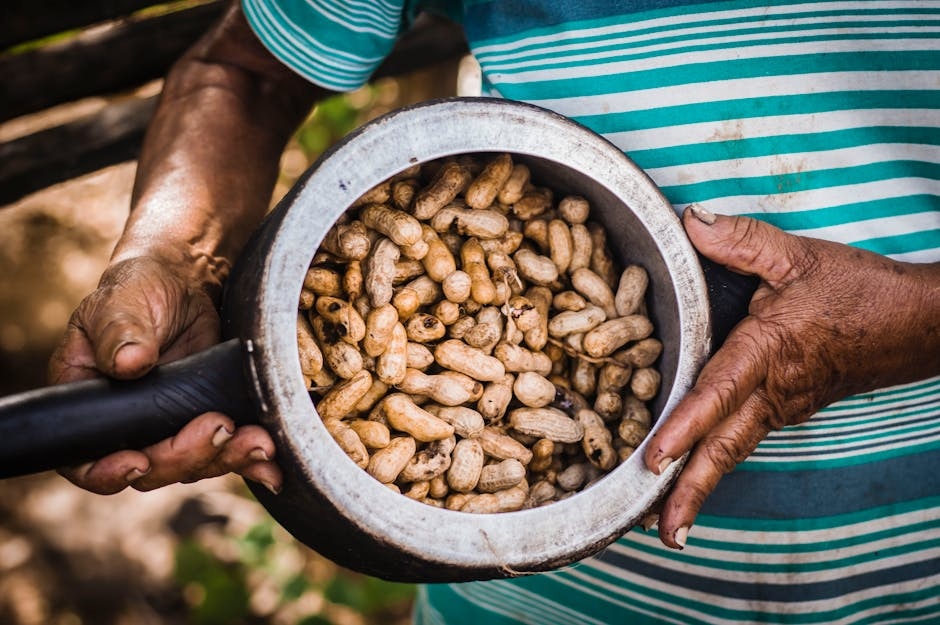
Bahian cuisine is known for its African influences, featuring seafood, dendê oil, coconut milk, and spices. Moqueca, acarajé, and vatapá are signature dishes.
Cultural Significance:
Reflects the strong Afro-Brazilian heritage of the region, preserving culinary traditions brought by enslaved Africans.
Signature Dishes:
- Moqueca
- Acarajé
- Vatapá
Key Ingredients:
Minas Gerais
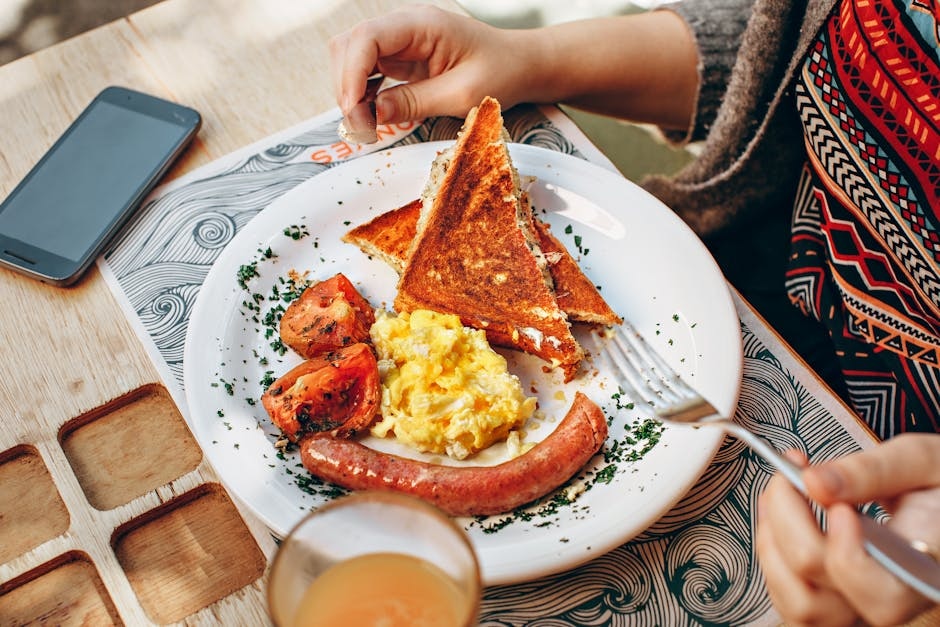
Minas Gerais cuisine is characterized by hearty, rustic dishes featuring pork, beans, cheese, and corn. Feijoada, tutu de feijão, and pão de queijo are regional specialties.
Cultural Significance:
Represents the inland, agricultural traditions of the region, with influences from Portuguese and indigenous culinary practices.
Signature Dishes:
- Feijoada
- Tutu de feijão
- Pão de queijo
Key Ingredients:
São Paulo
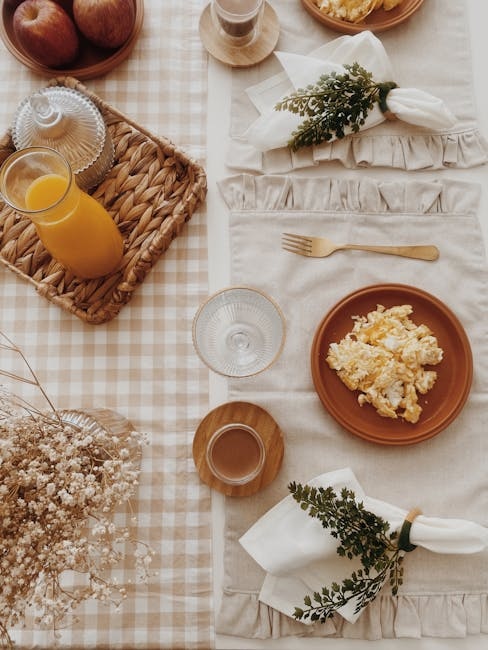
São Paulo's cuisine is diverse, reflecting its cosmopolitan nature. It's a melting pot of culinary influences, with a wide range of international and national dishes. Virado à Paulista and pastel are popular choices.
Cultural Significance:
Showcases the city's multiculturalism, blending culinary traditions from various immigrant groups and other regions of Brazil.
Signature Dishes:
- Virado à Paulista
- Pastel
- Picadinho
Key Ingredients:
Amazon (North)
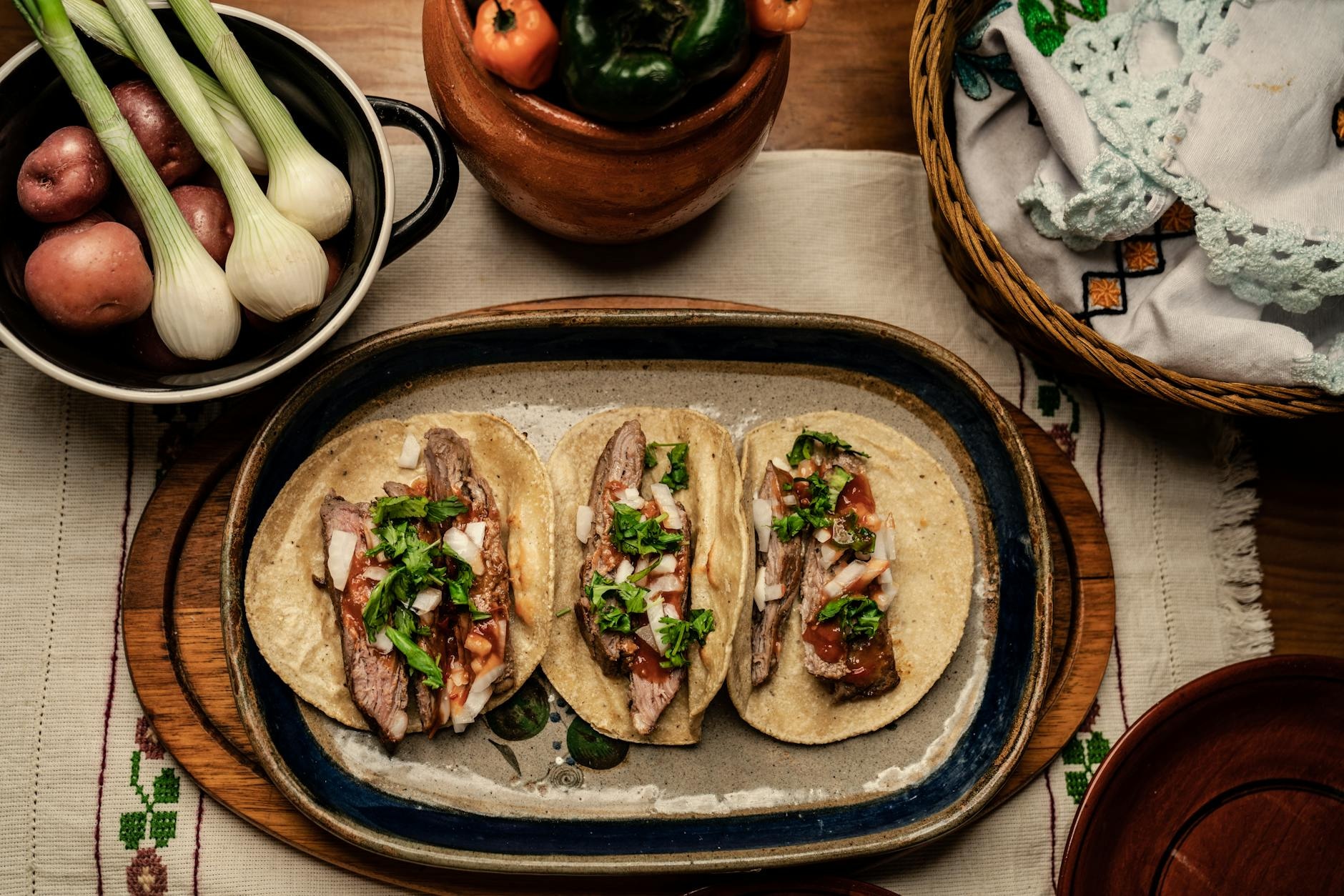
Amazonian cuisine features exotic fruits (açaí, cupuaçu, tucupi), river fish (pirarucu, tambaqui), and indigenous ingredients. Tucupi (manioc juice) and jambu (tingling herb) define regional dishes like tacacá and duck in tucupi sauce.
Cultural Significance:
Preserves indigenous culinary knowledge and rainforest biodiversity. Açaí bowls originated here before becoming global health food trend.
Signature Dishes:
- Açaí (original thick bowl)
- Tacacá (soup with jambu and tucupi)
- Pato no Tucupi (duck in tucupi sauce)
- Pirarucu ribs
- Cupuaçu desserts
Key Ingredients:
Rio de Janeiro
Carioca cuisine blends Portuguese traditions with African and indigenous influences. Beach culture brings açaí bowls, fresh coconut water, and seafood. Feijoada originated here, and boteco bars serve petiscos (snacks) with chopp (draft beer).
Cultural Significance:
Carioca food culture centers on beach kiosks, boteco bars, and weekend feijoada gatherings. The city's Afro-Brazilian heritage strongly influences culinary traditions.
Signature Dishes:
- Feijoada (Saturday tradition)
- Bolinho de Bacalhau (codfish fritters)
- Picanha with farofa
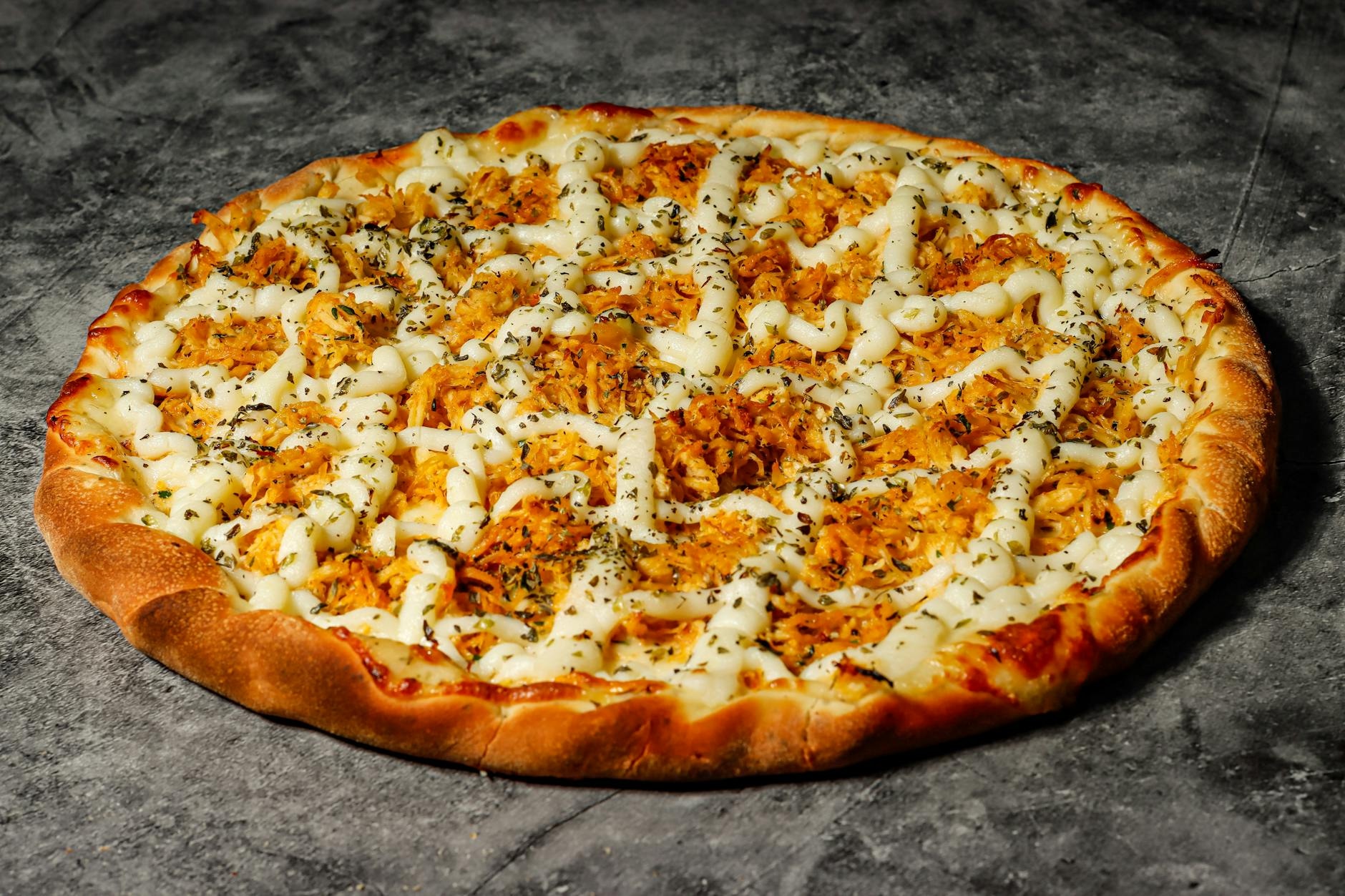
- Camarão com catupiry pizza
- Açaí na tigela
Key Ingredients:
South (Rio Grande do Sul)
Gaucho (southern cowboy) cuisine emphasizes churrasco barbecue and mate tea culture. German and Italian immigration influences show in sausages, polenta, and wine production. Chimarrão (mate tea) accompanies daily life.
Cultural Significance:
Gaucho culture celebrates churrasco traditions with families gathering around open-fire grills. European immigration shaped wine production in Serra Gaúcha.
Signature Dishes:
- Churrasco gaucho-style
- Arroz de carreteiro (wagon driver rice)
- Barreado (slow-cooked beef stew)
- Cuca (German crumb cake)
- Galeto (young chicken)
Key Ingredients:
Sweet Delights & Desserts
Indulge in Brazil's traditional sweet treats and desserts.

Quindim (Quindim)
A baked custard dessert made with egg yolks, sugar, and coconut. Its bright yellow color and rich flavor make it a favorite treat.

Pudim de Leite Condensado (Condensed Milk Pudding)
A creamy caramel pudding made with condensed milk, eggs, and sugar. A classic Brazilian dessert, often served chilled.

Mousse de Maracuja (Passion Fruit Mousse)
A light and airy mousse made with passion fruit pulp, whipped cream, and sugar. A refreshing dessert, perfect for warm weather.

Beijinho (Little Kiss)
Coconut truffles made with condensed milk, butter, and shredded coconut, rolled in more coconut. White counterpart to brigadeiro, equally beloved at parties.

Romeu e Julieta
Iconic pairing of guava paste (goiabada) with Minas cheese. Sweet and savory combination representing star-crossed lovers.

Cocada
Traditional coconut candy made with shredded coconut, sugar, and condensed milk. Variations include black cocada (with burnt sugar) from Bahia.

Bolo de Rolo
Thin rolled cake from Pernambuco filled with guava paste. Multiple delicate layers create a spiral pattern. Protected by geographical indication.

Paçoca
Crumbly peanut candy made with ground peanuts, sugar, and cassava flour. Associated with Festa Junina (June festivals) but enjoyed year-round.
Traditional Beverages
Discover Brazil's traditional drinks, from locally produced spirits to regional wines.

Cachaça (Cachaça)
A distilled spirit made from sugarcane juice. It's the main ingredient in Caipirinha, Brazil's national cocktail.

Caipirinha (Caipirinha)
A cocktail made with cachaça, sugar, and lime. It's a refreshing and iconic Brazilian drink.

Batida (Batida)
A blended cocktail made with cachaça, fruit, and condensed milk. Various fruits can be used, creating a diverse range of flavors.
Soft Beverages
Discover Brazil's traditional non-alcoholic drinks, from local teas to refreshing juices.

Guaraná (Guaraná)
A carbonated soft drink made from the guarana berry, native to the Amazon region. It has a unique, slightly sweet flavor.

Suco de Laranja (Orange Juice)
Freshly squeezed orange juice, a popular breakfast beverage and refreshment throughout the day.

Cafézinho (Cafézinho)
Strong, sweet coffee served in small cups. A ubiquitous beverage in Brazilian culture, offered throughout the day.