
Belgium Food Guide
Content Information
Recently updated🔥Current Food Trends 2025
What's happening in Belgium's culinary scene right now
Belgium's culinary landscape in December 2025 celebrates the Michelin Guide Belgium & Luxembourg 2024 with 130+ starred restaurants including The Jane (Antwerp, two stars) and Hof Van Cleve (three stars) leading fine dining. December 2025 marks Christmas season with Brussels Christmas Market, Bruges Winter Glow, and festive food traditions. Belgian chocolate maintains UNESCO recognition with master chocolatiers like Pierre Marcolini and Neuhaus creating innovative pralines for Christmas season. Craft beer revolution continues with 1,500+ breweries beyond traditional Trappist monasteries - spontaneous fermentation lambics from Cantillon and 3 Fonteinen gain cult status. December sees St. Nicholas Day (December 6th) festivities in Flanders. Friteries (frites stands) achieve cultural heritage status with traditional double-frying method. Sustainable North Sea fishing highlights grey shrimp from Ostend, MSC-certified sole. Protected designations include Jambon d'Ardenne PGI, Fromage de Herve AOP. Brussels' food scene thrives with Grand Place Christmas market preparations. Belgian waffle tourism peaks year-round - Liège sugar waffles vs Brussels rectangular waffles debate continues. Moules-frites season runs September-April with restaurants serving variations prepared with white wine, beer, or cream. Christmas markets feature speculoos cookies, vin chaud (mulled wine), and oliebollen. Sustainability and farm-to-table movements gain momentum with local ingredient sourcing.
Food Safety Tips
Essential food safety information to help you enjoy Belgium's cuisine safely and confidently.
Tap water is excellent and safe
Belgium has excellent tap water quality meeting strict EU standards. Safe to drink throughout the country from taps and public fountains.
High food safety standards
Belgium maintains very high food hygiene standards. AFSCA (Federal Agency for Safety of the Food Chain) rigorously inspects all food establishments.
Shellfish seasonal awareness
Mussels are best consumed during months with 'R' (September-April). Summer months traditionally avoided for shellfish consumption, though modern refrigeration makes year-round consumption safer.
Dietary Options
vegetarian
MEDIUM AVAILABILITYVegetarian options are increasingly available in Belgium, particularly in urban areas and tourist destinations.
vegan
LOW AVAILABILITYVegan options can be limited in Belgium, as many traditional dishes include animal products. However, major cities may have specialized restaurants.
gluten-free
LOW AVAILABILITYFinding gluten-free options in Belgium can be challenging. Consider learning key phrases to explain your dietary needs.
halal
HIGH AVAILABILITYHalal food widely available in Belgium, particularly in Brussels, Antwerp, and other major cities with significant Muslim populations (5-8% nationally, 600,000+ people). Brussels' Molenbeek, Schaerbeek, and Matonge neighborhoods have concentrated halal butchers, restaurants, and supermarkets. Turkish, Moroccan, and Middle Eastern restaurants throughout Belgium offer halal options. Main challenges: Pork in traditional carbonade and boulets; lard in some pastries; beer-based sauces. Halal certification by Halal Feed and Food Inspection Authority (HFFIA) and Executief van de Moslims van België (EMB). Major supermarkets (Delhaize, Carrefour) carry halal-certified products. HalalTrip and Zabihah apps help locate halal establishments.
kosher
LOW AVAILABILITYKosher food available primarily in Brussels and Antwerp with Belgian Jewish communities (30,000-40,000). Antwerp's Jewish Quarter (Diamond District area) has highest concentration of kosher restaurants, bakeries, and butchers certified by Consistoire Central Israélite de Belgique. Brussels' Ixelles and Schaerbeek have limited kosher options. Main challenges: Shellfish in moules-frites; pork widespread; dairy in many sauces. Belgian chocolate from kosher-certified chocolatiers available. Delhaize carries some kosher products. Contact local Chabad (Brussels, Antwerp) for current kosher dining. Very limited outside Brussels/Antwerp.
Common Allergens
Nuts
MEDIUM PREVALENCEVarious nuts are common in Belgium's cuisine, particularly in desserts and some savory dishes.
COMMONLY FOUND IN:
Dairy
HIGH PREVALENCEDairy products are widely used in Belgium, featuring in many traditional dishes.
COMMONLY FOUND IN:
Wheat
HIGH PREVALENCEWheat is a staple in Belgium's cuisine, used in bread, pastries, and many other foods.
COMMONLY FOUND IN:
Essential Food Experiences
These iconic dishes represent the must-have culinary experiences that define Belgium's food culture for travelers.

Moules-frites (Mussels and Fries)
A classic Belgian dish consisting of steamed mussels served with crispy fries. The mussels are typically cooked in white wine, garlic, and herbs, and served in a large pot. This dish is a must-try for seafood lovers.

Carbonade flamande (Flemish Beef Stew)
A rich and flavorful beef stew made with beer, onions, and brown sugar. It's often served with thick slices of bread for dipping into the savory sauce. This hearty dish is a staple of Flemish cuisine.

Waterzooi (Creamy Stew)
A traditional Flemish stew made with chicken or fish, vegetables, and a creamy sauce. It's typically seasoned with herbs and spices, and served with bread or potatoes. This comforting dish is perfect for a chilly evening.

Belgian Chocolate/Pralines
Belgium's world-famous chocolate craftsmanship - filled pralines with ganache, fruit, nuts, or liqueur centers. Master chocolatiers like Neuhaus (invented praline 1912), Pierre Marcolini, Godiva, and Leonidas create artisanal confections. Belgian chocolate quality regulated by strict cocoa content laws.

Frites/Belgian Fries
Belgian frites are NOT French fries - they're thick-cut, double-fried to golden perfection. Traditionally served in paper cones with mayonnaise or andalouse sauce at friteries (frites stands). Cultural icon achieving heritage status. Bintje potatoes preferred.

Liège Waffles (Gaufre de Liège)
Dense, sweet yeast-dough waffles with pearl sugar chunks that caramelize during cooking. Irregular shape, eaten handheld without toppings. Sweeter and chewier than Brussels waffles. Street food and bakery staple.

Grey Shrimp Croquettes (Garnaalkroketten)
Noordzee grey shrimp from Ostend in creamy béchamel, breaded and deep-fried. Crispy exterior, molten seafood interior. Belgian coastal specialty and national delicacy. Often served with lemon and frites.

Speculoos (Speculaas)
Spiced shortcrust biscuits with cinnamon, nutmeg, cloves, ginger, and cardamom. Thin, crispy texture. Traditionally baked for St. Nicholas Day (December 6th), now year-round. Biscoff brand made speculoos internationally famous.

Brussels Waffles (Gaufre de Bruxelles)
Light, rectangular waffles made with egg-white-leavened batter. Crispy outside, airy inside. Served with toppings - whipped cream, strawberries, chocolate sauce, powdered sugar. Larger and lighter than Liège waffles.

Boulets à la Liégeoise
Walloon meatballs in sweet-sour sauce made with Liège syrup (sirop de Liège), a traditional fruit molasses. Served with frites. Rich, complex flavor balancing savory meat with sweet sauce. Liège regional specialty.
Regional Specialties & Local Favorites
Discover the authentic regional dishes and local favorites that showcase Belgium's diverse culinary traditions.

Stoemp (Mashed Potatoes with Vegetables)
A simple yet satisfying dish of mashed potatoes mixed with various vegetables, such as carrots, onions, and leeks. It's often served as a side dish with sausages or other meats.

Frikandel (Skinless Sausage)
A popular fast food item consisting of a deep-fried, skinless sausage. It's often served with fries and various sauces, such as mayonnaise or ketchup.

Boterhammen (Sandwiches)
A common lunchtime meal in Belgium, consisting of open-faced sandwiches with various toppings, such as cheese, ham, or pâté. They are a simple and convenient option for a quick meal.
Allergens:

Witloof (Belgian Endive)
Belgian endive is a crisp, slightly bitter vegetable often served gratin-style wrapped in ham with creamy béchamel sauce and cheese. Can be eaten raw in salads or braised. Belgian agricultural innovation from 1850s.
Allergens:

Vol-au-vent
Puff pastry shells filled with creamy chicken or seafood ragout. Classic Belgian brasserie dish, often served with frites. Light, flaky pastry contrasts with rich, creamy filling. Essential Belgian comfort food.
Allergens:

Gentse Waterzooi
Ghent's signature version of waterzooi, traditionally made with river fish (pike, perch) in creamy broth with vegetables. Modern versions often use chicken. Lighter than Flemish stew, showcasing Ghent's canal heritage.
Allergens:

Américain (Steak Tartare)
Raw minced beef seasoned with capers, onions, pickles, and spices, served on bread or toast. Despite the name, it's a Belgian specialty. Fresh, high-quality beef essential. Popular lunch item.
Allergens:

Mattentaart
Geraardsbergen specialty pastry filled with curdled milk (platte kaas) and almond paste. Protected regional product with centuries-old tradition. Sweet-tangy filling in buttery crust. Unique Belgian regional delicacy.
Allergens:
Regional Cuisine Highlights
Explore the diverse culinary landscapes across different regions of Belgium.
Flanders
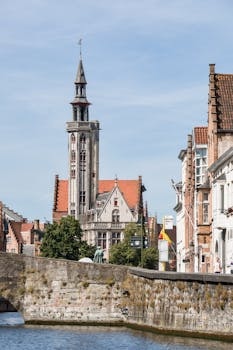
Flemish cuisine is known for its hearty dishes, often featuring rich stews, potatoes, and seafood. Classic dishes include Carbonade flamande, Waterzooi, and Gentse waterzooi. The region's proximity to the North Sea provides exceptional seafood, particularly grey shrimp from Ostend and mussels. Flemish cooking emphasizes beer in sauces and stews, reflecting Belgium's brewing heritage. Cities like Ghent and Bruges showcase traditional Flemish recipes alongside modern interpretations.
Cultural Significance:
Influenced by French and Dutch culinary traditions, Flemish cuisine reflects the region's history and agricultural heritage. The use of beer in cooking distinguishes Flemish recipes from other Belgian regions. Coastal cities like Ostend and Bruges maintain fishing traditions, while inland Ghent and Antwerp showcase hearty meat-based dishes. Flemish food represents the heart of Belgian comfort cooking.
Signature Dishes:
- Carbonade flamande (beef stew with beer)
- Waterzooi (creamy fish or chicken stew)
- Gentse waterzooi (Ghent's fish version)
- Grey shrimp croquettes
- Cuberdon (Ghent nose candies)
Key Ingredients:
Wallonia
Walloon cuisine shares similarities with French cuisine, featuring dishes like boulets à la liégeoise (meatballs in a sweet and sour sauce) and salade liégeoise (potato salad with bacon and beans). The Ardennes region is famous for its ham (Jambon d'Ardenne), game meats, and pâtés. Liège's unique fruit syrup (sirop de Liège) flavors many dishes. Walloon cooking emphasizes butter, cream, and rich sauces with French refinement.
Cultural Significance:
Walloon cuisine reflects the region's French influence and its focus on local ingredients, particularly game and pork from the Ardennes forests. The Liège area developed unique culinary traditions including fruit syrup production and waffle-making. Protected designations for Jambon d'Ardenne and Fromage de Herve demonstrate regional pride. Walloon cooking represents the French-influenced side of Belgian gastronomy.
Signature Dishes:
- Boulets à la liégeoise (meatballs in Liège syrup sauce)
- Salade liégeoise (warm potato salad)
- Jambon d'Ardenne (Ardennes ham - protected designation)
- Tarte al djote (chard tart)
- Liège waffles with pearl sugar
Key Ingredients:

Brussels
Brussels' cuisine is a melting pot of flavors, influenced by both Flemish and Walloon traditions. It's known for its waffles, frites, and diverse international offerings. As the capital and EU headquarters, Brussels offers cosmopolitan dining alongside traditional Belgian brasseries. The city's famous Grand Place area features tourist-focused restaurants, while neighborhoods like Sainte-Catherine and Ixelles offer authentic local dining. Brussels sprouts originated here, though locals prefer other vegetables.
Cultural Significance:
As the capital city, Brussels' cuisine reflects its cosmopolitan nature and its role as a center of culinary innovation. The city bridges Flemish and Walloon traditions while incorporating international influences from its diverse population and EU presence. Brussels' Grand Place and surrounding areas showcase Belgian food to tourists, while local neighborhoods maintain authentic dining traditions. The city's chocolate shops, waffle stands, and brasseries define Belgium's culinary image globally.
Signature Dishes:
- Brussels waffles (lighter, rectangular)
- Belgian frites with various sauces
- Stoemp (mashed potatoes with vegetables)
- Vol-au-vent (puff pastry with creamy filling)
- Speculoos cookies
Key Ingredients:

Sweet Delights & Desserts
Indulge in Belgium's traditional sweet treats and desserts.

Cuberdon (Neuzekes)
Cone-shaped candy with hard outer shell and soft, raspberry-flavored filling. Ghent specialty also called 'noses' (neuzekes). Artisanal production makes them challenging to preserve - best eaten fresh from market vendors.

Tarte au Sucre (Sugar Pie)
Walloon specialty - sweet pastry tart filled with brown sugar, butter, eggs, and cream. Caramelized top layer, custard-like interior. Traditional home-baked dessert, often served warm.

Dame Blanche
Classic Belgian ice cream sundae - vanilla ice cream topped with warm dark chocolate sauce, whipped cream. Simple, elegant, ubiquitous in Belgian cafés and restaurants. Sometimes garnished with speculoos butter.

Mattentaarten
Geraardsbergen specialty pastry - thin shortcrust shell filled with sweetened curd cheese (platte kaas) and almond paste. Protected regional product. Traditionally eaten during Krakelingen and Tonnekensbrand festival.

Rijstevlaai (Rice Tart)
Flemish rice pudding tart with custard filling and sweet rice. Often flavored with vanilla or cinnamon. Popular in Belgian Limburg region. Served cold or room temperature.

Mastellen (Sweet Bread)
Antwerp specialty sweet bread traditionally eaten on Sinksen (Pentecost). Buttery, slightly sweet yeast bread. Historical pastry dating back centuries. Similar to brioche but distinctly Belgian.

Manon (Chocolate Praline)
Iconic Neuhaus praline - white chocolate shell filled with fresh cream and hazelnut paste. Created in 1948, named after opera character Manon Lescaut. Exemplifies Belgian chocolate craftsmanship.

Cramique (Raisin Bread)
Sweet yeast bread studded with raisins, sometimes soaked in tea or rum. Belgian breakfast/tea time staple. Sliced and buttered, or toasted. Similar to brioche with fruit. Brussels and Walloon regions specialty.
Traditional Beverages
Discover Belgium's traditional drinks, from locally produced spirits to regional wines.

Belgian Beer
Belgium is renowned for its diverse range of beers, from Trappist ales to lambics. Many breweries offer tours and tastings.

Jenever (Gin)
A juniper-flavored spirit considered a precursor to gin. It's available in various styles, from jonge (young) to oude (old).

Fruit Lambics (Kriek, Framboise)
A type of Belgian beer fermented with fruit, such as cherries (kriek) or raspberries (framboise). These beers are known for their tart and fruity flavors.
Soft Beverages
Discover Belgium's traditional non-alcoholic drinks, from local teas to refreshing juices.

Coffee
Coffee is a popular beverage in Belgium, often enjoyed throughout the day. It's typically served strong and black, or with milk and sugar.

Chocomelk (Hot Chocolate)
A rich and decadent hot chocolate made with real chocolate. It's a popular treat, especially during the colder months.

Fruit Juices
A variety of fresh fruit juices are available in Belgium, often made with locally sourced fruits. Apple, orange, and grapefruit juices are common choices.