
Singapore Food Guide
Content Information
Recently updated🔥Current Food Trends 2025
What's happening in Singapore's culinary scene right now
Singapore's culinary landscape in December 2025 celebrates hawker culture UNESCO heritage, Michelin-starred street food, multicultural fusion innovation, sustainable dining movements, fine dining renaissance. December marks year-round tropical climate (25-31°C/77-88°F) with monsoon rains - ideal for hawker center hopping, indoor dining, food festivals. Singapore continues as Asia's culinary capital - Michelin Guide Singapore 2025 features 89 Bib Gourmand venues (11 new additions) showcasing exceptional value. Elevated hawker food dominates - truffle laksa, foie gras chicken rice, wagyu char kway teow. Tian Tian Hainanese Chicken Rice at Maxwell Food Centre maintains Bib Gourmand status. 328 Katong Laksa serves legendary coconut laksa. Boon Tong Kee upgraded from Selected to Bib Gourmand 2025. Plant-based movement grows - VeganBurg, jackfruit rendang, Impossible satay cater to conscious consumers. Global flavor fusions emerge as hawkers incorporate international ingredients. Hawker centres like Maxwell Food Centre (100+ stalls), Lau Pa Sat (colonial architecture), and Hong Lim Food Centre remain cultural heartbeat. Satay Street at Lau Pa Sat opens 7pm nightly. December 2025 sees Deepavali celebrations in Little India. Chili crab innovations - black pepper crab, salted egg crab, cheese-baked variations. Kopi culture thrives - traditional kopitiams compete with specialty coffee. Singapore's multicultural DNA (Chinese 74%, Malay 13%, Indian 9%) creates endless fusion possibilities. Meals cost S$3-10 at hawker centres vs restaurants at 3-4x prices.
Food Safety Tips
Essential food safety information to help you enjoy Singapore's cuisine safely and confidently.
Hawker centers are generally safe
Singapore's hawker centers are well-regulated with strict hygiene standards. Look for stalls with "A" or "B" hygiene ratings.
Tap water is safe to drink
Singapore's tap water meets WHO standards and is safe to drink directly from the tap.
Be cautious with raw seafood
While generally safe, those with sensitive stomachs should be cautious with raw seafood dishes like oysters or sashimi.
Street food is regulated
Unlike some other Asian countries, street food in Singapore is regulated and vendors must meet hygiene standards.
Dietary Options
vegetarian
HIGH AVAILABILITYVegetarian options are widely available, with many Indian, Chinese Buddhist, and specialized vegetarian restaurants.
vegan
MEDIUM AVAILABILITYGrowing number of vegan options, especially in trendy areas like Tiong Bahru and Chinatown.
gluten-free
MEDIUM AVAILABILITYRice-based dishes are common, but awareness of cross-contamination varies. High-end restaurants are more accommodating.
halal
HIGH AVAILABILITYExtensive halal options available, with many hawker centers having halal-certified stalls. Look for MUIS halal certification.
kosher
LOW AVAILABILITYLimited kosher options, mainly in the Maghain Aboth Synagogue area and some specialized restaurants.
Common Allergens
Peanuts
HIGH PREVALENCEPeanuts and peanut oil are common in many Singaporean dishes, especially in satay sauces and some Chinese dishes.
COMMONLY FOUND IN:
Shellfish
HIGH PREVALENCEShellfish is extremely common in Singaporean cuisine, appearing in many popular dishes.
COMMONLY FOUND IN:
Fish
HIGH PREVALENCEFish and fish sauce are staples in many dishes, sometimes as hidden ingredients.
COMMONLY FOUND IN:
Soy
HIGH PREVALENCESoy sauce and soy products are fundamental to many Singaporean dishes.
COMMONLY FOUND IN:
Dairy
LOW PREVALENCETraditional Singaporean cuisine uses little dairy, but it appears in fusion dishes and desserts.
COMMONLY FOUND IN:
Essential Food Experiences
These iconic dishes represent the must-have culinary experiences that define Singapore's food culture for travelers.

Hainanese Chicken Rice
Poached chicken served with fragrant rice cooked in chicken broth, accompanied by chili sauce, ginger paste, and dark soy sauce. Singapore's unofficial national dish. Tian Tian at Maxwell Food Centre is Michelin Bib Gourmand - chicken poached to perfection, chilled in ice water for tender silky skin. Rice cooked with chicken fat, garlic, and onion for unique sweetness.

Chili Crab
Hard-shell crabs cooked in a thick, sweet and savory tomato and chili-based sauce, typically eaten with mantou (fried buns). Despite name, not particularly spicy - crabs stir-fried in fragrant sauce made from homemade ketchup and chili sauce. Quintessential Singaporean dish dominating seafood scene.

Laksa
Spicy noodle soup with coconut milk, featuring prawns, fish cakes, and cockles, garnished with Vietnamese coriander. Singapore's signature Katong Laksa uses vermicelli cut into short pieces eaten only with spoon. 328 Katong Laksa (Michelin Bib Gourmand) serves authentic version - rich coconut broth with perfect spice balance.

Satay
Skewered, grilled meat (chicken, beef, or mutton) served with a spicy peanut sauce, cucumber, and onions. Marinated in blend of turmeric, lemongrass, aromatic spices, grilled over charcoal for smoky flavor. Lau Pa Sat's Satay Street opens 7pm along Boon Tat Street.

Kaya Toast
Traditional breakfast of toast with kaya (coconut jam), served with soft-boiled eggs and coffee.

Char Kway Teow
Stir-fried flat rice noodles with light and dark soy sauce, chili, prawns, cockles, Chinese sausage, and bean sprouts. High heat creates 'wok hei' smoky flavor.

Roti Prata
South Indian flatbread that is crispy on the outside and soft inside, typically served with curry or sugar.

Ice Kachang
Shaved ice dessert with red beans, jelly, sweet corn, and various syrups, often topped with condensed milk.

Bak Kut Teh
Pork rib soup simmered for hours in aromatic broth of garlic, star anise, cinnamon, and Chinese herbs. This comforting dish reflects Singapore's Chinese heritage, particularly Hokkien and Teochew influences. Served with rice, you tiao (fried dough), and strong Chinese tea. Two main styles exist: the peppery Teochew version and the herbaceous Hokkien version. Popular for breakfast or any time comfort food is needed. Found in hawker centers and specialized restaurants across Singapore.

Hokkien Mee
Stir-fried yellow noodles and rice vermicelli cooked in rich prawn and pork stock, mixed with prawns, squid, pork belly, and bean sprouts. The dish is stir-fried in a large wok over high heat, creating smoky 'wok hei' flavor. Served with sambal chili and calamansi lime. This iconic hawker dish originated from Singapore's Hokkien Chinese community. Often requires queuing at famous stalls - the best are cooked to order with intense heat and skill.
Regional Specialties & Local Favorites
Discover the authentic regional dishes and local favorites that showcase Singapore's diverse culinary traditions.
Char Kway Teow (炒粿条)
Stir-fried flat rice noodles with cockles, Chinese sausage, bean sprouts, and prawns in a dark soy sauce based gravy. It's a popular hawker center dish.
Allergens:
Roti Prata (印度煎饼)
A flaky and crispy Indian flatbread, often served with curry for dipping. It's a popular breakfast and supper food.
Allergens:

Nasi Lemak (椰浆饭)
Fragrant rice cooked in coconut milk and pandan leaves, served with fried chicken, ikan bilis (fried anchovies), peanuts, cucumber, and sambal chili paste. It's a popular breakfast and lunch dish.
Allergens:
Regional Cuisine Highlights
Explore the diverse culinary landscapes across different regions of Singapore.
Katong
Known for its Peranakan cuisine, a blend of Chinese and Malay influences. Dishes often feature rich spices and coconut milk.
Cultural Significance:
Reflects the unique cultural heritage of the Peranakan community in Singapore.
Signature Dishes:
- Katong laksa
- Nyonya kueh
- Ayam buah keluak
Key Ingredients:

Little India
Offers a diverse range of Indian cuisine, from North Indian curries to South Indian vegetarian dishes. Spices and flavors are prominent.
Cultural Significance:
Represents the vibrant Indian community and their culinary traditions in Singapore.
Signature Dishes:
- Biryani
- Thosai
- Fish head curry
Key Ingredients:
Chinatown
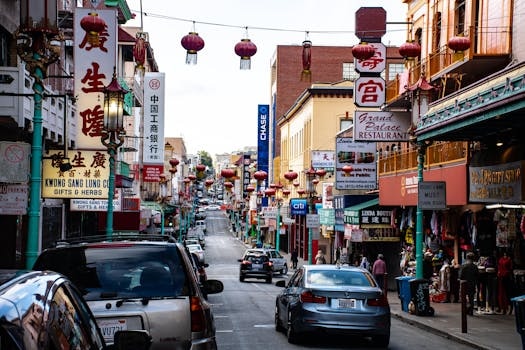
Features traditional Chinese cuisine, with influences from various regions of China. Expect a wide array of dishes, from dim sum to roasted meats.
Cultural Significance:
Showcases the rich culinary heritage of the Chinese community in Singapore.
Signature Dishes:
- Bak kut teh
- Hainanese chicken rice
- Char siu
Key Ingredients:
Geylang Serai
The heart of Malay-Muslim Singapore, Geylang Serai offers authentic Malay and Indonesian cuisine. The area comes alive during Ramadan with vibrant night markets (pasar malam) selling traditional Malay kueh, satay, and nasi padang. This neighborhood preserves Malay culinary traditions while adapting to modern Singapore.
Cultural Significance:
Represents Singapore's Malay heritage and Islamic culinary traditions. The Geylang Serai Market is cultural and culinary landmark, especially vibrant during Hari Raya Puasa and Ramadan celebrations.
Signature Dishes:
- Nasi lemak
- Mee siam
- Ondeh ondeh
Key Ingredients:

Bugis & Kampong Glam
Historic Arab Quarter with Middle Eastern, Turkish, and fusion influences. Haji Lane and Arab Street feature modern cafes, traditional Arab restaurants, and halal eateries. The Sultan Mosque anchors this culturally rich neighborhood where Islamic heritage meets contemporary Singapore dining trends.
Cultural Significance:
Reflects Singapore's multicultural openness and the Arab-Muslim community's influence. This area bridges traditional Middle Eastern cuisine with Singapore's cosmopolitan food scene, creating unique fusion innovations.
Signature Dishes:
- Turkish kebabs
- Middle Eastern mezze
- Halal fusion cuisine
Key Ingredients:

Sweet Delights & Desserts
Indulge in Singapore's traditional sweet treats and desserts.
Ice Kachang (红豆冰)
A colorful shaved ice dessert topped with various ingredients like red beans, sweet corn, jelly, and condensed milk. It's a refreshing treat on a hot day.

Chendol (煎蕊)
A sweet dessert consisting of shaved ice, coconut milk, green jelly noodles made from pandan leaves, palm sugar, and red beans. It's a popular dessert in Southeast Asia.

Tau Suan (豆爽)
A sweet mung bean soup, often served warm with youtiao (fried dough fritters). It's a comforting and traditional dessert.

Ondeh Ondeh
Bite-sized pandan-flavored glutinous rice balls filled with melted palm sugar (gula melaka), rolled in freshly grated coconut. When bitten, the palm sugar bursts in your mouth. This Peranakan dessert showcases the marriage of Malay and Chinese culinary traditions. Bright green from pandan leaves, soft and chewy texture, sweet and aromatic. Popular kueh (traditional cake) sold at hawker centers and Peranakan specialty shops.

Kueh Lapis
Elaborate multi-layered cake with intricate patterns, requiring hours of patient steaming - each thin layer baked separately. Made with butter, eggs, condensed milk, and spices. Each slice reveals colorful geometric patterns. Indonesian-influenced, popular during festive seasons like Chinese New Year and Hari Raya. Rich, dense, and sweet. Making kueh lapis is labor-intensive art form - some layers require 20+ individual bakings. Premium versions use high-quality ingredients and can be expensive gifts.

Pulut Hitam
Black glutinous rice porridge cooked with pandan leaves and palm sugar, served warm with coconut milk. The black rice creates striking color contrast with white coconut milk. Comforting, not overly sweet, with nutty rice flavor. Popular for breakfast or dessert. Reflects Singapore's Malay and Peranakan culinary heritage. Often sold at traditional coffee shops and dessert stalls. The slow-cooked rice becomes creamy and aromatic.

Muah Chee
Soft, pillowy rice cakes tossed in crushed peanuts and sugar. Made from glutinous rice flour, steamed into soft dough, then cut into bite-sized pieces. The name 'muah chee' means 'peanut sticky' in Hokkien. Simple yet addictive snack-dessert. Street hawkers prepare it fresh - watching the vendor expertly cut and toss the sticky dough is part of the experience. Popular childhood treat, nostalgic comfort food for many Singaporeans.

Ang Ku Kueh
Red tortoise-shaped glutinous rice cakes filled with sweet mung bean or peanut paste. The distinctive tortoise shape and red color symbolize longevity and good fortune in Chinese culture. Traditional molds create detailed shell patterns. The soft, slightly chewy skin contrasts with smooth, sweet filling. Often eaten during birthdays, celebrations, and prayers. Modern versions experiment with flavors like pandan, yam, and durian. Heritage kueh representing Singapore's Chinese traditions.
Traditional Beverages
Discover Singapore's traditional drinks, from locally produced spirits to regional wines.

Tiger Beer
A locally brewed pale lager, Tiger Beer is a popular choice in Singapore, often enjoyed with meals.

Singapore Sling
A gin-based cocktail created at the Raffles Hotel in Singapore, it's a mix of gin, cherry brandy, Cointreau, Benedictine, pineapple juice, lime juice, grenadine, and Angostura bitters.
Soft Beverages
Discover Singapore's traditional non-alcoholic drinks, from local teas to refreshing juices.

Kopi (Coffee)
Strong, locally brewed coffee with condensed milk and sugar. Variations include Kopi-O (black coffee with sugar), Kopi-C (coffee with evaporated milk and sugar), and Kopi-Siu Dai (coffee with less sugar).

Teh Tarik (Pulled Tea)
A hot milk tea beverage made from black tea, condensed milk, and evaporated milk. It's 'pulled' during preparation to create a frothy texture.

Bandung
A sweet rose-flavored milk drink, often made with rose syrup and evaporated milk. It's a popular drink during festive occasions.