
Barbados Food Guide
Content Information
Recently updated🔥Current Food Trends 2025
What's happening in Barbados's culinary scene right now
Barbados' culinary landscape in November 2025 celebrates flying fish heritage (national dish), rum culture (Mount Gay oldest rum distillery 1703), fish fry Friday tradition, Oistins Fish Fry legendary status, British-African-Caribbean fusion. November marks transition to dry season (warm 24-29°C/75-84°F) - peak tourist season begins, flying fish season (November-June), turtle watching season alongside dining. Bridgetown's dining evolves: UNESCO World Heritage Historic Bridgetown restaurants blend colonial architecture with modern Bajan cuisine, Oistins Bay Gardens Fish Fry remains Friday night institution, South Coast restaurant row (St. Lawrence Gap) thrives. November 2025 sees Bajan gastronomy promoted globally: flying fish & cou-cou showcased, rum punch culture celebrated (Barbados birthplace of rum), fish cakes ubiquitous street food. Seasonal focus: fresh flying fish daily catches, breadfruit harvest, Bajan seasoning (thyme, scotch bonnets, green seasoning) defines flavors. Independence Day November 30 celebrations feature traditional feasts. Crop Over influences extend - culinary events year-round. English afternoon tea tradition meets Caribbean ingredients. Mount Gay, Foursquare rum distillery tours popular culinary tourism.
Food Safety Tips
Essential food safety information to help you enjoy Barbados's cuisine safely and confidently.
Check seafood freshness in Barbados
While Barbados is known for excellent seafood, always ensure it's fresh - especially from smaller establishments. Fresh fish should have clear eyes, firm flesh, and shouldn't smell overly fishy.
Drink bottled water in rural areas
Tap water is generally safe in tourist areas and Bridgetown, but when visiting rural areas, bottled water is recommended as a precaution.
Be cautious with street food
Street food in Barbados is delicious and generally safe, but choose vendors with high turnover, clean facilities, and where you can see food being freshly prepared.
Dietary Options
vegetarian
MEDIUM AVAILABILITYVegetarian options available in Barbados, particularly tourist areas and upscale restaurants. Try macaroni pie, rice & peas, breadfruit dishes, provisions (root vegetables), callaloo. Rastafarian Ital restaurants offer excellent vegetarian food. Check if sides cooked with animal fats.
vegan
LOW AVAILABILITYVegan options limited in traditional Bajan cuisine. Rastafarian Ital food (plant-based, no salt) available at select restaurants offers best vegan choices. Some resorts cater to vegans. Naturally vegan: rice, breadfruit, provisions, some vegetable dishes (confirm no butter/dairy).
gluten-free
MEDIUM AVAILABILITYMany traditional Bajan dishes naturally gluten-free: rice, flying fish (grilled not fried), grilled meats, provisions, fresh seafood. Tourist-oriented restaurants understand gluten-free needs. Communicate clearly as awareness varies. Avoid fish cakes, batter-fried foods.
halal
LOW AVAILABILITYBarbados is predominantly Christian (Anglican, Pentecostal), with small Muslim population. Halal restaurants limited, concentrated in Bridgetown. Seafood provides good alternative for Muslim travelers. Some Indian restaurants offer halal options. Contact local Islamic organizations for guidance.
kosher
VERY LOW AVAILABILITYBarbados has tiny Jewish community with no kosher certification infrastructure. Travelers requiring kosher food should bring provisions. Shaare Shalom Synagogue in Bridgetown (oldest in Western Hemisphere, 1654) may provide community contacts. High-end hotels may accommodate with advance notice.
Common Allergens
Seafood
HIGH PREVALENCEAs an island nation, seafood is extremely common in Barbadian cuisine and features prominently in many traditional dishes.
COMMONLY FOUND IN:
Peanuts
MEDIUM PREVALENCEPeanuts and peanut products appear in some Bajan dishes and snacks, particularly in desserts and candies.
COMMONLY FOUND IN:
Coconut
HIGH PREVALENCECoconut is widely used in Barbadian cuisine, from savory dishes to desserts and drinks.
COMMONLY FOUND IN:
Essential Food Experiences
These iconic dishes represent the must-have culinary experiences that define Barbados's food culture for travelers.

Flying Fish and Cou-Cou
Barbados' national dish combines steamed flying fish served with cou-cou, a cornmeal and okra mixture similar to polenta. The flying fish is often served in a spicy tomato-based sauce seasoned with local herbs and spices. This dish represents the heart of Bajan cuisine and the island's close relationship with the sea.

Fish Cakes
These delicious fried snacks are made from salted cod mixed with local herbs, spices, and flour, then deep-fried until golden. They're a staple at gatherings and commonly enjoyed as a beach snack or appetizer, often served with hot pepper sauce.

Pudding and Souse
A traditional Saturday dish, pudding is seasoned sweet potato stuffed into pig intestines (similar to blood sausage but without the blood), while souse is pickled pork. The combination is a unique Bajan delicacy often enjoyed with pickle cucumber and hot sauce.

Macaroni Pie
This Bajan version of macaroni and cheese is a beloved comfort food and holiday staple. Firmer than its American counterpart, it's made with tubular pasta, sharp cheddar cheese, egg, evaporated milk, mustard, and local seasonings, then baked until a crust forms.

Cutters
A Bajan sandwich made with salt bread (a crusty roll) filled with various options like flying fish, ham, cheese, or egg. The name comes from how it "cuts" hunger between meals. Often enjoyed with a cold Banks beer or rum punch.

Bajan Black Belly Lamb
Barbados' indigenous sheep breed produces tender, mild-flavored lamb. Typically slow-roasted or curried with local spices (thyme, scotch bonnet, green seasoning). Sunday roast tradition. Represents Barbados' agricultural heritage. Often served with rice & peas, breadfruit, provisions.

Breadfruit
Staple Bajan carbohydrate - versatile starchy fruit boiled, roasted, fried, or steamed. Served whole, mashed (cou-cou alternative), or as chips. Introduced from Tahiti via Captain Bligh 1793. Complements fish dishes beautifully. Available year-round, especially abundant June-November.

Pepperpot
Rich, dark meat stew slow-cooked with cassareep (cassava root sauce), scotch bonnet peppers, cinnamon, brown sugar, thyme. Traditionally made with pork, beef, sometimes oxtail. Christmas tradition. Flavor improves over days. Represents African-Caribbean cooking heritage. Served with bread or rice.

Conkies
Sweet steamed parcels made from cornmeal, coconut, pumpkin, sweet potato, raisins, spices (cinnamon, nutmeg), wrapped in banana leaves. Independence Day (November 30) tradition. African origin. Purple/dark color from pumpkin. Seasonal specialty. Sold by street vendors during November.

Jug Jug
Christmas dish with Scottish influence - guinea corn (sorghum), green peas, salted meat, herbs steamed into pudding-like consistency. Resembles haggis. Traditionally served Christmas week. Unique to Barbados. Reflects British colonial history adapted to Caribbean ingredients. Labor-intensive preparation makes it special occasion food.
Regional Specialties & Local Favorites
Discover the authentic regional dishes and local favorites that showcase Barbados's diverse culinary traditions.

Rice and Peas
A staple side dish in Barbados, typically made with pigeon peas or kidney beans cooked with rice in coconut milk and seasoned with herbs and spices. It's commonly served alongside meat or fish dishes.
Allergens:
Pepperpot
A rich, spicy meat stew slow-cooked with Caribbean peppers, cinnamon, cassareep (a special sauce made from cassava root), and other spices. This hearty dish is particularly popular during holidays.
Allergens:
Conkies
A sweet treat made from cornmeal, coconut, pumpkin, sweet potato, raisins and spices, wrapped in banana leaves and steamed. Traditionally made for Independence Day celebrations in November.
Allergens:
Jug Jug
A Christmas tradition with Scottish influence, similar to haggis. It combines ground guinea corn (similar to hominy), peas, salt meat, and herbs into a steamed pudding-like dish.
Allergens:
Regional Cuisine Highlights
Explore the diverse culinary landscapes across different regions of Barbados.
West Coast
The west coast, known as the Platinum Coast, features upscale dining that blends traditional Bajan flavors with international techniques. Restaurants here often focus on fresh seafood with sophisticated presentations catering to luxury tourism.
Signature Dishes:
- Grilled marlin
- Lobster dishes
- Upscale flying fish preparations
Key Ingredients:
Oistins
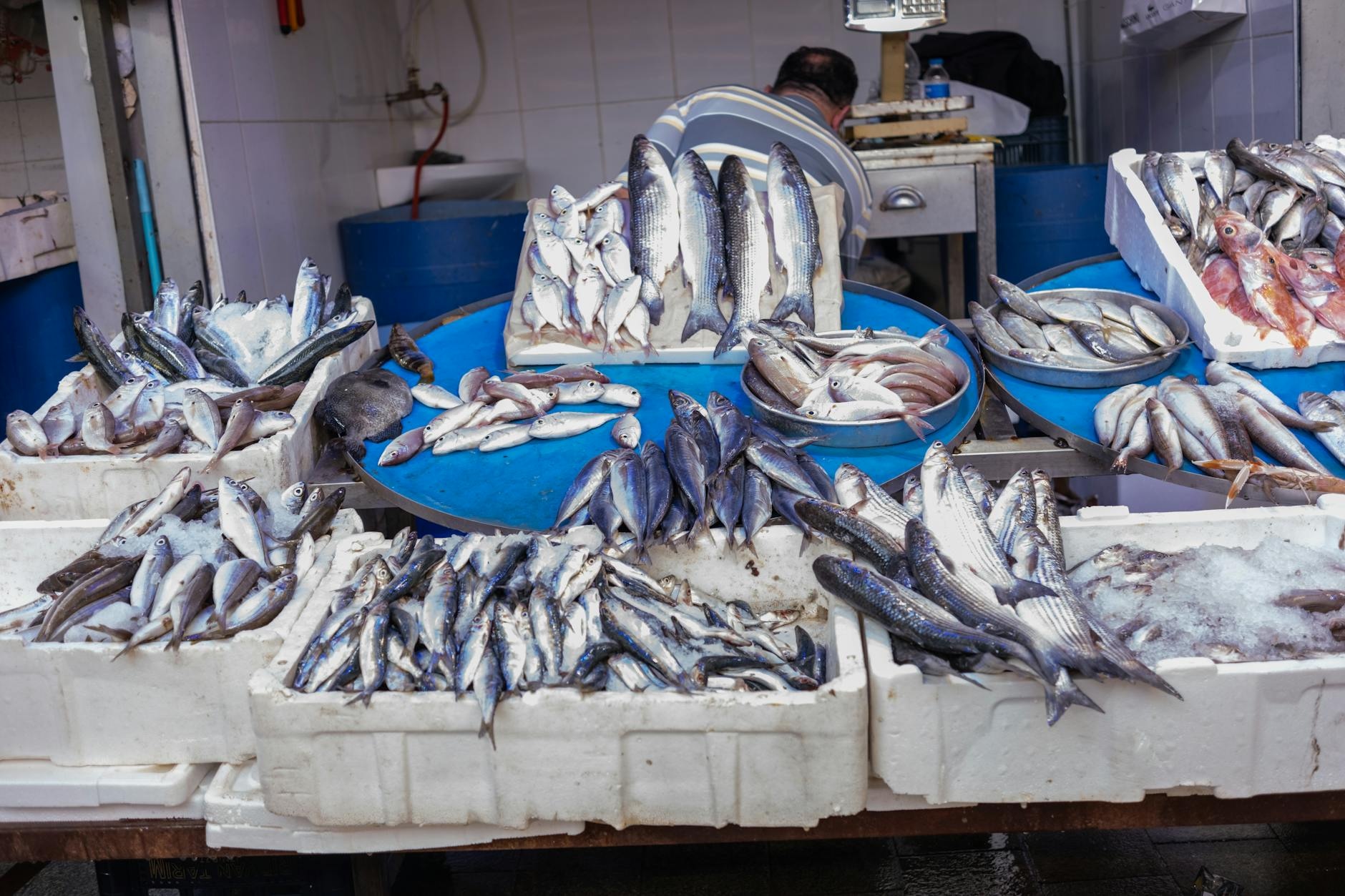
This southern fishing town is famous for its Friday night fish fry, where locals and tourists gather for freshly caught seafood grilled or fried at outdoor stands. The casual, communal dining experience is accompanied by music and dancing.
Signature Dishes:
- Grilled mahi-mahi
- Marinated swordfish
- Fried flying fish
Key Ingredients:
Inland Rural Areas
The countryside and central parishes maintain the most traditional Bajan cooking styles. Here you'll find authentic pudding and souse, hearty stews, and ground provisions (root vegetables) prepared using time-honored techniques.
Signature Dishes:
- Pudding and Souse
- Pickled breadfruit
- Traditional pepperpot
Key Ingredients:

Sweet Delights & Desserts
Indulge in Barbados's traditional sweet treats and desserts.

Coconut Bread
A sweet, dense bread loaded with shredded coconut. The Bajan version often includes spices like cinnamon and nutmeg, creating a fragrant, tropical treat perfect with afternoon tea.

Black Cake
A rich, dark fruitcake made with rum-soaked dried fruits and burnt sugar for color. It's a staple during Christmas and special celebrations like weddings, with fruits often soaked for months in advance.

Cassava Pone
A traditional sweet pudding made from grated cassava, coconut, sweet potato, pumpkin, raisins, and spices. The texture is unique - slightly firm on the outside with a gooey center.

Sweet Bread
Traditional Bajan enriched bread baked every Saturday in many homes. Made with flour, butter, sugar, eggs, raisins, mixed peel, spices (cinnamon, nutmeg), and sometimes coconut. Dense, slightly sweet texture. Often enjoyed with cheese or butter. Weekend baking tradition continues. Sold fresh at bakeries Saturday mornings.

Tamarind Balls
Popular Caribbean candy made from tamarind pulp rolled with sugar and spices. Tart-sweet flavor profile. Street vendors sell them in small bags. Childhood nostalgia treat. Some versions add hot pepper for spicy kick. Chewy, sticky texture. Natural fruit-based candy. Found at markets, beach vendors.

Sugar Cake
Traditional Bajan coconut fudge candy - grated coconut cooked with brown sugar, water, spices (ginger, cinnamon) until crystallized. Pink or brown color. Cut into small squares. Sold at markets, roadside stands. Independence Day specialty. Sweet, chewy, coconut-forward. African-Caribbean heritage. Popular gift for visitors.

Guava Cheese
Dense, firm guava paste (not actually cheese) made from guava pulp, sugar, lime juice cooked until thick. Sliced and eaten as dessert or with actual cheese. Deep pink-red color. Portuguese influence. Long shelf life. Christmas tradition. Sweet, intensely fruity. Pairs beautifully with cheddar cheese. Found at specialty shops.

Bread Pudding
Bajan version uses leftover bread (often coconut bread or sweet bread) soaked in mixture of eggs, evaporated milk, coconut milk, rum, vanilla, cinnamon, nutmeg, raisins. Baked until custard-like. Comforting dessert. Sometimes topped with rum sauce or caramel. Popular at Sunday lunches. Reflects resourcefulness - using day-old bread.
Traditional Beverages
Discover Barbados's traditional drinks, from locally produced spirits to regional wines.

Mount Gay Rum
Produced by the world's oldest commercial rum distillery (operating since 1703), Mount Gay is Barbados' premium rum brand and national treasure. The rich, aromatic spirit reflects centuries of craftsmanship and the island's deep rum-making heritage.

Bajan Rum Punch
Following the classic rhyme 'One of sour, two of sweet, three of strong, four of weak,' this punch combines lime juice, sugar, Bajan rum, and water, with a dash of Angostura bitters and nutmeg. It's the quintessential island drink.

Banks Beer
The national beer of Barbados since 1961, Banks is a light, crisp lager perfectly suited to the tropical climate. It's a source of national pride and the most commonly consumed beer on the island.
Soft Beverages
Discover Barbados's traditional non-alcoholic drinks, from local teas to refreshing juices.

Mauby
A traditional Bajan drink made from the bark of the mauby tree, spices, and sugar. It has a distinctive bitter-sweet flavor that's an acquired taste for many visitors but beloved by locals for its reported health benefits.

Coconut Water
Fresh coconut water harvested from young green coconuts is a popular refreshment in Barbados. Vendors selling freshly macheted coconuts can be found on beaches and roadsides across the island.

Sorrel Drink
Made from the sepals of the sorrel plant (hibiscus), this ruby-red beverage is spiced with cinnamon, cloves, and ginger. While available year-round, it's particularly associated with Christmas celebrations.