
Haiti Food Guide
Content Information
Recently updated🔥Current Food Trends 2025
What's happening in Haiti's culinary scene right now
Haiti's 2025 culinary scene celebrates cultural preservation while expanding globally. Haitian Restaurant Week expanded to Paris and London in May 2025 with 30+ restaurants/food trucks, featuring brunches, happy hours, food crawls, and chef demonstrations. Brooklyn's DjonDjon Restaurant (Prospect Lefferts Gardens) rebranded from Zanmi in early 2025, offering modern Haitian classics including vegan 'chickpea laya' and 'Djon Djon paella'. Thursday and Sunday jazz nights (7-10 PM) blend rich musical culture with dining. Djon djon mushrooms remain Haiti's signature ingredient - exclusively grown in northern Haiti's mountainous Artibonite River valley. Harvested August-October rainy season, these rare mushrooms symbolize sophistication and Haitian identity. Chef Wesly presents modern interpretations of classics. Traditional family recipes preserved while balancing imported djon-djon/epis with local produce. Soup joumou maintains cultural significance for Independence Day (January 1). Griot, diri ak djon djon, pikliz remain staples. Petion-Ville dining scene thrives with authentic Creole restaurants. Street food culture strong in Port-au-Prince's Iron Market. Growing emphasis on cultural authenticity in diaspora restaurants. Food as symbol of freedom, resilience, and hospitality central to Haitian identity.
Food Safety Tips
Essential food safety information to help you enjoy Haiti's cuisine safely and confidently.
Drink only bottled or purified water. Avoid tap water, ice made from tap water, and beverages prepared with tap water.
Water quality issues are common in Haiti. Stick to sealed bottled water from reputable brands for drinking and brushing teeth. Consider using bottled water even when rinsing fruits and vegetables. When dining out, request drinks without ice unless you're certain it's made from purified water.
Choose busy vendors where food is cooked fresh and hot in front of you. Avoid pre-prepared items that have been sitting out.
Street food in Haiti can be delicious but requires careful selection. Opt for vendors with many local customers and high turnover. Foods cooked at high temperatures right before serving are safest. Popular street foods like fried plantains, griot (fried pork), and pate (meat pastries) should be served steaming hot.
Only consume seafood that smells fresh and is thoroughly cooked. Be particularly cautious with shellfish during warmer months.
Haiti offers excellent seafood, but proper handling is essential. Seafood should smell fresh and briny, not fishy or ammonia-like. Ensure fish and shellfish are cooked until the flesh is opaque and flakes easily. During summer months, be extra vigilant about shellfish consumption due to higher bacteria levels in warmer waters.
Wash all fruits and vegetables with purified water and peel where possible. Avoid raw salads unless at higher-end establishments.
Fresh produce should be thoroughly washed with purified water and peeled when possible. Fruits with thick skins like bananas and oranges are safer options. Be cautious with raw salads and uncooked vegetables, particularly at smaller local establishments. Cooked vegetables are generally a safer option.
Exercise caution with dairy products, especially those that may not have been properly refrigerated or pasteurized.
Refrigeration may not be consistent throughout Haiti, particularly in rural areas or during power outages. Be careful with dairy products like milk, cheese, and yogurt, especially if they've been sitting out in warm temperatures. Boiled milk products (like those used in cooked desserts) are generally safer than raw dairy.
Dietary Options
Vegetarian
MEDIUM AVAILABILITYVegetarian travelers can find various options in Haiti, particularly bean-based dishes, rice, and vegetables. Diri ak Pwa (rice and beans) is widely available and can be prepared without meat. Look for legim (vegetable stew), mayi moulen (cornmeal), and various vegetable sides.
Vegan
LOW AVAILABILITYVegan options are more limited but still available in Haiti. Besides rice and beans, look for dishes like pikliz (spicy cabbage slaw), vegetable legim without meat, and fruits like mango, papaya, and bananas. Be aware that many dishes may contain butter or other animal products, so specific requests may be necessary.
Gluten-Free
HIGH AVAILABILITYMany traditional Haitian dishes are naturally gluten-free, as they're based on rice, corn, beans, and root vegetables rather than wheat. However, some French-influenced pastries and bread products contain gluten. Always check soups and stews, as some may contain pasta or wheat-based thickeners.
Halal
LOW AVAILABILITYHalal options are limited in Haiti, as it's predominantly a Christian country. However, there are some Muslim communities, particularly in larger cities like Port-au-Prince, where halal food might be available. Seafood is a safe option for those requiring halal meat.
Kosher
LOW AVAILABILITYKosher food is very limited in Haiti, as there's a small Jewish population. Those requiring strictly kosher meals may need to prepare their own food or rely on packaged kosher products. Fresh fruits, vegetables, and some seafood may be acceptable alternatives depending on individual kosher observance levels.
Dairy-Free
MEDIUM AVAILABILITYMany traditional Haitian dishes don't rely heavily on dairy, making it relatively easy to find dairy-free options. However, some dishes like akasan or certain desserts contain milk products. Coconut milk is widely used as a dairy alternative in many recipes.
Common Allergens
Shellfish
HIGH PREVALENCEShellfish is common in Haitian cuisine, especially in coastal areas. Dishes like lanbi (conch), kribich (crayfish), and pwason ak kòk (fish with coconut) often feature shellfish. Always inquire about seafood content in soups and stews.
COMMONLY FOUND IN:
Peanuts
MEDIUM PREVALENCEPeanuts appear in some Haitian dishes and confections, most notably tablèt (peanut brittle) and mamba (spicy peanut butter). They may also be used as garnishes or in sauces, though less commonly than in other cuisines.
COMMONLY FOUND IN:
Fish
HIGH PREVALENCEFish is a staple protein in Haitian cuisine, especially in coastal regions. Pwason gwo sèl (fish in a salt-based sauce) and pwason boukannen (grilled fish) are popular dishes. Fish may also be found in rice dishes and stews.
COMMONLY FOUND IN:
Dairy
MEDIUM PREVALENCEWhile not as prevalent as in Western cuisines, dairy appears in several Haitian dishes, particularly beverages like akasan and desserts like blan manje. Condensed and evaporated milk are common ingredients in sweet preparations.
COMMONLY FOUND IN:
Tree Nuts
MEDIUM PREVALENCECoconut is the most common tree nut used in Haitian cuisine, appearing in dishes like rice with coconut milk and blan manje. Other tree nuts are less common but may appear in certain dishes or desserts, particularly those with French influence.
COMMONLY FOUND IN:
Essential Food Experiences
These iconic dishes represent the must-have culinary experiences that define Haiti's food culture for travelers.

Griot (Griyo)
Griot is arguably Haiti's most iconic dish. It consists of bite-sized pieces of pork shoulder marinated in citrus juices (orange, lime, sour orange), herbs, and spices, then deep-fried until crispy and succulent. This dish reflects the influence of African culinary traditions and is often served during celebrations and special occasions. The perfect griot has a crispy exterior with tender, juicy meat inside. Typically served with pikliz (spicy pickled vegetables), fried plantains, and rice with beans.

Diri ak Djon Djon (Black Mushroom Rice)
This is Haiti's most celebrated dish, featuring rice cooked with rare djon djon mushrooms found exclusively in Haiti's northern mountainous regions around the Artibonite River valley. When boiled, these mushrooms release a dark liquid that transforms plain rice into a flavorful, earthy masterpiece with distinctive black color. Harvested during rainy season (August-October), djon djon symbolizes Haitian sophistication and cultural identity. Often served at special occasions and Sunday dinners with shrimp or meat, garlic, thyme, and scotch bonnet peppers.

Soup Joumou (Pumpkin Soup)
This pumpkin soup holds profound cultural significance as a symbol of freedom and independence. Traditionally eaten on January 1st to commemorate Haitian Independence Day (1804), this soup was once forbidden to enslaved people and reserved for French colonizers. After independence, it became a celebration dish representing liberation. Made with pumpkin, beef, vegetables (cabbage, carrots, plantains), and seasoned with garlic, thyme, and spices. Every Haitian family has their own recipe passed down through generations.

Lalo (Jute Leaves Stew)
Lalo is a traditional Haitian dish made from jute leaves, a leafy green vegetable. The leaves are cooked down with meat (usually beef or crab), okra, and spices. It's a hearty and nutritious dish often served with rice. Lalo is a specialty of the Artibonite region, Haiti's rice-producing heartland. The texture is similar to spinach, but with a slightly slimy consistency due to the okra.

Diri ak Sos Pwa (Rice and Beans)
A staple of Haitian cuisine, Diri ak Sos Pwa is a simple yet flavorful dish consisting of rice and beans cooked in a rich, savory sauce. It's a comforting and affordable meal enjoyed throughout the country. The beans are cooked with coconut milk, tomato paste, onions, garlic, and spices to create a creamy sauce that's absorbed by the rice.

Poisson Gros Sel (Fish with Coarse Salt)
Poisson Gros Sel is a simple yet delicious Haitian dish featuring whole fish (often red snapper or grouper) coated in coarse salt and grilled or pan-fried. The salt crust helps to retain moisture and infuse the fish with flavor. Popular in southern Haiti's coastal regions.

Tasso (Dried Goat Meat)
Tasso is a spicy, marinated goat meat dish that is a popular appetizer or snack in Haiti. The goat meat is typically marinated in a mixture of citrus juices, herbs, and spices, then sun-dried or smoked. It is often served with fried plantains or cassava. A specialty from Gonaives, Haiti's independence city.

Lambi (Conch Stew)
Lambi, or conch, is a popular seafood dish in Haiti's coastal regions, especially Cap-Haitien in the north. The conch is stewed in a rich tomato-based sauce with vegetables (bell peppers, onions) and spices. Conch is a prized mollusk prepared in various ways - grilled, stewed, or in Creole sauce.

Tonmtonm (Mashed Breadfruit)
Tonmtonm is a southern Haiti specialty from Les Cayes region. This African-influenced dish features mashed breadfruit served with okra sauce and crab or meat. Demonstrates Haiti's creative use of tropical staples. The breadfruit or plantain is boiled and pounded into dumplings, then served with savory sauce.

Pikliz (Spicy Pickled Vegetables)
Pikliz is Haiti's essential condiment - a spicy, tangy slaw made from shredded cabbage, carrots, onions, and scotch bonnet peppers, pickled in vinegar. Served alongside almost every Haitian meal, especially with griot and fried foods. The heat level can be intense, so approach with caution if not accustomed to spicy foods.
Essential Food Experiences
Immerse yourself in Haiti's culinary culture through these authentic food experiences.
Iron Market Food Stalls
Navigate Port-au-Prince's historic Iron Market for authentic street food. Sample fritay (fried foods) and fresh tropical fruits while experiencing Haiti's vibrant market culture.
Must Try:
Jacmel Seafood Experience
Visit the artistic coastal town of Jacmel for fresh seafood and Creole specialties. Beachside restaurants offer stunning views with traditional preparations.
Must Try:
Petion-Ville Dining Scene
Experience upscale Haitian cuisine in the hills above Port-au-Prince. Petion-Ville offers the best concentration of authentic Haitian restaurants with elegant atmosphere.
Must Try:
Mountain Farm Visit
Visit coffee farms in the mountains to experience rural Haitian cuisine. Learn about coffee production while enjoying farm-fresh meals with spectacular views.
Must Try:
Regional Specialties & Local Favorites
Discover the authentic regional dishes and local favorites that showcase Haiti's diverse culinary traditions.
Griot (Griyo)
Region: Nationwide
Griot is a quintessential Haitian dish of fried pork, marinated in citrus and spices. It's a staple at celebrations and family gatherings, reflecting African culinary influences.

Rice and Beans (Diri ak Sos Pwa)
Region: Nationwide
A cornerstone of Haitian cuisine, diri ak sos pwa combines rice and beans, often cooked with coconut milk. It's a simple yet flavorful dish enjoyed daily by many Haitians.

Lambi (Lambí)
Region: Coastal regions
Lambi, or conch, is a popular seafood dish in Haiti. It's often stewed in a rich tomato-based sauce with vegetables and spices.

Tasso (Tasò)
Region: Rural areas
Tasso is a spicy, dried goat meat, often used as a flavoring ingredient in other dishes. It's also enjoyed as a snack or appetizer.

Soup Joumou (Soup Joumou)
Region: Nationwide
This pumpkin soup holds deep cultural significance, symbolizing freedom and independence. It's traditionally eaten on January 1st to commemorate Haitian Independence Day.

Pain Patate (Pen Patat)
Region: Nationwide
A sweet potato pudding, often enjoyed as a dessert or snack. It represents comfort and tradition in Haitian cuisine.

Akasan (Akasan)
Region: Nationwide
A thick corn-based beverage with a milky texture, often consumed for breakfast or as a refreshing drink. It's sometimes flavored with spices or sweetened with condensed milk.
Regional Specialties
Discover unique dishes from different regions of Haiti.
Diri Djon Djon
Artibonite
Haiti's famous black mushroom rice made with rare djon djon mushrooms found only in Haiti's northern mountains. This earthy, aromatic dish is reserved for special occasions and Sunday dinners.
Key Ingredients:
Lambi
Cap-Haïtien
Conch prepared in various ways - grilled, stewed, or in sauce. The northern coast's specialty showcases this prized mollusk in Creole preparations.
Key Ingredients:
Tonmtonm
Les Cayes
Mashed breadfruit with okra sauce, a southern specialty. This African-influenced dish demonstrates Haiti's creative use of tropical staples.
Key Ingredients:
Tassot Cabrit
Gonaïves
Fried goat meat marinated in sour orange and spices. This dish from Haiti's independence city is a celebration food and fritay favorite.
Key Ingredients:
Regional Cuisine Highlights
Explore the diverse culinary landscapes across different regions of Haiti.
Nord (Northern)
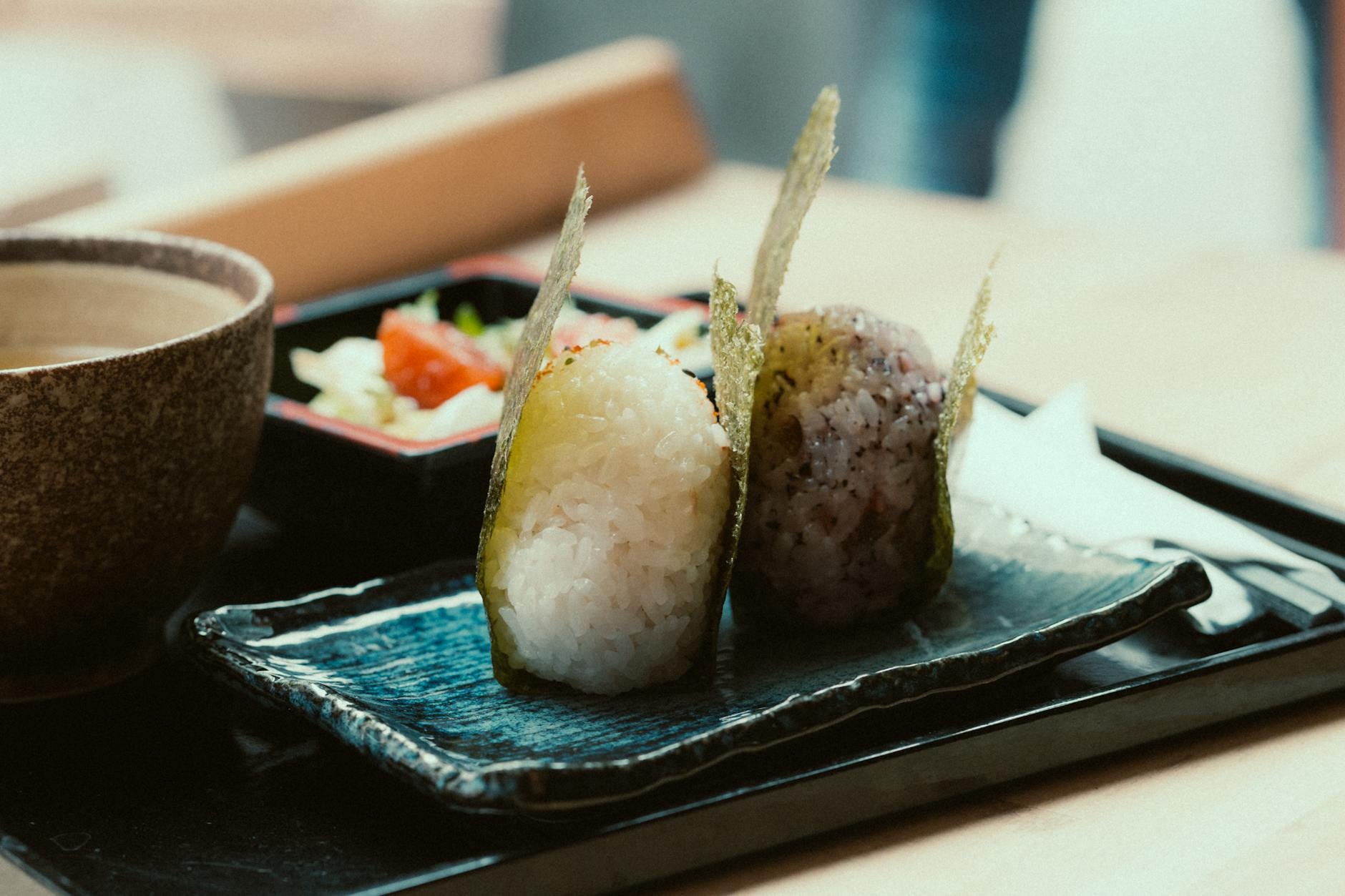
Northern Haitian cuisine emphasizes hearty meals often featuring ingredients like plantains, root vegetables, and seafood. The use of spices is moderate compared to other regions, allowing the natural flavors of the ingredients to shine. Grilling and frying are common cooking methods, resulting in rich and satisfying dishes. Cap-Haitien is known for its lambi (conch) preparations.
Signature Dishes:
- Griot
- Lambi
- Bananes Pesées
Key Ingredients:
Artibonite (Central Plateau)
Artibonite cuisine is heavily influenced by agricultural traditions, showcasing the region's abundant produce as Haiti's bread bowl. Rice, beans, and corn are staples, often combined with poultry or goat meat. The use of herbs and spices is more prominent than in the North, adding depth and complexity to the dishes. Known as the rice-producing heartland and home of djon djon mushrooms.
Signature Dishes:
- Diri Djon Djon
- Lalo
- Tasso Kabrit
Key Ingredients:

Sud (Southern)
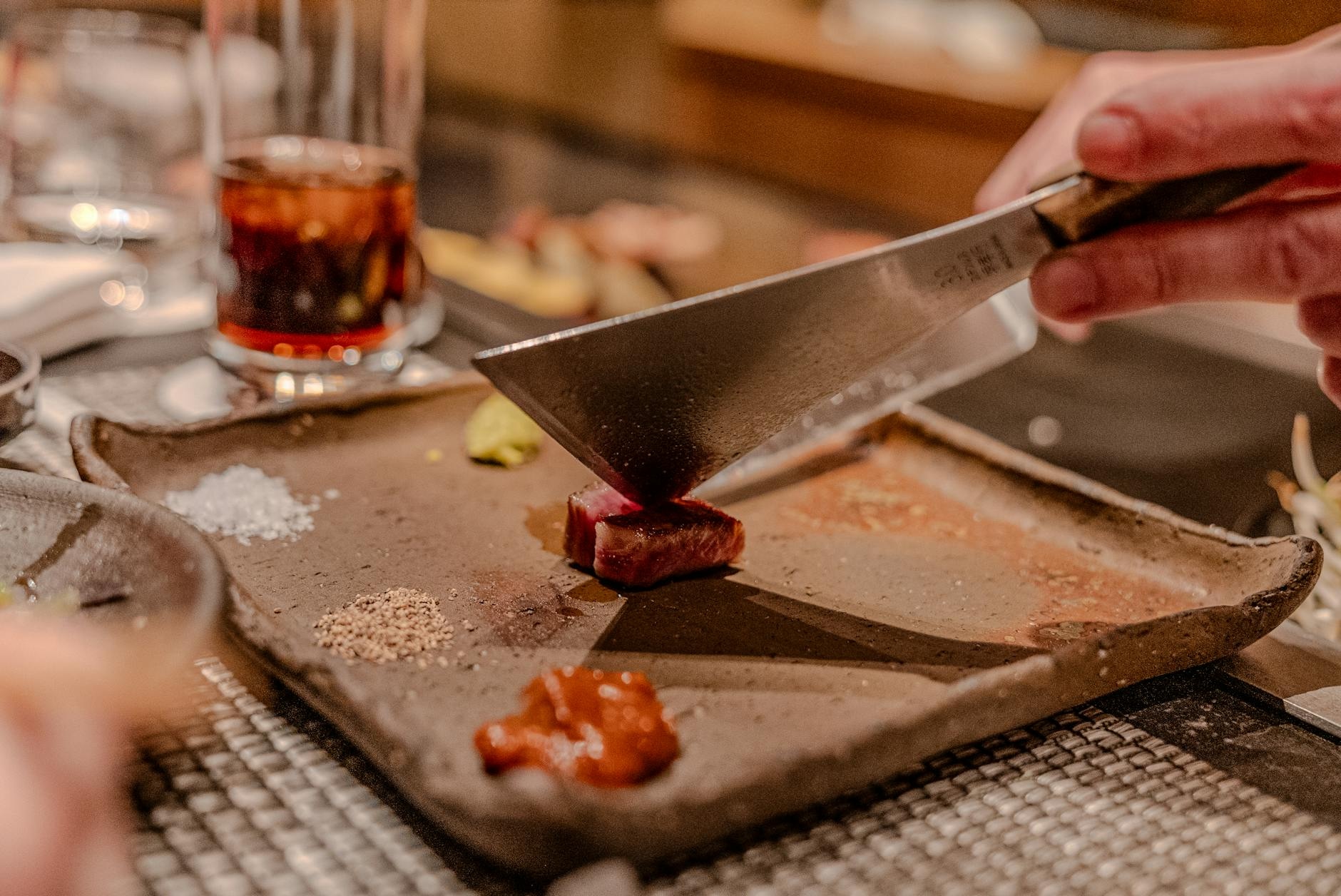
Southern Haitian cooking is known for its spicy seafood dishes and the use of coconut milk. Tropical fruits and root vegetables are frequently incorporated, adding a sweetness and freshness to the cuisine. The influence of African and Caribbean flavors is prominent in this region. Les Cayes is famous for tonmtonm.
Signature Dishes:
- Poisson Gros Sel
- Tonmtonm
- Lambi Creole
Key Ingredients:
Grand'Anse (Northwestern)
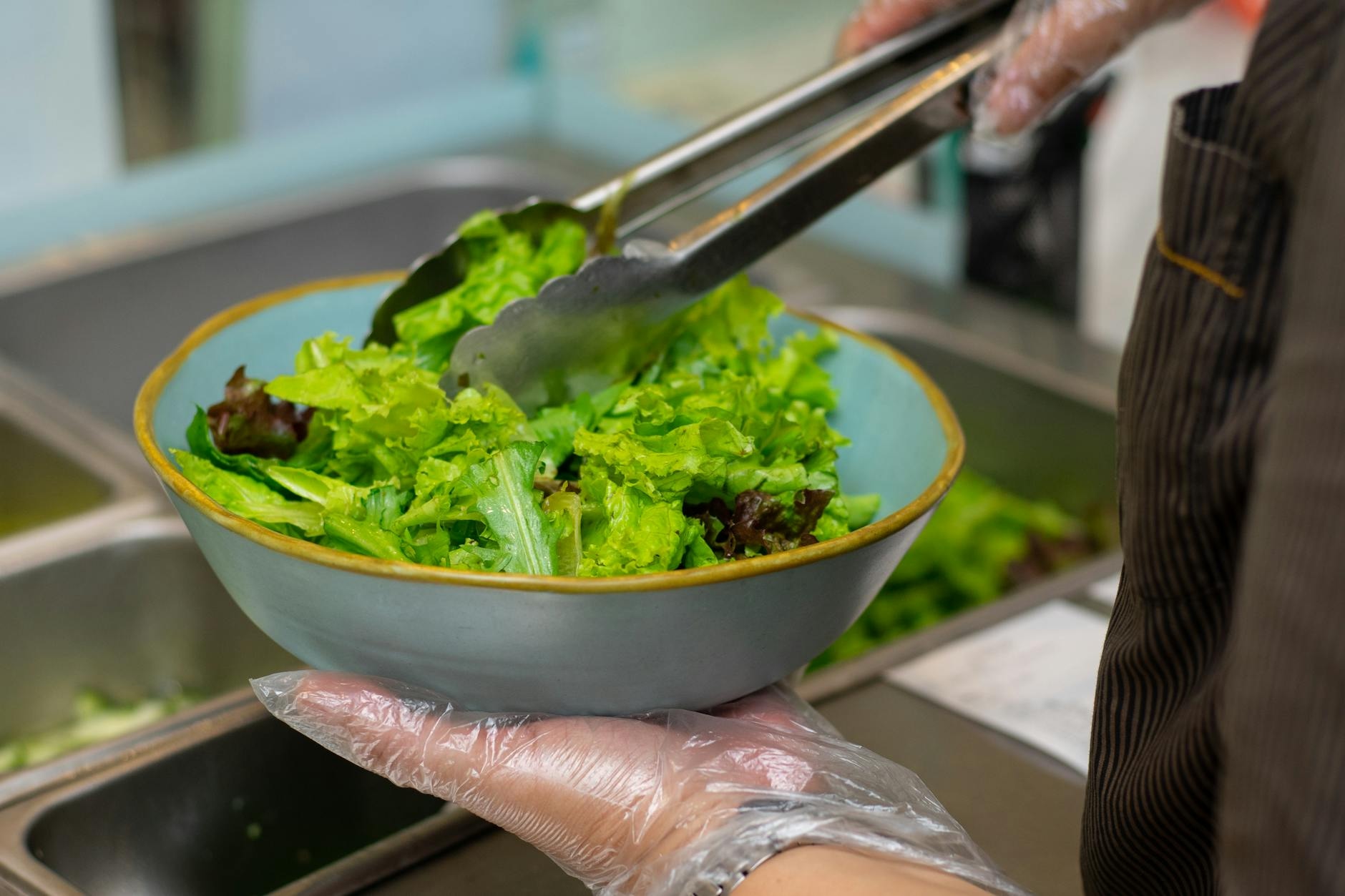
Grand'Anse offers a unique blend of flavors, influenced by both its coastal location and mountainous terrain. Seafood plays a significant role, alongside root crops like cassava and yams. The cuisine features a balance of savory and sweet flavors, often utilizing coconut milk and tropical fruits.
Signature Dishes:
- Tonmtonm
- Douvi
- Cassava dishes
Key Ingredients:
Ouest (Western)
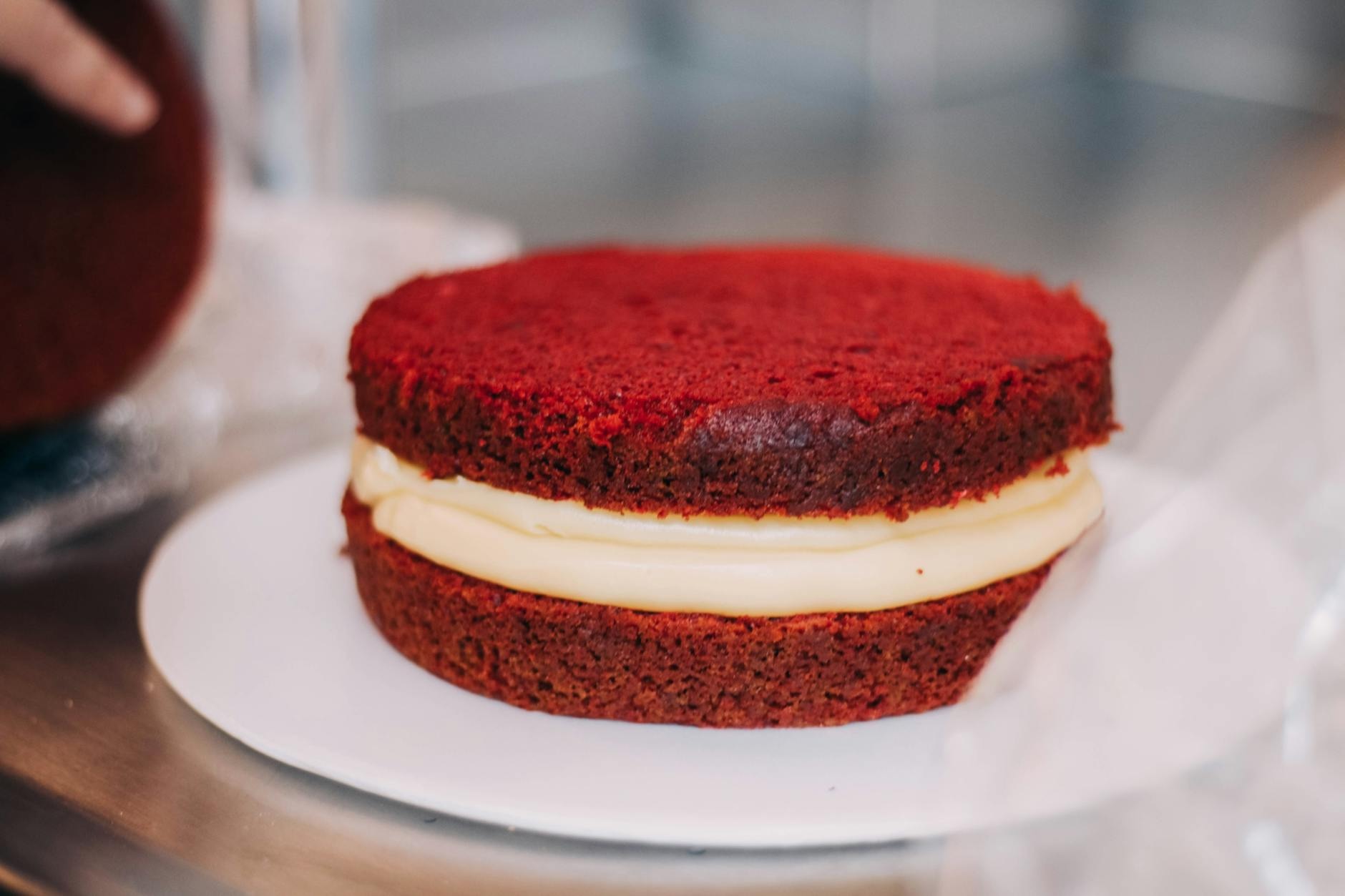
As home to the capital, Port-au-Prince and upscale Petion-Ville, the Ouest region boasts a diverse culinary landscape. Street food is prevalent, offering quick and flavorful bites like griot and accra. More formal settings offer refined versions of traditional dishes and international influences are more readily seen. Iron Market food stalls showcase vibrant market culture.
Signature Dishes:
- Soup Joumou
- Griot
- Pain Patate
Key Ingredients:
Sweet Delights & Desserts
Indulge in Haiti's traditional sweet treats and desserts.
Pain Patate (Pen Patat)
Region: Nationwide
A sweet potato pudding often enjoyed during special occasions and holidays. It represents comfort and tradition in Haitian cuisine.

Dous Makos (Douce Makos)
Region: Nationwide
A fudge-like confection made with coconut milk, sugar, and spices. It is a popular treat for celebrations and gatherings.
Akasan (Akasan)
Region: Nationwide
A thick corn-based beverage with a pudding-like consistency, sweetened with spices and often served warm. It holds cultural significance as a nourishing and comforting drink, particularly enjoyed during religious festivals and colder months.

Kremas (Kremas)
Region: Nationwide
A creamy, alcoholic beverage similar to eggnog, often served during the holiday season. A symbol of celebration and togetherness.
Traditional Beverages
Discover Haiti's traditional drinks, from locally produced spirits to regional wines.

Kleren
Haiti's raw rum distilled from sugarcane juice. This potent spirit is often infused with herbs and spices for medicinal purposes and Vodou ceremonies.

Kremas
Creamy coconut and rum liqueur traditionally made for holidays. This sweet drink combines coconut milk, condensed milk, rum, and spices like cinnamon and nutmeg.

Prestige Beer
Haiti's national beer, a light lager perfect for the tropical climate. Brewed since 1976, it's the country's most popular beer brand.
Soft Beverages
Discover Haiti's traditional non-alcoholic drinks, from local teas to refreshing juices.

Kremas (Krèmas)
A rich and creamy coconut-based beverage, often served during special occasions like weddings and holidays. It is considered a symbol of Haitian hospitality and celebration.

Refresko (Refresko)
A general term for fruit-based drinks, often made with seasonal fruits and blended with water, sugar, and sometimes milk or condensed milk. They're a refreshing way to beat the heat.

Jus Labouyi (Ji Labouyi)
A thick, smoothie-like beverage made with cooked plantains, spices, and milk or water. It's a hearty and nutritious drink, often served for breakfast or as a snack.

Chokola (Chokola)
Haitian hot chocolate, typically made with local cocoa beans and spiced with cinnamon and star anise. It is a comforting drink, often enjoyed during cooler evenings or special occasions.

Te Dlo Kokoye (Te Dlo Kokoye)
A calming tea made from the water of young coconuts. Believed to have hydrating and health benefits, it's a simple and refreshing drink.