
China Food Guide
Content Information
Recently updated🔥Current Food Trends 2025
What's happening in China's culinary scene right now
China's culinary landscape in November 2025 celebrates unprecedented global recognition with the Michelin Guide expanding to 10 Chinese cities (Shanghai, Beijing, Guangzhou, Chengdu, Shenzhen, Hong Kong, Macau, Hangzhou, Nanjing, and Xi'an newly added). Ultraviolet by Paul Pairet (Shanghai) and Da Dong (Beijing) represent innovative fine dining, while traditional regional cuisines gain UNESCO recognition. New Confucian cuisine movement revives ancient imperial cooking techniques with modern presentations. China's culinary tourism market reaches $400 billion annually (2025) as domestic travel surges. Ancient grain renaissance features forgotten varieties: red rice from Yunnan, black rice from Guizhou, millet from Shanxi. Zero-waste philosophy transforms traditional preservation: fermentation (doubanjiang, preserved vegetables), pickling, and drying techniques adapted for sustainability. Regional cuisines gain prominence beyond the 'Eight Great Traditions' with Xinjiang, Yunnan, and Guizhou cuisines attracting international attention. Farm-to-table movement in tier-1 cities connects urban diners with organic farms. Tea culture evolution sees specialty tea houses pairing rare pu-erh, white tea varieties with modern desserts.
Food Safety Tips
Essential food safety information to help you enjoy China's cuisine safely and confidently.
Check food hygiene standards in China
While China generally has good food hygiene standards, it's always wise to choose restaurants that appear clean and well-maintained.
Drink bottled water in China
In China, it's recommended to drink bottled water, especially in rural areas where water quality may vary.
Be cautious with street food in China
Street food in China can be delicious and safe, but choose vendors with high turnover and good hygiene practices.
Dietary Options
vegetarian
MEDIUM AVAILABILITYVegetarian options are increasingly available in China, particularly in urban areas and tourist destinations.
vegan
LOW AVAILABILITYVegan options can be limited in China, as many traditional dishes include animal products. However, major cities may have specialized restaurants.
gluten-free
LOW AVAILABILITYFinding gluten-free options in China can be challenging as wheat noodles, dumplings, and soy sauce (contains wheat) are ubiquitous. Rice-based dishes (fried rice, congee), rice noodles (米粉 mǐfěn), and stir-fried vegetables with meat offer safer options. Southern China's rice-centric cuisine is more accommodating than Northern wheat-based regions. Learn '我不能吃麦' (wǒ bù néng chī mài - I cannot eat wheat). Major cities' international restaurants increasingly offer gluten-free sections.
halal
MEDIUM AVAILABILITYHalal food is widely available in China, especially in regions with significant Muslim populations (Xinjiang, Ningxia, Gansu, Qinghai provinces). Look for '清真' (qīngzhēn) signs indicating halal certification. Hui Muslim and Uyghur restaurants serve halal versions of Chinese cuisine. Major cities have halal restaurants and food streets. Avoid pork ('猪肉' zhūròu) which dominates Chinese cuisine. Hand-pulled noodles (lanzhou lamian), lamb skewers, and Muslim-style hotpot are delicious halal options.
kosher
LOW AVAILABILITYKosher food is extremely limited in China, available primarily in Beijing and Shanghai's Jewish community centers and a few kosher-certified restaurants. Chabad houses in Beijing, Shanghai, Hong Kong offer Shabbat meals and guidance. Main challenges: Pork is ubiquitous; kosher certification is rare; cross-contamination is common. Fish like carp and sea bass can be consumed if prepared properly. Vegetarian Buddhist restaurants (素食 sùshí) offer meat-free options, though dairy/meat separation isn't guaranteed. Download kosher travel apps for China locations.
Common Allergens
Nuts
MEDIUM PREVALENCEVarious nuts are common in China's cuisine, particularly in desserts and some savory dishes.
COMMONLY FOUND IN:
Dairy
LOW PREVALENCETraditional Chinese cuisine rarely uses dairy products, as most of the population is lactose intolerant. Dairy appears primarily in modern Western-influenced restaurants and bakeries in major cities, plus Mongolian and Tibetan cuisines (yak milk products).
COMMONLY FOUND IN:
Wheat
HIGH PREVALENCEWheat is a staple in China's cuisine, used in bread, pastries, and many other foods.
COMMONLY FOUND IN:
Essential Food Experiences
These iconic dishes represent the must-have culinary experiences that define China's food culture for travelers.

北京烤鸭 (Běijīng Kǎoyā) - Peking Duck
A famed dish from Beijing, featuring crispy roasted duck skin served with thin pancakes, scallions, and sweet bean sauce. Its history dates back to the imperial era, and it's a must-try for its unique flavor and cultural significance.

麻辣火锅 (Málà Huǒguō) - Spicy Hot Pot
A communal dining experience where ingredients are cooked in a simmering pot of spicy broth. Originating in Sichuan, it's known for its numbing and spicy flavors, customizable to individual preferences.

小笼包 (Xiǎolóngbāo) - Soup Dumplings
Delicate steamed dumplings filled with flavorful broth and minced pork, originating from Shanghai. The thin skin and rich soup create a unique culinary experience.

点心 (Diǎnxīn) - Dim Sum
Cantonese tradition of small bite-sized portions served in steamer baskets or small plates, typically enjoyed with tea (yum cha). Varieties include har gow (shrimp dumplings), siu mai (pork dumplings), char siu bao (BBQ pork buns), cheung fun (rice noodle rolls), and egg tarts. Originating in Guangdong teahouses, dim sum represents social dining culture. November 2025 sees modern dim sum restaurants elevating presentation while honoring traditions.

宫保鸡丁 (Gōngbǎo Jīdīng) - Kung Pao Chicken
Sichuan classic featuring diced chicken stir-fried with peanuts, dried red chilies, and Sichuan peppercorns in a sweet, sour, and spicy sauce. Named after Ding Baozhen, a Qing Dynasty official. The ma la (numbing-spicy) sensation from Sichuan peppercorns defines this iconic dish. Authentic versions balance sweetness, sourness, heat, and the distinctive numbing tingle.

麻婆豆腐 (Mápó Dòufu) - Mapo Tofu
Sichuan masterpiece of silken tofu in fiery red sauce with ground meat, fermented black beans, chili bean paste (doubanjiang), and Sichuan peppercorns. Created by Chen Mapo (pockmarked grandmother Chen) in Chengdu during the Qing Dynasty. The contrasting textures of silky tofu with spicy sauce exemplify Sichuan cuisine's complexity. Vegetarian versions substitute mushrooms for meat.

叉烧 (Chāshāo) - Char Siu
Cantonese BBQ pork characterized by its sweet and savory glaze, reddish color from fermented red tofu, and caramelized exterior. Traditionally roasted on long forks over fire, creating distinctive charred edges. Essential filling for char siu bao (BBQ pork buns) and served over rice or noodles. November 2025 artisan shops use heritage pork breeds and traditional wood-fired roasting methods.

担担面 (Dàndàn Miàn) - Dan Dan Noodles
Sichuan street food featuring wheat noodles in spicy sauce with preserved vegetables, chili oil, Sichuan peppercorns, minced pork, and scallions. Named after the bamboo pole (dan) street vendors used to carry ingredients. The sauce's complex layers—nutty sesame paste, spicy chili oil, savory soy sauce—create addictive flavors. Served both dry (mixed) or in broth.

饺子 (Jiǎozi) - Jiaozi Dumplings
Northern China's essential dumplings with thin wheat dough wrappers filled with minced meat and vegetables, pleated into crescent shapes. Boiled, steamed, or pan-fried (potstickers/guotie). Traditionally eaten during Chinese New Year symbolizing wealth (shaped like ancient gold ingots). Families gather to make hundreds together. Regional variations include Shandong's seafood jiaozi and Northeastern vinegar-dipped versions.

粽子 (Zòngzi) - Sticky Rice Dumplings
Glutinous rice wrapped in bamboo leaves with various fillings (pork belly, salted egg yolk, red bean paste, dates), tied with string and steamed or boiled. Eaten during Dragon Boat Festival commemorating poet Qu Yuan. Northern versions are sweet (jujube dates), Southern versions are savory (Jiaxing-style with pork and soy sauce). The bamboo leaf imparts distinctive aroma.
Regional Specialties & Local Favorites
Discover the authentic regional dishes and local favorites that showcase China's diverse culinary traditions.
宫保鸡丁 (Gōngbǎo Jīdīng) - Kung Pao Chicken
A stir-fried dish with diced chicken, peanuts, vegetables, and chilies, originating from Sichuan cuisine. It's a popular dish enjoyed throughout China for its sweet, sour, and spicy flavors.
Allergens:

鱼香肉丝 (Yúxiāng Ròusī) - Fish-Fragrant Pork
A Sichuan dish featuring shredded pork stir-fried with a distinctive combination of sweet, sour, and spicy flavors. Despite its name, it doesn't contain fish but uses ingredients that traditionally flavor fish.
Allergens:
麻婆豆腐 (Mápó Dòufu) - Mapo Tofu
A classic Sichuan dish featuring silken tofu in a spicy sauce made with fermented black beans, chili bean paste, and ground meat. It's known for its bold flavors and numbing sensation.
Allergens:
Regional Cuisine Highlights
Explore the diverse culinary landscapes across different regions of China.
Sichuan (四川)
Known for its bold and spicy flavors, Sichuan cuisine utilizes a variety of chili peppers and Sichuan peppercorns, creating a unique 'ma la' (numbing and spicy) sensation.
Cultural Significance:
Sichuan's fertile land and abundant resources have contributed to its rich culinary tradition, with influences from various ethnic groups.
Signature Dishes:
- Mapo Tofu
- Kung Pao Chicken
- Spicy Hot Pot
Key Ingredients:

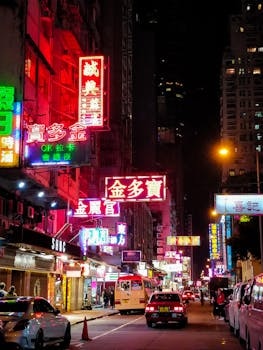
Cantonese (广东)
Cantonese cuisine emphasizes fresh ingredients and light cooking methods, such as steaming and stir-frying. It's known for its delicate flavors and wide variety of seafood dishes.
Cultural Significance:
Located on the coast, Guangdong has a long history of trade and cultural exchange, influencing its diverse culinary landscape.
Signature Dishes:
- Dim Sum
- Roast Goose
- Sweet and Sour Pork
Key Ingredients:
Shandong (山东)
Shandong cuisine features fresh seafood and a variety of cooking techniques, including braising, stewing, and stir-frying. It's known for its rich flavors and use of vinegar and garlic.
Cultural Significance:
Shandong's coastal location and agricultural richness have shaped its cuisine, with influences from both land and sea.
Signature Dishes:
- Braised Sea Cucumber
- Sweet and Sour Carp
- Dezhou Braised Chicken
Key Ingredients:

Jiangsu/Huaiyang (江苏)
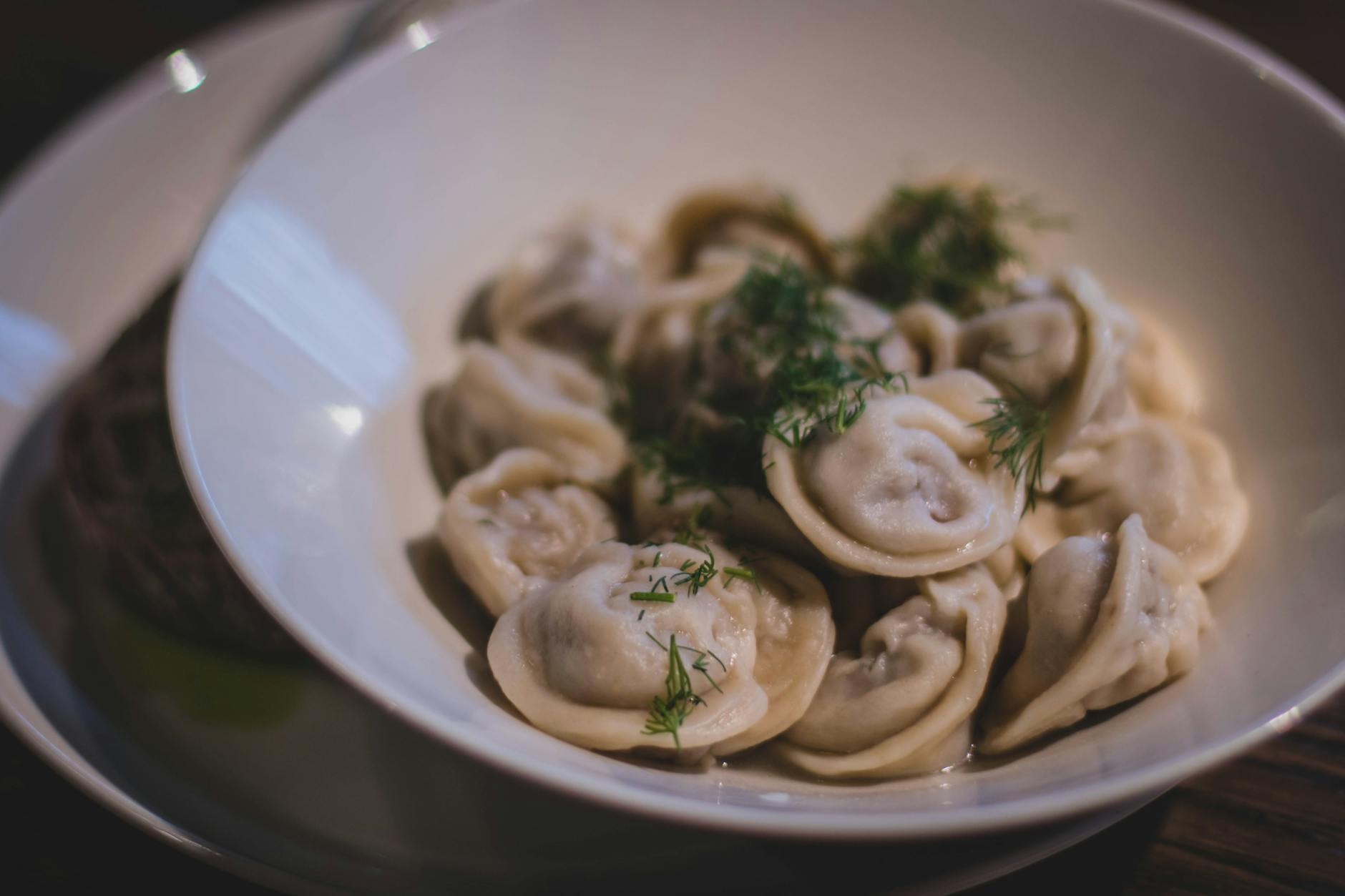
Jiangsu cuisine, particularly the Huaiyang school, is renowned for refined knife skills, artistic presentation, and fresh seasonal ingredients. Emphasis on preserving original flavors through braising, stewing, and steaming rather than heavy spices. Known as the cuisine of Chinese scholars and emperors, it emphasizes elegance and subtlety. Nanjing and Yangzhou are culinary capitals. November 2025 sees UNESCO consideration for Huaiyang cuisine techniques.
Cultural Significance:
Huaiyang cuisine represents refined Imperial Chinese cooking, historically served at state banquets and favored by emperors for its balance and sophistication.
Signature Dishes:
- Lion's Head Meatballs (狮子头)
- Beggar's Chicken (叫化鸡)
- Sweet and Sour Mandarin Fish
Key Ingredients:
Fujian (福建)
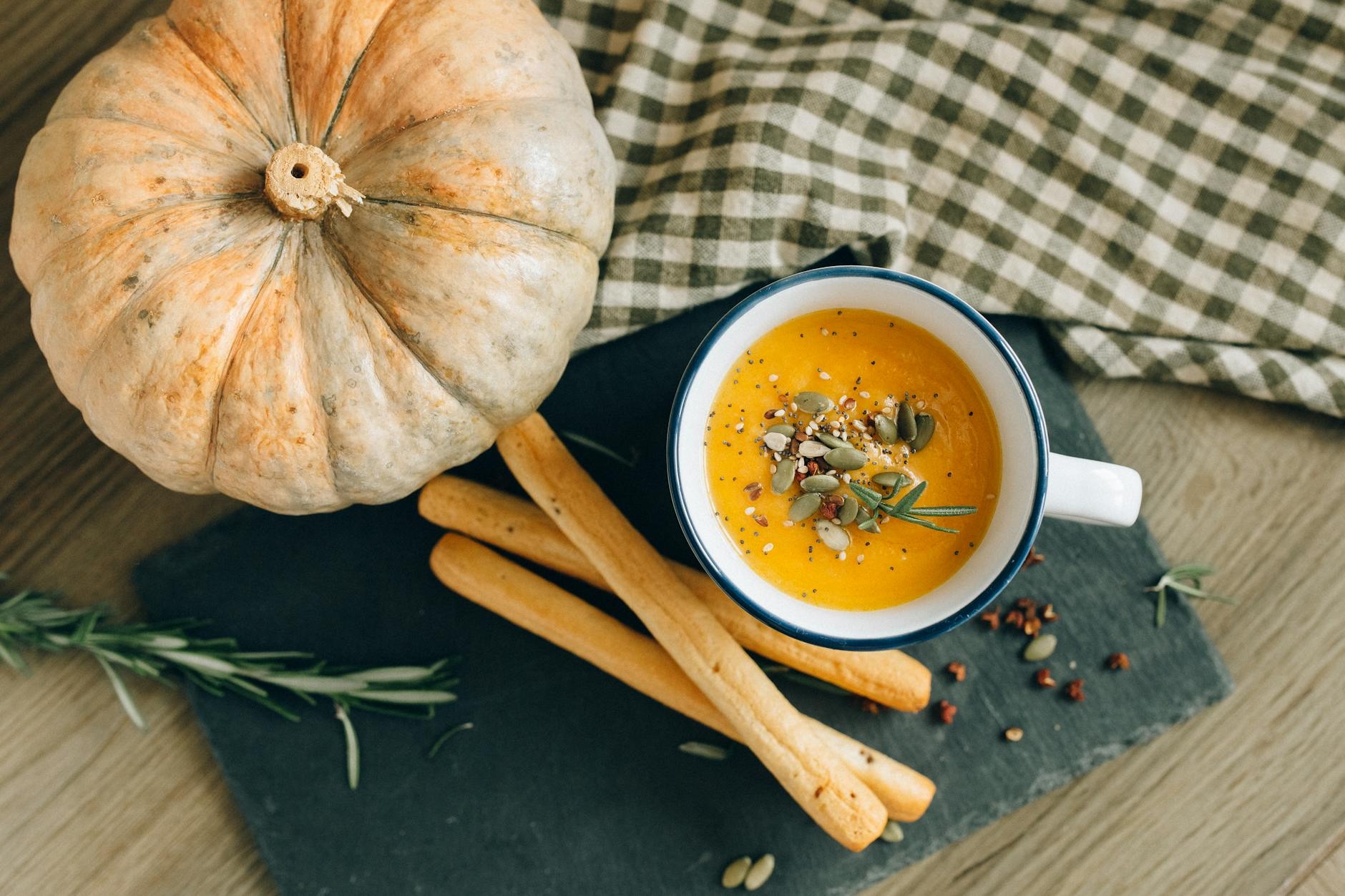
Fujian cuisine emphasizes soups, seafood, and fermented flavors with influences from coastal trade. Famous for red wine lees (红糟 hóngzāo) used in marinades and Buddha Jumps Over the Wall soup (佛跳墙), a luxurious multi-ingredient soup requiring days of preparation. Preserved foods, pickles, and umami-rich ingredients define this cuisine. Min (Fuzhou) and Minnan (Xiamen) substyles offer distinct regional variations.
Cultural Significance:
Fujian's maritime history and overseas Chinese diaspora (especially in Southeast Asia) spread its culinary influence globally, with Fujianese communities maintaining traditional cooking methods.
Signature Dishes:
- Buddha Jumps Over the Wall (佛跳墙)
- Oyster Omelette (海蛎煎)
- Fuzhou Fish Balls
Key Ingredients:
Beijing (北京)
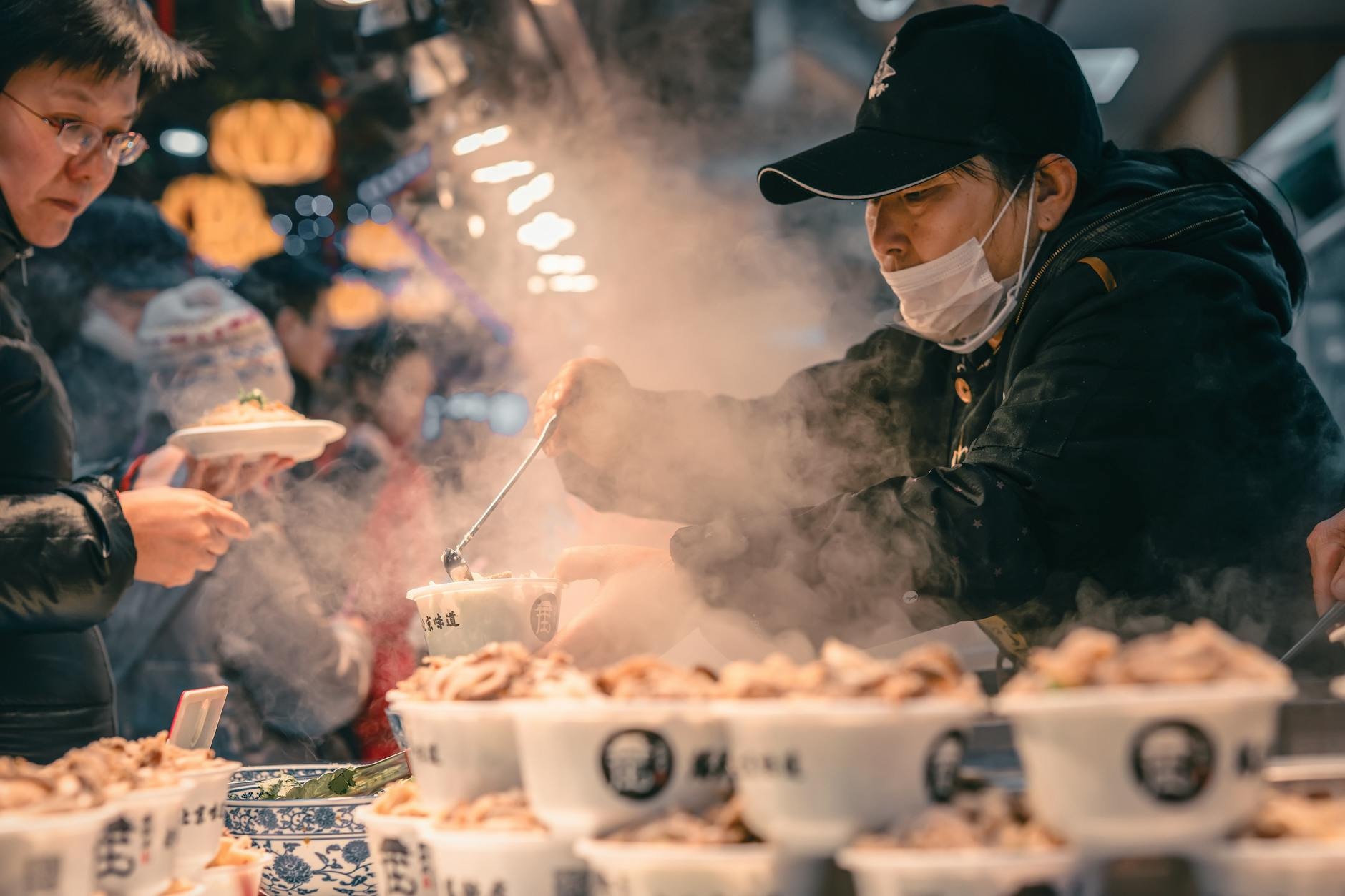
Beijing cuisine represents Northern Chinese imperial cooking with influences from Manchu, Mongolian, and Shandong cuisines. As the historic capital, it developed sophisticated palace dishes alongside hearty street foods. Famous for Peking Duck, jianbing (savory crepes), zhajiangmian (noodles with fermented soybean paste), and mutton hotpot. November 2025 celebrates preservation of hutong neighborhood eateries serving traditional Beijing snacks.
Cultural Significance:
As China's capital for centuries, Beijing cuisine embodies the convergence of regional styles, imperial refinement, and common street food culture, representing the nation's culinary identity.
Signature Dishes:
- Peking Duck (北京烤鸭)
- Jianbing (煎饼)
- Zhajiangmian (炸酱面)
Key Ingredients:
Sweet Delights & Desserts
Indulge in China's traditional sweet treats and desserts.

汤圆 (Tāngyuán) - Glutinous Rice Balls
Sweet glutinous rice balls filled with various sweet fillings, often served in a sweet soup. They are traditionally eaten during the Lantern Festival and symbolize family unity.

月饼 (Yuèbǐng) - Mooncakes
Rich pastries traditionally filled with lotus seed paste and salted egg yolks, eaten during the Mid-Autumn Festival. They symbolize the full moon and are often given as gifts.

糖葫芦 (Tánghúlu) - Candied Hawthorns
Hawthorn berries coated in a hardened sugar syrup, often served on a stick. They are a popular street food snack, especially during winter.

蛋挞 (Dàntǎ) - Egg Tarts
Portuguese-influenced custard tarts with flaky pastry crust and creamy egg custard filling, popularized in Macau and Hong Kong. Two styles exist: Hong Kong's smooth, wobbly custard in puff pastry, and Macau's caramelized top (Portuguese pastel de nata style). Bakeries like Lord Stow's Bakery (Macau) are pilgrimage sites. November 2025 sees mainland Chinese bakeries perfecting both styles.

杨枝甘露 (Yángzhī Gānlù) - Mango Sago
Hong Kong dessert featuring fresh mango chunks, mango puree, sago pearls (tapioca), and coconut milk or evaporated milk. Served chilled with grapefruit segments adding citrus contrast. Created in Hong Kong's Lei Garden restaurant in the 1980s, it became a Cantonese dessert staple. Popular in dessert shops across China during summer months.

红豆汤 (Hóngdòu Tāng) - Red Bean Soup
Traditional sweet soup made from adzuki red beans simmered with rock sugar until soft and creamy. Served hot in winter, cold in summer, often with tangyuan (glutinous rice balls) or tapioca pearls. Believed to have health benefits in Traditional Chinese Medicine for detoxification and circulation. Common dessert in Cantonese restaurants and dessert shops year-round.

豆花 (Dòuhuā) - Tofu Pudding
Silky smooth tofu pudding served with sweet or savory toppings depending on region. Sweet versions (Southern China) feature brown sugar syrup, ginger syrup, or peanuts. Savory versions (Northern China, Sichuan) include soy sauce, chili oil, preserved vegetables, and scallions. Freshly made daily in specialty shops, representing simple perfection of bean curd craftsmanship.

芝麻球 (Zhīmá Qiú) - Sesame Balls
Deep-fried glutinous rice balls coated with white sesame seeds, filled with sweet red bean paste or lotus paste. The exterior is crispy while the interior remains chewy, with the filling providing creamy sweetness. Popular dim sum dessert and Chinese New Year treat symbolizing reunion and completeness. The hollow center represents good fortune.
Traditional Beverages
Discover China's traditional drinks, from locally produced spirits to regional wines.

白酒 (Báijiǔ) - Baijiu
A strong distilled spirit made from sorghum or other grains. It's the national liquor of China and comes in various flavors and strengths.

黄酒 (Huángjiǔ) - Yellow Wine
A fermented rice wine with a lower alcohol content than Baijiu. It's often served warm and has a sweet and slightly tangy flavor.

啤酒 (Píjiǔ) - Beer
Beer is increasingly popular in China, with both domestic and international brands available. It's often served cold and enjoyed with meals.
Soft Beverages
Discover China's traditional non-alcoholic drinks, from local teas to refreshing juices.

茶 (Chá) - Tea
Tea is an integral part of Chinese culture, with a wide variety of types and brewing methods. Green tea, black tea, oolong tea, and pu-erh tea are among the most popular.

豆浆 (Dòujiāng) - Soy Milk
A plant-based milk made from soybeans, often consumed for breakfast. It can be served hot or cold and is sometimes sweetened.

王老吉 (Wánglǎojī) - Wong Lo Kat
A popular herbal tea known for its slightly sweet and cooling properties. It's often consumed as a refreshing beverage.