
Finland Food Guide
Content Information
Recently updated🔥Current Food Trends 2025
What's happening in Finland's culinary scene right now
Finland's culinary landscape in 2025 embraces New Nordic Cuisine principles with Finnish twist - seasonality, foraging, sustainability. Helsinki restaurant scene features Michelin-starred restaurants: Grön (one star, vegetable-forward), Demo (one star, Finnish ingredients modern techniques), Olo (one star, tasting menus). Shift away from fussy New Nordic fine dining toward casual bistros - Maukku, Jason, Mat Distrikt serve hearty, down-to-earth food inspired by French, Japanese, Italian cuisines. Finnjävel offers new approach to traditional Finnish 'grandma's cooking'. À La Kämp reopened after year-long transformation, reworking 130 years of Hotel Kämp history. Helsinki Food Year emphasizes quality local products, sustainability, hyper-local ingredients. Finnish passion for Asian cuisine unmatched in Nordics. Mushroom foraging season ends November with preserved chanterelles, boletes used through winter. Wild game season continues - elk, deer, grouse from Finnish forests. Finnish coffee culture thrives - world's highest per capita consumption, specialty roasters (Kaffa Roastery, Good Life Coffee). November preparations for joulu (Christmas) feature traditional baking: joulutorttu, piparkakut (gingerbread). Ruisleipä (rye bread) remains daily staple. Sustainable fishing: Baltic herring, vendace, whitefish. Karelian cuisine revival preserves Eastern Finnish traditions. Farm-to-table movement emphasizes local ingredients. Flow Festival committed to going fully vegan. À la Park food festival focuses on quality local products.
Food Safety Tips
Essential food safety information to help you enjoy Finland's cuisine safely and confidently.
Check for fish bones in Baltic herring dishes.
While Baltic herring is a delicacy, small bones can be present. Exercise caution, especially when serving to children.
Be mindful of wild mushroom foraging guidelines.
Only consume wild mushrooms identified by experts. Misidentification can lead to severe poisoning. Check local regulations and guidelines before foraging.
Ensure proper handling of reindeer meat.
Reindeer meat, a staple in Lapland, should be cooked thoroughly to prevent illness. Follow safe food handling practices to avoid contamination.
Dietary Options
vegetarian
MEDIUM AVAILABILITYVegetarian options are increasingly available in restaurants and supermarkets, particularly in urban areas. Traditional cuisine relies heavily on meat and fish, but plant-based alternatives are becoming more common.
vegan
LOW AVAILABILITYVegan options can be limited, especially outside major cities. However, many restaurants are willing to accommodate dietary restrictions with advance notice. Check for vegan-friendly establishments or inquire about menu modifications.
gluten-free
MEDIUM AVAILABILITYGluten-free options are becoming more prevalent, with dedicated bakeries and restaurants emerging. Supermarkets also offer a growing selection of gluten-free products. Be sure to communicate your needs clearly when dining out.
halal
LOW AVAILABILITYHalal food available mainly in Helsinki with small but growing Muslim community (~100,000 Muslims, ~2% population, mostly Somali, Iraqi, other immigrants). Helsinki's Punavuori, Sörnäinen, Itäkeskus districts have halal restaurants (Middle Eastern, Turkish, Pakistani, Somali). Main challenges: Pork products ubiquitous (makkaraperunat, lihapullat often pork); alcohol in traditional dishes. Limited halal certification infrastructure. K-Market & S-Market supermarkets stock halal products in multicultural areas. Contact Islamic Society of Finland (Suomen Islam-seurakunta) for guidance. Very limited options outside Helsinki - Tampere & Turku have few halal restaurants.
kosher
VERY LOW AVAILABILITYKosher food extremely limited in Finland with very small Jewish community (~1,500-2,000 Jews, mostly Helsinki). Helsinki Synagogue (Malminkatu) has small kosher shop. Main challenges: Pork prevalent (makkaraperunat, sausages); reindeer not kosher; fish-dairy mixing common in lohikeitto; mushroom foraging may have kashrut issues. Some naturally kosher options: Finnish fish with scales (salmon, Baltic herring, whitefish - if prepared correctly), berries, rye bread (check ingredients). Contact Jewish Community of Helsinki (Helsingin juutalainen seurakunta) for kosher information. No kosher restaurants. Jewish travelers usually bring pre-packaged kosher food.
Common Allergens
Milk
HIGH PREVALENCEDairy products are common in Finnish cuisine, including milk, cheese, and yogurt. Lactose intolerance is relatively common, and alternatives like oat milk are readily available.
COMMONLY FOUND IN:
Fish
HIGH PREVALENCEFish is a staple in the Finnish diet, particularly salmon, herring, and perch. Fish allergies are prevalent, and caution should be exercised when consuming seafood dishes.
COMMONLY FOUND IN:
Gluten
MEDIUM PREVALENCEGluten is found in many traditional Finnish foods, including rye bread and Karelian pies. Celiac disease and gluten sensitivity are recognized, and gluten-free alternatives are increasingly available.
COMMONLY FOUND IN:
Essential Food Experiences
These iconic dishes represent the must-have culinary experiences that define Finland's food culture for travelers.

Karjalanpiirakka (Karelian Pies)
Finland's most iconic pastry with EU Traditional Speciality Guaranteed (TSG) status. Oval rye crust pastries filled with rice porridge (or mashed potato), brushed with butter-egg mixture. Eaten with munavoi (egg butter - chopped hard-boiled eggs mixed with butter). Eastern Finnish Karelian tradition dating to 1686. Breakfast or snack staple found in every Finnish home and café.

Poronkäristys (Sautéed Reindeer)
Lapland signature dish - thinly sliced reindeer meat fried with butter & onions, served with mashed potatoes & lingonberry jam (puolukka). Reindeer from Sámi herding cooperatives. Tender, slightly gamey flavor. Tourist & local favorite in northern Finland. Sometimes served with pickled cucumber. Essential Lapland culinary experience.

Lohikeitto (Finnish Salmon Soup)
Creamy milk-based soup with salmon chunks, potatoes, leeks, carrots, dill. Comfort food staple served year-round. Served with rye bread & butter. Simple ingredients showcase salmon quality. Every family has own recipe. Restaurant & home-cooking favorite. Found at Löyly sauna, Ravintola Savoy, and throughout Helsinki.

Ruisleipä (Finnish Rye Bread)
Dark, dense sourdough rye bread, slightly sweet. Finland's National Food 2016. Daily staple eaten with every meal. Regional variations: hapanleipä (sour rye), reikäleipä (round with hole - historically hung from ceiling). Distinct flavor from long fermentation. Pairs with butter, cheese, cold cuts. Found everywhere from supermarkets to Ekberg Café.

Kalakukko (Fish-Filled Rye Bread)
Whole small fish (vendace or perch) with pork fat baked inside thick rye crust. Savonlinna regional specialty with TSG status. Slow-baked for hours. Fish bones soften, become edible. Traditional outdoor/fishing food. Slice & serve with butter. Unique preparation method preserves centuries-old tradition. Best found in Savo region markets in summer.

Leipäjuusto (Bread Cheese)
Finnish squeaky cheese - fresh cheese baked or grilled until browned, creating caramelized surface. Served warm with cloudberry jam (lakka). Lapland & Northern Finland specialty. Squeaks against teeth when chewed. Made from cow's milk (or reindeer milk traditionally). Perfect coffee accompaniment. Available in Old Market Hall and cafés.

Mustamakkara (Tampere Black Sausage)
Blood sausage from Tampere region. Eaten with lingonberry jam. Street food staple at Tampere's Laukontori market. Made from pork blood, barley or rye, spices. Served sliced, fried or grilled. Regional delicacy with cult following. Tampere identity symbol. Similar to black pudding but uniquely Finnish.

Graavilohi (Gravlax)
Cured salmon with salt, sugar, dill. Nordic curing tradition. Served thinly sliced with hovmästarsås (mustard-dill sauce), rye bread, boiled potatoes. Festive food for Christmas, Midsummer, celebrations. Home-curing tradition remains popular. Fresh salmon from Finnish waters or farmed. Silky texture, delicate flavor.

Hernekeitto (Thursday Pea Soup)
Thick yellow split pea soup with pork, onions. Traditionally eaten Thursdays (military tradition), followed by pannukakku (oven pancake) dessert. Warming winter comfort food. Served with mustard, rye bread. Simple ingredients, rich flavor. Finnish Armed Forces serves Thursdays, tradition spread to civilians. Cultural institution.

Korvapuusti (Finnish Cinnamon Buns)
Cardamom-spiced sweet bun with cinnamon-sugar filling, pearl sugar topping. Name means 'slapped ears' (shape resembles). Coffee break (kahvitauko) essential companion. Bakery & café staple. Softer, less sweet than American cinnamon rolls. Finnish coffee culture icon. Often homemade. Found in every bakery and café.
Regional Specialties & Local Favorites
Discover the authentic regional dishes and local favorites that showcase Finland's diverse culinary traditions.

Lihapullat (Finnish Meatballs)
Similar to Swedish meatballs, these are a popular everyday dish served with mashed potatoes, gravy, and lingonberry jam. Found in homes and restaurants throughout Finland.

Makkaraperunat (Sausage and Potatoes)
Simple and satisfying dish of fried sausages and potatoes, often enjoyed as a quick meal or street food. Classic Finnish comfort food.

Hernekeitto (Pea Soup)
Thick pea soup traditionally eaten on Thursdays, often followed by pancakes for dessert. A hearty and flavorful dish enjoyed throughout the year.

Baltic Herring (Silakka)
Small herring from Baltic Sea, fried, pickled, or smoked. Traditional preparation involves coating in rye flour and pan-frying. Often served with new potatoes and dill. Sustainable local fish, budget-friendly and delicious.
Allergens:

Pulla (Sweet Cardamom Bread)
Sweet braided bread flavored with cardamom. Served with coffee throughout the day. Similar to korvapuusti but shaped differently. Essential to Finnish coffee culture. Often homemade and served to guests.
Allergens:

Viili (Finnish Yogurt)
Traditional Finnish fermented milk product with unique stringy, ropy texture. Eaten for breakfast with berries and muesli. Milder taste than regular yogurt. Probiotic-rich healthy breakfast staple.
Allergens:

Wild Mushrooms
Chanterelles, boletes, and other forest mushrooms foraged in autumn. Sautéed with butter, cream, served with potatoes or game. Foraging national pastime. Preserved mushrooms used through winter. November marks end of foraging season.
Allergens:

Muikku (Vendace)
Small freshwater fish, usually fried whole and crispy. Lake specialty often served with mashed potatoes and lemon. Delicate, mild flavor. Popular in lake regions and Helsinki restaurants.
Allergens:
Regional Cuisine Highlights
Explore the diverse culinary landscapes across different regions of Finland.
Lapland
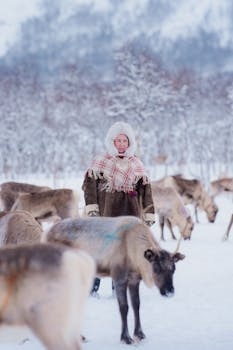
Lapland's cuisine reflects Arctic environment with focus on reindeer, game, and wild berries. Indigenous Sami traditions play big role. Traditional cooking methods include smoking, drying, preserving. Beyond poronkäristys, specialties include kuivalihakeitto (dried reindeer meat soup). Arctic berries and herbs thrive in midnight sun. Sustainable, waste-free approach of indigenous food systems.
Cultural Significance:
Reindeer herding and foraging play a central role in Lapland's culinary heritage, with dishes reflecting the region's unique natural resources and Sami traditions.
Signature Dishes:
- Poronkäristys
- Leipäjuusto with cloudberry jam
- Smoked reindeer
- Arctic char
- Kuivalihakeitto
Key Ingredients:
Savo & Eastern Finland
Eastern Finland's Savo region known for kalakukko, rye-crusted loaf baked with fish and pork inside. Dense, hearty, surprisingly satisfying. Savo known for pies. Inside juicy rye rind, plenty of fresh whitefish and fatty pork shoulder. Best found in Savo markets during summer.
Cultural Significance:
Kalakukko represents Savo's fishing traditions and unique rye bread culture. Traditional preparation methods preserved for centuries.
Signature Dishes:
- Kalakukko
- Fish pies
- Vendace dishes
- Rye bread
- Savory pies
Key Ingredients:

Karelia
Karelian food culture influenced by the East. Oven-food region where meat dishes prepared by simmering in oven for long time. Karelian roast most famous. Feast table includes homemade Karelian pies, sultsinas, tsupukkas, vatruskas, filled pastries. Diverse wild mushroom culture. Karjalanpiirakka dates to 1686, received EU TSG status 2003.
Cultural Significance:
Karelian cuisine reflects region's history split between Finland and Russia. Agricultural traditions and oven-cooking methods central to cultural identity.
Signature Dishes:
- Karjalanpiirakka
- Karelian roast
- Sultsina
- Mushroom dishes
- Wild game preparations
Key Ingredients:

Sweet Delights & Desserts
Indulge in Finland's traditional sweet treats and desserts.

Mustikkapiirakka (Blueberry Pie)
Finnish blueberry pie - wild blueberries (mustikka) in sweet crust, often with crumble topping. Summer specialty using foraged berries from Finnish forests. Served with vanilla sauce or ice cream. Simple rustic dessert. Every family has own recipe. Blueberry foraging national pastime.

Runebergintorttu (Runeberg Tart)
Cylindrical almond-flavored cake with rum, topped with raspberry jam & icing ring. Named after Finnish national poet J.L. Runeberg. Eaten around Runeberg Day (February 5). Spiced with cardamom. Traditional winter pastry. Bakery & café staple January-February. Cultural tradition.

Joulutorttu (Christmas Tarts)
Star-shaped puff pastry filled with prune jam (luumumarmeladi). Christmas baking tradition. Name means Christmas tart. Star shape represents Star of Bethlehem. Made throughout December. Served with coffee during Advent. Essential Finnish Christmas cookie alongside piparkakut.

Pannukakku (Oven Pancake)
Finnish oven pancake - thick baked pancake served with berry jam & whipped cream. Traditional Thursday dessert following hernekeitto pea soup. Baked in oven until puffy & golden. Simpler than American pancakes. Home-style comfort dessert. Served warm, dusted with sugar.

Korvapuusti (Cinnamon Buns)
Finnish cinnamon buns - cardamom-spiced sweet rolls with cinnamon-sugar filling, pearl sugar topping. Coffee break essential. Name means slapped ears. Bakery staple. Softer than Swedish kanelbullar. Part of Finnish coffee culture (world's highest per capita consumption). Often homemade.

Laskiaispulla (Shrove Tuesday Buns)
Sweet cardamom buns filled with almond paste & whipped cream. Eaten on Laskiainen (Shrove Tuesday). Traditional pre-Lent indulgence. Name means sliding bun (children slid on sleds). Fluffy texture. Bakeries make February-March. Essential Finnish seasonal treat.

Piparkakut (Gingerbread Cookies)
Finnish gingerbread cookies - thin, crispy cookies spiced with ginger, cinnamon, cloves. Christmas baking tradition. Cut into star, heart, pig shapes. Decorated with icing. Stored in tins to maintain crispness. Made throughout December. Coffee accompaniment. Children help baking, decorating.

Mämmi (Easter Pudding)
Finnish Easter pudding - dark rye malt dessert with molasses-like flavor. Divisive taste (love or hate). Traditional Easter food. Made from rye flour, malt, molasses, slow-baked. Served cold with cream & sugar. Acquired taste. Pre-Christian origins. Unique Finnish tradition. Available March-April.
Traditional Beverages
Discover Finland's traditional drinks, from locally produced spirits to regional wines.

Koskenkorva Viina
A clear, grain-based vodka, often enjoyed neat or mixed in cocktails. A popular choice for celebrations and social gatherings.

Long Drink
A pre-mixed gin-based long drink, a popular choice for casual occasions. Available in various flavors, including grapefruit and cranberry.

Sahti
A traditional Finnish farmhouse ale, brewed with juniper berries and rye malt. A unique and flavorful beverage with a slightly cloudy appearance.
Soft Beverages
Discover Finland's traditional non-alcoholic drinks, from local teas to refreshing juices.

Kahvi (Coffee)
Finns are among the highest coffee consumers in the world. Coffee is enjoyed throughout the day, often accompanied by pastries or pulla. Specialty roasters like Kaffa Roastery and Good Life Coffee leading Helsinki's coffee scene.

Mehu (Berry Juice)
Berry juices, particularly lingonberry and blueberry, are popular choices. Often served with meals or enjoyed as a refreshing drink. Made from foraged forest berries.

Kotikalja (Home-brewed Beer)
A low-alcohol, slightly sweet fermented beverage, traditionally made at home. A refreshing and thirst-quenching drink.