
Bulgaria Food Guide
Content Information
Recently updatedFood Safety Tips
Essential food safety information to help you enjoy Bulgaria's cuisine safely and confidently.
Consume bottled water
Tap water is generally safe for bathing and showering, but it's advisable to drink bottled water to avoid potential stomach upset.
Check meat doneness
Ensure that meat, especially pork and ground meats, are cooked thoroughly to prevent foodborne illnesses.
Be cautious with street food
While street food can be a delicious and affordable option, choose vendors with high turnover and visible hygiene practices. Bulgarian street food like kebapche is generally safe.
Market food is fresh and safe
Outdoor markets like Borisova Gradina Farmers Market and Women's Market offer fresh, safe food at good prices.
Dietary Options
vegetarian
MEDIUM AVAILABILITYVegetarian options are becoming increasingly available in larger cities and tourist areas, with traditional dishes like shopska salad and bean soups readily accessible. However, finding diverse vegetarian choices in smaller towns might require more effort.
vegan
LOW AVAILABILITYVeganism is less prevalent in Bulgaria, and finding strictly vegan options can be challenging. Careful communication about dietary restrictions is essential, as some dishes assumed to be vegan might contain dairy or honey. However, Sofia and Plovdiv have vegan cafes.
gluten-free
LOW AVAILABILITYGluten-free options are limited. Specify 'bez gluten' when ordering. Many traditional dishes contain wheat.
Common Allergens
Gluten
MEDIUM PREVALENCEGluten is present in many traditional Bulgarian dishes, including breads, pastries, and some sauces. Specify 'bez gluten' when ordering to ensure gluten-free options.
COMMONLY FOUND IN:
Dairy
HIGH PREVALENCEDairy products like yogurt and cheese are staples in Bulgarian cuisine. Over 60% of Bulgarians eat dairy regularly. Clearly communicate any dairy allergies or intolerances.
COMMONLY FOUND IN:
Nuts
MEDIUM PREVALENCENuts, particularly walnuts, are used in various desserts and pastries, as well as in tarator soup. Be sure to inquire about nut ingredients.
COMMONLY FOUND IN:
Essential Food Experiences
These iconic dishes represent the must-have culinary experiences that define Bulgaria's food culture for travelers.

Shopska salad (Шопска салата)
Bulgaria's national favorite - a refreshing salad with diced tomatoes, cucumbers, onions, and topped with grated sirene cheese (Bulgarian white brine cheese). The colors (red, green, white) mirror the Bulgarian flag. Served in over 80% of Bulgarian restaurants. Often served as a starter or side dish, perfect with rakia on summer days.

Banitsa (Баница)
Perhaps the most iconic Bulgarian dish - savory pastry made with thin filo dough layered with eggs, yogurt, and sirene cheese. Associated with childhood breakfasts and cozy Sunday mornings. Over 60% of Bulgarians eat banitsa regularly. On New Year's Eve, families hide little charms inside for luck. Different variations exist with spinach, pumpkin, or leeks.

Kebapche (Кебапче)
Grilled minced meat rolls seasoned with cumin and other spices. So popular it's found at almost all concerts, festivals, and big gatherings. Often served with fries and Shopska salad. A beloved street food and barbecue staple.

Tarator (Таратор)
Cold yogurt soup made with cucumbers, dill, garlic, and walnuts - perfect for hot summer days. A light and refreshing dish that surprises foreigners at first, but they usually fall in love with its refreshing flavor.

Kavarma (Каварма)
Hearty meat stew typically made with pork, onions, peppers, and tomatoes, seasoned with paprika and spices. Regional variations may include different meats and vegetables.

Kyufteta (Кюфтета)
Grilled meatballs - a popular street food and barbecue staple, often served with fries and Shopska salad.

Musaka (Мусака)
Bulgarian-style moussaka with potatoes, ground meat, and yogurt topping. Different from the Greek version.

Sarmi (Сарми)
Stuffed grape or cabbage leaves with rice and meat filling. Traditional winter dish.

Shkembe Chorba (Шкембе чорба)
Tripe soup, a traditional hangover cure. Rich and flavorful, often eaten late at night or early morning.

Mekitsa (Мекица)
Fried dough, traditionally served for breakfast with powdered sugar, honey, or jam. Modern restaurants in Sofia and Plovdiv serve it topped with peanut butter or ice cream.

Ribena Chorba (Рибена чорба)
Fish soup that varies by region - in Ruse, restaurants use Danube fish; coastal areas use saltwater fish. Aromatic and hearty.
Regional Specialties & Local Favorites
Discover the authentic regional dishes and local favorites that showcase Bulgaria's diverse culinary traditions.

Bob Chorba (Боб чорба)
Traditional bean soup, often vegetarian but sometimes with meat. Hearty and filling, especially popular in winter.

Lukanka (Луканка)
Spicy cured sausage, a popular appetizer or snack with rakia.

Lyutenitsa (Лютеница)
Pepper and tomato relish, a staple condiment in Bulgarian households. Spread on bread or served with meals.

Patatnik (Пататник)
Savory potato dish from the Rhodope Mountains. Shredded potatoes mixed with eggs and herbs, baked until crispy.

Cheverme (Чеверме)
Roasted meat specialty from the Rhodope Mountains, often lamb or pork cooked over open fire.

Smilyan Beans (Смилянски фасул)
Famous white beans from the Rhodope region, prized for their creamy texture and flavor.

Meshana Skara (Мешана скара)
Mixed grill platter with various grilled meats - kebapche, kyufte, pork chops, sausages.

Sirene po Shopski (Сирене по шопски)
Baked cheese dish with tomatoes, peppers, and eggs. Rich and satisfying.
Allergens:
Regional Cuisine Highlights
Explore the diverse culinary landscapes across different regions of Bulgaria.
Sofia Region
Sofia's cuisine features hearty meat dishes, bean stews, and fresh salads. Shopska salad originates from this region. Influenced by both Balkan and Mediterranean flavors, reflecting the city's historical role as a cultural crossroads. Home to Cosmos, arguably the best restaurant in Bulgaria - an incredibly designed, contemporary venue with impressive menu.
Cultural Significance:
From artisan banitsa shops to farm-to-table bistros, vegan cafes, and experimental fusion cuisine, modern Sofia food is reclaiming its identity while innovating on tradition.
Signature Dishes:
- Shopska salad
- Kyufteta
- Kebapcheta
- Banitsa
- Shkembe chorba
Key Ingredients:

Rhodope Mountains
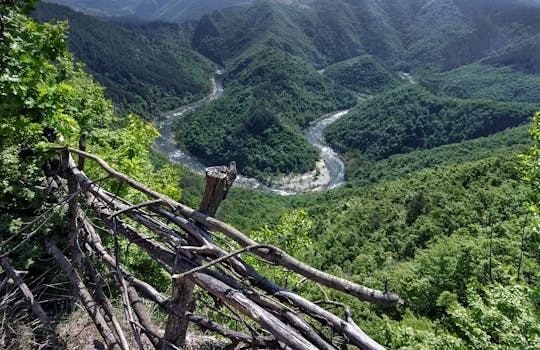
Known for hearty stews, roasted meats, and wild mushroom dishes. Patatnik (savory potato dish) and Smilyan beans are regional specialties. The cuisine reflects the region's mountainous terrain and traditional shepherding culture.
Cultural Significance:
Cuisine emphasizes natural flavors, traditional shepherding culture, and preservation of heritage recipes.
Signature Dishes:
- Patatnik
- Cheverme
- Smilyan beans
Key Ingredients:
Plovdiv
Bulgaria's second city with a trendy dining quarter featuring stylish restaurants. Up north they pickle okra, but in Plovdiv it's mostly made in stews. Plovdiv has become a hub for culinary innovation while maintaining traditional flavors.
Cultural Significance:
Blends traditional cooking with modern culinary techniques. Home to many of Bulgaria's most innovative chefs.
Signature Dishes:
- Okra stew
- Traditional Bulgarian dishes with modern twists
Key Ingredients:

Sweet Delights & Desserts
Indulge in Bulgaria's traditional sweet treats and desserts.

Baklava (Баклава)
Sweet pastry made with layers of filo dough, chopped nuts, and syrup or honey. A popular dessert throughout the Balkans and Middle East.

Tikvenik (Тиквеник)
Traditional pumpkin pie made with thin dough filled with grated pumpkin, walnuts, and spices like cinnamon and cloves. Often enjoyed during fall and winter months.

Garash Cake (Гараш)
Rich chocolate cake with layers of chocolate cream and walnuts. A Sofia specialty.

Oshav (Ошав)
Compote made from dried fruits, nuts, and honey. Served warm or cold, often during holidays.
Traditional Beverages
Discover Bulgaria's traditional drinks, from locally produced spirits to regional wines.

Rakia (Ракия)
Strong fruit brandy, typically made from grapes, plums, apricots, or other fruits. It's a traditional alcoholic beverage enjoyed as an aperitif or digestif. Central to Bulgarian drinking culture.

Menta (Мента)
Potent peppermint liqueur, often served as a digestif or mixed in cocktails. Refreshing flavor is popular, especially during summer.

Kamenitsa Beer (Каменица)
Beer originally from Plovdiv, created in 1881 by three Swiss businessmen, named after the Kamenitsa district of the city.

Glarus Craft Beer (Гларус)
Young brewery from Varna started in 2014 near the Black Sea, offering English Ale, porter, IPA, and brown ale.
Soft Beverages
Discover Bulgaria's traditional non-alcoholic drinks, from local teas to refreshing juices.

Boza (Боза)
Thick, fermented malt beverage with slightly sweet and tangy flavor. Traditional drink, especially popular during colder months.

Ayran (Айрян)
Refreshing yogurt drink mixed with water and salt. Popular accompaniment to grilled meats and other savory dishes.

Mountain Tea (Планински чай)
Herbal tea made from mountain herbs, popular in the Rhodope Mountains and throughout Bulgaria.