
Denmark Food Guide
Content Information
Recently updated🔥Current Food Trends 2025
What's happening in Denmark's culinary scene right now
Denmark's culinary landscape in 2025 continues New Nordic Cuisine legacy pioneered by Noma (closed 2024 but Noma 3.0 innovation lab operates). Michelin Guide Copenhagen 2025 maintains 19 Michelin stars across restaurants: Alchemist (two stars, immersive multi-sensory dining), Geranium (three stars, meat-free sustainable Nordic cuisine since 2022, ranked #1 World's 50 Best 2022), Jordnær (promoted to three stars 2025, sublime seafood elegance), Koan (two stars, Korean-inspired by ex-Noma chef). November marks traditional Danish comfort food season - frikadeller, stegt flæsk med persillesovs, brunede kartofler (caramelized potatoes). Copenhagen Restaurant Week showcases 100+ restaurants with special menus. Sustainable seafood movement emphasizes local catch: Baltic Sea herring, Limfjord oysters & mussels, North Sea plaice. Organic agriculture thrives - 15%+ of Danish farmland organic (world's highest percentage). New Nordic Cuisine principles: seasonality, sustainability, local ingredients, foraging, fermentation. November preparations for julefrokost (Christmas lunch) season featuring fårikål, medisterpølse, æbleskiver. Copenhagen Street Food at Reffen thrives (Papirøen closed) showcasing global & Danish fusion. Danish pastry (wienerbrød) UNESCO Intangible Heritage candidate. Craft beer revolution continues - Mikkeller, To Øl breweries. Smørrebrød Renaissance with modern interpretations at Restaurant Ida Davidsen (250+ varieties), Schønnemann. Danish wine industry growing with Zealand, Funen, Jutland wineries producing crisp whites, rosés, sparkling wines from Solaris and Rondo grapes. Exotic restaurants using Nordic ingredients with Far Eastern/Mexican techniques gaining popularity (Juju Korean fusion, Hija de Sanchez tacos). Seaweed foraging safaris emerging as sustainable food tourism. Danish aquavit (snaps) tradition preserved with Aalborg Akvavit.
Food Safety Tips
Essential food safety information to help you enjoy Denmark's cuisine safely and confidently.
Tap water is safe to drink throughout Denmark.
Denmark has high standards for water quality, and tap water is generally safe to drink. Bottled water is readily available but not necessary.
Be mindful of raw fish consumption.
While popular, consuming raw or undercooked fish and shellfish carries a risk of foodborne illness. Ensure you eat at reputable establishments that follow proper food handling practices.
Check food labels for allergens.
Food allergies are taken seriously in Denmark. Restaurants and food producers are generally diligent about labeling allergens, but it's always best to double-check, especially if you have severe allergies.
Dietary Options
vegetarian
HIGH AVAILABILITYVegetarian options are increasingly common in Denmark, particularly in larger cities. Many restaurants offer vegetarian dishes, and supermarkets stock a good selection of vegetarian products. Traditional dishes like smørrebrød can easily be adapted for vegetarians.
vegan
MEDIUM AVAILABILITYVeganism is growing in popularity, and while not as widespread as vegetarianism, vegan options are becoming more available, especially in Copenhagen and other urban areas. Dedicated vegan restaurants and cafes are emerging, and supermarkets are expanding their vegan product ranges.
gluten-free
MEDIUM AVAILABILITYGluten-free options are available, but it's important to communicate your needs clearly. Many restaurants can accommodate gluten-free requests, and specialized bakeries and shops offer gluten-free bread and other products.
halal
MEDIUM AVAILABILITYHalal food increasingly available in Denmark with growing Muslim community (~350,000 Muslims, ~6% population, mainly Copenhagen area). Copenhagen's Nørrebro district has highest concentration of halal restaurants (Middle Eastern, Turkish, Pakistani, Somali). Vesterbro & Frederiksberg also have options. Main challenges: Pork dominant in Danish cuisine (frikadeller, flæskesteg, leverpostej); alcohol culture. Halal certification by Danish Halal Federation (Halal Fødevare Fonden). Major supermarkets (Netto, Føtex) stock halal products. Contact Great Mosque of Copenhagen (Det Islamiske Trossamfund) for guidance. Århus & Odense also have halal options but more limited.
kosher
VERY LOW AVAILABILITYKosher food extremely limited in Denmark with small Jewish community (~6,000 Jews, mostly Copenhagen). Copenhagen's Det Mosaiske Troessamfund (Jewish Community) operates kosher shop at synagogue (Krystalgade). Café Mosaisk provides kosher meals by advance order. Main challenges: Pork ubiquitous (flæskesteg, medisterpølse); shellfish popular (Baltic Sea herring, Limfjord oysters); dairy-meat mixing common in smørrebrød. Some fish naturally kosher: herring, plaice (if prepared correctly). Contact Det Mosaiske Troessamfund for kosher dining guidance & Shabbat meals. Virtually no kosher infrastructure outside Copenhagen. Chabad of Denmark assists Jewish travelers.
Common Allergens
Milk
MEDIUM PREVALENCEDairy products are common in Danish cuisine, so milk allergies are a significant concern. Be sure to check labels and inform restaurant staff of your allergy.
COMMONLY FOUND IN:
Gluten
MEDIUM PREVALENCERye bread (rugbrød) is a staple in Denmark and contains gluten. Other common sources of gluten include pastries and some sauces.
COMMONLY FOUND IN:
Shellfish
MEDIUM PREVALENCEDenmark has a long coastline, and shellfish are a popular food. Shrimp, mussels, and other shellfish are common allergens.
COMMONLY FOUND IN:
Essential Food Experiences
These iconic dishes represent the must-have culinary experiences that define Denmark's food culture for travelers.

Smørrebrød
Quintessential Danish open-faced sandwiches - dense rugbrød (rye bread) topped with elaborate combinations: pickled herring, leverpostej (liver pâté), roast beef with remoulade, shrimp with mayo & lemon, Danish cheese. Artistic presentation essential. Lunch tradition. Restaurant Ida Davidsen serves 250+ varieties. UNESCO candidate.

Stegt flæsk med persillesovs
Denmark's national dish (voted 2014) - crispy fried pork belly strips with creamy parsley sauce, boiled potatoes. Pork must be perfectly crispy. Traditional comfort food. Served in homes & traditional restaurants. Simple ingredients, demanding technique. Winter favorite.

Frikadeller
Danish meatballs - ground pork & veal mixed with onions, egg, flour, milk, pan-fried until golden. Flatter than Swedish meatballs. Served with potatoes, gravy, pickled red cabbage, pickled beets. Home-cooking staple. Traditional recipe varies by family.

Flæskesteg
Roast pork with crackling - pork loin roasted with scored skin creating crispy crackling. Christmas dinner centerpiece. Served with brunede kartofler (caramelized potatoes), rødkål (red cabbage), gravy. Crackling quality determines success. Denmark's ultimate celebration roast.

Sol over Gudhjem
Bornholm island specialty - smoked herring on rugbrød with chives, radishes, raw egg yolk on top resembling sun. Name means 'Sun over Gudhjem' (fishing village). Baltic Sea herring smoked in traditional smokehouses. Iconic Danish smørrebrød variety.

Stjerneskud
Shooting star smørrebrød - white bread (not rye!) topped with fried plaice fillet, poached plaice fillet, shrimp, caviar, asparagus, lemon, mayonnaise. Elaborate fish smørrebrød. Traditional lunch restaurants specialty. Requires fresh North Sea plaice. Premium open-faced sandwich.

Æbleskiver
Danish pancake balls - spherical pancakes cooked in special pan with half-sphere indentations. Traditionally filled with apple pieces, now usually plain. Served with powdered sugar & jam. Christmas tradition but available year-round. Crispy exterior, fluffy interior. Street food & home specialty.

Leverpostej
Danish liver pâté - smooth pork liver pâté with pork fat, onions, spices. Served on rugbrød with bacon, pickled beets, aspic. Cold cut staple. Every family has preferred brand or homemade recipe. Essential smørrebrød topping. Traditional Danish charcuterie.

Wienerbrød
Danish pastry (ironically named Vienna bread) - laminated yeast dough with butter creating flaky layers, filled with custard, jam, remonce (almond paste), or chocolate. Breakfast & coffee break staple. Bakery artistry. Spandauer, sneglen (cinnamon roll), frøsnapper varieties. Global Danish export.

Rødgrød med fløde
Red berry pudding with cream - cooked red currants, raspberries, strawberries thickened with potato starch, served with heavy cream. Summer dessert. Famous for tongue-twister pronunciation. Simple traditional dessert showcasing berry season. Served chilled.

Limfjord Oysters
Danish delicacy from Limfjord waters in North Jutland - briny, sweet oysters cultivated in cold, clean waters. Served raw with lemon, mignonette, or Champagne. Premium quality, protected designation. Available September-April. Sustainability practices ensure consistent quality.

Rugbrød
Dense Danish rye bread - sourdough bread made with rye flour, whole rye kernels, seeds (sunflower, flax, pumpkin). Dark brown, moist texture. Foundation of smørrebrød. Baked overnight for 12+ hours. High fiber, nutritious. Every bakery has signature recipe. Essential to Danish food culture.
Regional Specialties & Local Favorites
Discover the authentic regional dishes and local favorites that showcase Denmark's diverse culinary traditions.

Flæskesteg (Roast Pork with Crackling)
A traditional Danish Christmas dish, flæskesteg is a roasted pork belly with crispy crackling. It is often served with caramelized potatoes, red cabbage, and gravy.

Risalamande (Rice Pudding)
A creamy rice pudding dessert flavored with almonds and vanilla, typically served at Christmas. A whole almond is hidden inside, and whoever finds it receives a small gift.
Allergens:

Wienerbrød (Danish Pastry)
These flaky, buttery pastries come in various shapes and fillings, often enjoyed for breakfast or as a treat. They are a staple in Danish bakeries.
Allergens:

Pickled Herring
Baltic Sea herring preserved in vinegar with onions, spices, and aromatics. Served as smørrebrød topping or appetizer. Traditional Danish preservation technique. Sweet, sour, savory variations.
Allergens:

Brunede Kartofler
Caramelized potatoes - small boiled potatoes cooked in caramelized sugar and butter until golden brown. Essential Christmas side dish. Sweet-savory combination. Served with flæskesteg and rødkål.
Allergens:

Rødkål (Red Cabbage)
Sweet and sour braised red cabbage with apples, vinegar, sugar, spices. Traditional Christmas accompaniment. Cooked slowly for hours. Bright purple color. Essential Danish side dish.

Medisterpølse
Danish pork sausage seasoned with allspice and other spices. Pan-fried and served with stewed kale, potatoes, and mustard. Christmas tradition. Juicy, flavorful sausage with distinctive spicing.

Boller i Karry
Danish meatballs in curry sauce - pork and veal meatballs in mild, creamy curry sauce served over rice. Popular weeknight dinner. Introduced in 1960s. Mild Danish-style curry, not spicy.
Allergens:
Regional Cuisine Highlights
Explore the diverse culinary landscapes across different regions of Denmark.
Bornholm
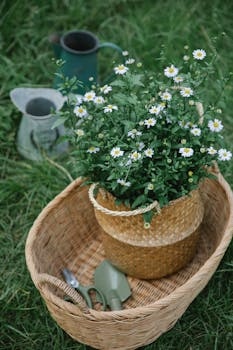
Baltic Sea island with unique culinary identity - smoked herring (røget sild) from traditional smokehouses, sun-ripened cherries, artisanal dairy. Rocky coastline provides fresh fish. Sol over Gudhjem iconic dish. Island isolation preserved traditional methods. Culinary tourism destination.
Cultural Significance:
Bornholm's island geography created distinct culinary traditions. Traditional smokehouses (røgeri) maintain centuries-old herring smoking techniques. Cherry orchards thrive in microclimate. Strong local food identity with protected designations. Culinary craftsmanship preserved through generations.
Signature Dishes:
- Sol over Gudhjem (smoked herring)
- Bornholm smoked fish
- Cherry products
- Island artisan cheese
Key Ingredients:
Jutland (Jylland)
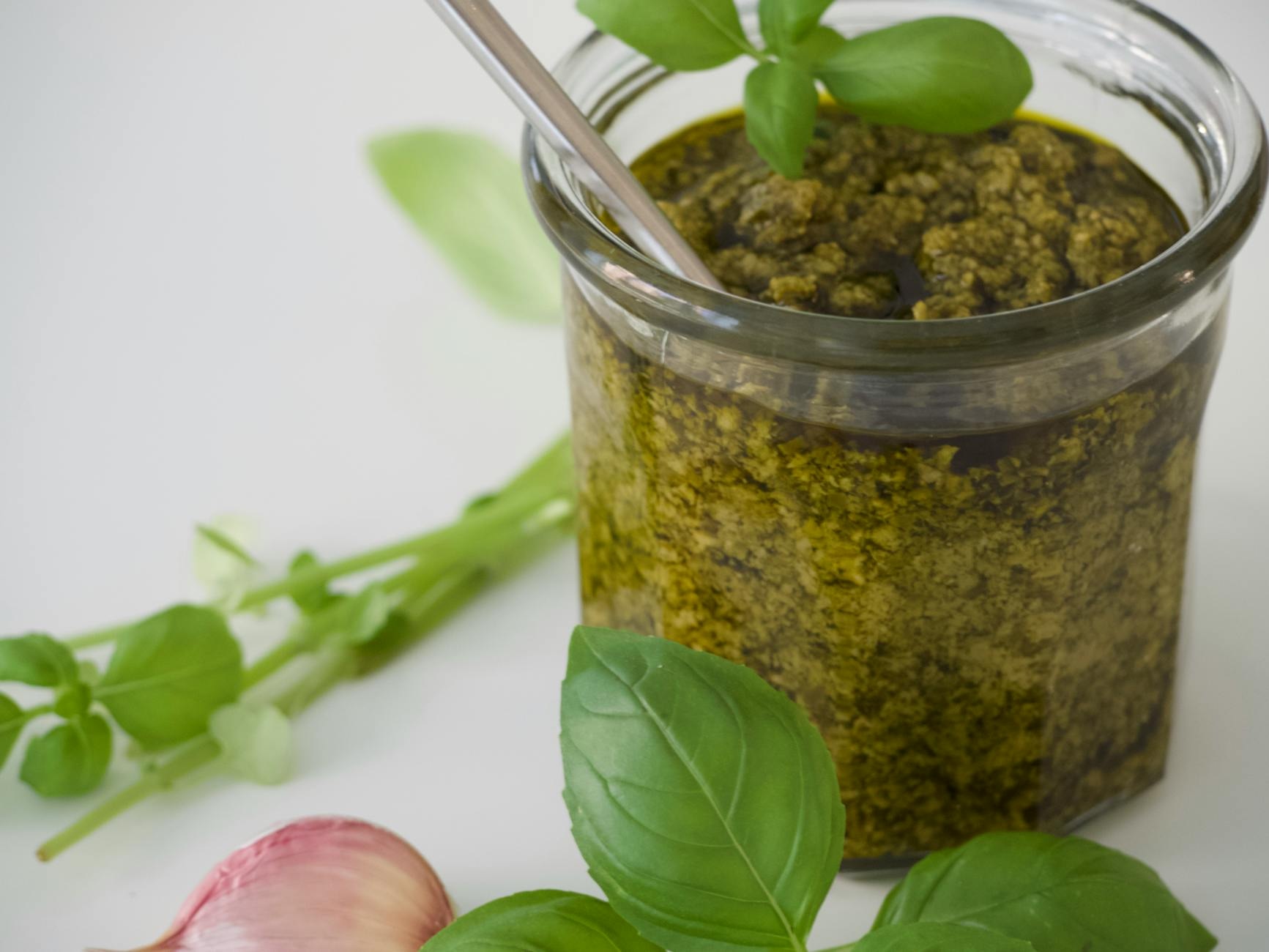
Denmark's mainland peninsula - hearty traditional cuisine emphasizing pork, potatoes, root vegetables. Stegt flæsk originated here. Agricultural heartland with pig farming tradition. West coast North Sea fishing, east coast Limfjord oysters & mussels. Simple, robust flavors.
Cultural Significance:
Jutland cuisine reflects agricultural heritage and farming culture. Pork dominance stems from extensive pig farming. Simple preparation methods showcase ingredient quality. Coastal areas blend farming & fishing traditions. Comfort food philosophy - hearty meals for working people.
Signature Dishes:
- Stegt flæsk med persillesovs
- Hvid labskovs (white stew)
- Boller i karry
- Frikadeller
Key Ingredients:
Funen (Fyn)
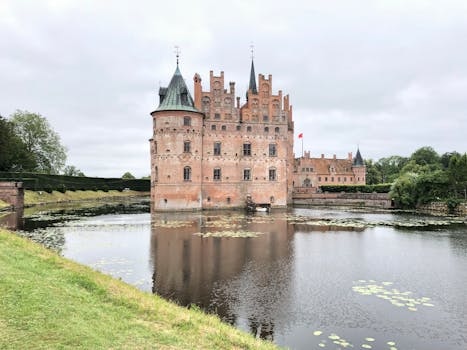
Garden of Denmark - fertile island producing fruits, vegetables, berries. Brunsviger cake originated here. Mild maritime climate supports apple & berry cultivation. Coastal fishing villages. Agricultural abundance creates produce-focused cuisine. Hans Christian Andersen's birthplace (Odense).
Cultural Significance:
Funen's nickname reflects agricultural richness. Fruit & berry cultivation central to island economy & cuisine. Brunsviger cake symbol of Funen baking tradition. Close connection to land & seasonal cycles. Farm-to-table philosophy predates modern trend.
Signature Dishes:
- Fynsk brunsviger (brown sugar cake)
- Fynsk rygeost (smoked cheese)
- Apple dishes
- Berry preserves
Key Ingredients:
Copenhagen & Zealand
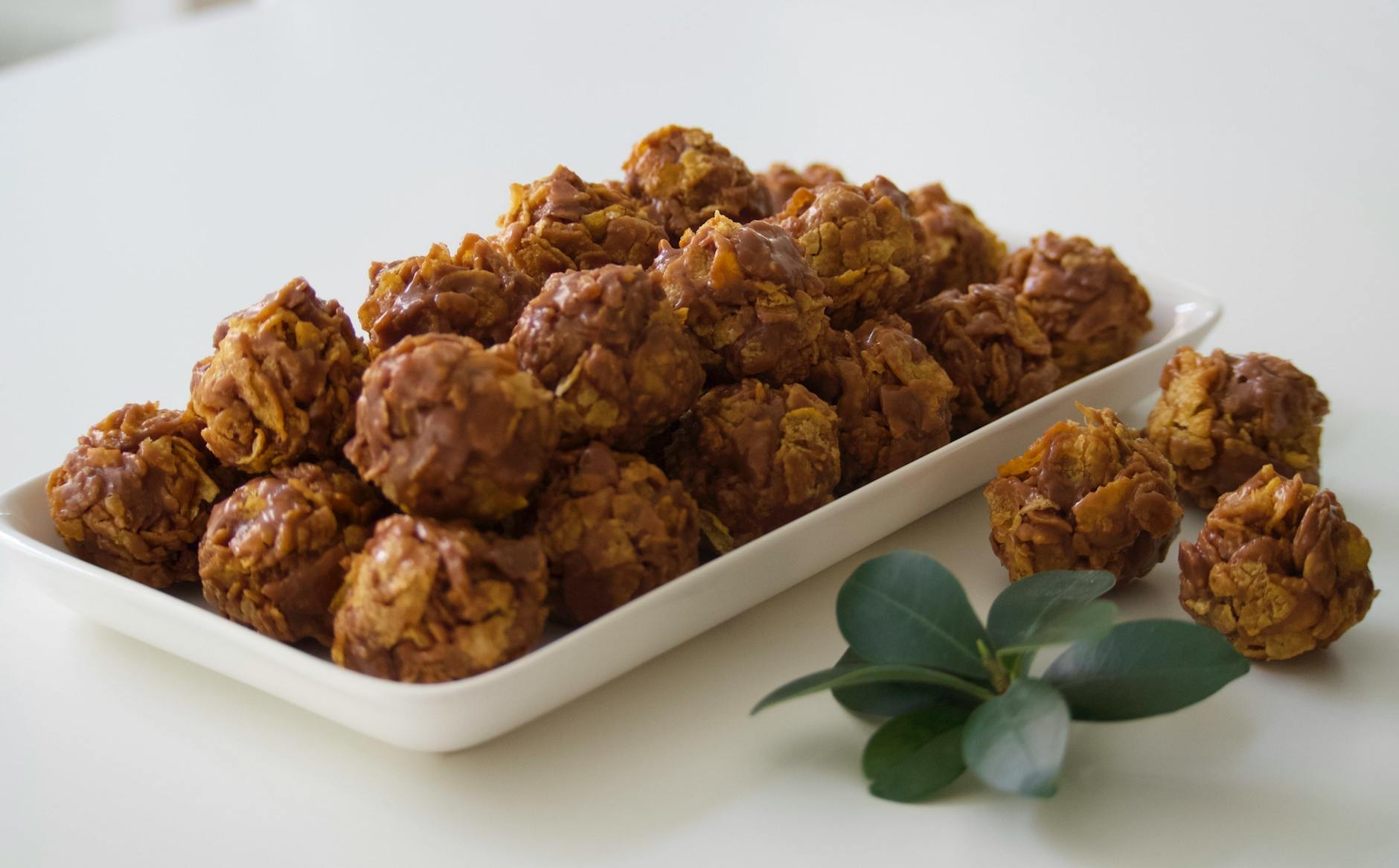
Denmark's culinary capital - New Nordic Cuisine birthplace (Noma legacy), Michelin-starred restaurants concentration, innovative dining. Traditional smørrebrød lunch spots coexist with avant-garde restaurants. Øresund seafood (plaice, herring). Multicultural food scene. Zealand farmland supplies capital.
Cultural Significance:
Copenhagen epicenter of Danish culinary innovation. Noma (2003-2024) revolutionized Nordic cuisine globally with foraging, fermentation, seasonality. Michelin Guide Copenhagen showcases world-class dining. Historic smørrebrød restaurants preserve traditions alongside innovation. Culinary education hub with renowned cooking schools. Food scene reflects Denmark's past & future.
Signature Dishes:
- Modern Nordic cuisine
- Smørrebrød (Copenhagen style)
- Wienerbrød pastries
- Øresund fish
Key Ingredients:
North Jutland
Denmark's northernmost region - where North Sea & Baltic Sea meet. Skagen fishing port supplies fresh seafood. Aalborg herring tradition, akvavit distilleries. Coastal cuisine emphasizes fish, shellfish. Windswept landscape shapes hardy food culture. Limfjord separates mainland from northern tip.
Cultural Significance:
Skagen artists' colony (late 1800s) celebrated local fishing culture. Aalborg Akvavit produced since 1846 - Danish spirit tradition. Limfjord oyster & mussel cultivation economically significant. Harsh North Sea environment shaped resilient food preservation techniques. Fishing communities maintain traditional methods alongside modern sustainability practices.
Signature Dishes:
- Aalborg akvavit
- Fresh North Sea fish
- Pickled herring varieties
- Seafood stews
Key Ingredients:
Sweet Delights & Desserts
Indulge in Denmark's traditional sweet treats and desserts.

Æblekage
Layered apple cake - stewed apples layered with toasted breadcrumbs (or almond macaroon crumbs), topped with whipped cream. Autumn specialty using Danish apples. Simple rustic dessert. Served in glass to show layers. Traditional home dessert, less common in restaurants.

Kransekage
Ring cake - concentric marzipan rings stacked into tower, decorated with white icing & Danish flags. Almond-based. New Year's Eve, weddings, birthdays. Ceremonial cake - rings pulled off tower. Shared Nordic tradition. Sweet almond flavor, firm texture.
Rødgrød med fløde
Red berry pudding with cream - red currants, raspberries, strawberries cooked & thickened with potato starch, served with cold cream poured on top. Summer dessert. Famous Danish tongue-twister. Light, refreshing. Showcases Danish berry harvest.

Risalamande
Danish rice pudding - cold rice pudding with whipped cream, vanilla, chopped almonds, served with warm cherry sauce. Christmas Eve dessert. Whole almond hidden inside - finder gets prize (mandelgave). Essential Christmas tradition. Rich, creamy texture.

Lagkage
Danish layer cake - light sponge cake layers with whipped cream & fruit (strawberries, raspberries) or jam between layers, covered in whipped cream, marzipan, or chocolate. Birthday & celebration cake. Bakery specialty. Fresh fruit version summer favorite.

Brunsviger
Funen brown sugar cake - soft yeast cake topped with brown sugar & butter mixture creating caramelized topping. Funen island specialty. Served warm with coffee. Simple ingredients, addictive flavor. Traditional afternoon coffee cake. Sticky, sweet, buttery.

Drømmekage
Dream cake - vanilla sponge cake with coconut topping (shredded coconut, butter, sugar, cream baked into caramel-coconut crust). Name means dream cake. 1960s classic. Retro Danish baking. Simple home cake. Coconut lovers' favorite.

Hindbærsnitte
Raspberry slice - puff pastry rectangle filled with marzipan & raspberry jam, topped with white icing & raspberry pieces. Bakery classic. Wienerbrød variation. Sweet marzipan-raspberry combination. Traditional Danish bakery item. Flaky, fruity, almond-scented.
Traditional Beverages
Discover Denmark's traditional drinks, from locally produced spirits to regional wines.

Akvavit (Aquavit)
A traditional Scandinavian spirit flavored with herbs and spices, such as caraway or dill. It's typically served chilled as a snaps and is often consumed during festive occasions.

Carlsberg Beer
One of Denmark's most famous exports, Carlsberg is a pilsner-style lager known for its crisp and refreshing taste. It's widely consumed throughout the country.

Cherry Wine (Kirsebærvin)
A sweet and fruity wine made from Danish cherries. It's often served as a dessert wine or enjoyed on its own.
Soft Beverages
Discover Denmark's traditional non-alcoholic drinks, from local teas to refreshing juices.

Hyldeblomstsaft (Elderflower Cordial)
A refreshing and fragrant cordial made from elderflowers. It's often mixed with sparkling water or enjoyed on its own.

Coffee
Coffee is a popular beverage in Denmark, often enjoyed throughout the day. Danes typically drink filter coffee, and it's a common part of social gatherings.

Tea
While coffee is more prevalent, tea is also readily available in Denmark. Black tea is the most common type, often served with milk and sugar.