
Qatar Food Guide
Content Information
Recently updated🔥Current Food Trends 2025
What's happening in Qatar's culinary scene right now
Qatar's culinary landscape in 2025 celebrates Gulf heritage cuisine with luxury dining innovations following FIFA World Cup 2022 legacy. Doha established as Middle East dining destination with Michelin Guide Doha 2025 featuring MICHELIN-selected restaurants: Bayt Sharq (classic machboos in 100-year-old Al Khulaifi Heritage House), Desert Rose Café (Chef Noof Al Marri's modern Qatari), Saasna (coastal seafood focus), SMAT (creative Qatari gastronomy), and Jiwan (Bib Gourmand). Qatar International Food Festival showcases traditional Qatari machboos, harees, regag with 100+ local vendors and 27 international restaurants. Traditional cuisine revival as younger generation reclaims heritage foods through cooking classes teaching machboos and saloona preparation. Date harvest brings fresh khlass and khalas varieties to Souq Waqif markets (Qatar produces 30,000+ tonnes annually, 88% self-sufficient). Pleasant weather season (20-28°C) ideal for outdoor dining at Souq Waqif, desert camping with traditional meals. Gulf fishing season brings fresh hamour (grouper) and zubaidi (pomfret). Luxury hotel dining at The St. Regis Doha, Mondrian Doha features modern Gulf cuisine.
Food Safety Tips
Essential food safety information to help you enjoy Qatar's cuisine safely and confidently.
Be cautious with street food hygiene
While street food in Qatar is generally safe, choose vendors with good hygiene practices and high customer turnover. Look for places where food is cooked fresh to order and avoid pre-cooked items that have been sitting out.
Drink bottled or filtered water
Tap water in Qatar is generally safe for brushing teeth but many visitors prefer bottled water for drinking. Hotels and restaurants typically serve filtered water, but when in doubt, opt for sealed bottled water.
Be aware of food in extreme heat
Qatar's extreme summer temperatures can cause food to spoil quickly. Be cautious with foods containing dairy, mayonnaise, or eggs that have been left unrefrigerated, especially during the hot summer months when temperatures regularly exceed 40°C.
Take precautions during Ramadan
If visiting during Ramadan, be aware that some restaurants may prepare food in advance for iftar (breaking of the fast). Choose freshly prepared dishes when possible and be cautious with buffet items that may have been sitting out.
Dietary Options
vegetarian
MEDIUM AVAILABILITYVegetarian options in Qatar are increasingly available, particularly in larger cities and tourist areas. Many restaurants offer vegetarian versions of popular dishes, substituting meat with lentils, chickpeas, or vegetables.
vegan
LOW AVAILABILITYVeganism, while less common than vegetarianism, is gaining traction in Qatar. Finding fully vegan options can be more challenging, but salads, hummus, and various vegetable-based dishes can be adapted to be vegan.
gluten-free
MEDIUM AVAILABILITYAwareness of gluten-free diets is growing in Qatar, though options are still somewhat limited. Traditional Qatari cuisine relies heavily on wheat, making it challenging to find gluten-free versions of some staple dishes.
halal
HIGH AVAILABILITYAs an Islamic country, virtually all food in Qatar is halal, prepared according to Islamic dietary guidelines. This means that pork is prohibited, and all meat comes from animals slaughtered in accordance with Islamic rites.
kosher
LOW AVAILABILITYKosher food is not widely available in Qatar. There are no dedicated kosher restaurants or stores. Travelers requiring kosher food should plan to bring their own supplies or contact their embassy or local Jewish community for assistance.
Common Allergens
Nuts
HIGH PREVALENCENuts, particularly peanuts, are common ingredients in Qatari cuisine, often used in desserts and pastries. It's crucial for individuals with nut allergies to be vigilant and inquire about ingredients before consuming any food.
COMMONLY FOUND IN:
Dairy
HIGH PREVALENCEDairy products, such as milk, yogurt, and cheese, are widely used in Qatari cooking. Lactose intolerance is relatively common, and alternatives like lactose-free milk are becoming more readily available in supermarkets.
COMMONLY FOUND IN:
Seafood
HIGH PREVALENCESeafood is a staple in Qatari cuisine, given its coastal location. Shellfish allergies are relatively common, and it's essential to be cautious when consuming dishes containing shrimp, crab, or other shellfish.
COMMONLY FOUND IN:
Wheat
HIGH PREVALENCEWheat is a primary ingredient in many Qatari dishes, including bread and pastries. Gluten intolerance is a concern for some travelers, and it's important to communicate this dietary restriction clearly.
COMMONLY FOUND IN:
Soy
MEDIUM PREVALENCESoy is not as prevalent in traditional Qatari cuisine as some other allergens. However, it's increasingly used in processed foods and some international dishes.
COMMONLY FOUND IN:
Essential Food Experiences
These iconic dishes represent the must-have culinary experiences that define Qatar's food culture for travelers.

Machboos
Qatar's national dish - flavorful rice-based dish cooked with spiced meat (lamb, chicken, or fish like hammour) and vegetables. Rice infused with aromatic spices like cardamom, cloves, cinnamon, dried lime (loomi). Often garnished with fried onions and nuts. Found at Bayt Sharq, Desert Rose Café, Saasna.

Harees
Traditional dish with origins across Arab world, particularly Khaleej. Simple dish of cracked wheat and meat (chicken) mashed into porridge-like consistency. Eaten during Ramadan and special occasions. Valued for softness and simplicity. Bayt Sharq offers classic harees, SMAT prepares with slow-cooked veal.

Thareed
Hearty stew with thin pieces of bread (regag) soaked in rich vegetable and meat broth. Broth flavored with cumin, coriander, turmeric. Bread absorbs broth, creating comforting dish. Topped with cooked vegetables and meat. Traditional for Ramadan and special occasions. Tops iftar tables during holy month.

Balaleet
Unique sweet and savory dish with vermicelli noodles cooked with sugar, saffron, and cardamom, topped with thin omelet. Sweet-savory flavors create surprisingly harmonious combination. Often garnished with pistachios. Popular breakfast dish providing satisfying start to day.

Saloona
Hearty and flavorful stew staple in Qatari cuisine. Meat (lamb, chicken, or fish) cooked with vegetables like potatoes, tomatoes, onions in rich, spiced broth. Broth often thickened with okra or lentils. Typically served with rice. Comforting and nutritious meal.

Luqaimat
Small, crispy dumplings deep-fried to golden brown and drizzled with date syrup or honey. Soft and chewy inside with delightful sweetness. Popular treat during Ramadan and special occasions. Often enjoyed with Arabic tea or coffee. Signifies bringing good luck and blessings.

Madrouba
Rice porridge with chicken or fish, mashed to creamy consistency. Comfort food for illness but eaten year-round. Mild spicing, easy to digest. Gulf tradition for welcoming guests.

Gahwa (Arabic Coffee)
Arabic coffee with cardamom, served in small cups with dates. Essential Qatari hospitality ritual. Refusing gahwa considered rude. Lightly roasted, not bitter like Turkish coffee. Pleasant weather sees outdoor gahwa sessions. Traditional coffee pot called 'dallah'.

Kousa Mahshi
Stuffed zucchini popular in Middle Eastern cuisines including Qatari. Zucchini hollowed out and filled with rice, minced meat (lamb or beef), herbs, and spices. Cooked in tomato-based sauce until tender. Flavorful and satisfying dish, often served as part of larger meal.

Regag
Thin, crispy bread similar to crepe, traditionally cooked on saj (domed griddle). Served with cheese, eggs, or sweet toppings. Staple for breakfast or light meals. Base for thareed stew.

Karak Chai
Strong, sweet tea made with evaporated milk and blend of spices (cardamom, saffron, sometimes cinnamon or ginger). Qatari staple found at cafes and street vendors. Often enjoyed as social drink, shared with friends and family.

Dates
National fruit of Qatar, dates hold significant cultural importance. Widely cultivated with production exceeding 30,000 tonnes annually (88% self-sufficient). Kholas and khalas varieties prized. Commonly offered as symbol of hospitality with Arabic coffee. Medjool dates stuffed with nuts create nutrient-packed delight.
Regional Specialties & Local Favorites
Discover the authentic regional dishes and local favorites that showcase Qatar's diverse culinary traditions.

Shawarma
Middle Eastern street food classic - marinated meat (chicken, beef, lamb) slow-roasted on vertical rotisserie, shaved into pita with vegetables and tahini sauce. Popular throughout Doha.
Allergens:

Hummus
Creamy chickpea dip with tahini, lemon juice, garlic. Staple appetizer served with warm bread. Found everywhere from souq stalls to fine dining.
Allergens:

Falafel
Crispy fried chickpea fritters with herbs and spices. Popular street food and vegetarian option throughout Qatar. Served in pita or as appetizer.
Allergens:

Kabsa
Similar to machboos - spiced rice dish with meat, popular throughout Gulf region. Variations with different spice blends and cooking methods.

Laban
Traditional yogurt drink popular in Qatar and Middle East. Made with fermented milk, tangy and refreshing. Often consumed with meals, especially during hot months. Believed to aid digestion, good source of probiotics.
Allergens:
Regional Cuisine Highlights
Explore the diverse culinary landscapes across different regions of Qatar.
Doha (Urban Culinary Hub)
Doha, Qatar's capital city, boasts diverse culinary scene reflecting country's cosmopolitan nature. International cuisine widely available, but traditional Qatari dishes remain popular. Doha's restaurants offer range of dining experiences from casual eateries serving local favorites to upscale establishments showcasing modern interpretations. Souq Waqif features local women cooking authentic Arab dishes. MICHELIN Guide Doha 2025 elevated city's status.
Cultural Significance:
Doha's culinary landscape shaped by history as trading hub, attracting influences from various cultures. City's traditional cuisine reflects Bedouin heritage, while modern dining scene embraces international flavors. Post-World Cup 2022 culinary tourism boom established Doha as Middle East dining destination.
Signature Dishes:
- Machboos
- Thareed
- Balaleet
- Karak Chai
- Luqaimat
Key Ingredients:
Al Wakra (Coastal Seafood)
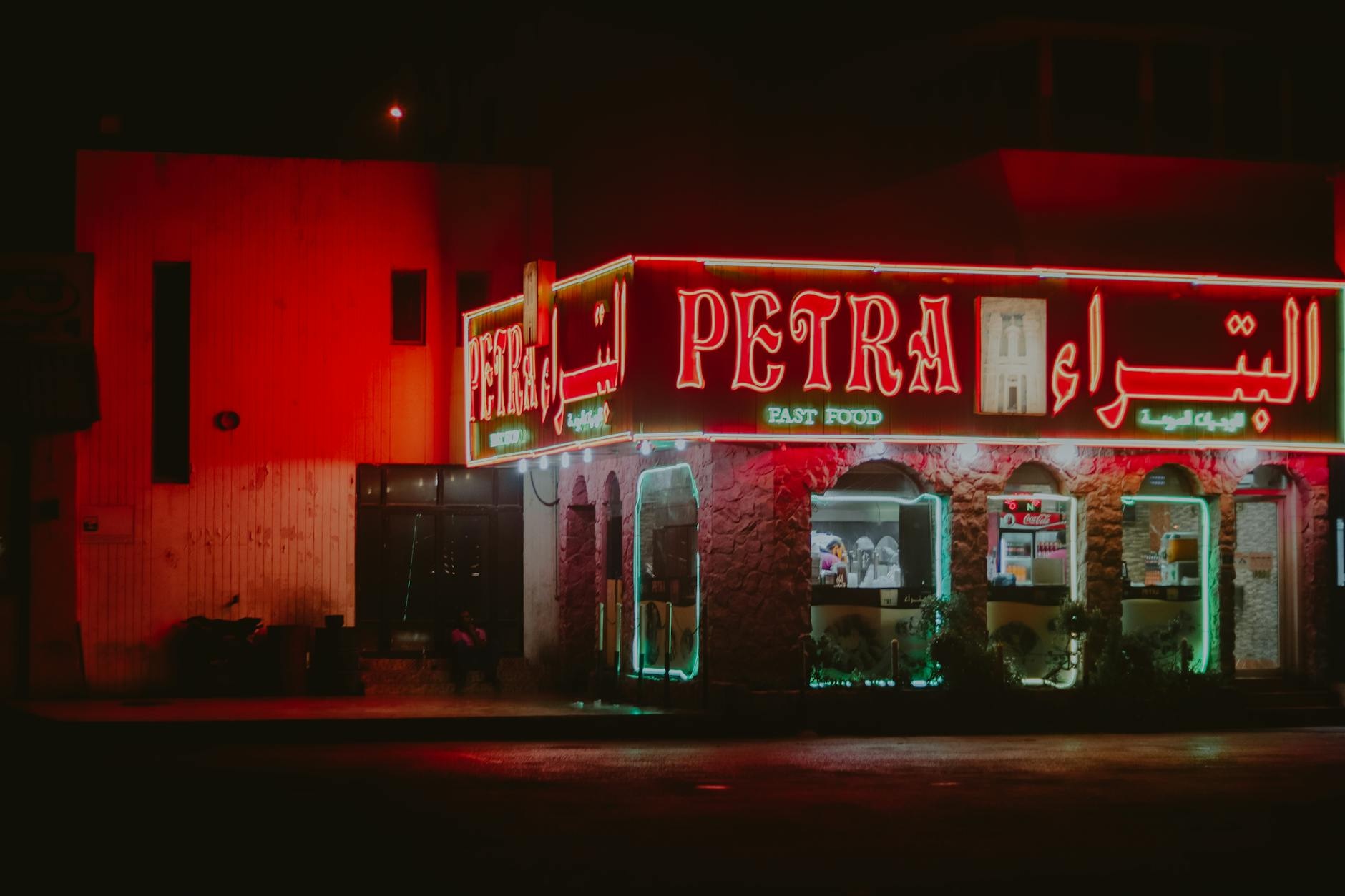
Al Wakra, coastal town south of Doha, known for seafood-focused cuisine. Fresh fish and shellfish feature prominently in local dishes, prepared with spices and herbs that highlight natural flavors of ingredients. Al Wakra's seafood markets offer glimpse into town's maritime heritage. Fishing season brings fresh hamour (grouper) and zubaidi (pomfret).
Cultural Significance:
Al Wakra's cuisine reflects history as fishing village, with dishes that celebrate bounty of Gulf waters and town's connection to sea. Sustainable fishing initiatives protect Gulf ecosystems while maintaining seafood traditions.
Signature Dishes:
- Seafood Machboos
- Grilled Fish
- Fish Saloona
- Hamour (grouper)
- Zubaidi (pomfret)
Key Ingredients:
Al Rayyan (Traditional Agriculture)
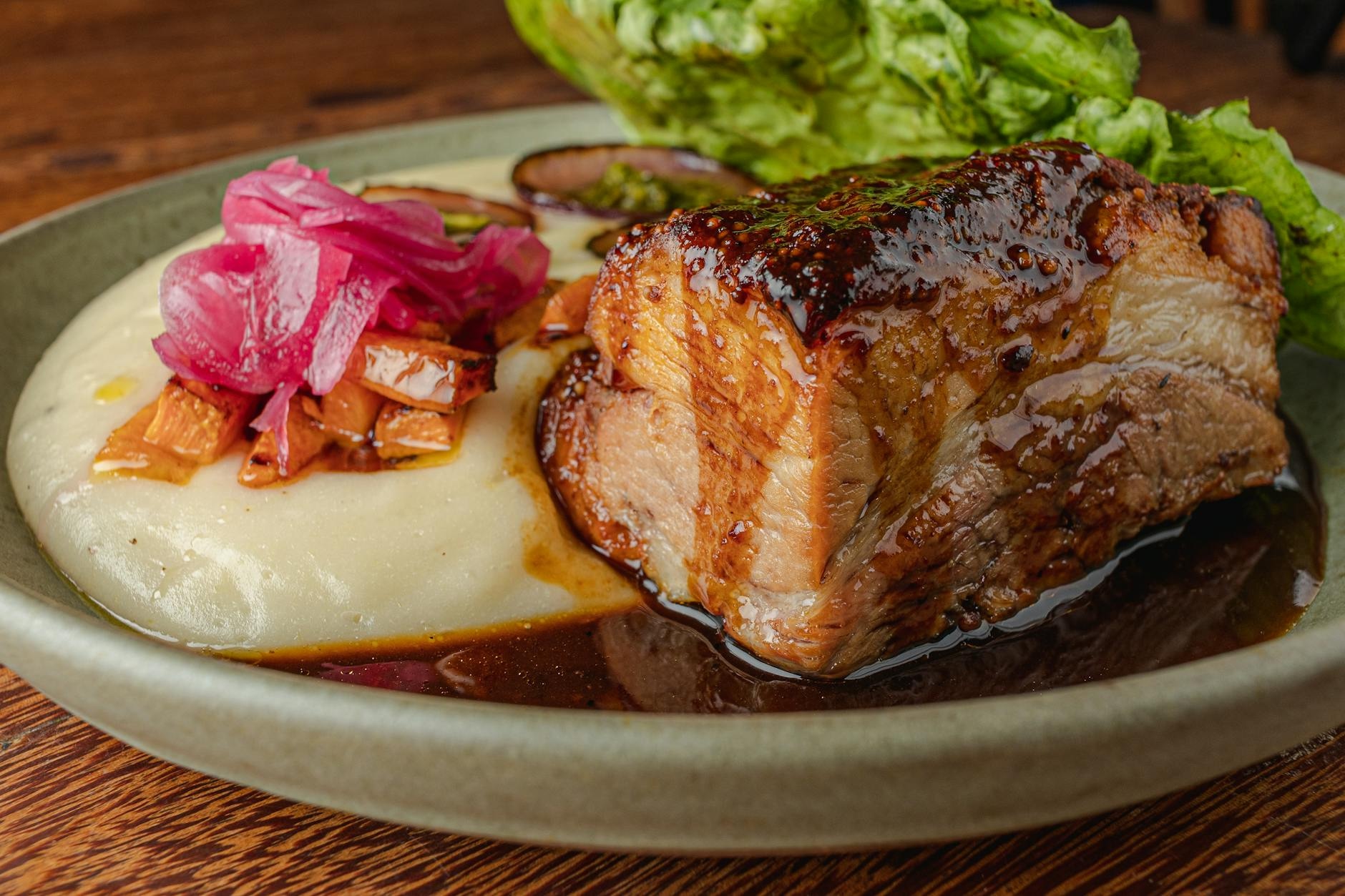
Al Rayyan, located on outskirts of Doha, offers more traditional culinary experience. Local restaurants and family-run establishments specialize in authentic Qatari dishes, often using locally sourced ingredients. Al Rayyan's cuisine reflects region's agricultural heritage, with emphasis on fresh produce and simple preparations. Traditional cooking methods preserved.
Cultural Significance:
Al Rayyan's cuisine preserves traditional Qatari culinary traditions, showcasing importance of fresh, local ingredients and time-honored cooking techniques. Agricultural heritage emphasized with farm-to-table approach.
Signature Dishes:
- Saloona
- Madrouba
- Kousa Mahshi
- Harees
- Traditional stews
Key Ingredients:
Sweet Delights & Desserts
Indulge in Qatar's traditional sweet treats and desserts.

Umm Ali
Warm bread pudding dessert similar to pastry, soaked in sweet milk and mixed with nuts, raisins, and coconut. Often topped with cream and baked until golden brown. Rich and satisfying dessert, often served warm with sprinkle of cinnamon.

Kunafa
Sweet pastry made with thin noodles or semolina dough, filled with cheese or cream, soaked in sugar syrup. Often topped with nuts, known for unique combination of crunchy and soft textures. Popular dessert throughout Arab world including Qatar.

Basbousa
Semolina cake soaked in sugar syrup, topped with almonds. Dense, sweet, moist. Gulf variation of Middle Eastern classic. Souq sweet shops serve fresh basbousa.

Mahalabiya
Milk pudding with rose water, cardamom, pistachios. Silky smooth, lightly sweet, aromatic. Served chilled. Pleasant evenings perfect for cool mahalabiya. Gulf comfort dessert.

Qatari Dates with Coffee
Fresh dates essential dessert - khlass, khalas, barhi varieties. Late harvest dates in markets. Served with gahwa (Arabic coffee), stuffed with nuts, or plain. Natural sweetness, no processing.

Khabeesa
Semolina-based sweet crafted with sugar and ghee, often infused with cardamom and saffron for fragrant, subtly sweet taste. Traditional Qatari dessert.

Batheet
Traditional Qatari dessert made from dates and flour. Ingredients combined into dough, shaped into small cakes or balls, then baked. Natural sweetness from dates.

Luqaimat (dessert)
Small, crispy dumplings deep-fried to golden brown and drizzled with date syrup or honey. Soft and chewy inside with delightful sweetness. Popular treat during Ramadan and special occasions.
Soft Beverages
Discover Qatar's traditional non-alcoholic drinks, from local teas to refreshing juices.

Karak Chai
Strong, sweet tea made with evaporated milk and blend of spices, typically including cardamom, saffron, and sometimes cinnamon or ginger. Qatari staple found at cafes and street vendors throughout country. Often enjoyed as social drink, shared with friends and family.

Arabic Coffee (Qahwa)
Lightly roasted coffee flavored with cardamom and sometimes saffron. Typically served from traditional coffee pot called 'dallah' into small cups without handles. Symbol of hospitality in Qatar, often offered to guests upon arrival.

Laban
Traditional yogurt drink popular in Qatar and throughout Middle East. Made with fermented milk, has tangy, refreshing taste. Often consumed with meals, especially during hot summer months. Believed to aid digestion and is good source of probiotics.