
Iceland Food Guide
Content Information
Recently updated🔥Current Food Trends 2025
What's happening in Iceland's culinary scene right now
Iceland's culinary landscape in 2025 embraces New Nordic Cuisine principles with uniquely Icelandic character - foraging, geothermal cooking, sustainability, seasonality. Reykjavík restaurant scene features innovative establishments: Grillmarkaðurinn (volcanic rock grilling), Matur og Drykkur (modern Icelandic), Sumac (Middle Eastern-Icelandic fusion). Dr. Bao features innovative items like steamed bao of ground lamb with cumin. 2025 marks Slippurinn's final year as Chef Gísli Matthías Auðunsson prepares for new projects. Winter season comfort foods dominate (kjötsúpa lamb soup, plokkfiskur fish stew, hangikjöt smoked lamb). Geothermal cooking traditions continue - rúgbrauð (rye bread) baked in hot springs at Laugarvatn Fontana. Sustainable fishing practices paramount - Arctic char farming, MSC-certified cod/haddock. Farm-to-table movement strong with restaurants partnering directly with farms. Craft beer scene expansion - Borg Brugghús, Einstök, Gæðingur breweries. Traditional Þorrablót mid-winter festival preparation features specialty foods. Iceland's unique culinary identity combines Viking-age preservation techniques (fermentation, smoking, drying) with modern innovation, minimal food waste philosophy, and 100% renewable energy for greenhouse cultivation (tomatoes, cucumbers, herbs year-round). Bæjarins Beztu Pylsur hot dog stand remains international landmark since 1937.
Food Safety Tips
Essential food safety information to help you enjoy Iceland's cuisine safely and confidently.
Iceland has world-class food safety standards
Iceland has among the highest food safety standards globally. All restaurants, cafes, and food establishments are regularly inspected by Icelandic Food & Veterinary Authority (MAST). Street food (pylsur hot dog stands) maintains excellent hygiene. Food poisoning is extremely rare.
Tap water is exceptionally pure throughout Iceland
Iceland's tap water comes directly from glaciers & natural springs - among the purest in the world. Safe to drink everywhere without treatment. No need for bottled water. Hot water may have sulfur smell from geothermal sources but is safe (run cold tap for drinking). Bring reusable bottle.
Allergen labeling follows EU regulations
Iceland follows EU allergen labeling requirements. All packaged foods must clearly label 14 major allergens. Restaurant menus increasingly list allergens. Staff generally speak English and can answer allergen questions. Seafood & dairy extremely prevalent - always communicate allergies clearly.
Dietary Options
vegetarian
MEDIUM AVAILABILITYVegetarian options are increasingly available in Iceland, particularly in Reykjavík and other tourist areas. Many restaurants offer vegetarian dishes, and most supermarkets stock vegetarian staples like tofu, lentils, and plant-based milk alternatives. However, traditional Icelandic cuisine is heavily meat and fish-based, so options may be limited in more rural areas. Look for dishes featuring Icelandic vegetables like potatoes, turnips, and rhubarb. Salads are also common. Be sure to inquire about hidden ingredients like fish stock or gelatin in seemingly vegetarian dishes.
vegan
LOW AVAILABILITYVeganism is less prevalent in Iceland than vegetarianism, and finding fully vegan options can be challenging, especially outside of Reykjavík. While some restaurants offer vegan dishes, they are often limited. Supermarkets are increasingly stocking vegan products, but the selection can be smaller than in other European countries. Traditional Icelandic cuisine relies heavily on animal products, making it difficult to adapt. When dining out, clearly communicate your dietary needs to the staff. Look for dishes based on vegetables, grains, and legumes, and inquire about ingredients like whey or dairy in bread.
gluten-free
MEDIUM AVAILABILITYGluten-free options increasingly available in Iceland with growing awareness of celiac disease & gluten sensitivity. Reykjavík restaurants often mark gluten-free menu items or accommodate requests - many offer gluten-free bread alternatives. Supermarkets (Bónus, Krónan, Hagkaup) stock dedicated gluten-free sections with pasta, bread, snacks, baking mixes. Main challenges: Traditional rúgbrauð (rye bread) contains gluten; roux-thickened sauces in plokkfiskur; kleinur & ástarpungar pastries; barley in kjötsúpa. Safe options: Fresh fish/seafood, lamb, skyr (check thickeners), potatoes, rice. Icelandic: 'Glútenlaus' means gluten-free. Communicate dietary needs clearly - English widely spoken. Icelandic Celiac Association (Samtök folks með glútenaofnæmi) provides restaurant lists.
halal
VERY LOW AVAILABILITYHalal food extremely limited in Iceland with tiny Muslim community (~1,500-2,000 Muslims, mostly immigrants/refugees). Reykjavík has handful of halal options: Ali Baba Restaurant (Middle Eastern), Mandi Restaurant (Yemeni), some kebab shops. No certified halal slaughterhouses in Iceland - most halal meat imported. Grocery stores (Asian/Middle Eastern markets) may stock imported halal products. Main challenges: Lamb dominant in Icelandic cuisine but rarely halal-certified; alcohol used in cooking; no halal certification infrastructure; gelatine in skyr varieties. Vegetarian/pescatarian options most practical for observant Muslims. Muslim Association of Iceland (Múslimska félagið á Íslandi) can provide guidance. Zabihah app/website lists limited options. Pre-trip preparation essential.
kosher
VERY LOW AVAILABILITYKosher food nearly non-existent in Iceland with very small Jewish community (~250 Jews). No kosher restaurants, butchers, or certified facilities. Chabad of Iceland (based in Reykjavík) may provide guidance for Jewish travelers but has limited resources. No kosher certification infrastructure - observant Jews must rely on vegetarian/pescatarian options or bring pre-packaged kosher food. Main challenges: No kosher supervision system; fish requires scales (cod & haddock kosher, but preparation not certified); dairy-meat separation difficult in restaurants; lamb not slaughtered per shechita. Supermarkets don't stock kosher-certified products beyond naturally kosher items. Best strategy: Self-catering with vegetables, fruits, fish with scales, packaged products with reliable kosher symbols. Iceland's isolation makes kosher observance very challenging.
Common Allergens
Fish/Seafood
HIGH PREVALENCEFish and seafood are staples of the Icelandic diet, so they are present in many dishes. Common allergens include cod, haddock, salmon, and various shellfish. Cross-contamination can be a concern in restaurants and food processing facilities. Always inform restaurant staff about your allergies and double-check ingredients. Be aware that even dishes that don't explicitly list fish might contain fish-derived ingredients like fish sauce or stock. Packaged foods should have allergen information clearly labeled, but it's always best to err on the side of caution.
Dairy
HIGH PREVALENCEDairy products, particularly skyr (a type of yogurt), are common in Icelandic cuisine. Lactose intolerance is relatively low in Iceland, so dairy is used extensively in both sweet and savory dishes. Be mindful of hidden dairy in sauces, breads, and desserts. Always check labels and inform restaurant staff of your allergy. Vegan alternatives are becoming more available, but are still not as widespread as in some other countries.
Essential Food Experiences
These iconic dishes represent the must-have culinary experiences that define Iceland's food culture for travelers.

Hákarl (Fermented Shark)
Hákarl is traditional Icelandic dish - fermented Greenland shark. Shark buried underground for 6-12 weeks to decompose poisonous uric acid (shark has no kidneys, toxic when fresh), then hung to dry 4-5 months. Resulting product has strong ammonia smell, fishy taste, chewy texture. Served in small cubes. Viking-age preservation method. Cultural rite of passage for visitors. Often paired with brennivín schnapps. Available at Þorrablót festivals, specialty stores (Kolaportið flea market), traditional restaurants. Acquired taste - most Icelanders only eat during Þorrablót season.

Kjötsúpa (Icelandic Lamb Soup)
Kjötsúpa is Iceland's comfort food - hearty lamb soup with root vegetables. Chunks of bone-in lamb, potatoes, carrots, turnips, rutabaga, onions, sometimes barley or rice. Seasoned with salt, herbs (thyme common). Simmered for hours until lamb tender. Rich, warming broth perfect for cold days. Staple in Icelandic homes - every family has own recipe. Found in restaurants throughout country. Served with rúgbrauð (rye bread) & butter. Reflects Iceland's agricultural heritage & reliance on lamb as primary meat. Cultural significance: family meal tradition.

Skyr
Skyr is Iceland's signature dairy product - thick, creamy, high-protein cultured dairy similar to yogurt but technically fresh cheese. Made for over 1,000 years (Viking-age recipe). Virtually fat-free, high protein (10-15g per serving). Tangy, mild flavor. Available plain or flavored (blueberry, strawberry, vanilla). Eaten for breakfast with berries, honey; used in smoothies, desserts, sauces. Available everywhere - supermarkets, cafes, restaurants. Major brands: KEA, MS, Ísey Skyr. Protected Geographical Indication status (must be made in Iceland). Integral to Icelandic diet & identity.

Plokkfiskur (Fish Stew)
Plokkfiskur is traditional Icelandic fish stew - comfort food staple. Boiled white fish (cod or haddock) flaked & mixed with boiled potatoes, onions, butter, béchamel sauce (flour, butter, milk). Creamy, rich texture. Seasoned with salt, pepper, sometimes herbs. Served with rúgbrauð (rye bread) & butter. Originally thrifty dish using leftover fish & potatoes. Home cooking classic - most Icelanders grew up eating. Found in traditional restaurants like Café Loki and Matur og Drykkur with modern twists. Simple preparation, satisfying flavor. Showcases Iceland's seafood heritage.

Pylsur (Icelandic Hot Dogs)
Pylsur are iconic Icelandic hot dogs - national fast food. Blend of lamb, pork, beef (lamb gives distinctive flavor). Served in steamed bun topped with 'eina með öllu' (one with everything): ketchup, sweet brown mustard (pylsusinnep), remoulade, raw onions, crispy fried onions. Bæjarins Beztu Pylsur stand in Reykjavík (operating since 1937) most famous - visited by Bill Clinton, Metallica. Inexpensive, delicious street food. Found at gas stations, stands throughout country. Unique flavor profile from lamb content. Cultural icon.

Rúgbrauð (Geothermal Rye Bread)
Rúgbrauð is traditional Icelandic dark rye bread - dense, sweet, moist. Made with rye flour, wheat flour, baking powder, golden syrup/molasses, buttermilk. Traditionally baked in geothermal hot springs (buried in pots near hot springs for 24 hours) or ovens at low temperature. Laugarvatn Fontana geothermal bakery demonstrates traditional method with daily tastings and demos. Dark brown color, cake-like texture, slightly sweet flavor. Served with butter, smoked salmon, hangikjöt, cheese. Breakfast staple. Available in supermarkets & bakeries. Unique preparation method defines Icelandic culinary identity.

Hangikjöt (Smoked Lamb)
Hangikjöt is traditional smoked lamb - hung & smoked over birch wood (historically sheep dung when wood scarce). Distinctive smoky flavor, tender texture. Traditionally Christmas dish served hot with boiled potatoes, béchamel sauce, pickled red cabbage, peas. Also served cold in thin slices on rúgbrauð. Preservation method from when refrigeration unavailable. Smoking process takes days. Available year-round in supermarkets but most consumed during Christmas season. Served at flatkökur (flatbread) with hangikjöt popular lunch. Reflects Iceland's preservation traditions.

Harðfiskur (Dried Fish)
Harðfiskur is wind-dried fish - traditional Icelandic protein snack. Usually cod or haddock, cleaned, air-dried for weeks until hard, chewy. Rich, concentrated fishy flavor. High protein, low fat. Traditionally eaten with butter - Icelanders spread butter on fish pieces. Portable, long-lasting food from Viking times. Available in supermarkets in packages. Popular hiking/road trip snack. Unique texture requires tearing apart pieces. Health food trend made it popular with fitness enthusiasts. Exemplifies Iceland's preservation heritage.

Kleinur (Icelandic Doughnuts)
Kleinur are traditional Icelandic twisted doughnuts - fried pastry snack. Dough made with flour, sugar, butter, eggs, cardamom, baking powder, milk. Rolled, cut into diamond shapes, slit in middle, one end pulled through to create twist. Deep-fried until golden. Light, airy texture, subtle cardamom flavor. Dusted with powdered sugar or plain. Coffee accompaniment. Found in bakeries, cafes, supermarkets. Home baking tradition - families make batches. Christmas season specialty but available year-round. Similar to Scandinavian pastries reflecting Nordic heritage.

Arctic Char
Arctic char is Iceland's prized freshwater/anadromous fish - salmonid related to salmon & trout. Wild-caught in glacial rivers/lakes or farmed sustainably in clean Icelandic waters. Delicate, mild flavor, pink-orange flesh. Prepared grilled, baked, smoked, pan-seared. High in omega-3s. Featured in fine dining restaurants (modern preparations) & traditional settings (smoked). Myvatn region known for wild Arctic char. Sustainable alternative to salmon. Reflects Iceland's pristine waters & fishing culture. Often served with butter sauce, herbs, vegetables.

Langoustine (Humar)
Icelandic langoustine (Norway lobster) is a premium seafood delicacy from cold North Atlantic waters. Sweet, delicate flavor, tender texture. Served grilled with garlic butter, in seafood soups, or as sushi. Caught year-round but peak season April-September. Featured in fine dining restaurants and coastal eateries. Often simply prepared to highlight natural sweetness. Expensive but worth trying for seafood lovers. Reflects Iceland's world-class seafood standards.
Regional Specialties & Local Favorites
Discover the authentic regional dishes and local favorites that showcase Iceland's diverse culinary traditions.
Pylsur (Icelandic Hot Dogs)
Pylsur are Icelandic hot dogs, a popular street food available from stands and kiosks throughout the country. They are typically made with a blend of lamb, pork, and beef and are served in a warm bun with various toppings, including ketchup, mustard, remoulade, fried onions, and raw onions. Considered a national dish, they are a quick and tasty meal or snack.
Harðfiskur (Dried Fish)
Harðfiskur is dried fish, typically cod or haddock, that is air-dried and eaten as a snack. It has a chewy texture and a strong, salty flavor. Harðfiskur is a traditional Icelandic food and can be found in supermarkets and some specialty stores. It's often eaten with butter and is a good source of protein.

Rúgbrauð (Dark Rye Bread)
Rúgbrauð is a dark rye bread traditionally baked in geothermal hot springs or ovens. It has a dense, moist texture and a slightly sweet flavor. Rúgbrauð is a staple in Icelandic cuisine and is often served with butter, smoked salmon, or other toppings. It can be found in most supermarkets and bakeries.

Kleinur (Twisted Doughnuts)
Kleinur are Icelandic twisted doughnuts, deep-fried and often flavored with cardamom. They are light and crispy, and are a popular treat enjoyed with coffee. Kleinur can be found in bakeries and cafes throughout Iceland.
Hangikjöt (Smoked Lamb)
Hangikjöt is smoked lamb, traditionally smoked over birch or sheep dung. It has a distinctive smoky flavor and is often served thinly sliced with potatoes and béchamel sauce, especially during Christmas time. It can be found in supermarkets and is a popular dish for special occasions.

Lamb Soup (Kjötsúpa)
Traditional Icelandic lamb soup with root vegetables, potatoes, and herbs. A comforting dish found in restaurants and homes throughout Iceland. Perfect for warming up on cold days.

Plokkfiskur
Fish stew made with cod or haddock, potatoes, and béchamel sauce. A beloved comfort food served in traditional restaurants like Café Loki and Messinn.

Icelandic Lamb
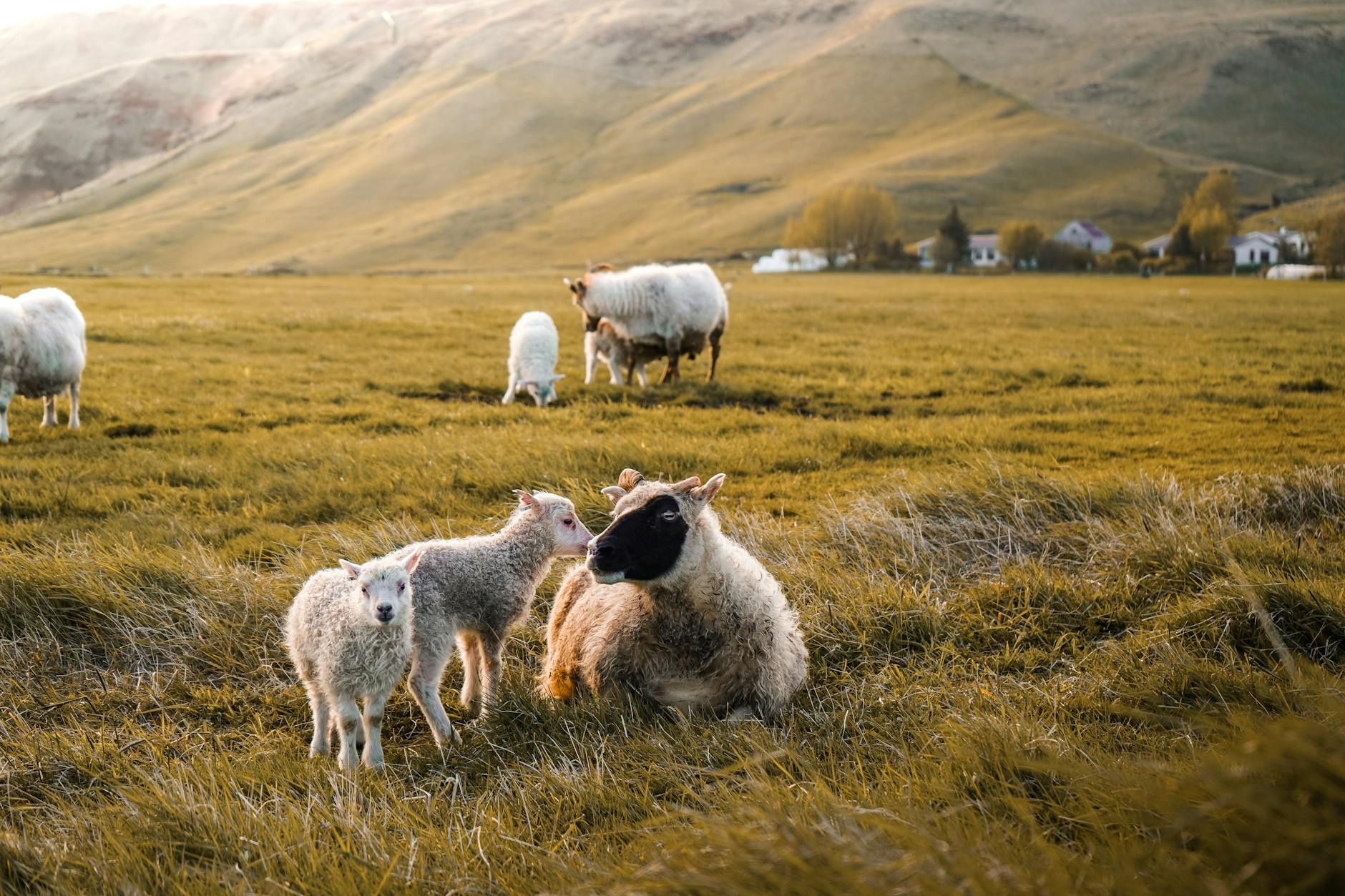
Grass-fed, free-range Icelandic lamb is considered among the best in the world. Purebred sheep roam freely, producing tender, flavorful meat served in various preparations.
Regional Cuisine Highlights
Explore the diverse culinary landscapes across different regions of Iceland.
Westfjords
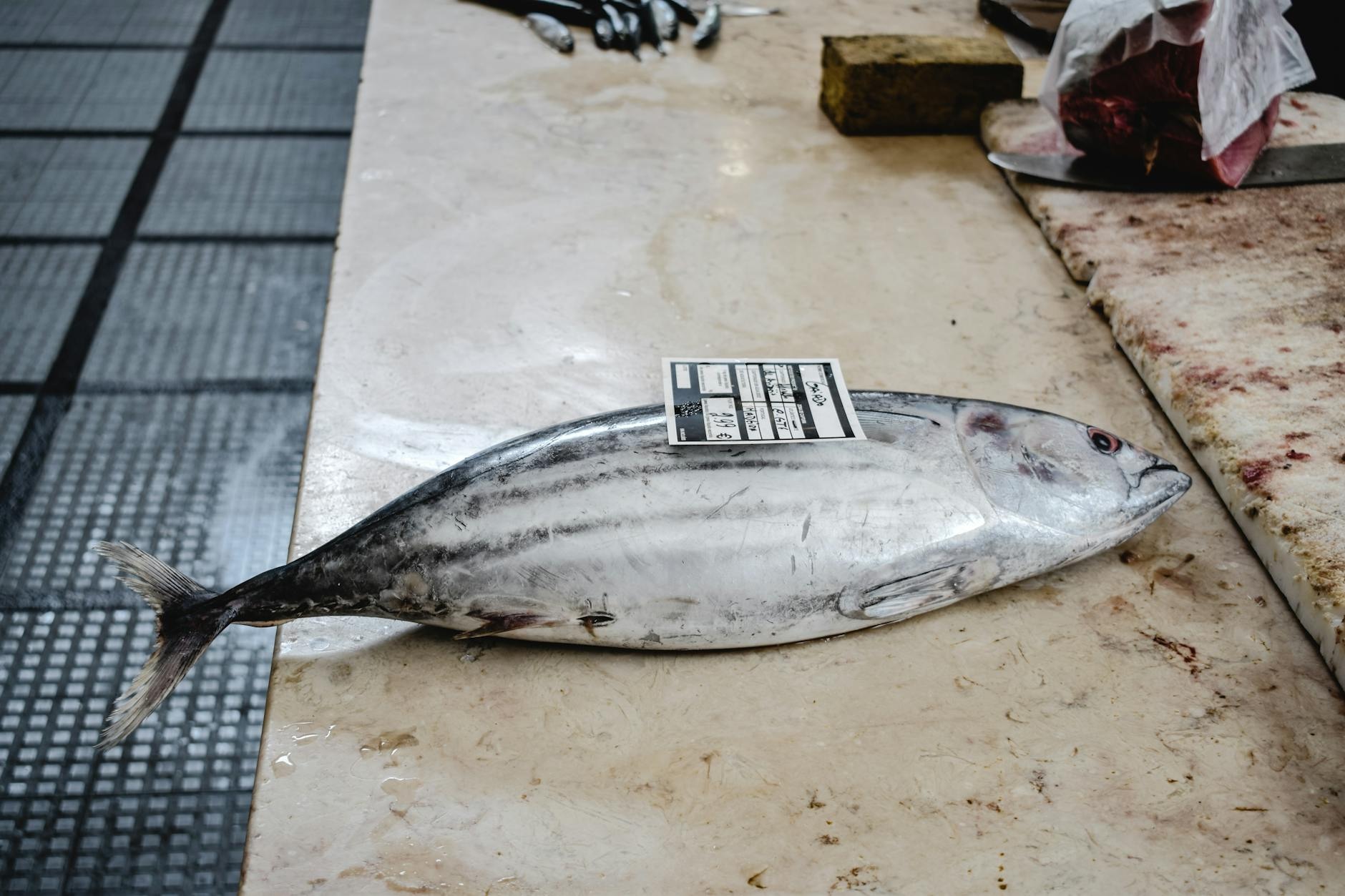
Westfjords region - Iceland's most remote & rugged peninsula - culinary traditions centered on seafood & preservation. Isolated fishing villages depend on Atlantic harvest: cod, haddock, halibut, monkfish. Traditional preservation methods essential historically (no roads until mid-20th century) - harðfiskur (dried fish), salted fish, fermented fish. Sheep farming on dramatic fjord slopes produces distinctive lamb. Wild foraging for angelica, seaweed, berries. Small-scale artisanal production continues traditional methods.
Cultural Significance:
Westfjords cuisine epitomizes Icelandic self-sufficiency & resourcefulness. Isolation preserved ancient preservation techniques - cultural heritage showcased at museums. Food deeply tied to harsh maritime environment - every ingredient reflects survival. Community fishing traditions remain strong. Slow food movement embraces Westfjords methods. Tourism brings renewed appreciation for traditional foods previously considered old-fashioned.
Signature Dishes:
- Harðfiskur (dried fish)
- Fresh cod & haddock
- Lamb from fjord farms
- Seaweed dishes
- Fish soup
Key Ingredients:
North Iceland
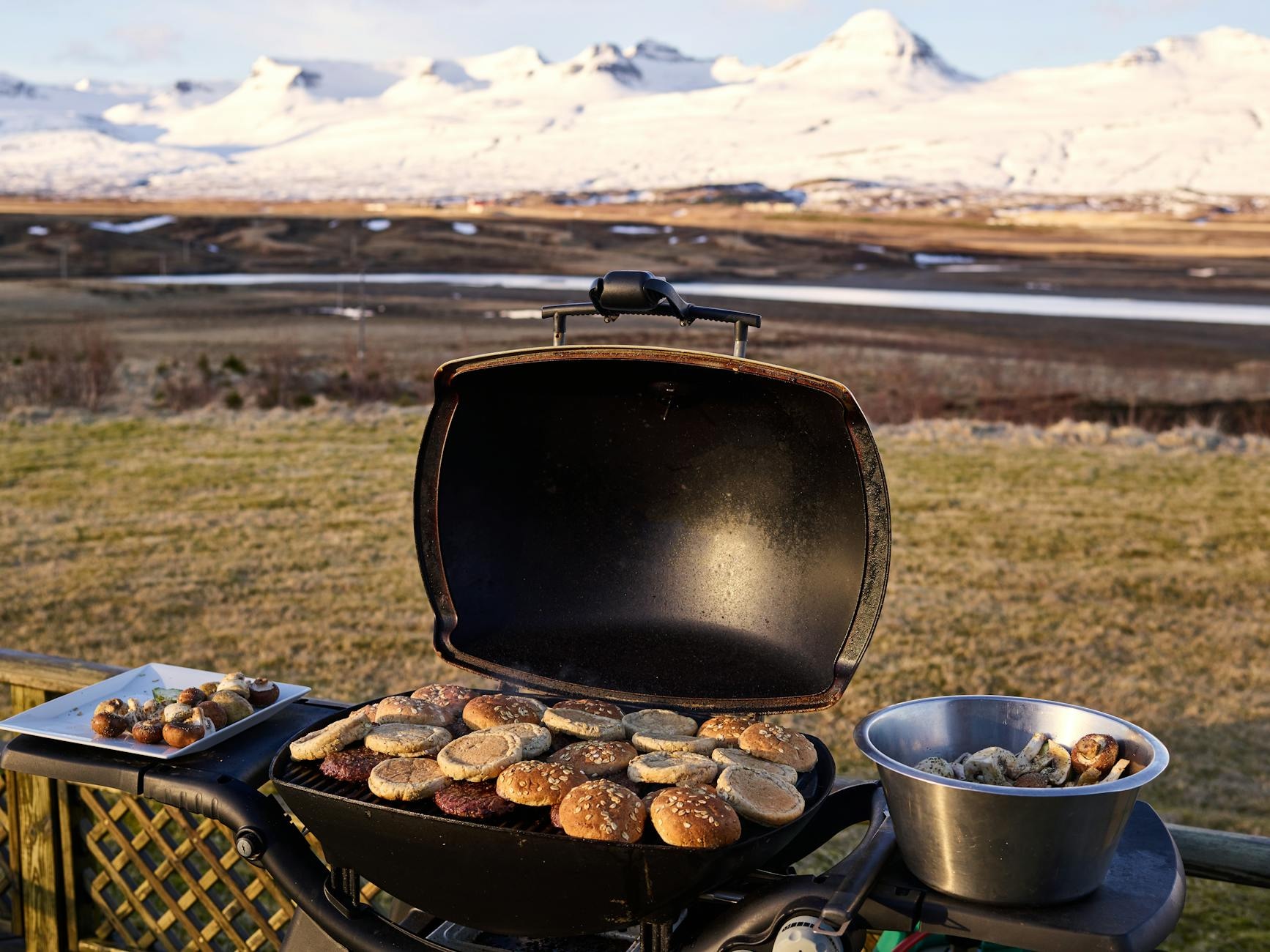
North Iceland - agricultural heartland & gateway to Arctic - cuisine blends farming traditions with wild game. Akureyri (capital of North) serves as culinary hub. Lamb & dairy products dominate - expansive sheep farms produce high-quality meat, milk for skyr & cheese. Unique feature: reindeer hunting (only place in Iceland with wild reindeer herds, introduced from Norway 1700s). Eyjafjörður valley farms. Húsavík whaling history (now whale-watching). Mývatn area known for Arctic char, geothermal baking.
Cultural Significance:
North Iceland cuisine celebrates agricultural heritage & resourcefulness. Reindeer hunting traditional autumn activity - strict quotas maintain sustainability. Geothermal areas enable unique cooking (bread baked underground). Farm-to-table movement strong - many restaurants source directly from nearby farms. Food festivals celebrate local production. Christmas traditions especially strong - hangikjöt centerpiece.
Signature Dishes:
- Hangikjöt (smoked lamb)
- Skyr from local dairies
- Reindeer stew & steaks
- Rjúpa (ptarmigan)
- Geothermal rúgbrauð
Key Ingredients:
South Iceland
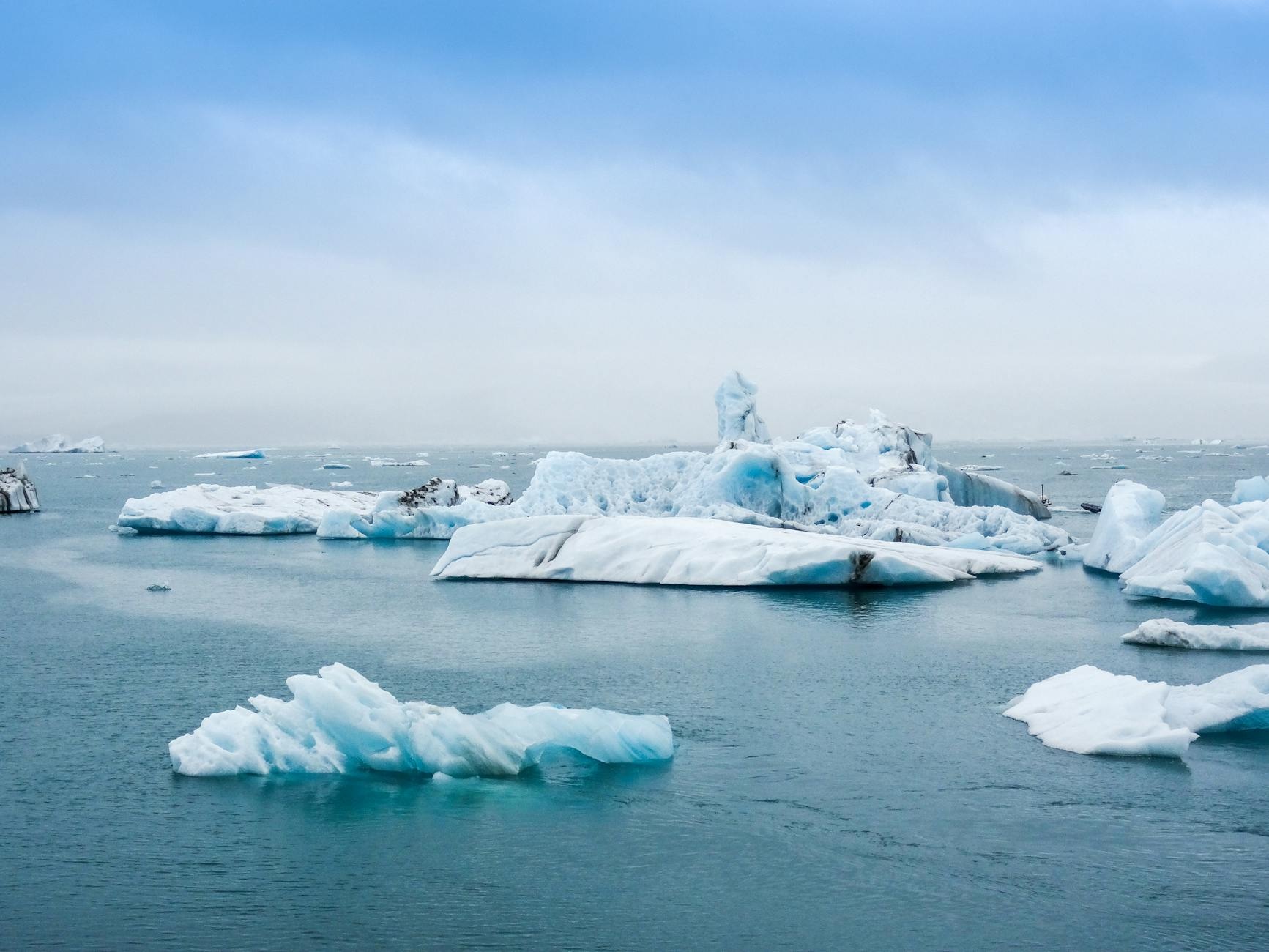
South Iceland - most fertile & populated rural region - agricultural powerhouse & coastal abundance. Vast farmlands produce vegetables, dairy, meat. Greenhouse cultivation using geothermal energy: tomatoes, cucumbers, peppers year-round (town of Hveragerði 'geothermal greenhouse capital'). Rich fishing grounds off Vestmannaeyjar (Westman Islands) - major fishing ports. Volcanic soil fertility. Iceland's breadbasket.
Cultural Significance:
South Iceland epitomizes modern Icelandic agriculture meeting innovation. Geothermal greenhouses revolutionized food self-sufficiency - fresh produce year-round despite Arctic climate. Farm tourism thriving - visitors experience dairy farming, vegetable harvest. Vestmannaeyjar puffin hunting tradition (controversial, declining). Food reflects abundance compared to historically scarce resources. Agricultural shows celebrate farming heritage.
Signature Dishes:
- Kjötsúpa (lamb soup)
- Skyr & cheeses
- Fresh fish (cod, haddock, plaice)
- Greenhouse vegetables
- Geothermal-baked bread
Key Ingredients:
East Iceland (Austurland)
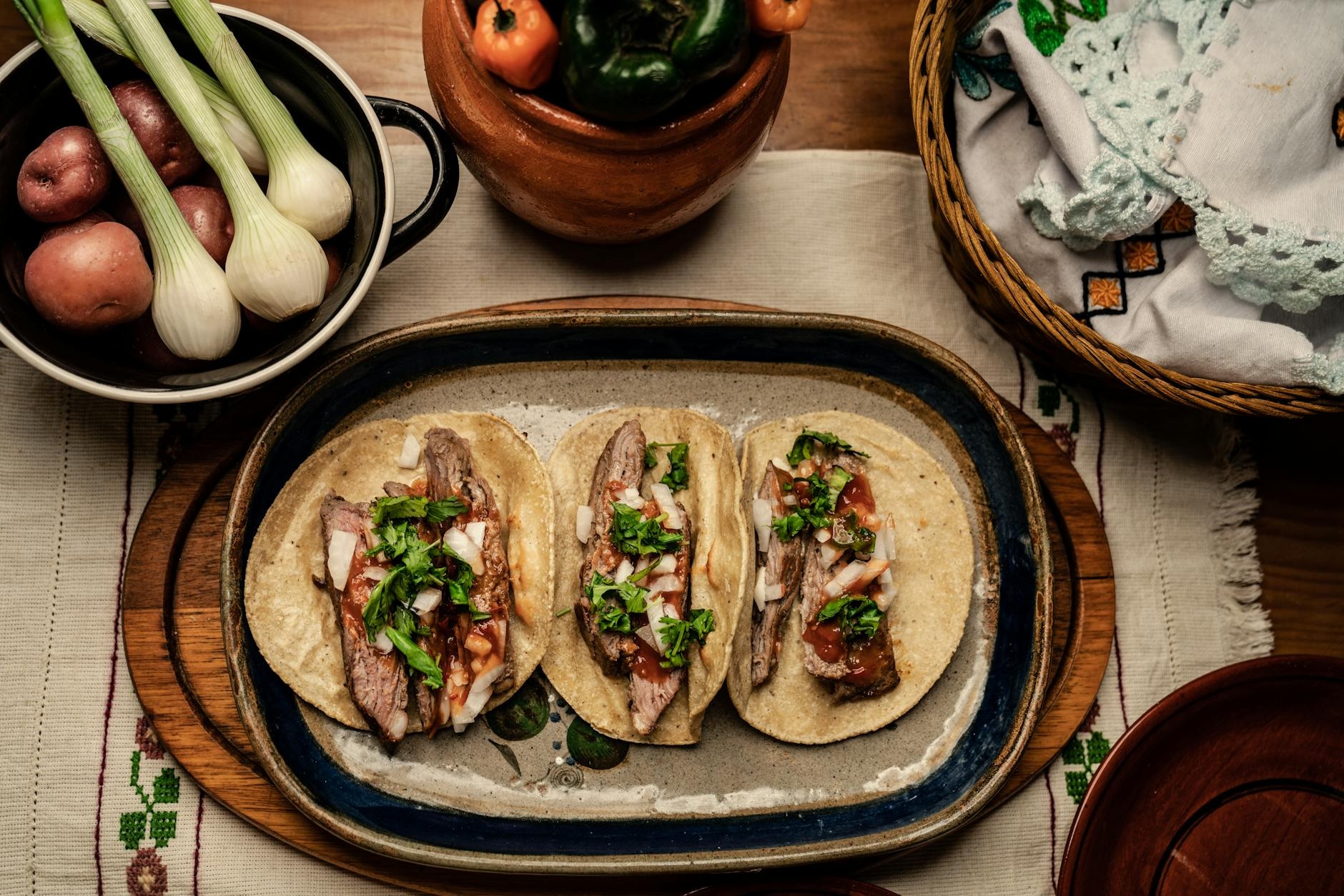
East Iceland - fjord-carved coastline & mountains - cuisine combines seafood, reindeer, foraging. Djúpivogur, Fáskrúðsfjörður, Seyðisfjörður fishing villages maintain traditions. Historically isolated (no ring road connection until 1974). Wild reindeer range throughout (hunting season autumn). Dramatic landscapes foster strong foraging culture - wild herbs, berries, mushrooms. French heritage in Fáskrúðsfjörður influences cuisine (French fishermen historic presence).
Cultural Significance:
East Iceland cuisine reflects isolation & self-reliance. Fjord communities developed distinct food traditions - each village specializes in local catch. Langoustine fishing cultural & economic cornerstone. Reindeer hunting brings communities together - meat shared, traditional recipes passed down. French-Icelandic cultural blend unique to Fáskrúðsfjörður (French-themed restaurants, bilingual signs). Food preserves East Iceland's distinct identity.
Signature Dishes:
- Fresh langoustine (Norway lobster)
- Reindeer dishes
- Smoked Arctic char
- Wild berry preserves
- Traditional fish preparations
Key Ingredients:
Reykjavík & Southwest (Capital Region)
Reykjavík & Southwest - Iceland's culinary innovation epicenter - modern dining, international influences, New Nordic movement. 60%+ of Iceland's population concentrated here. Restaurant scene ranges from Michelin-quality fine dining (Grillmarkaðurinn, Matur og Drykkur) to street food (famous hot dog stands). Multicultural influences (immigrant communities bring Middle Eastern, Asian, European cuisines). Reykjanes Peninsula fishing heritage. Blue Lagoon area geothermal features. Þingvellir National Park heritage.
Cultural Significance:
Reykjavík culinary scene transformed Iceland's food reputation globally. New Nordic Cuisine movement (influenced by Copenhagen's Noma) embraced by innovative chefs - foraging, fermentation, seasonality, Icelandic ingredients modern techniques. Food tourism driver - visitors seek unique dining experiences. Multicultural population enriches food diversity. Traditional Icelandic foods reimagined - haute cuisine versions of plokkfiskur, kjötsúpa. Coffee culture exceptionally strong - Reykjavík among highest per-capita coffee consumption globally.
Signature Dishes:
- Modern Nordic tasting menus
- Pylsur (Icelandic hot dogs)
- International fusion cuisine
- Artisanal bakery goods
- Craft beer & coffee culture
Key Ingredients:
Highlands (Interior)
Highlands - uninhabited volcanic interior - limited cuisine but unique cultural significance. Accessible only summer months (June-September). No permanent settlements. Historical significance: traditional sheep grazing routes (réttir - autumn sheep roundup). Travelers & hikers rely on mountain huts with basic provisions. Foraging culture: wild herbs, berries, edible plants. Geothermal cooking opportunities (natural hot springs for cooking). Wilderness self-sufficiency ethos.
Cultural Significance:
Highlands cuisine represents Iceland's ultimate self-sufficiency & connection to nature. Though uninhabited, region central to Icelandic identity - sheep farming traditions, outlaw sagas. Annual réttir (sheep roundup) brings communities together - traditional food shared. Foraging knowledge passed through generations - Iceland moss used historically for porridge during famine. Geothermal cooking experiments (burying food in hot springs) connect modern travelers to ancient methods. Wilderness preservation values shape minimal-impact food practices.
Signature Dishes:
- Trail provisions (dried fish, lamb jerky)
- Campfire cooking
- Foraged wild herbs & berries
- Geothermal-cooked food (experimental)
- Mountain hut staples
Key Ingredients:
Sweet Delights & Desserts
Indulge in Iceland's traditional sweet treats and desserts.

Skyrkaka (Skyr Cake)
Skyrkaka is no-bake cheesecake made with skyr - Iceland's signature dessert. Base of crushed digestive biscuits/cookies mixed with butter, filled with whipped skyr mixed with whipped cream, gelatin, sugar. Topped with fresh berries (blueberries, strawberries) or berry compote. Light, creamy texture, tangy flavor from skyr. Popular at cafes, bakeries, celebrations. Home baking favorite. Summer dessert when berries in season. Showcases Iceland's iconic dairy product.

Ástarpungar (Love Balls)
Ástarpungar meaning 'love balls' - deep-fried sweet dough balls. Dough made with flour, sugar, butter, eggs, cardamom, milk. Formed into small balls, deep-fried until golden. Rolled in cinnamon sugar while warm. Similar to doughnut holes. Crispy outside, soft inside, cardamom-spiced. Holiday treat especially Christmas, New Year's. Served warm with coffee. Home baking tradition. Fun name makes them popular conversation piece. Similar to kleinur but round shape.

Vínarterta (Icelandic Layer Cake)
Vínarterta is traditional Icelandic multi-layer cake - thin spiced cardamom cookie layers alternating with prune jam (plum preserve). 7-9 layers typical. Dough made with flour, butter, sugar, eggs, cardamom, almond extract. Prune filling made by cooking prunes with sugar, spices. Assembled & pressed overnight to meld flavors. Dense, rich, complex flavor. Christmas tradition brought by Icelandic immigrants to North America (especially Canada). Labor-intensive but rewarding. Available at bakeries during holidays.

Pönnukökur (Icelandic Pancakes)
Pönnukökur are thin Icelandic pancakes - similar to French crêpes but thicker. Batter made with flour, eggs, milk, sugar, baking powder, vanilla. Cooked in special pönnukökur pan (similar to crêpe pan) until lightly browned. Served rolled or folded with various toppings: whipped cream, jam (rhubarb popular), sugar, skyr, berries, Nutella. Popular dessert or sweet snack, also breakfast. Home cooking staple - most families have pönnukökur pan. Quick, versatile treat.

Rjómaís (Icelandic Ice Cream)
Rjómaís is Icelandic ice cream - rich, creamy, beloved national treat. Higher fat content than many ice creams gives luxurious texture. Classic flavors: vanilla, chocolate, liquorice (líkörís - uniquely Icelandic favorite), strawberry. Also innovative flavors: Skyr & berries, Icelandic moss, volcanic rock. Consumed year-round despite cold climate - Icelanders eat more ice cream per capita than most nations. Popular brands: Kjörís, Ísbíltúr. Ice cream parlors throughout Reykjavík. Post-swimming tradition (even winter).

Hjónabandssæla (Happy Marriage Cake)
Hjónabandssæla meaning 'happy marriage bliss' - traditional rhubarb oat crumble bars. Base & top layer of oat crumble (rolled oats, flour, butter, sugar, baking soda) with rhubarb jam filling center. Baked until golden, cut into squares. Buttery, crumbly texture with tart-sweet rhubarb. Name refers to 'marriage' of oats & rhubarb. Rhubarb grows abundantly in Iceland - common garden plant. Found in bakeries, cafes. Home baking favorite. Simple, rustic dessert reflecting Icelandic resourcefulness.

Skúffukaka (Chocolate Sheet Cake)
Skúffukaka meaning 'drawer cake' (baked in drawer-like pan) - moist chocolate sheet cake topped with chocolate glaze & coconut. Cake made with cocoa, flour, sugar, eggs, butter, hot water/coffee. Baked in shallow rectangular pan. Topped while warm with chocolate glaze (cocoa, butter, powdered sugar, milk) & shredded coconut. Rich, fudgy texture. Birthday party staple, celebrations, casual gatherings. Simple to make, feeds crowd. Found in bakeries. Ultimate Icelandic chocolate fix.

Lummur (Fried Sweet Dough)
Lummur are fried sweet flatbreads - thin dough fried until crispy. Dough made with flour, butter, eggs, milk, baking powder, cardamom. Rolled very thin, cut into rectangles/diamonds, fried in oil until golden & puffy. Served with whipped cream, jam, or skyr. Light, crispy texture. Traditional Christmas treat (jólalummur). Also enjoyed at special occasions, coffee breaks. Labor of love - requires rolling thin. Available at bakeries during holidays. Nostalgic treat for many Icelanders.
Traditional Beverages
Discover Iceland's traditional drinks, from locally produced spirits to regional wines.

Brennivín (Black Death)
Brennivín is a clear, unsweetened schnapps, considered Iceland's signature alcoholic beverage. It's made from fermented potatoes and flavored with caraway seeds. It has a strong, distinctive flavor and is traditionally served chilled in a shot glass. It is often consumed with hákarl.

Bjór (Beer)
Iceland has a growing craft beer scene, with numerous local breweries producing a variety of beers. Popular breweries include Borg Brugghús, Einstök, and Gæðingur. Many pubs and bars offer a selection of Icelandic beers, ranging from pale ales and IPAs to stouts and lagers. Beer is a popular alcoholic beverage in Iceland, enjoyed both in social settings and with meals.
Soft Beverages
Discover Iceland's traditional non-alcoholic drinks, from local teas to refreshing juices.

Kaffi (Coffee)
Coffee is a beloved beverage in Iceland, consumed throughout the day. Icelanders enjoy strong, filter coffee, often served with milk and sugar. Coffee breaks are an important part of Icelandic culture, providing a time for socializing and relaxation. Iceland has one of the highest per capita coffee consumption rates in the world.

Appelsín (Orange Soda)
Appelsín is a popular carbonated orange soda, a favorite among Icelanders. It's a sweet and refreshing drink, often enjoyed with meals or as a treat. It's widely available in supermarkets and stores throughout Iceland.

Mjólk (Milk)
Milk consumption is high in Iceland, reflecting the importance of dairy in the Icelandic diet. Fresh milk is readily available in supermarkets and is often consumed with meals or used in cooking and baking.