
Azerbaijan Food Guide
Content Information
Recently updated🔥Current Food Trends 2025
What's happening in Azerbaijan's culinary scene right now
Azerbaijan's culinary landscape in November 2025 celebrates plov UNESCO heritage (2016), Caspian caviar luxury, Novruz culinary traditions, Silk Road fusion, tea culture rituals. November marks cool autumn season (10-15°C/50-59°F in Baku) - pomegranate harvest peak (Azerbaijan produces exceptional varieties), persimmon season, hearty piti soup weather, dolma-making time. Baku's dining scene evolves: Caspian seafood restaurants showcase sturgeon & kutum fish, traditional chaikhanas (tea houses) revive alongside modern cafés, Nizami Street food culture thrives. November 2025 sees Azerbaijani gastronomy gaining global recognition - plov variations celebrated (over 40 regional types), qutab street food popularized, shah plov (festive rice with dried fruits & saffron) showcased. Seasonal focus: fresh pomegranate juice, walnut harvest in Sheki, persimmon abundance, warming soups (piti, dushbara). Novruz preparation season begins (spring festival March 21) - shekerbura, pakhlava pastries prepared. Halal food standard (96% Muslim). Caspian caviar culture, aromatic black tea served in armudu glasses, saffron & sumac spicing define cuisine.
Food Safety Tips
Essential food safety information to help you enjoy Azerbaijan's cuisine safely and confidently.
Check food hygiene standards in Azerbaijan
While Azerbaijan generally has good food hygiene standards, it's always wise to choose restaurants that appear clean and well-maintained.
Drink bottled water in Azerbaijan
In Azerbaijan, it's recommended to drink bottled water, especially in rural areas where water quality may vary.
Be cautious with street food in Azerbaijan
Street food in Azerbaijan can be delicious and safe, but choose vendors with high turnover and good hygiene practices.
Dietary Options
vegetarian
MEDIUM AVAILABILITYVegetarian options are increasingly available in Azerbaijan, particularly in urban areas and tourist destinations. Try qutab with greens (herb-filled flatbread), vegetarian dolma (grape leaves stuffed with rice), fresh salads, and eggplant dishes.
vegan
LOW AVAILABILITYVegan options can be limited in Azerbaijan, as many traditional dishes include animal products. However, major cities may have specialized restaurants. Naturally vegan options include vegetable qutab, some plov variations, fresh fruits, and pomegranate dishes.
gluten-free
LOW AVAILABILITYFinding gluten-free options in Azerbaijan can be challenging as bread and wheat products are staples. Naturally gluten-free options include plov (rice pilaf), grilled meats, many vegetable dishes, and pomegranate-based items.
halal
HIGH AVAILABILITYAzerbaijan is a Muslim-majority country (96%, predominantly Shia), making halal food the standard across the country. Virtually all restaurants serve halal meat, and pork is rarely available. No certification typically needed as halal is the default.
kosher
VERY LOW AVAILABILITYAzerbaijan has a small Jewish community (approximately 10,000-30,000 people, mostly Mountain Jews) concentrated in Baku and Quba. Kosher food infrastructure is very limited. Contact the Baku synagogue or Jewish community for assistance.
Common Allergens
Nuts
MEDIUM PREVALENCEVarious nuts are common in Azerbaijan's cuisine, particularly in desserts and some savory dishes.
COMMONLY FOUND IN:
Dairy
HIGH PREVALENCEDairy products are widely used in Azerbaijan, featuring in many traditional dishes.
COMMONLY FOUND IN:
Wheat
HIGH PREVALENCEWheat is a staple in Azerbaijan's cuisine, used in bread, pastries, and many other foods.
COMMONLY FOUND IN:
Essential Food Experiences
These iconic dishes represent the must-have culinary experiences that define Azerbaijan's food culture for travelers.

Plov (Azerbaijani Pilaf)
Azerbaijan's national dish and UNESCO Intangible Heritage (2016). Saffron-infused rice cooked with lamb, dried fruits, chestnuts, and aromatic spices. Over 40 regional variations exist. Shah plov (festive version) includes rice crust (qazmaq), dried fruits, and is served on special occasions. Art of making requires skill passed through generations.

Piti
Traditional lamb and chickpea soup slow-cooked overnight in individual clay pots (piti). Lamb, chickpeas, potatoes, saffron, dried plums create rich broth. Eaten in two stages: first broth with bread, then meat and vegetables. Specialty of Sheki region. Clay pot cooking imparts unique earthy flavor.

Dolma
Grape leaves (or vegetables like eggplant, tomato, pepper) stuffed with spiced minced lamb, rice, fresh herbs (mint, dill, cilantro), sometimes dried fruits. Served with yogurt-garlic sauce (qatiq). Vegetarian versions (yarpaq dolmasi) stuffed with rice, herbs, onions popular. Dolma-making is social activity, families gather to prepare hundreds.

Qutab
Thin flatbread (crepe-like) stuffed with various fillings: fresh greens (spinach, dill, cilantro, green onions), minced lamb, or pumpkin. Cooked on saj (convex griddle), folded into half-moon shape. Served with sumac and yogurt. Popular street food and home cooking. Each filling represents different season and occasion.

Dushbara
Tiny dumplings (size of chickpeas) filled with spiced minced lamb and herbs, served in clear lamb broth with dried mint and vinegar. Making dushbara requires exceptional skill - the smaller the better. Symbol of culinary expertise. Winter comfort food, often served at celebrations.

Lavangi
Chicken or fish (usually sturgeon) stuffed with paste of ground walnuts, onions, and special spice mix including dried plums. Specialty of Lankaran region in southern Azerbaijan with Persian influences. Baked whole, aromatic and rich. Reflects Caspian coastal cuisine heritage.

Lula Kebab
Minced lamb mixed with tail fat, onions, sumac, and spices, molded onto wide flat skewers, grilled over charcoal. Must be juicy, aromatic, slightly charred. Served with lavash flatbread, grilled vegetables (tomatoes, peppers), fresh herbs, pomegranate seeds. Quintessential Azerbaijani grilled meat.

Baliq (Caspian Sturgeon)
Caspian sturgeon grilled, baked, or smoked. Azerbaijan's Caspian coast famous for sturgeon varieties. Often served with pomegranate-walnut sauce (narsharab). Historically paired with caviar culture. Now carefully regulated due to overfishing. Represents luxury dining and coastal heritage.

Kuku
Herb omelette/frittata made with fresh herbs (dill, cilantro, green onions, spinach), eggs, sometimes walnuts. Can be served hot or room temperature. Persian influence visible. Popular spring dish when fresh herbs abundant. Vegetarian, protein-rich, aromatic. Often served with yogurt.

Govurma
Preserved meat dish - lamb chunks slow-cooked in its own fat until tender, traditionally stored in sealed jars for winter. Ancient preservation method from nomadic times. Used to enrich plov, eaten with bread, or as standalone dish. Represents Azerbaijan's food preservation heritage and nomadic past.
Regional Specialties & Local Favorites
Discover the authentic regional dishes and local favorites that showcase Azerbaijan's diverse culinary traditions.

Azerbaijan Street Food
A popular snack found throughout Azerbaijan, especially in busy market areas and from street food vendors.
Allergens:

Azerbaijan Home-style Dish
A comfort food that most families in Azerbaijan would recognize from their childhood, typically served at gatherings and celebrations.
Allergens:

Azerbaijan Modern Favorite
A contemporary dish that has become wildly popular across Azerbaijan in recent decades, enjoyed by younger generations.
Allergens:
Regional Cuisine Highlights
Explore the diverse culinary landscapes across different regions of Azerbaijan.
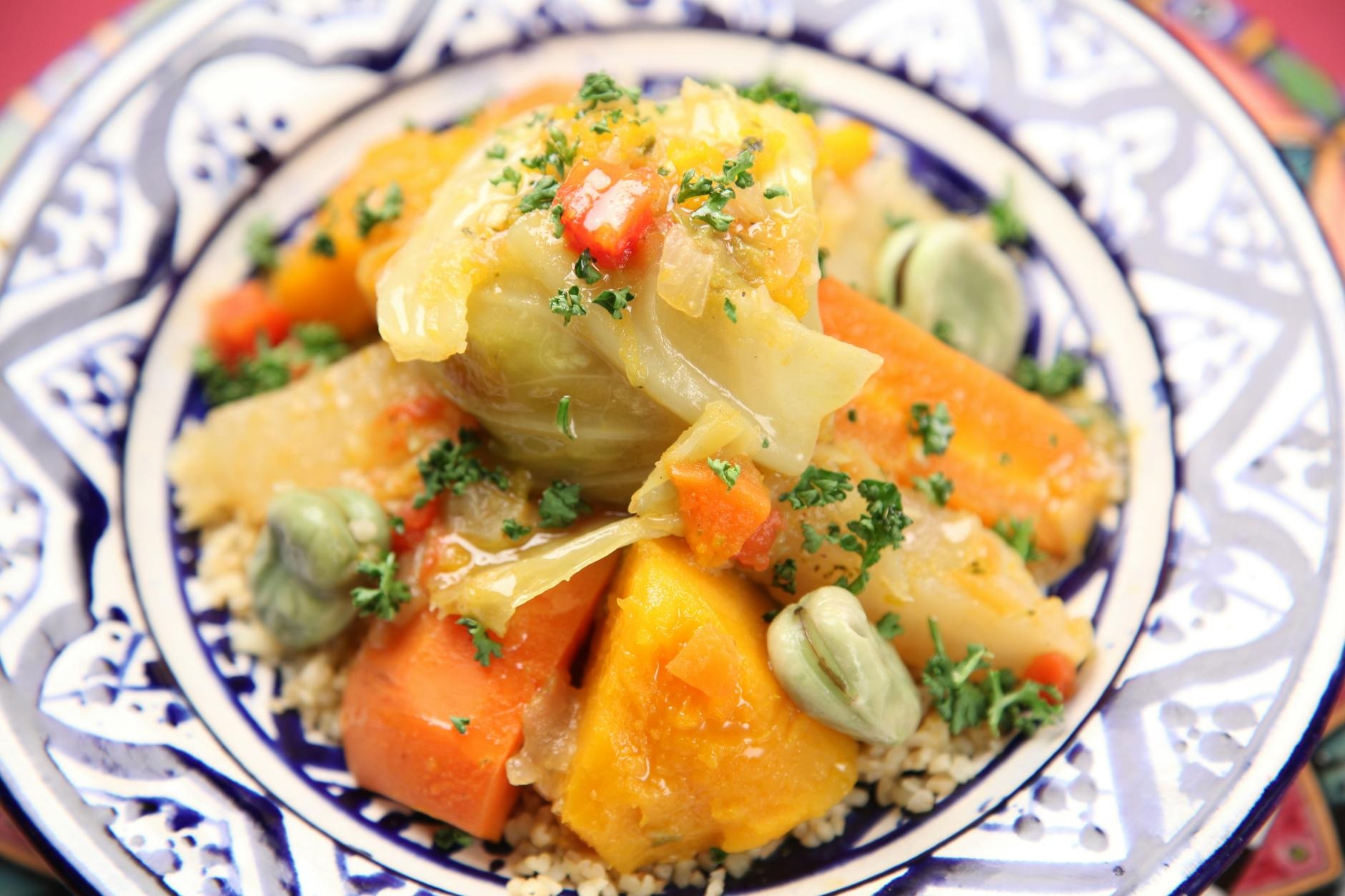
Baku & Absheron Peninsula
The capital region's cuisine combines Caspian seafood traditions with cosmopolitan urban dining. Absheron Peninsula extends into Caspian Sea, making seafood central - sturgeon (historically paired with caviar), kutum (Caspian white fish), grey mullet. Baku's position as Silk Road trading hub and oil boom city created sophisticated food culture blending Azerbaijani traditions with international influences.
Cultural Significance:
Baku cuisine represents Azerbaijan's urban sophistication and historical wealth from Caspian trade and oil. Caviar culture (though now restricted) shaped luxury dining traditions. Modern Baku balances traditional chaikhanas with contemporary restaurants, maintaining strong tea culture alongside cosmopolitan trends.
Signature Dishes:
- Baliq (grilled sturgeon)
- Kutum kebab
- Shah plov (festive rice)
- Caviar dishes (historical)
Key Ingredients:
Sheki
Mountain city of Sheki, nestled in southern slopes of Greater Caucasus, famous for distinctive cuisine emphasizing nuts (especially walnuts), honey, and intricate pastry-making. Cool mountain climate, walnut groves, and Silk Road history shaped culinary traditions. Sheki's pakhlava and halva making designated UNESCO Intangible Heritage. Region's piti (clay pot soup) considered Azerbaijan's best.
Cultural Significance:
Sheki cuisine reflects centuries of pastry-making craftsmanship passed through generations. The city's location on Silk Road brought prosperity enabling elaborate sweet-making traditions. Piti preparation in individual clay pots represents communal dining ritual. Sheki pakhlava and halva techniques are closely guarded family secrets.
Signature Dishes:
- Piti (clay pot lamb-chickpea soup)
- Sheki pakhlava
- Sheki halva
- Girdbadan (walnut-stuffed flatbread)
Key Ingredients:

Lankaran
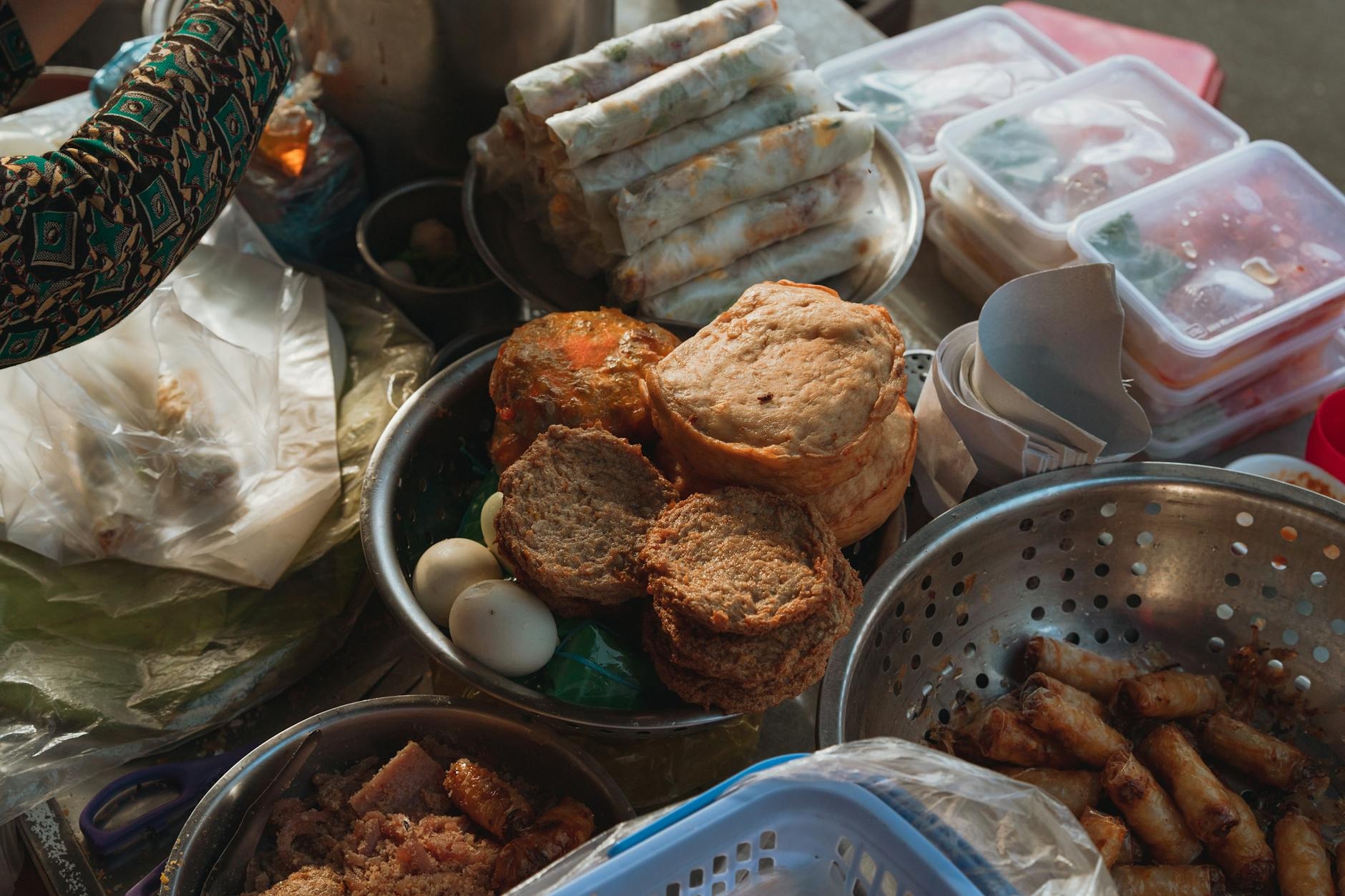
Southeastern coastal region bordering Iran, Lankaran features subtropical climate enabling unique ingredients. Strong Persian culinary influence visible in spicing, herb use, rice preparation. Famous for lavangi (walnut-stuffed fish or chicken), distinctive tea culture (region produces Azerbaijani tea), and liberal use of pomegranate molasses (narsharab).
Cultural Significance:
Lankaran cuisine bridges Azerbaijani and Persian culinary worlds. Region's subtropical position allows citrus, pomegranates, kiwi, feijoa cultivation unavailable elsewhere in Azerbaijan. Tea cultivation (started in Soviet era) created unique tea-drinking rituals. Fishing villages maintain ancient Caspian seafood traditions.
Signature Dishes:
- Lavangi (walnut-stuffed fish/chicken)
- Lankaran plov variations
- Lemony fish stews
- Levengi (similar to lavangi)
Key Ingredients:
Ganja
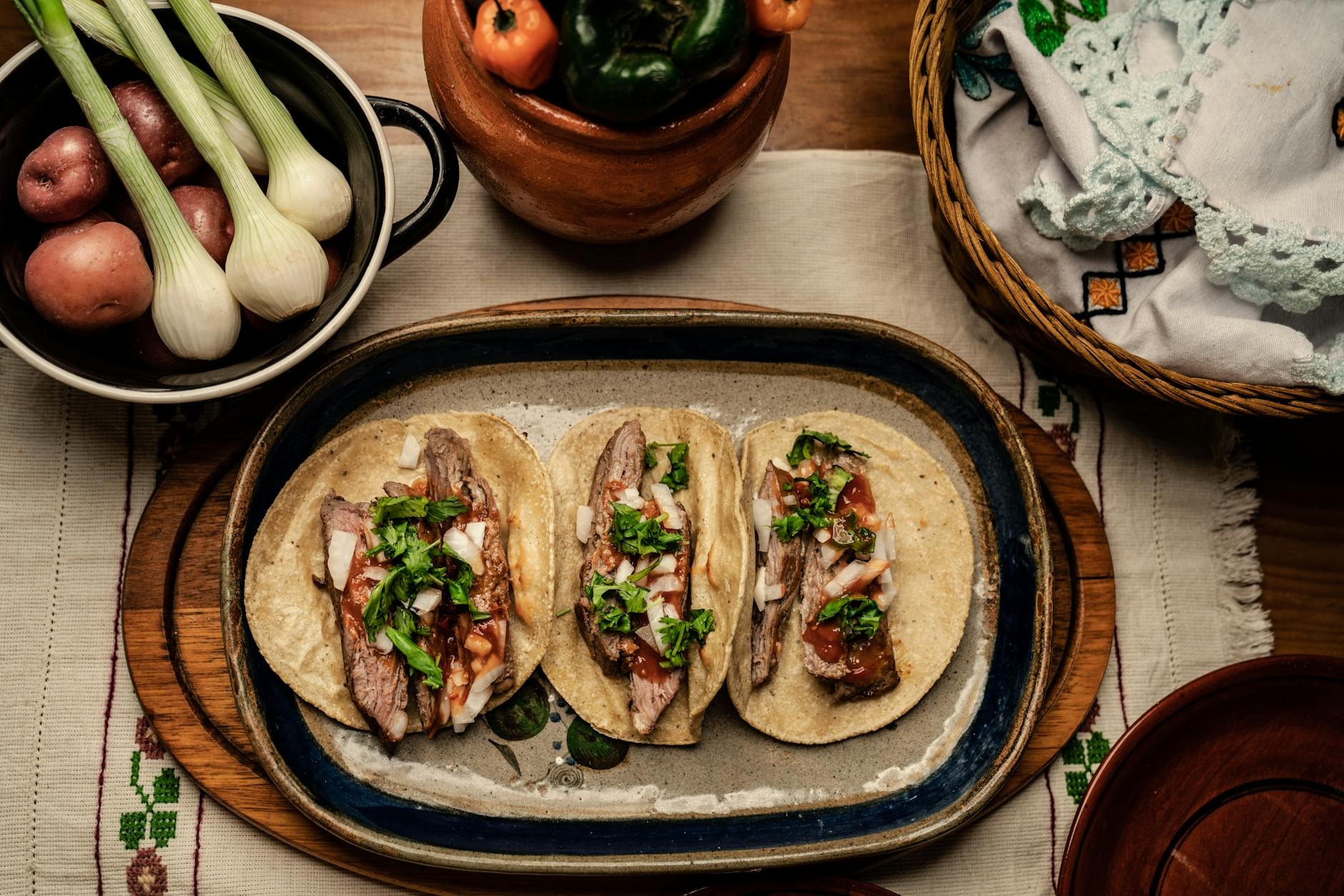
Azerbaijan's second-largest city, Ganja sits in western lowlands with rich agricultural surroundings. Cuisine emphasizes wheat-based dishes, hearty plov variations, grilled meats, and urban tea culture. Historical trade center position brought diverse influences. Known for its distinctive bread-baking traditions and dushbara (tiny dumpling) expertise.
Cultural Significance:
Ganja's position as Azerbaijan's second city created proud culinary identity distinct from Baku. Region claims some of Azerbaijan's finest dushbara makers - measuring skill by how many tiny dumplings fit on spoon. Bread-baking in traditional tendir ovens remains important urban ritual. Ganja's plov variations rival other regions.
Signature Dishes:
- Ganja plov
- Dushbara (tiny dumplings)
- Tendir bread varieties
- Qutab with various fillings
Key Ingredients:
Nakhchivan
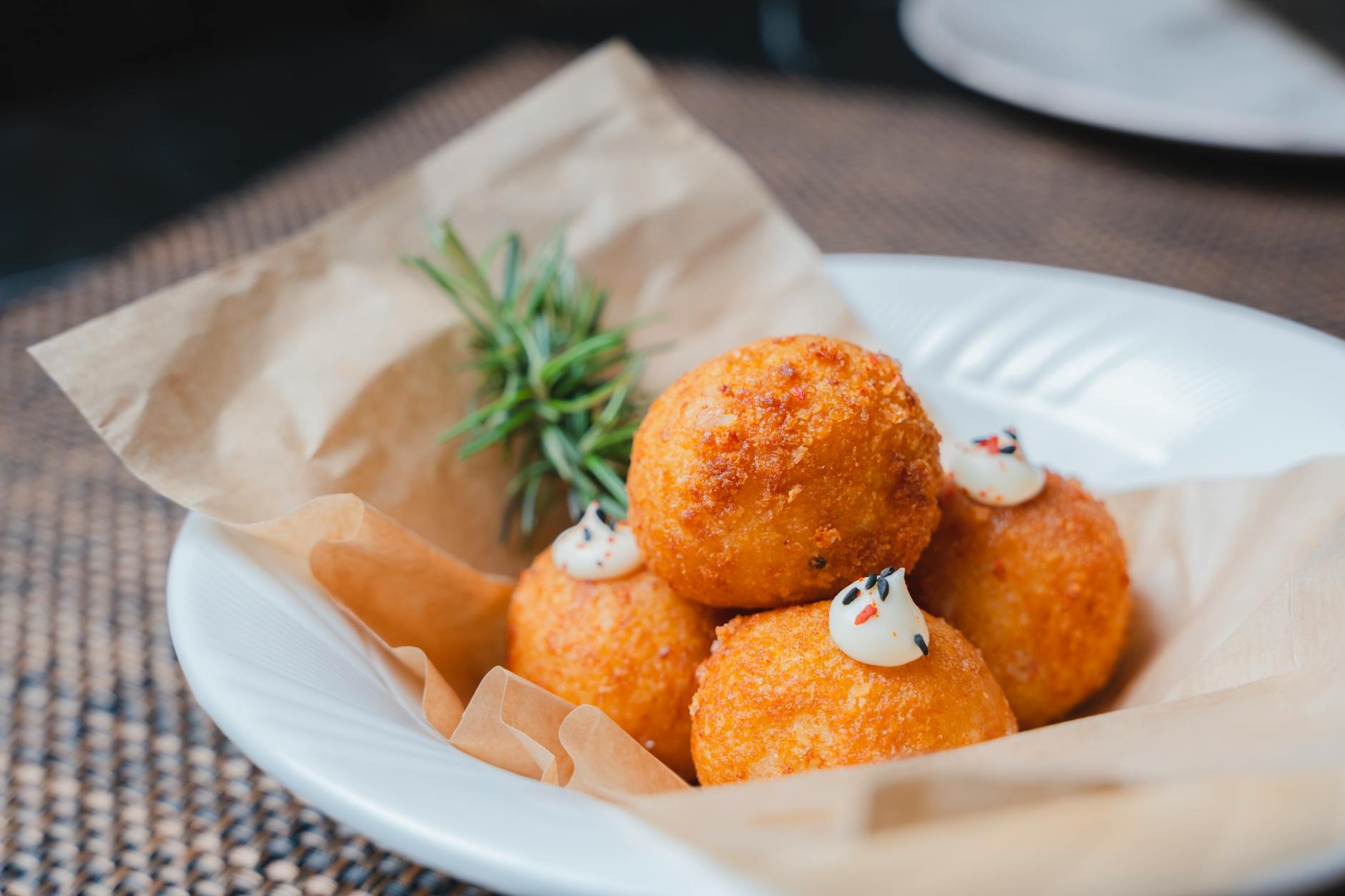
Autonomous exclave bordering Iran, Turkey, and Armenia, Nakhchivan developed isolated culinary traditions. Arid climate, salt mines, and geographic isolation shaped unique food culture. Famous for lamb dishes, dried fruits, salt-preserved foods, and distinctive plov preparations. Ancient Silk Road heritage visible in spice use and preservation techniques.
Cultural Significance:
Nakhchivan's geographic isolation created self-sufficient culinary culture emphasizing food preservation (drying, salting) due to harsh winters and trade isolation. Salt deposits enabled unique preservation methods. Exclave status and borders with three countries created fascinating fusion while maintaining distinct Azerbaijani identity. Ancient history (claims to be Noah's landing site) adds cultural weight to food traditions.
Signature Dishes:
- Nakhchivan plov (with local variations)
- Salt-preserved meats
- Dried fruit dishes
- Duzlu (salted meat)
Key Ingredients:
Sweet Delights & Desserts
Indulge in Azerbaijan's traditional sweet treats and desserts.

Shekerbura
Crescent-shaped pastry filled with ground almonds or hazelnuts, sugar, cardamom. Traditional Novruz (Persian New Year, March 21) pastry symbolizing moon. Dough stamped with decorative patterns using special tweezers (maggash). Sheki city particularly famous for this delicacy. Takes hours to prepare properly.

Pakhlava (Azerbaijani Baklava)
Diamond-shaped layered pastry with thin dough sheets, ground walnuts or almonds, sugar, cardamom, saffron. Each diamond topped with single blanched almond or hazelnut. Different from Turkish baklava - uses more spices, especially cardamom. Prepared for Novruz and special occasions. Sheki region's pakhlava UNESCO recognized.

Badambura
Round pastry filled with ground almonds, sugar, and cardamom. Simpler than shekerbura, with smoother surface. Traditional Novruz sweet symbolizing sun. Crispy exterior, sweet almond interior. Often served alongside shekerbura and pakhlava during spring celebrations.

Shakarlama
Layered sweet pastry with butter, sugar, and cardamom filling between thin dough sheets. Name means 'sugared'. Light, flaky texture. Popular tea-time sweet served in chaikhanas (tea houses). Regional variations exist - some add nuts, others keep it simple.

Firni (Saffron Rice Pudding)
Creamy rice pudding made with milk, rice flour, sugar, saffron, rose water. Served chilled, topped with cinnamon and crushed pistachios. Persian influence evident. Delicate, aromatic, cooling dessert popular in warm months. Often served at celebrations and as special occasion dessert.

Sheker Churek
Sweet bread with buttery, slightly crispy crust and soft interior. Often includes vanilla or cardamom flavor. Served with tea as breakfast pastry or afternoon snack. Simpler than elaborate festival pastries, but beloved daily treat. Regional variations include nut or raisin additions.

Halva
Multiple varieties exist in Azerbaijan: tahini-based halva, flour-based halva, semolina halva. Sheki halva particularly famous - made with rice flour, sugar, saffron, rose water, nuts. Dense, sweet, aromatic. Often given as gifts. Keeps well, making it traditional travel food.

Nabat (Rock Candy)
Crystallized sugar candy, often saffron-flavored, traditionally served with tea. Large crystals dissolved slowly in hot tea, sweetening it naturally. Sometimes includes spices or herbs. Symbol of hospitality - always offered to guests with tea. Believed to have health benefits in traditional medicine.
Traditional Beverages
Discover Azerbaijan's traditional drinks, from locally produced spirits to regional wines.

Azerbaijan Traditional Spirit
The national spirit of Azerbaijan, produced using traditional methods passed down through generations.

Azerbaijan Beer Variety
A popular beer style in Azerbaijan with a distinctive flavor profile that pairs well with local cuisine.

Azerbaijan Festive Drink
A special alcoholic beverage consumed during festivals and celebrations in Azerbaijan.
Soft Beverages
Discover Azerbaijan's traditional non-alcoholic drinks, from local teas to refreshing juices.

Azerbaijan Tea Specialty
A traditional tea from Azerbaijan consumed throughout the day, known for its distinctive preparation method.

Azerbaijan Fruit Drink
A refreshing beverage made from local fruits grown in Azerbaijan, particularly popular during summer months.

Azerbaijan Traditional Refreshment
An ancient beverage that has been consumed in Azerbaijan for centuries, known for its health benefits.