
El Salvador Food Guide
Content Information
Recently updated🔥Current Food Trends 2025
What's happening in El Salvador's culinary scene right now
El Salvador's culinary scene in 2025 celebrates pupusas as cultural cornerstone with Pupusodromo in Olocuilta (road from airport to San Salvador) remaining premier destination. Festival de la Pupusa 2025 featured exotic innovations: Pupusería Barbarita #2 captivated visitors with 'Levanta Muerto' seafood-chorizo pupusa, birria pupusa, vegetarian options with spinach, blackberry, cremini mushrooms ($0.80-$3). Traditional corn flour pupusas evolving with creative fillings beyond classic cheese, beans, pork, loroco flowers. Rice flour pupusas gaining popularity in Olocuilta. Modern Salvadoran cuisine elevating traditions with gourmet techniques and local produce. Top 10 Restaurants El Salvador 2026 guide showcases new culinary era from haute cuisine to hidden gems using creativity, local ingredients, impeccable technique. Western region (Ahuachapan, Sonsonate) maintains plump loroco-cheese pupusas, yuca frita con chicharrón. Eastern region (San Miguel, San Vicente, San Salvador) known for grilled beef with chimol salsa, Panes Migueleños turkey subs. Coastal areas feature fresh ceviche variations. Street food culture thriving: yuca frita, pastelitos, empanadas at markets and festivals. Elote Loco (grilled corn with mayo, cheese, ketchup, chili) sensation. Fast-food influence growing: pizzas, hamburgers, pasta reflecting Western eating habits, driving cheese market growth. Antiguo Cuscatlán, Los Planes de Renderos prime pupusa destinations. San Salvador restaurants 437+ on Tripadvisor (Brutto, Delikat, The Green House). OpenTable lists 30 restaurants November 2025.
Food Safety Tips
Essential food safety information to help you enjoy El Salvador's cuisine safely and confidently.
Consume bottled or purified water.
Tap water in El Salvador may not be safe for drinking. Stick to bottled or purified water to avoid waterborne illnesses.
Be cautious of street food.
While street food can be a delicious and affordable option, choose vendors that appear clean and hygienic. Ensure food is cooked thoroughly and served hot.
Wash fruits and vegetables thoroughly.
Wash all produce with purified water before consumption to remove any potential contaminants.
Dietary Options
vegetarian
MEDIUM AVAILABILITYVegetarian options are becoming increasingly available in larger cities and tourist areas. Traditional cuisine relies heavily on meat, but you can find pupusas with cheese or bean fillings, as well as various vegetable and rice dishes.
vegan
LOW AVAILABILITYVegan options are limited, as dairy and eggs are common ingredients in many dishes. However, you can find vegan-friendly pupusas with only bean fillings and some vegetable-based dishes.
Common Allergens
Seafood
MEDIUM PREVALENCESeafood is a common ingredient in coastal areas, so those with shellfish or fish allergies should be cautious.
COMMONLY FOUND IN:
Dairy
HIGH PREVALENCEDairy products like cheese and cream are used in many traditional dishes.
COMMONLY FOUND IN:
Gluten
MEDIUM PREVALENCEGluten is found in many traditional breads and pastries.
COMMONLY FOUND IN:
Essential Food Experiences
These iconic dishes represent the must-have culinary experiences that define El Salvador's food culture for travelers.

Pupusas (Thick stuffed tortillas)
El Salvador's national dish - thick hand-made corn tortillas (sometimes rice flour or mix) filled with savory combinations like quesillo (soft white cheese), chicharrón (crispy fried pork), refried beans, or loroco (vine flower bud). Cooked on comal (flat griddle) until golden brown and slightly crispy. Served with curtido (lightly fermented cabbage slaw) and salsa roja (tomato sauce). Eaten any time - breakfast to dinner. 2025 innovations: birria, seafood-chorizo, vegetarian with spinach/mushrooms.

Sopa de Pata (Cow's Feet Soup)
Hearty, flavorful soup made with cow's feet, yuca (cassava), plantains, cabbage, spices (cumin, achiote). Long simmering creates rich broth with tender, gelatinous meat. Garnished with cilantro and lime. Popular for celebrations and weekends. Believed to be hangover cure. Regional variations include tripe or other offal.

Yuca Frita con Chicharrón (Fried Cassava with Pork)
Crispy fried yuca (cassava) served with chicharrón (fried pork belly or skin). Yuca boiled until tender, then deep-fried until golden and crispy. Chicharrón adds salty, savory element. Often served with curtido and pepescas (small fried fish). Common street food and appetizer. Found in Mejicanos, Sonsonate, food stalls throughout country.

Empanadas de Platano (Plantain Empanadas)
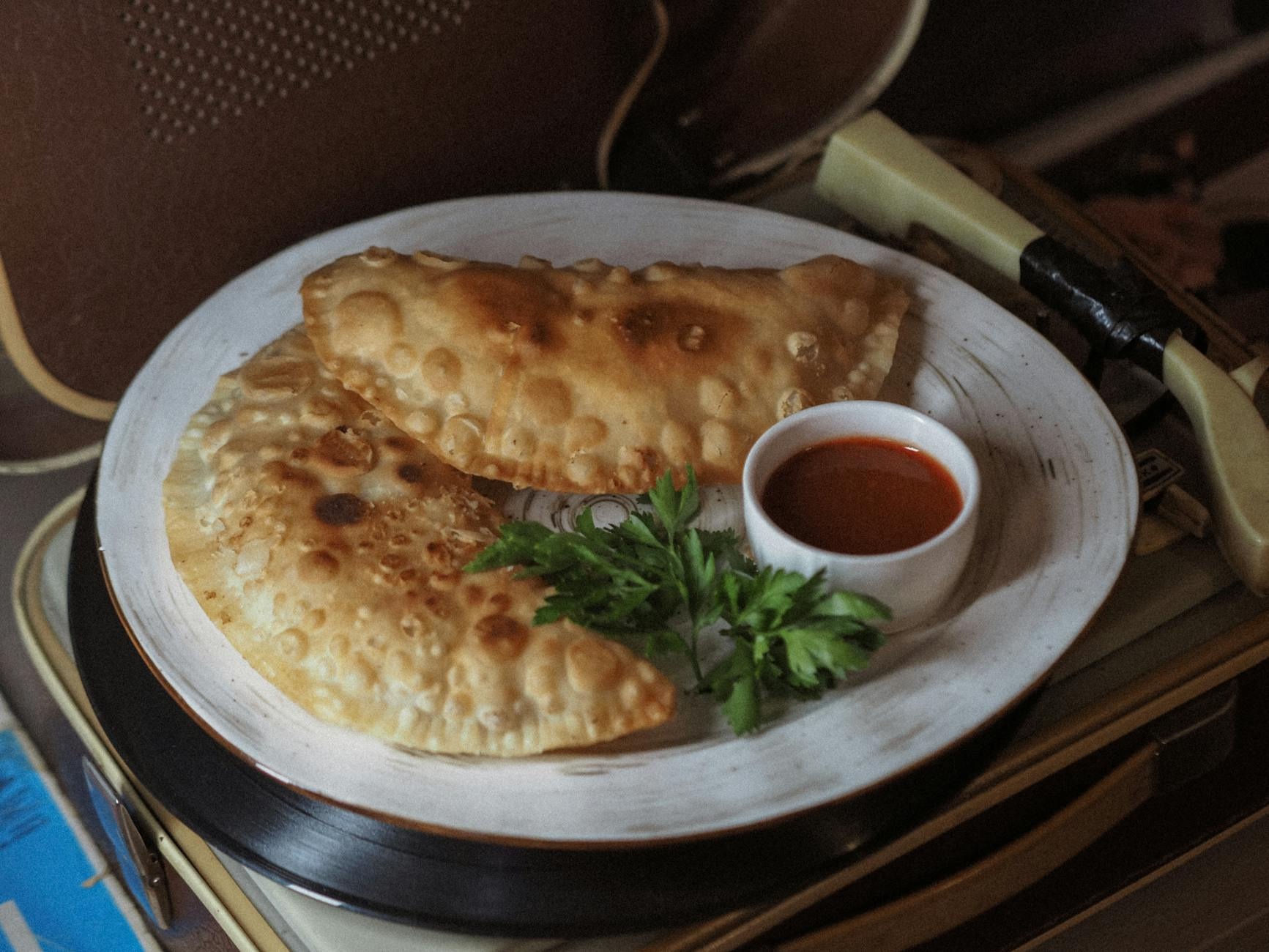
Sweet or savory pastries made with ripe plantains filled with refried beans, cheese, or sweet filling like sweetened cream or custard. Plantains mashed and formed into dough, then filled and fried until golden. Popular snack or dessert. Often enjoyed with coffee or atol. Found in Antiguo Cuscatlán, Los Planes de Renderos, street food stalls.

Atol de Elote (Corn Atole)
Warm, comforting beverage made from fresh corn, milk, sugar, cinnamon. Corn ground and cooked with milk until thickened, creating creamy, sweet drink. Traditional breakfast and evening beverage, especially during cooler months and festivities. Variations may include nutmeg or allspice.

Panes con Pollo (Panes Rellenos)
Warm submarine sandwiches - turkey or chicken marinated and roasted with Pipil spices, hand-pulled. Served with tomato, watercress, cucumber, cabbage. Eastern region specialty (San Miguel) known as Panes Migueleños. Holiday and special occasion favorite.

Sopa de Gallina India (Country Chicken Soup)
Flavorful soup made with local breed of chicken, rich in spices, served with rice. Paired with fresh vegetables. Found especially in Caluco, Sonsonate (western region). Popular at local markets and restaurants. Hearty, traditional comfort food.

Ceviche (Coastal Specialty)
Fresh seafood cured in citrus juices with onions, cilantro, tomatoes. Popular along El Salvador's extensive Pacific coastline. Each coastal region has own twist on ceviche. Fresh, acidic, refreshing. Best enjoyed at beach towns.

Elote Loco (Crazy Corn)
Street food sensation - grilled or boiled corn ear slathered in mayonnaise, topped with grated cheese, ketchup, chili powder. Sweet, creamy, tangy flavor explosion. Transforms humble corn into exciting snack. Popular at markets and festivals.

Pastelitos (Fried Pastries)
Tasty fried treats filled with meats (especially chicken) or potatoes, served with curtido. Easy-to-eat street food. Crispy exterior, savory filling. Found at markets and street vendors. Affordable everyday snack.

Carne Asada al Carbon (Charcoal-Grilled Meat)
Grilled beef served with fresh chimol (tomato salsa) and rice. Particularly popular in eastern and central regions (San Salvador, San Miguel, La Paz). Smoky, flavorful from charcoal grilling. Staple throughout country with regional variations.

Tamales Salvadoreños
Savory pockets of masa (corn dough) filled with chicken or pork, wrapped in banana leaves, steamed. Different from Mexican tamales in flavor and preparation. Traditional Salvadoran spicing and ingredients. Special occasion food.
Regional Specialties & Local Favorites
Discover the authentic regional dishes and local favorites that showcase El Salvador's diverse culinary traditions.

Pupusas
Thick, handmade flatbreads filled with savory combinations like cheese, pork, beans, or loroco, a vine flower bud native to Central America. Typically served with curtido (a lightly fermented cabbage slaw) and salsa roja.

Pastelitos de Carne
Savory pastries filled with seasoned ground beef. Often enjoyed as a snack or appetizer.

Empanadas de Platano
Sweet or savory empanadas made with plantains. Sweet versions may be filled with sweetened beans or cream cheese, while savory options might include ground beef or chicken.

Yuca Frita con Chicharrón
Fried cassava served with crispy pork belly. A popular side dish or snack.

Sopa de Gallina India
A rich, flavorful soup made with hen, vegetables, and spices. Often served for special occasions.

Atol de Elote
A warm, sweet corn drink, often enjoyed for breakfast or as a comforting beverage.

Enchiladas Salvadoreñas
Unlike Mexican enchiladas, these are crispy tortillas topped with ground meat, tomato sauce, and a hard-boiled egg. They are not typically rolled or filled.
Tamales Salvadoreños
Savory pockets of masa (corn dough) filled with chicken or pork, wrapped in banana leaves, and steamed. Different from Mexican tamales in flavor and preparation.

Panes con Pavo
Hearty sandwiches filled with turkey, often served during holidays and special occasions. Typically include watercress, tomato, onion, and mayonnaise.
Regional Cuisine Highlights
Explore the diverse culinary landscapes across different regions of El Salvador.
Occidental (Western)
This region, encompassing Santa Ana, Ahuachapán, and Sonsonate, is known for its use of volcanic soil ingredients and indigenous Pipil influences. Coffee plays a significant role, influencing both savory and sweet dishes. The cuisine often features a blend of Spanish and indigenous techniques, resulting in unique flavor profiles.
Cultural Significance:
The Occidental region maintains strong ties to pre-Columbian culinary traditions, evident in the use of ingredients like loroco and chipilín. The volcanic soil contributes to the distinct flavors of the region's produce. Coffee cultivation has shaped the local economy and gastronomy.
Signature Dishes:
- Sopa de gallina india
- Pupusas revueltas con loroco
- Atol de elote
Key Ingredients:

Central
The central region, including San Salvador, La Libertad, and Chalatenango, represents a melting pot of culinary traditions. It's the most densely populated area, leading to diverse influences and readily available ingredients. Street food is prominent, and traditional dishes are often adapted for quick consumption.
Cultural Significance:
As the heart of El Salvador, the central region's cuisine reflects the country's diverse cultural heritage. The prevalence of street food and adapted traditional dishes highlights the fast-paced urban lifestyle.
Signature Dishes:
- Pupusas
- Empanadas de plátano
- Yuca frita con chicharrón
Key Ingredients:

Oriental (Eastern)
Located in the east, encompassing San Miguel, Usulután, and La Unión, this region is known for its seafood and coconut-based dishes. Proximity to the coast heavily influences the cuisine, with an emphasis on fresh catches and tropical fruits. Indigenous Lenca traditions are also present, adding another layer of culinary complexity.
Cultural Significance:
The Oriental region's cuisine showcases the bounty of the Pacific coast. The use of coconut and seafood reflects the region's tropical climate and the enduring influence of the Lenca people.
Signature Dishes:
- Sopa de mariscos
- Pescado frito con coco
- Minutas
Key Ingredients:

Paracentral
This region, comprising Cuscatlán, Cabañas, and San Vicente, is characterized by its agricultural traditions. Dishes often feature locally grown produce, meats, and dairy. The cuisine is known for its hearty, rustic nature, reflecting the rural lifestyle of the area.
Cultural Significance:
The Paracentral region's cuisine is deeply rooted in agricultural practices. The use of local ingredients and traditional cooking methods reflects the region's strong connection to the land.
Signature Dishes:
- Gallo en chicha
- Tamales de gallina
- Quesadilla Salvadoreña
Key Ingredients:
Sweet Delights & Desserts
Indulge in El Salvador's traditional sweet treats and desserts.
Empanadas de Platano (Plantain Empanadas)
Sweet empanadas filled with ripe plantains, often served with a sprinkle of sugar or a drizzle of honey.
Atol de Elote (Corn Atole)
A warm, sweet beverage made from fresh corn, milk, and sugar. Often enjoyed during the Christmas season.

Quesadilla Salvadoreña
Unlike Mexican quesadilla, this is a sweet pound cake made with rice flour, cheese, eggs, and sesame seeds. Dense, moist texture. Popular dessert or coffee accompaniment.
Traditional Beverages
Discover El Salvador's traditional drinks, from locally produced spirits to regional wines.

Kolashampan (Kolashampan)
A traditional alcoholic beverage made from sugarcane. It has a sweet and slightly fermented flavor.
Soft Beverages
Discover El Salvador's traditional non-alcoholic drinks, from local teas to refreshing juices.

Horchata (Horchata)
A refreshing drink made from ground morro seeds, rice, cinnamon, and sugar. It's often served chilled and is a popular beverage throughout the day.

Atol de Elote (Corn Atole)
A warm, sweet beverage made from fresh corn, milk, and sugar. Often enjoyed during the Christmas season.