
Mexico Food Guide
Content Information
Recently updated🔥Current Food Trends 2025
What's happening in Mexico's culinary scene right now
Mexico's gastronomic scene in November 2025 celebrates regional specialties with Tijuana-style birria, Oaxacan mole, and Veracruz-style fish gaining prominence as consumers expand understanding of diverse regional cuisines. The 'maíz revolution' thrives with 60+ heirloom corn varieties (blue corn, red corn) being nixtamalized and stone-ground. Pre-Hispanic and indigenous ingredients revive Maya, Aztec, and Zapotec culinary traditions featuring chapulines (grasshoppers), escamoles (ant larvae), and ancestral drinks like pulque and tejate. Mezcal, raicilla, and bacanora agave spirits capture imagination with artisan salsas featuring fermented chiles, smoked tomatillos, and exotic blends. Upscale Mexican dining grows 10% year-over-year with street food (tacos, tlacoyos, tamales) elevated to fine dining with gourmet fillings. Sustainability dominates with plant-based boom reviving indigenous ingredients: amaranth, cactus, beans.
Food Safety Tips
Essential food safety information to help you enjoy Mexico's cuisine safely and confidently.
Drink bottled water only
Tap water is generally not safe for tourists to drink in Mexico. Always use bottled water with sealed caps for drinking and brushing teeth.
Be cautious with street food
While street food is a major part of Mexican culinary culture, choose busy vendors with good hygiene practices and where food is cooked fresh.
Avoid raw vegetables and unpeeled fruits
Raw vegetables may be washed with local water. Stick to cooked vegetables and fruits that you can peel yourself.
Watch out for ice in drinks
Ice may be made from tap water. In smaller establishments or street vendors, request drinks without ice.
Be careful with seafood in inland areas
Seafood is best consumed in coastal regions where it is freshest. Be cautious with seafood dishes in inland areas, especially during warmer months.
Dietary Options
vegetarian
MEDIUM AVAILABILITYWhile traditional Mexican cuisine features meat prominently, many dishes can be adapted to be vegetarian. Rice, beans, cheese, and vegetable-based dishes are widely available.
vegan
LOW AVAILABILITYVegan options are limited in traditional establishments as lard is often used in cooking beans and many dishes contain cheese. Larger cities have dedicated vegan restaurants.
gluten-free
HIGH AVAILABILITYTraditional Mexican cuisine is largely corn-based rather than wheat-based, making many authentic dishes naturally gluten-free. However, be cautious of flour tortillas and bread-based dishes.
halal
LOW AVAILABILITYHalal food is not widely available in Mexico except in larger cities with international restaurants or areas with Muslim communities. Mexico City and tourist destinations like Cancún, Playa del Carmen feature Middle Eastern, Turkish, and Indian restaurants serving halal-certified meals. Main concerns: Pork (carnitas, chorizo) is ubiquitous; lard is commonly used in traditional bean preparations. Cross-contamination in kitchens is likely. Look for 'halal' labels or ask 'sin cerdo, sin alcohol' (no pork, no alcohol). Many naturally halal-friendly options exist: grilled chicken tacos, vegetarian dishes with beans and cheese.
kosher
LOW AVAILABILITYKosher food is limited to Mexico City's Jewish community neighborhoods (Polanco, Interlomas) with kosher-certified restaurants, bakeries, and grocery stores. Chabad centers in Mexico City, Cancún, and Los Cabos offer Shabbat meals and guidance. Main challenges: Pork is widespread; dairy and meat mixing is common in Mexican cuisine; kosher certification is rare. Fish like tilapia and red snapper can be consumed if scales are visible. Vegetarian options (cheese quesadillas, bean burritos, guacamole) offer safer alternatives. Download the Kosher GPS app for Mexico City locations.
Common Allergens
Corn
HIGH PREVALENCECorn is the foundation of Mexican cuisine, present in tortillas, tamales, and many other dishes.
COMMONLY FOUND IN:
Dairy
HIGH PREVALENCECheese is used extensively in Mexican cuisine.
COMMONLY FOUND IN:
Peanuts and Tree Nuts
MEDIUM PREVALENCENuts are used in certain traditional dishes, particularly in mole sauces and desserts.
COMMONLY FOUND IN:
Shellfish
MEDIUM PREVALENCEShellfish is common in coastal regions of Mexico.
COMMONLY FOUND IN:
Essential Food Experiences
These iconic dishes represent the must-have culinary experiences that define Mexico's food culture for travelers.

Tacos al Pastor
Spit-grilled marinated pork, served on small corn tortillas with onions, cilantro, pineapple, and salsa.

Mole Poblano
Rich sauce made from chocolate, chili peppers, and numerous spices, typically served over turkey or chicken.

Chiles en Nogada
Poblano chiles filled with a mixture of meat, fruits, and spices, topped with walnut-based cream sauce and pomegranate seeds.

Pozole
Traditional soup made with hominy corn, meat (usually pork), and garnished with lettuce, radish, onion, lime, and chili.

Guacamole
Avocado-based dip made with lime juice, cilantro, onions, and chili peppers, typically served with tortilla chips.

Churros con Chocolate
Fried dough pastry dusted with cinnamon sugar, often served with a thick hot chocolate for dipping.

Tamales
Corn masa filled with savory or sweet fillings (pork, chicken, cheese, rajas con queso, mole), wrapped in corn husks or banana leaves and steamed. Regional varieties include Oaxacan tamales wrapped in banana leaves, Veracruz-style with seafood, and sweet pink tamales. Traditionally enjoyed for breakfast with atole or champurrado, and essential for celebrations like Día de la Candelaria.

Elote
Grilled corn on the cob slathered with mayonnaise, rolled in cotija cheese, sprinkled with chili powder (Tajín), and finished with lime juice. Street vendors serve this iconic snack year-round, with variations including esquites (kernels served in a cup with crema). The maíz revolution in 2025 celebrates heirloom corn varieties like blue corn and cacahuazintle.

Cochinita Pibil
Yucatán's signature dish of pork marinated in achiote paste, bitter orange juice, and spices, wrapped in banana leaves and slow-roasted in an underground pit (pib). Served with pickled red onions (cebolla morada), habanero salsa, and warm corn tortillas. The tender, citrus-infused meat represents Mayan culinary heritage and is essential at celebrations. Found in taquerías across Mexico with November 2025 seeing fine-dining interpretations.

Birria
Jalisco's iconic slow-cooked stew traditionally made with goat or lamb, now commonly prepared with beef, simmered in a rich, spicy broth with guajillo, ancho chiles, tomatoes, and aromatic spices. Served with corn tortillas for dipping in consommé, and garnished with onions, cilantro, and lime. Birria tacos (quesabirria) with cheese became a viral sensation and remain popular in November 2025, with Tijuana-style birria gaining international recognition.
Regional Specialties & Local Favorites
Discover the authentic regional dishes and local favorites that showcase Mexico's diverse culinary traditions.
Chiles en Nogada
A patriotic dish featuring poblano chiles stuffed with a mixture of ground meat, fruits and spices, topped with a walnut-based cream sauce and pomegranate seeds, representing the colors of the Mexican flag.
Allergens:
Cochinita Pibil
Traditional Yucatán dish of pork marinated in citrus juice and achiote paste, wrapped in banana leaves and slow-roasted in an underground pit, creating tender, flavorful meat typically served with tortillas and pickled red onions.

Chiles Rellenos
Large poblano peppers stuffed with cheese or meat, battered in an egg mixture, fried until golden, and often served floating in a mild tomato sauce, offering a perfect balance of flavors and textures.
Allergens:
Pozole
A rich, hearty soup made with hominy corn, meat (usually pork), and flavored with chiles and various garnishes like radishes, lettuce, lime, and oregano, often enjoyed during celebrations.
Allergens:

Tlayudas
Originating from Oaxaca, this "Mexican pizza" consists of a large, thin, crispy tortilla topped with refried beans, lard, lettuce, avocado, meat, Oaxaca cheese, and salsa, often folded in half before serving.
Allergens:
Regional Cuisine Highlights
Explore the diverse culinary landscapes across different regions of Mexico.
Oaxaca
Known for its complex moles, tlayudas (large crispy tortillas), and unique cheeses like queso Oaxaca. Indigenous culinary traditions are prominent.
Cultural Significance:
Oaxacan cuisine reflects a blend of indigenous and Spanish influences, with a focus on fresh, local ingredients.
Signature Dishes:
- Mole Negro
- Tlayudas
- Quesillo
Key Ingredients:

Yucatán
Characterized by the use of achiote paste, citrus marinades, and habanero chilies. Cochinita pibil (slow-roasted pork) is a signature dish.
Cultural Significance:
Yucatecan cuisine reflects Mayan heritage with influences from Caribbean and European flavors.
Signature Dishes:
- Cochinita Pibil
- Sopa de Lima
- Queso relleno
Key Ingredients:

Veracruz
Coastal cuisine featuring seafood, tropical fruits, and herbs. Influenced by Spanish and Afro-Caribbean culinary traditions.
Cultural Significance:
Veracruz's cuisine is a vibrant mix of indigenous, Spanish, and African flavors, reflecting its history as a major port city.
Signature Dishes:
- Pescado a la Veracruzana
- Arroz a la Tumbada
- Huachinango a la Veracruzana
Key Ingredients:
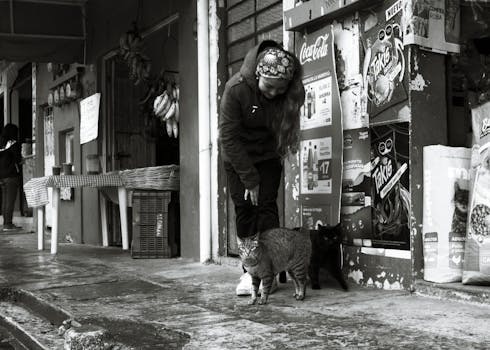
Puebla
Renowned as Mexico's culinary capital, Puebla is the birthplace of mole poblano (the national dish combining chocolate with chiles) and chiles en nogada (the patriotic dish representing the Mexican flag colors). Colonial architecture complements innovative gastronomy with Talavera pottery used for serving. November 2025 sees upscale restaurants reinterpreting traditional recipes with molecular gastronomy techniques.
Cultural Significance:
Puebla's cuisine represents the quintessential fusion of Spanish colonial and indigenous Mexican cooking, with UNESCO recognizing its historic center for culinary heritage.
Signature Dishes:
- Mole Poblano
- Chiles en Nogada
- Cemitas
Key Ingredients:
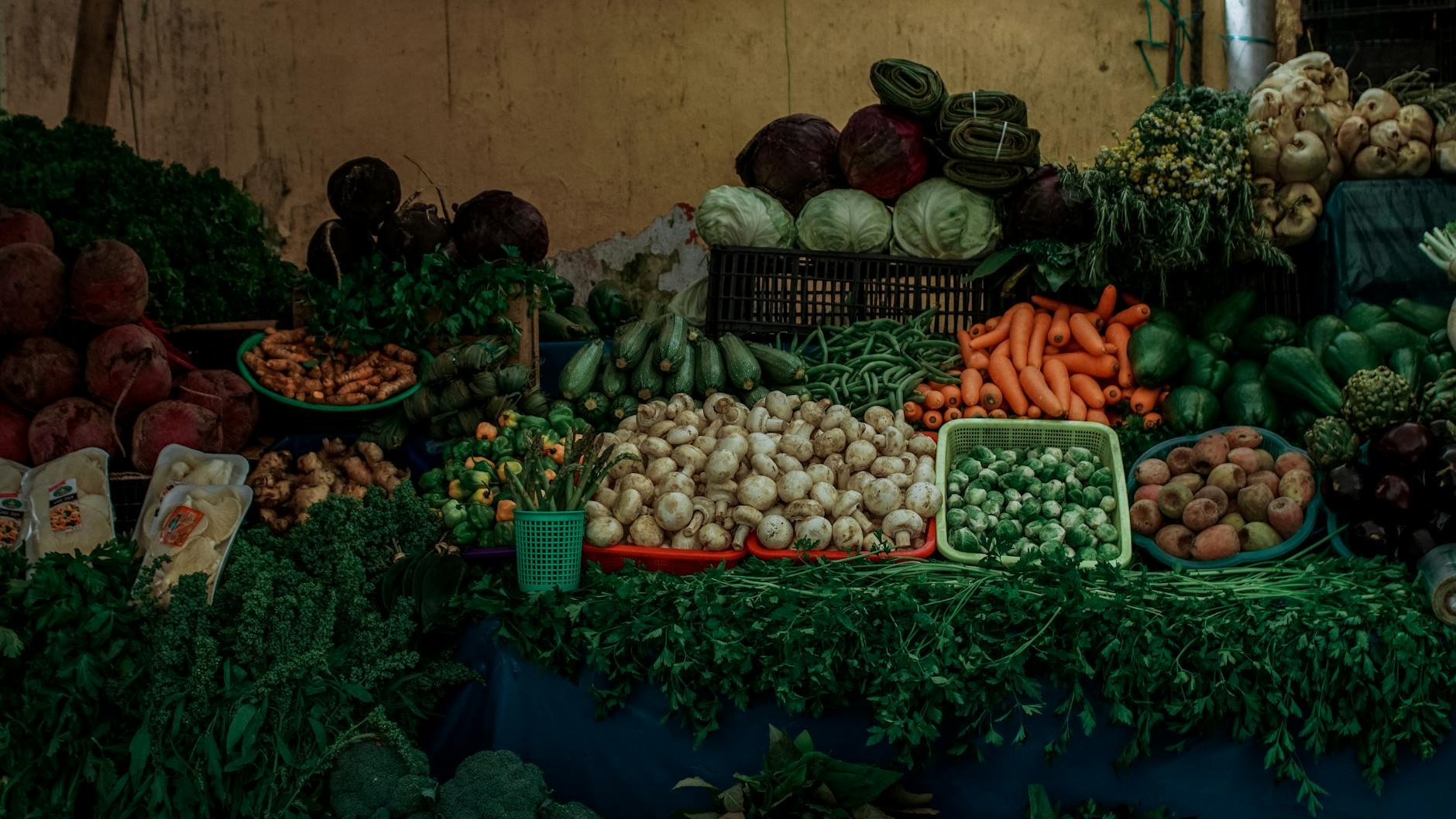
Jalisco
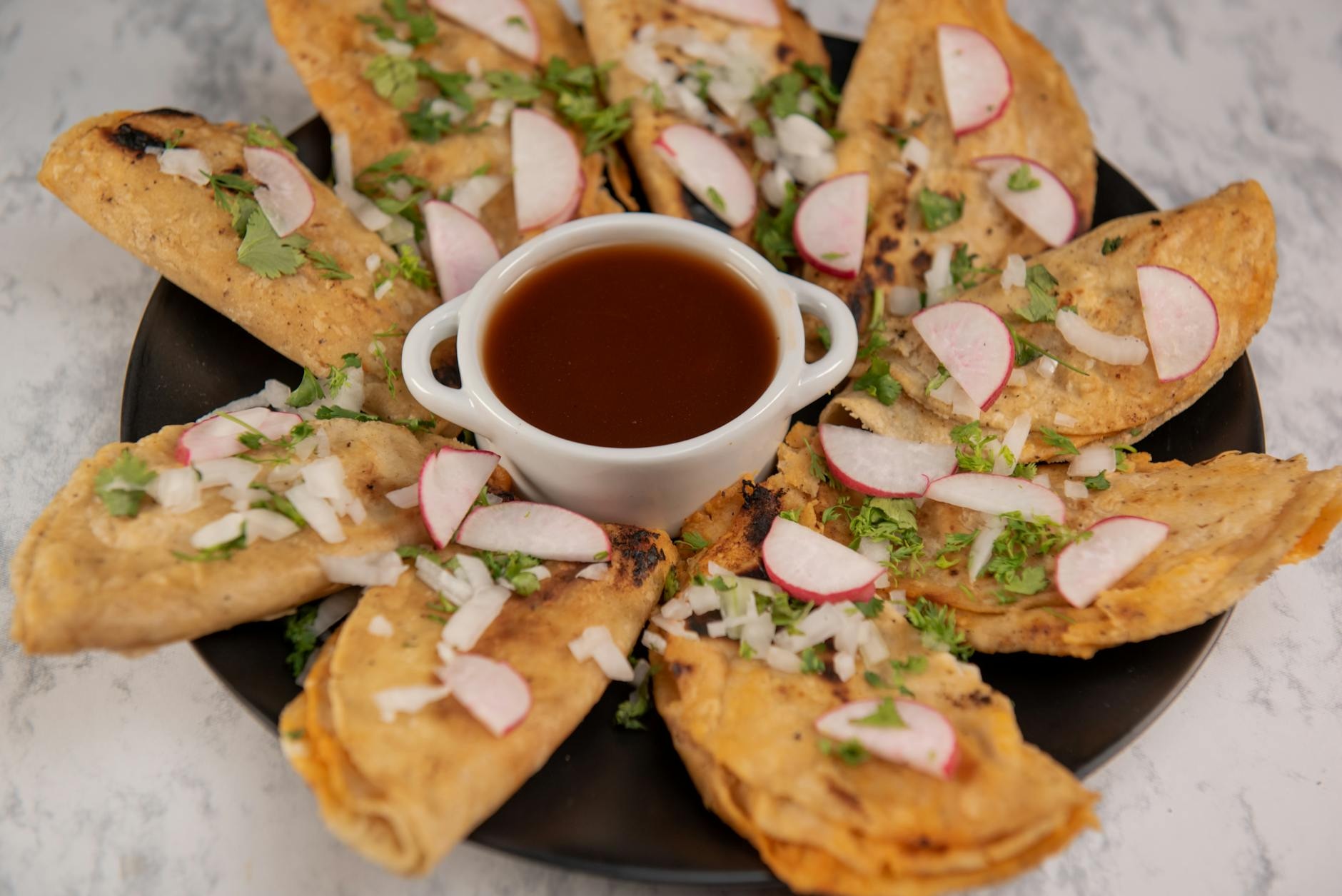
Home to tequila, birria (slow-cooked meat stew), and pozole rojo, Jalisco defines Mexican culinary identity on the global stage. The town of Tequila offers distillery tours showcasing blue agave cultivation and fermentation. Guadalajara's tortas ahogadas (drowned sandwiches in spicy tomato sauce) and street food culture thrive. November 2025 celebrates 10% annual growth in agave spirits tourism.
Cultural Significance:
Jalisco embodies Mexican culinary pride as the birthplace of mariachi music, tequila, and iconic dishes that define the nation's gastronomic identity worldwide.
Signature Dishes:
- Birria
- Pozole Rojo
- Tortas Ahogadas
Key Ingredients:
Baja California
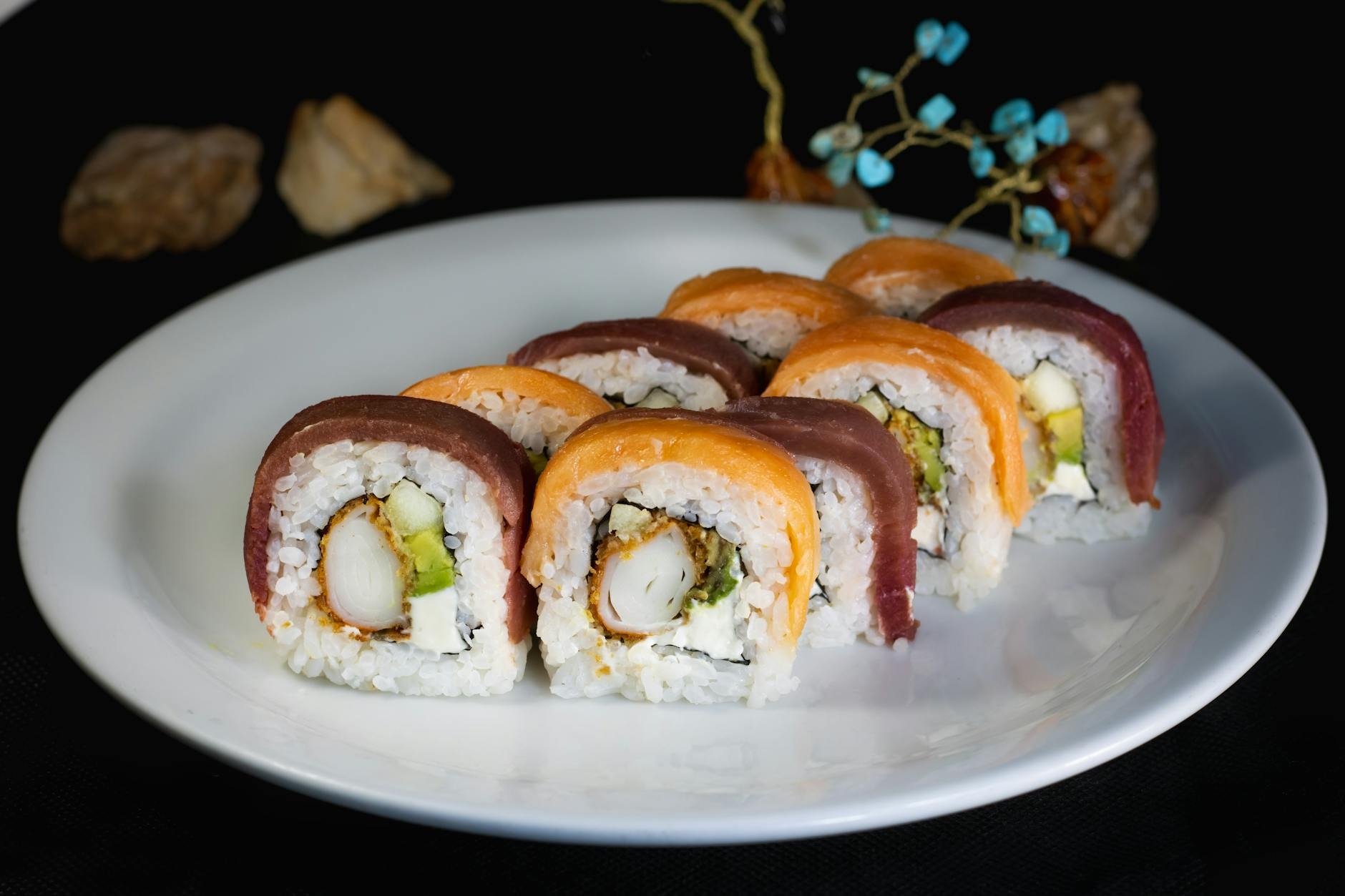
Baja's culinary scene blends Mexican coastal flavors with international wine country sophistication. Ensenada claims to be the birthplace of the fish taco, with crispy beer-battered fish, cabbage, crema, and salsa on corn tortillas. Valle de Guadalupe wine region produces world-class wines paired with Baja Med cuisine—a fusion of Mediterranean and Mexican ingredients. November 2025 sees sustainable seafood from the Sea of Cortez (dubbed 'The World's Aquarium') featured prominently.
Cultural Significance:
Baja California represents Mexico's modern culinary evolution with innovative chefs combining ancestral techniques with global influences, supported by the region's thriving wine industry.
Signature Dishes:
- Fish Tacos
- Caesar Salad (originated in Tijuana)
- Aguachile
Key Ingredients:
Sweet Delights & Desserts
Indulge in Mexico's traditional sweet treats and desserts.

Flan
A creamy custard dessert with a caramel topping. A popular sweet treat enjoyed throughout Mexico.

Churros
Fried dough pastries sprinkled with cinnamon and sugar. Often served with hot chocolate or coffee.

Arroz con leche (Rice pudding)
A sweet rice pudding flavored with cinnamon and often raisins. A comforting dessert enjoyed warm or cold.

Tres Leches Cake
Light sponge cake soaked in a mixture of three types of milk (evaporated milk, condensed milk, and heavy cream), topped with whipped cream or meringue. The ultra-moist texture makes this cake a celebration staple across Mexico, with regional variations adding cajeta (goat's milk caramel) or rum.

Conchas
Iconic Mexican sweet bread rolls with a distinctive shell-like sugar topping, available in vanilla, chocolate, or strawberry flavors. Enjoyed for breakfast or merienda (evening snack) with coffee or hot chocolate. Panaderías (bakeries) across Mexico offer fresh conchas daily, representing the Spanish colonial influence on Mexican bread culture.

Cajeta
Thick, sweet caramel sauce made from goat's milk, originating from Celaya, Guanajuato. The distinctive tang from goat's milk differentiates it from dulce de leche. Served over ice cream, crepes, pancakes, or eaten straight from the jar. Artisan cajeta producers in 2025 offer flavored varieties with vanilla, cinnamon, or pecans.

Buñuelos
Crispy, thin fried dough discs dusted with cinnamon sugar or drizzled with piloncillo (unrefined cane sugar) syrup. A traditional Christmas and New Year's dessert, buñuelos are often served on clay plates that diners smash for good luck. Street vendors and markets sell them year-round in November 2025.

Pan de Muerto
Sweet, orange-scented bread decorated with bone-shaped dough pieces, traditionally baked for Día de los Muertos (Day of the Dead) celebrations from late October through early November. The round shape represents a skull, with crossed bones on top symbolizing the deceased. Panaderías offer creative variations in 2025, including chocolate, filled with cream cheese, or covered in colored sugar.
Traditional Beverages
Discover Mexico's traditional drinks, from locally produced spirits to regional wines.

Tequila
A distilled spirit made from the blue agave plant, primarily produced in Jalisco. Enjoyed neat, in cocktails like margaritas, or with sangrita.

Mezcal
A distilled alcoholic beverage made from various agave plants, with a smoky flavor. Often served with orange slices and sal de gusano (worm salt).

Pulque
A fermented alcoholic beverage made from the sap of the agave plant. A traditional drink with a milky appearance and slightly sour taste.
Soft Beverages
Discover Mexico's traditional non-alcoholic drinks, from local teas to refreshing juices.

Agua fresca
Refreshing fruit-infused water. Popular flavors include hibiscus (jamaica), tamarind, and horchata (rice milk).

Champurrado
A thick, warm chocolate-based beverage often flavored with corn masa and spices like cinnamon and anise. Typically enjoyed during the colder months.

Atole
A warm, corn-based beverage thickened with masa and often flavored with fruits, spices, or chocolate. A comforting drink enjoyed for breakfast or during festivals.