
Ireland Food Guide
Content Information
Recently updated🔥Current Food Trends 2025
What's happening in Ireland's culinary scene right now
Ireland's culinary landscape in 2025 celebrates farm-to-table ethos, artisan food revolution, global fine dining recognition. Michelin Guide Great Britain & Ireland 2025 features Dublin restaurants: Chapter One (one star since 2007), Patrick Guilbaud (two stars since 1996, Ireland's only two-star), Liath (one star), Aimsir (two stars, Celbridge). November marks oyster season peak - Galway International Oyster & Seafood Festival legacy continues year-round appreciation. Traditional dishes reimagined: modern Irish cuisine movement (Darina Allen's Ballymaloe influence). Craft beer revolution - microbreweries proliferate beyond Guinness: Porterhouse, Galway Bay Brewery, Franciscan Well. Irish whiskey renaissance - Jameson, Teeling, new distilleries revive tradition. Artisan cheese movement thriving - Cashel Blue, Durrus, Gubbeen PDO/PGI. Sustainable seafood initiatives - MSC certifications for Irish fisheries. Burren Food Trail, Taste the Island festival. Farm-to-fork restaurants partner directly with producers. Organic farming growth - Bord Bia Origin Green sustainability program. Traditional Irish breakfast remains cultural cornerstone. Potato heritage celebrated - multiple varieties cultivated. Seaweed foraging coastal trend. Brexit impacts food imports but strengthens local sourcing. Food tourism pillar - culinary trails, cooking schools. Traditional pubs evolve gastropub model. Dublin's Comet restaurant features precision cooking with personality. Cork's culinary scene exemplifies artisan food renaissance - English Market (since 1788) UNESCO candidate. The Pig's Ear (Dublin) returned with original cooking featuring famine soup with bone marrow toast and Dublin coddle. Irish diaspora reconnects via food tourism.
Food Safety Tips
Essential food safety information to help you enjoy Ireland's cuisine safely and confidently.
Tap water is safe
Tap water in Ireland is generally safe to drink and meets EU quality standards. In rural areas with private wells, it's wise to ask locals about water quality.
High food standards
Ireland maintains high food safety standards and hygiene regulations. Restaurants and food establishments are regularly inspected.
Shellfish awareness
Ireland is known for excellent seafood, but as with all shellfish, there are risks. Only consume shellfish from reputable restaurants and during months with an 'r' in them for optimal freshness.
Traditional foods handling
Traditional foods like black pudding (blood pudding) require proper handling and cooking. These are generally safe when purchased from established butchers and restaurants.
Dietary Options
vegetarian
HIGH AVAILABILITYWhile traditional Irish cuisine features meat prominently, vegetarian options are widely available, especially in cities and tourist areas. Most restaurants offer several vegetarian dishes.
vegan
MEDIUM AVAILABILITYVegan options are increasingly common, particularly in Dublin and other cities. Many pubs and restaurants now offer plant-based alternatives.
gluten-free
MEDIUM AVAILABILITYAwareness of gluten-free diets has increased significantly, and many restaurants and cafes offer gluten-free options. Traditional Irish bread and baked goods typically contain gluten.
halal
MEDIUM AVAILABILITYHalal options are available in major cities, particularly in areas with diverse populations. Many international restaurants offer halal options, though it's less common in traditional Irish pubs.
kosher
LOW AVAILABILITYKosher food limited in Ireland with small Jewish community (~2,500 Jews, mostly in Dublin, Cork). Dublin's Orthodox Jewish Congregation (Terenure Hebrew Congregation, Adelaide Road Synagogue) provides community resources. Kosher options: Bretzel Bakery (Dublin, kosher-style but not certified), Tesco/Supervalu stock some imported kosher products. No dedicated kosher restaurants or certified butchers currently operating. Main challenges: Pork prominent in Irish breakfast (black/white pudding, bacon, sausages); dairy pervasive (Irish butter, cheese); bread often contains dairy; no rabbinical supervision infrastructure. Best strategy: Self-catering with naturally kosher foods (vegetables, fruits, fish with fins & scales - salmon, cod); packaged imports with reliable kosher symbols (limited selection). Jewish Ireland organization can provide guidance. Observant Jews should plan ahead, bring provisions, or rely on strict vegetarian options.
Common Allergens
Dairy
HIGH PREVALENCEIreland is famous for its dairy products, and milk, butter, and cheese are common ingredients in many Irish dishes.
COMMONLY FOUND IN:
Wheat
HIGH PREVALENCEWheat is present in many traditional Irish foods, particularly breads and baked goods.
COMMONLY FOUND IN:
Shellfish
MEDIUM PREVALENCEIreland's coastal location means shellfish is common, particularly in traditional coastal areas.
COMMONLY FOUND IN:
Eggs
MEDIUM PREVALENCEEggs are common in Irish baking and breakfast dishes.
COMMONLY FOUND IN:
Essential Food Experiences
These iconic dishes represent the must-have culinary experiences that define Ireland's food culture for travelers.

Irish Stew
Ireland's national dish - hearty, comforting stew. Traditionally made with mutton or lamb, potatoes, onions, carrots, sometimes parsley. Slow-simmered for hours until meat tender. Regional variations: some add Guinness, turnips, pearl barley. Simple ingredients, rich flavor. Working-class origins - economical one-pot meal. Found in pubs, restaurants, homes nationwide. Served with crusty bread, Irish butter. Autumn/winter comfort food. UNESCO Intangible Cultural Heritage candidate. Every family has cherished recipe. Quintessential Irish cuisine.

Colcannon
Traditional Irish mashed potato dish - comfort food staple. Creamy mashed potatoes mixed with chopped kale or cabbage, butter, milk/cream, scallions. Sometimes includes leeks. Served as side dish or main with ham, bacon, sausages. Halloween tradition: coin hidden in colcannon for luck. Name from Irish 'cál ceannann' (white-headed cabbage). Simple, filling, delicious. Found in pubs, home cooking. Modern restaurants elevate with gourmet variations. Vegetarian-friendly. Irish soul food.

Irish Soda Bread
Iconic Irish quick bread - no yeast required. Made with flour (white or wholemeal), baking soda (bicarbonate of soda), salt, buttermilk. Baking soda reacts with acidic buttermilk - leavening action. Traditional cross cut on top (helps heat penetrate, ward off devil folklore). Variations: raisins (sweet version), treacle/molasses (brown bread), seeds. Dense, cake-like texture. Sliced thick, served with butter, jam, smoked salmon. Accompanies Irish breakfast, soups, stews. Baked fresh daily in bakeries, homes. UNESCO Intangible Cultural Heritage candidate.

Full Irish Breakfast
Ireland's legendary breakfast - hearty, filling, iconic. Components: rashers (Irish bacon - back bacon), pork sausages, black pudding (blood sausage), white pudding (similar without blood), fried eggs, grilled tomatoes, mushrooms, baked beans, toast/fried bread. Served with strong tea. Regional variations: potato bread (Ulster fry), boxty. Available all day in pubs, B&Bs, hotels. Hangover cure reputation. Tourist must-try. Cultural institution. Breakfast rolls popular grab-and-go version. Complete meal.

Boxty
Traditional Irish potato pancake - Leitrim, Mayo, Donegal, Cavan specialty. Grated raw potatoes mixed with mashed potatoes, flour, buttermilk, baking soda, salt. Fried until golden & crispy. Served as side dish with bacon, smoked salmon, or as main with various toppings. Name from Irish 'bacstaí' (poor-house bread). Traditional rhyme: 'Boxty on the griddle, boxty in the pan. If you can't make boxty, you'll never get a man.' Found in traditional restaurants, festivals. Variations: boxty dumplings, boxty bread.

Seafood Chowder
Irish coastal classic - creamy, rich seafood soup. White fish (cod, haddock, salmon), shellfish (mussels, clams, prawns), potatoes, onions, celery, carrots in cream-based broth. Seasoned with herbs (parsley, thyme), sometimes white wine. Served in bread bowl or with crusty brown bread, Irish butter. Variations throughout coastal regions. Galway, Kerry, Cork famous for chowders. Fishing village specialty. Warming comfort food. Tourist favorite. Found in pubs, seaside restaurants. Fresh, local seafood essential.

Fish & Chips
Irish seaside tradition - crispy battered fish with chips (thick-cut fries). Fresh white fish (cod, haddock, whiting, ray) in beer batter, deep-fried golden. Served with thick-cut chips, mushy peas, tartar sauce, lemon. Wrapped in paper for takeaway. Chipper (fish & chip shop) Irish institution. Coastal towns best for freshness. Friday tradition (Catholic meatless Fridays historically). Burdock's (Dublin), Leo Burdock's famous. Comfort food, late-night staple. Irish-style thicker chips than British versions.

Dublin Coddle
Dublin working-class specialty - comforting one-pot dish. Layers of pork sausages, back bacon (rashers), potatoes, onions slowly simmered in stock/water. Traditionally used leftover sausages & bacon. Name from 'coddle' (slow simmering). Eaten Saturday nights using week's leftover meats. Simple, economical, satisfying. Found in traditional Dublin pubs including The Pig's Ear (returned with original cooking). James Joyce mentioned in Ulysses. Regional pride - quintessential Dublin dish. Served with soda bread, Irish butter. Homestyle cooking, less common in touristy restaurants.

Shepherd's Pie/Cottage Pie
Irish comfort food classic - savory meat pie topped with mashed potatoes. Shepherd's pie: minced lamb with vegetables (peas, carrots, onions) in gravy. Cottage pie: minced beef version (more common). Topped with creamy mashed potatoes, baked until golden. Historically used leftover roast meat. Served in pubs, homes nationwide. Hearty, warming, satisfying. Perfect for cold Irish weather. Variations include cheese topping, Guinness in gravy. British-Irish shared tradition. Pub grub staple.

Irish Oysters
Ireland's aquatic treasure - world-renowned oysters. Atlantic oysters (Crassostrea gigas), native oysters (Ostrea edulis) from clean Irish waters. Served raw on half-shell with lemon, Tabasco, shallot vinegar. Galway Bay oysters most famous - Galway International Oyster & Seafood Festival (September since 1954). Season: months with 'R' (September-April) traditionally, now year-round with farming. Carlingford, Clarinbridge, Dungarvan also renowned. High in zinc, omega-3s. Aphrodisiac reputation. Paired with Guinness traditionally. Coastal dining essential experience.

Black and White Pudding
Traditional Irish blood sausage - breakfast staple. Black pudding: pork blood, pork fat, oatmeal, onions, spices (black pepper, herbs). White pudding: similar but without blood - pork meat, fat, oatmeal, bread. Sliced, fried until crispy outside. Essential component of full Irish breakfast. Clonakilty Black Pudding (Cork) has PDO (Protected Designation of Origin) status - only black pudding made in Clonakilty using traditional recipe. Found in butchers, supermarkets, breakfast menus. Acquired taste but beloved locally. Reflects Irish preservation traditions.
Regional Specialties & Local Favorites
Discover the authentic regional dishes and local favorites that showcase Ireland's diverse culinary traditions.

Bacon and Cabbage
A classic Irish dish featuring boiled bacon served with boiled cabbage. It's a simple yet flavorful combination that reflects the traditional use of readily available ingredients.

Boxty (Bacstaí)
A traditional potato pancake made with grated potatoes, flour, and milk or buttermilk. It can be served as a savory dish with various toppings or as a sweet treat with jam or honey.
Allergens:

Coddle (Cadal)
A Dublin specialty consisting of layers of sausages, bacon, potatoes, and onions, slowly simmered in a broth. It's a comforting and flavorful one-pot meal.
Regional Cuisine Highlights
Explore the diverse culinary landscapes across different regions of Ireland.
County Cork
Cork - Ireland's 'Rebel County' & food capital. English Market (Cork city) historic covered market since 1788 showcases artisan producers - UNESCO Intangible Cultural Heritage candidate, visited by Queen Elizabeth II 2011. Coastal location provides abundant seafood - Kinsale (Gourmet Capital), Baltimore, Bantry famous. Artisan food movement strong - farmhouse cheeses (Durrus, Gubbeen, Ardrahan), Clonakilty black pudding (PDO), spiced beef (Christmas specialty). Ballymaloe House & Cookery School (Darina Allen) pioneered farm-to-table movement. Food festivals celebrate local produce.
Cultural Significance:
Cork cuisine embodies Ireland's artisan food renaissance. English Market UNESCO Intangible Cultural Heritage candidate - Queen Elizabeth II visited 2011. Ballymaloe influenced generations of chefs - modern Irish cuisine birthplace. Slow Food movement active. Food tourism economic pillar. Cork's independent spirit reflected in culinary innovation. Spiced beef tradition unique to Cork - families have secret recipes passed down. Michelin stars in Kinsale area.
Signature Dishes:
- Spiced Beef (Christmas corned beef)
- Drisheen (blood pudding)
- Crubeens (pig's trotters)
- Clonakilty Black Pudding
- Kinsale seafood
Key Ingredients:

County Galway
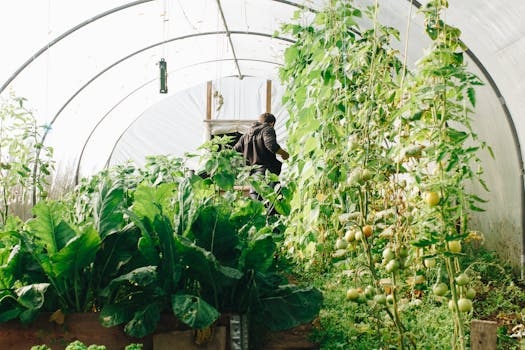
Galway - Wild Atlantic Way culinary jewel, seafood paradise. Galway Bay oysters world-renowned - Galway International Oyster & Seafood Festival (since 1954) celebrates heritage. Clarinbridge oysters PDO status. Connemara region: rugged landscape, mountain lamb, Atlantic seafood, foraging culture (seaweed, samphire). Aran Islands maintain traditional fishing methods. Latin Quarter restaurants showcase local ingredients. Food culture vibrant - street food, gastropubs, fine dining coexist.
Cultural Significance:
Galway cuisine reflects Celtic heritage, Gaeltacht (Irish-speaking) traditions, maritime culture. Oyster Festival attracts global visitors - oyster opening championships. Connemara lamb grazes on herb-rich coastal pastures - distinctive flavor. Seaweed harvesting centuries-old tradition - modern foraging revival. Food mirrors landscape: wild, authentic, unprocessed. Galway 2020 European Capital of Culture highlighted culinary scene. Sustainability ethos strong.
Signature Dishes:
- Galway Bay oysters (Clarinbridge PDO)
- Connemara lamb
- Cleggan crab & lobster
- Seaweed (dillisk, dulse)
- Fish & chips
Key Ingredients:
County Kerry
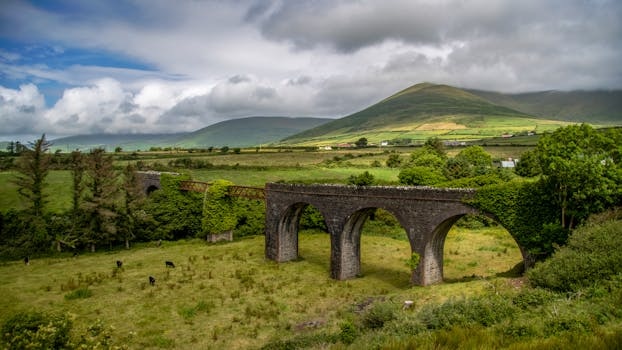
Kerry - 'Kingdom' of traditional Irish fare, Ring of Kerry culinary route. Mountain lamb from MacGillycuddy's Reeks, Atlantic seafood from Dingle Peninsula, Kenmare Bay. Kerrygold butter brand named for Kerry cows - grass-fed dairy heritage. Dingle town food hub - artisan producers, seafood restaurants, Murphy's Ice Cream. Traditional recipes preserved: boxty, colcannon. Food tourism linked to scenic Wild Atlantic Way. Farm-to-table strong.
Cultural Significance:
Kerry cuisine embodies pastoral Ireland - green pastures, mountain sheep, fishing boats. Kerrygold global brand ambassador for Irish dairy quality. Dingle artisan food scene attracts culinary tourists - traditional pubs serve authentic local food. Food festivals celebrate heritage. Skellig Michael UNESCO site nearby - food part of cultural pilgrimage. Traditional cooking methods preserved in rural areas. 'Kerry Diamond' potatoes historic variety.
Signature Dishes:
- Kerry mountain lamb
- Dingle Bay seafood (crab, lobster)
- Boxty (potato pancakes)
- Seafood chowder
- Traditional Irish breakfast
Key Ingredients:
Dublin
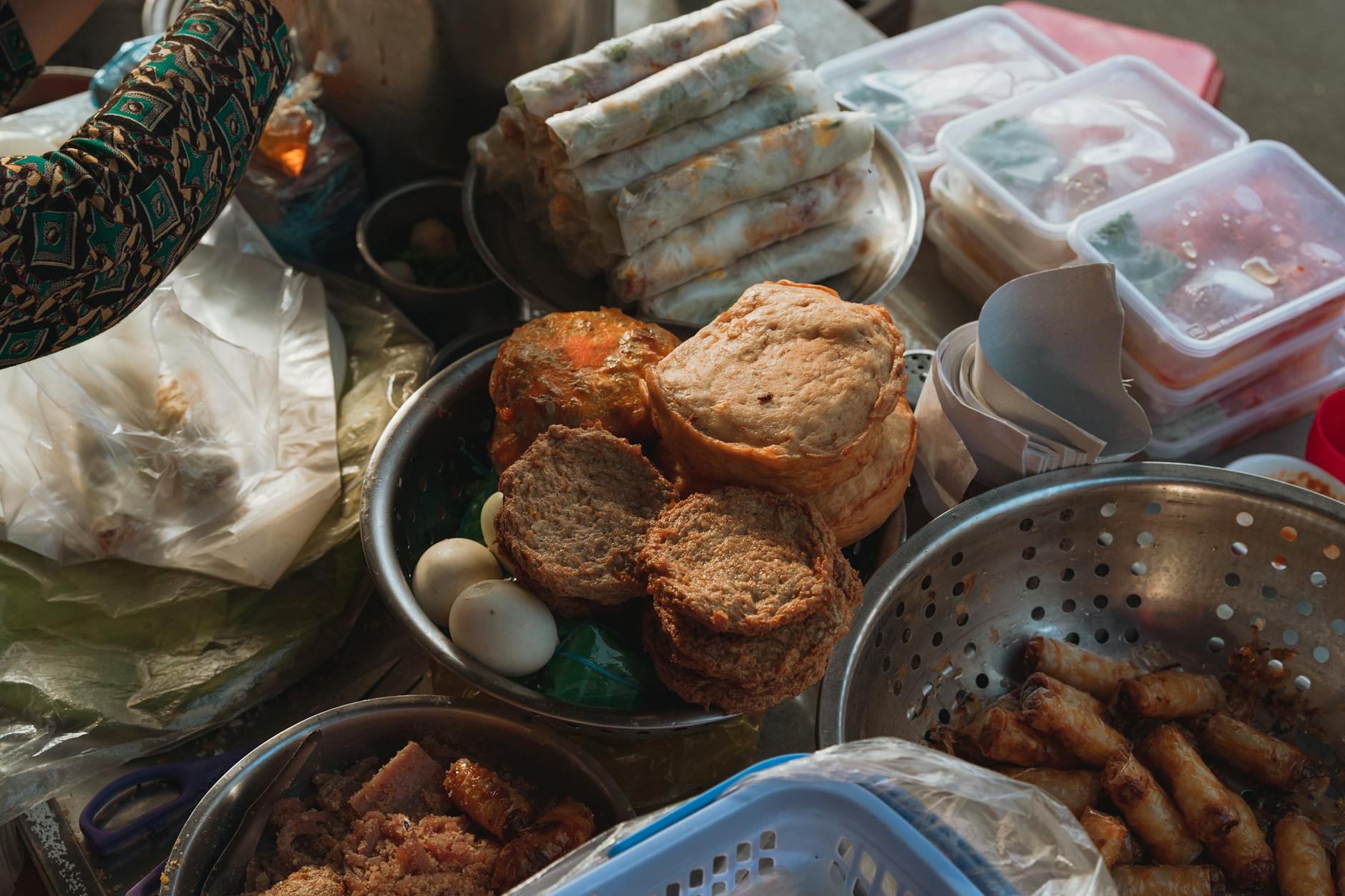
Dublin - Ireland's capital & culinary innovation hub. Fine dining Michelin stars (Chapter One, Patrick Guilbaud, Liath), Temple Bar gastropubs, Moore Street markets, Georgian Quarter restaurants. Traditional Dublin specialties: coddle, Dublin Bay prawns (langoustines), Guinness brewery heritage. Multicultural dining (Italian, Asian, Middle Eastern) alongside Irish classics. Food markets: Fallon & Byrne, George's Street Arcade. Coffee culture thriving - third-wave cafes proliferate. Craft beer scene strong.
Cultural Significance:
Dublin cuisine mirrors Ireland's transformation: tradition meets innovation. Michelin recognition elevates global profile. Georgian Dublin tea houses evolved into modern cafes. Literary pub crawls feature food James Joyce mentioned (Ulysses references coddle). Immigrant communities enrich food diversity. Temple Bar touristy but authentic gems remain (Gallagher's Boxty House). Food markets social hubs. Craft beer renaissance challenges Guinness dominance. Dublin chefs train globally, return with techniques applied to Irish ingredients. The Pig's Ear returned diving deep into Dublin's past with original cooking.
Signature Dishes:
- Dublin Coddle (sausage & bacon stew)
- Dublin Bay prawns (langoustines)
- Guinness & oysters pairing
- Fish & chips (Burdock's, Leo Burdock's)
- Modern Irish tasting menus
Key Ingredients:
County Clare (The Burren)
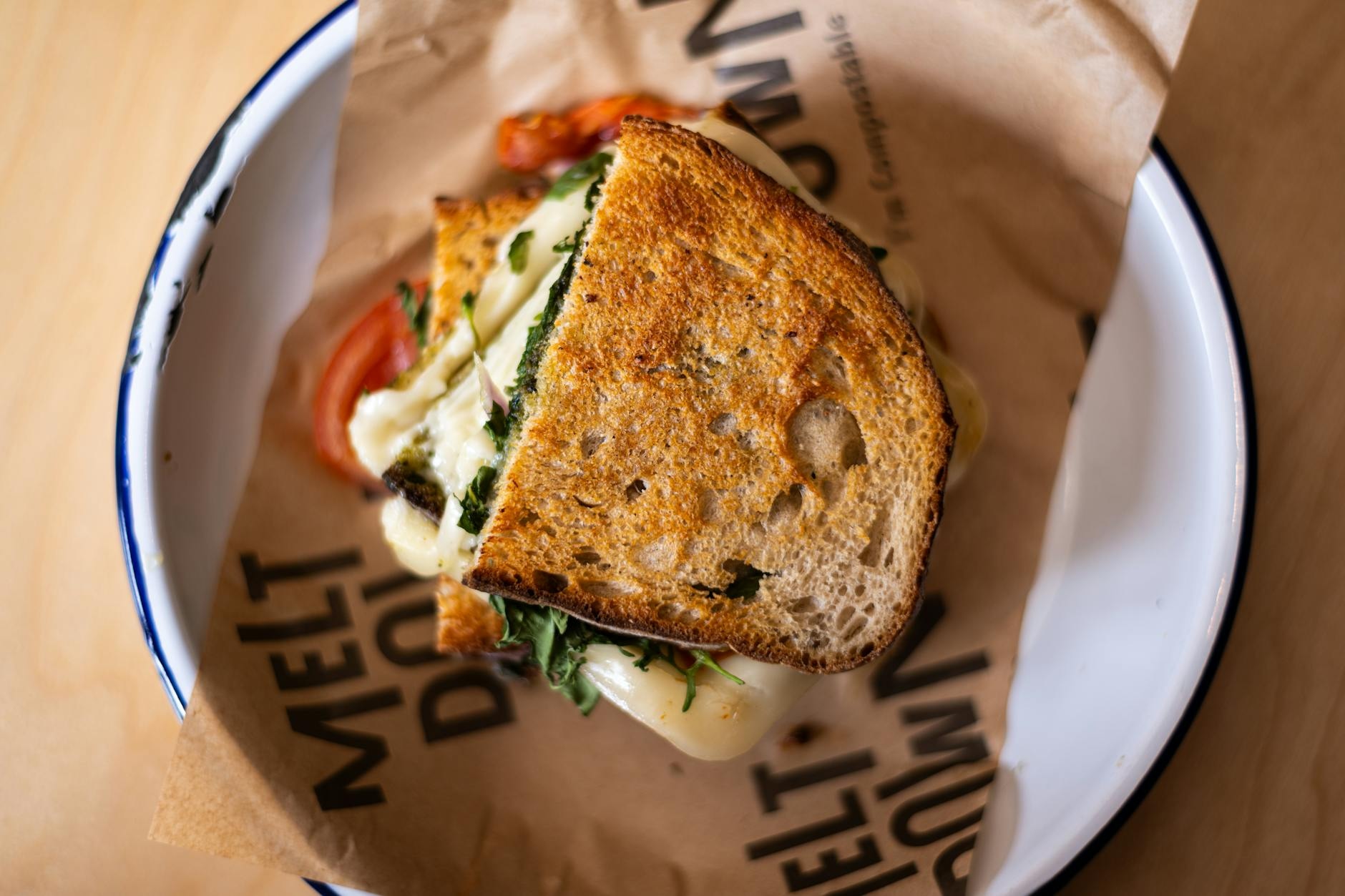
Clare - Burren's unique limestone landscape creates distinct terroir. Burren Food Trail showcases artisan producers: cheeses (Burren Gold, St. Tola goat cheese), smoked salmon, charcuterie. Atlantic coast seafood abundant. Doolin village seafood restaurants. Traditional music pubs serve hearty Irish fare. Foraging culture: wild garlic, mushrooms, coastal herbs. Ennis town markets feature local produce. Lisdoonvarna matchmaking festival includes food events. Cliffs of Moher tourist route includes culinary stops.
Cultural Significance:
Clare cuisine reflects Burren's unique ecology - limestone flora imparts distinctive flavor to dairy & meat. Slow Food Burren & Clare convivium promotes traditional foods, biodiversity. Burren College of Art hosts food events. Archaeological sites (Poulnabrone dolmen) connect ancient food heritage. Music tradition intertwines with hospitality - pubs serve food during trad sessions. Sustainable tourism model balances visitors with preservation. Artisan producers collaborate rather than compete.
Signature Dishes:
- St. Tola goat cheese
- Burren smoked salmon
- Atlantic seafood chowder
- Traditional Irish stew
- Brown bread & butter
Key Ingredients:
County Donegal
Donegal - Ireland's northwestern frontier, Ulster cuisine heritage (Republic side). Rugged Atlantic coast provides seafood: Killybegs (Ireland's largest fishing port), Donegal Bay oysters. Mountain lamb, seaweed harvesting, potato dishes traditional. Sliabh Liag sea cliffs area foraging. Gaeltacht regions preserve traditional cooking. Donegal catch seafood brand. Remote location preserved authentic food culture. Farm-to-table restaurants embrace local sourcing. Wild Atlantic Way northern anchor.
Cultural Significance:
Donegal cuisine embodies frontier resilience, self-sufficiency. Killybegs fishing fleet sustains economy, culinary identity. Seaweed harvesting traditional livelihood - modern health food trend revives interest. Potato dependence historically led to creative preparations (boxty variations). Gaeltacht areas maintain Irish language, food traditions parallel. Remote location means less touristy, more authentic experiences. Food festivals celebrate heritage: Taste of Donegal, Letterkenny Food Festival. Ulster-Scots influence in border areas.
Signature Dishes:
- Donegal Bay oysters & mussels
- Killybegs fish (haddock, mackerel)
- Boxty (potato pancakes)
- Seaweed (dulse, carrageen)
- Mountain lamb stew
Key Ingredients:
Sweet Delights & Desserts
Indulge in Ireland's traditional sweet treats and desserts.

Barmbrack (Báirín Breac)
Traditional Irish tea bread - Halloween specialty. Yeast bread studded with raisins, sultanas, mixed peel, spices (cinnamon, nutmeg). Dried fruit soaked in cold tea overnight for moistness. Name from Irish 'báirín breac' (speckled loaf). Halloween tradition: objects baked inside - ring (marriage within year), coin (wealth), stick (unhappy marriage), cloth (poverty). Served sliced with Irish butter. Found in bakeries year-round. Sweet, aromatic, nostalgic. UNESCO Intangible Cultural Heritage candidate.

Porter Cake
Rich Irish fruitcake made with porter or stout beer (Guinness often used). Dark, moist cake with dried fruits (raisins, currants, cherries), mixed peel, spices (cinnamon, nutmeg, allspice), treacle/molasses. Porter adds depth, moisture, dark color. Christmas & special occasions. Improves with age - keeps weeks. Served sliced, sometimes with Irish butter or whiskey butter. Traditional farm cake. Found in bakeries, home baking. Similar to Christmas cake but porter distinctive.

Apple Tart (Tárt úll)
Irish apple tart - beloved home-baked dessert. Shortcrust or sweet pastry base & top filled with sliced Irish cooking apples (Bramley), sugar, cinnamon, sometimes cloves. Baked until apples tender, pastry golden. Served warm with fresh cream, custard, or ice cream. Every Irish family has recipe. School lunches, Sunday dinners. Simple, comforting, nostalgic. Found in bakeries, cafes, pubs. Autumn best when apples fresh. National favorite. More rustic than French tarte.

Carrageen Moss Pudding
Traditional Irish coastal dessert - seaweed pudding. Carrageen moss (Irish moss, Chondrus crispus) seaweed gathered from Atlantic coast, dried, then simmered with milk, sugar, vanilla. Natural thickening from carrageen's carrageenan. Set in molds until firm. Custard-like texture, delicate flavor. Served with fruit compote or cream. Health benefits - minerals, digestive aid. Coastal tradition. Less common now but experiencing revival with foraging trend. Unique Irish dessert.

Irish Cream Liqueur Trifle
Modern Irish trifle - layers of indulgence. Sponge cake (often chocolate) soaked in Irish cream liqueur (Baileys), layered with custard, whipped cream, chocolate shavings, berries. Assembled in glass bowl/individual glasses. Variations: add sherry, coffee, Irish whiskey. Christmas & special occasions popular. Showstopper dessert. Found in restaurants, home celebrations. Irish cream adds distinctive flavor. Rich, decadent, boozy. Adult dessert.

Bread & Butter Pudding
Classic Irish comfort dessert - frugal origins. Day-old bread (white or fruit bread) buttered, layered in baking dish, soaked in custard (eggs, milk, cream, sugar, vanilla), studded with raisins. Baked until golden, custard set. Sometimes topped with demerara sugar for caramelized crust. Served warm with cream or custard sauce. Irish whiskey variation popular. Found in pubs, traditional restaurants, homes. Waste-not heritage. Simple, satisfying, nostalgic.

Guinness Chocolate Cake
Modern Irish dessert icon - chocolate stout cake. Rich chocolate cake made with Guinness stout - adds moisture, depth, subtle roasted flavor. Frosted with cream cheese frosting (sometimes Irish cream added). Dark, moist, intensely chocolate. Guinness enhances chocolate without overpowering. St. Patrick's Day popular but enjoyed year-round. Found in bakeries, cafes, restaurants. Tourist favorite. Fusion of Irish icons: Guinness & chocolate. Surprisingly light despite richness. Adult birthday cake choice.

Bailey's Cheesecake
Indulgent Irish cheesecake - cream cheese dessert with Irish twist. Digestive biscuit base, cream cheese filling flavored with Bailey's Irish Cream liqueur, sometimes chocolate. No-bake or baked versions. Set in refrigerator until firm. Garnished with chocolate shavings, whipped cream, chocolate sauce. Rich, creamy, boozy. Special occasions, celebrations. Found in restaurants, bakeries. Irish cream signature flavor. Modern dessert showcasing Ireland's famous liqueur. Adult-only treat.
Traditional Beverages
Discover Ireland's traditional drinks, from locally produced spirits to regional wines.

Guinness
Guinness is a dry Irish stout famous worldwide for its dark ruby color and creamy head. It's brewed in Dublin and has a distinctive roasted barley flavor.

Irish Whiskey
Irish whiskey is a type of whiskey made in Ireland, typically triple-distilled and known for its smooth character. Several prominent brands produce various styles, including single malt, single pot still, and blended whiskeys. Irish whiskey renaissance ongoing - Jameson, Teeling, new distilleries reviving tradition.

Irish Cream Liqueur
Irish cream liqueur is a creamy alcoholic beverage made with Irish whiskey, cream, and other flavorings. It's often enjoyed on its own, over ice, or in coffee.
Soft Beverages
Discover Ireland's traditional non-alcoholic drinks, from local teas to refreshing juices.

Tea
Tea is a ubiquitous beverage in Ireland, typically black tea served with milk and sugar. It's a staple of Irish hospitality and enjoyed throughout the day.

Red Lemonade
Red lemonade is a carbonated soft drink popular in Ireland, with a sweet, fruity flavor and a distinctive red color. It's a common choice for children and adults alike.

Coffee
Coffee consumption has increased significantly in Ireland in recent years, with various styles becoming popular, including espresso, cappuccino, and latte. Many cafes and coffee shops offer a wide range of coffee options.