
Jordan Food Guide
Content Information
Recently updated🔥Current Food Trends 2025
What's happening in Jordan's culinary scene right now
Jordan's culinary landscape in 2025 celebrates Levantine heritage, Bedouin traditions, modern Amman restaurant evolution. Mansaf remains cultural cornerstone - national dish served at weddings, gatherings, Fridays. Knafeh culture thriving - Habibah Sweets (Amman since 1951), Al-Aker Sweets (Nablus-style) compete for best knafeh. Tourism peak season (ideal weather) brings culinary tourism. Amman restaurant scene grows - Sufra Restaurant (traditional Jordanian in heritage house), Fakhreldin (upscale Levantine), Reem Al Bawadi (Palestinian-Jordanian), Shams El Balad (farm-to-table). Rainbow Street, Paris Square dining districts popular. Olive harvest season - Jordan Valley, Ajloun region olive oil production. Family farms press extra-virgin olive oil - tastings, agricultural tourism. Bedouin hospitality experiences - zarb underground barbecue Wadi Rum, authentic Bedouin camps. Petra Kitchen cooking classes teach traditional recipes to tourists. Dead Sea resort dining - spa resorts offer fusion cuisine alongside traditional Jordanian. Syrian refugee population (~1.3 million) influences food landscape - Syrian restaurants, bakeries proliferate especially Amman. Palestinian cuisine integral to Jordanian identity - shared dishes (musakhan, maqluba, knafeh). Cooler weather perfect for mezze culture - outdoor dining Rainbow Street, Jabal Amman. Wine tourism emerging - Jordan River Winery, Saint George Winery small-scale production. Craft beer scene nascent - Carakale Brewery pioneering microbrewing. Farm-to-table movement - Bani Hamida weaving cooperative connects rural producers to urban restaurants. Street food culture - falafel, shawarma, manakish breakfast. Protected designation efforts for jameed (dried yogurt), ma'amoul cookies. Culinary heritage preservation - Dana Biosphere Reserve promotes local Bedouin food traditions. Pomegranate harvest, citrus season Jordan Valley. Tourism drives cooking classes, food tours. Regional Protected Designations: Jordanian jameed, olive oil. Sustainability focus - reducing food waste, supporting local agriculture. Food festivals: Jerash Heritage Festival showcases regional cuisines.
Food Safety Tips
Essential food safety information to help you enjoy Jordan's cuisine safely and confidently.
Drink bottled or filtered water
Tap water in Jordan is generally not recommended for drinking. Stick to bottled water or water that has been properly filtered.
Street food can be safe
Street food in Jordan is generally safe, especially in tourist areas. Look for busy stalls with high turnover and local customers.
Be cautious with raw vegetables
Raw vegetables may be washed with untreated water. Consider eating cooked vegetables or peel fruit yourself.
Check dairy product freshness
Dairy products are common in Jordanian cuisine. Ensure they are properly refrigerated, especially during hot summer months.
Dietary Options
vegetarian
HIGH AVAILABILITYJordan has a rich tradition of vegetarian mezze (appetizers) and dishes. Options like falafel, hummus, and stuffed vegetables are widely available.
vegan
MEDIUM AVAILABILITYMany vegetarian dishes are also vegan by default, though some traditional recipes may include dairy or eggs. Specify 'bidoon alban' (without dairy) when ordering.
gluten-free
MEDIUM AVAILABILITYRice dishes and meat-based main courses are often gluten-free, but bread is a staple food. Cross-contamination may occur in kitchens.
halal
HIGH AVAILABILITYAs a predominantly Muslim country (~97% Muslim), virtually all food in Jordan is halal. Pork and alcohol prohibited except select international hotels, Christian/foreign communities. All meat slaughtered according to Islamic law (zabiha). Restaurants, street food, supermarkets default halal - no certification needed in most cases. Only concerns: International hotel buffets may serve non-halal items (clearly marked), Christian-owned establishments in Madaba, Fuheis may have non-halal options. Travelers can confidently eat anywhere without concern.
kosher
VERY LOW AVAILABILITYKosher food nearly non-existent in Jordan with tiny Jewish community (~200-1,000 Jews, primarily Amman). No synagogues, kosher restaurants, butchers, or certified facilities. Challenges: Dairy/meat separation not observed; no kosher supervision infrastructure. Options: Self-catering with imported packaged foods (look for OU, OK kosher symbols - extremely limited); fresh produce, fruits available; vegetarian mezze (hummus, falafel, baba ghanoush, tabbouleh) safest options but cross-contamination risk. Fish (tilapia from Jordan River/farms) available but verify sourcing. Major hotels (Four Seasons, Kempinski Dead Sea) may accommodate with significant advance notice.
Common Allergens
Sesame
HIGH PREVALENCESesame seeds and tahini (sesame paste) are fundamental ingredients in Jordanian cuisine.
COMMONLY FOUND IN:
Tree Nuts
HIGH PREVALENCEPistachios, pine nuts, walnuts, and almonds are commonly used in many dishes and desserts.
COMMONLY FOUND IN:
Wheat
HIGH PREVALENCEWheat is a staple in Jordanian cuisine, used in bread, pastries, and as a thickening agent.
COMMONLY FOUND IN:
Dairy
HIGH PREVALENCEDairy products, especially yogurt and cheese, are common in Jordanian cooking.
COMMONLY FOUND IN:
Essential Food Experiences
These iconic dishes represent the must-have culinary experiences that define Jordan's food culture for travelers.

Mansaf
Jordan's national dish consisting of lamb cooked in a sauce of fermented dried yogurt called jameed, served over rice and flatbread, traditionally eaten communally with the right hand. Tender lamb served on white rice and thin shrak bread, all soaked in tangy jameed sauce. More than just food - represents hospitality and Jordanian pride. Served at weddings, Friday gatherings, celebrations. Found at Jabri, Deeritna, Al Quds Restaurant in Amman. Eaten communally from large platter.

Falafel
Deep-fried patties made from ground chickpeas, herbs, and spices. Jordanian falafels are known for being particularly light and fluffy inside with crispy exterior. Served in flatbread with tahini, vegetables, pickles. Street food staple found everywhere. Each vendor has unique spice blend. Vegetarian protein option integral to Levantine cuisine.

Knafeh
A sweet cheese pastry soaked in sugar syrup, topped with crushed pistachios. The Jordanian version is typically made with distinctive orange-colored semolina dough. Habibah Sweets in Downtown Amman (since 1951) famous for best knafeh in Jordan. Shredded phyllo dough or semolina layered with Nabulsi cheese (white, unsalted), baked until golden, soaked in attar (sugar syrup), topped with crushed pistachios. Served hot - cheese melts inside. Popular breakfast dessert. Levantine icon, Ramadan favorite.

Zarb
A Bedouin barbecue where meat and vegetables are slow-cooked in an underground pit, giving the food a unique, smoky flavor. Whole lamb or chicken, marinated and seasoned, cooks alongside vegetables and rice, absorbing smoky flavors for hours. Bedouin specialty in Wadi Rum desert camps. Theatrical earth oven uncovering. Represents communal celebration, patience. Traditional cooking method predating modern conveniences.

Mezze Platter
An assortment of small dishes served as appetizers, including hummus, mutabbal (eggplant dip), tabbouleh (parsley salad), and more. Shared dining experience central to Jordanian culture. Multiple small plates encourage conversation, grazing. Found at restaurants throughout Amman. Represents Levantine hospitality - abundance, variety, generosity. Vegetarian-friendly options abundant.

Jordanian Tea with Sage
Black tea infused with sage (meramiyyeh), served sweet and often flavored with mint or other herbs, a symbol of Jordanian hospitality. Bedouin tea ritual represents welcome, friendship. Served in small glasses throughout day. Sweet, aromatic, comforting. Found everywhere from Bedouin tents to upscale restaurants. Non-negotiable hospitality gesture.

Maqluba
Traditional 'upside-down' rice dish - layered rice, vegetables (cauliflower, eggplant, potatoes), meat (chicken or lamb) cooked in pot, then flipped onto serving platter. Name means 'upside-down' in Arabic. Dramatic presentation - pot inverted revealing golden rice dome with vegetable/meat layers. Spiced with turmeric, cumin, allspice. Palestinian-Jordanian staple. Found at family gatherings, traditional restaurants like Musakhan Ammoun, Al-Sultan. Comfort food representing shared Levantine heritage.

Musakhan
Palestinian-Jordanian dish - roasted chicken with sumac, caramelized onions, allspice, pine nuts served on taboon flatbread. Bread soaks up chicken juices, onion oil creating flavorful base. Sumac provides tangy, lemony flavor. Traditionally baked in taboon (clay oven). Festive dish served at celebrations. Found at Palestinian restaurants, home kitchens. Embodies Palestinian culinary identity shared with Jordan. Rich, aromatic, communal dish eaten with hands.

Freekeh
Roasted green wheat harvested while young, then fire-roasted and rubbed to produce nutty, smoky grain. Ancient grain with origins in Levant. Prepared like rice - pilaf with chicken, lamb, or vegetables. Higher protein, fiber than regular wheat. Earthy, distinctive smoky flavor. Popular side dish, stuffing. Found at traditional restaurants. Harvest timing critical - wheat must be green. Sustainable ancient grain experiencing modern revival.

Makdous
Pickled stuffed baby eggplants preserved in olive oil. Eggplants hollowed, filled with walnuts, red peppers, garlic, spices, cured in olive oil. Tangy, rich, complex flavor. Mezze staple served at breakfast, dinner. Syrian-Levantine origin, popular throughout Jordan especially with Syrian refugee influence. Labor-intensive preparation - traditionally homemade. Found at specialty shops, Syrian restaurants. Intensely flavorful condiment eaten with bread, labneh.
Regional Specialties & Local Favorites
Discover the authentic regional dishes and local favorites that showcase Jordan's diverse culinary traditions.
Mansaf
Jordan's iconic national dish featuring lamb cooked in fermented dried yogurt sauce (jameed), served over rice and flatbread, traditionally eaten communally with the right hand.
Allergens:

Jordanian Mezze
A vibrant spread of small dishes including hummus, moutabal (eggplant dip), tabbouleh, and muhammara, showcasing Jordan's culinary diversity in one sharing experience.
Allergens:
Knafeh
Beloved dessert of shredded phyllo dough layered with soft white cheese, soaked in sweet syrup and topped with crushed pistachios, often enjoyed hot for breakfast or dessert.
Allergens:
Zarb
Traditional Bedouin feast where marinated meat and vegetables are slow-cooked in an underground sand oven, imparting unique smoky flavors and tender textures.
Falafel
Crispy, herb-infused chickpea fritters that are a staple street food in Jordan, typically served in flatbread with tahini sauce, vegetables, and pickles.
Allergens:
Regional Cuisine Highlights
Explore the diverse culinary landscapes across different regions of Jordan.
Amman
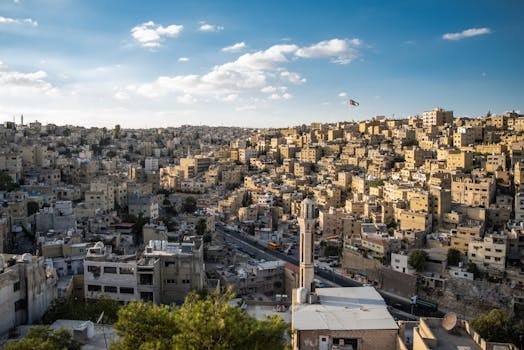
Capital city Amman - culinary crossroads of traditional Jordanian and modern cosmopolitan cuisine. Historic downtown (Balad) preserves street food culture - falafel stands, knafeh shops, hummus restaurants. Upscale neighborhoods (Jabal Amman, Abdoun, Sweifieh) host contemporary restaurants, international chains. Rainbow Street dining district iconic - rooftop cafes, fusion restaurants. Syrian, Palestinian refugee populations influence food landscape.
Cultural Significance:
Amman embodies Jordan's multicultural evolution. Rainbow Street represents modern Jordanian identity. Traditional Friday mansaf gatherings coexist with contemporary cafe culture. Economic hub attracts regional cuisines. Culinary education programs train next generation chefs.
Signature Dishes:
- Mansaf (national dish, Friday tradition)
- Maqluba (upside-down rice)
- Falafel sandwiches
- Knafeh from Habibah Sweets
- Hummus plates
Key Ingredients:
Petra & Wadi Rum (Southern Desert)
Southern desert region - Petra (ancient Nabatean city, UNESCO site), Wadi Rum (dramatic desert landscape). Bedouin heritage defines cuisine - zarb underground barbecue, simple grilled meats, flatbreads baked on saj griddle. Tourism shapes dining. Harsh desert environment creates preservation traditions - dried yogurt (jameed), sun-dried fruits. Hospitality culture central - sweet tea, coffee rituals. Wadi Rum Bedouin camps cook zarb for tourists.
Cultural Significance:
Bedouin hospitality code dictates offering food, drink to travelers. Zarb cooking represents communal celebration, patience. Petra's Nabatean heritage influences modern cuisine. Lawrence of Arabia connection romanticizes Bedouin culture.
Signature Dishes:
- Zarb (underground Bedouin barbecue)
- Bedouin tea (black tea with sage)
- Shrak bread (thin flatbread)
- Grilled lamb, chicken
- Jameed-based dishes
Key Ingredients:

Dead Sea & Jordan Valley
Jordan Valley - lowest point on Earth (Dead Sea 430m below sea level), fertile agricultural region. Year-round warm climate enables winter vegetable production. Dead Sea resort area features spa hotels, upscale dining. Jordan Valley produces tomatoes, cucumbers, peppers, citrus, dates, bananas. Resort cuisine blends international spa food with traditional Jordanian.
Cultural Significance:
Jordan Valley represents agricultural heartland despite water scarcity challenges. Dead Sea area biblical significance. Baptism site pilgrimage draws Christians. Resort development balances tourism with environmental concerns.
Signature Dishes:
- Fresh valley vegetables
- Date-based dishes
- Citrus (oranges, grapefruit, lemons)
- Grilled fish (Galilee tilapia)
- Health-focused spa cuisine
Key Ingredients:
Aqaba (Red Sea Coast)
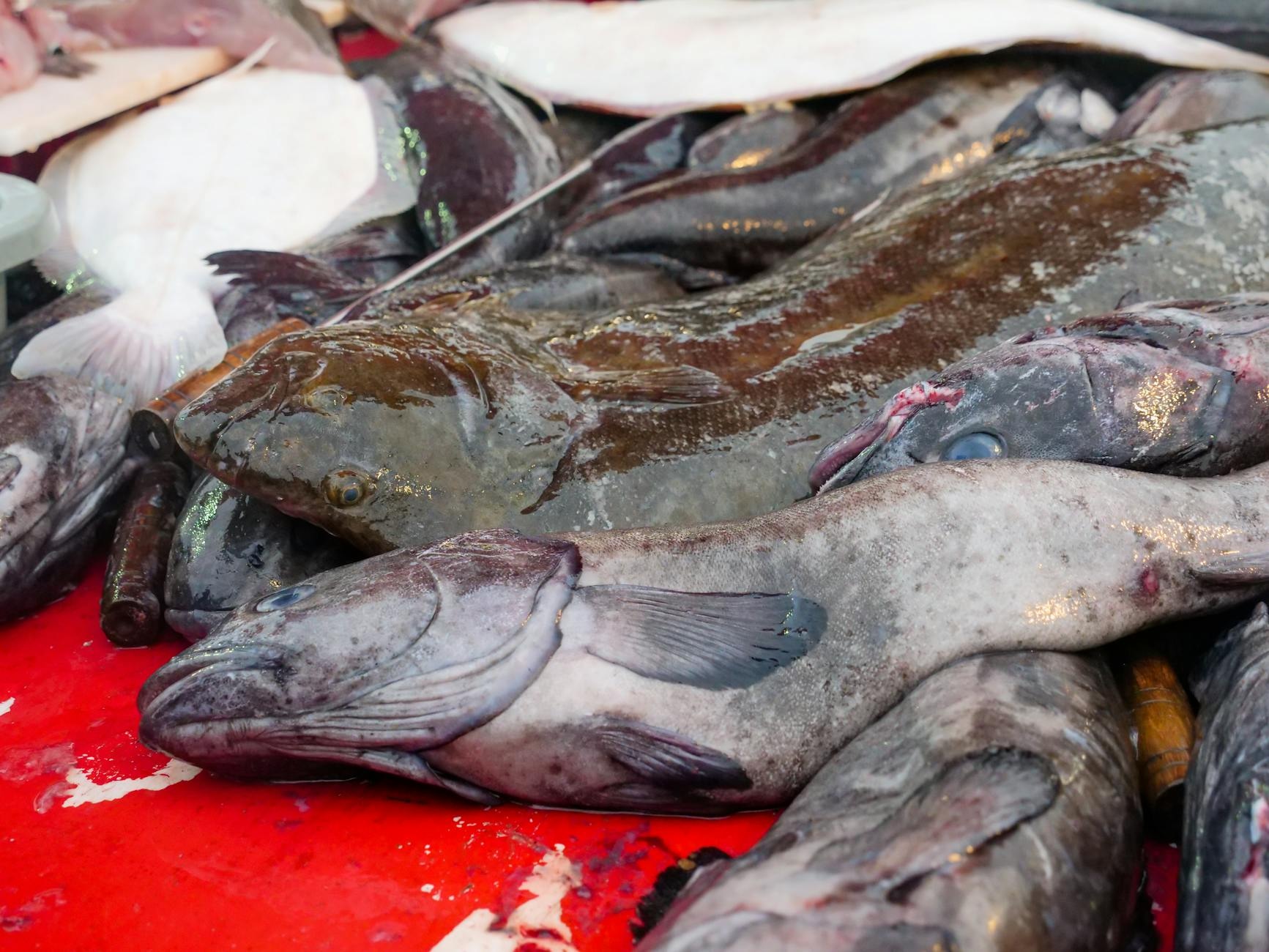
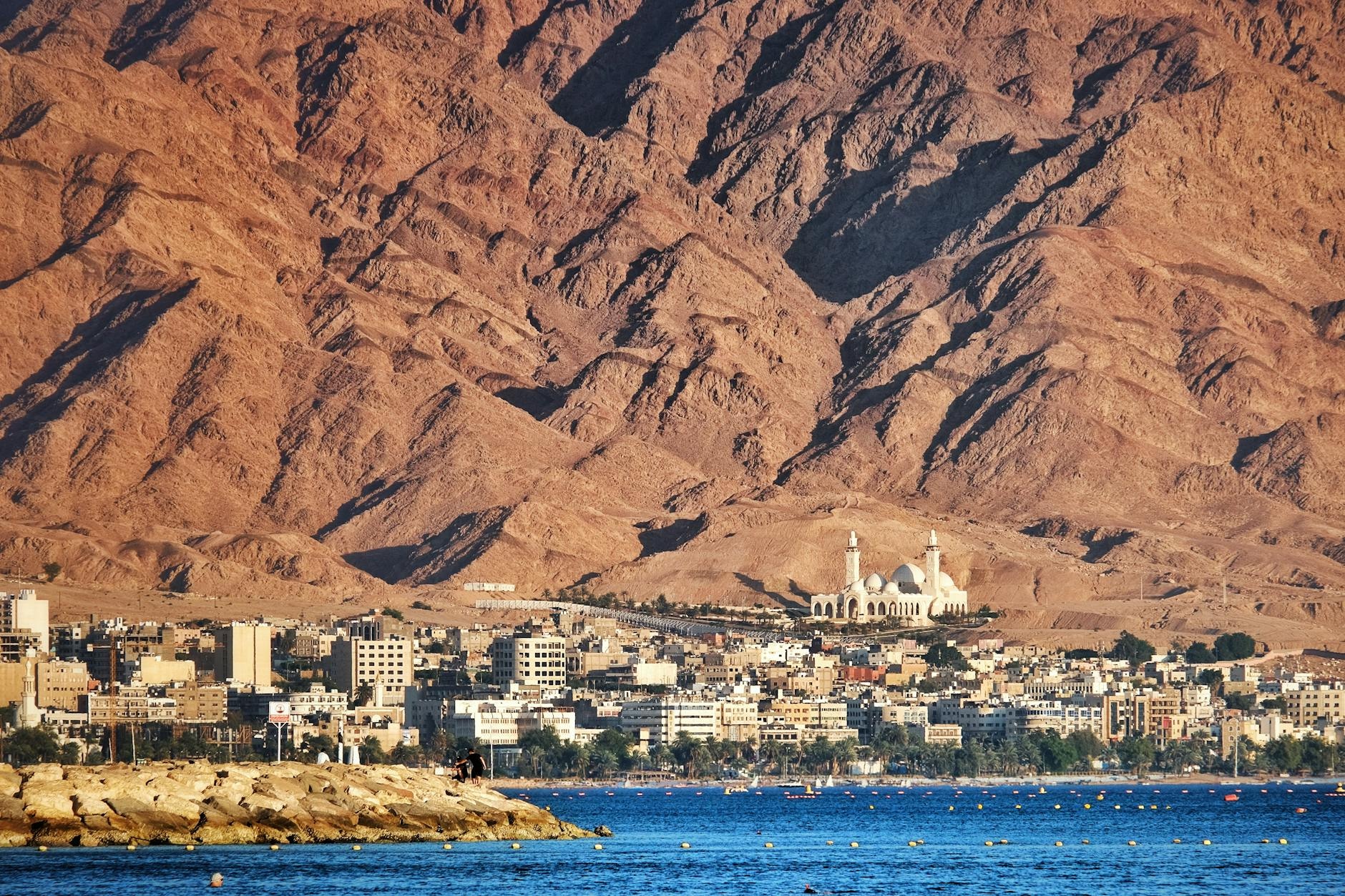
Jordan's only coastal city - Aqaba on Red Sea. Seafood prominence distinguishes from inland Jordan. Fresh fish (grouper, snapper, sea bream), shrimp, calamari dominant. Fishing boats supply daily catch. Tourism-driven restaurant scene - waterfront dining, hotel buffets. Cosmopolitan influence from port city status. Fish markets sell fresh catch. Grilled fish, sayadieh (fish over rice), seafood mezze popular.
Cultural Significance:
Aqaba represents Jordan's maritime connection - only sea access. Historical trade port influences cosmopolitan character. Tourism economy drives development. Beach culture creates relaxed atmosphere different from conservative inland. Eilat (Israel), Taba (Egypt) nearby - regional culinary exchange.
Signature Dishes:
- Grilled Red Sea fish (grouper, snapper)
- Sayadieh (fish with spiced rice)
- Shrimp dishes
- Seafood mezze
- Fish tagine
Key Ingredients:
Jerash & Northern Jordan
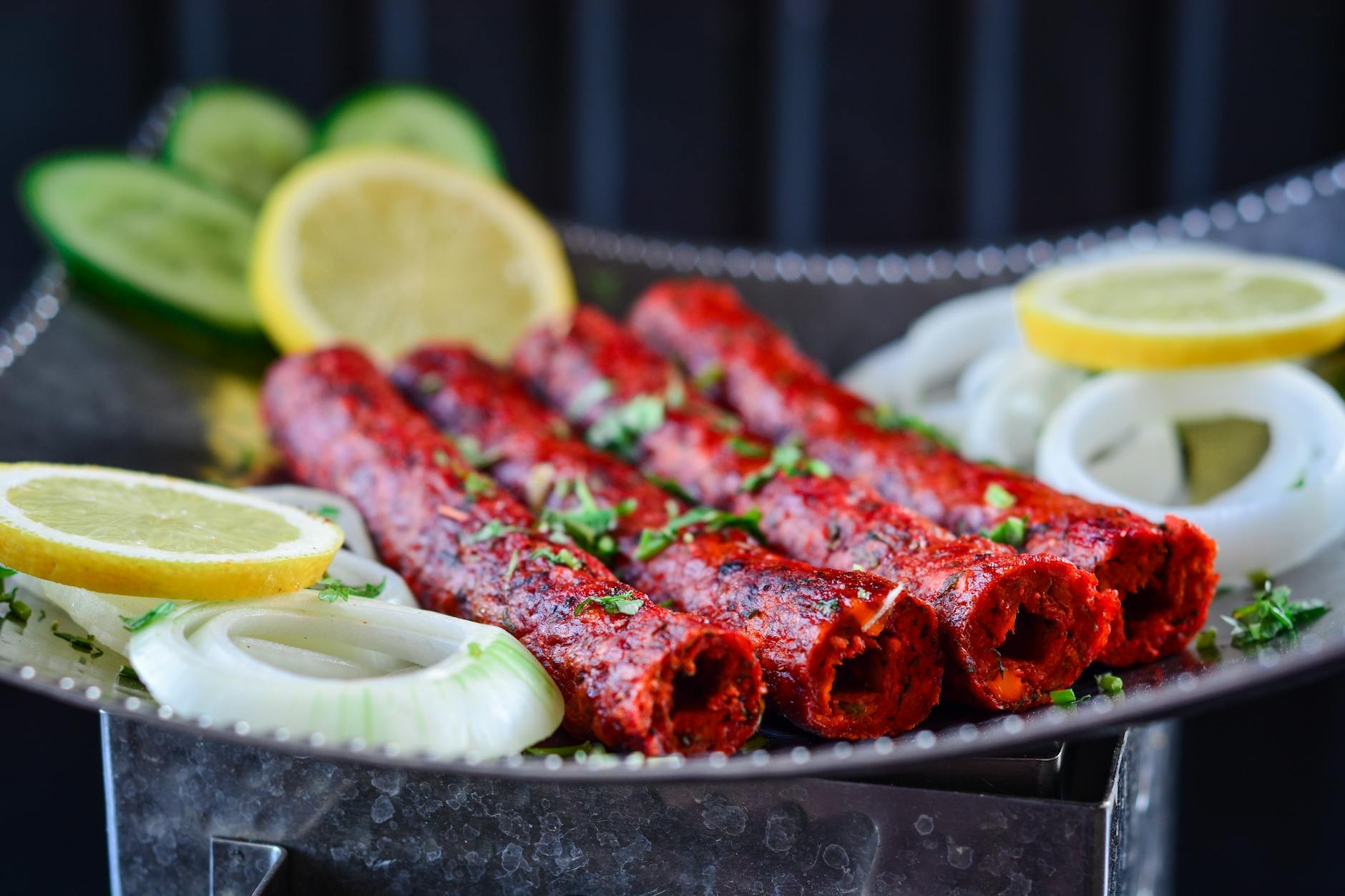
Northern Jordan - greener, wetter than south. Jerash ancient Roman city, Ajloun Castle Crusader fortress. Fertile land supports olive groves, fruit orchards. Olive harvest peak season - olive oil pressing, tastings. Ajloun region produces premium olive oil. Circassian community (19th century refugees from Caucasus) settled Jerash, Amman - unique culinary contribution. Circassian chicken (poached chicken with walnut sauce) regional specialty.
Cultural Significance:
Northern Jordan preserves agricultural traditions - olive cultivation millennia old. Jerash Heritage Festival showcases regional cuisine. Circassian community maintains distinct identity. Roman ruins connect modern food culture to ancient history. Christian communities celebrate Easter with traditional foods.
Signature Dishes:
- Circassian chicken (with walnut sauce)
- Olive oil and olives
- Mansaf (popular here)
- Wild herb salads
- Pine nut dishes
Key Ingredients:
Madaba & Kings Highway
Madaba - ancient city famous for Byzantine mosaics, Christian heritage. Kings Highway ancient trade route connecting north-south Jordan. Madaba's Christian population influences cuisine - Christmas, Easter traditions. Wine production small-scale - Jordan River Winery, Saint George Winery. Mosaic City Restaurant, Haret Jdoudna restaurant complex preserve heritage recipes. Mount Nebo biblical significance.
Cultural Significance:
Madaba represents Jordan's Christian heritage. Kings Highway biblical importance. Mount Nebo pilgrimage site draws Christian tourists. Small wineries challenge Muslim-majority country norms. Mosaic heritage attracts cultural tourism. Dana Biosphere Reserve nearby promotes eco-tourism.
Signature Dishes:
- Musakhan (chicken with sumac)
- Maqluba
- Local wines (Jordan River Winery)
- Makloubeh
- Easter and Christmas specialties (Christian community)
Key Ingredients:
Sweet Delights & Desserts
Indulge in Jordan's traditional sweet treats and desserts.
Knafeh
Sweet cheese pastry soaked in sugar syrup, often flavored with rose water or orange blossom water. Habibah Sweets (Amman since 1951) famous for best knafeh in Jordan. Shredded phyllo dough (kataifi) or semolina layered with Nabulsi cheese (white, unsalted), baked until golden, soaked in attar (sugar syrup), topped with crushed pistachios. Served hot - cheese melts inside. Popular breakfast dessert. Levantine icon, Ramadan favorite.

Baklava
Layers of filo pastry filled with chopped nuts (pistachios, walnuts, almonds) sweetened with sugar syrup or honey. Rich, decadent dessert commonly served during special occasions, weddings, Eid celebrations. Turkish-Ottoman heritage adapted throughout Levant. Delicate, flaky layers contrast with sweet nut filling. Labor-intensive preparation. Found at specialty sweet shops (halawani). Diamond or square shapes.

Halva
Dense, sweet confection made from tahini (sesame paste) and sugar. Crumbly yet smooth texture. Flavored with pistachios, chocolate, vanilla, or plain. Middle Eastern staple dessert, snack. Slice served with Arabic coffee. Found at sweet shops, supermarkets. Long shelf life. Sesame-forward flavor, intensely sweet.

Qatayef
Sweet stuffed pancakes traditionally served during Ramadan. Small pancakes (cooked one side only) folded around filling - sweet cheese, nuts, or cream. Sealed, then fried until crispy or baked. Drizzled with sugar syrup (attar). Two main types: qatayef asafiri (fried, filled with nuts), qatayef bil-ishta (filled with cream, not fried). Ramadan icon. Street vendors, sweet shops sell fresh daily.

Ma'amoul
Traditional filled cookies - buttery semolina or flour dough filled with dates, pistachios, walnuts, or figs. Shaped in decorative wooden molds (tabi) creating intricate patterns. Dusted with powdered sugar. Popular during religious holidays - Easter (Christian Arabs), Eid al-Fitr and Eid al-Adha (Muslims). Ancient recipe passed through generations. Delicate, crumbly texture with sweet filling. Symbolizes celebration, hospitality.

Basbousa
Semolina cake soaked in simple sugar syrup, often flavored with rose water or orange blossom water. Topped with almonds before baking. Moist, dense texture with slight graininess from semolina. Cut into diamond or square shapes. Egyptian-Levantine dessert popular throughout Jordan. Served at celebrations, afternoon tea. Pairs with Arabic coffee.

Muhallabiyeh
Creamy milk pudding flavored with rose water or orange blossom water, thickened with cornstarch or rice flour. Garnished with crushed pistachios, almonds, cinnamon. Served chilled in individual cups. Light, delicate dessert. Popular Ramadan dessert, year-round treat. Turkish-Arab origins. Simple, comforting. Silky smooth texture. Often served after heavy meal as palate cleanser.

Hareeseh
Semolina cake with tahini, yogurt, sugar, butter - baked until golden. Soaked in sugar syrup while hot. Topped with blanched almonds (one almond per square traditional). Dense, moist, very sweet. Similar to basbousa but includes tahini giving nutty flavor. Middle Eastern classic. Sliced into diamonds or squares. Served at celebrations, coffee breaks. Pairs perfectly with strong Arabic coffee or tea.
Traditional Beverages
Discover Jordan's traditional drinks, from locally produced spirits to regional wines.

Arak (عرق)
An anise-flavored spirit popular in the Levant. It's traditionally mixed with water, which turns it milky white, and served with mezze.
Soft Beverages
Discover Jordan's traditional non-alcoholic drinks, from local teas to refreshing juices.

Arabic Coffee (قهوة عربية)
Strong, cardamom-flavored coffee served in small cups. It's an integral part of Jordanian hospitality and often served to guests.

Tea (شاي)
Black tea, often flavored with mint or sage, is widely consumed throughout the day. It's a symbol of hospitality and often served with sugar.