
France Food Guide
Content Information
Recently updated🔥Current Food Trends 2025
What's happening in France's culinary scene right now
France's gastronomic landscape in November 2025 celebrates 25 years of the bistronomy revolution—modern French bistro cooking emphasizing simple, authentic regional dishes—recognized as the most pivotal gastronomic movement in Western countries since 1945. The Fooding 2026 guide, released November 20, 2025, spotlights emerging talent beyond Paris, marking a historic shift in French culinary power. Culinary tourism market surges toward USD 40.6 billion by 2035 (15.9% annual growth), driven by international fascination with authentic French regional experiences. Paris decentralization intensifies: Bordeaux, Lille, Marseille, and Alpes-Maritimes emerge as culinary epicenters attracting young chefs seeking lower rents, exceptional local produce, and creative freedom away from Parisian pressure. Regional terroir dominance: Chefs like Florent Ladeyn (Lille) and Anne-Sophie Pic (Valence, 3 Michelin stars) ground their cuisine in distinctive local ingredients and landscapes, celebrating hyper-regional identity. Plant-based gastronomy revolution: Restaurants like Ave Racine (Marseille) transform vegetables into plant-based charcuterie, while Alice Tuyet's Daimant Collective redefines bistro fare through innovative vegan lenses. Sustainable dining commitment: Focus shifts to seasonal, zero-waste cooking with compostable practices and farm partnerships. Iconic bistronomy restaurants—L'Ami Jean, Le Chateaubriand, Septime—continue mentoring the next generation, ensuring bistronomy's evolution remains rooted in accessibility, creativity, and respect for ingredients. 2025 sees nostalgic dessert revival (riz au lait, flan pâtissier, tarte aux pommes) and gourmet croissants becoming Paris trends. Organic wine movement thrives with low-intervention, unfiltered wines from natural winemakers.
Food Safety Tips
Essential food safety information to help you enjoy France's cuisine safely and confidently.
Exercise caution with unpasteurized dairy products
France is known for its raw milk cheeses and dairy products. These are generally safe but may pose risks for pregnant women, elderly, or immunocompromised individuals.
Be aware of rare meat preparations
Steak tartare (raw beef) and other rare meat dishes are common in France. If you have concerns, request meat to be cooked to your preference.
Tap water is safe to drink
Tap water is safe throughout France, though many prefer bottled mineral water for its taste.
Dietary Options
vegetarian
HIGH AVAILABILITYFrance's vegetarian scene has evolved dramatically by 2025. Major cities offer extensive vegetarian options in both traditional bistros (vegetable-forward dishes like ratatouille, soupe à l'oignon gratinée) and modern restaurants. The bistronomy movement has elevated vegetable cookery to art form, with chefs celebrating seasonal produce. Say "Je suis végétarien(ne)" to communicate dietary needs.
vegan
MEDIUM AVAILABILITYFrance's vegan revolution is underway in November 2025. Paris, Marseille, Lyon, and Bordeaux feature dedicated vegan bistros and bakeries creating plant-based versions of French classics. Innovative restaurants like Daimant Collective (Alice Tuyet) and Ave Racine (Marseille) transform vegetables into sophisticated plant-based charcuterie and pâtés. While dairy-heavy traditional cuisine remains, urban areas now offer substantial vegan selections. Specify "végan(e)" when ordering.
gluten-free
MEDIUM AVAILABILITYFrance's gluten-free awareness has improved significantly by 2025, especially in major cities. Paris, Lyon, and Nice feature dedicated gluten-free bakeries offering croissants, baguettes, and pâtisseries made with rice, buckwheat, or almond flour. Many restaurants accommodate gluten-free requests, though advance notice helps. Look for "sans gluten" labels. Brittany's traditional buckwheat galettes are naturally gluten-free.
halal
HIGH AVAILABILITYFrance has Europe's largest Muslim population, ensuring excellent halal availability in major cities. Paris, Marseille, Lyon, Lille, and Toulouse feature extensive halal restaurants serving French, North African, Middle Eastern, and Turkish cuisine. Halal-certified butchers and grocers are common in urban areas. Many traditional French dishes (bouillabaisse, ratatouille, duck confit) can be found in halal versions.
kosher
MEDIUM AVAILABILITYFrance's historic Jewish communities, particularly in Paris (Marais district), Lyon, and Strasbourg, maintain kosher restaurants and bakeries. Paris offers kosher versions of French classics including croissants, baguettes, coq au vin, and pâtisseries. Advance planning essential outside major cities. Look for "cacher" (kosher) certification.
Common Allergens
Wheat
HIGH PREVALENCEBread and pastries are fundamental to French cuisine.
COMMONLY FOUND IN:
Dairy
HIGH PREVALENCEDairy products, especially cheese and butter, are essential to French cooking.
COMMONLY FOUND IN:
Eggs
MEDIUM PREVALENCEEggs are common in French cuisine, especially in sauces and pastries.
COMMONLY FOUND IN:
Tree Nuts
MEDIUM PREVALENCENuts are commonly used in French desserts and some savory dishes.
COMMONLY FOUND IN:
Shellfish
MEDIUM PREVALENCEShellfish appears in many coastal French dishes.
COMMONLY FOUND IN:
Wine/Alcohol
HIGH PREVALENCEWine is used in many French recipes, though the alcohol usually cooks off.
COMMONLY FOUND IN:
Essential Food Experiences
These iconic dishes represent the must-have culinary experiences that define France's food culture for travelers.

Croissant
Buttery, flaky pastry that is a staple of French breakfasts.

Boeuf Bourguignon
Beef stew braised in red wine, often with carrots, onions, and mushrooms.

Coq au Vin
Chicken braised with wine, lardons, mushrooms, and sometimes garlic.

Ratatouille
Vegetable stew consisting mainly of eggplant, zucchini, tomatoes, and bell peppers.

Escargot
Edible snails typically served in their shells with butter, garlic, and parsley.

Crème Brûlée
Rich custard dessert topped with a layer of caramelized sugar.

Bouillabaisse
Provençal fish stew originating from Marseille, typically containing various kinds of fish and shellfish.

Confit de Canard
Duck leg slowly cooked in its own fat until the meat is fall-off-the-bone tender, then crisped to golden perfection. A specialty of Southwest France (Gascony), this ancient preservation technique dates back centuries. Traditionally served with roasted potatoes cooked in duck fat (pommes sarladaises) and garlic. The ultimate expression of French slow-cooking mastery.

Steak Frites
The quintessential French bistro dish: perfectly grilled steak (typically entrecôte or bavette) served with golden, crispy French fries and a choice of sauces (béarnaise, poivre, or maitre d'hôtel butter). Simple, elegant, and found in every Parisian bistro. Represents the heart of French casual dining and bistronomy culture. Order it "saignant" (rare), "à point" (medium-rare), or "bien cuit" (well-done).

Soufflé au Fromage
The iconic French cheese soufflé—a delicate balance of béchamel sauce, egg yolks, whipped egg whites, and Gruyère or Comté cheese, baked until puffed and golden. Must be served immediately from oven to table before deflation begins. A testament to French culinary technique and precision, requiring perfect timing and temperature control. The ultimate test of a chef's skill.
Regional Specialties & Local Favorites
Discover the authentic regional dishes and local favorites that showcase France's diverse culinary traditions.

Cassoulet
A hearty slow-cooked casserole from southern France containing meat (typically pork sausages, goose, or duck) and white beans, with a distinctive crusty top formed during the long cooking process.

Tarte Flambée
An Alsatian specialty similar to thin pizza, featuring bread dough rolled out very thinly and topped with crème fraîche, thinly sliced onions, and lardons before quick baking in a hot oven.
Allergens:

Quiche Lorraine
A savory open pie from the Lorraine region featuring a pastry crust filled with a rich custard of eggs, cream, and lardons, sometimes including cheese, with endless regional variations.
Allergens:

Pot-au-Feu
A traditional French beef stew where inexpensive cuts of beef are slow-cooked with root vegetables and aromatic herbs to create a rich, flavorful broth and tender meat - considered the quintessential French family dish.

Tarte Tatin
A caramelized upside-down apple tart created accidentally by the Tatin sisters, featuring apples cooked in caramel then baked under pastry and flipped to serve, showing the beautifully caramelized fruit.
Allergens:

Moules Marinières
Classic French mussels steamed in white wine with shallots, parsley, and butter. A coastal bistro staple served with crispy frites for dipping in the aromatic broth. Simple preparation highlighting the sweetness of fresh Atlantic mussels.
Allergens:

Croque Monsieur
The ultimate French grilled ham and cheese sandwich made with Gruyère or Emmental, quality ham, béchamel sauce, and butter-toasted bread. Croque Madame adds a fried egg on top. Parisian café classic since 1910.
Allergens:

Salade Niçoise
Provençal composed salad from Nice featuring tuna, hard-boiled eggs, Niçoise olives, anchovies, tomatoes, and green beans on lettuce. Authentically made without cooked vegetables. A summer staple on the French Riviera.
Allergens:

Soupe à l'Oignon
French onion soup with caramelized onions in rich beef broth, topped with toasted baguette and melted Gruyère cheese. A Parisian bistro tradition dating back to the 18th century. Perfect comfort food on cold evenings.
Allergens:

Kouign-Amann
Brittany's butter cake masterpiece—layers of laminated dough with butter and sugar, baked until caramelized outside and tender inside. The name means 'butter cake' in Breton. A decadent pastry rivaling croissants in complexity and flavor.
Allergens:
Regional Cuisine Highlights
Explore the diverse culinary landscapes across different regions of France.
Provence
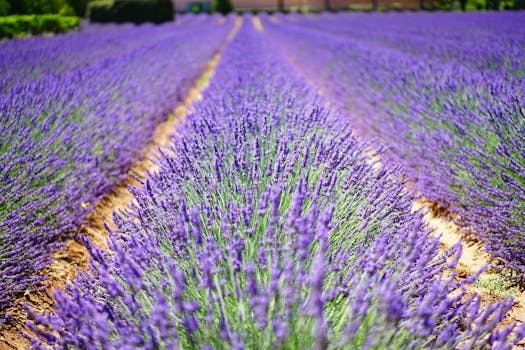
Characterized by the use of fresh herbs, olive oil, and vegetables like tomatoes, zucchini, and eggplant. Dishes often feature seafood and lamb, reflecting the Mediterranean influence.
Cultural Significance:
Reflects the region's sunny climate and proximity to the Mediterranean Sea.
Signature Dishes:
- Bouillabaisse
- Ratatouille
- Aïoli
Key Ingredients:
Burgundy
Known for its rich, hearty dishes featuring beef, poultry, and mushrooms. Red wine is a key ingredient in many dishes, reflecting the region's renowned vineyards.
Cultural Significance:
Reflects the region's agricultural heritage and focus on wine production.
Signature Dishes:
- Boeuf Bourguignon
- Coq au vin
- Escargots de Bourgogne
Key Ingredients:

Brittany
Features fresh seafood, crêpes, and galettes (savory buckwheat pancakes). The cuisine is influenced by the region's coastal location and Celtic heritage. Brittany's naturally gluten-free buckwheat galettes make it a haven for celiac travelers. The region's beurre salé (salted butter) is world-renowned, with Bordier butter from Saint-Malo considered France's finest. Coastal towns serve impeccably fresh oysters, scallops, and Atlantic seafood.
Cultural Significance:
Reflects Brittany's maritime Celtic heritage and agricultural traditions. Buckwheat cultivation dates back centuries, while cider production rivals Normandy's. Breton crêperies are cultural institutions where galettes remain affordable, authentic comfort food.
Signature Dishes:
- Galettes complètes (buckwheat with ham, egg, cheese)
- Crêpes (sweet wheat pancakes)
- Cotriade (Breton fish stew)
- Kouign-amann (caramelized butter cake)
- Fruits de mer (seafood platters)
Key Ingredients:

Alsace
Alsace's cuisine blends French and German influences, reflecting centuries of border shifts between the two nations. The region's Germanic heritage appears in hearty dishes like choucroute garnie (sauerkraut with sausages) and baeckeoffe (slow-cooked meat and potato casserole). Strasbourg, the capital, is famous for tarte flambée and Christmas markets. November 2025 sees Alsatian wine routes thriving with tourists exploring Riesling and Gewürztraminer vineyards.
Cultural Significance:
Alsatian cuisine represents the harmonious fusion of French elegance and German heartiness. The region's UNESCO-recognized wine routes and Christmas traditions make it a cultural crossroads. Strasbourg's winstubs (traditional wine taverns) serve authentic Alsatian fare unchanged for generations.
Signature Dishes:
- Tarte Flambée (Flammkuchen)
- Choucroute Garnie
- Baeckeoffe
- Bretzel (soft pretzels)
- Kougelhopf (yeasted cake)
Key Ingredients:
Lyon
Lyon, France's gastronomic capital, is home to traditional bouchons—cozy bistros serving hearty Lyonnaise specialties. The city's culinary reputation stems from both haute cuisine (Paul Bocuse's legacy) and working-class bouchon fare. November 2025 sees Lyon's food scene thriving as young chefs blend bouchon traditions with bistronomy innovation. Les Halles de Lyon Paul Bocuse market showcases exceptional regional products.
Cultural Significance:
Lyon earned its title as France's gastronomic capital through centuries of culinary excellence. Bouchons preserve working-class Lyonnaise traditions, while Paul Bocuse revolutionized haute cuisine here. The city's location between Burgundy and Provence provides access to exceptional ingredients from both regions.
Signature Dishes:
- Quenelles de brochet (pike dumplings)
- Saucisson de Lyon (dry sausage)
- Cervelle de canut (herbed fresh cheese)
- Tablier de sapeur (breaded tripe)
- Tarte aux pralines (pink praline tart)
Key Ingredients:

Southwest France (Gascony/Périgord)
Southwest France is renowned for rich, indulgent cuisine featuring duck, goose, foie gras, and truffles. This is cassoulet country, where slow-cooked bean and meat casseroles warm winter evenings. The Périgord region produces France's most prized black truffles (November-March season), while Gascony perfected duck confit preservation techniques. November 2025 sees truffle markets opening for the season in Sarlat and Périgueux.
Cultural Significance:
Southwest French cuisine epitomizes rustic luxury—peasant preservation techniques (confit) elevated to haute cuisine. The region's agricultural traditions (duck farming, truffle cultivation) remain economically vital. Foie gras production, though controversial, is deeply embedded in cultural identity. November marks the start of truffle season, bringing international buyers to rural markets.
Signature Dishes:
- Confit de Canard
- Cassoulet
- Foie Gras
- Magret de Canard (duck breast)
- Garbure (cabbage and meat soup)
Key Ingredients:
Sweet Delights & Desserts
Indulge in France's traditional sweet treats and desserts.
Crème brûlée
A rich custard base topped with a brittle layer of caramelized sugar. It's a classic French dessert, known for its creamy texture and contrasting textures.

Macarons
Delicate meringue-based cookies filled with buttercream, ganache, or jam. They are known for their vibrant colors and delicate flavors, often enjoyed as a special treat.
Tarte Tatin
An upside-down apple tart, caramelized in butter and sugar before being baked. It's a classic French dessert, often served with crème fraîche or vanilla ice cream.

Mille-Feuille
Also known as Napoleon, this classic French pastry features three layers of delicate puff pastry alternating with two layers of pastry cream (crème pâtissière), topped with icing or fondant. The name translates to "thousand sheets," referring to the hundreds of paper-thin layers created by laminating butter into dough. A masterpiece of French pâtisserie technique requiring precision and patience.

Éclair
Elongated choux pastry filled with flavored pastry cream (traditionally chocolate, coffee, or vanilla) and topped with glossy icing in matching flavors. The name means "lightning," either because it's eaten quickly or because the icing glistens like lightning. A staple of French pâtisseries since the 19th century, showcasing France's mastery of choux pastry.

Profiteroles
Small choux pastry balls filled with vanilla ice cream or pastry cream, stacked in a pyramid and drizzled with warm chocolate sauce. Invented in 16th-century France, profiteroles represent the playful side of French pâtisserie. Often served at celebrations and special occasions, combining crispy pastry, cold cream, and hot chocolate in delightful contrast.

Clafoutis
A rustic French dessert from the Limousin region, traditionally made with unpitted black cherries suspended in thick, flan-like batter and baked until golden. The pits add subtle almond flavor during baking. When made with fruits other than cherries, it's technically called a "flaugnarde." Served warm, dusted with powdered sugar—the ultimate summer dessert celebrating seasonal fruit.

Canelé
A small French pastry from Bordeaux with a caramelized, crunchy exterior and soft, custard-like center. Flavored with rum and vanilla, baked in distinctive fluted copper molds. The recipe dates back to 18th-century Bordeaux convents. In 2025, canelés have become trendy globally, but Bordeaux's traditional boulangeries still produce the most authentic versions with perfect contrast between crispy shell and creamy interior.
Traditional Beverages
Discover France's traditional drinks, from locally produced spirits to regional wines.

Vin rouge (Red wine)
France is renowned for its red wines, particularly those from Bordeaux, Burgundy, and the Rhône Valley. Varieties like Cabernet Sauvignon, Merlot, Pinot Noir, and Syrah are widely enjoyed.

Champagne
A sparkling wine produced in the Champagne region of France. It's known for its celebratory association and elegant bubbles.

Cognac
A type of brandy produced in the Cognac region of France. It's known for its complex aromas and smooth finish.
Soft Beverages
Discover France's traditional non-alcoholic drinks, from local teas to refreshing juices.

Café au lait (Coffee with milk)
A popular breakfast beverage, consisting of strong coffee mixed with hot milk. It's often served in a bowl or large mug.

Jus d'orange (Orange juice)
Freshly squeezed orange juice is a common breakfast beverage in France.

Eau (Water)
Both still and sparkling water are commonly consumed in France, often bottled.
Explore Cities
Discover the vibrant food scenes in France's major cities.
