
Morocco Food Guide
Content Information
Recently updated🔥Current Food Trends 2025
What's happening in Morocco's culinary scene right now
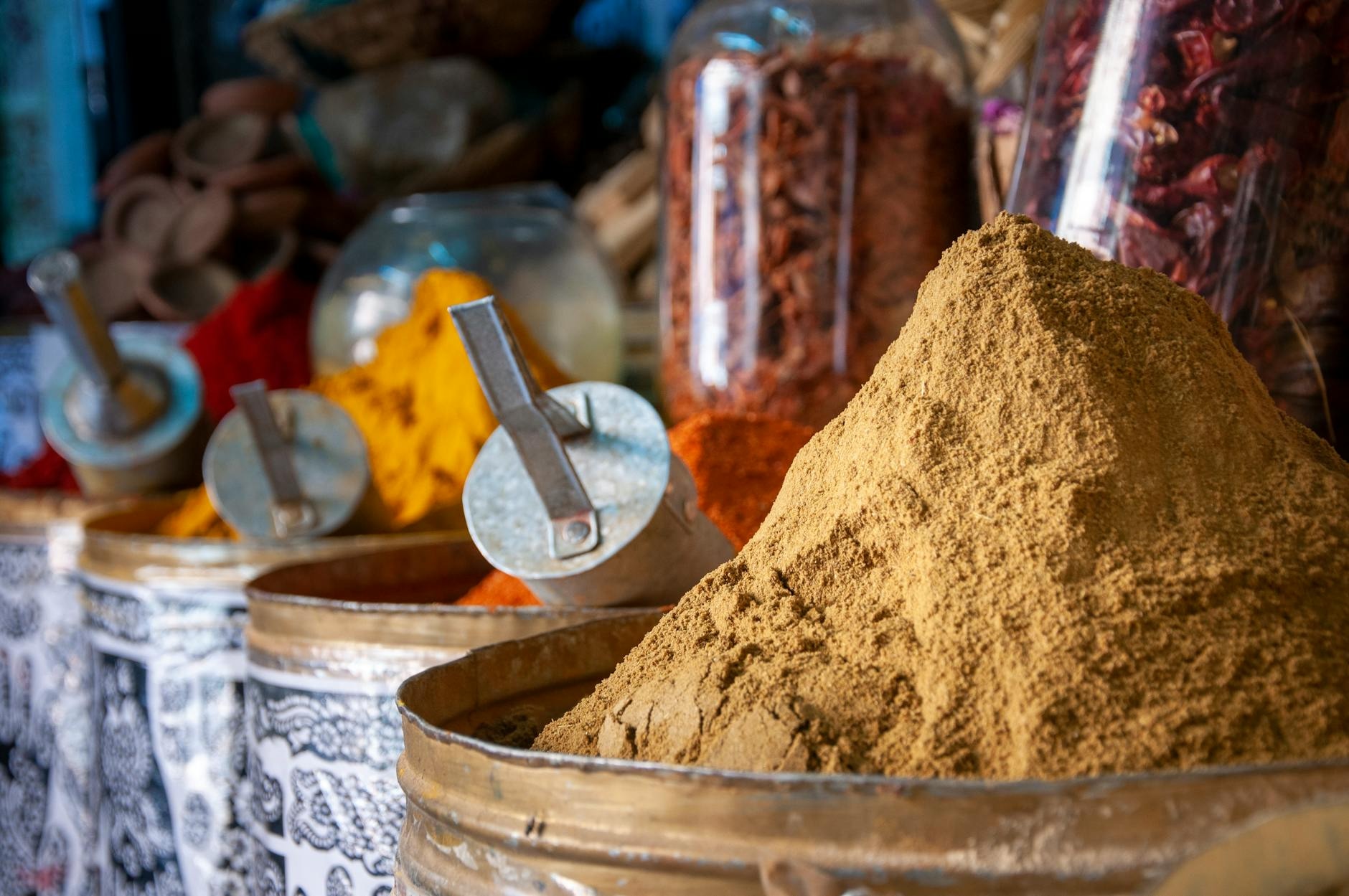
Morocco's culinary landscape in December 2025 celebrates spice-route heritage, riad dining experiences, olive & date harvest season, couscous Friday tradition, sustainable tagine tourism. December brings cooler season (10-18°C/50-64°F) ideal for exploring medinas, souks, and culinary tours across imperial cities. Olive harvest season (October-January) sees olive oil production peak - cooperatives in Meknes, Fes, Marrakech offer tastings of premium extra virgin olive oils with Protected Geographical Indication status. Date harvest culmination (October-November) celebrates Medjool dates from Draa Valley & Tafilalet oasis. Couscous Friday tradition remains sacred - families gather for couscous tfaya (with caramelized onions, raisins, chickpeas), couscous bidaoui (seven vegetables), or couscous with lamb. Riad dining boom transforms traditional courtyard houses into intimate restaurants serving modern Moroccan fusion - chefs reinterpret pastilla with duck confit, tagines with quinoa, and vegan harira. Spice tourism thrives with cooking classes teaching ras el hanout (30+ spice blend), preserved lemon techniques, and b'stilla warqa dough craftsmanship. Sustainable tagine movement promotes earthenware pottery over imported cookware, supporting Safi & Fes artisan communities. Argan oil cooperative tourism empowers Berber women in Essaouira region with UNESCO Biosphere Reserve status. Street food culture elevates snail soup (babbouche), m'aakouda (potato fritters), and bocadillo (Moroccan sandwiches) to gourmet status. Mint tea ceremony (atay) remains hospitality cornerstone with three glasses tradition symbolizing 'life, love, death' sweetness levels. Vegan and vegetarian trend growing with plant-based tagines and modern cafes in Marrakech and Casablanca.
Food Safety Tips
Essential food safety information to help you enjoy Morocco's cuisine safely and confidently.
Drink bottled or purified water only
Tap water is generally not safe for tourists to drink in Morocco; stick to sealed bottled water.
Be cautious with street food
Choose busy vendors with high turnover and proper food handling practices, particularly for meat dishes.
Wash fruits and vegetables thoroughly
If eating fresh produce, wash it with bottled water or peel it yourself if possible.
Be careful with raw dairy products
Some traditional dairy products may be unpasteurized; check before consuming.
Dietary Options
vegetarian
HIGH AVAILABILITYVegetarian options like vegetable tagines, couscous with vegetables, zaalouk, taktouka, and salads are widely available. Many traditional dishes are naturally vegetarian.
vegan
MEDIUM AVAILABILITYVegan options are growing in 2025, especially in Marrakech and Casablanca. Traditional dishes like vegetable tagine, bissara, zaalouk, and matbucha are vegan-friendly when prepared without dairy.
halal
HIGH AVAILABILITYAlmost all food in Morocco is halal, as it is a predominantly Muslim country.
gluten-free
MEDIUM AVAILABILITYRice and vegetable-based dishes offer gluten-free options, though bread is a staple in Moroccan cuisine.
kosher
LOW AVAILABILITYKosher food in Morocco is available primarily in Casablanca's Jewish quarter (Mellah), with kosher-certified restaurants, butchers, and bakeries serving the Moroccan Jewish community (approximately 2,000-3,000 remaining, down from 250,000+ pre-1948). Beth-El Synagogue and Chabad Morocco offer Shabbat meals and guidance. Fes and Marrakech historic Mellahs have limited kosher options.
Common Allergens
Tree Nuts
HIGH PREVALENCEAlmonds, walnuts, and other nuts are commonly used in both sweet and savory Moroccan dishes.
COMMONLY FOUND IN:
Sesame
HIGH PREVALENCESesame seeds and oil are widely used in Moroccan cooking.
COMMONLY FOUND IN:
Wheat
HIGH PREVALENCEWheat is a staple grain used in breads, couscous, and pastries.
COMMONLY FOUND IN:
Dairy
MEDIUM PREVALENCEDairy products, especially yogurt and butter, are common in both savory and sweet dishes.
COMMONLY FOUND IN:
Essential Food Experiences
These iconic dishes represent the must-have culinary experiences that define Morocco's food culture for travelers.

Tagine
Slow-cooked stew named after the distinctive conical clay pot it is cooked in, typically with meat, vegetables, and fruit or preserved lemons.

Couscous
Steamed semolina grains traditionally served with vegetables and meat on Fridays, considered Morocco's national dish.

Pastilla
Sweet and savory pie traditionally made with pigeon (often substituted with chicken), almonds, eggs, and spices, wrapped in thin warqa dough.

Harira
Rich tomato-based soup with lentils, chickpeas, and sometimes meat, traditionally eaten to break the fast during Ramadan.

Mint Tea
Sweet green tea with fresh mint leaves, considered Morocco's national drink and a symbol of hospitality.

Msemen
Square-shaped, layered flatbreads that are pan-fried and often served with honey or jam for breakfast.

Zaalouk
Smoky eggplant & tomato salad (dip) flavored with garlic, cumin, paprika, olive oil, and fresh herbs. Eggplants are grilled or roasted until charred, then mashed with tomatoes to create a rich, flavorful mezze. Served warm or cold with khobz (Moroccan bread) for scooping.

Mechoui
Whole roasted lamb slow-cooked in an underground pit or clay oven, seasoned with cumin, coriander, and butter. The lamb is roasted for hours until tender and falling off the bone, with crispy skin. Traditionally served at weddings, festivals, and special celebrations.

Bissara
Hearty fava bean soup blended into a velvety puree with garlic, cumin, paprika, and olive oil. Served hot for breakfast with a drizzle of extra virgin olive oil, a sprinkle of cumin, and warm khobz for dipping. Popular winter comfort food among working-class Moroccans.

Tanjia Marrakchia
Marrakech's signature slow-cooked lamb dish prepared in a distinctive urn-shaped clay pot (tanjia). Lamb shoulder is marinated with preserved lemons, garlic, cumin, saffron, and smen (aged butter), sealed, and slow-cooked for 4-5 hours in hammam (bathhouse) coal embers.

Kefta Tagine
Spiced meatballs cooked in rich tomato sauce with eggs poached on top. Flavored with cumin, paprika, and fresh herbs. A home-cooking favorite across Morocco.

Sardines Chermoula
Fresh Atlantic sardines marinated in chermoula (herbs, garlic, cumin, paprika, lemon) then grilled or baked. Coastal specialty particularly popular in Essaouira and Casablanca.
Regional Specialties & Local Favorites
Discover the authentic regional dishes and local favorites that showcase Morocco's diverse culinary traditions.
Tagine
Morocco's iconic slow-cooked stew named after the distinctive conical earthenware pot it's cooked in, creating tender meat and vegetables with complex flavors.
Couscous
The national dish of Morocco, traditionally prepared on Fridays, featuring steamed semolina grains topped with vegetables, meat, and aromatic broth.
Allergens:

Moroccan Mint Tea
Symbol of Moroccan hospitality, this sweet green tea infused with fresh mint leaves is ceremoniously poured from height to create a frothy top.
Pastilla
Exquisite sweet-savory pastry combining shredded meat (traditionally pigeon, now often chicken), almonds, eggs, and spices, dusted with cinnamon and sugar.
Allergens:
Harira
Hearty tomato-based soup with lentils, chickpeas, herbs, and spices, traditionally served to break the fast during Ramadan but enjoyed year-round.
Allergens:

Khobz (Moroccan Bread)
Round, flat bread baked daily and served with every meal. Used to scoop up tagines and salads instead of utensils.
Allergens:

Taktouka
Cooked salad of roasted peppers and tomatoes with garlic, olive oil, and spices. Served as a mezze or side dish.

Makouda
Deep-fried potato balls or fritters, crispy outside and fluffy inside. Popular street food often served in sandwiches.
Regional Cuisine Highlights
Explore the diverse culinary landscapes across different regions of Morocco.
Marrakech-Safi
Known for its rich and flavorful tagines, often featuring lamb or beef with dried fruits and spices. Tanjia Marrakchia, a slow-cooked lamb dish, is a regional specialty.
Cultural Significance:
Marrakech's cuisine reflects the city's history as a trading hub, with influences from Berber, Arab, and Andalusian culinary traditions.
Signature Dishes:
- Tanjia Marrakchia
- Tagine with lamb and dried apricots
- Harira
Key Ingredients:

Fès-Meknès
Fès, a former imperial capital, boasts a refined culinary tradition. The cuisine is known for its complex flavors and elegant presentation. Rfissa, a dish of shredded chicken or lamb with lentils and trid, is a regional specialty.
Cultural Significance:
Fès's cuisine reflects the city's rich history and cultural heritage, with influences from Arab, Andalusian, and Jewish culinary traditions.
Signature Dishes:
- Rfissa
- Pastilla
- Tagine with quince and almonds
Key Ingredients:

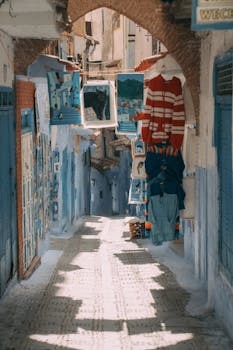
Tangier-Tetouan-Al Hoceima
Influenced by its Mediterranean location, this region's cuisine features fresh seafood, olives, and citrus fruits. Tangier, a cosmopolitan port city, offers a diverse culinary scene with international influences.
Cultural Significance:
The region's cuisine reflects its coastal location and its history as a crossroads of cultures.
Signature Dishes:
- Seafood tagine
- Zalouk (smoked eggplant dip)
- Khobz
Key Ingredients:
Casablanca-Settat
Morocco's economic capital brings cosmopolitan sophistication to traditional cuisine. Casablanca's coastal location provides abundant seafood - sardines, sea bass, shrimp, and squid feature prominently.
Cultural Significance:
Casablanca represents modern Morocco's culinary evolution - blending Berber, Arab, Jewish, and French influences into a cosmopolitan dining scene that honors tradition while embracing innovation.
Signature Dishes:
- Sardines chermoula
- Dafina (Jewish Sabbath stew)
- Seafood pastilla
Key Ingredients:
Souss-Massa (Agadir & Taroudant)
Berber heartland where Amazigh (Berber) culinary traditions thrive. Argan oil production defines the region - UNESCO Biosphere Reserve protects argan forests where women's cooperatives harvest, crack, and press argan nuts into culinary oil.
Cultural Significance:
Souss-Massa preserves Berber culinary heritage with argan oil as UNESCO Intangible Cultural Heritage. Women's cooperatives empower rural communities through sustainable argan production.
Signature Dishes:
- Amlou (argan butter)
- Tagine with argan oil
- Berber couscous
Key Ingredients:
Drâa-Tafilalet (Saharan Gateway)
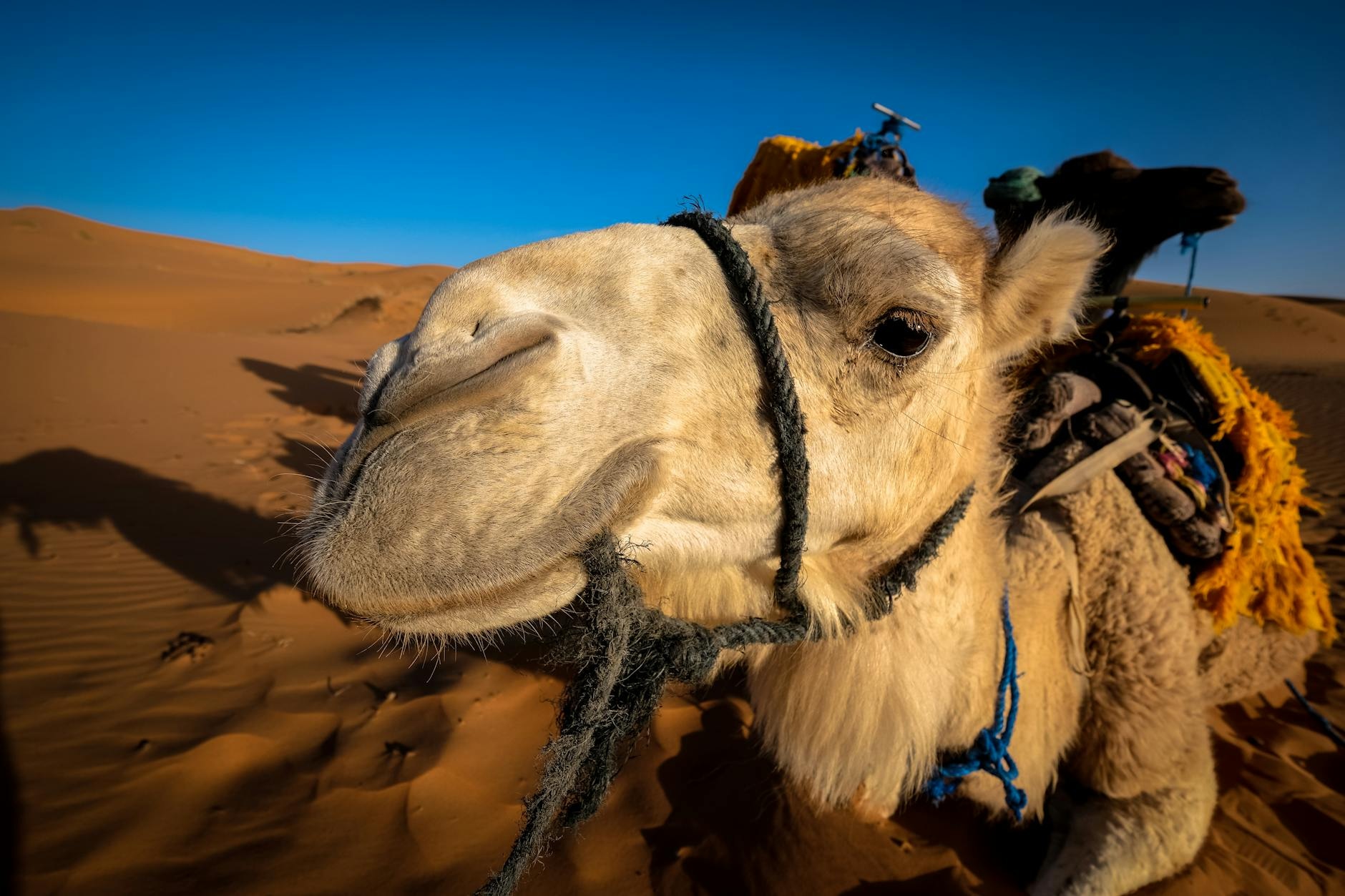
Morocco's date capital encompasses the Sahara Desert edge with oasis towns like Erfoud, Merzouga, and Zagora. Date palm groves produce Medjool dates (the 'king of dates'), Deglet Noor, and Boufeggous varieties.
Cultural Significance:
Drâa-Tafilalet embodies Saharan resilience with date palm oases sustaining communities for centuries. Nomadic Berber traditions of hospitality, preservation, and desert cuisine connect modern Morocco to ancient caravan routes.
Signature Dishes:
- Medjool dates
- Medfouna (Berber pizza)
- Khlii (preserved meat)
Key Ingredients:
Sweet Delights & Desserts
Indulge in Morocco's traditional sweet treats and desserts.

شباكية (Chebakia)
Sesame cookies deep-fried and coated in honey. They are often served during Ramadan and special occasions.

سلو (Sellou)
A sweet treat made from toasted sesame seeds, almonds, and flour, often served during Ramadan. It's known for its nutty flavor and crumbly texture.

كعب غزال (Kaab el Ghazal)
Crescent-shaped pastries filled with almond paste and flavored with orange blossom water. They are a popular treat for special occasions and celebrations.

Ghriba
Traditional Moroccan shortbread cookies with a distinctive cracked surface, available in multiple varieties: almond ghriba (with ground almonds), coconut ghriba, and peanut ghriba. The cookies have a melt-in-your-mouth texture and are flavored with orange blossom water or vanilla.

Briouats
Triangular phyllo pastries filled with almond paste, honey, and cinnamon, deep-fried until golden and crispy, then soaked in honey or dusted with powdered sugar.

Sfenj
Moroccan doughnuts - light, airy, chewy fried dough rings with a slightly crispy exterior and soft interior. Served plain, dusted with sugar, or drizzled with honey.

Halwa Shebakia
Intricately braided sesame & anise-flavored dough strips deep-fried until golden, then soaked in warm honey and sprinkled with toasted sesame seeds.

M'hanncha
"The Serpent" - coiled phyllo pastry filled with almond paste, cinnamon, orange blossom water, and butter, baked until golden and crispy, then dusted with powdered sugar and cinnamon.
Traditional Beverages
Discover Morocco's traditional drinks, from locally produced spirits to regional wines.

Mahia
A traditional spirit distilled from figs or dates. It has a strong, distinctive flavor and is typically served as a digestif.
Soft Beverages
Discover Morocco's traditional non-alcoholic drinks, from local teas to refreshing juices.

أتاي (Atay)
Mint tea, a national beverage, prepared with gunpowder green tea, fresh mint, and sugar. It's served hot in small glasses and is an integral part of Moroccan hospitality.

Jus d'orange
Freshly squeezed orange juice, readily available throughout Morocco. It's a refreshing and popular beverage, especially during breakfast.

Raïb
A traditional fermented milk drink, similar to buttermilk. It's often served chilled and is known for its slightly tangy flavor.