
Nicaragua Food Guide
Content Information
Recently updated🔥Current Food Trends 2025
What's happening in Nicaragua's culinary scene right now
Nicaragua's culinary landscape in 2025 celebrates Flor de Caña rum heritage, coffee harvest season, volcanic lake cuisine, and gallo pinto national pride. Coffee harvest peaks October-February with Matagalpa, Jinotega, and Nueva Segovia highlands producing premium Arabica beans. Flor de Caña rum (established 1890) celebrates 135 years with 18-year aged expressions and Macuá national cocktail featured in bars nationwide. Gallo pinto nationalism intensifies rivalry with Costa Rica over dish origins - Nicaragua claims authentic recipe with red beans. Volcanic cuisine thrives near Masaya, Granada, León with volcanic soil enriching tomatoes, corn, and cacao. Corn-based cuisine dominates: nacatamales (Sunday tradition), quesillo (street food), güirilas (sweet corn cakes), pinolillo (corn-cacao drink). Caribbean Coast Creole cuisine from Bluefields features coconut-based rundown (seafood stew) contrasting with Pacific Spanish-indigenous fusion. Farm-to-table coffee tours, rum distillery visits, and sustainable tourism boom. Street food culture celebrates vigorón, indio viejo, and quesillo. León and Granada colonial cities showcase culinary tourism with cooking classes and food tours.
Food Safety Tips
Essential food safety information to help you enjoy Nicaragua's cuisine safely and confidently.
Avoid tap water and ice made from tap water
Avoid tap water and ice made from tap water. Stick to bottled water or boiled water. When buying bottled water, ensure the seal is intact. Use bottled water for brushing teeth and avoid swallowing water while showering.
Choose vendors carefully and ensure food is cooked thoroughly
While street food is a big part of Nicaraguan culture, choose vendors carefully. Look for busy stalls with high turnover and proper food handling practices. Ensure food is cooked thoroughly and served hot.
Be cautious with raw fruits and vegetables
Be cautious with raw fruits and vegetables. Only eat fruits that you can peel yourself. For vegetables, ensure they are properly washed with purified water or cooked thoroughly.
Choose busy and well-maintained restaurants
Choose restaurants that are busy and well-maintained. Popular establishments with high turnover are more likely to serve fresh food. Look for places that maintain proper hygiene standards.
Dietary Options
vegetarian
MEDIUM AVAILABILITYWhile traditional Nicaraguan cuisine heavily features meat, vegetarian options are becoming increasingly available, especially in tourist areas. Many restaurants offer vegetarian versions of classic dishes like gallo pinto (rice and beans) and vigorón without chicharrón. Fresh fruits, vegetables, and meat-free soups are readily available. Communicate dietary needs clearly using 'comida vegetariana' or 'sin carne'.
vegan
LOW AVAILABILITYVeganism is less common in Nicaragua, and finding fully vegan options can be challenging. Traditional dishes often incorporate lard or other animal products. Focus on dishes based on rice, beans, plantains, and fresh produce. Gallo pinto without egg, vigorón without chicharrón, and vegetable-based soups can be adapted. Always double-check ingredients. Explain 'vegano/a' clearly emphasizing no animal products.
gluten-free
MEDIUM AVAILABILITYGluten-free options are becoming more prevalent in Nicaragua, particularly in larger cities and tourist destinations. Corn is a staple in Nicaraguan cuisine, and many traditional dishes are naturally gluten-free, including nacatamales, vigorón, and indio viejo. Communicate dietary needs clearly. Be cautious of sauces and condiments which may contain gluten.
halal
VERY LOW AVAILABILITYHalal food is extremely limited in Nicaragua with minimal Muslim population (less than 0.1%). Managua has very few halal-certified restaurants or butchers. Pork is ubiquitous in Nicaraguan cuisine (nacatamales, vigorón with chicharrón, baho). Naturally halal-friendly options: seafood (Pacific/Caribbean coast fish, shrimp, lobster), vegetarian gallo pinto, fresh tropical fruits, corn-based dishes. Communicate 'sin cerdo' (no pork) clearly. Self-catering recommended.
kosher
VERY LOW AVAILABILITYKosher food is virtually unavailable in Nicaragua with extremely small Jewish community. Managua has no kosher-certified restaurants or butchers. Jewish travelers should bring kosher provisions or rely on naturally kosher foods: fresh fruits/vegetables from markets, sealed packaged foods, fish with visible scales. Challenges: Pork common, dairy-meat mixing in traditional dishes, no kosher supervision. Vegetarian corn-based dishes offer alternatives.
Common Allergens
Seafood
HIGH PREVALENCEGiven Nicaragua's extensive coastline, seafood is a prominent ingredient in many dishes. Shrimp, fish, and lobster are commonly used. Communicate allergy clearly ('Soy alérgico/a a los mariscos'). Always double-check ingredients and preparation methods, especially in coastal areas. Even dishes that don't explicitly list seafood might contain fish sauce.
COMMONLY FOUND IN:
Peanuts
MEDIUM PREVALENCEPeanuts are used in some Nicaraguan dishes, particularly in sauces and desserts. Inquire about presence of peanuts ('cacahuates' or 'maní') in dishes and snacks. Be particularly cautious of street food and desserts where peanuts might be used as garnish or ingredient without being explicitly mentioned.
COMMONLY FOUND IN:
Essential Food Experiences
These iconic dishes represent the must-have culinary experiences that define Nicaragua's food culture for travelers.

Vigorón
Traditional Nicaraguan dish from Granada consisting of boiled yuca (cassava) topped with crispy pork rinds (chicharrones) and tangy cabbage slaw. Often served on banana leaves. Iconic street food created in 1914 by María Luisa Cisneros.

Gallo Pinto
The national dish of Nicaragua, consisting of red beans and rice cooked together with onions and garlic. A staple breakfast food served throughout the day. On Caribbean coast prepared with coconut oil for extra creaminess. Name translates to 'painted rooster'.

Nacatamales
Large tamales filled with rice, potatoes, meat (usually pork), and vegetables, wrapped in banana leaves and steamed. Traditional weekend breakfast requiring days of preparation and family participation. Essential Christmas tradition strengthening family bonds.

Indio Viejo
Thick stew made with shredded beef, corn masa, tomatoes, and vegetables. The name translates to 'old Indian,' reflecting its indigenous origins. Pre-Columbian recipe adapted with Spanish ingredients.

Quesillo
Iconic Nicaraguan street food from La Paz Centro - soft corn tortilla rolled with fresh string cheese (quesillo), pickled onions in vinegar, and thick sour cream (crema), served in plastic bags. Famous vendors near Granada and León.

Baho
Traditional Sunday dish slow-cooked in banana leaves - beef, yuca, plantains, and salad layered and steamed for hours. Banana leaves impart aromatic flavor. Served with curtido (pickled cabbage slaw). Represents communal family dining.

Rundown (Rondon)
Caribbean Coast seafood stew with coconut milk, fish, shrimp, lobster, yuca, plantains, and breadfruit. Creole-African heritage shines through coconut-based broth and Caribbean spices. Bluefields and Pearl Lagoon specialize in authentic rundown.

Güirilas
Sweet corn cakes made from fresh ground corn (not masa), wrapped in corn husks and grilled on comal. Tender, slightly sweet, moist texture. Eaten with cuajada (fresh cheese) and cream. Northern Highlands (Matagalpa, Estelí) specialize in güirilas.

Pinolillo
Nicaragua's national drink - ground roasted corn and cacao mixed with water, creating thick, earthy, slightly sweet beverage. Traditionally served in jícara (dried gourd bowl). Nicaraguans proudly call themselves 'pinoleros' after this drink. Pre-Columbian origins.

Flor de Caña Rum
Nicaragua's premium aged rum produced since 1890 at San Antonio Sugar Mill near San Cristóbal volcano, Chichigalpa. Volcanic soil-enriched sugarcane, slow aging in oak barrels (up to 25 years) creates smooth, complex rum. Flor de Caña 18 Year Old wins international awards.
Regional Specialties & Local Favorites
Discover the authentic regional dishes and local favorites that showcase Nicaragua's diverse culinary traditions.
Quesillo
Region: National
A popular street food made with soft corn tortillas, cheese, pickled onions, and cream. The cheese is rolled in the tortilla and topped with onions and cream.
Allergens:

Tajadas
Region: National
Sweet plantains that are sliced lengthwise and fried until golden brown. Often served as a side dish or snack with beans and cream.

Fresco de Cacao
Region: National
A refreshing drink made with cocoa beans, milk, and sugar. Often served chilled and enjoyed throughout the day.
Allergens:

Tostones
Region: National
Twice-fried green plantains flattened into discs. Crispy exterior, starchy interior. Served with salt or garlic sauce as snack or side dish.

Enchiladas Nicaragüenses
Region: National
Different from Mexican enchiladas - Nicaraguan version features meat topped with pickled vegetables and served with tortilla. Vinegar-based preparation creates tangy flavor.

Chancho con Yuca
Region: National
Fried pork chunks served with boiled yuca and cabbage salad. Sunday special and celebration food. Tender pork with crispy exterior.

Sopa de Mondongo
Region: National
Hearty tripe soup with vegetables, corn, and yuca. Comforting weekend breakfast or hangover cure. Slow-cooked for tender texture.

Arroz a la Valenciana
Region: National
Nicaraguan version of paella with rice, chicken, vegetables, and spices. Spanish colonial influence adapted to local ingredients.
Regional Cuisine Highlights
Explore the diverse culinary landscapes across different regions of Nicaragua.
Pacific Coast
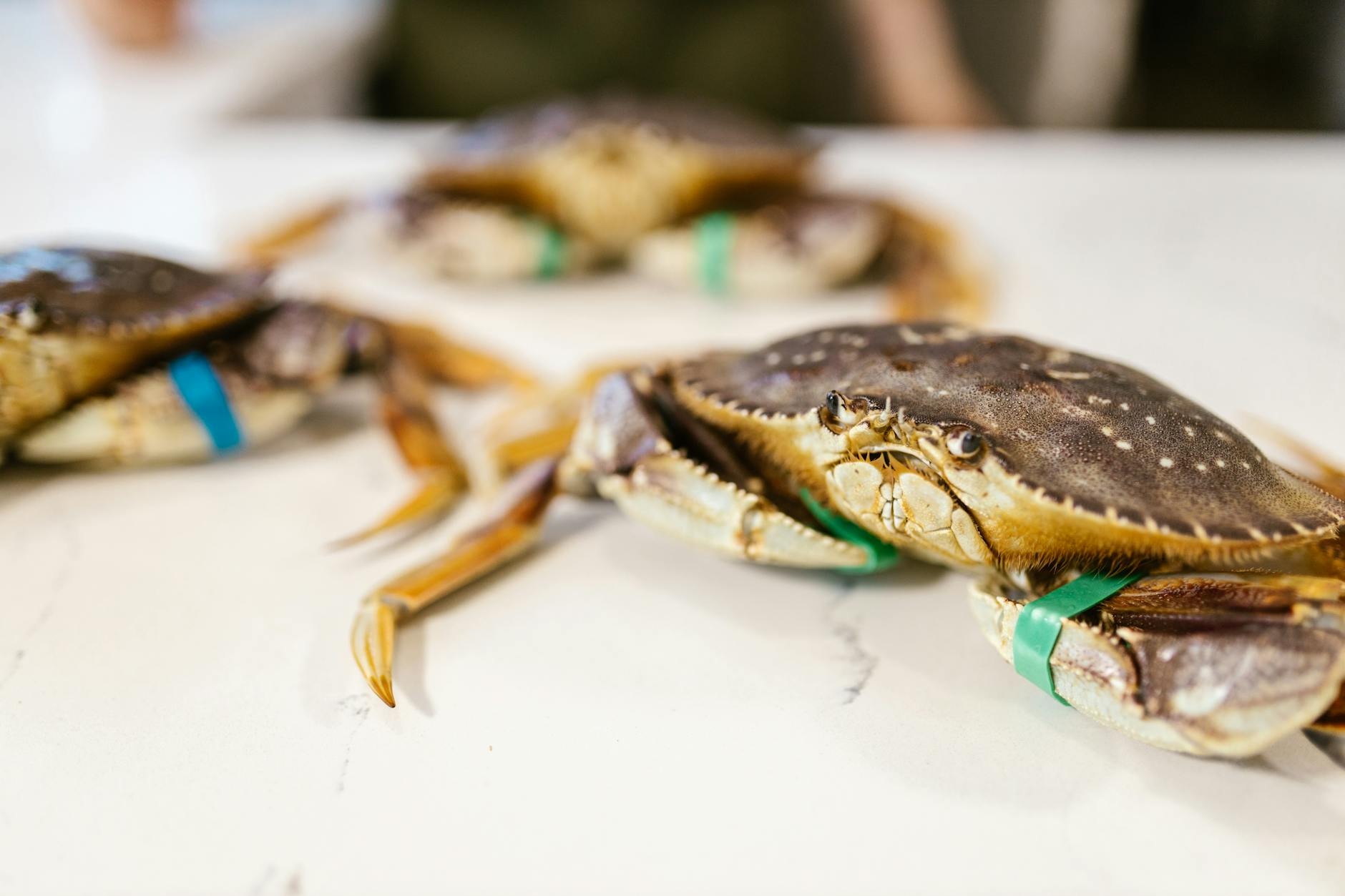
The Pacific Coast boasts rich culinary traditions centered around fresh seafood from its extensive coastline. Cities like Corinto and San Juan del Sur are known for excellent seafood restaurants. Traditional dishes incorporate coconut milk, plantains, and local spices. Indigenous and Spanish culinary traditions merge creating diverse, flavorful dishes.
Cultural Significance:
The Pacific Coast's cuisine is deeply intertwined with the region's identity. Fishing is a major industry and seafood plays a central role in local diet and economy. Traditional cooking methods and recipes passed down through generations preserve culinary heritage. Seafood festivals celebrate the abundance and diversity.
Signature Dishes:
- Pescado Frito (Fried Fish)
- Ceviche
- Sopa de Mariscos (Seafood Soup)
- Paella Nicaragüense
Key Ingredients:
Northern Highlands
The Northern Highlands offer distinct culinary experience characterized by hearty dishes and robust flavors. Cooler climate and mountainous terrain influence cuisine featuring corn, beans, squash, and root vegetables. Meat, particularly beef and pork, is common. Cities like Matagalpa and Estelí are known for traditional highland cuisine and premium coffee production.
Cultural Significance:
Northern Highlands cuisine is rooted in history and culture. Agriculture plays vital role in local economy with coffee production driving economic development. Traditional cooking methods preserved through generations. Food festivals celebrate unique flavors and traditions.
Signature Dishes:
- Carne Asada
- Sopa de Mondongo
- Baho
- Güirilas
Key Ingredients:
Caribbean Coast
The Caribbean Coast boasts vibrant, diverse culinary scene influenced by Afro-Caribbean heritage. Seafood, coconut milk, plantains, and tropical fruits are prominent. Dishes incorporate spices and flavors from Jamaica, Trinidad and Tobago creating unique fusion. Cities like Bluefields and Puerto Cabezas known for distinct Caribbean cuisine.
Cultural Significance:
Caribbean Coast cuisine is integral to regional cultural identity. History and cultural diversity reflected in culinary traditions. Traditional cooking methods passed through generations preserving unique heritage. Food festivals celebrate vibrant flavors and traditions.
Signature Dishes:
- Rondon (Rundown)
- Rice and Beans with Coconut Milk
- Patties
- Ginger Cake
Key Ingredients:
Sweet Delights & Desserts
Indulge in Nicaragua's traditional sweet treats and desserts.

Tres Leches
Region: National
Rich and moist sponge cake soaked in three types of milk: evaporated milk, condensed milk, and heavy cream. Often topped with whipped cream and fresh fruits. Celebration dessert.

Buñuelos
Region: National
Small, round dumplings made from yuca (cassava) and cheese, served with sweet syrup flavored with cinnamon and cloves. All Saints Day and Christmas tradition.

Pio Quinto
Region: National
Traditional rum cake made with vanilla cookies, custard, and rum, topped with cinnamon and powdered sugar. Named after Pope Pius V.

Cajeta de Coco
Region: Pacific Coast
Sweet coconut candy made from grated coconut, sugar or rapadura (unrefined cane sugar), and sometimes milk, cooked until thick and caramelized. Cut into squares or shaped into balls. Granada's Masaya Market specializes in cajeta de coco.

Ayote en Miel
Region: National
Candied squash (ayote) cooked in sweet syrup with cinnamon, cloves, and sometimes piloncillo (unrefined sugar). The squash becomes translucent, tender, and infused with spiced sweetness. Traditionally served during Holy Week and Día de los Difuntos.

Rosquillas
Region: Somoto
Traditional corn and cheese biscuits, round or figure-eight shaped, baked until golden and crunchy. Somoto region (near Honduras border) is rosquilla capital. Slightly sweet, crispy exterior, crumbly interior. Perfect coffee accompaniment.

Almibar
Region: National
Sweet fruit compote with candied papaya, jocote (hog plum), mango, or pineapple cooked in sugar syrup with cinnamon and cloves. Served chilled as refreshing dessert. Often enjoyed during All Saints Day.

Sorbete de Coco
Region: Granada/León
Coconut sorbet (ice cream) sold by street vendors pushing carts with bells. Made from fresh coconut milk, sugar, and sometimes condensed milk, frozen and scooped. Granada's central park and León's streets are sorbete hotspots.
Traditional Beverages
Discover Nicaragua's traditional drinks, from locally produced spirits to regional wines.

Macuá
Nicaragua's national cocktail made with white rum, guava juice, and citrus. Created in 2006 by Dr. Edmundo Miranda.

Flor de Caña
Premium aged rum produced in Nicaragua since 1890, known for its smooth taste. Aged from 4 to 25 years in oak barrels.

Nica Libre
A Nicaraguan twist on the Cuba Libre, made with Flor de Caña rum, cola, and fresh lime juice.
Soft Beverages
Discover Nicaragua's traditional non-alcoholic drinks, from local teas to refreshing juices.

Pinolillo
A traditional Nicaraguan drink made from ground corn and cacao, served cold.

Chicha de Maíz
A sweet corn beverage made from purple corn, spices, and sugar.

Cacao
A rich, traditional hot chocolate drink made with local cacao beans.