
Hungary Food Guide
Content Information
Recently updated🔥Current Food Trends 2025
What's happening in Hungary's culinary scene right now
Hungary's culinary landscape in 2025 celebrates traditional Magyar cuisine alongside modern innovation. Budapest restaurant scene features Michelin-starred establishments: Stand (one star, contemporary Hungarian), Costes (one star, fine dining pioneer), Borkonyha (one star, wine-focused with Mangalica pork and root vegetables). Traditional comfort food season - gulyás, pörkölt, töltött káposzta remain staples. Paprika harvest completed - Hungarian sweet and hot paprika (Kalocsa and Szeged PDO) defines national cuisine. SIMALIBA (Gault & Millau award) opened in Budapest heart, offering creative twist on Hungarian delicacies including mangalica bacon carpaccio and lángos tasting plate near Christmas Market. Great Market Hall (Nagyvásárcsarnok) showcases Hungarian produce, sausages, paprika. Kürtőskalács (chimney cake) street food ubiquitous in tourist areas. Édes Mackó by Vitéz Kürtős serves authentic 250-year-old recipe charcoal-baked chimney cake in City Park. Pálinka fruit brandy culture thrives - apricot (barack), plum (szilva), cherry (cseresznye) varieties. Tokaji Aszú wine renaissance - historic sweet wine region UNESCO World Heritage. Lángos deep-fried flatbread with sour cream and cheese remains budget dining staple at markets. Hungarian pastry traditions preserved - Gerbeaud café (since 1858), Szamos marzipan. Farm-to-table movement grows with Mangalica pig (indigenous breed curly fleece, richly marbled meat). Gettó Gulyás (Wesselényi utca 18) serves 14 different pörkölt options in Jewish Quarter. Buja Disznók (Fény Street Market, Hold utca) specializes in giant fried pork Wiener Schnitzel. Jewish Quarter ruin bars preserve cultural dining - Szimpla Kert iconic.
Food Safety Tips
Essential food safety information to help you enjoy Hungary's cuisine safely and confidently.
Tap water is safe to drink
Tap water in Hungary is safe and of good quality throughout the country, especially in Budapest.
Be cautious with street food
While Hungarian street food is generally safe, choose vendors with high turnover and proper food handling practices.
Watch out for spicy dishes
Hungarian cuisine often features paprika, which can be surprisingly spicy for those not accustomed to it. Ask about spice levels before ordering.
Check pálinka strength
Pálinka (fruit brandy) is a traditional Hungarian spirit that can be very strong (37-86% alcohol). Consume in moderation.
Dietary Options
vegetarian
MEDIUM AVAILABILITYTraditional Hungarian cuisine is meat-heavy, but vegetarian options are increasingly available, especially in Budapest and other tourist areas.
vegan
LOW AVAILABILITYVegan options are limited in traditional restaurants as Hungarian cuisine heavily features meat, dairy, and lard. However, dedicated vegan restaurants are available in Budapest.
gluten-free
LOW AVAILABILITYHungarian cuisine relies heavily on wheat flour for paprika-based sauces, dumplings, and pastries, making gluten-free options challenging to find outside specialized establishments.
halal
LOW AVAILABILITYHalal food available mainly in Budapest with small Muslim community (30,000-40,000 Muslims, mostly Turkish, Arab, Pakistani immigrants). Budapest's District VIII (Józsefváros) and District IX have halal restaurants (Turkish kebab, Middle Eastern, Pakistani). Main challenges: Pork dominant in Hungarian cuisine (töltött káposzta, kolbász, hurka); lard (zsír) used for cooking; alcohol in traditional dishes. Limited halal certification. Turkish kebab shops often halal. Contact Muslim community organizations for guidance. Very limited options outside Budapest.
kosher
LOW AVAILABILITYKosher options limited mainly to Budapest's Jewish Quarter (District VII Erzsébetváros) with historic Jewish community (100,000 Jews, largest in Central Europe). Restaurants like Carmel and Hanna offer kosher dining. Main challenges: Pork ubiquitous (kolbász, töltött káposzta); dairy-meat mixing in paprikás with tejföl; shellfish in some Lake Balaton dishes. Some naturally kosher: carp, zander (if prepared correctly), vegetables. Budapest has functioning kosher butchers, bakeries. Contact Orthodox Jewish community (Chabad Budapest) for current kosher establishments. Historic Dohány Street Synagogue area has resources.
Common Allergens
Gluten
HIGH PREVALENCEWheat flour is used extensively in Hungarian cuisine for thickening sauces, making dumplings, pastries, and bread.
COMMONLY FOUND IN:
Dairy
HIGH PREVALENCEDairy products, especially sour cream (tejföl), are fundamental to Hungarian cooking.
COMMONLY FOUND IN:
Eggs
MEDIUM PREVALENCEEggs are common in Hungarian desserts, pasta, and some main dishes.
COMMONLY FOUND IN:
Pork
HIGH PREVALENCEPork is the most common meat in Hungarian cuisine, and lard is often used for cooking.
COMMONLY FOUND IN:
Essential Food Experiences
These iconic dishes represent the must-have culinary experiences that define Hungary's food culture for travelers.

Gulyás
Hungary's national dish - hearty beef soup (not stew!) with potatoes, vegetables, paprika, caraway. Authentic version more liquid than international goulash stew. Served with csipetke (pinched noodles) or bread. Every Hungarian family has own recipe. Symbol of Magyar cuisine. Best experienced at Gettó Gulyás in Budapest's Jewish District where broth is deep-colored reflecting its flavor, served 'Alföldi' style with root vegetables.

Lángos
Deep-fried flatbread - yeast dough fried until golden, topped with garlic butter, sour cream (tejföl), grated cheese. Street food and market staple. Budget-friendly. Variations include ham, sausage, vegetables. Crispy exterior, soft interior. Hungarian fast food icon. Name comes from 'flame' - originally baked in brick oven, now deep-fried. Found throughout Budapest markets and street vendors. SIMALIBA offers lángos tasting plate with creative toppings.

Chicken Paprikash (Paprikás Csirke)
Paprikás csirke - chicken stew with generous paprika, onions, finished with sour cream. Served with nokedli (Hungarian egg dumplings) or galuska. Paprika defines flavor - sweet or hot varieties. Comfort food classic. Rich, creamy sauce. The paprika must be Hungarian - Kalocsa or Szeged PDO varieties for authentic flavor.

Kürtőskalács (Chimney Cake)
Chimney cake - sweet spiral pastry wrapped around wooden spit, roasted over charcoal, rolled in sugar and toppings (cinnamon, walnut, cocoa). Transylvanian Hungarian origin. Street food at festivals, Christmas markets. Crispy caramelized exterior, soft interior. Tourist favorite. Édes Mackó by Vitéz Kürtős is the only place serving traditional, authentic, charcoal-baked chimney cake from a 250-year-old recipe, available year-round in City Park.

Töltött Káposzta (Stuffed Cabbage)
Stuffed cabbage rolls - ground pork and rice wrapped in pickled cabbage leaves, cooked in paprika-tomato sauce, topped with sour cream. Christmas and New Year tradition. Labor-intensive family dish. Sauerkraut variation also popular. Warming winter comfort food.

Dobos Torta
Dobos cake - five sponge layers with chocolate buttercream, topped with caramel wedges. Created 1885 by József Dobos, presented to Emperor Franz Joseph. Hungarian pastry masterpiece. Caramel top iconic. Served at celebrations. Gerbeaud Café specialty. Can be found in traditional cafés like Café Gerbeaud and Ruszwurm Confectionery, or Auguszt Buda.

Túrós Csusza
Hungarian comfort food - egg noodles (csusza) with cottage cheese (túró), sour cream, crispy bacon bits (szalonna). Simple peasant dish elevated to beloved classic. Served hot. Sweet-savory contrast. Home-cooking staple. Regional variations exist.

Halászlé (Fisherman's Soup)
Hungarian fisherman's soup - spicy paprika-based fish broth with freshwater fish (carp, catfish, pike), cooked in cauldron. Szeged and Baja versions differ. Christmas Eve tradition. Bright red color from paprika. Served with white bread. River Danube and Tisza fish.

Pörkölt
Hungarian stew - beef, pork, or game meat slow-cooked with onions, paprika, no liquid added (meat juices only). Thicker than gulyás. Served with nokedli, pasta, or bread. Every meat has own pörkölt version. Hearty, rich flavor. Home-cooking staple. Gettó Gulyás in Budapest offers 14 different pörkölt options including chicken, veal, venison, and vegetarian versions with beans and mushrooms.

Rétes (Hungarian Strudel)
Hungarian strudel - paper-thin stretched dough (similar to phyllo) filled with sweet or savory fillings: apple, cherry, poppy seed, cabbage, cottage cheese. Hand-stretched dough requires skill. Served warm or room temperature. Coffee accompaniment. Austrian-Hungarian shared tradition.
Regional Specialties & Local Favorites
Discover the authentic regional dishes and local favorites that showcase Hungary's diverse culinary traditions.

Gulyás (Goulash)
The national dish of Hungary, a hearty soup made with beef, vegetables, potatoes, and generous amounts of paprika.
Lángos
Deep-fried flatbread typically topped with garlic, sour cream, and grated cheese. A popular street food throughout Hungary.
Allergens:

Chicken Paprikash
Chicken stew made with Hungary's signature spice, paprika, and finished with sour cream, typically served with egg noodle dumplings (nokedli).
Allergens:

Töltött Káposzta
Stuffed cabbage rolls filled with ground pork and rice, cooked in a paprika-tomato sauce and often topped with sour cream.
Allergens:
Dobos Torta
Classic Hungarian layered sponge cake with chocolate buttercream filling and topped with caramel. A masterpiece of Hungarian confectionery.
Allergens:
Regional Cuisine Highlights
Explore the diverse culinary landscapes across different regions of Hungary.
Great Hungarian Plain (Alföld)
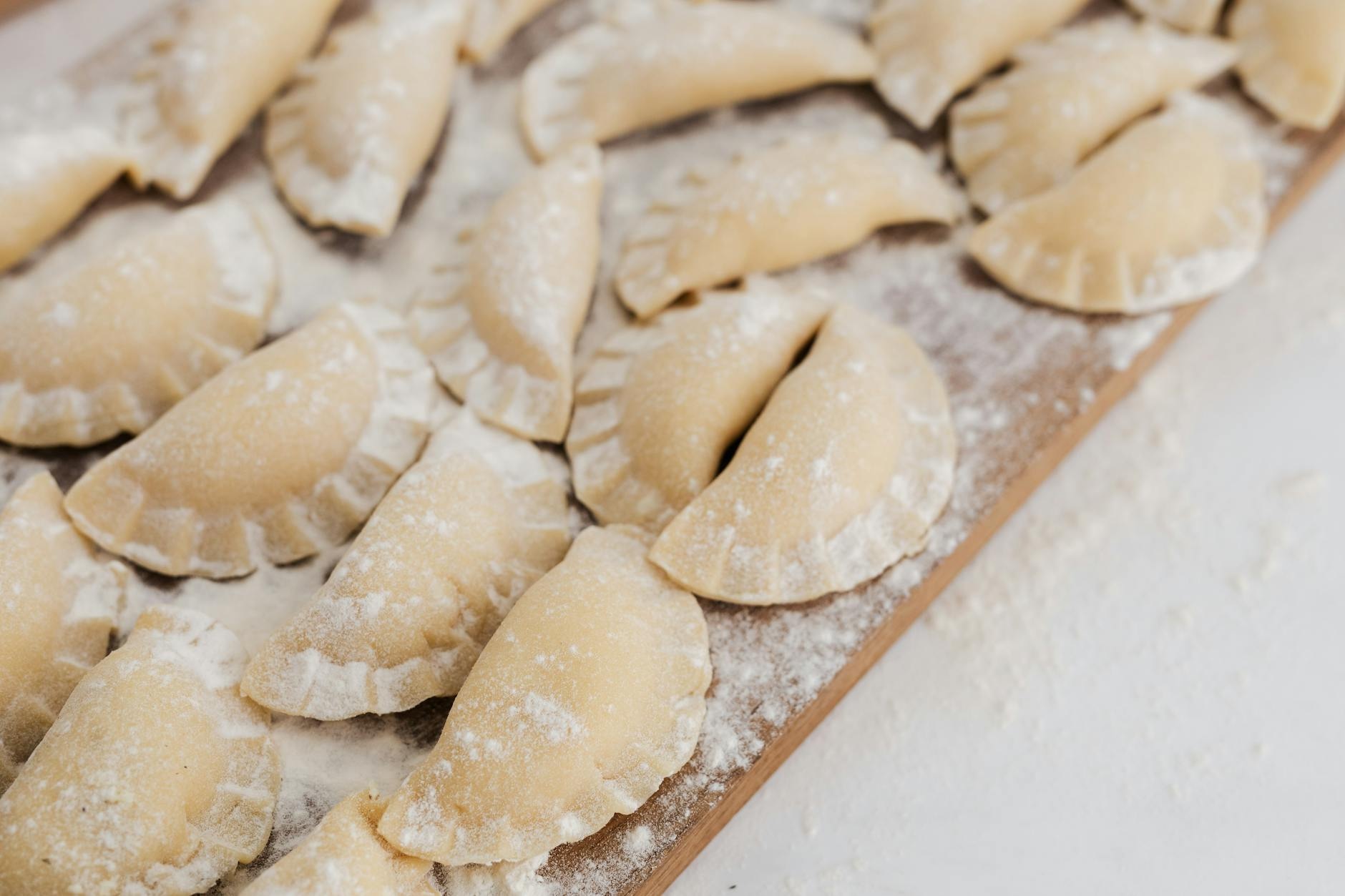
Characterized by hearty, meat-centric dishes, often featuring paprika, onions, and simple preparations. A strong pastoral tradition influences the cuisine with an emphasis on readily available ingredients like pork, beef, and root vegetables. Dairy products, particularly sour cream and cottage cheese, also play a significant role.
Cultural Significance:
Reflects the nomadic and agricultural history of the region, with dishes often cooked over open fires or in large cauldrons, emphasizing practicality and resourcefulness.
Signature Dishes:
- Slambuc (shepherd's stew)
- Pörkölt (meat stew)
- Cigánypecsenye (Gypsy roast)
- Túrógombóc (sweet cottage cheese dumplings)
Key Ingredients:
Transdanubia (Dunántúl)
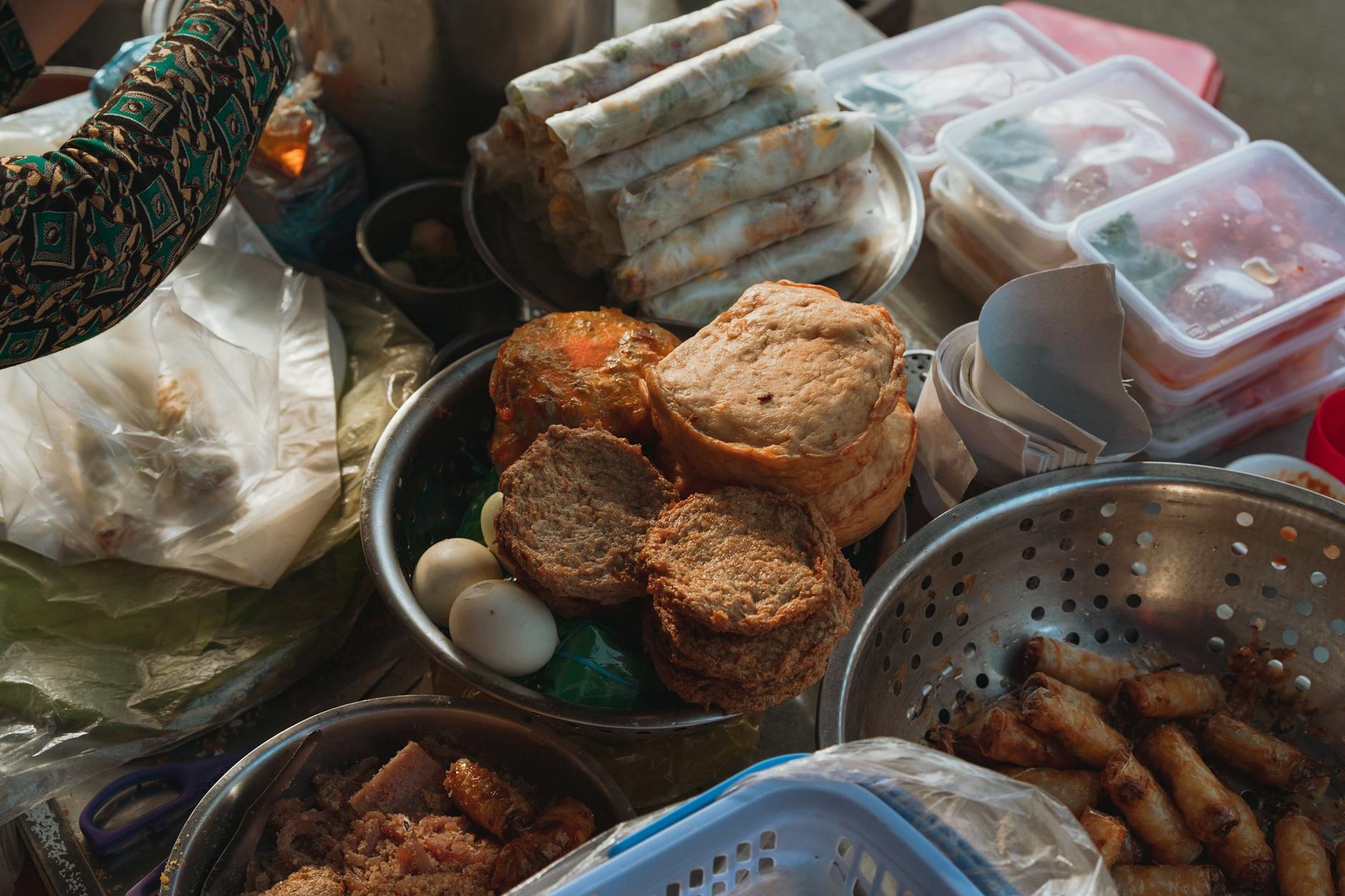
Shows more Western European, particularly Austrian and German, influences. Dishes tend to be lighter and less reliant on paprika, often incorporating more vegetables, fruits, and game meats. Baking traditions are strong, with a variety of pastries and cakes unique to the region.
Cultural Significance:
Reflects the region's history as a crossroads of cultures, blending Hungarian traditions with influences from neighboring countries. The use of wine in cooking is a notable feature, reflecting the region's strong viticultural traditions.
Signature Dishes:
- Flódni (layered cake)
- Bajai halászlé (fish soup from Baja)
- Töltött káposzta (stuffed cabbage)
- Borjúpaprikás (veal stew with paprika)
Key Ingredients:
Northern Hungary (Észak-Magyarország)
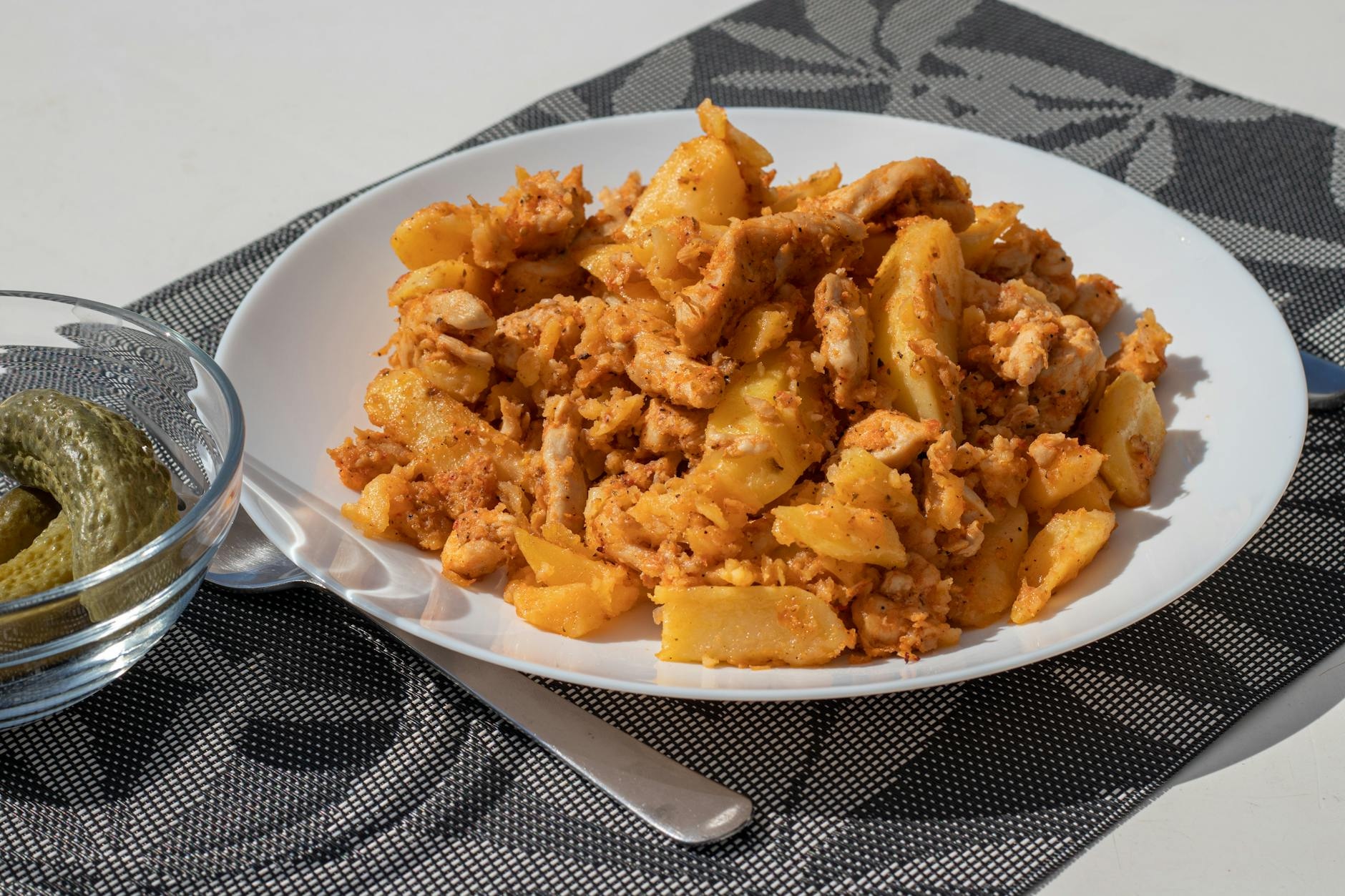
Known for its hearty soups, stews, and roasted meats, often featuring potatoes, cabbage, and mushrooms. The region's cooler climate contributes to a preference for warming, filling dishes. Game meats and forest products are also common.
Cultural Significance:
Reflects the region's mountainous terrain and colder climate, with dishes designed to provide sustenance and warmth. The use of smoked paprika and preserved meats is a testament to the region's history of preserving food for the long winters.
Signature Dishes:
- Lecsó (vegetable stew)
- Gulyásleves (goulash soup)
- Töltött paprika (stuffed peppers)
- Hurka és kolbász (sausage and blood sausage)
Key Ingredients:
Lake Balaton
Features freshwater fish from the lake, along with locally grown fruits and vegetables. The cuisine is generally lighter and fresher than other regions, with an emphasis on seasonal ingredients. Wine production is also significant, with many local wineries producing crisp white wines.
Cultural Significance:
Reflects the region's unique ecosystem and its reliance on the lake for sustenance. The use of fresh, seasonal ingredients and the pairing of dishes with local wines are central to the culinary experience.
Signature Dishes:
- Balatoni fogas (zander fish from Lake Balaton)
- Balatoni hekk (hake fish from Lake Balaton)
- Sült keszeg (fried carp)
- Lángos (fried flatbread)
Key Ingredients:

Sweet Delights & Desserts
Indulge in Hungary's traditional sweet treats and desserts.

Dobos Torta (Dobos Cake)
A layered sponge cake with chocolate buttercream and a caramelized sugar topping. A classic Hungarian dessert created by József C. Dobos in 1885.
Kürtőskalács (Chimney Cake)
A sweet, cylindrical pastry baked over an open fire and coated in sugar, cinnamon, or other toppings. A popular treat at festivals and markets.

Rétes (Strudel)
A thin, flaky pastry filled with various sweet or savory fillings, such as apple, poppy seed, or cabbage. A common dessert enjoyed throughout Central and Eastern Europe.
Traditional Beverages
Discover Hungary's traditional drinks, from locally produced spirits to regional wines.

Pálinka
A traditional fruit brandy made from various fruits, such as plums (szilva), apricots (barack), or cherries (cseresznye). A strong spirit with a distinct fruity flavor. Pálinka culture thrives throughout Hungary with varieties ranging from 37-86% alcohol.

Tokaji Aszú
A sweet dessert wine from the Tokaj region, made from botrytised grapes. Known for its rich, complex flavors and long aging potential. Historic sweet wine region is UNESCO World Heritage experiencing renaissance in 2025.

Unicum
A Hungarian herbal liqueur with a bitter-sweet flavor, made from a secret blend of over 40 herbs and spices. Often consumed as a digestif.
Soft Beverages
Discover Hungary's traditional non-alcoholic drinks, from local teas to refreshing juices.

Traubisoda
A popular Hungarian grape soda, available in various flavors. A refreshing non-alcoholic option enjoyed by people of all ages.

Gyümölcslé (Fruit Juice)
Freshly squeezed or bottled fruit juices are widely consumed, with popular choices including apple, cherry, and apricot. A healthy and refreshing beverage option.

Tea (Tea)
Tea, particularly black tea, is a common beverage, often consumed with lemon and sugar. Herbal teas, such as chamomile and mint, are also popular.